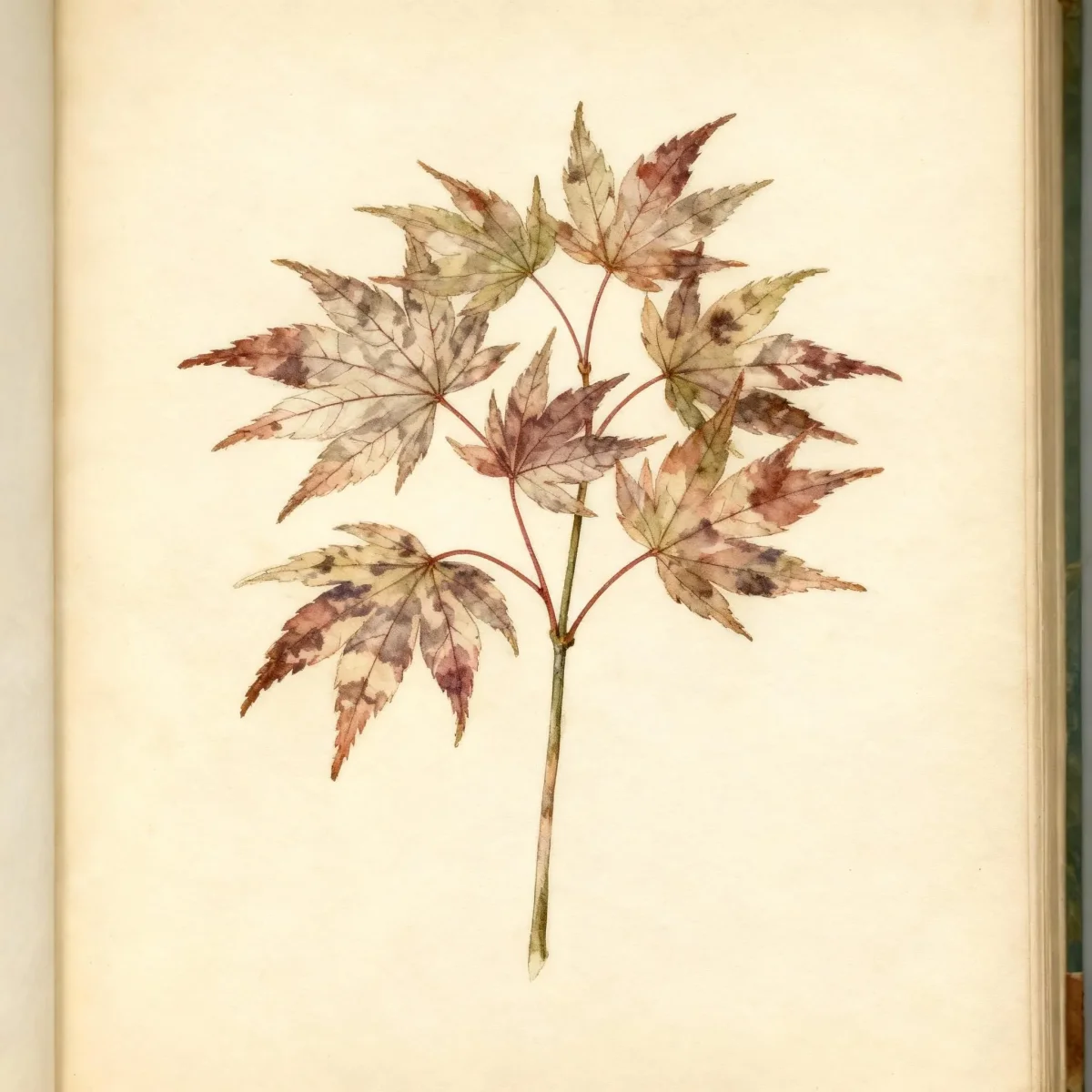
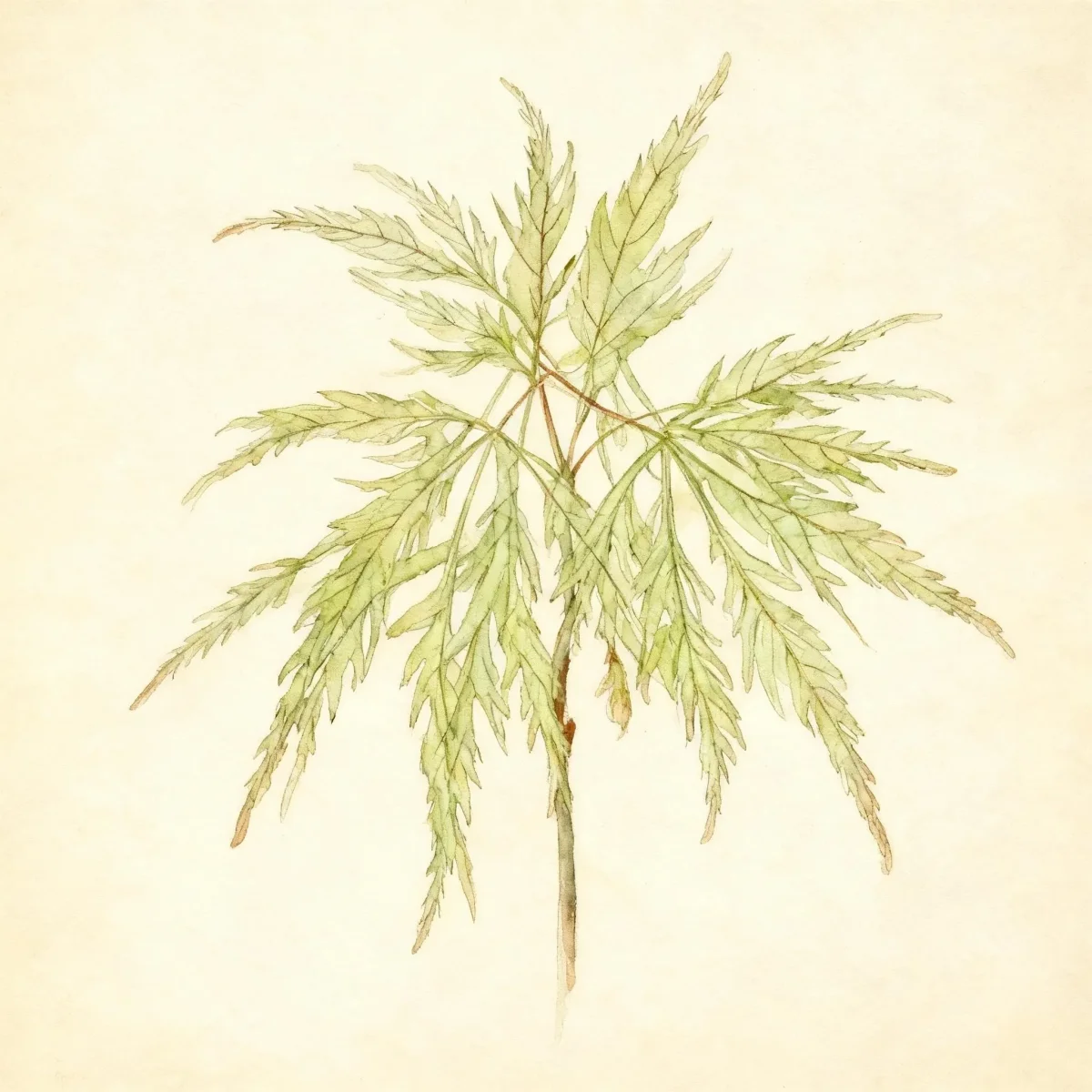
Japanese maple (Acer palmatum var. dissectum 'Filigree')
Acer palmatum var. dissectum 'Filigree' is a laceleaf Japanese maple offering fine texture, mounding habit, and golden autumn color, ideal for accent planting.
Scroll down to discover growing tips, care requirements, companion plants, and more
Complete Plant Information
Overview
The Acer palmatum var. dissectum ‘Filigree’, commonly known as a laceleaf Japanese maple, is prized for its delicate, finely dissected foliage and graceful, mounding habit. This cultivar stands out due to its low-growing stature, typically reaching only 6 feet tall, making it perfect for smaller gardens or specimen placement where larger maples might overwhelm the space. Its slow growth and cascading branches give it an elegant, permanent presence that brightens the landscape.
Like other superior varieties of Japanese maple, the ‘Filigree’ adds seasonal interest, moving from yellowish-green leaves speckled with cream and gold to a beautiful golden hue in autumn. Requiring relatively low maintenance once established, Acer palmatum var. Dissectum ‘Filigree’ excels when given protection from harsh elements, rewarding careful placement with year-round aesthetic appeal. Gardeners seeking texture and controlled size should highly consider this exquisite cultivar.
Fast Facts
- Plant Family: Sapindaceae
- Plant Type: Tree
- Hardiness Zones: USDA Zones 5-8
- Size at Maturity:
- Height: 4-6 ft
- Spread: 6-9 ft
- Bloom Time: April
- Bloom Description: Reddish purple
- Sun Exposure: Full sun to part shade
- Water Needs: Medium
- Maintenance Level: Low
How to Grow
The best environment for Acer palmatum var. dissectum ‘Filigree’ involves moist, organically rich, slightly acidic, and very well-drained soils. While it handles full sun in cooler northern regions, in hotter climates (southern parts of its range), ensure the Japanese maple receives some afternoon shade to prevent leaf scorch. Sandy loams are generally accommodating, but rigorous soil drainage is critical to avoid root issues.
Maintain consistent soil moisture, especially during hot summers, as drying out will stress the foliage, causing burn. Apply a layer of mulch yearly to help keep the roots cool and retain precious soil moisture. Always site this laceleaf Japanese maple away from areas prone to strong or drying winds, which can desiccate the fine leaves.
Pruning should be kept to an absolute minimum. If shaping is necessary, perform cuts in late fall through mid-winter only. Avoid pruning in spring or summer, as cutting these deciduous shrubs during active growth periods commonly results in significant sap bleeding from the wounds.
Landscape Uses
Dissected forms of the Japanese maple, including the ‘Filigree’ cultivar, are highly valued for their intricate foliage texture and naturally low, spreading form. They function exceptionally well as specimen or accent plantings near water features, where their cascading form can be beautifully reflected. The fine texture contrasts wonderfully with broad-leaved evergreens or larger foundation plants.
Because the Acer palmatum var. dissectum ‘Filigree’ remains relatively small (maturing near 6 feet tall), it is perfect for framing entryways, anchoring smaller borders, or providing focal points in rock gardens. It also performs admirably as a sun-dappled understory specimen beneath taller, established deciduous trees, offering layered interest throughout the garden.
Standout Features
Flower Qualities
- Insignificant
Noteworthy Characteristics
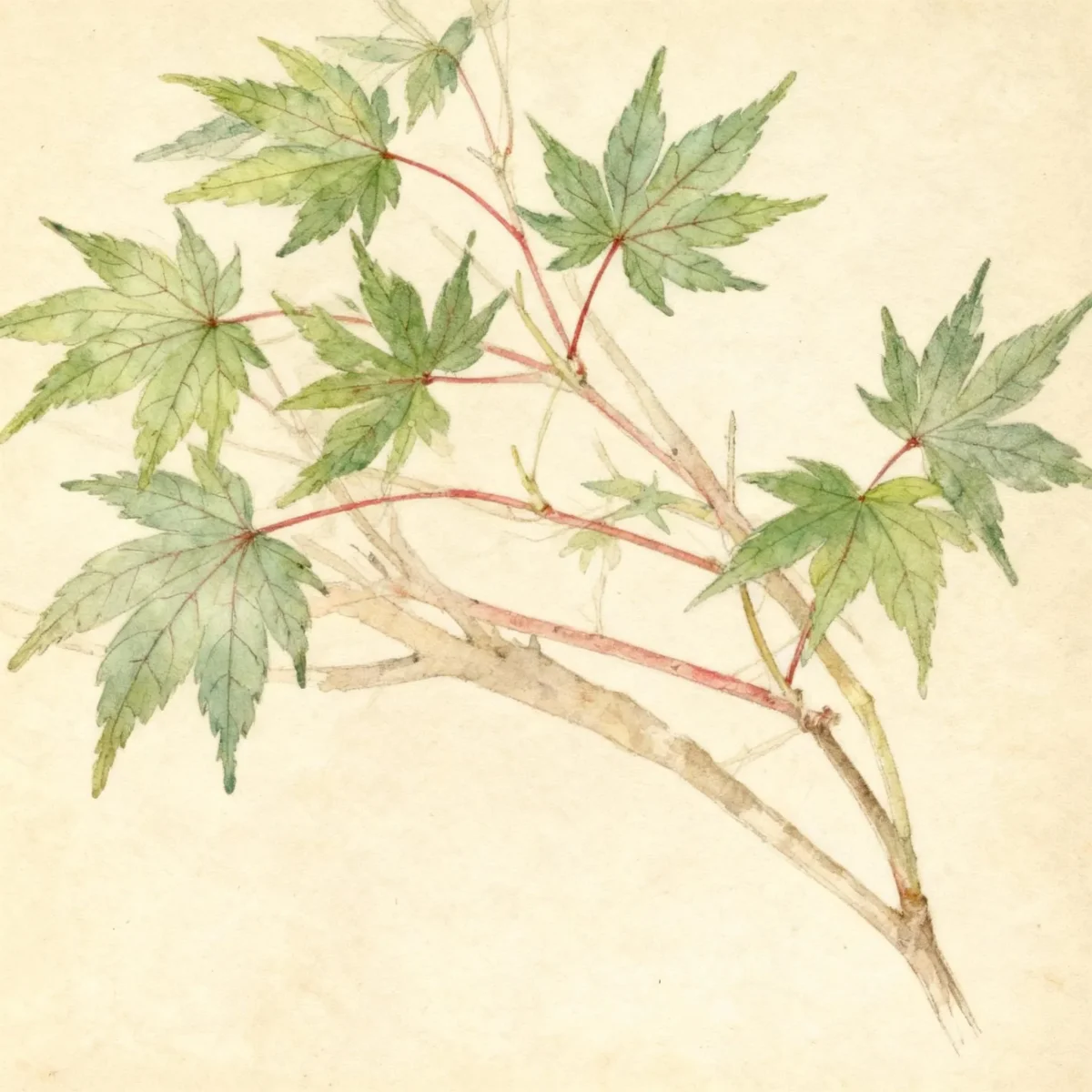
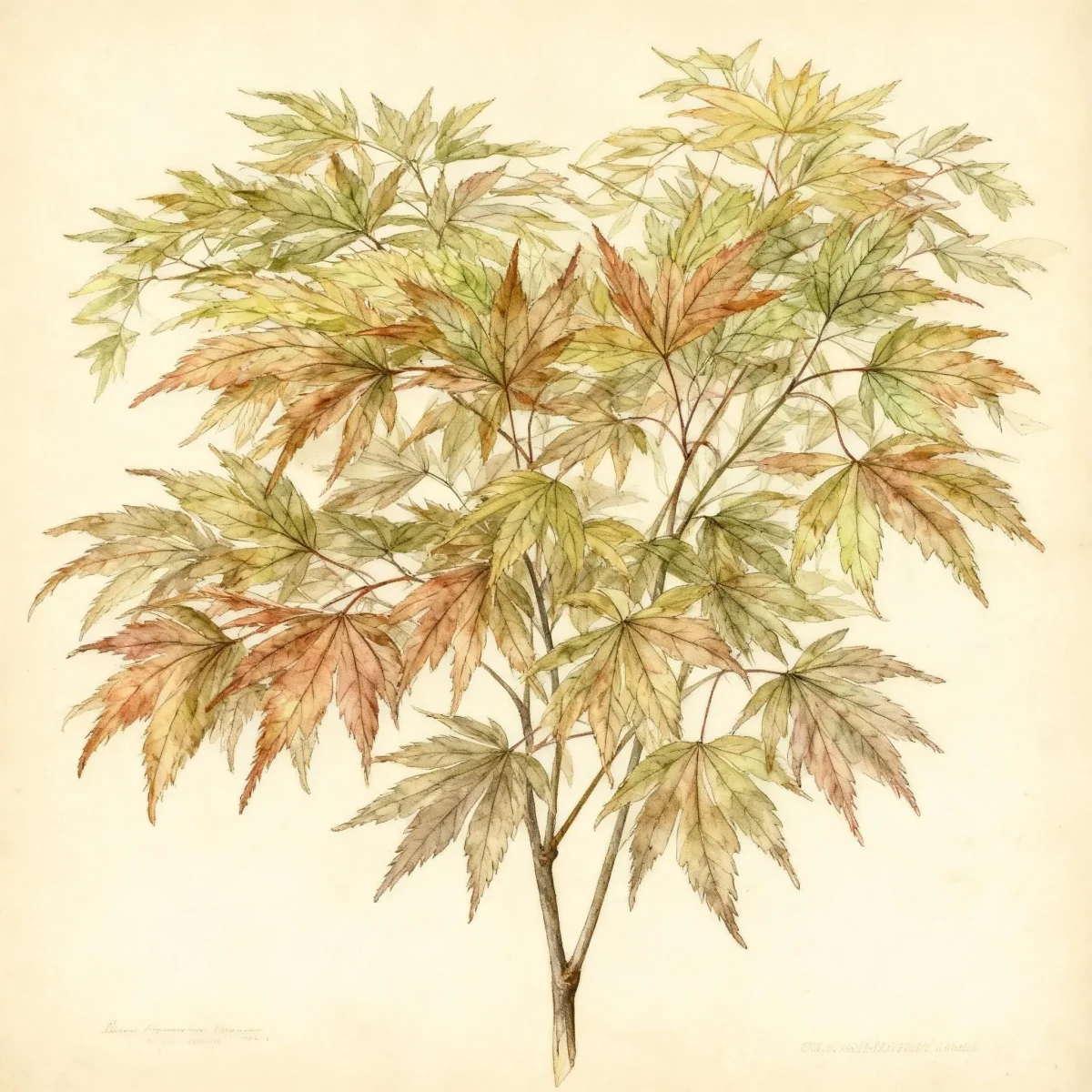
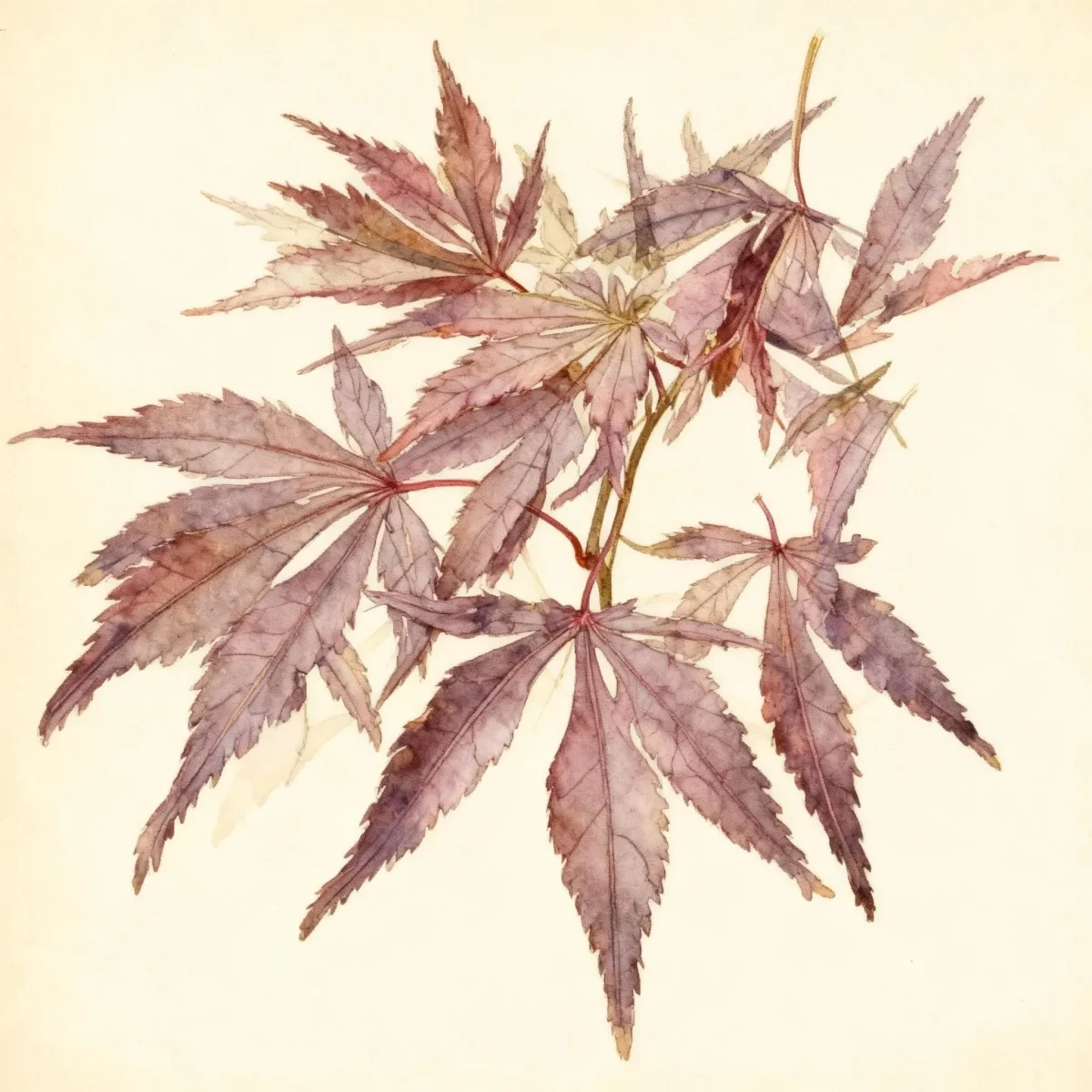
Acer palmatum, commonly called Japanese Maple, is a deciduous shrub or small tree known for its rounded form and deeply lobed palmate leaves that offer spectacular fall color transitions. The specific ‘Filigree’ cultivar matures into a rounded, mounding shape with cascading, drooping branches. Its distinctive foliage features seven deeply incised lobes that are finely dissected, serrated, and often speckled with flecks of cream and gold over a yellowish-green base, eventually turning brilliant gold in the autumn.
Tolerances
- Rabbit
- Black Walnut
Potential Problems
Foliage is the Japanese maple’s greatest asset but also its vulnerability, especially regarding late spring frosts which can damage the early emerging leaves. Chlorosis (yellowing) may develop if the soil pH is too high, making iron uptake difficult. Always test your soil to ensure the necessary slightly acidic conditions are met.
Pest issues often center around mites, aphids, scale, and borers, requiring routine inspection. Fungal issues like leaf spots, anthracnose, and verticillium wilt are more serious; prevention involves ensuring excellent air circulation and never over-saturating the soil. Avoid hot, exposed sites to minimize stress that invites insect trouble.
Frequently Asked Questions
What hardiness zones is Japanese maple suitable for?
Acer palmatum var. dissectum ‘Filigree’ is reliably hardy in USDA Zones 5 through 8.
How large does Acer palmatum var. dissectum ‘Filigree’ grow?
This laceleaf Japanese maple typically matures to a height between 4 and 6 feet, with a slightly wider spread ranging from 6 to 9 feet.
What sun exposure does Acer palmatum var. dissectum ‘Filigree’ need?
It performs best with full sun to part shade exposure. In hotter regions, partial afternoon shade is strongly recommended to protect the delicate foliage from scorching.
When does Japanese maple bloom?
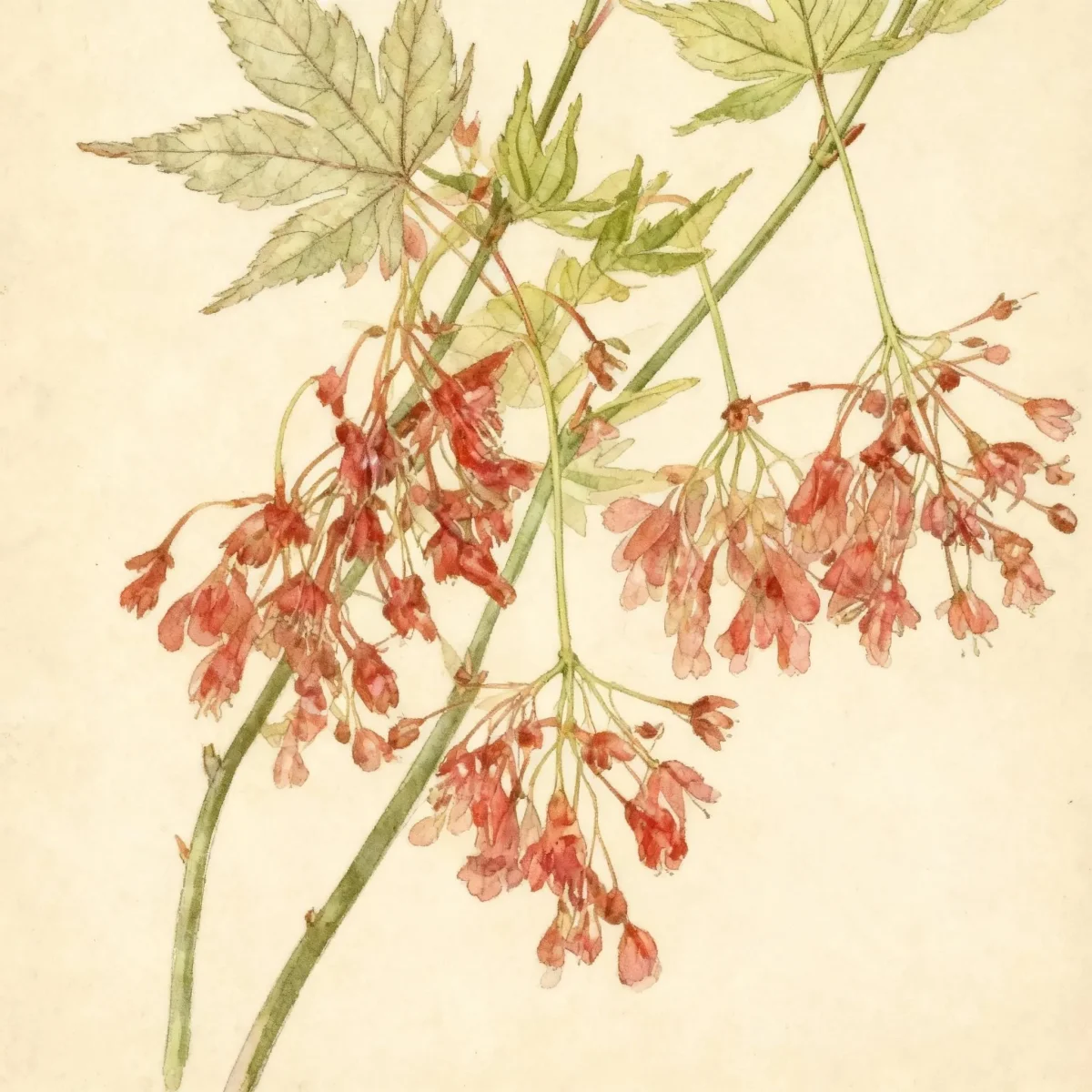
The small, showy flowers of the Acer palmatum var. dissectum ‘Filigree’ generally appear in April, displaying a reddish-purple hue.
Conclusion
The Acer palmatum var. dissectum ‘Filigree’ offers unparalleled textural beauty in a manageable size, making it a superb choice for detailed garden design. Its fine, delicate foliage and mounding habit confirm why this laceleaf Japanese maple remains a highly sought-after cultivar. Before planting this year, verify your site offers protection from drying winds and consistent moisture, ensuring your new specimen thrives.
Companion Planting
When selecting companions for the Acer palmatum var. dissectum ‘Filigree’, focus on plants that offer textural contrast or similar cultural needs. Broad-leaved evergreen shrubs, such as boxwood or dwarf rhododendrons, provide a dark, solid background that makes the fine, light foliage of the Japanese maple pop. Because this plant prefers consistent moisture, consider pairing it with moisture-loving perennials like Hosta or ferns beneath it in dappled shade areas.
Avoid placing the laceleaf Japanese maple too close to structures that radiate intense heat during the afternoon, as this compounds the scorching risk for the fine leaves. Using stones or low-growing groundcovers that keep the root base cool also aids in mimicking the cool, moist conditions this tree naturally prefers in its native habitats.
Design Ideas: Focal Points and Containers
The mounding, slightly weeping form of Acer palmatum var. dissectum ‘Filigree’ makes it an excellent structural focal point, particularly when sited where its low branches can cascade slightly over retaining walls or the edge of a patio. Plant it slightly off-center for the most dynamic visual balance in any garden area. The golden autumn color provides a brilliant final show before dormancy.
Due to its compact eventual size, this Japanese maple is perfectly suited for large, high-quality containers. When grown in pots, attention to watering becomes even more crucial; use a high-quality, well-draining potting mix amended with compost. Ensure containers are sufficiently large to accommodate the 6-to-9-foot spread, allowing the branches the necessary room to drape naturally.