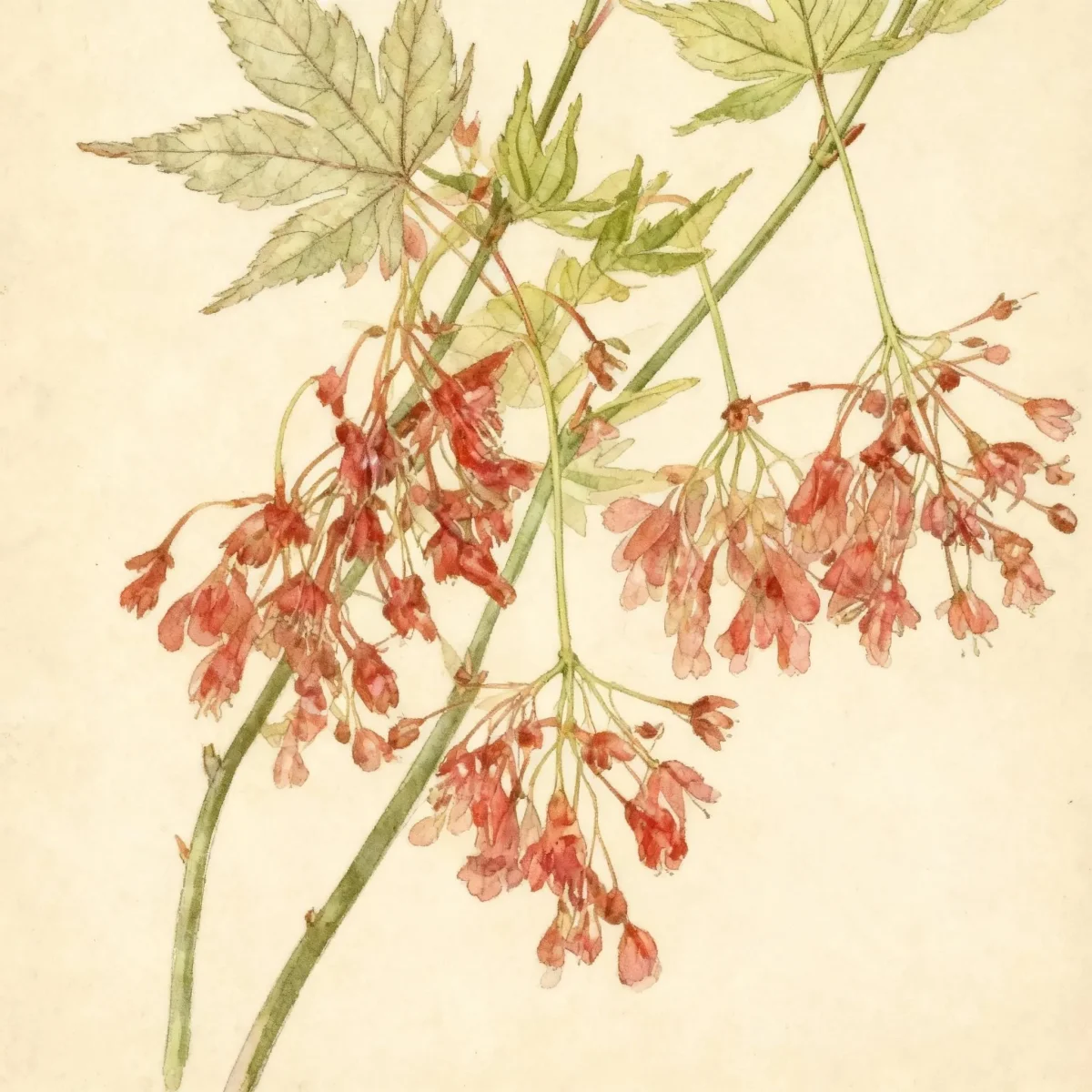
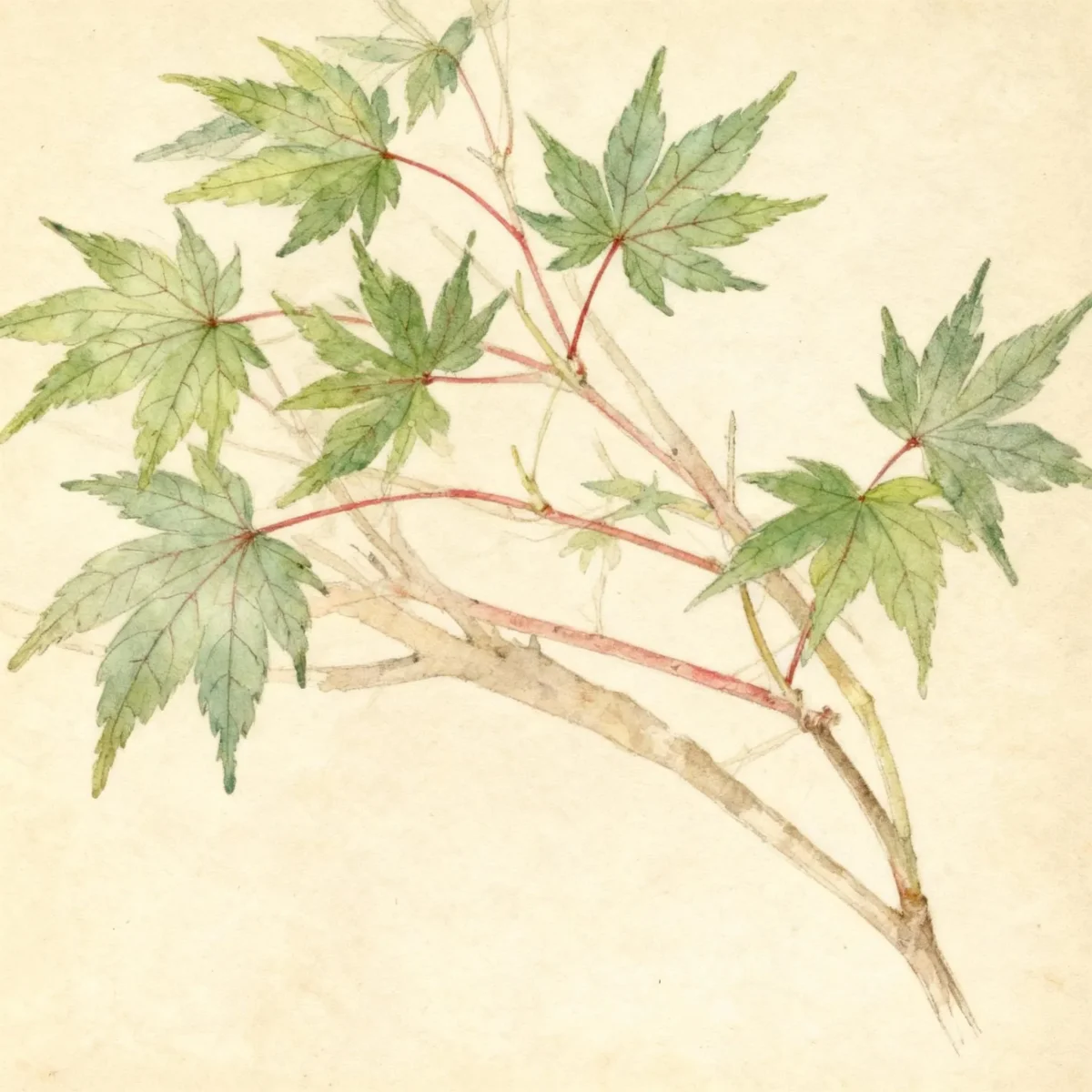
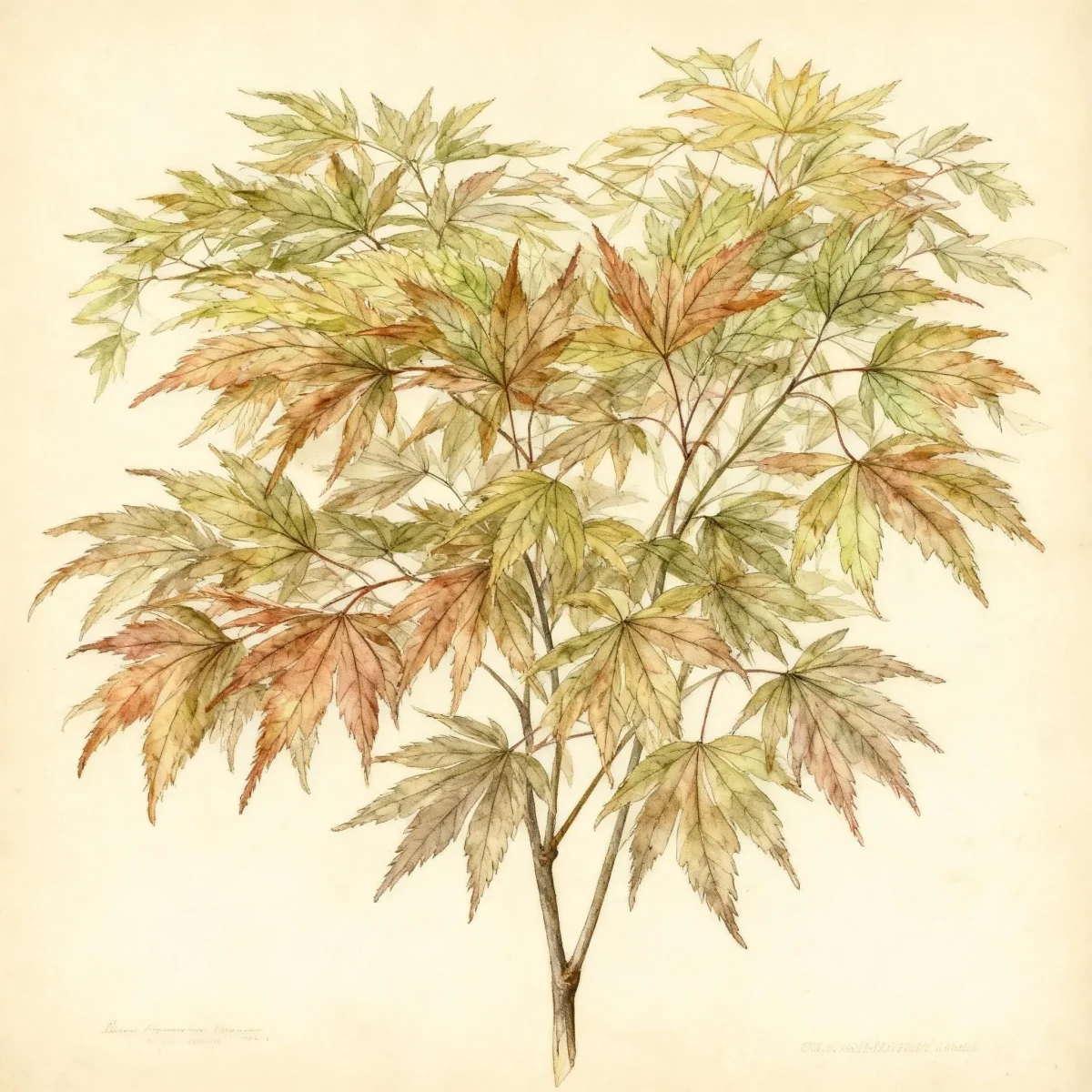
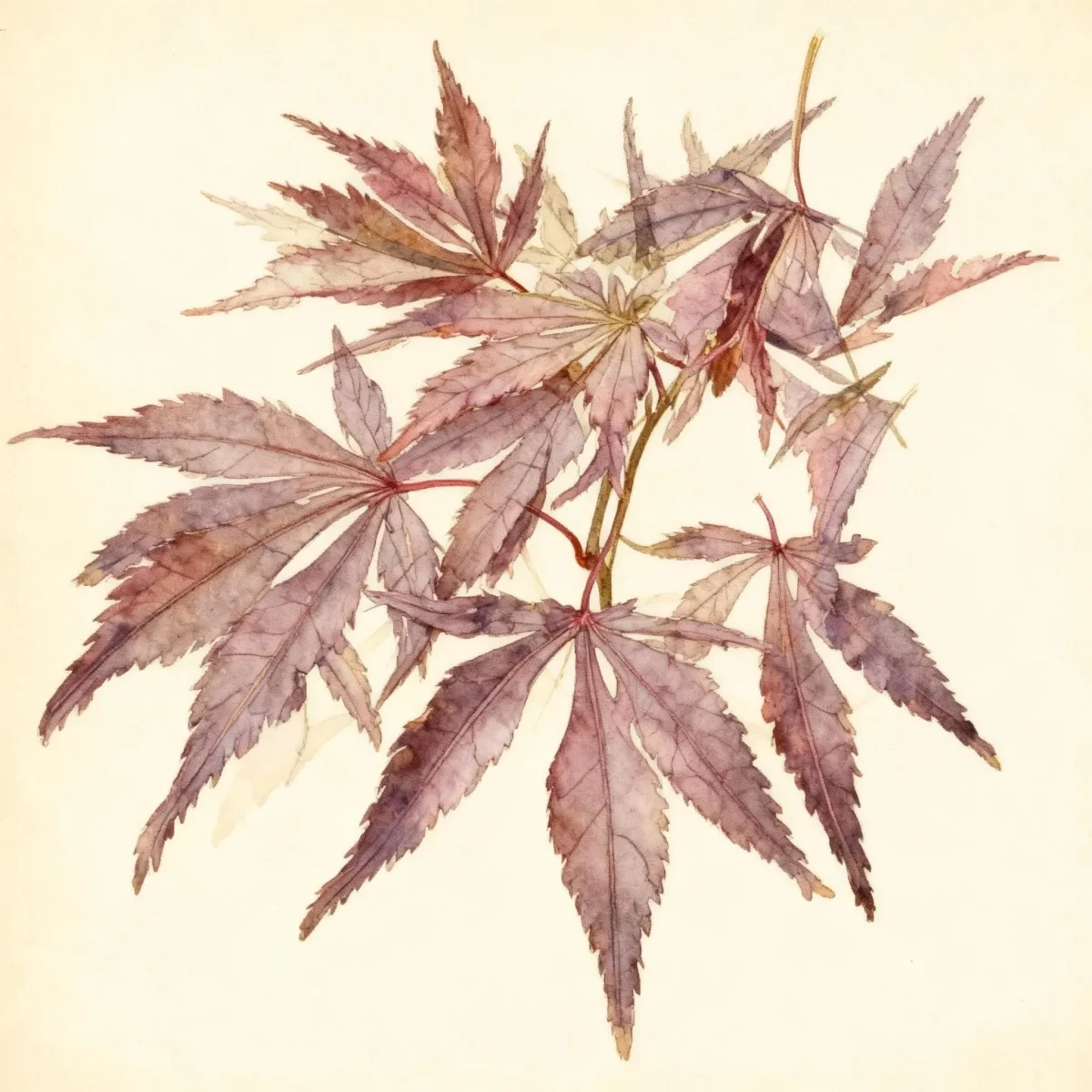
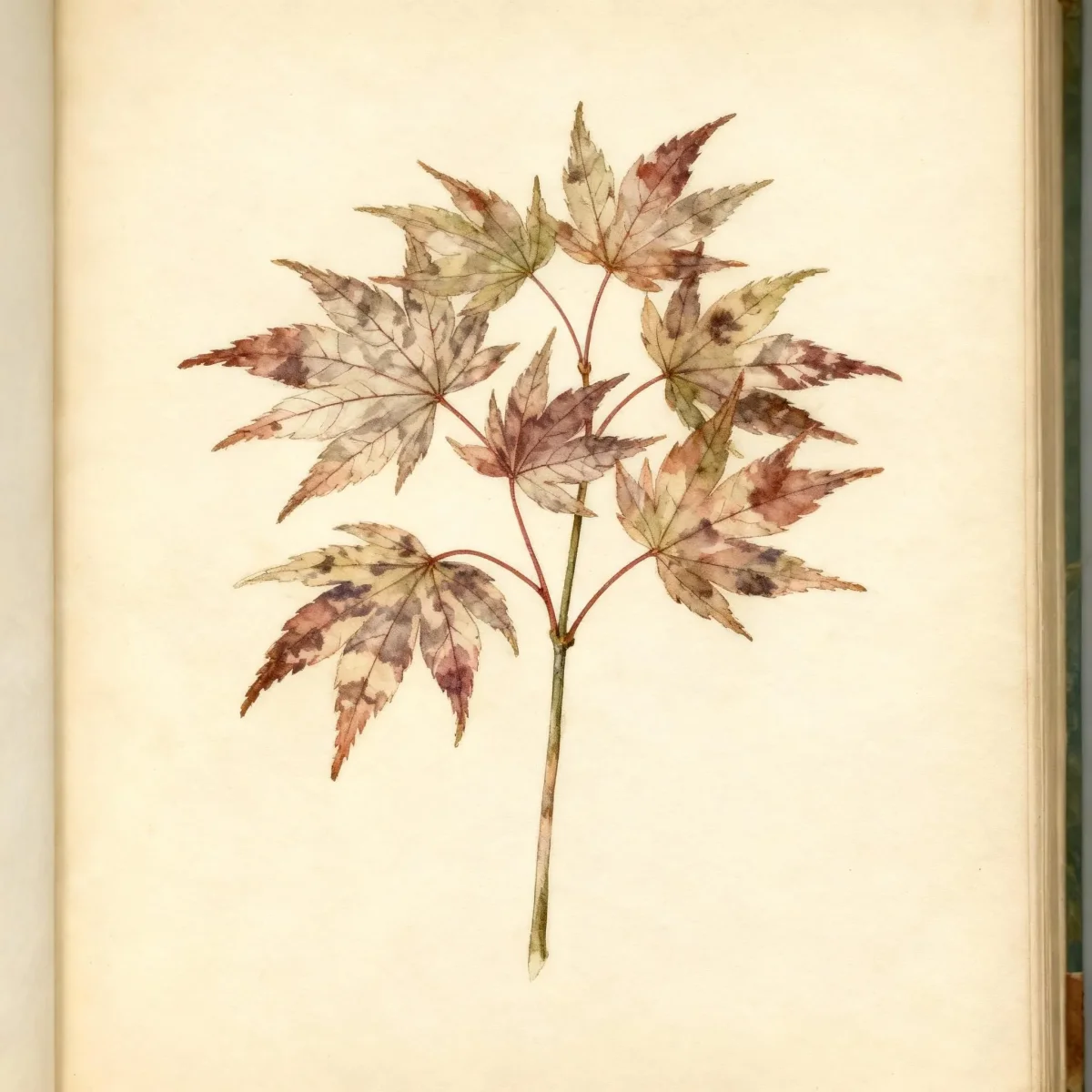
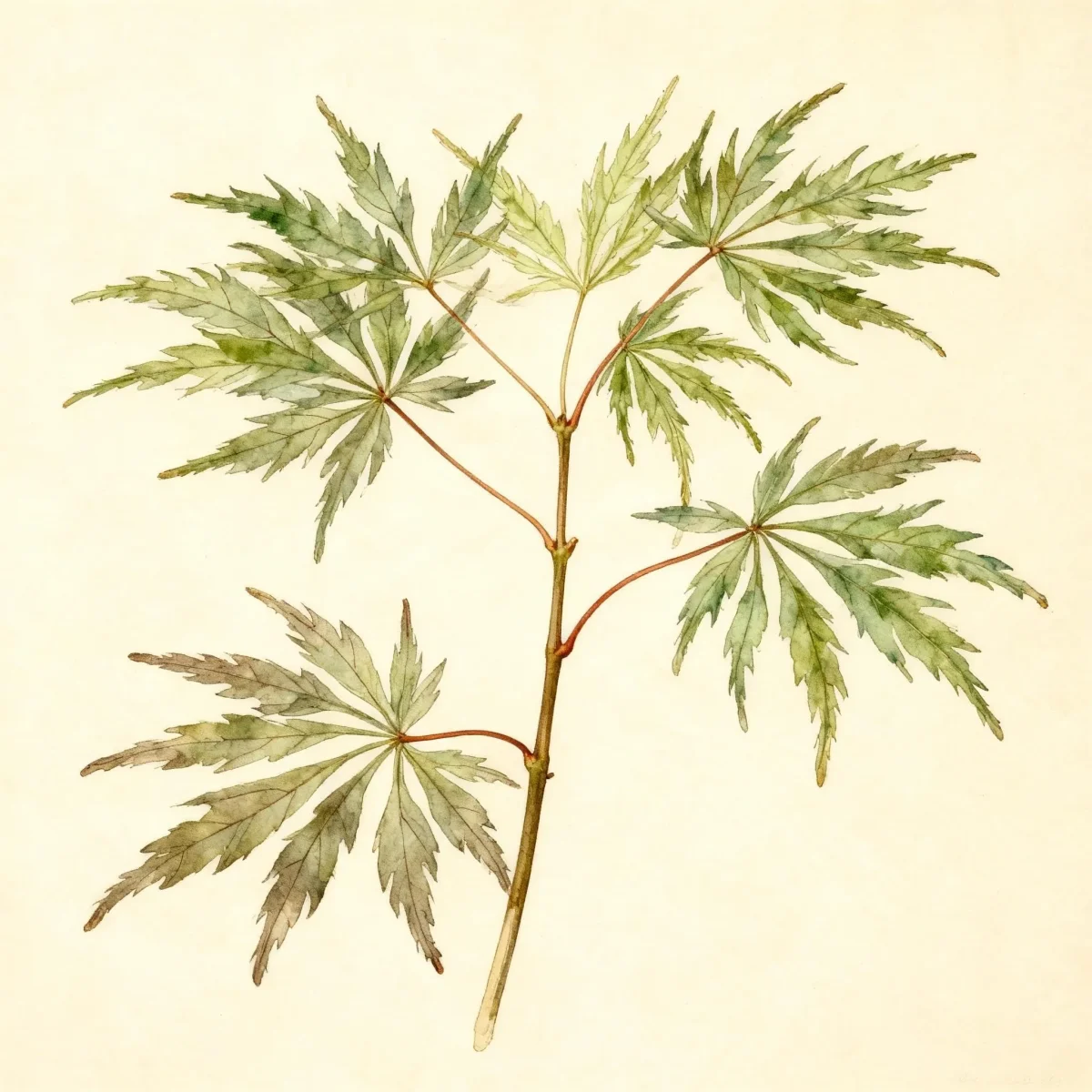
Japanese maple (Acer palmatum var. dissectum (Dissectum Viride Group))
Discover Acer palmatum var. dissectum (Dissectum Viride Group), a low-maintenance Japanese maple prized for its striking, deeply dissected green foliage and cascading habit. Hardy in zones 5-8.
Scroll down to discover growing tips, care requirements, companion plants, and more
Complete Plant Information
Overview
Acer palmatum var. dissectum (Dissectum Viride Group) is a standout cultivar within the broader category of Japanese maple, renowned for its elegant, weeping form and finely textured foliage. This specific variety, part of the Dissectum Viride Group, maintains a manageable size, making it perfect for smaller gardens or feature placements where its cascading branches can be fully appreciated. It offers desirable low maintenance requirements coupled with year-round visual interest.
The value of this Japanese maple lies in its delicate, deeply cut, palmate leaves that create a fine, airy texture, unlike the broader leaves of many other maples. While the flowers are not showy, the overall structure and fall coloration—often transitioning to shades of yellow and red—ensure it remains a focal point throughout the growing season. Planting Acer palmatum var. Dissectum (Dissectum Viride Group) offers immediate architectural structure to any landscape design.
This slow-growing shrub or small tree thrives under similar conditions to other laceleaf varieties, preferring protection from harsh afternoon sun in warmer climates. Its low-spreading, mounded shape rarely exceeds 10 feet tall, providing a sophisticated, spreading accent perfect for foundational plantings or specimen display.
Fast Facts
- Plant Family: Sapindaceae
- Plant Type: Tree
- Hardiness Zones: USDA Zones 5-8
- Size at Maturity:
- Height: 6-10 ft
- Spread: 6-10 ft
- Bloom Time: April
- Bloom Description: Red
- Sun Exposure: Full sun to part shade
- Water Needs: Medium
- Maintenance Level: Low
How to Grow
Planting your Acer palmatum var. dissectum (Dissectum Viride Group) should ideally occur in the spring or fall when temperatures are moderate, allowing the root system to establish before summer heat or winter cold stress. Provide the best structure in moist, organically rich, slightly acidic, and well-drained soils; it handles sandy loams successfully. Ensure location avoids hot and dry sites, particularly in the southern end of its range where afternoon shade is highly recommended to prevent leaf scorch.
Water requirements are medium; consistency is key, especially during the first few years. Keeping soils consistently moist, aided by a layer of mulch to keep roots cool, prevents foliage from scorching during hot summers. While maintenance is generally low, site your Japanese maple where it is protected from strong winds, which can damage its delicate branching structure.
Pruning should be kept to an absolute minimum. If necessary, aim for late fall or mid-winter when the tree is fully dormant. Avoid pruning in spring or summer, as cutting into the active sap flow period often results in significant sap bleeding from the cuts, which is unsightly though usually not fatal.
Landscape Uses
Dissected forms of Japanese maples, including Acer palmatum var. dissectum (Dissectum Viride Group), are primarily cultivated for their exquisite foliage texture and low-spreading, cascading silhouette. They function exceptionally well as specimen or accent plants, drawing the eye with their graceful form near patios, entryways, or centralized in a border periphery. The feathery nature of the leaves also shines when planted near water features like a pond or water garden, reflecting light beautifully in dappled sunlight.
These smaller forms are also excellent choices for woodland gardens, situated beneath taller canopy trees where they benefit from sun-dappled understory conditions. For gardeners with limited space, their refined habit makes them highly effective features in large containers or structured rock gardens. Grouping them can create a mass planting effect showcasing the uniform, weeping habit of the Dissectum Viride Group.
Standout Features
Flower Qualities
- Insignificant
Noteworthy Characteristics
Acer palmatum, commonly called Japanese Maple, is a deciduous shrub or small tree celebrated for its distinctive leaf structure. Var. Dissectum is characterized by smaller, shrubby, slow-growing forms with deeply cut, feathery leaves, often referred to as laceleaf Japanese maple. The Dissectum Viride Group specifically denotes these naturally green-leaved forms that develop a dwarf, mounded, multi-stemmed habit with cascading branches, typically maturing between 6 to 10 feet high. Finely cut, green, dissected leaves transform into attractive shades of yellow to red during the autumn season.
Tolerances
- Rabbit
- Black Walnut
Potential Problems
Potential issues for your Japanese maple primarily involve diseases and pest pressure, often exacerbated by less-than-ideal growing conditions. Fungal issues like leaf spots, anthracnose, and root rots can appear, especially in overly wet or poorly draining soil. Insect pests such as aphids, scale, and borers may seasonally attack the branches or foliage.
A critical consideration for Acer palmatum var. dissectum (Dissectum Viride Group) is frost damage, as the foliage tends to emerge early in spring. Late frosts can severely damage tender new growth, leading to unsightly browning. Furthermore, if planted in high pH soils, the plant may develop chlorosis, resulting in yellowing leaves due to nutrient uptake issues. Ensure consistent moisture and protection from strong winds to mitigate many common stressors.
Frequently Asked Questions
What hardiness zones is Japanese maple suitable for?
This specific variety, Acer palmatum var. dissectum (Dissectum Viride Group), is best suited for USDA Hardiness Zones 5 through 8.
How large does Japanese maple grow?
This cultivar generally reaches a mature height between 6 to 10 feet tall, with an equal spread of 6 to 10 feet, maintaining a mounded, cascading shape.
What sun exposure does Japanese maple need?
It performs well in locations receiving full sun to part shade. Gardeners in hotter summers should aim for part shade, especially afternoon shade, to prevent leaf scorch.
When does Japanese maple bloom?
The small, reddish flowers typical of this type of Japanese maple usually appear in April.
Conclusion
The Acer palmatum var. dissectum (Dissectum Viride Group) is an exceptional choice for gardeners seeking a graceful, low-growing specimen characterized by fine-textured, chartreuse-to-green foliage. Its low maintenance needs and stunning weeping habit solidify its status as a premier ornamental tree. Before planting this beautiful Japanese maple, confirm that your site offers well-drained, slightly acidic soil and protection from harsh winds to ensure optimal health.
Companion Planting for Dissected Maples
Choosing the right companions enhances the fine texture of the Dissectum Viride Group. Consider pairing it with broad-leaved evergreens like Boxwood (Buxus) or Rhododendrons, which provide a solid green backdrop that makes the feathery foliage truly pop. Plants that thrive in similar slightly acidic, moist soils, such as Azaleas or Japanese Forest Grass (Hakonechloa macra), create a cohesive, naturalized woodland aesthetic. Avoid highly competitive shallow-rooted plants right at the base of the maple that might compete heavily for surface moisture.
Optimal Site Selection
Selecting the proper site geography is crucial for preventing common issues. Ensure the chosen location offers protection from strong, drying winds, as these can desiccate the fine leaves, especially near the end of winter or during summer droughts. While it tolerates sun, providing filtered light or morning-only sun in Zone 7 and 8 locations protects the foliage from midday scorch. An eastern exposure is often ideal, mitigating both heat stress and frost damage to early spring growth.