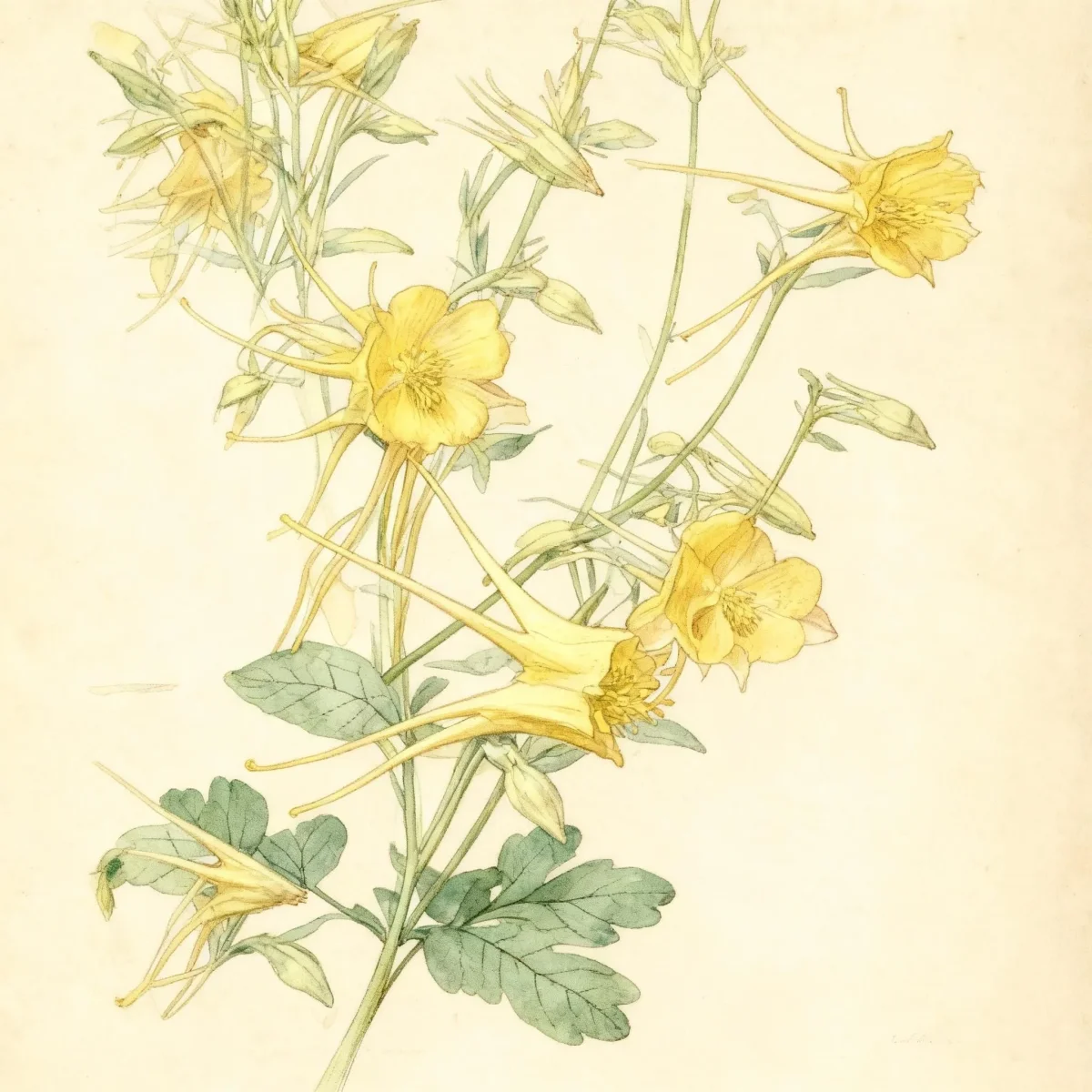
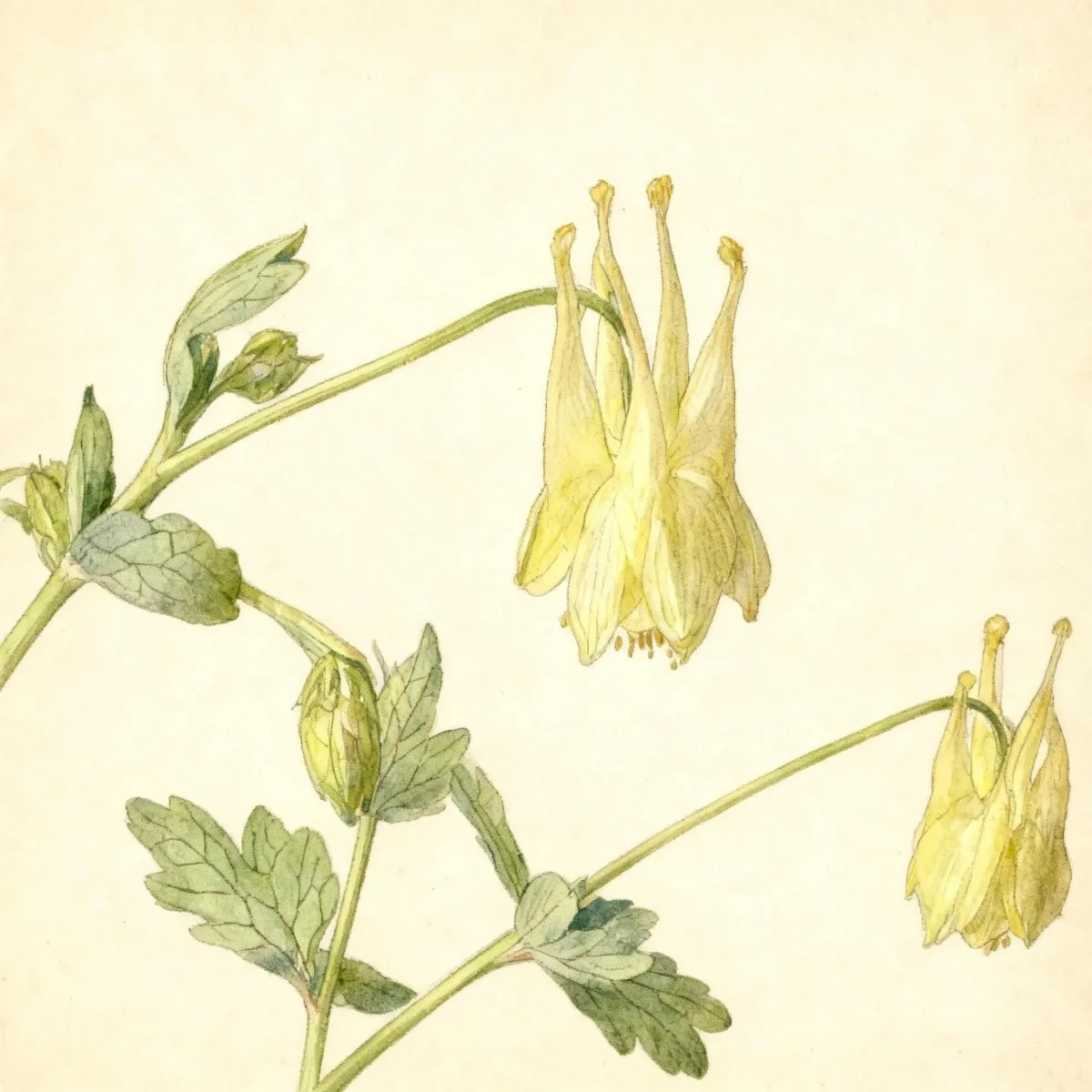
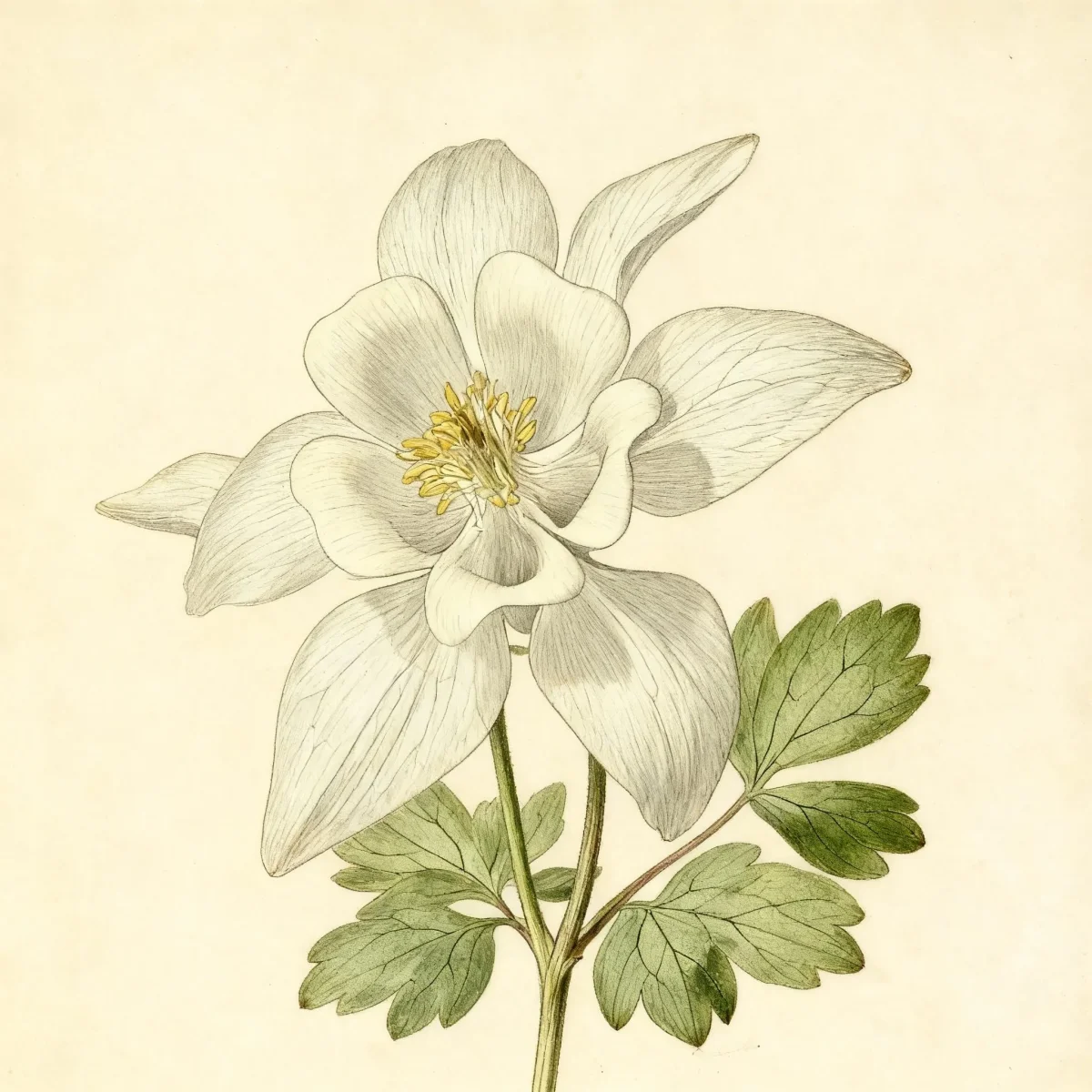
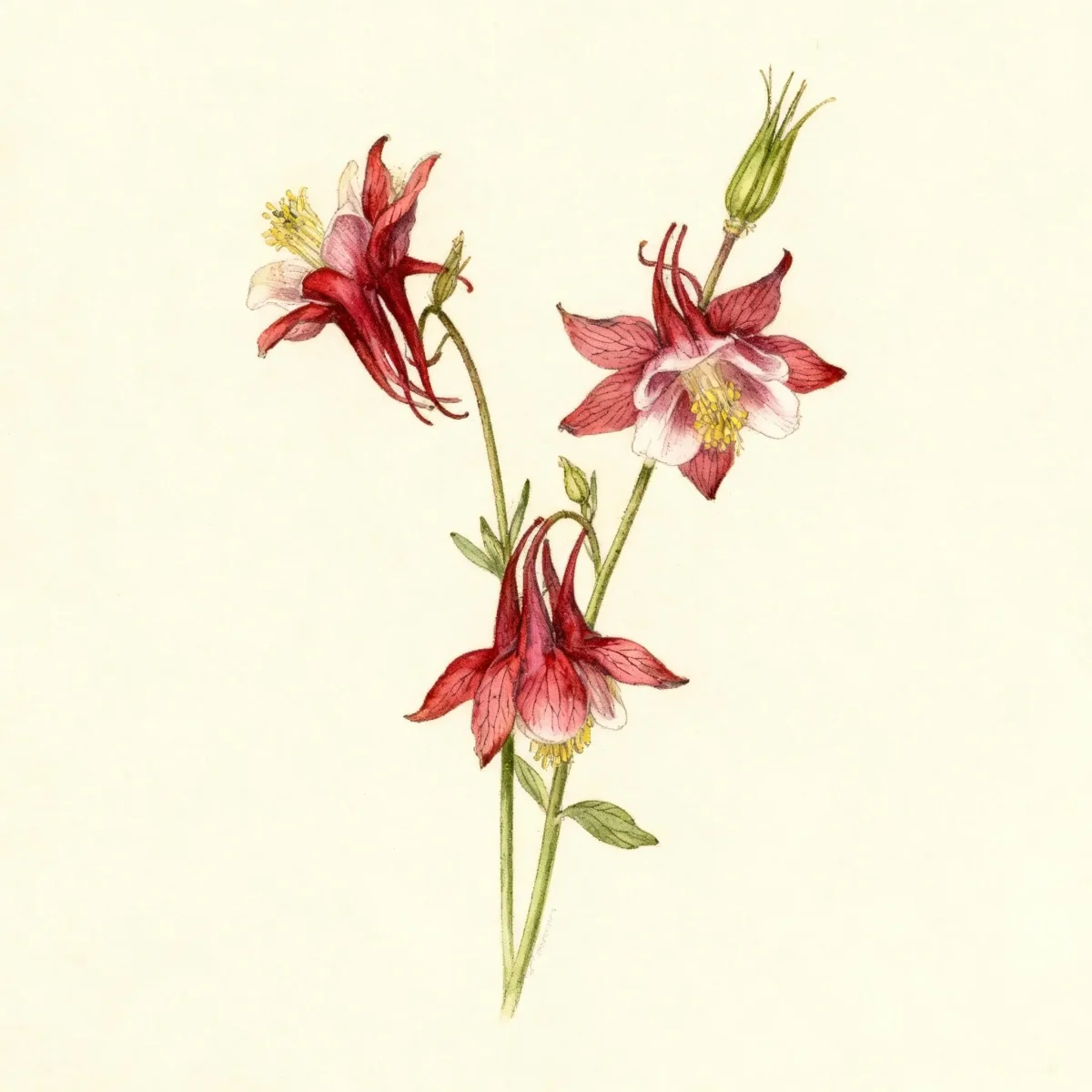
Columbine (Aquilegia vulgaris (Grandmother's Garden Group))
Discover Aquilegia vulgaris (Grandmother's Garden Group) Columbine, a bushy perennial blooming pink to white in zones 3-8. Ideal for cottage gardens.
Scroll down to discover growing tips, care requirements, companion plants, and more
Complete Plant Information
Overview
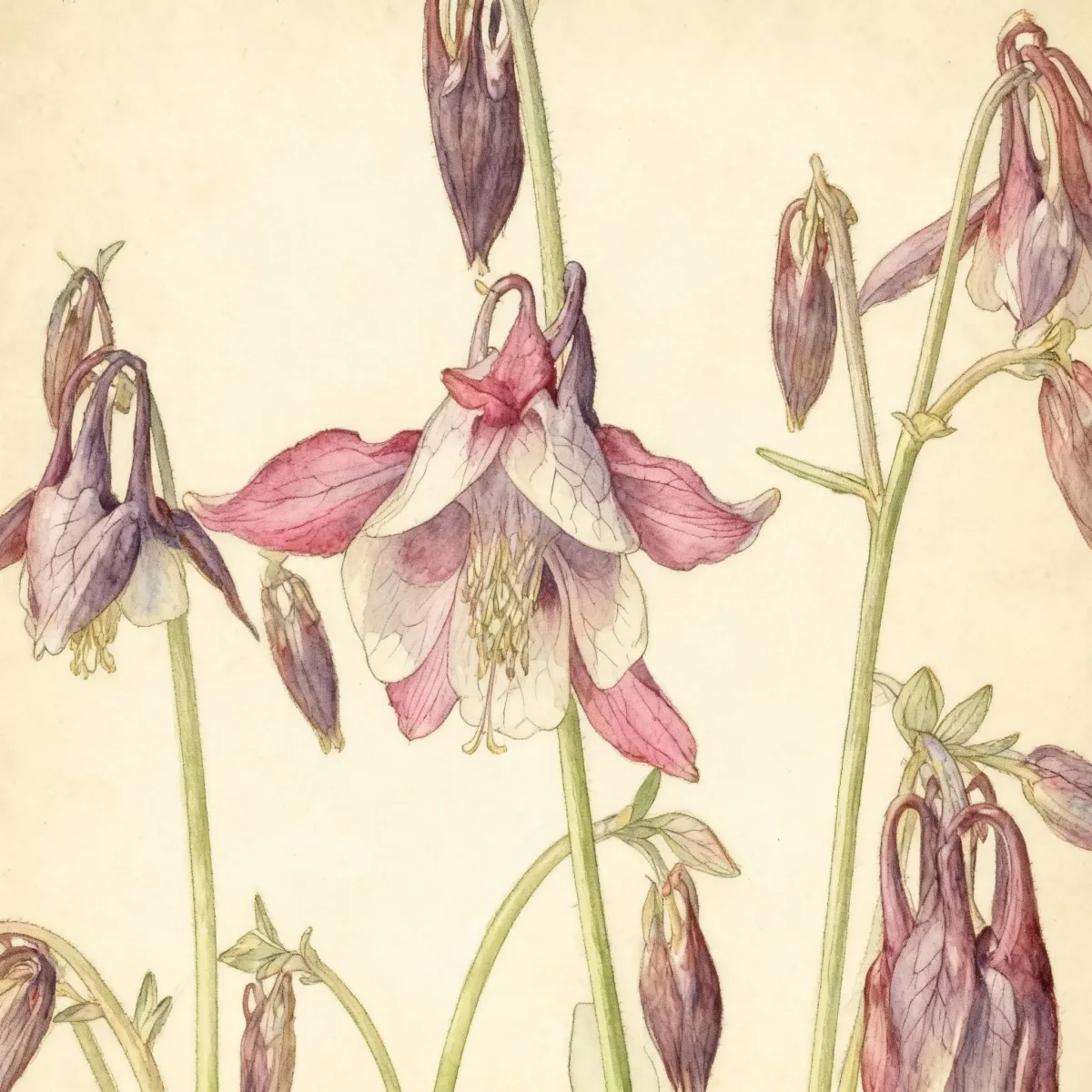
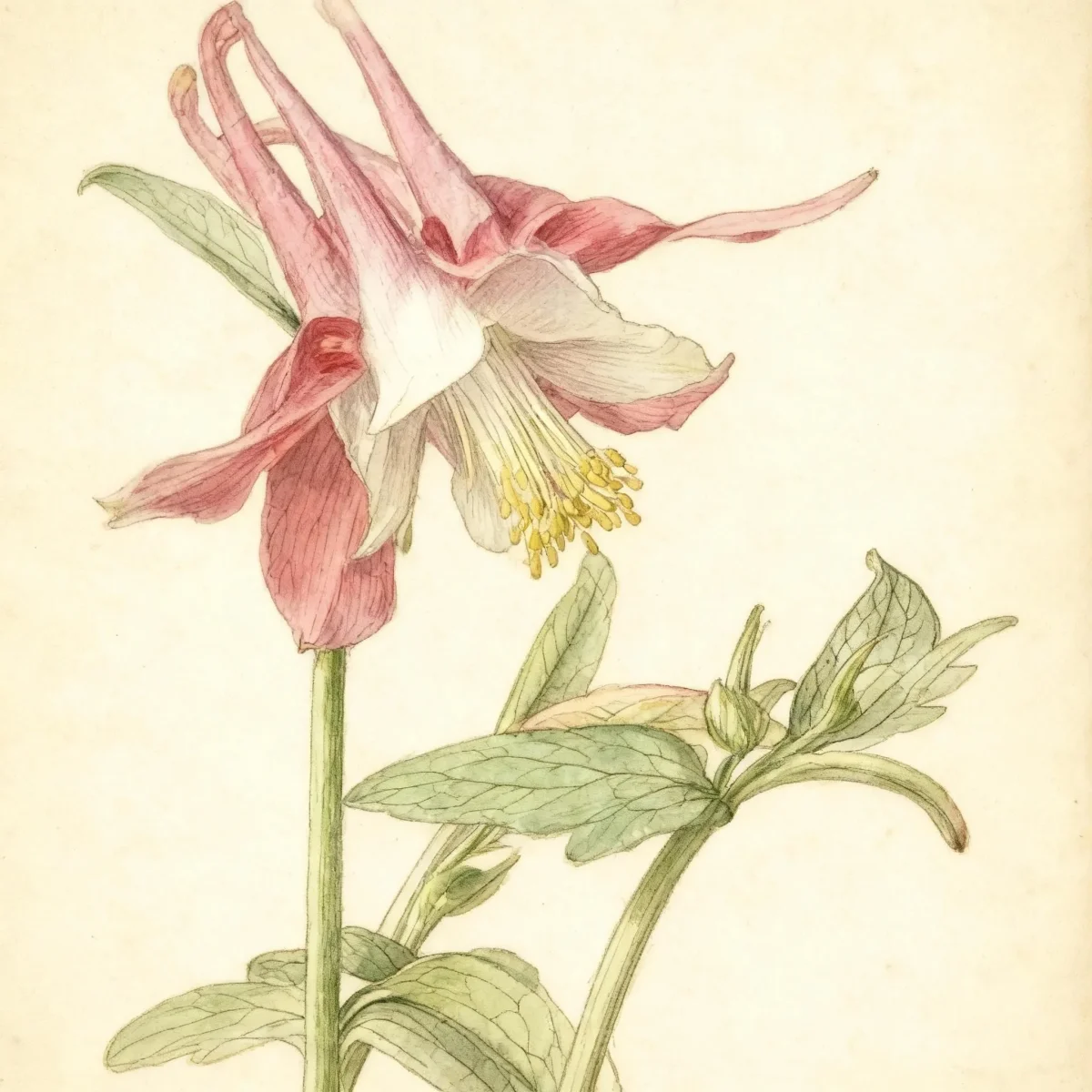
The Aquilegia vulgaris (Grandmother’s Garden Group), commonly known as Columbine, offers old-fashioned charm perfect for adding delicate texture to spring borders. This bushy, clump-forming perennial is prized for its mid-spring display of nodding flowers in soft hues of pink, burgundy, purple, and white. As a member of the Grandmother’s Garden Group, it specifically features short-spurred varieties valued for their robust appearance.
Growing between two and three feet tall, this Columbine naturalizes beautifully, easily seeding itself to create charming drifts over time. It thrives in average, well-drained soil, preferring the transition from full sun to light shade typical of woodland edges or cottage settings. Gardeners appreciate the long-lasting foliage texture, especially if post-bloom maintenance is observed.
This particular group of Aquilegia vulgaris (Grandmother’s Garden Group) brings historical appeal to the modern landscape, evoking images of lush, rambling English gardens. Its ease of cultivation and ability to naturalize make it an excellent choice for establishing perennial interest quickly.
Fast Facts
- Plant Family: Ranunculaceae
- Plant Type: Herbaceous perennial
- Hardiness Zones: USDA Zones 3-8
- Size at Maturity:
- Height: 2-3 ft
- Spread: 0.75-1.5 ft
- Bloom Time: April to May
- Bloom Description: Pink, burgundy, purple and white
- Sun Exposure: Full sun to part shade
- Water Needs: Medium
- Maintenance Level: Medium
How to Grow
Plant Columbine in the spring or fall directly into well-drained soil. This plant adapts well to average medium moisture levels but performs best in organically rich soil where it receives light to moderate shade, protecting it from the hottest afternoon sun. While it tolerates various soils, avoid heavy, poorly drained locations which can often lead to crown rot issues.
Water needs should be met consistently; keep soils uniformly moist, especially after the main spring bloom concludes, to help maintain the attractive appearance of the foliage heading into summer. Deadheading spent flower stems immediately after bloom is crucial, as this encourages a second, shorter flush of flowers. If the foliage begins to look tattered by mid-summer, you may cut the entire clump down to the ground, and new growth will often emerge.
While Aquilegia vulgaris (Grandmother’s Garden Group) is easily started from seed, be mindful that garden varieties often cross-pollinate, meaning saved seed may produce colors and forms different from the parents. Over time, this Columbine readily self-seeds, contributing significantly to its naturalizing potential in the garden.
Landscape Uses
The bushy, clump-forming habit of Aquilegia vulgaris (Grandmother’s Garden Group) makes it an exceptional foundational plant for traditional landscape designs. It excels when used in informal settings such as cottage gardens, woodland gardens, or naturalized areas where its habit of spreading gently is welcomed. Consider using Columbine along borders where its light, airy texture can contrast with heavier, bolder foliage plants.
For a signature look, plant Columbine where you can continue watering post-bloom; this ensures the foliage remains healthy, offering excellent ground cover effect beneath taller shrubs or emerging spring bulbs. Due to its early bloom time, it pairs wonderfully with later-flowering perennials, filling the gap after spring ephemerals fade. This reliable perennial is also noted as a good selection for attracting hummingbirds.
Standout Features
Flower Qualities
- Showy
Noteworthy Characteristics
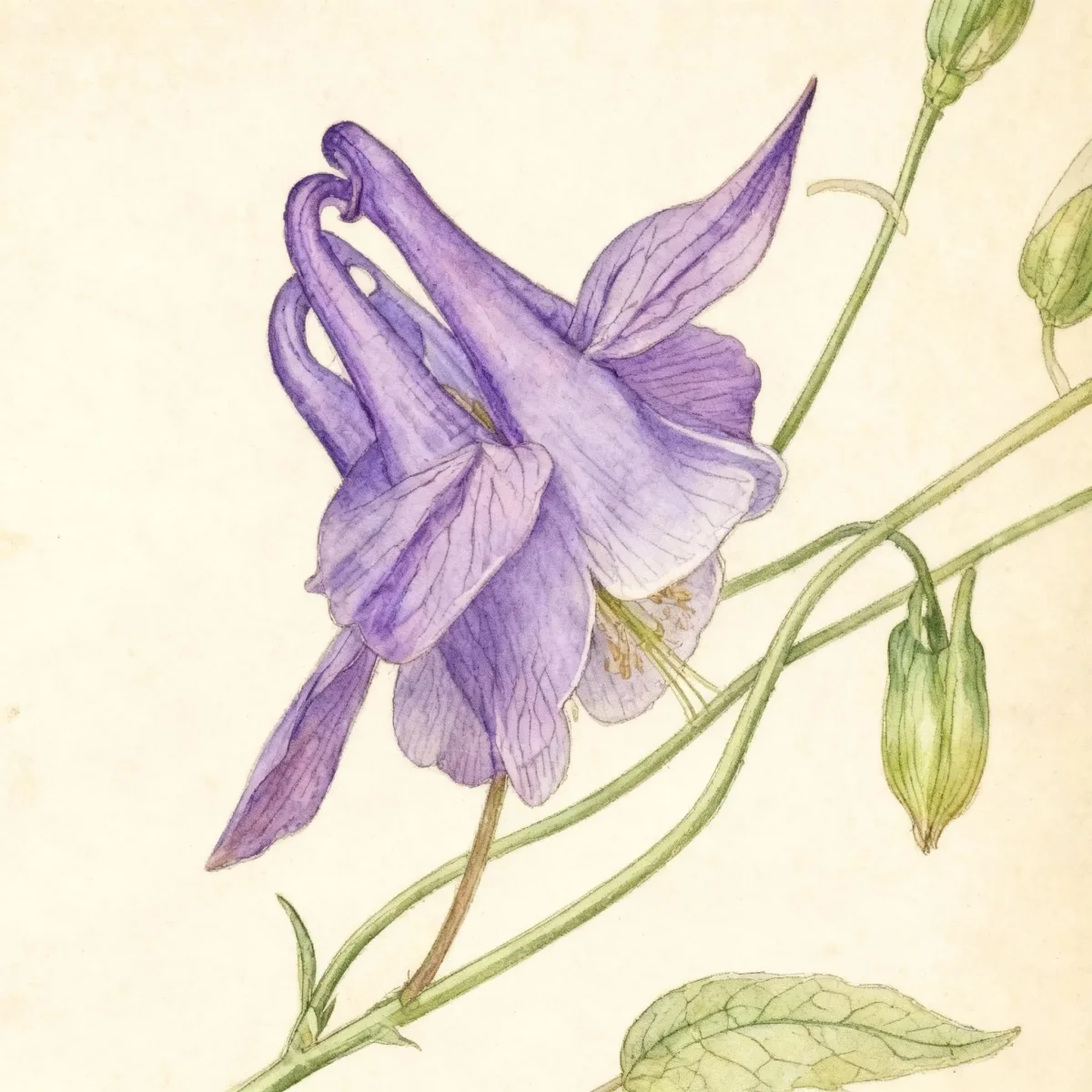
Aquilegia vulgaris knows as columbine (also commonly called European crowfoot and granny’s bonnet) is native to Europe. It is a bushy, clump-forming perennial that typically grows in a mound of thin, branching, leafy stems to 1.5-3’ tall. It is noted for its spring bloom (April-May in St. Louis) of blue to violet flowers with spreading sepals and short-hooked spurs. Grandmother’s Garden Group is a group of short-spurred columbines most noted for their large, nodding, old fashioned flowers that come in pink, burgundy, purple and white. Genus name comes from the Latin word for eagle in reference to the flower’s five spurs which purportedly resemble an eagle’s talon.
Tolerances
- Rabbit
- Deer
Potential Problems
The primary concern for Columbine is susceptibility to leaf miner, which creates unsightly tunnels within the leaves. Aphids can occasionally be a lesser nuisance, typically clustering on tender new growth. To mitigate leaf miner damage, inspect foliage frequently and remove heavily affected leaves immediately.
The most common aesthetic complaint, regardless of pest issues, is foliar decline by mid-summer, particularly in hot, dry climates. If the foliage depreciates, address this by cutting the stems back to the ground level. Proper watering, ensuring the soil stays moderately moist after bloom, helps delay this decline, allowing the attractive basal foliage to persist longer.
Frequently Asked Questions
What hardiness zones is Columbine suitable for?
This variety of Columbine, Aquilegia vulgaris (Grandmother’s Garden Group), is hardy across USDA Zones 3 through 8, indicating excellent cold tolerance.
How large does Columbine grow?
When fully mature, this herbaceous perennial typically reaches a height of 2 to 3 feet tall, with a spread ranging from 0.75 to 1.5 feet wide.
What sun exposure does Columbine need?
Columbine performs best when situated in locations receiving full sun to part shade, benefiting from light protection during intense summer afternoons.
When does Columbine bloom?
You can expect the ornamental flowering of Aquilegia vulgaris (Grandmother’s Garden Group) during the transition months of April to May, featuring classic colors like pink, burgundy, purple and white.
Conclusion
The Aquilegia vulgaris (Grandmother’s Garden Group) is invaluable for gardeners seeking reliable, charming early-season color and fine textural foliage. Its adaptability to a range of light conditions and its ability to naturalize securely establish this Columbine as a garden classic. Before planting, verify your local hardiness zone aligns with USDA 3-8 compatibility, and plan for consistent moisture during the summer months to keep this beauty thriving.
Companion Planting
When incorporating Columbine into garden designs, select companions that appreciate similar soil moisture and light conditions. Plants that thrive in partial shade and average moisture, such as Hosta, Bleeding Heart (Dicentra spectabilis), or various woodland ferns, make excellent partners. These companions can help mask the foliage of the Columbine once it begins to decline in mid-summer heat, providing continuous visual interest in the border.
Aim for contrasting textures; the fine, delicate leaves of the Aquilegia vulgaris contrast beautifully with the broader leaves of Astilbe or Brunnera. Because this Columbine seeds itself readily, ensure nearby neighbors are not overly aggressive spreaders that might compete too vigorously with the self-sown seedlings of this beloved variety.
Propagation Tips
While division is possible for established clumps, the easiest method for multiplying your supply of Aquilegia vulgaris (Grandmother’s Garden Group) is via seed. Sow seeds directly outdoors in either spring or fall, or start them indoors 8-10 weeks before the last expected frost. Remember the warning regarding cross-pollination: if you desire specific color purity, collect seed only from isolated plants.
Allowing the plant to self-seed provides a hands-off approach to increasing coverage, perfect for naturalized areas. Young seedlings transplant easily when they are small and still forming their basal rosettes. For division, lift the clump in early spring or fall, separating crowns carefully, but be aware that Columbine dislikes root disturbance, which may cause temporary transplant shock.