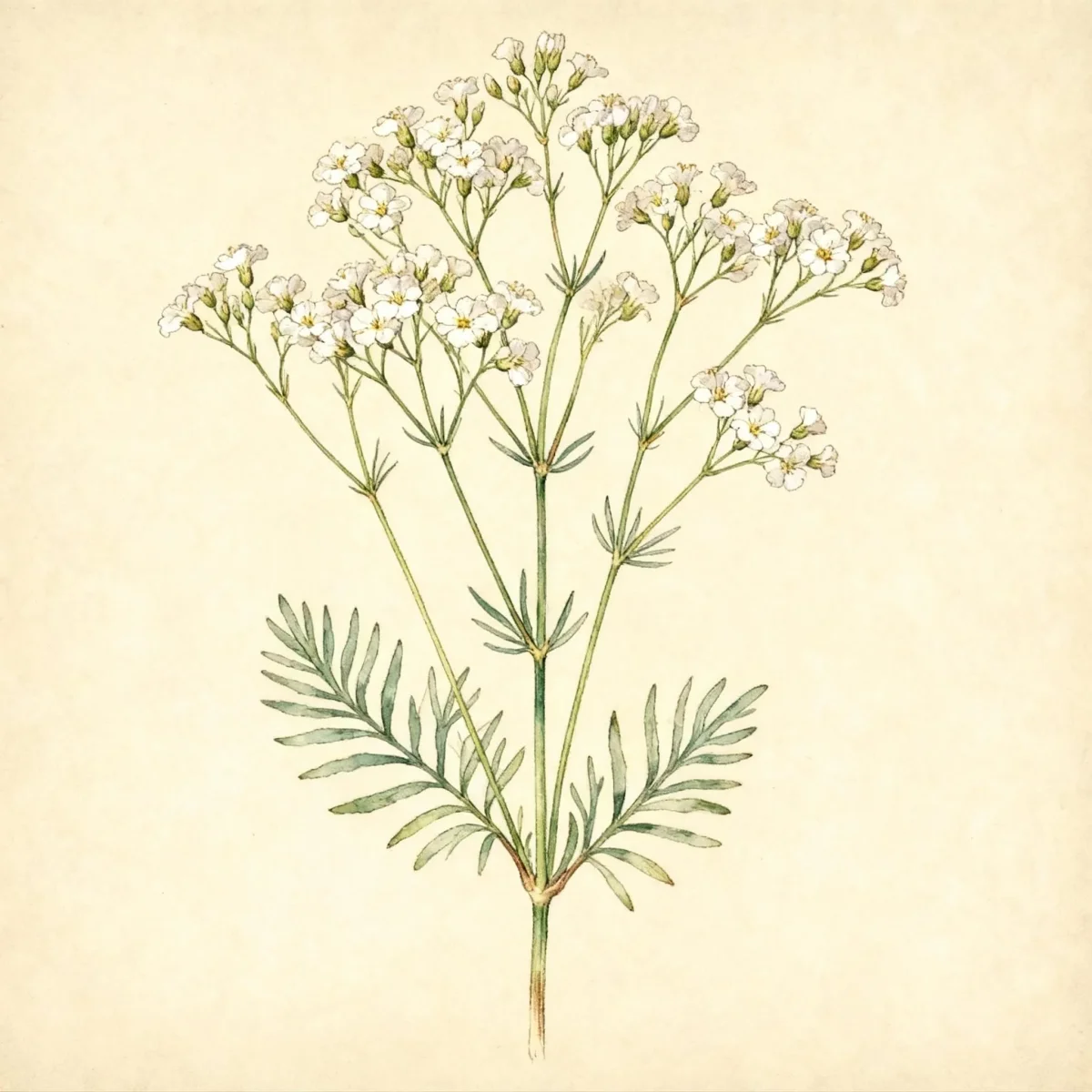
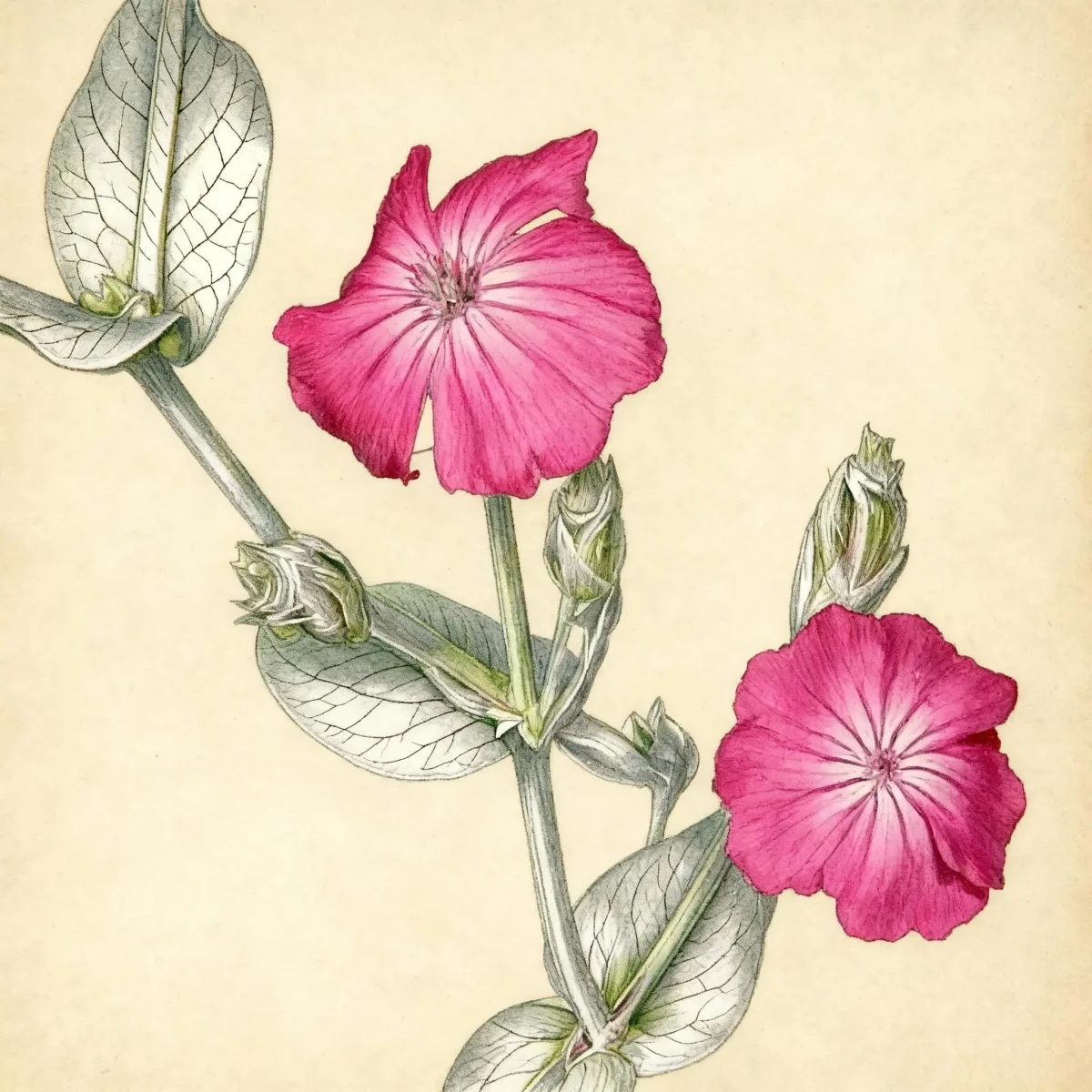
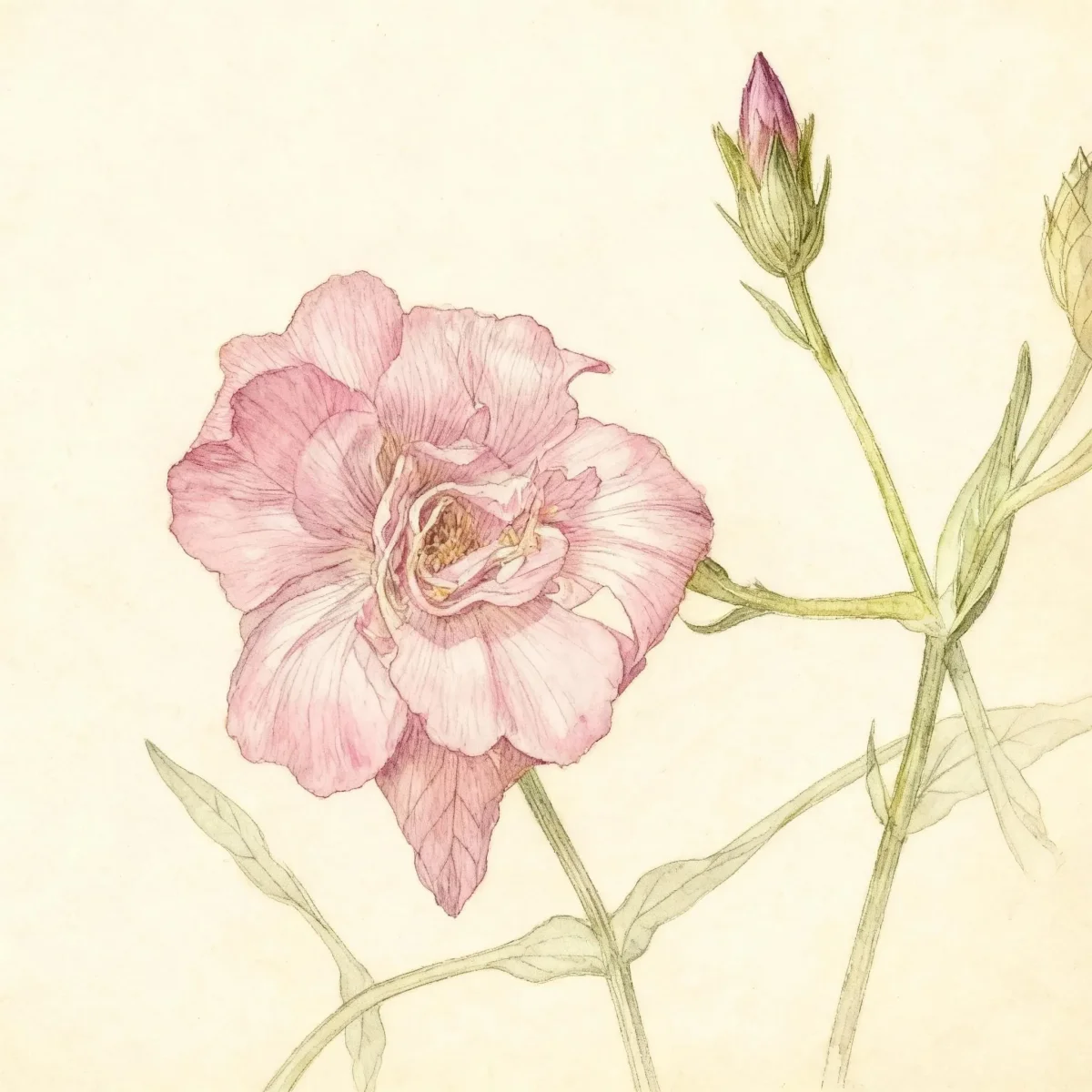
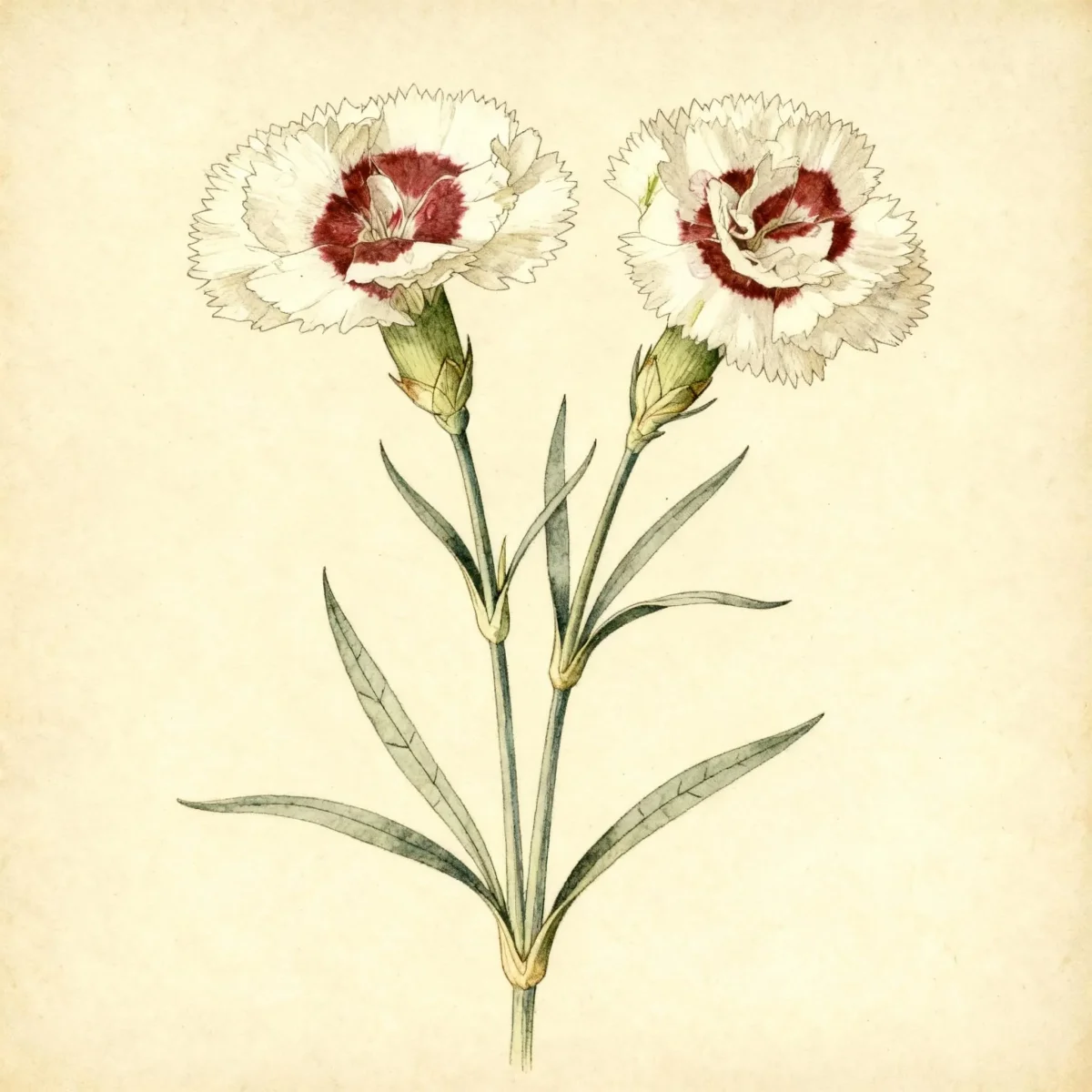
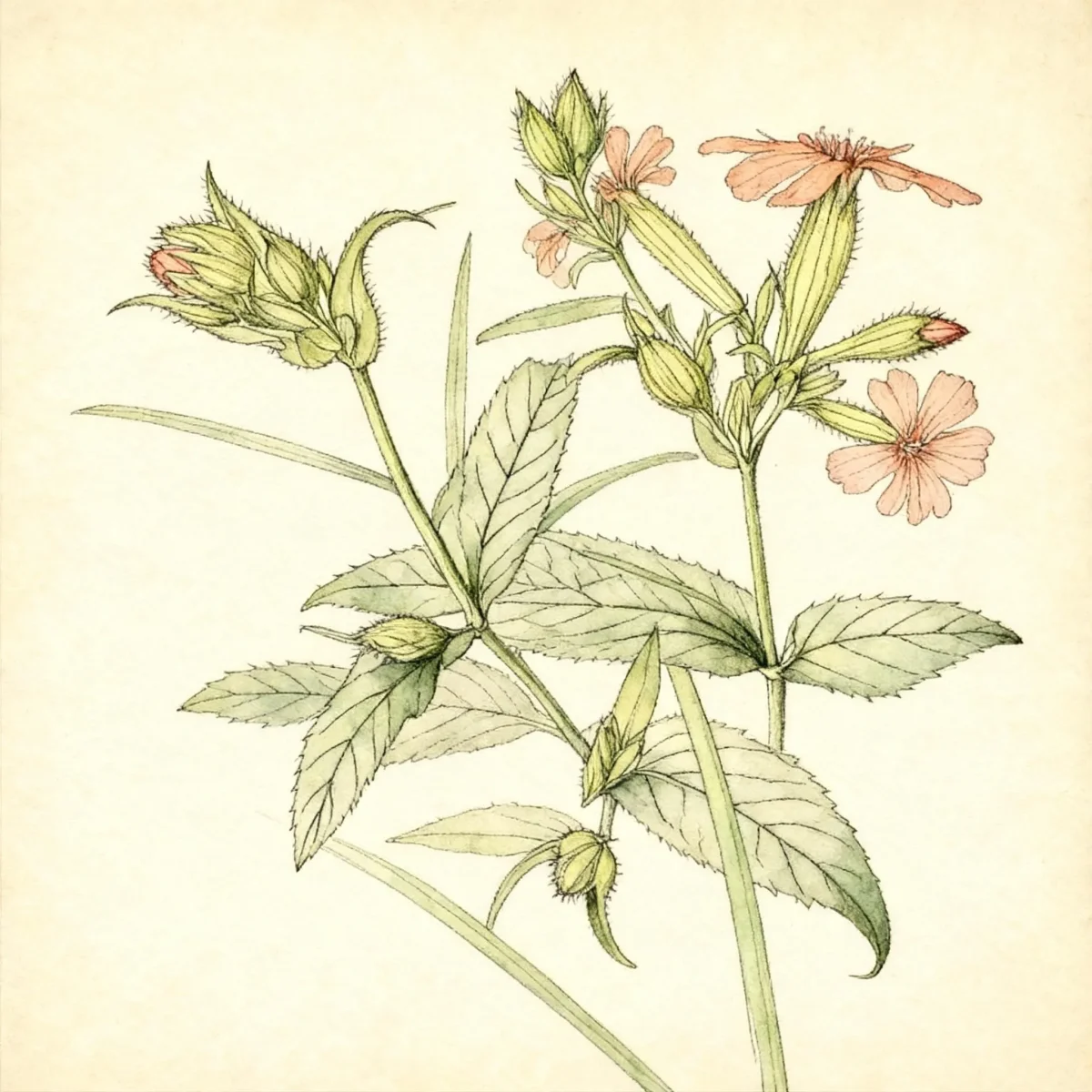
Catchfly (Lychnis × arkwrightii 'Orange Zwerg' ORANGE DWARF)
Add vibrant summer color with Lychnis × arkwrightii 'Orange Zwerg' ORANGE DWARF, a compact Catchfly prized for its true orange-red blooms.
Scroll down to discover growing tips, care requirements, companion plants, and more

Complete Plant Information
Overview
Lychnis × arkwrightii ‘Orange Zwerg’ ORANGE DWARF, commonly known as Catchfly, offers exceptional value in mixed borders due to its striking, true orange-red summer flowers. This hybrid derives its vigor from parents like L. Calcedonica, presenting a compact, manageable form ideal for foreground planting where its bronze foliage can contrast brightly with its blooms. Gardeners appreciate this Catchfly for its reliable, long bloom period extending from June through August.
This specific cultivar, ORANGE DWARF, is celebrated for staying relatively short, generally reaching only 12 inches tall and wide, making it less prone to flopping than some related varieties. It excels in sunny locations where its color remains intense, providing reliable saturation throughout the peak summer months. While technically a perennial, gardeners should note that this Lychnis × arkwrightii ‘Orange Zwerg’ ORANGE DWARF sometimes benefits from replacement every few years or diligent self-seeding encouragement.
The rich, darker bronze-green foliage of Lychnis × arkwrightii ‘Orange Zwerg’ ORANGE DWARF sets off the saturated flower tones beautifully. As a low-maintenance choice that handles drier conditions once established, this Catchfly is a workhorse for hot, sunny spots that demand season-long visual impact.
Fast Facts
- Plant Family: Caryophyllaceae
- Plant Type: Herbaceous perennial
- Hardiness Zones: USDA Zones 5-8
- Size at Maturity:
- Height: 1-1.5 ft
- Spread: 0.75-1 ft
- Bloom Time: June to August
- Bloom Description: Orange
- Sun Exposure: Full sun
- Water Needs: Dry to medium
- Maintenance Level: Medium
How to Grow
Establish planting of Lychnis × arkwrightii ‘Orange Zwerg’ ORANGE DWARF in the spring after the danger of hard frost passes. The most crucial requirement for success is sharp soil drainage, even though it prefers moderately fertile soil. While it appreciates consistent moisture, especially during establishment, it tolerates drier periods once mature better than consistently waterlogged conditions—a key benefit for hot borders.
During the growing season, maintain even moisture without waterlogging the root zone; dry to medium water needs suggest allowing the top inch of soil to dry slightly between waterings in peak summer. Fertilizing is often unnecessary if the soil is reasonably fertile. Pruning is minimal, typically involving deadheading spent flower clusters if seed set is unwanted, although leaving some seed heads can encourage natural reseeding.
For longevity, consider planting the Catchfly slightly raised or providing winter mulches, as fluctuating freeze-thaw cycles can be detrimental to its perennial nature. If plants become leggy or tired, dividing and replanting them can rejuvenate the clump, or simply allow the Lychnis × arkwrightii ‘Orange Zwerg’ ORANGE DWARF to drop seed for replacement generations.
Landscape Uses
The compact stature of Lychnis × arkwrightii ‘Orange Zwerg’ ORANGE DWARF makes it an outstanding choice for the front of perennial borders where its low height (1 to 1.5 feet) prevents it from hiding shorter blooms. Its intense orange color works well when paired with cooling colors like blues and lavenders, or when used as an energetic accent against deep greens.
This Catchfly performs excellently in rock gardens where excellent drainage is naturally provided, complementing gravelly textures and sunny exposures. Use it to bridge the gap between groundcovers and taller border plants, providing a consistent vertical element throughout the summer.
Flower Qualities
- Showy
Noteworthy Characteristics
Lychnis × arkwrightii is a hybrid catchfly whose parents are L. Calcedonica and L. × haageana. It typically grows in an upright clump to 18” tall. It is commonly called catchfly or Arkwright’s campion. The genus name Lychnis is derived from the Greek word lychnos meaning a small, portable lamp. May refer to the ancient use of leaves of woolly species for wicks. ORANGE DWARF is a dwarf cultivar that grows to 12” tall and as wide, and features dark bronze foliage and orange-red flowers in summer. It features ovate to lance-shaped leaves (to 2.5” long) that are bronze green, with orange-red flowers (to 1.5” across) blooming in cymes in early summer.
Tolerances
- Deer
- Drought
- Dry Soil
- Shallow-Rocky Soil
Potential Problems
This Lychnis variety generally avoids serious insect or disease issues when grown in its preferred well-draining conditions. However, gardeners, especially in damper environments, should remain vigilant for slugs and snails, which can sometimes chew ragged holes in the foliage or attack tender new growth early in the season. Management involves physical removal or the use of appropriate bait if populations become problematic. Good air circulation, achieved by ensuring adequate spacing between plants, also helps minimize fungal concerns.
Frequently Asked Questions
What hardiness zones is Catchfly suitable for?
This variety of Catchfly, Lychnis × arkwrightii ‘Orange Zwerg’ ORANGE DWARF, is reliably hardy in USDA Zones 5 through 8.
How large does Lychnis × arkwrightii ‘Orange Zwerg’ ORANGE DWARF grow?
This dwarf cultivar typically matures to a height between 1 and 1.5 feet tall, spreading approximately 0.75 to 1 foot wide, making it excellent for the front of the border.
What sun exposure does Lychnis × arkwrightii ‘Orange Zwerg’ ORANGE DWARF need?
For the best performance and the most intense flower color, this Catchfly requires consistent full sun exposure throughout the day.
When does Lychnis × arkwrightii ‘Orange Zwerg’ ORANGE DWARF bloom?
It produces masses of vibrant orange flowers beginning in June and continuing reliably through August, offering excellent mid-summer color production.
Conclusion
The Lychnis × arkwrightii ‘Orange Zwerg’ ORANGE DWARF is a spectacular, compact selection for adding fierce, long-lasting orange fire to sunny garden beds. Its tolerance for dry soil and its manageable size make this Catchfly an invaluable performer. Before planting, confirm your location falls within USDA Zones 5-8 and ensure your soil drains swiftly to maximize the lifespan of this brilliant perennial.
Companion Planting
When selecting companions for Lychnis × arkwrightii ‘Orange Zwerg’ ORANGE DWARF, focus on plants that thrive in full sun and appreciate similar, well-drained conditions. Excellent partners include silvery-leaved plants like Lamb’s Ears (Stachys byzantina) or drought-tolerant spire-shaped blooms such as Russian Sage (Perovskia atriplicifolia). Planting it near contrasting cool colors, such as blue or purple Salvias or Catmint (Nepeta), will intensify the visual impact of the orange blooms.
Seasonal Care Calendar
Spring marks the time to cut back the old, dead foliage left over from the previous season and observe new growth emerging. As summer progresses through the bloom period, deadheading the Lychnis × arkwrightii ‘Orange Zwerg’ ORANGE DWARF can encourage repeat flowering, though this is not always necessary. In the fall, if you wish to increase your colony, gather seeds from the maturing brown pods, or simply let them drop naturally, knowing that nature may reseed this Catchfly for you next spring.