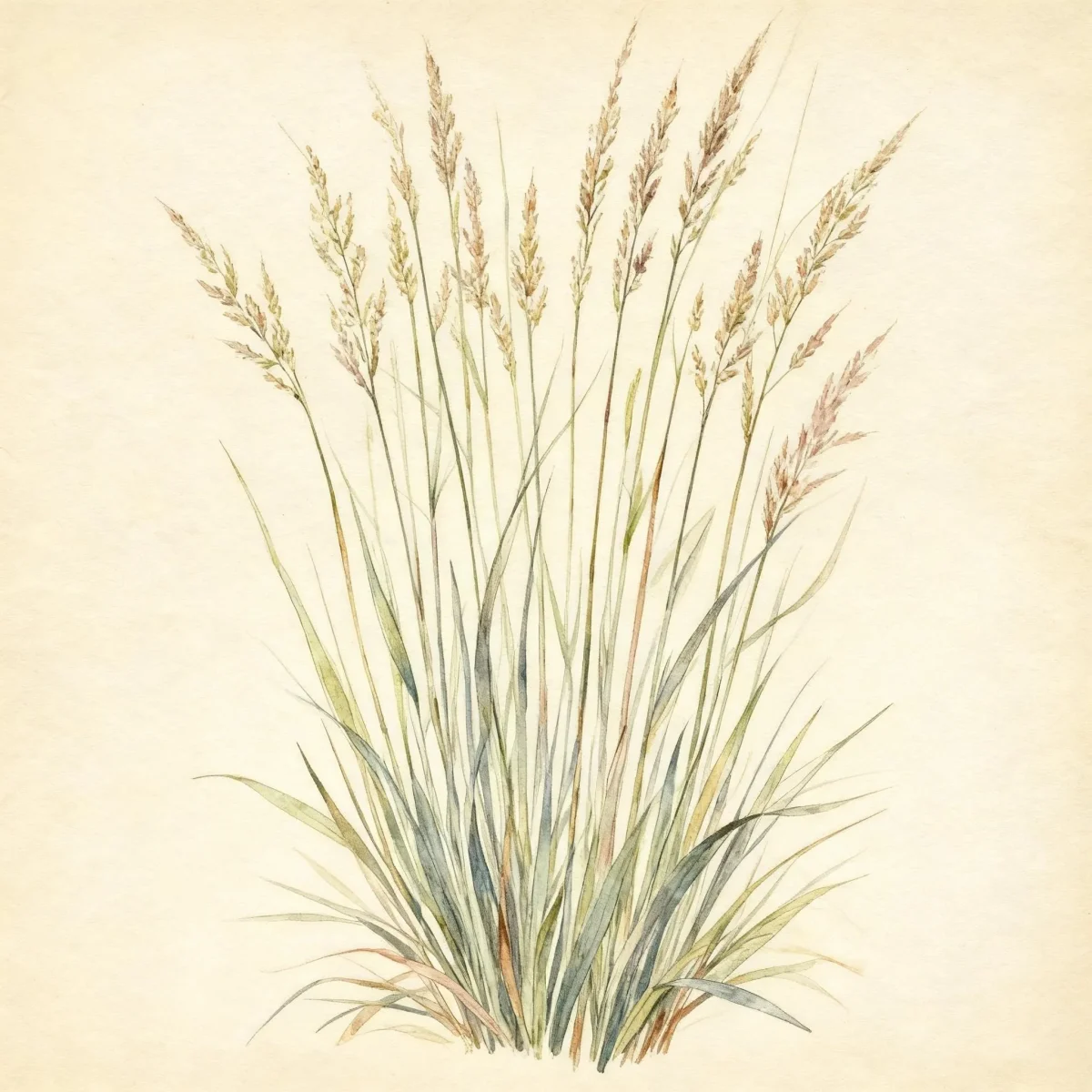
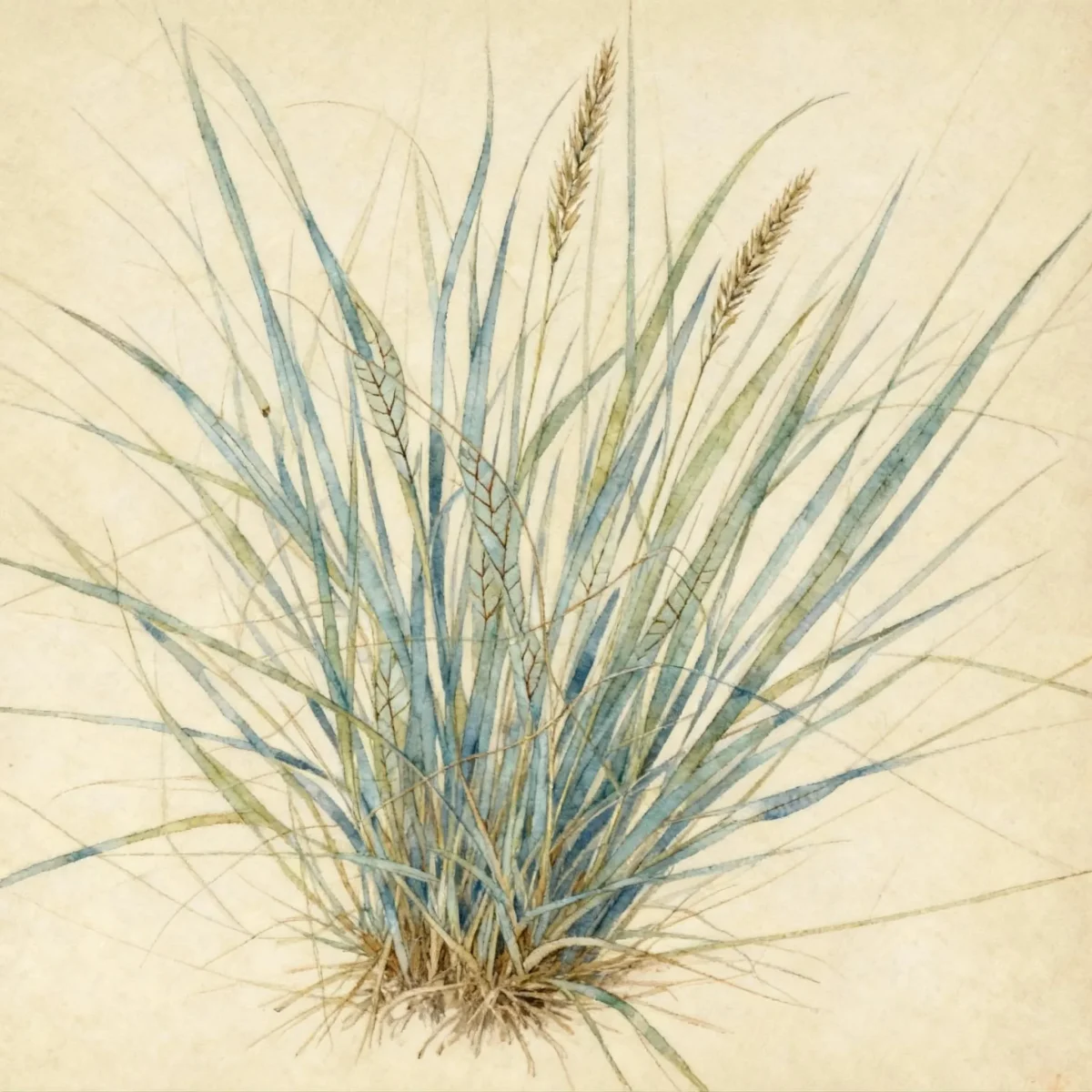
Pearl millet (Pennisetum glaucum 'Purple Majesty')
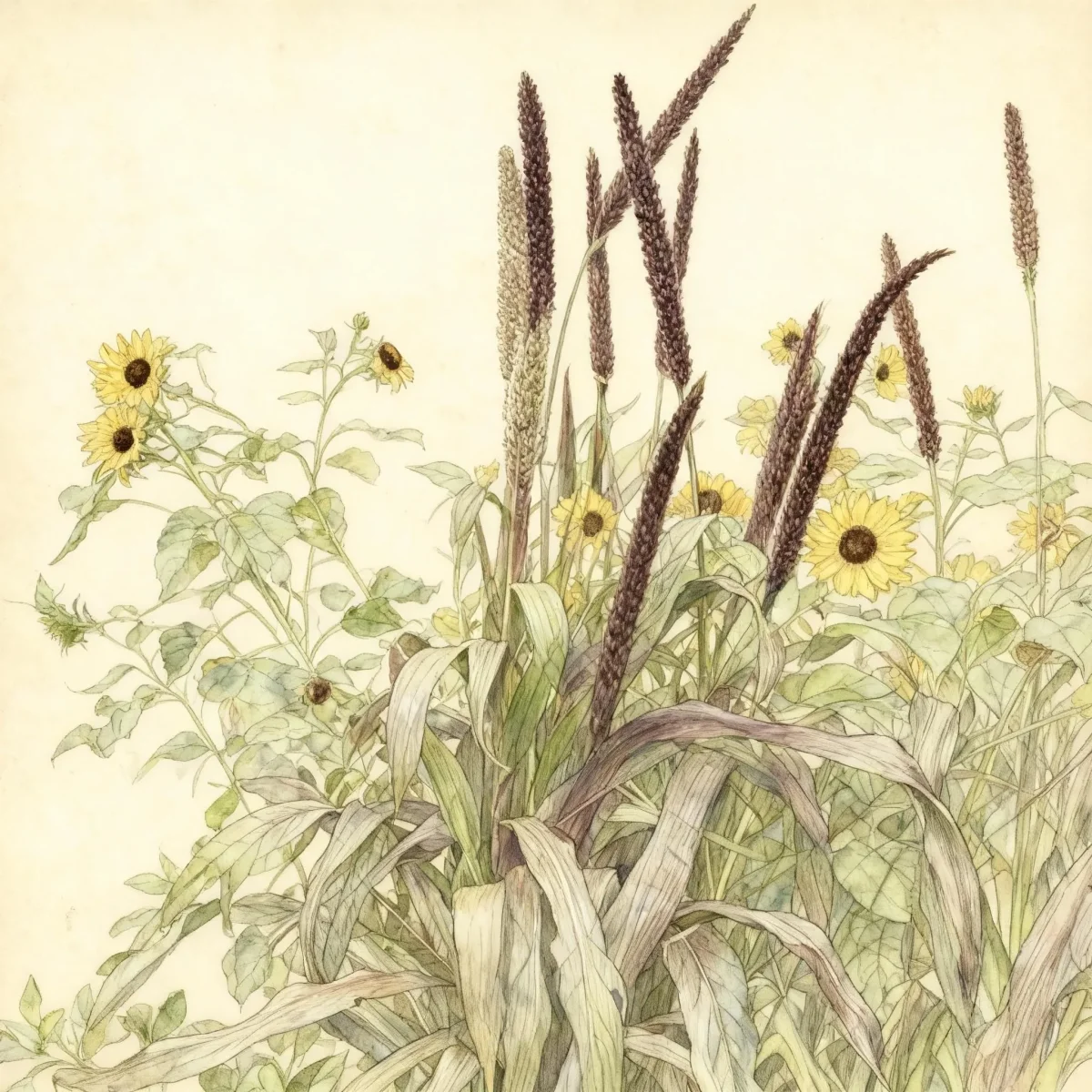
Pennisetum glaucum 'Purple Majesty' offers dramatic dark purple foliage and plumes, making this Pearl millet a stunning seasonal accent.
Scroll down to discover growing tips, care requirements, companion plants, and more
Complete Plant Information
Overview
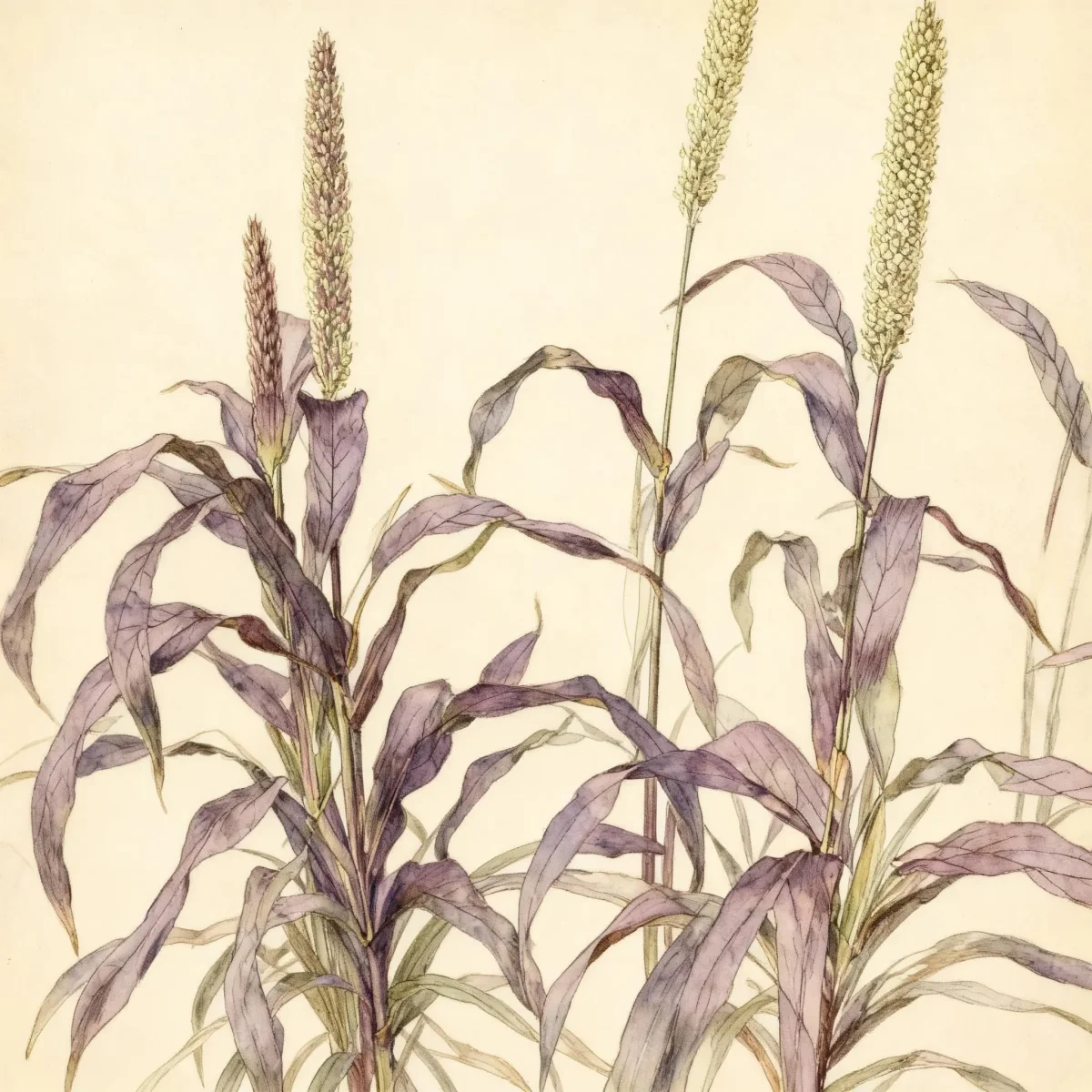
Pennisetum glaucum ‘Purple Majesty’ is a spectacular annual ornamental grass prized for its intense, deep purple coloration across the stems, leaves, and developing flowerheads. Known commonly as Pearl millet, this cultivar provides instant vertical structure and dramatic contrast in warm-season plantings. Gardeners value this grass for its relatively low maintenance needs coupled with high visual impact throughout the summer months.
Originating from cultivated African millet, Pennisetum glaucum ‘Purple Majesty’ grows quickly to form an upright clump perfect for anchoring mixed borders or acting as a powerful specimen plant. It thrives specifically in hot summer climates, developing its signature dark tones only once summer heat is consistent.
Beyond its ornamental value, this Pearl millet offers functional benefits, including suitability for cut flower arrangements and providing seeds highly attractive to wild birds. Its robust nature ensures that even in challenging hot spots, this grass delivers dependable, eye-catching performance.
Fast Facts
- Plant Family: Poaceae
- Plant Type: Ornamental grass
- Hardiness Zones: USDA Zones 2-11
- Size at Maturity:
- Height: 3-5 ft
- Spread: 2-3 ft
- Bloom Time: July to September
- Bloom Description: Purple, Yellow
- Sun Exposure: Full sun
- Water Needs: Medium
- Maintenance Level: Low
How to Grow
Plant this annual grass after all danger of frost has passed and the soil temperatures are consistently warm. For best germination, ensure soil temperatures are above 70°F; cool soil temperatures will lead to stunted growth. Pennisetum glaucum ‘Purple Majesty’ performs best when initially established in evenly moist, well-draining soil in a full sun location.
While it prefers consistent moisture during establishment, this Pearl millet exhibits good drought tolerance once mature. Avoid overly wet conditions or periodically waterlogged soils, as excessive moisture can negatively impact seed set. The plant is generally low maintenance, requiring little supplemental feeding if the soil is reasonably fertile.
As an annual, Pennisetum glaucum ‘Purple Majesty’ does not require winter preparation; simply remove the dead foliage in spring before new growth begins. Since it excels in heat, maximize its vibrant color by ensuring it receives the intense sun exposure it requires throughout the longest days of summer.
Landscape Uses
The strong vertical accent provided by Pennisetum glaucum ‘Purple Majesty’ makes it an excellent structural element in annual displays. Use it as a backbone plant in mixed perennial borders or as a bold specimen in large containers where its dark architecture can stand out against lighter companions.
For bird enthusiasts, this variety offers dual benefits: the plumes are excellent for dried arrangements, and the resulting grains are highly sought after by wild bird populations. When using the fresh stems in arrangements, be aware that they emit a somewhat strong odor that some individuals might find off-putting.
Consider grouping several plants together to create a dramatic, dark hedge or screen that contrasts beautifully with silver foliage or bright yellow flowers that share its love for high heat and full sun exposure.
Standout Features
Flower Qualities
- Showy
- Good Cut
- Good Dried
Fruit Qualities
- Edible
Noteworthy Characteristics
Pearl millet, scientifically known as Pennisetum glaucum, is a cultivated annual bunch grass originating in Africa, where it was domesticated thousands of years ago. The cultivar ‘Purple Majesty’ is specifically selected for its uniform dark purple coloration across the foliage and stems, which deepens as it matures in the summer sun. This plant is valued ornamentally, as a food source (the nutritious seeds are edible), and for wildlife appeal due to the bird-attractive seed grains.
Tolerances
- Drought
- Dry Soil
Potential Problems
Rust and various leaf spot diseases pose potential threats to the foliage health of Pennisetum glaucum ‘Purple Majesty’. Furthermore, gardeners should watch for piercing-sucking insects, specifically chinch bugs and stink bugs, which can cause localized damage to the plant tissues. Routine inspection during hot, dry spells can help catch these issues early for easier management.
Frequently Asked Questions
What hardiness zones is Pearl millet suitable for?
Pennisetum glaucum ‘Purple Majesty’ is grown as an annual across most regions but has a broad potential hardiness range of USDA Zones 2 through 11.
How large does Pennisetum glaucum ‘Purple Majesty’ grow?
This ornamental grass typically reaches a mature height between 3 and 5 feet, with a spread ranging from 2 to 3 feet.
What sun exposure does Pennisetum glaucum ‘Purple Majesty’ need?
This selection requires full sun exposure to achieve its best growth and develop its characteristic deep purple coloration.
When does Pennisetum glaucum ‘Purple Majesty’ bloom?
The bottle-brush-like flowerheads emerge during the mid-to-late summer, typically blooming from July through September, displaying purple and yellow tones.
Conclusion
Pennisetum glaucum ‘Purple Majesty’ delivers exceptional architectural form and rich, dark color, making it a superb, easy-to-grow focal point for sunny summer gardens. Ensure you site this Pearl millet where it receives intense heat and ample sunlight to maximize its purple display. Before planting, always verify that your local temperatures are warm enough for optimal yearly performance.
Companion Planting
When planning borders, pair Pennisetum glaucum ‘Purple Majesty’ with plants that complement its upright texture and heat tolerance. Consider pairing it with sun-loving annuals that have contrasting colors, such as bright yellow Zinnias or orange Marigolds, to make the deep purple foliage pop. Since this millet handles drought well once established, companion plants requiring similar low-to-medium water regimes, like Sedum or ornamental grasses with silvery foliage, are excellent choices.
Wildlife Benefits
As a type of Pearl millet, the seed heads are a significant attraction for various seed-eating songbirds, especially later in the season as the grains develop. Planting this grass ensures a late-season food source and adds textural interest to the winter landscape should the dried plumes be left standing. While grown for ornamental appeal, the production of these nutritious, small grains benefits the local ecosystem.