Black-eyed Susan (Rudbeckia hirta 'Prairie Sun')
Stunning Rudbeckia hirta 'Prairie Sun' offers huge, lemon-tipped flowers. Low maintenance, heat tolerant Black-eyed Susan for sunny borders.
Scroll down to discover growing tips, care requirements, companion plants, and more
Complete Plant Information
Overview
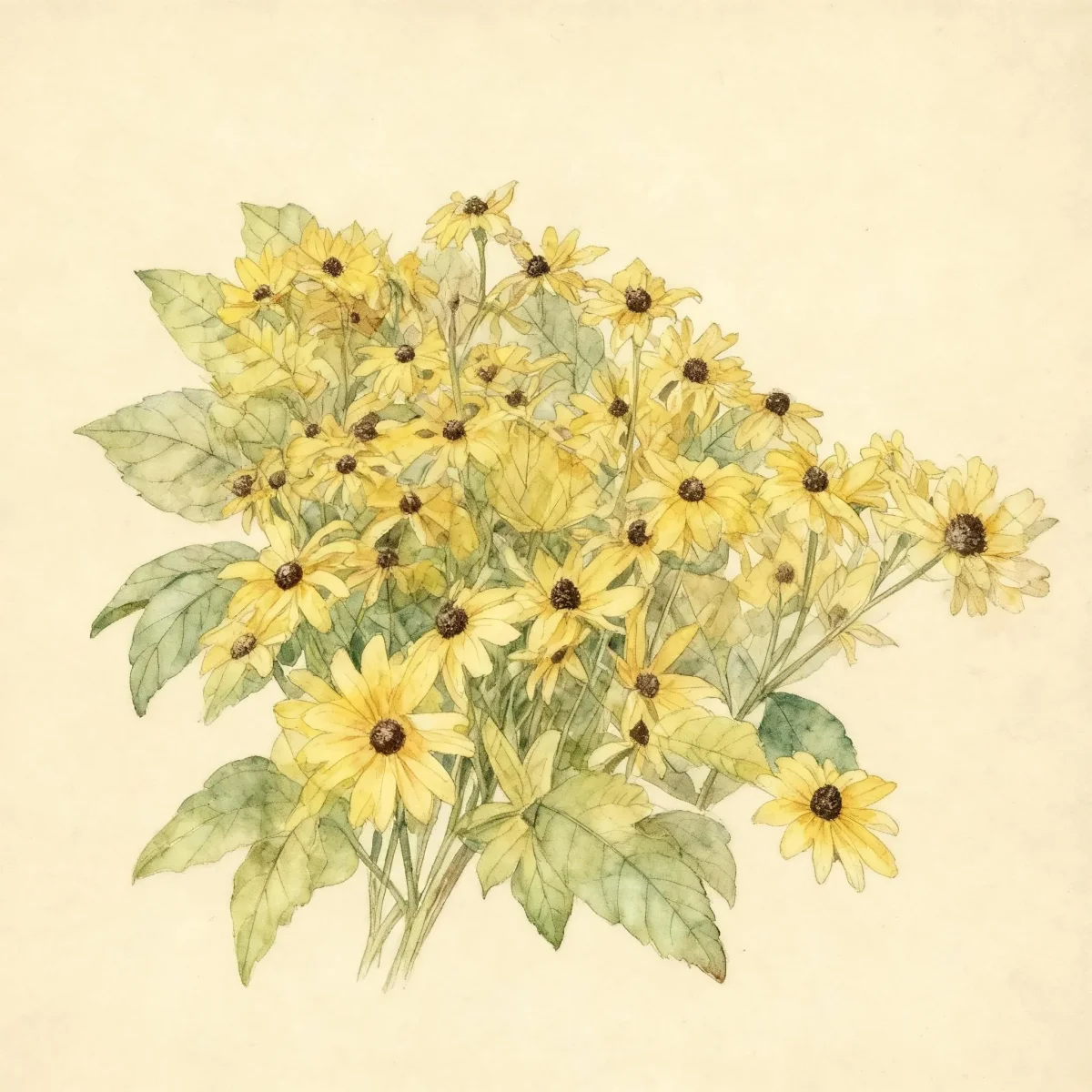
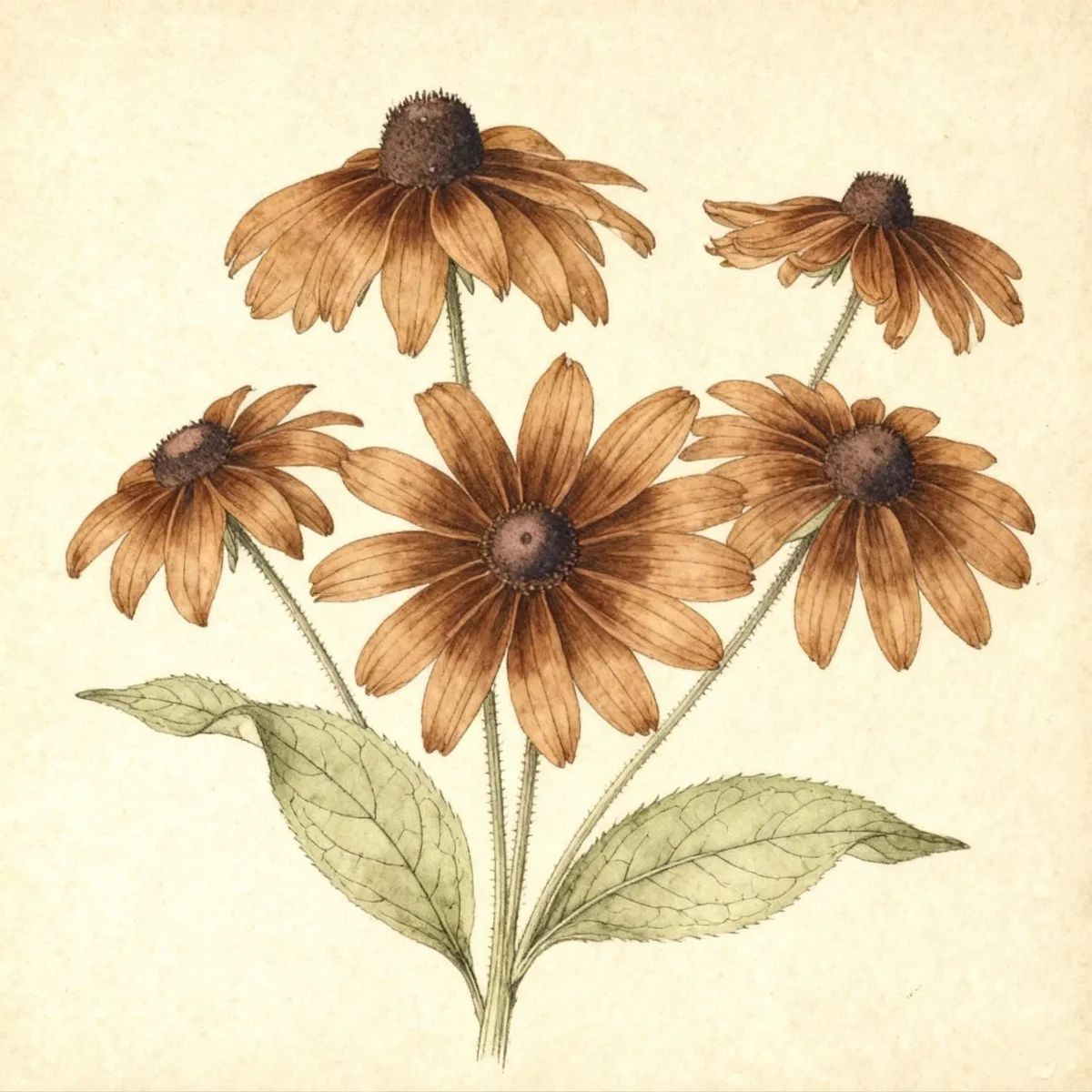
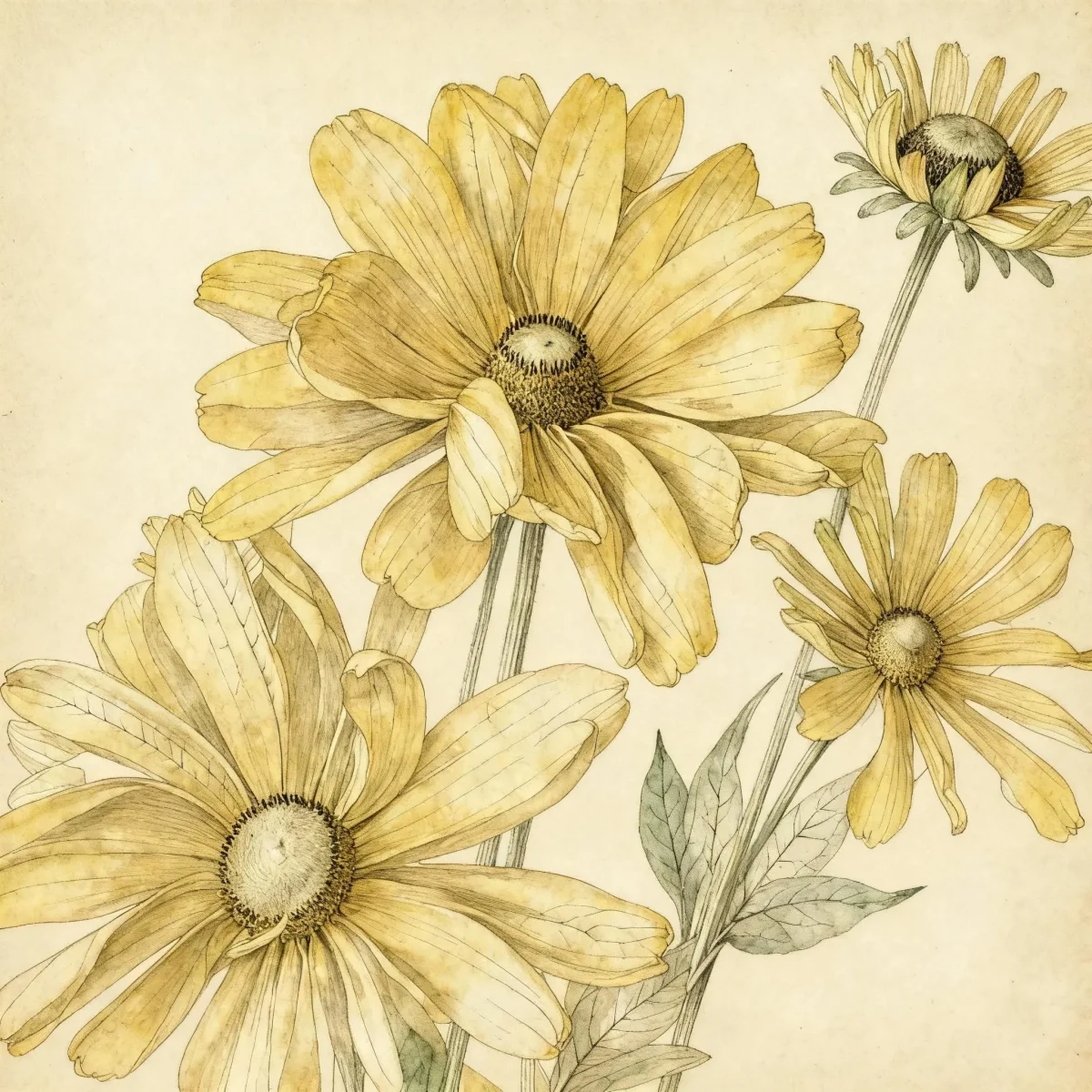
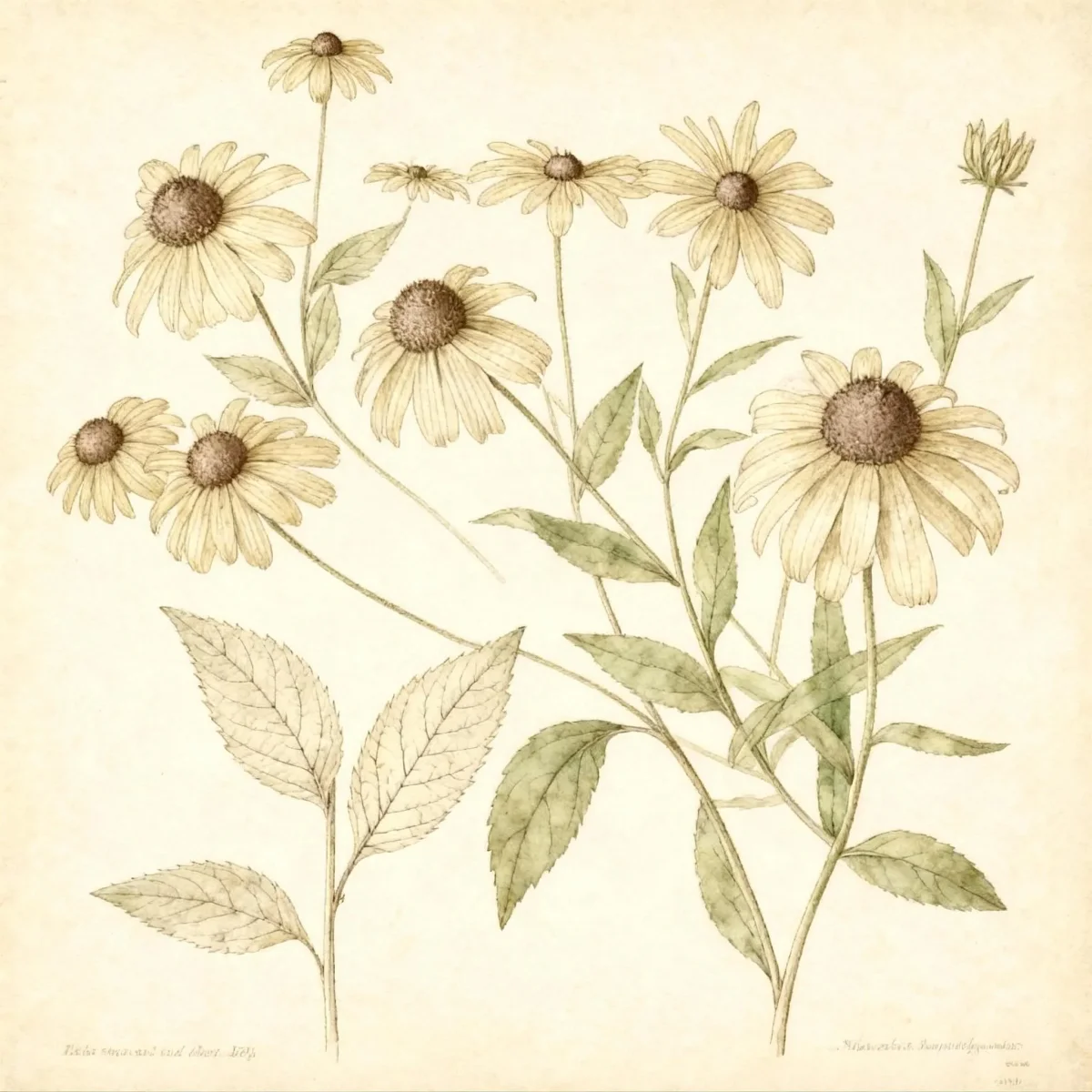
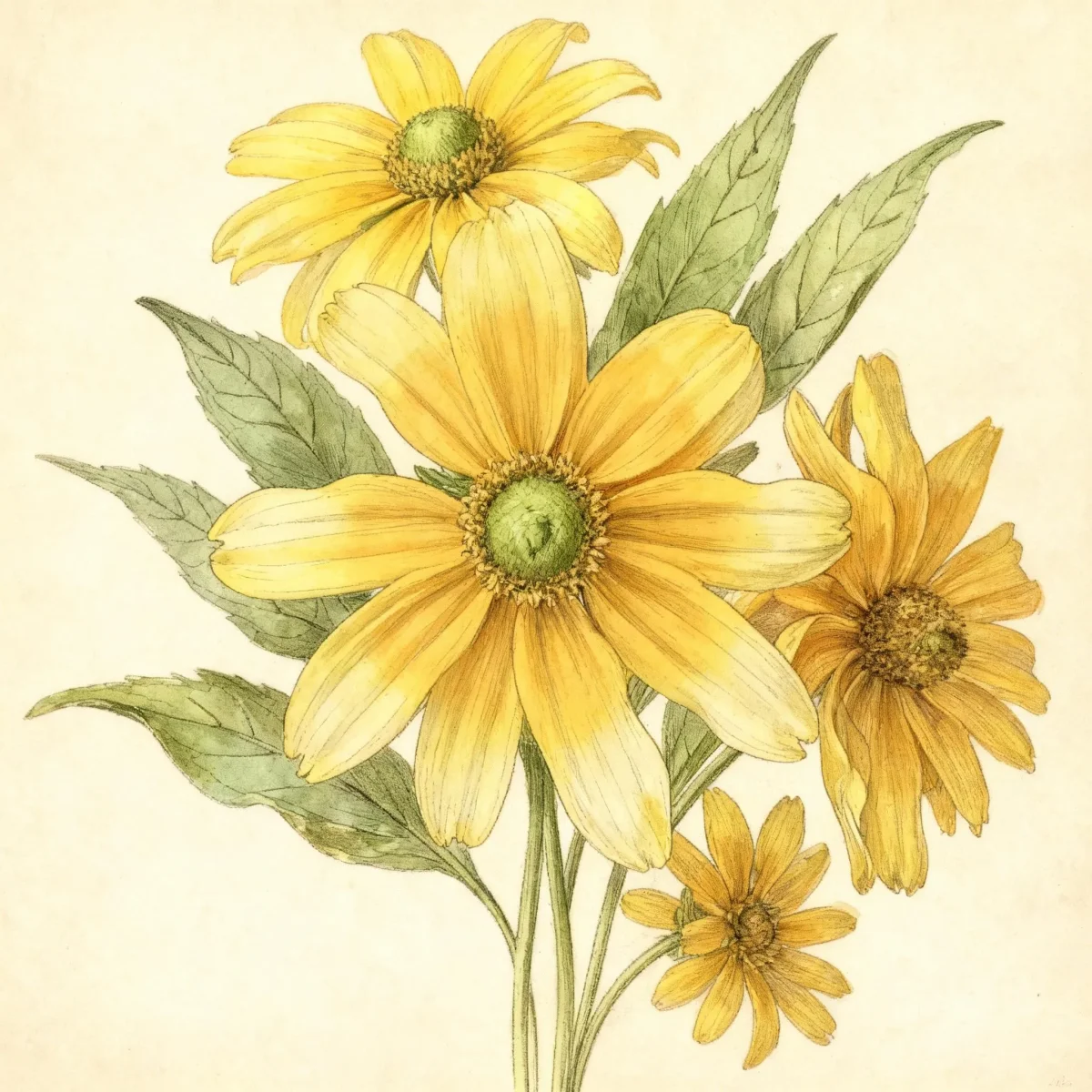
Rudbeckia hirta ‘Prairie Sun’ is a highly valued cultivar of the classic Black-eyed Susan, celebrated for its exceptionally large, vivid daisy-like blooms that truly stand out in the summer garden. This variety is renowned for producing flowers up to 5 inches across, featuring vibrant orange rays sharply tipped with lemon yellow surrounding a greenish center disk, offering continuous color from summer until the first hard frost. Though often grown as a prolific annual due to its excellent first-year bloom habit, Rudbeckia hirta ‘Prairie Sun’ is technically a short-lived perennial hardy in Zones 3 through 8. Its vigorous, upright nature and low maintenance requirement make the Black-eyed Susan an indispensable element for high-impact, cheerful color plots.
Fast Facts
- Plant Family: Asteraceae
- Plant Type: Herbaceous perennial
- Hardiness Zones: USDA Zones 3-8
- Size at Maturity:
- Height: 2.5-3 ft
- Spread: 1.5-2 ft
- Bloom Time: June to frost
- Bloom Description: Yellow-tipped orange rays with green center disk
- Sun Exposure: Full sun
- Water Needs: Medium
- Maintenance Level: Low
How to Grow
Planting Rudbeckia hirta ‘Prairie Sun’ is straightforward, thriving best when given full sun exposure. This plant prefers average, medium moisture, well-drained soils, though it benefits significantly from organically rich soil to maximize flower performance. For the longest season of bloom, sow seeds indoors about March 1st for transplanting after the last frost, or direct sow seeds into the garden once the danger of frost has passed.
Care for this Black-eyed Susan is notably easy. It requires medium water, meaning consistent moisture in hot weather but tolerating some drought once established, showcasing its robust nature. Deadheading spent flowers is highly recommended; this practice encourages the plant to produce more blooms throughout the season and helps manage any unwanted self-seeding.
Even if plants do not survive the winter, they often ensure their return by reseeding readily, which is important to note when planning garden layouts. This adaptability means Rudbeckia hirta ‘Prairie Sun’ handles heat and tolerates a wide range of soils, provided they do not stay poorly drained or wet.
Landscape Uses
Rudbeckia hirta ‘Prairie Sun’ serves beautifully in mass plantings, creating sunny drifts of color along borders or in open meadows where its height adds vertical punctuation. As a consistent performer, it works wonderfully in cottage gardens, lending a wild yet vibrant aesthetic to the landscape. Because it produces high-quality, large blossoms, this variety is exceptionally recommended as a good cut flower, bringing the brightness of the garden indoors. Consider pairing the upright stems of the Black-eyed Susan with complementary textures, such as fine-leaved ornamental grasses or silver-leaved perennials.
Standout Features
Flower Qualities
- Showy
- Good Cut
Noteworthy Characteristics
The species Rudbeckia hirta, the general black-eyed Susan, is defined by its coarse, hairy texture and daisy-like flowers featuring bright yellow to orange rays surrounding a dark chocolate-brown disk. Specifically, the cultivar ‘Prairie Sun’ distinguishes itself with larger flowers, reaching up to 5 inches in diameter, characterized by orange rays tipped with distinct lemon yellow and greenish center disks. This impressive size and color pattern led ‘Prairie Sun’ to win an All-America Selection award in 2003, solidifying its status as a garden favorite.
Tolerances
- Deer
- Drought
- Clay Soil
Potential Problems
Rudbeckia hirta ‘Prairie Sun’ generally faces no serious endemic insect or disease issues, making its low maintenance level a major selling point. The primary cultural concern to watch for is powdery mildew, especially in humid conditions or when air circulation is poor. To mitigate this, ensure adequate spacing between plants and water at the base rather than overhead. Slugs and snails may bother very young seedlings, so protect new transplants temporarily. Be aware that while deer generally avoid this plant, it seeds itself freely, which may require management during cleanup to prevent overcrowding next season.
Frequently Asked Questions
What hardiness zones is Rudbeckia hirta ‘Prairie Sun’ suitable for?
Rudbeckia hirta ‘Prairie Sun’ is winter hardy in USDA Zones 3 through 8, offering suitability across a wide gardening range when treated as a perennial.
How large does Black-eyed Susan grow?
This cultivar typically reaches a height between 2.5 and 3 feet tall, spreading to occupy a space generally ranging from 1.5 to 2 feet wide.
When does Black-eyed Susan bloom?
The blooming period for this variety begins in June and continues intensely through to the first hard frost, providing extended summer color.
What sun exposure does Rudbeckia hirta ‘Prairie Sun’ need?
This plant requires full sun exposure to develop strong stems and produce the most abundant display of its characteristic large blooms.
Conclusion
The Rudbeckia hirta ‘Prairie Sun’ delivers unmatched visual impact with very little effort required from the gardener, combining extreme ease of care with reliable, prolonged summer color in its showy, lemon-tipped flowers. For gardeners seeking a resilient, cheerful addition to sunny spaces, this robust Black-eyed Susan is an outstanding choice. Before planting, confirm that your local climate falls within USDA Zones 3-8 and plan for a site that receives consistent, unimpeded sunlight.
Companion Planting
Because Rudbeckia hirta ‘Prairie Sun’ prefers full sun and medium moisture, excellent companions are other sun-loving perennials that share similar soil preferences. Consider pairing it with Russian Sage (Perovskia atriplicifolia) for a contrasting silvery texture and complementary late-season blue color. Similarly, planting drifts of Coneflower (Echinacea purpurea) nearby creates a classic, visually cohesive prairie planting scheme that appeals strongly to pollinators. Remember that since this Black-eyed Susan can self-seed, companion plants that are slightly slower spreading will prevent competition in subsequent years.
Wildlife Benefits
As a native wildflower derivative, Rudbeckia hirta ‘Prairie Sun’ is highly beneficial for supporting local ecology, particularly during the peak summer months. The prominent, domed center disks are rich in both nectar and pollen, making them a significant draw for many species of bees and butterflies searching for late-season sustenance. Furthermore, as the flowers mature and the green centers harden into brown seed heads late in the season, they provide a reliable food source for various seed-eating songbirds, including finches, throughout the autumn and early winter.