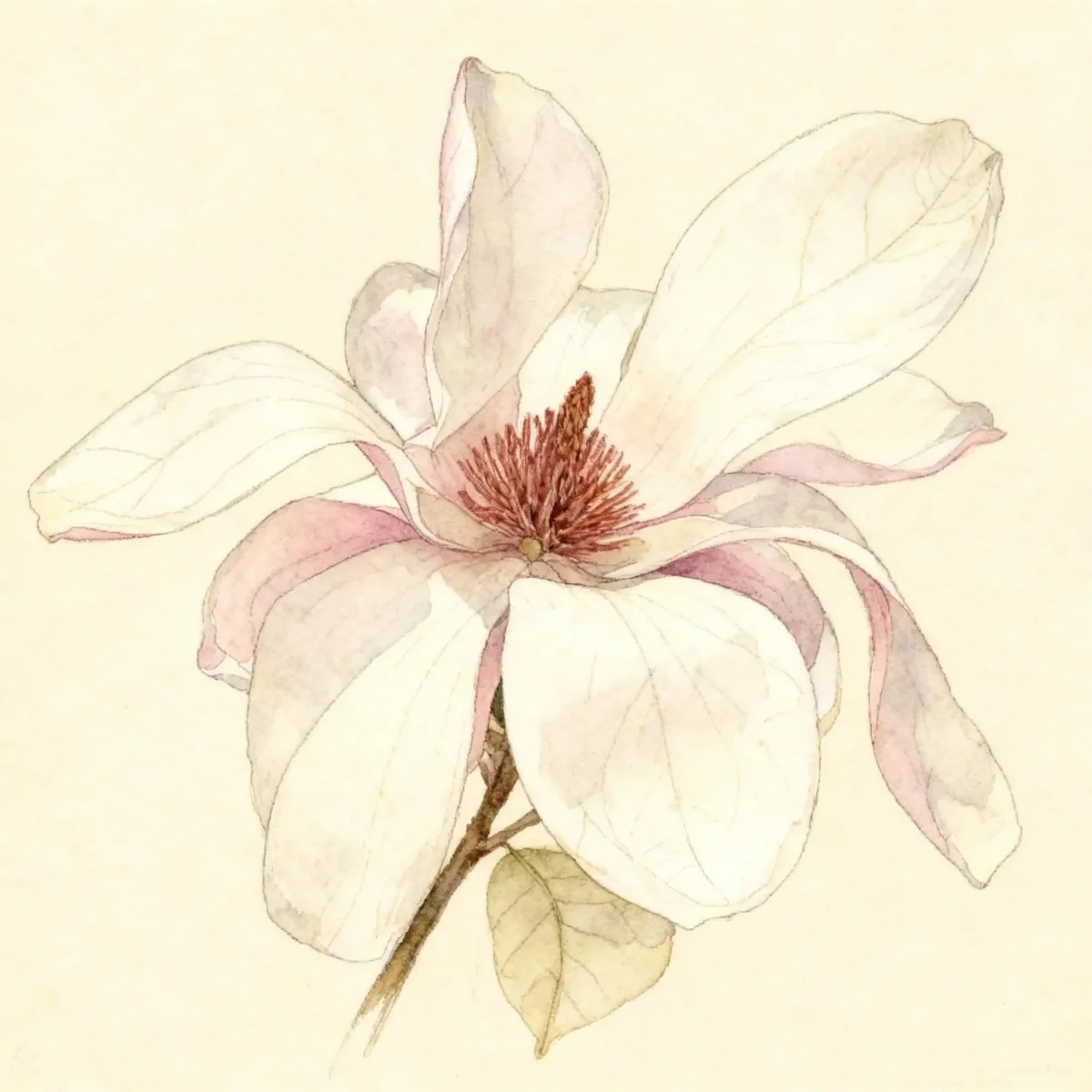
Sweet bay magnolia (Magnolia virginiana 'Jim Wilson' MOONGLOW)
Magnolia virginiana 'Jim Wilson' MOONGLOW is a vigorous Sweet bay magnolia offering fragrant white blooms and tolerance to wet, clay soils.
Scroll down to discover growing tips, care requirements, companion plants, and more
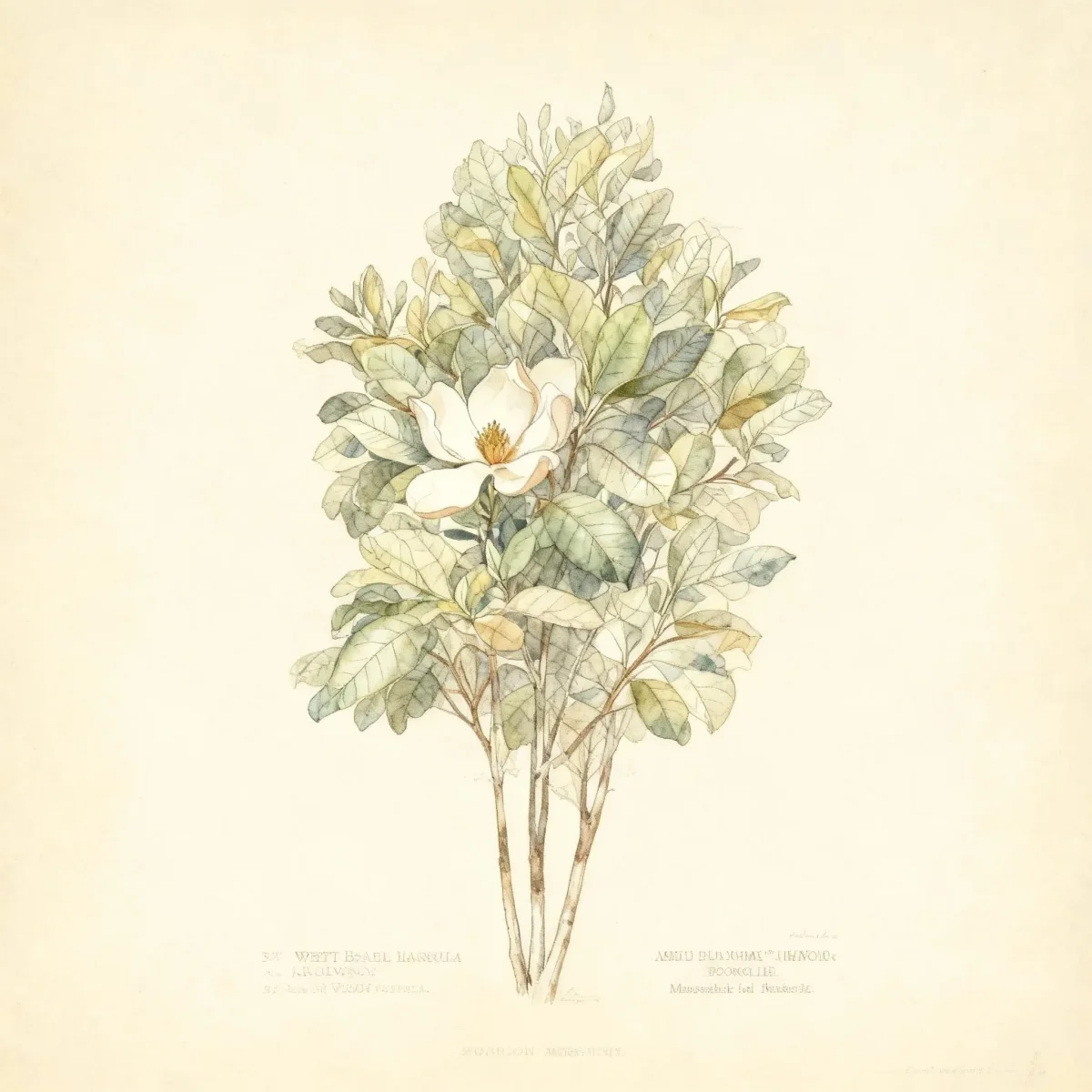
Complete Plant Information
Overview
Magnolia virginiana ‘Jim Wilson’ MOONGLOW, often known by its common name Sweet bay magnolia, is a highly valued, manageable specimen tree celebrated for its adaptability and beauty. This patented cultivar offers more vigorous, upright growth compared to the wild species, making it an excellent landscape anchor. Gardeners appreciate its resilience, particularly its ability to thrive where many other ornamentals struggle.
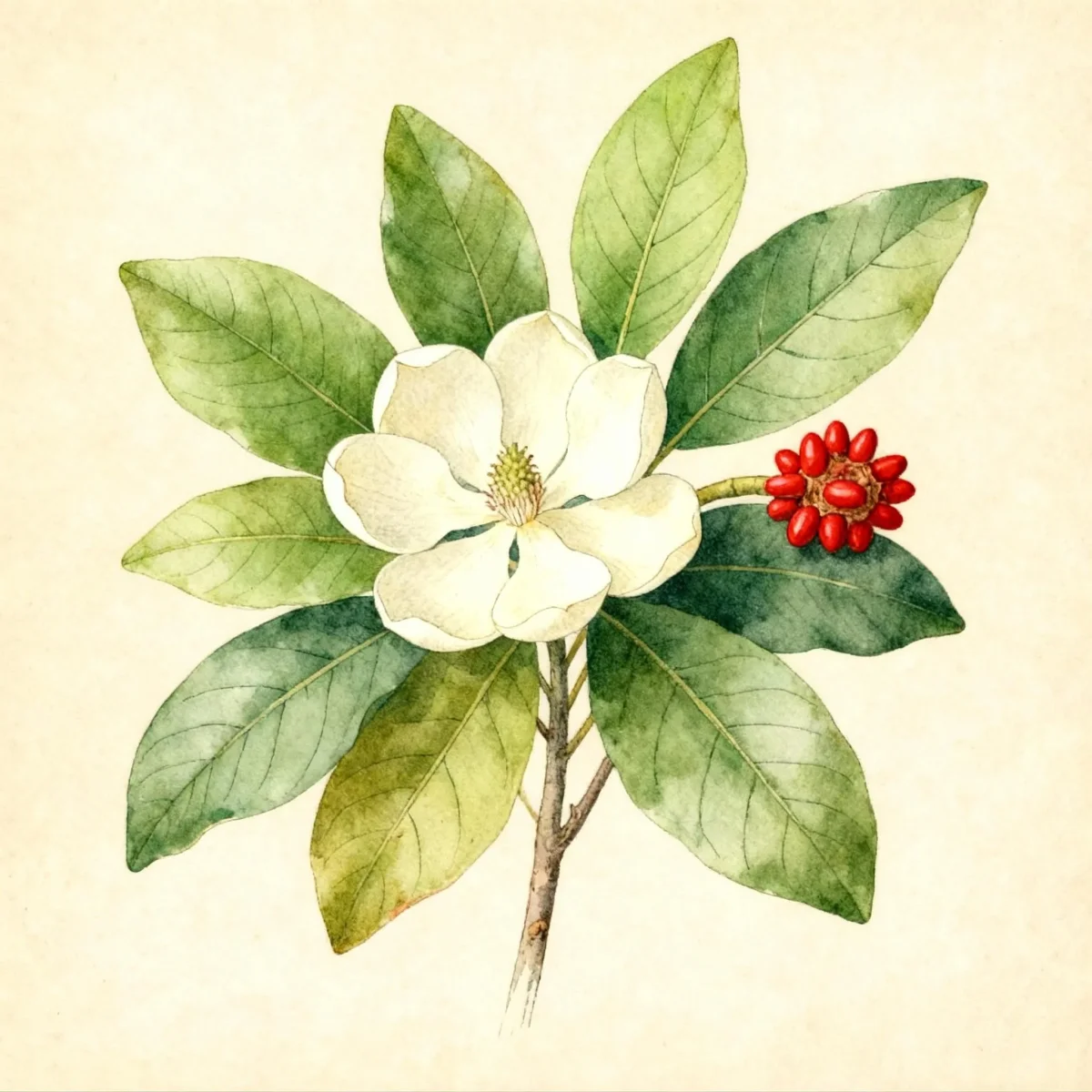
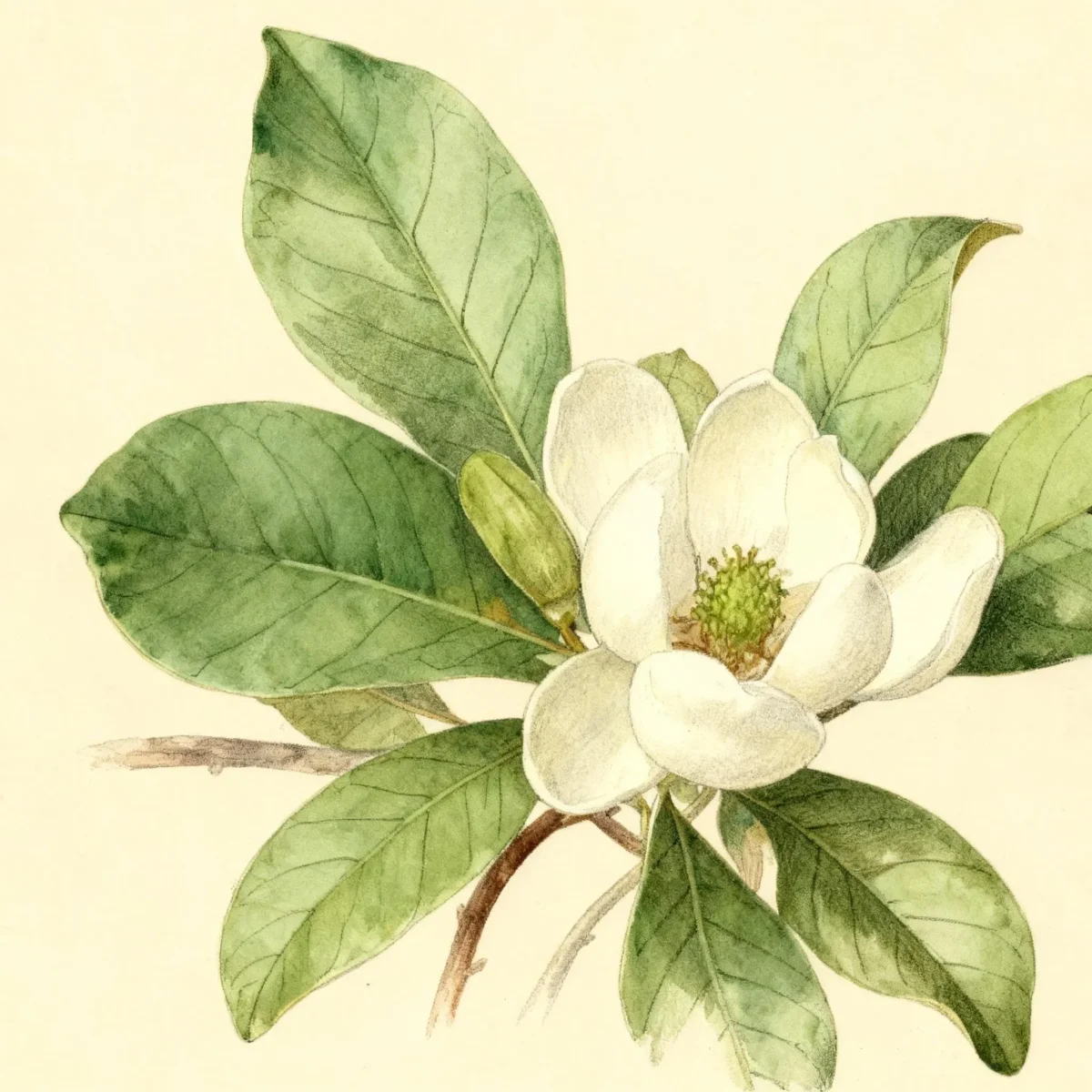
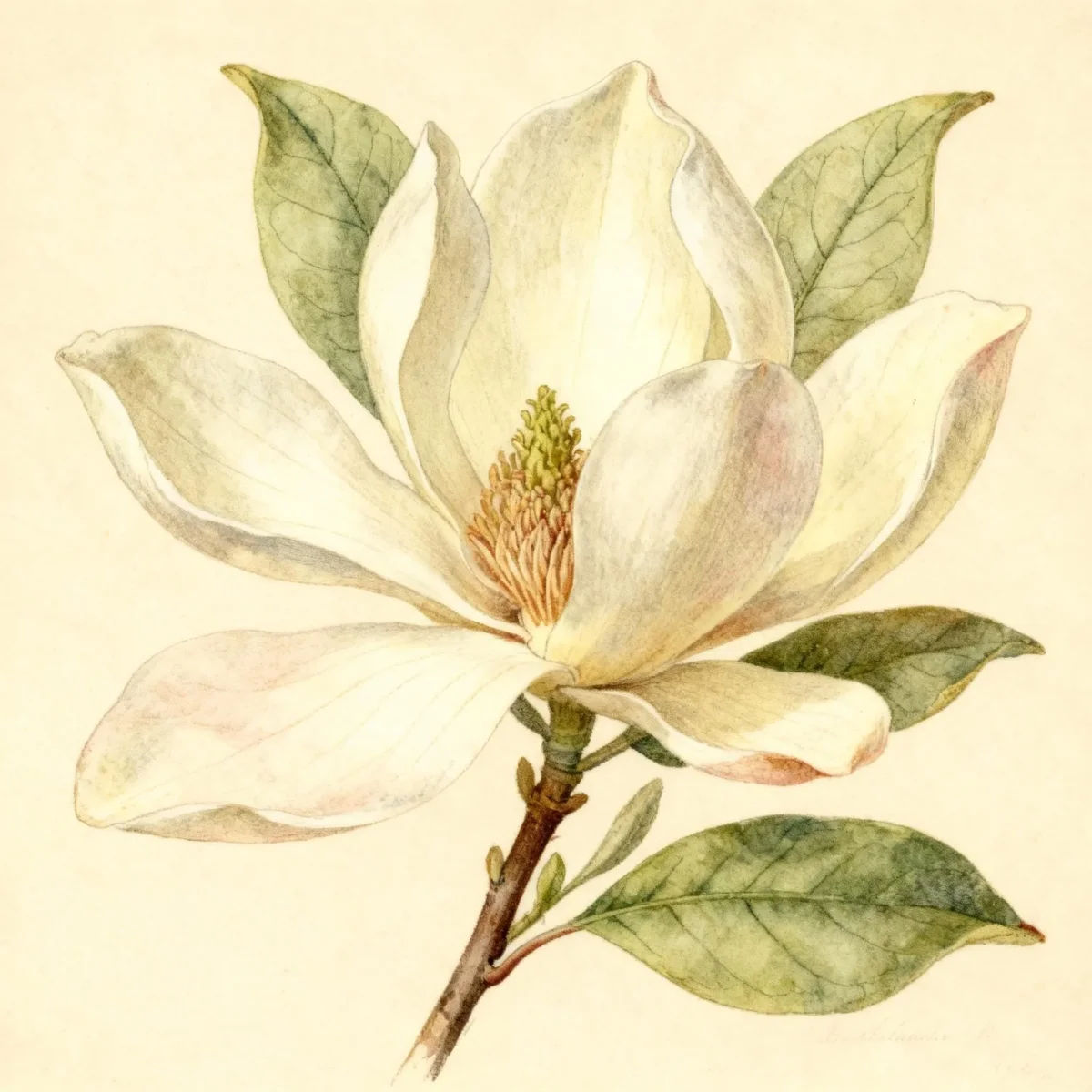
The tree features strikingly creamy white, cup-shaped flowers throughout late spring, noted for their distinct lemony fragrance. Unlike some broadleaf evergreens, the foliage of this Sweet bay magnolia remains semi-evergreen or evergreen depending on winter severity, offering year-round interest. Magnolia virginiana ‘Jim Wilson’ MOONGLOW represents a versatile choice for gardeners needing a low-maintenance broad-appeal flowering tree.
It combines unique wetland tolerance with attractive semi-evergreen leaves and fragrant blooms, establishing itself as a superior selection in diverse settings, ranging from formal lawns to functional rain gardens. Its manageable mature size fits well in most suburban landscapes where the full species might become overly large.
Fast Facts
- Plant Family: Magnoliaceae
- Plant Type: Tree
- Hardiness Zones: USDA Zones 5-10
- Size at Maturity:
- Height: 15-35 ft
- Spread: 10-20 ft
- Bloom Time: May to June
- Bloom Description: Creamy white
- Sun Exposure: Full sun to part shade
- Water Needs: Medium to wet
- Maintenance Level: Low
How to Grow
Planting Magnolia virginiana ‘Jim Wilson’ MOONGLOW is best achieved in spring or fall when soil temperatures are moderate, allowing the root system to establish ahead of temperature extremes. This unique magnolia requires acidic, moist, rich, organic soils for optimal health. Unlike many magnolia varieties, this cultivar shows remarkable tolerance for heavy clay soils and very wet, even boggy, conditions. Ensure the site receives full sun to light part shade. Appreciates a protected location, especially in the northern extent of its range (Zone 5).
Watering should be consistent, especially during the first few growing seasons to encourage deep root development. Once established, the plant prefers moist conditions, reflecting its affinity for wet soils. Fertilization is rarely necessary if the base soil is rich; if growth seems stunted, apply an acidifying fertilizer formulated for broadleaf evergreens in early spring. Pruning needs are generally minimal due to the desirable oval to vase-shaped form of ‘Jim Wilson’.
Maintenance is exceptionally low. Due to its relative hardiness and soil tolerance, Magnolia virginiana ‘Jim Wilson’ MOONGLOW handles common lawn care stresses well. Avoid planting in alkaline soils, as this can induce chlorosis (yellowing of the leaves). In colder zones, ensure newly planted trees have some winter protection until they are fully acclimated.
Landscape Uses
The versatility of the Sweet bay magnolia allows it to serve multiple roles in landscape design. It excels as a specimen tree on expanses of lawn, providing vertical structure complemented by its fragrant mid-season flowers. The cultivar ‘Jim Wilson’ also performs excellently as a taller element within mixed shrub borders, effectively screening less attractive views with its glossy, silvery-backed foliage.
Its exceptional tolerance for wet conditions makes Magnolia virginiana ‘Jim Wilson’ MOONGLOW an ideal candidate for rain gardens, low spots in the landscape, or near ponds and streams where standing water is common after heavy rains. It also works well in foundation plantings near patios, where its scent can be easily enjoyed. Consider using it near woodland edges for a naturalized, yet refined, appearance.
Due to its somewhat upright habit, it can provide structure and vertical contrast when grouped near broad, spreading evergreens or underplanted with shade-tolerant perennials that enjoy consistently damp soil. The cones maturing with bright red seeds in the fall add a secondary seasonal interest to this already multi-talented plant.
Standout Features
Flower Qualities
- Showy
- Fragrant
Fruit Qualities
- Showy
Noteworthy Characteristics
Magnolia virginiana, commonly called sweet bay magnolia, is native to the southeastern United States north along the Atlantic coast to New York. The cultivar ‘Jim Wilson’, commonly sold as MOONGLOW, is distinguished from the species by more vigorous upright growth, better cold hardiness, and slightly larger flowers. This medium-sized tree typically grows to 35’ tall and produces sweetly fragrant, creamy white, waxy flowers throughout May and June.
Tolerances
- Clay Soil
- Wet Soil
- Air Pollution
Potential Problems
This variety of Sweet bay magnolia exhibits robustness, facing no serious insect or disease issues under normal growing conditions. The primary concern for gardeners is susceptibility to chlorosis, which manifests as yellowing leaves. This condition directly results from planting the tree in soils that are too alkaline. Prevent this by amending soil to ensure acidity or selecting a better-suited location.
If chlorosis does occur, the first management step is to test the soil pH. Correcting alkalinity may involve applying acidifying soil amendments like elemental sulfur or aluminum sulfate around the drip line, or incorporating peat moss heavily during initial planting preparation. Regular deep watering can also help maintain the slightly acidic environment the roots prefer.
Frequently Asked Questions
What hardiness zones is Sweet bay magnolia suitable for?
Magnolia virginiana ‘Jim Wilson’ MOONGLOW is hardy across USDA Zones 5 through 10, making it widespread in its usability across the eastern US.
How large does Magnolia virginiana ‘Jim Wilson’ MOONGLOW grow?
This tree typically reaches a mature height between 15 and 35 feet, with a corresponding spread falling between 10 and 20 feet, resulting in an oval to vase-shaped form.
What sun exposure does Sweet bay magnolia need?
For best flowering and dense foliage, aim for full sun exposure, although this tree tolerates light part shade very well.
When does Magnolia virginiana ‘Jim Wilson’ MOONGLOW bloom?
This Magnolia variety flowers when beautiful, fragrant, creamy white blooms appear, typically beginning in May and continuing into June.
Conclusion
The Magnolia virginiana ‘Jim Wilson’ MOONGLOW delivers reliable performance, combining fragrant, showy spring flowers with exceptional tolerance for difficult, wet, and clay soils. This low-maintenance Sweet bay magnolia brings elegance and year-round structure to challenging garden spots. Before planting, confirm your site conditions meet its preference for acidic soil and check that your USDA hardiness zone falls within the 5 to 10 range.
Companion Planting
When establishing Magnolia virginiana ‘Jim Wilson’ MOONGLOW, select companions that share its love for acidic, consistently moist soil conditions, recognizing its preference for low-maintenance environments. Ferns, like the Ostrich Fern (Matteuccia struthiopteris) or Cinnamon Fern (Osmundastrum cinnamomeum), thrive in the dappled light that might filter through the canopy and appreciate the consistent moisture this magnolia prefers.
For understory shrubs that tolerate wet feet, consider species like Buttonbush (Cephalanthus occidentalis) or various low-growing viburnums suitable for wet margins. These plants won’t compete aggressively for resources while complementing the vertical interest provided by the Sweet bay magnolia. Avoid high-pH loving plants, as they will quickly decline near this acid-loving species.
Wildlife Benefits
The fragrant flowers of Magnolia virginiana ‘Jim Wilson’ MOONGLOW are highly attractive to pollinators, particularly early-season bees seeking nectar. While the flowers draw insects, the distinctive fruit structure provides significant autumnal and winter visual interest and food for birds.
Clusters of bright red seeds encased in cone-like structures mature in the fall. These persistent fruits are readily consumed by various songbirds, including robins and mockingbirds, offering a late-season food source when other berries may be depleted. Planting this evergreen magnolia provides beneficial screening and cover for local fauna throughout the colder months.