Ox-eye daisy (Heliopsis helianthoides 'Tuscan Sun')
Dwarf Ox-eye daisy cultivar, Heliopsis helianthoides 'Tuscan Sun', offers low-maintenance, sun-loving bloom from June through September.
Scroll down to discover growing tips, care requirements, companion plants, and more
Complete Plant Information
Overview
Heliopsis helianthoides ‘Tuscan Sun’ is a highly valued, short-lived perennial celebrated for its compact size and prolific blooms compared to its taller relatives. This dwarf Ox-eye daisy cultivar brings reliable, daisy-like flowers to the garden from early summer well into autumn. Its preference for full sun and tolerance for various soil types makes Heliopsis helianthoides ‘Tuscan Sun’ an excellent choice for gardeners seeking vibrant color without extensive fuss.
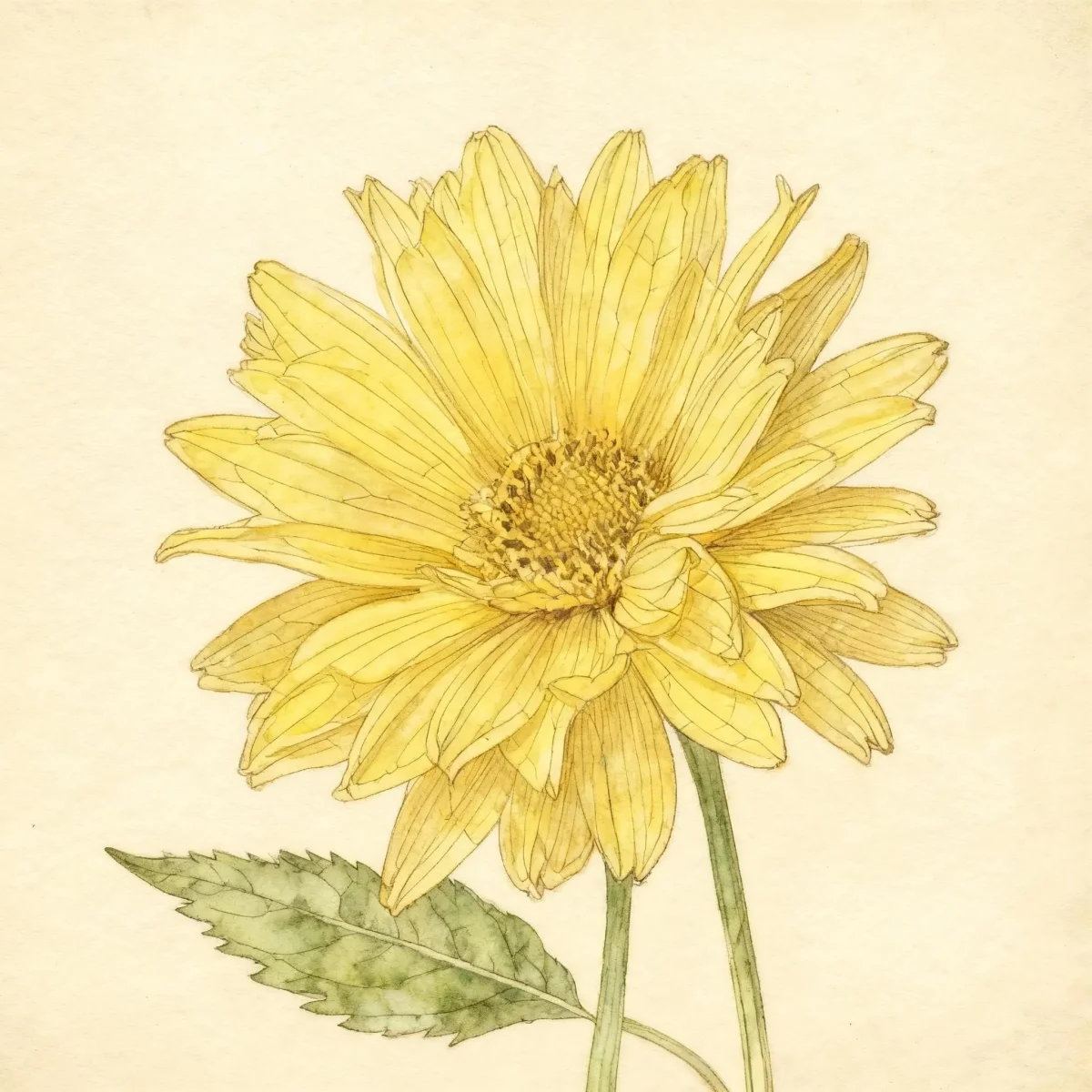
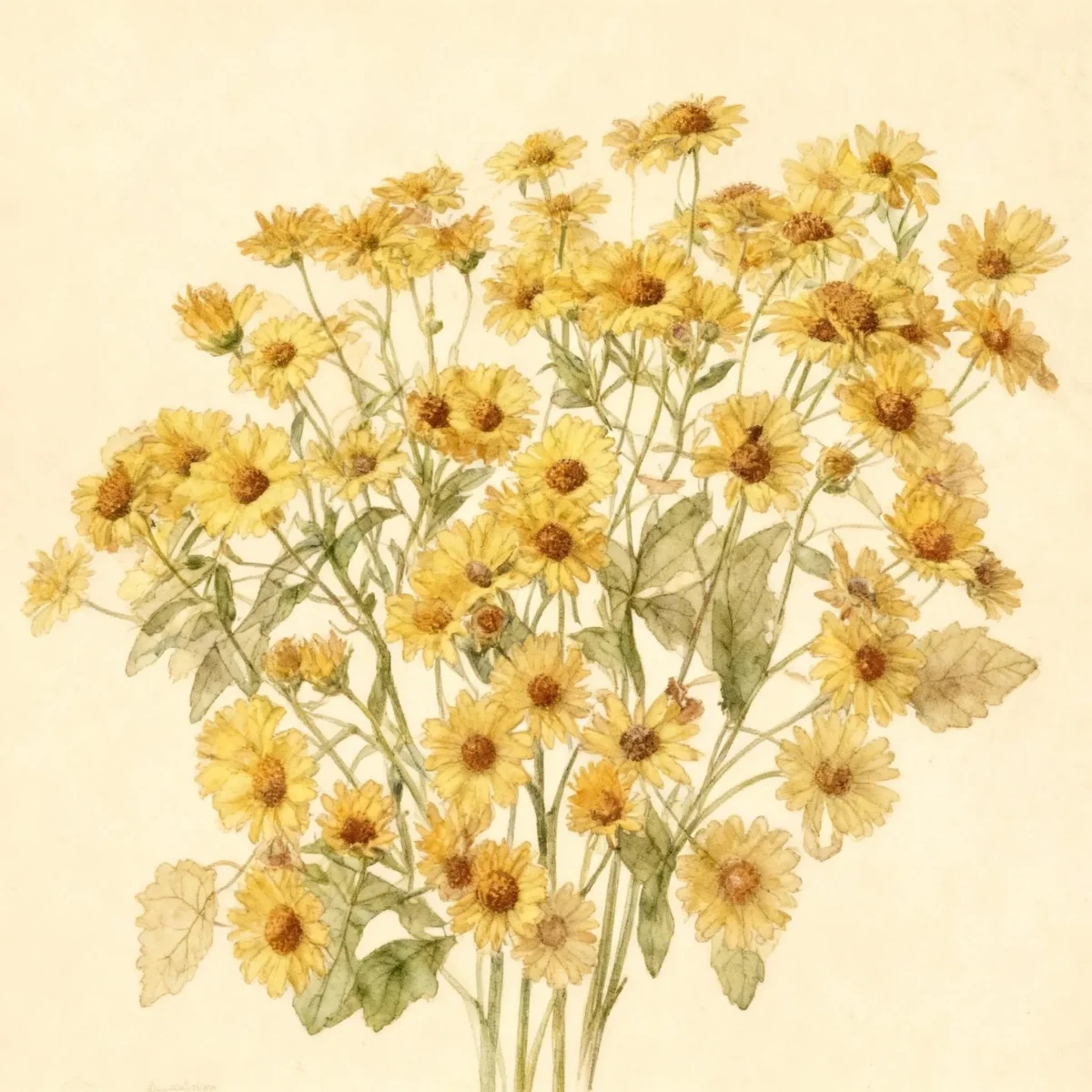
This North American native relative of the true sunflower brightens borders with cheerful yellow flowers featuring an orange-gold center. It offers significant value to the ecosystem by attracting butterflies and other beneficial insect pollinators. Its upright, stiff stems maintain a neat appearance, especially important for this smaller variety.
Gardeners appreciate that maintenance for this Ox-eye daisy remains low. Once established, it handles dry conditions well, provided it receives moderate water during peak heat. The robust nature of Heliopsis helianthoides ‘Tuscan Sun’ ensures season-long performance in the toughest sunny spots.
Fast Facts
- Plant Family: Asteraceae
- Plant Type: Herbaceous perennial
- Hardiness Zones: USDA Zones 3-9
- Size at Maturity:
- Height: 1-1.5 ft
- Spread: 0.75-1 ft
- Bloom Time: June to September
- Bloom Description: Yellow with orange-gold center
- Sun Exposure: Full sun
- Water Needs: Dry to medium
- Maintenance Level: Low
How to Grow
For best results, plant Heliopsis helianthoides ‘Tuscan Sun’ in spring or fall in a location receiving full sun. It thrives in average, well-drained soil but is remarkably adaptable, tolerating poor, dry, and even heavy clay soils. While it tolerates some light shade, blooms will be less vigorous, and stems might require support if planted too deeply in denser shade areas.
Watering should be consistent until the plant is established. Although it is drought-tolerant once mature, regular watering during extended dry spells will promote the best bloom display for your Ox-eye daisy. Fertilizing is rarely necessary due to its tolerance for poor soils; over-fertilizing can lead to weak, floppy growth.
Maintenance on this specific cultivar, Heliopsis helianthoides ‘Tuscan Sun’, is simplified because it remains dwarf (15-20” tall) and usually does not require the aggressive cutting back needed by taller varieties. Deadheading spent flowers will help encourage new blooms, extending the season from June through September. In late spring, you can lightly shear stems to maintain a tidy shape if desired.
Landscape Uses
The manageable size of Heliopsis helianthoides ‘Tuscan Sun’ makes it highly versatile in landscape design. It excels when placed toward the front or middle of mixed perennial borders where its bright yellow flowers can contrast with blues and purples. Its upright, clump-forming habit works excellently for providing structure in cottage garden settings.
This plant is also superb for rock gardens where adaptability to drier, shallower soils is valued. Furthermore, its compact nature ensures that the Ox-eye daisy is appropriate for container plantings, providing sunny, long-lasting color on patios or decks throughout the summer months. Ensure containers have good drainage to match the plant’s dry to medium water needs.
Standout Features
Flower Qualities
- Showy
Noteworthy Characteristics
Heliopsis helianthoides, commonly called oxeye sunflower or ox-eye daisy, is an upright, clump-forming perennial native to eastern and central North America. The species typically features daisy-like flowers with yellow-orange rays surrounding brownish-yellow center cones which attract butterflies. Heliopsis helianthoides ‘Tuscan Sun’ is a specific dwarf cultivar, growing only to about 15-20 inches tall, sporting distinctive 2-inch blooms throughout summer atop stiff stems with dark green leaves.
Tolerances
- Drought
- Erosion
- Clay Soil
- Dry Soil
- Shallow-Rocky Soil
Potential Problems
Overall, this plant has few serious insect or disease issues, contributing to its low maintenance requirement. Gardeners should watch for occasional susceptibility to aphids, which can usually be managed by a strong spray of water or insecticidal soap. Taller varieties of the species may need staking, but the dwarf Heliopsis helianthoides ‘Tuscan Sun’ maintains stiff stems. Reportedly, this plant also exhibits some resistance to powdery mildew, a common issue in the Asteraceae family.
Frequently Asked Questions
What hardiness zones is Ox-eye daisy suitable for?
Heliopsis helianthoides ‘Tuscan Sun’ is hardy across a wide spectrum, suitable for USDA Zones 3 through 9.
How large does Heliopsis helianthoides ‘Tuscan Sun’ grow?
This dwarf cultivar typically reaches a height between 1 and 1.5 feet and spreads minimally between 0.75 and 1 foot wide at its maturity.
What sun exposure does Ox-eye daisy need?
Full sun exposure is required to achieve the best vigor and the longest bloom period for this Ox-eye daisy cultivar.
When does Heliopsis helianthoides ‘Tuscan Sun’ bloom?
The bloom time for this plant is generally from June until September, displaying vivid yellow flowers with rich orange-gold centers.
Conclusion
The dwarf Ox-eye daisy, Heliopsis helianthoides ‘Tuscan Sun’, is an indispensable component for sunny, low-water garden areas needing long-lasting flower performance. Its bright blooms attract pollinators, and its tolerance for poor soils means less work for the gardener. Check your local hardiness zone compatibility now and plan to incorporate this cheerful perennial into your late spring planting schedule.
Companion Planting Suggestions
When designing a border around Heliopsis helianthoides ‘Tuscan Sun’, consider plants that share its need for full sun and average to dry conditions. Companions that offer contrasting foliage texture or color work best. Try pairing it with Russian Sage (Perovskia atriplicifolia) for silvery vertical accents, or use ornamental grasses like Prairie Dropseed (Sporobolus heterolepis) to soften the edges. Plants that bloom later in the season, such as Asters or Sedum ‘Autumn Joy’, will provide visual interest once the Ox-eye daisy begins to slow down its production.
Wildlife Benefits
The sunny, open structure of the Heliopsis helianthoides ‘Tuscan Sun’ flower is highly accessible to a wide variety of pollinators. The composite flower head, featuring pronounced yellow ray florets, acts as a strong visual beacon for bees and butterflies throughout the mid to late summer. Furthermore, once the petals fade, the seed heads produced by this Ox-eye daisy offer a food source for small seed-eating birds during the fall and winter months.