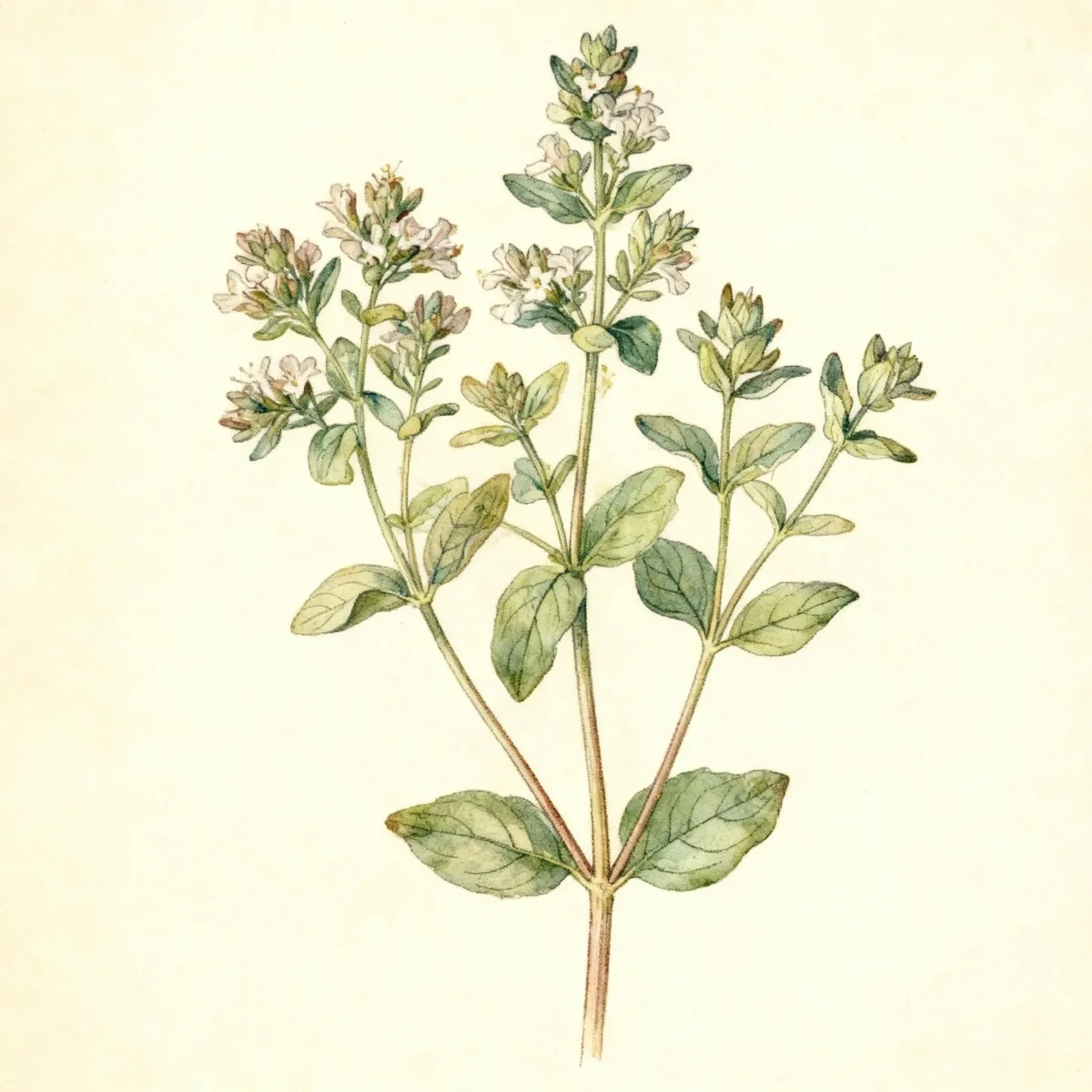
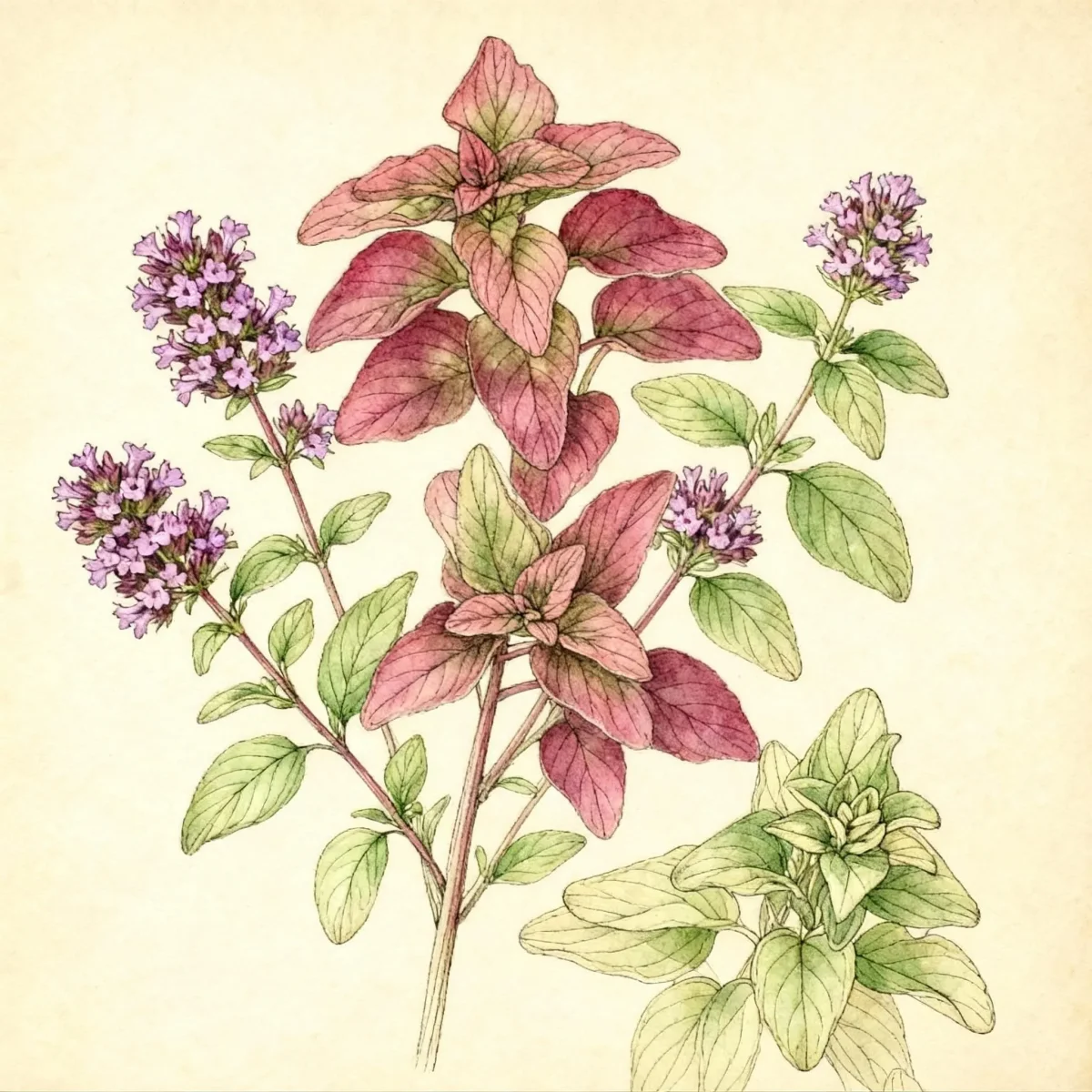
Oregano (Origanum 'Hot and Spicy')
Origanum 'Hot and Spicy' Oregano is a low-maintenance, rhizomatous perennial prized for its intense, spicy culinary flavor and drought tolerance.
Scroll down to discover growing tips, care requirements, companion plants, and more
Complete Plant Information
Overview
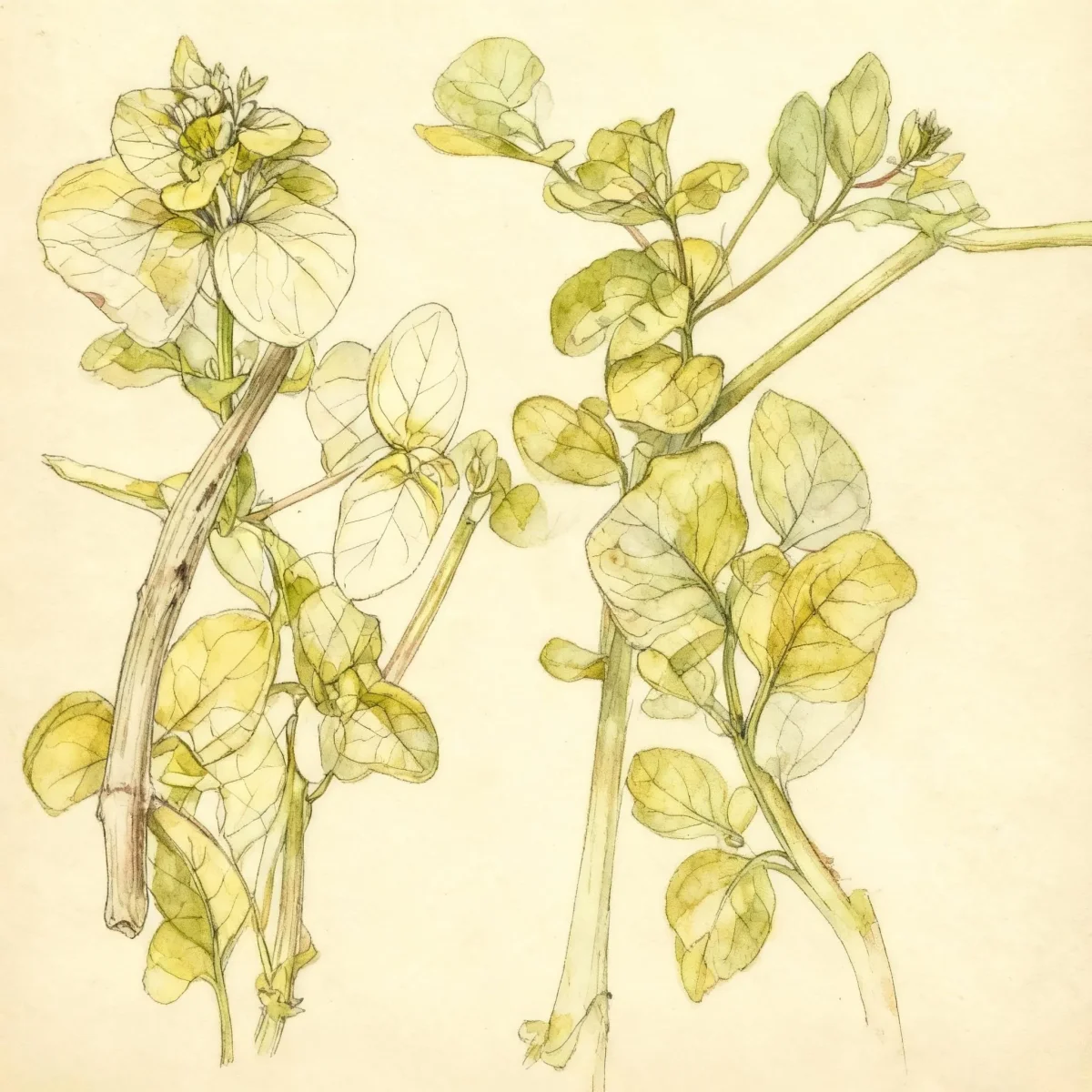
Origanum ‘Hot and Spicy’ is a highly valued herbaceous perennial, renowned primarily for its intense, somewhat spicy culinary flavor, making it a superior choice for the herb garden. This specific cultivar of Oregano establishes itself quickly as a sprawling, rhizomatous perennial, offering reliable green foliage and aromatic leaves perfect for Italian cuisine. Gardeners appreciate its low maintenance needs and excellent heat and drought tolerance once established.
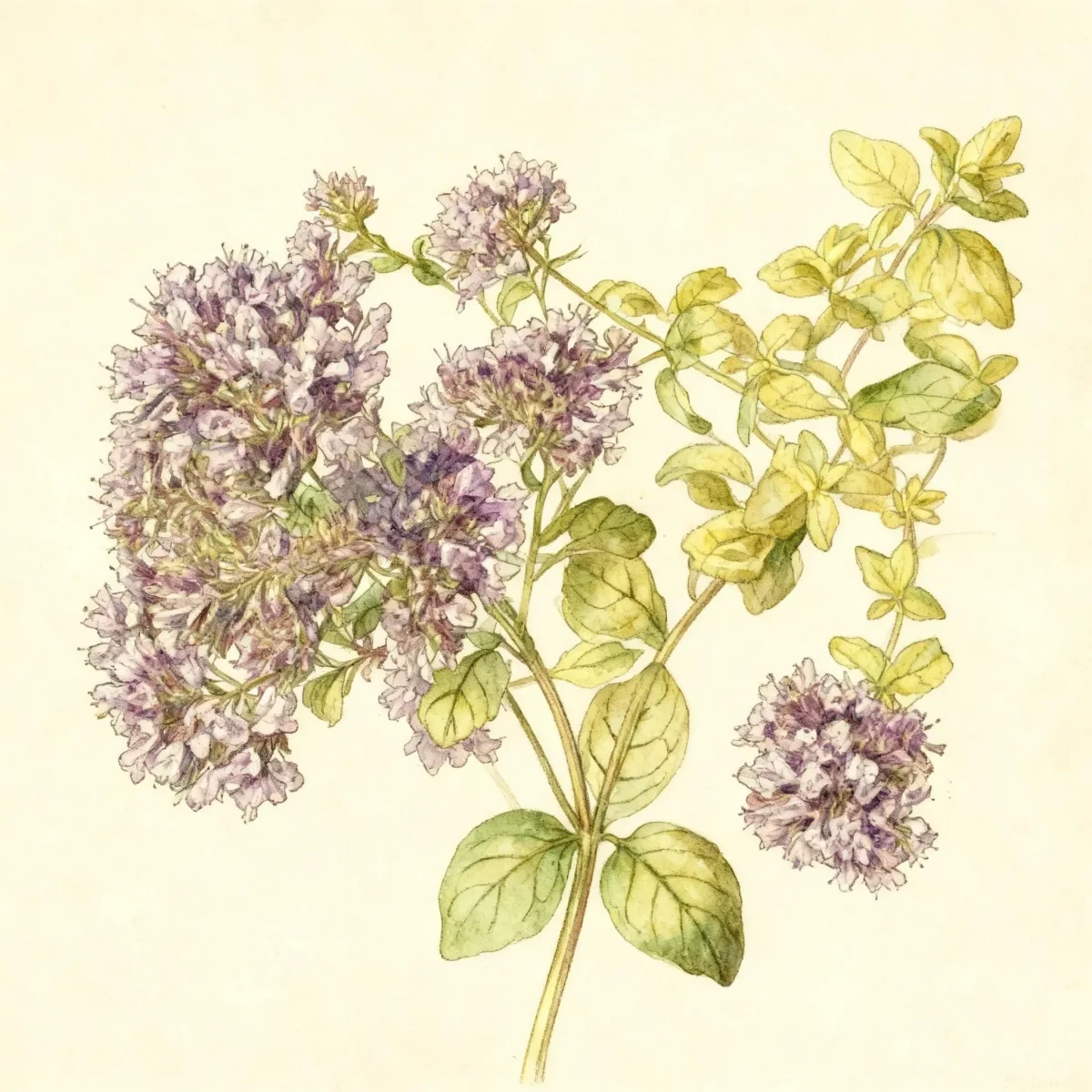
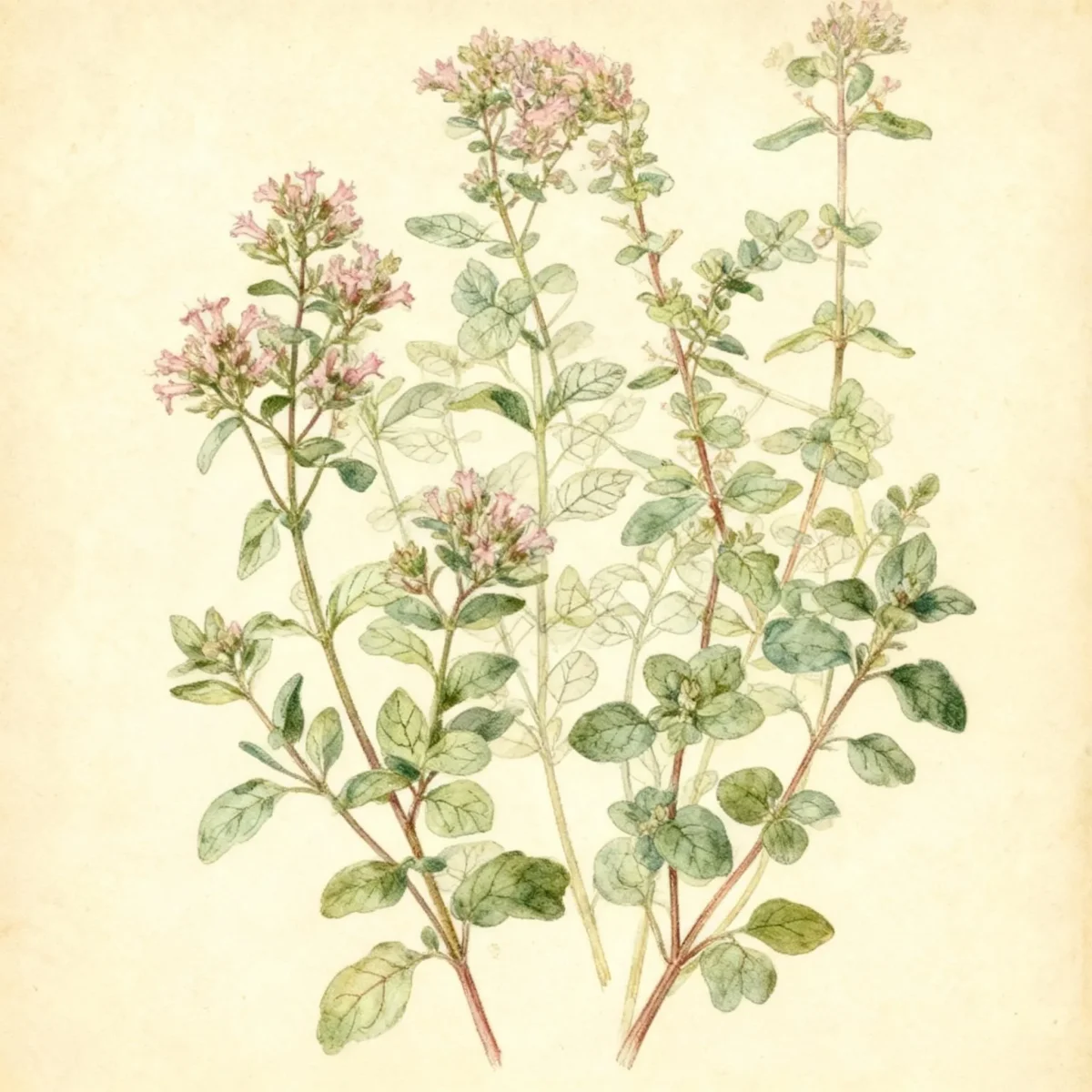
This plant reaches a modest height of 1 to 1.5 feet and spreads to match, making it a tidy, functional addition to sunny borders or containers. While the tiny white to purple-pink summer flowers offer some visual interest, the primary appeal of Origanum ‘Hot and Spicy’ lies in its strong, aromatic foliage that remains available for harvesting throughout the growing season.
As an aromatic herb, this Oregano variety blends practical kitchen use with landscape resilience. It thrives in challenging, well-drained conditions where other plants might struggle, offering beauty and utility without demanding constant attention to thrive.
Fast Facts
- Plant Family: Lamiaceae
- Plant Type: Herbaceous perennial
- Hardiness Zones: USDA Zones 4-8
- Size at Maturity:
- Height: 1-1.5 ft
- Spread: 1-1.5 ft
- Bloom Time: July to August
- Bloom Description: White to purple-pink
- Sun Exposure: Full sun
- Water Needs: Dry to medium
- Maintenance Level: Low
How to Grow
Planting Origanum ‘Hot and Spicy’ should occur after the threat of frost has passed, placing it in its permanent location where it receives full sun exposure throughout the day. This herb thrives in average conditions but excels in gritty, sandy loams, provided the location offers excellent drainage. Good drainage is crucial to prevent common root rot issues associated with wet soils.
Maintenance for this Oregano variety is refreshingly low. Water sparingly; allow the soil to dry out between watering sessions, adhering to its ‘dry to medium’ water needs. Fertilizing is rarely necessary, as rich soils can sometimes dilute the intensity of the aromatic oils in the leaves.
A key cultural task for keeping Origanum ‘Hot and Spicy’ tidy is regular shearing. Before the plant flowers, shear the growth back to maintain compactness and encourage a flush of new, flavorful foliage. This practice prevents the plant from looking leggy and keeps the landscape presentation sharp throughout the summer months.
Landscape Uses
The versatility of Origanum ‘Hot and Spicy’ allows it to transition easily from the dedicated herb garden to ornamental borders. Use this sprawling perennial as a robust mass planting along border fronts where its aromatic foliage can be easily accessed for cooking. It also functions beautifully as a low, soft edger along pathways, softening hard lines in the garden design.
Due to its excellent heat and drought tolerance, it pairs well with other Mediterranean herbs like rosemary and thyme. For gardeners seeking low-water, low-maintenance designs, consider pairing this Oregano in rock gardens or in mixed containers, especially large containers, where fast drainage is naturally achieved. The dark green leaves provide a lovely textural contrast to silvery or fine-textured companion plants.
Standout Features
Flower Qualities
- Showy
Noteworthy Characteristics
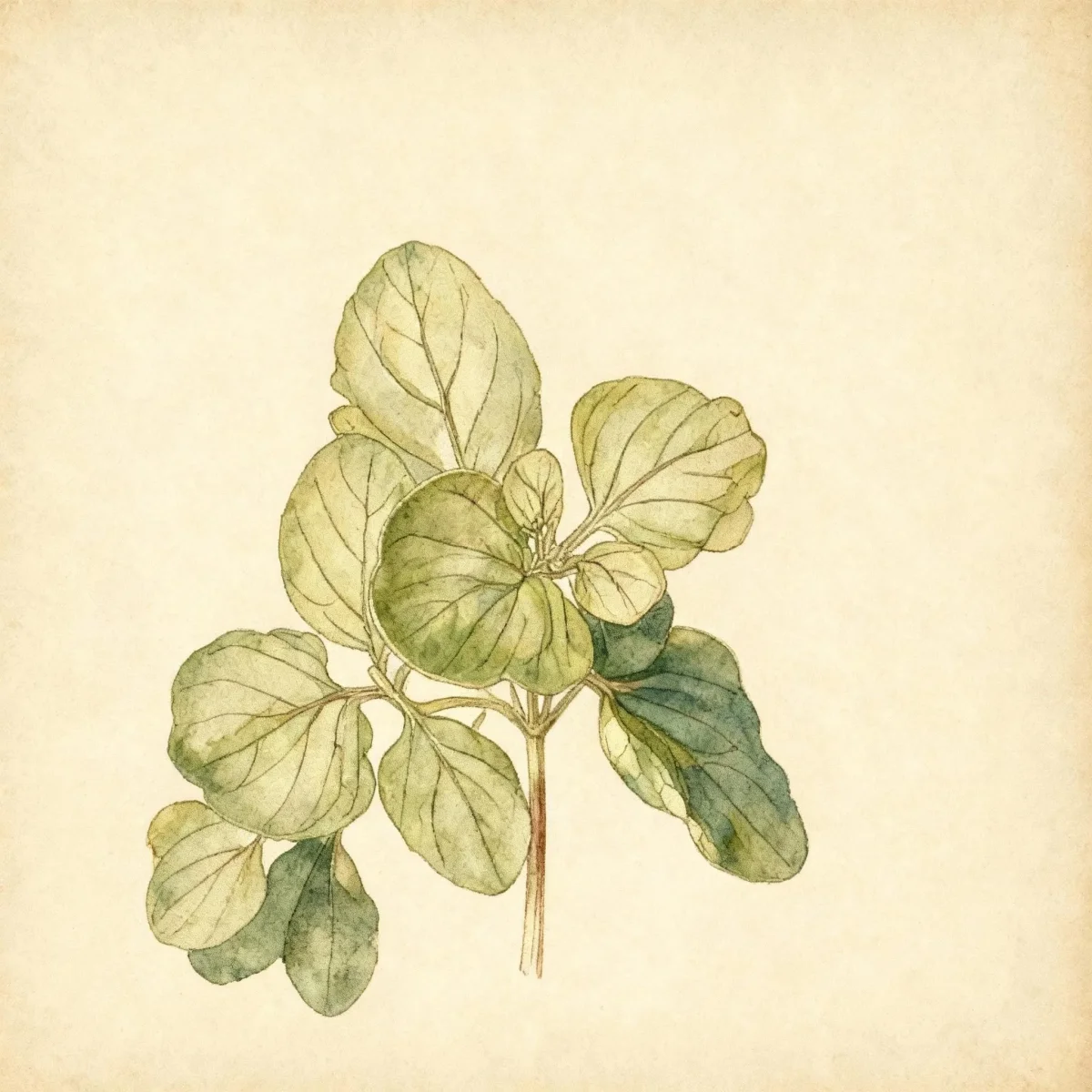
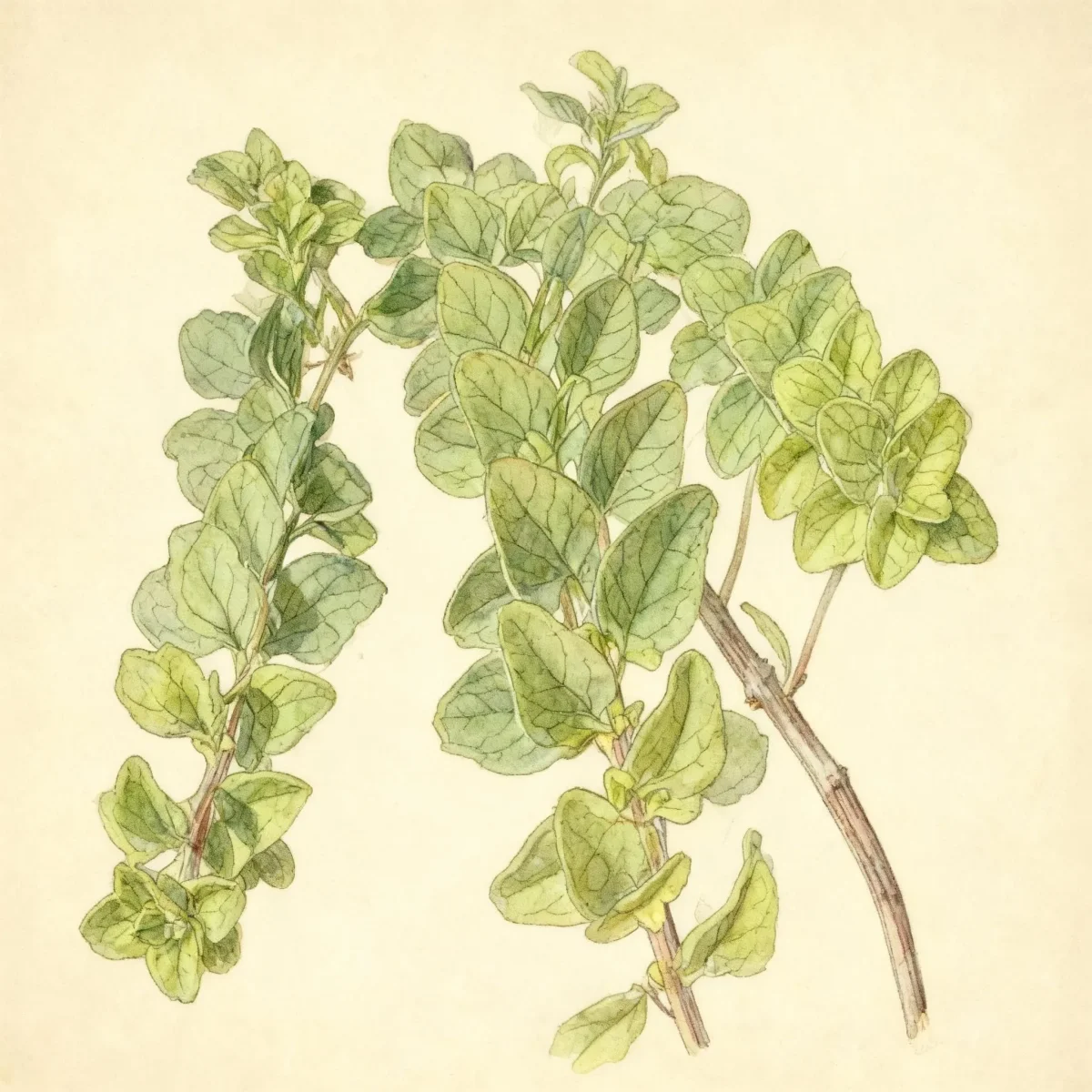
Origanum is a genus historically recognized for its Mediterranean origins, often referred to by its Greek name translating to “beauty of the mountain.” The specific cultivar ‘Hot and Spicy’ is celebrated for its notably intense, pungent flavor profile, making it highly desirable for culinary use fresh or dried. It forms a low, spreading mound of strongly aromatic, dark green leaves, punctuated by terminal spikes of small, two-lipped flowers in mid-summer.
Tolerances
- Rabbit
- Deer
- Drought
- Dry Soil
- Shallow-Rocky Soil
Potential Problems
Origanum ‘Hot and Spicy’ exhibits good resistance to most common pests and diseases, making it a reliable choice. The most significant cultural issue arises from improper watering; root rot is a likely outcome if the plant is situated in persistently wet, poorly drained soils. Occasionally, gardeners might observe minor issues such as fungal diseases, aphids, or spider mites, usually when humidity is high or air circulation is poor. Ensure sharp drainage and prune to maintain airflow to minimize these potential fungal and pest outbreaks.
Frequently Asked Questions
What hardiness zones is Oregano suitable for?
Origanum ‘Hot and Spicy’ is reliably winter-hardy in USDA Zones 4 through 8.
How large does Origanum ‘Hot and Spicy’ grow?
This perennial typically reaches a height between 1 to 1.5 feet tall, with a similar spread of 1 to 1.5 feet wide.
What sun exposure does Oregano need?
For optimal growth, flowering, and flavor concentration, Origanum ‘Hot and Spicy’ requires full sun.
When does Oregano bloom?
Blooms appear between July and August, featuring small flowers described as white to purple-pink.
Conclusion
The unparalleled spicy flavor and attractive, low-mounding habit solidify Origanum ‘Hot and Spicy’ as an essential addition to any sunny garden space. Its remarkable drought tolerance and ease of care mean this Oregano will reward you with culinary harvests for years after planting. Before installing, confirm your location falls within USDA Zones 4-8 and ensure your soil drains exceptionally well for long-term success.
Companion Planting
When planning your herb garden, consider pairing Origanum ‘Hot and Spicy’ with other sun-loving, drought-tolerant Mediterranean natives. Plants like Thyme, Lavender, or Sage thrive under similar growing conditions—full sun and dry to medium soil moisture—creating a cohesive, low-water planting scheme. Avoid planting this shallow-rooted perennial directly beside aggressive spreaders that might compete heavily for surface moisture or nutrients in dry spells.
Seasonal Care Calendar
Early Spring is the ideal time to cut back any remaining winter foliage before the new growth emerges, promoting a fresh, bushy habit. As summer begins, monitor moisture levels; while drought tolerant, a deep watering during extended dry periods will boost leaf production for harvesting. In late summer, shearing the plant back lightly after its primary bloom will encourage a second flush of aromatic leaves before autumn arrives.