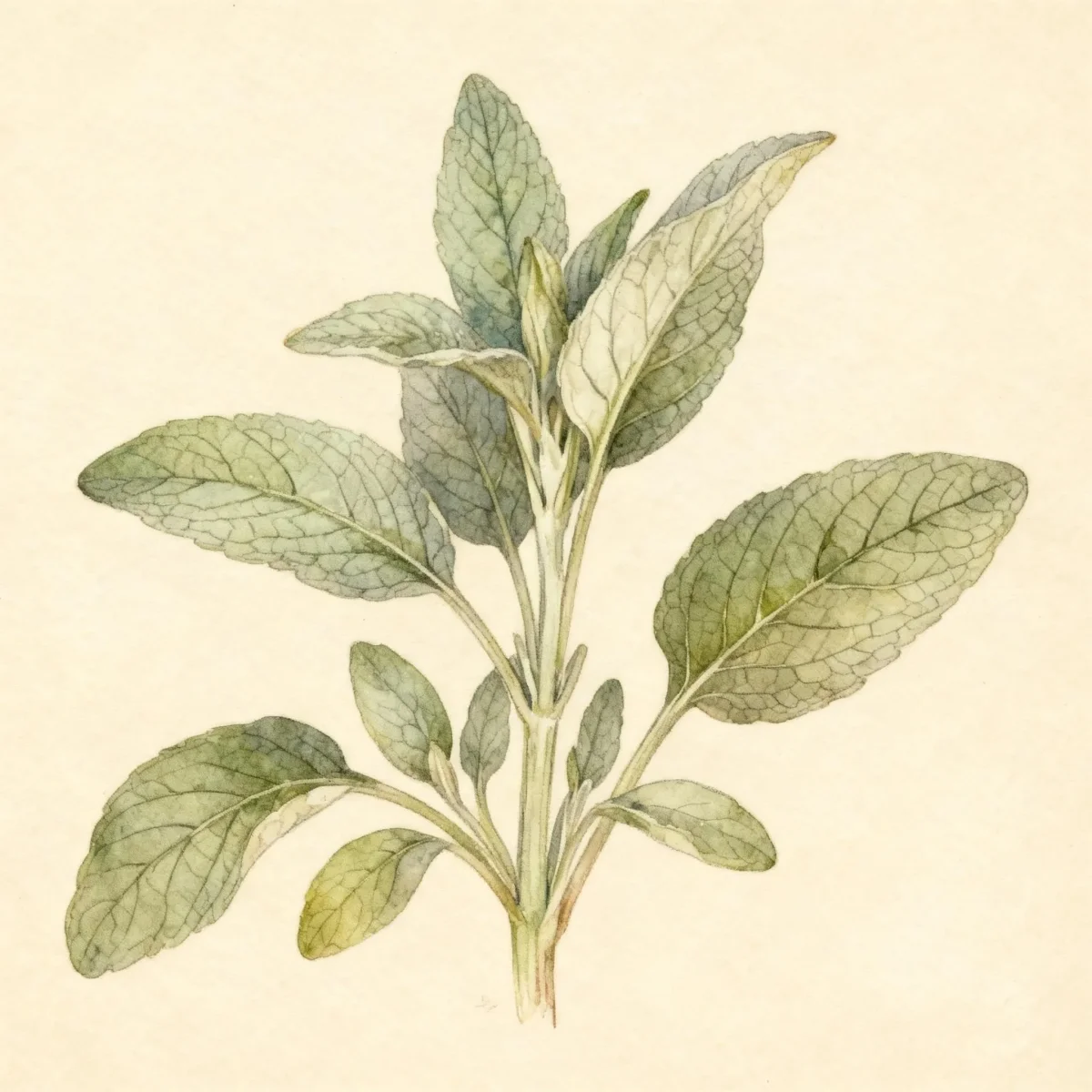
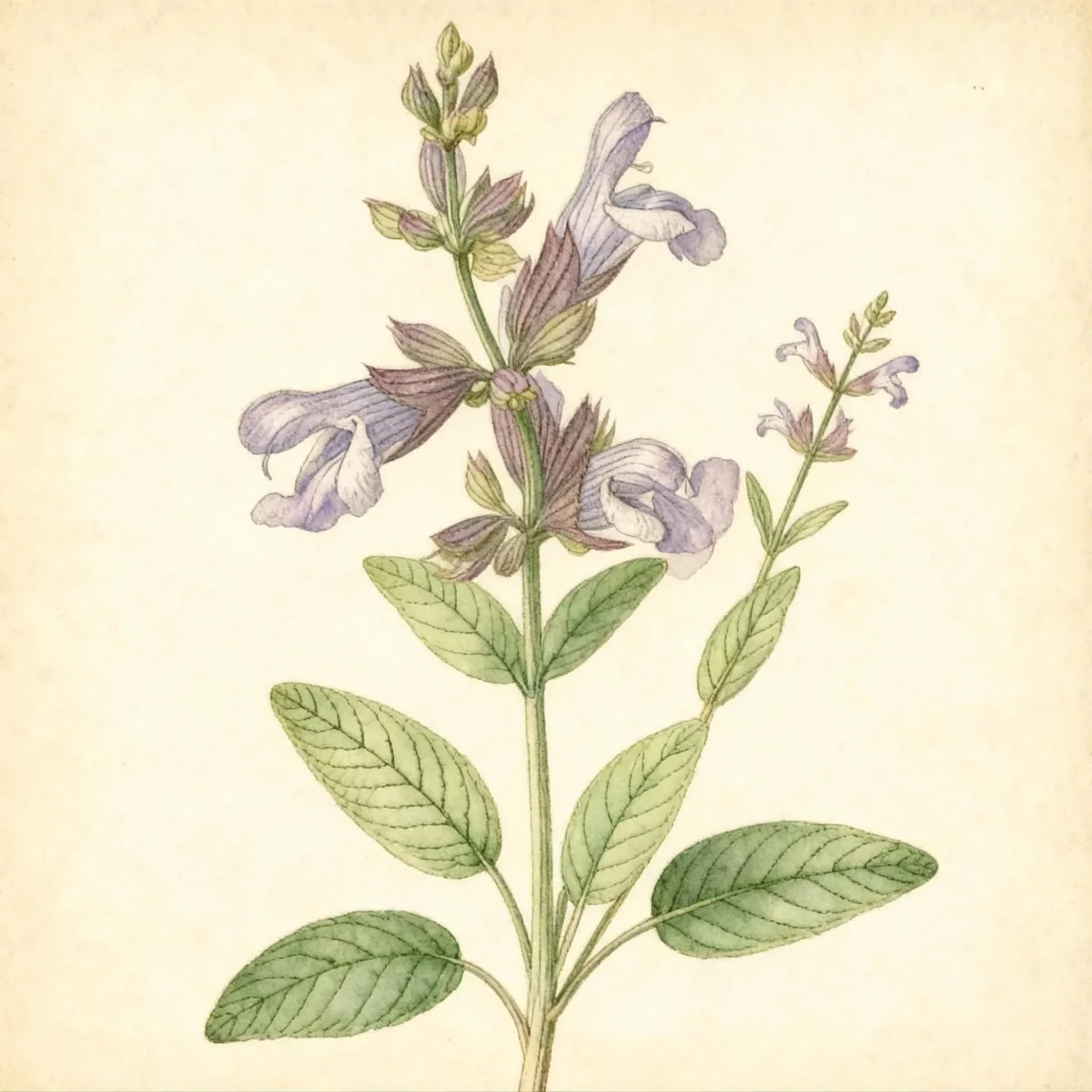
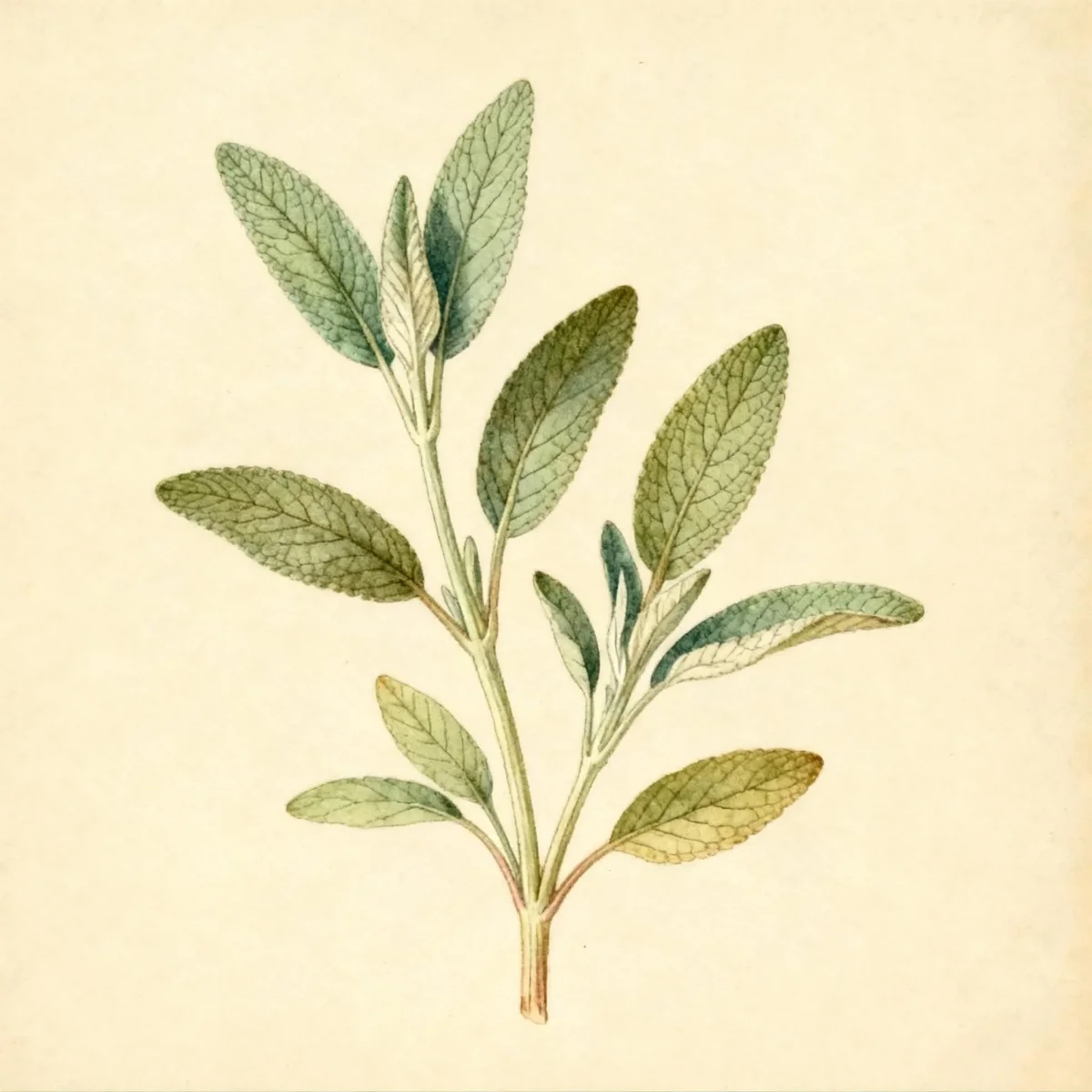
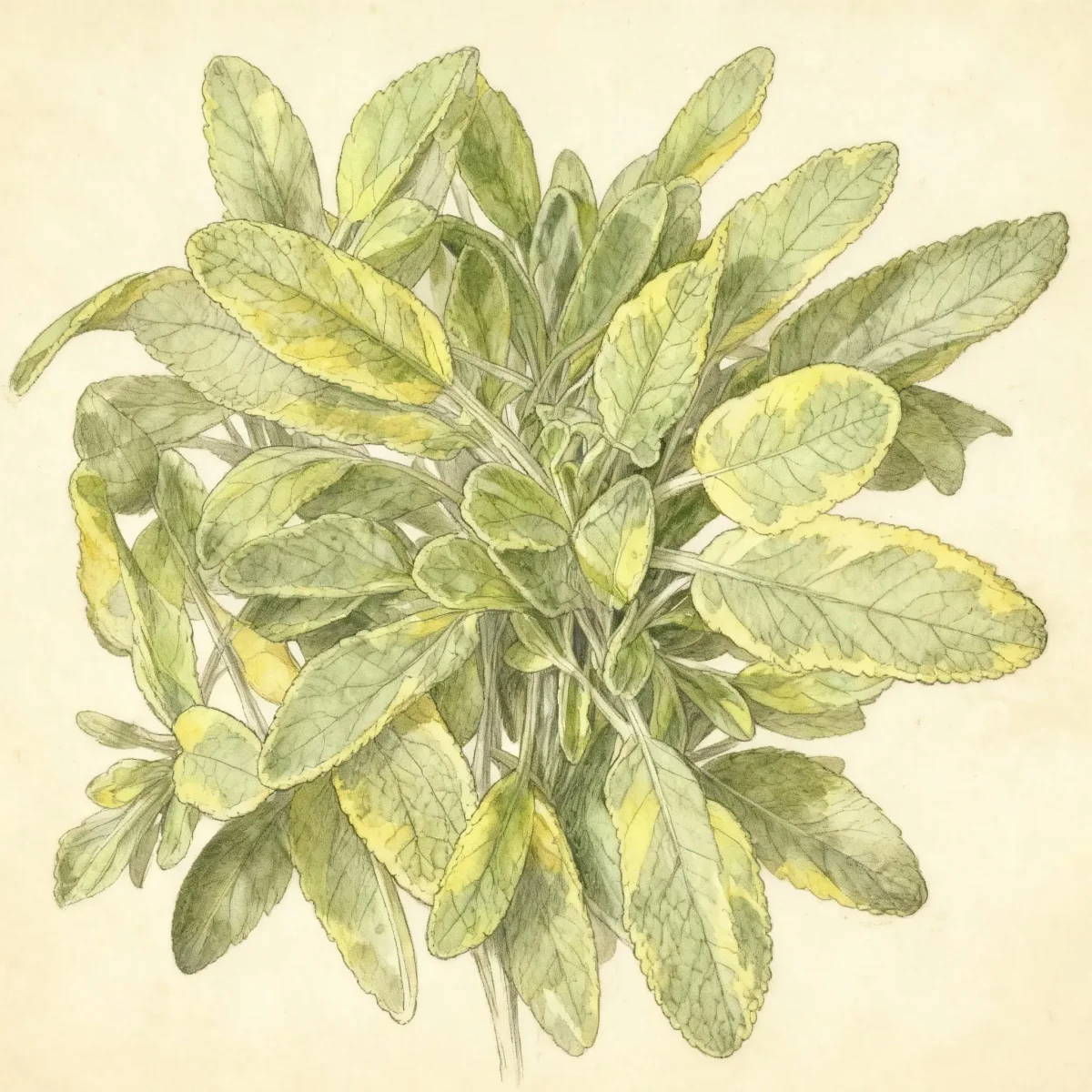
Common sage (Salvia officinalis 'Icterina')
Salvia officinalis 'Icterina' offers variegated golden-yellow and green foliage, prized for culinary use and aroma. Zone 4-8.
Scroll down to discover growing tips, care requirements, companion plants, and more
Complete Plant Information
Overview
Salvia officinalis ‘Icterina’, commonly known as Common sage, is highly valued by gardeners for its dual purpose as an aromatic culinary herb and a handsome ornamental. This woody-stemmed perennial features striking, oblong leaves beautifully variegated with pale green and vibrant golden yellow, setting it apart from standard green varieties. It provides texture and color interest from spring through fall, complemented by upright spikes of purplish-blue flowers in early summer.
As a member of the mint family, Salvia officinalis ‘Icterina’ attracts beneficial bees and butterflies, adding life to the garden. While it is a robust plant, providing full sun exposure is crucial to maintain its compact habit and vibrant variegation, as too much shade can cause it to sprawl unattractively. True to its nature, the familiar, strong aroma of Common sage speaks to its essential role in herb gardens.
Growers should note that this variety thrives in conditions mimicking its native dry, sunny environment. Proper drainage is non-negotiable, as wet soils are often fatal to this hardy perennial. Salvia officinalis ‘Icterina’ offers an excellent combination of practical function and aesthetic appeal for both kitchen borders and decorative landscape beds.
Fast Facts
- Plant Family: Lamiaceae
- Plant Type: Herbaceous perennial
- Hardiness Zones: USDA Zones 4-8
- Size at Maturity:
- Height: 1-2 ft
- Spread: 1-2 ft
- Bloom Time: June
- Bloom Description: Purplish blue
- Sun Exposure: Full sun
- Water Needs: Dry to medium
- Maintenance Level: Medium
How to Grow
Plant Salvia officinalis ‘Icterina’ in spring after the danger of frost has passed, ensuring it receives full sun exposure for the best variegation and strongest growth. This herb demands sharp drainage; amend heavy soils with grit or sand to ensure water does not linger. When planting, space specimens about 1.5 to 2 feet apart, allowing room for their eventual spread.
Care for this Common sage is straightforward, revolving mostly around water management. It prefers average soil moisture but must dry out between waterings; treat container plants similarly, allowing the top inch or two of soil to dry completely. Fertilization should be sparse; rich soil encourages lush, floppy growth. Prune lightly after the initial bloom flush to tidy the shape and encourage new aromatic foliage.
As a semi-shrubby perennial, older woody stems benefit from being cut back hard in early spring, just as new growth begins to emerge. Never allow Salvia officinalis ‘Icterina’ to sit in overly wet soil, especially over winter, as this is the primary cause of root rot. If plants start to sprawl late in the season, a mid-summer shear will help maintain a neater, more manageable size in your garden beds.
Landscape Uses
Salvia officinalis ‘Icterina’ is versatile, fitting seamlessly into herb gardens alongside thyme and rosemary, or integrated into perennial borders for its warm, variegated foliage. Because it tolerates dry soil and shallow-rocky conditions, it excels in rock gardens where other herbs might struggle. Its bright leaves provide excellent contrast against deep green or purple-leaved companions in mixed borders.
When used specifically for culinary purposes, aim to plant the Common sage near the kitchen door for easy access while harvesting. Aesthetically, the golden tones of the ‘Icterina’ cultivar make it a fantastic choice for brightening shady borders or providing year-round interest in containers paired with annuals.
Standout Features
Flower Qualities
- Showy
Noteworthy Characteristics
Salvia officinalis commonly called sage, is the culinary sage familiar to most cooks. It also has excellent ornamental qualities, however. Variably called culinary sage, common sage or garden sage, this woody-stemmed, semi-shrubby perennial typically grows 1.5-2.5’ tall. Features whorls of two-lipped, lavender-blue flowers (to 1 inch long) in short, upright spikes in late spring. Wrinkled, gray-green leaves (to 4” long) are strongly aromatic and are frequently used fresh or dried in cooking as a seasoning. The cultivar ‘Icterina’ has aromatic, oblong leaves that are variegated with pale green and golden yellow. It produces 2-lipped purplish blue flowers on terminal racemes in late spring to early summer, growing 1 to 2 ft. tall and wide for both ornamental and culinary use.
Tolerances
- Deer
- Drought
- Dry Soil
- Shallow-Rocky Soil
Potential Problems
Salvia officinalis ‘Icterina’ generally avoids serious issues with pests or diseases, making it a relatively low-stress addition to the garden. The most significant threat to this Common sage is excessive moisture; consistently wet or poorly drained soils are fatal due to the susceptibility of the roots to rot. Ensure planting locations offer exemplary drainage, particularly in clay-heavy garden environments.
Taller plants, or those grown in less than ideal sun conditions, may exhibit a sprawling habit. To manage this, practice timely light pruning throughout the season to encourage denser, upright growth. If sprawl becomes aggressive, plants may require subtle staking for aesthetic support in ornamental borders.
Frequently Asked Questions
What hardiness zones is Common sage suitable for?
Salvia officinalis ‘Icterina’ is hardy across USDA Zones 4 through 8.
How large does Salvia officinalis ‘Icterina’ grow?
This herbaceous perennial typically matures to a height between 1 and 2 feet, with a similar spread of 1 to 2 feet wide.
What sun exposure does Common sage need?
Salvia officinalis ‘Icterina’ requires full sun for optimal performance, although it can tolerate very light shade.
When does Salvia officinalis ‘Icterina’ bloom?
Bloom time is typically in June, producing attractive purplish blue flowers.
Conclusion
Salvia officinalis ‘Icterina’ is an invaluable plant, balancing the strong culinary heritage of Common sage with stunning variegated foliage that enhances the garden landscape. Its hardiness in zones 4-8 and excellent drought tolerance make it a reliable choice for sunny, well-drained spots. Before planting, ensure your location provides full sun and excellent drainage to guarantee the best performance from your Salvia officinalis ‘Icterina’.
Companion Planting
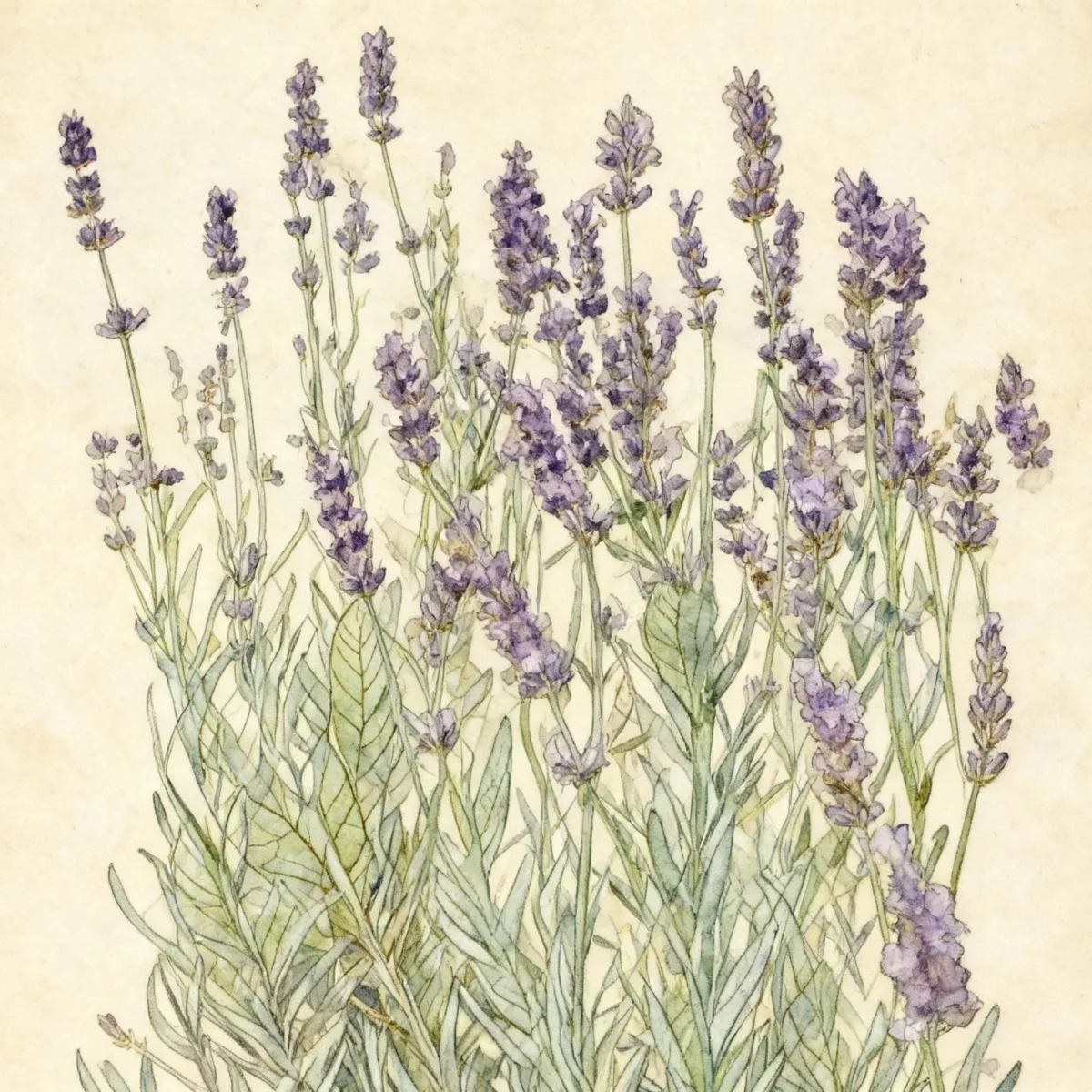
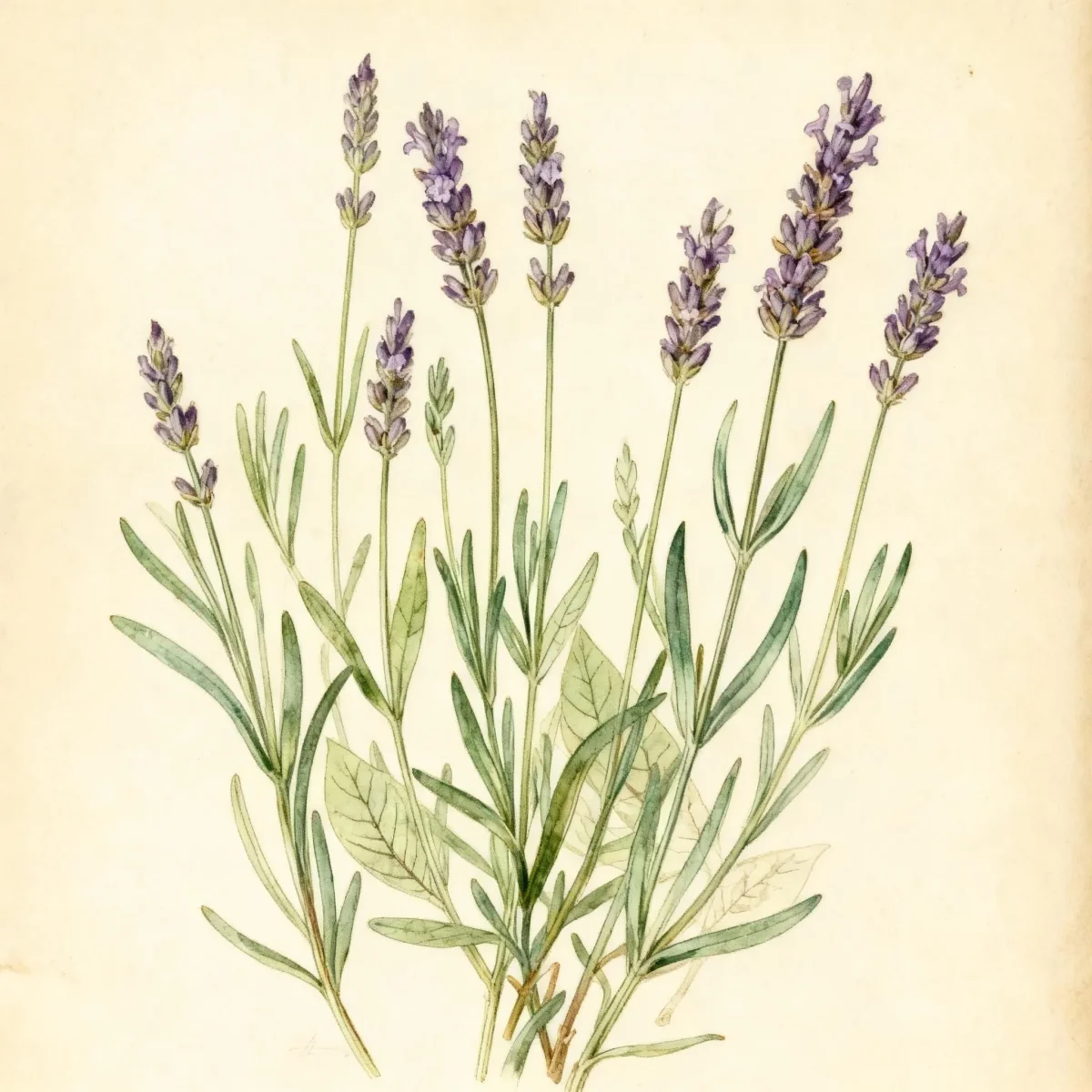
When planning your herb garden or border, consider companion plants that share the love of dry soil and intense sunlight required by Salvia officinalis ‘Icterina’. Mediterranean herbs such as Thyme (Thymus species) and Lavender (Lavandula species) thrive in similar conditions and offer complementary textures. Pairing the golden variegation of this Common sage with deep purple or gray-leaved sages or Santolina creates a classic, drought-resistant color scheme.
Avoid planting near moisture-loving species, as any competition that encourages overwatering the sage can lead to fungal issues or root rot. For an ornamental screen, upright ornamental grasses that enjoy dry conditions can provide seasonal movement behind the relatively static, woody structure of the Salvia officinalis ‘Icterina’.
Wildlife Benefits
The flowers of Salvia officinalis ‘Icterina’ are rich sources of nectar that distinctly attract pollinators like bees and butterflies throughout their bloom period in early summer. While primarily cultivated for leaves, allowing the plant to flower contributes positively to local biodiversity. Its strong aromatic oils also serve as a natural deterrent to browsing deer, enhancing its resilience in many garden settings.
The flower spikes themselves draw attention from hummingbirds as well, though the plant’s main wildlife contribution is through supporting bee activity. Integrating this plant into pollinator pathways ensures a steady food source during the late spring to early summer transition.