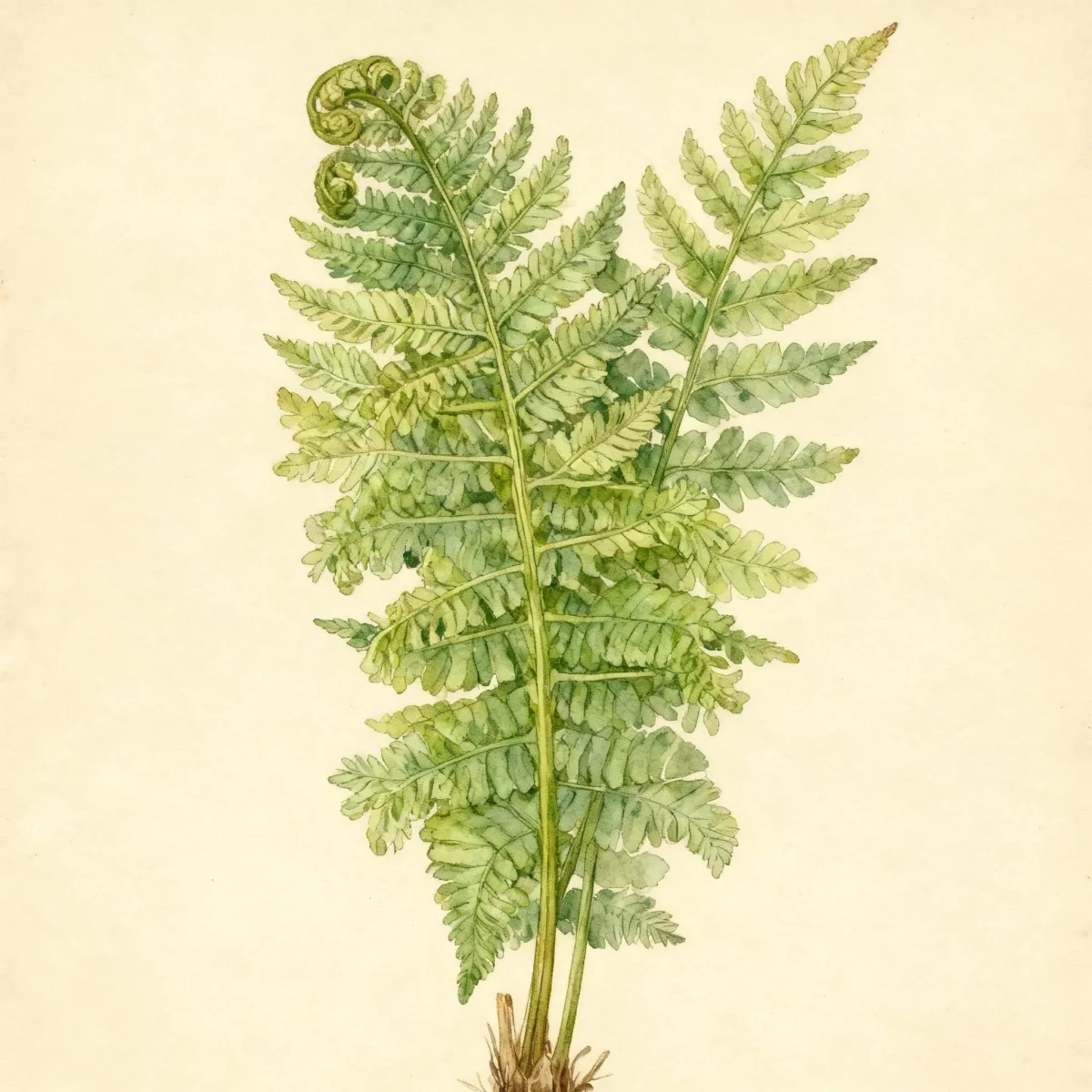
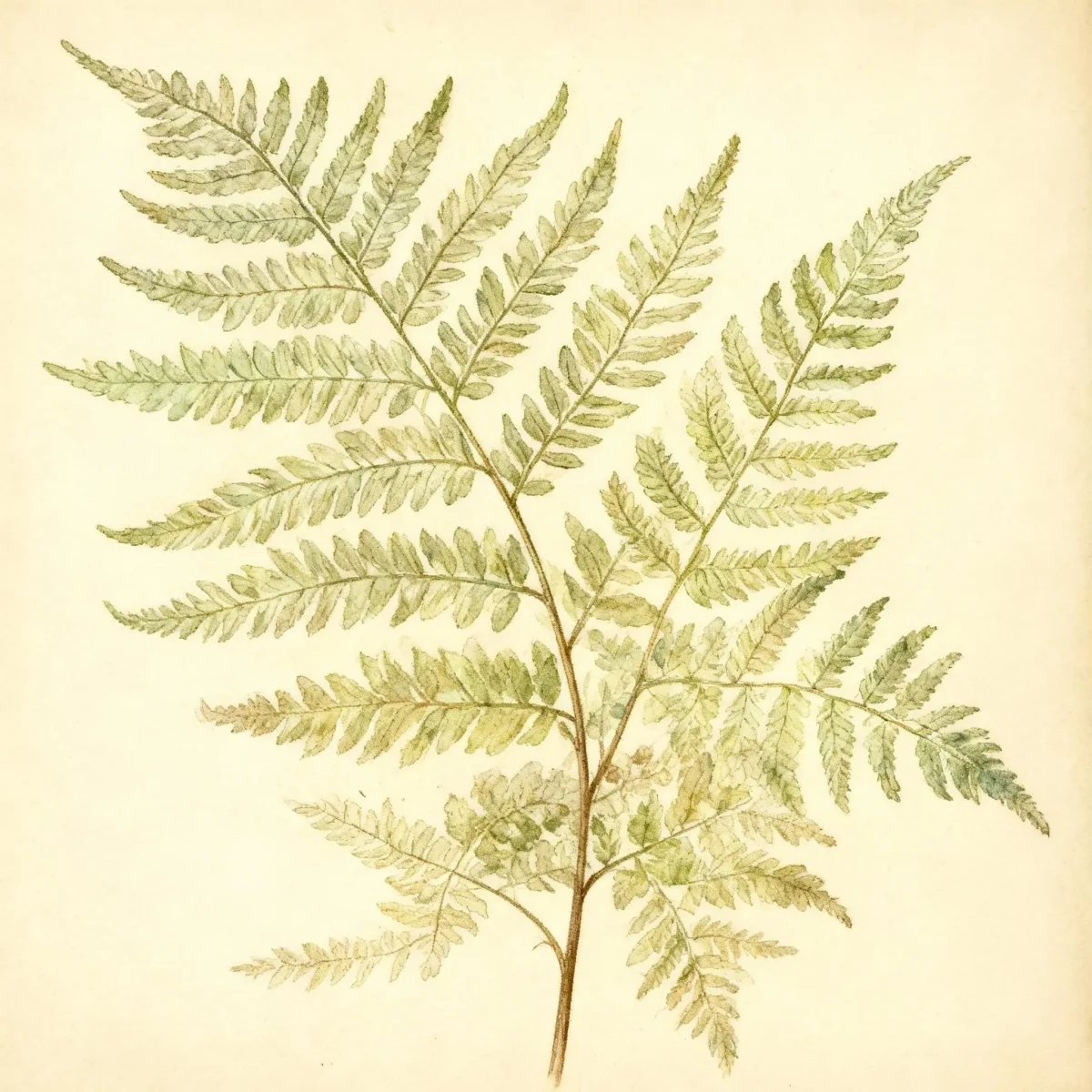
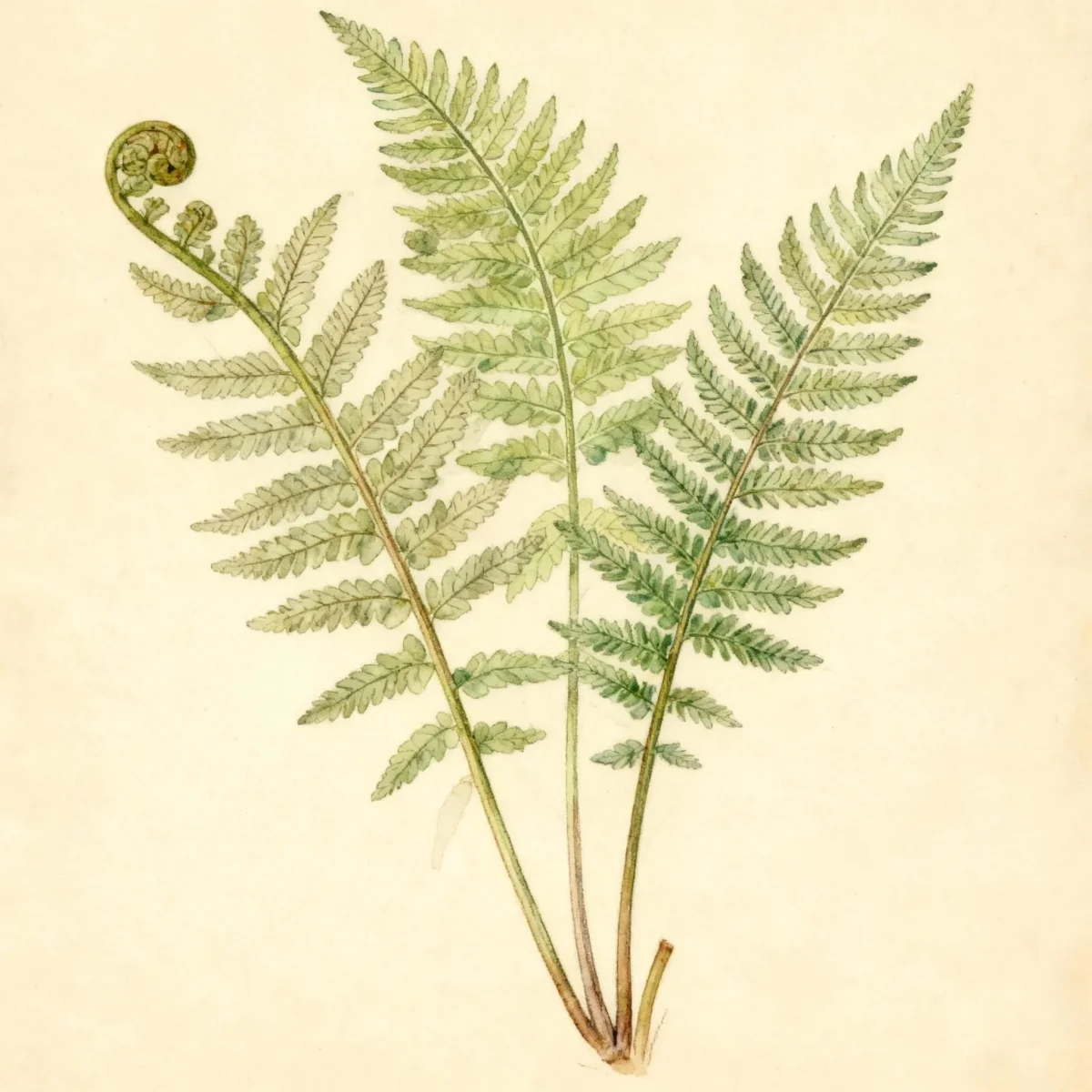
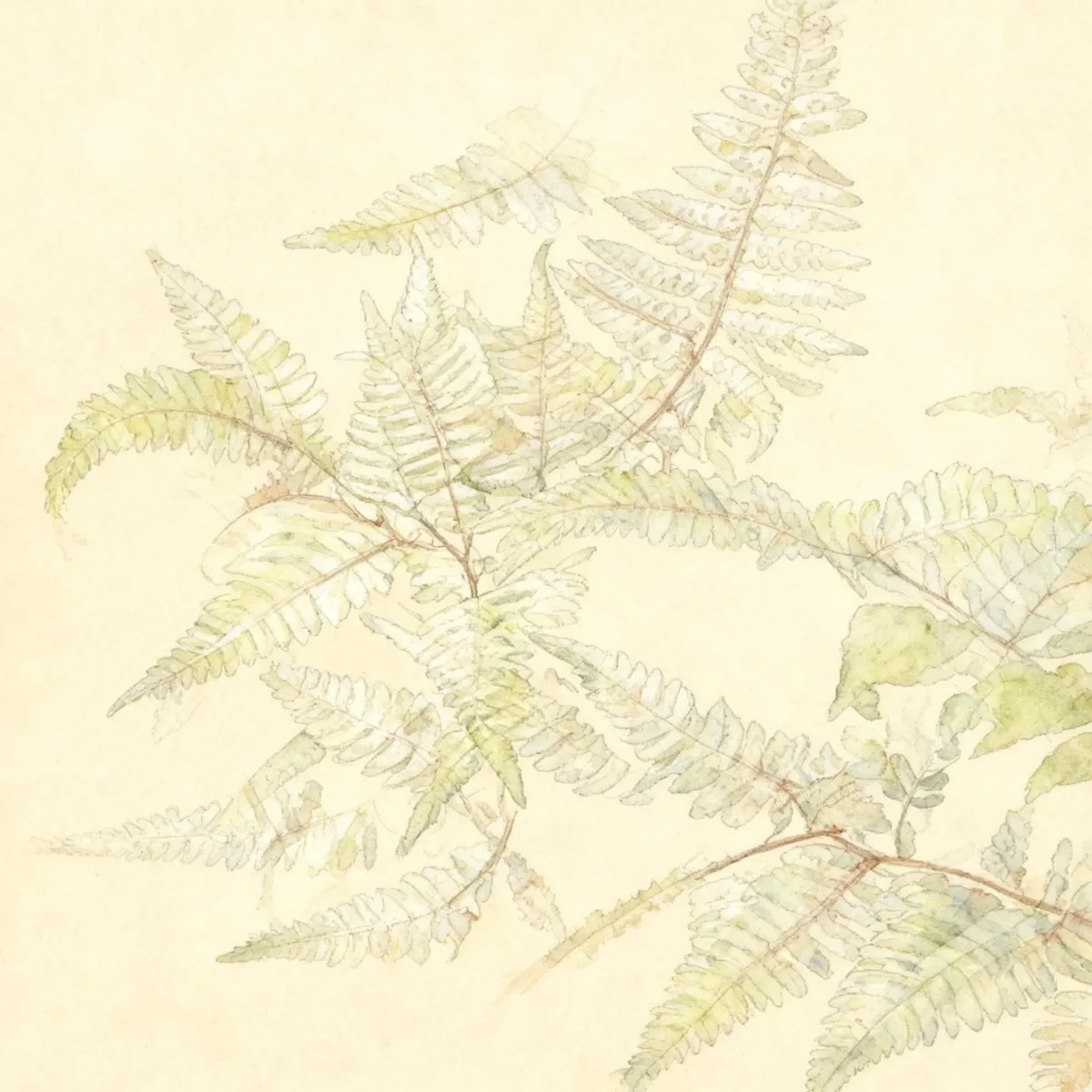
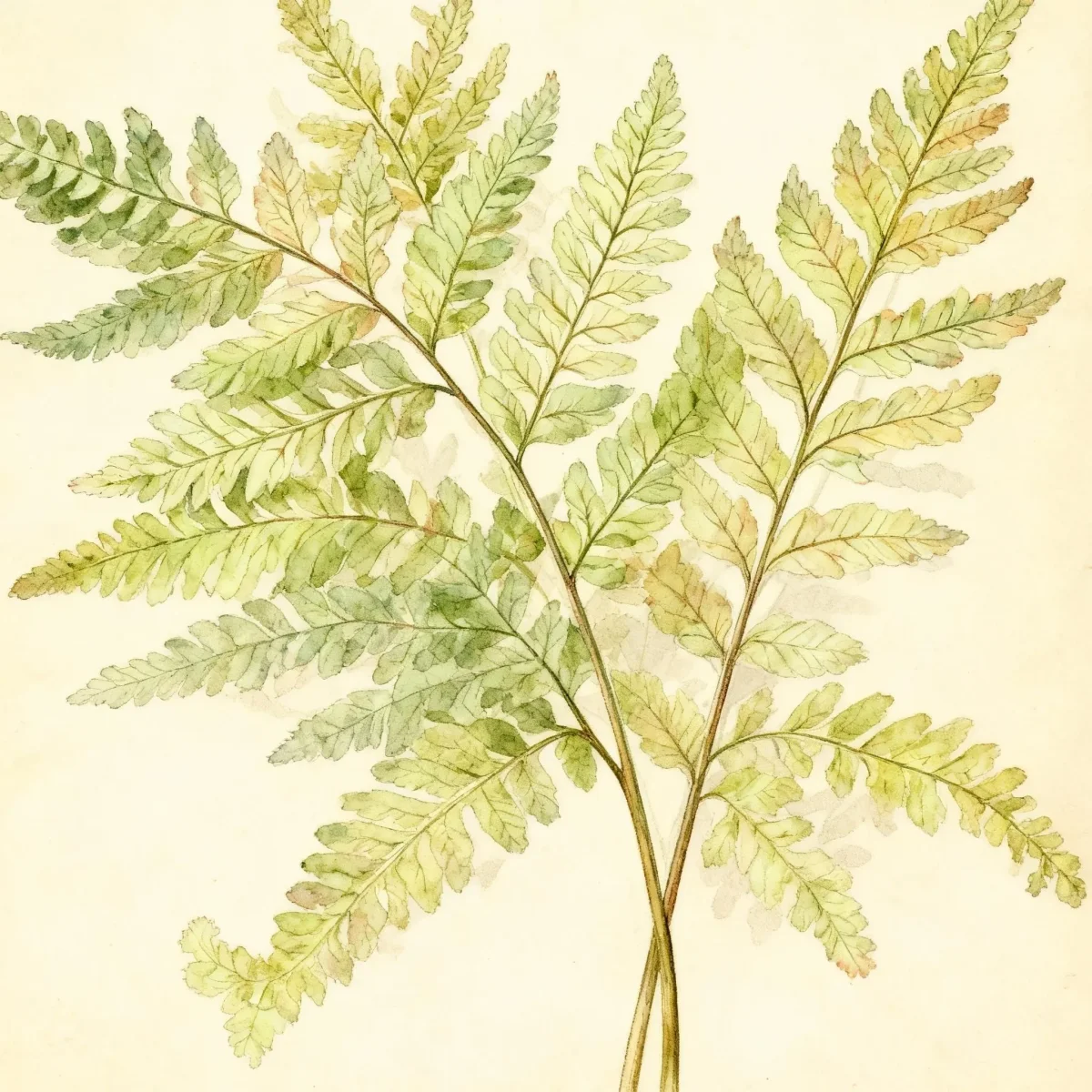
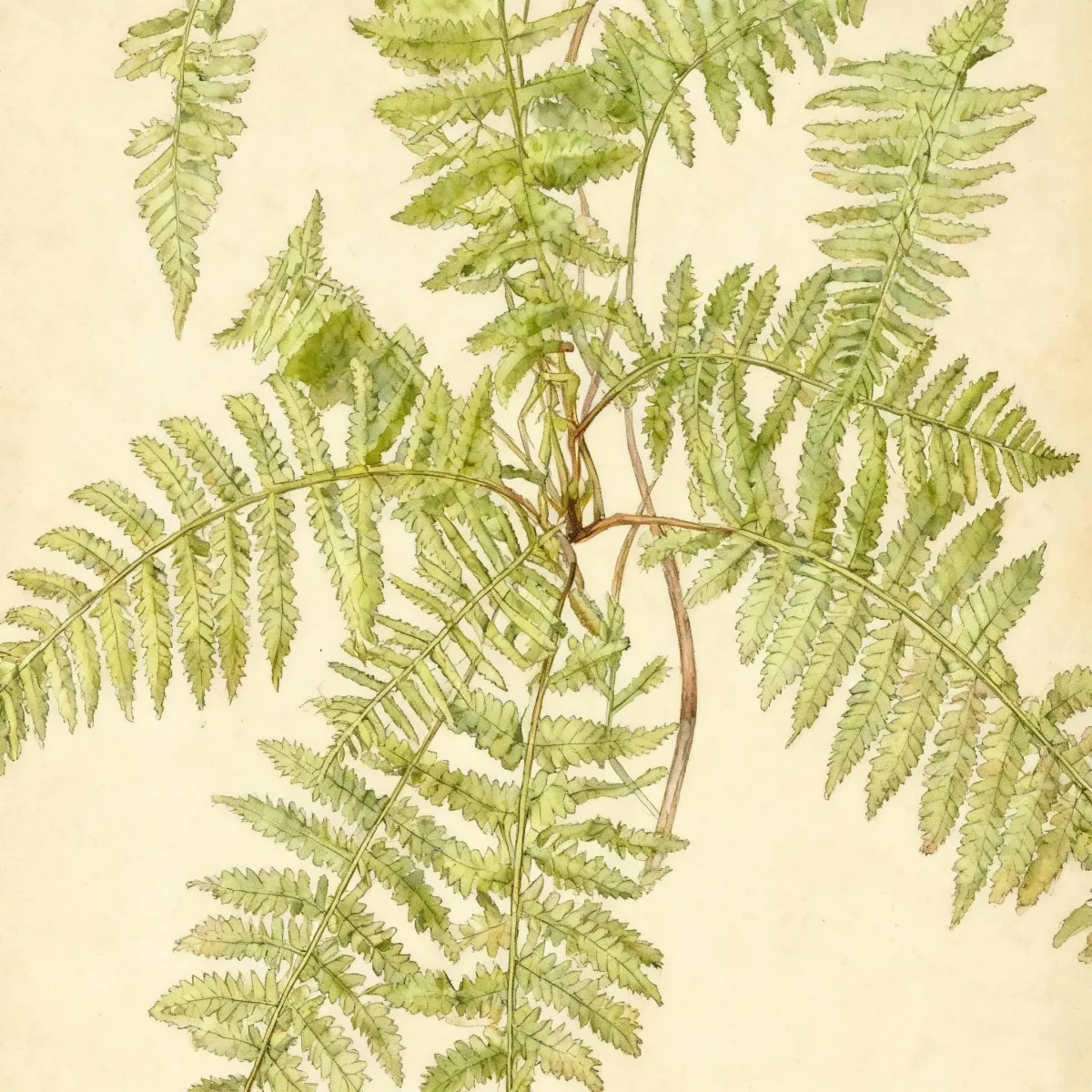
Lady fern (Athyrium filix-femina 'Cruciato-cristatum')
Athyrium filix-femina 'Cruciato-cristatum' is a unique Lady fern cultivar featuring distinctive, criss-crossing fronds. Ideal for shade gardens, this low-maintenance plant fits zones 4-8.
Scroll down to discover growing tips, care requirements, companion plants, and more
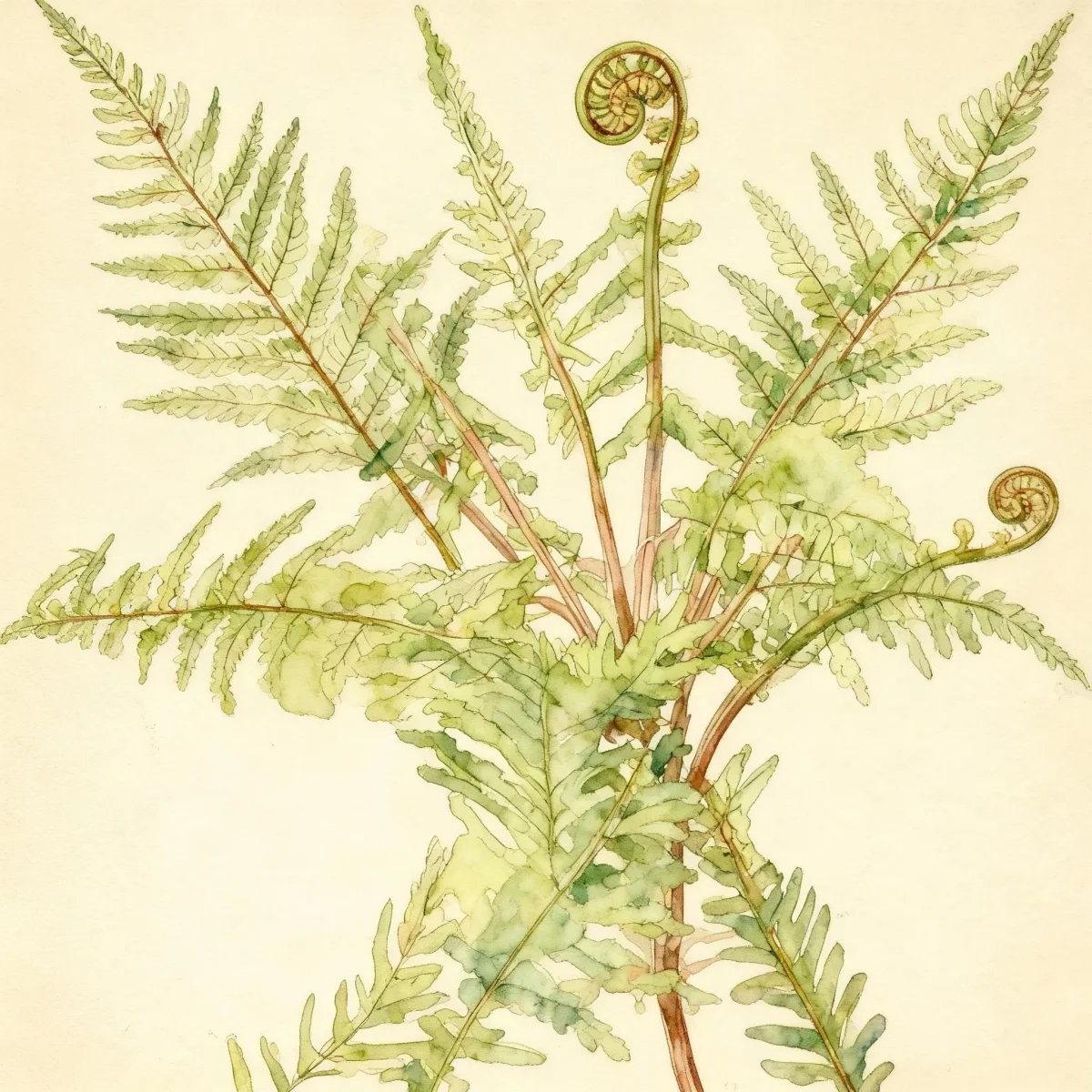
Complete Plant Information
Overview
Athyrium filix-femina ‘Cruciato-cristatum’, commonly known as the Lady fern, is highly valued for its unique, crested foliage, setting it apart from standard varieties. This dwarf cultivar creates a textural focal point in shady locations where many flowering plants struggle to thrive. Its growth habit is compact, ensuring it fits well even in smaller or more defined garden spaces.
The distinct appeal of Athyrium filix-femina ‘Cruciato-cristatum’ lies in its unique frond structure. The pinnae are arranged in a remarkable criss-cross or ‘x’ pattern, providing year-round architectural interest that elevates any woodland or shade garden design. This Lady fern is generally regarded as easy to grow.
With low maintenance requirements, this fern offers significant aesthetic return for minimal effort. It thrives best when its natural woodland environment—cool, moist, and shaded—is replicated, making it a reliable performer for gardeners seeking texture beneath the canopy.
Fast Facts
- Plant Family: Athyriaceae
- Plant Type: Fern
- Hardiness Zones: USDA Zones 4-8
- Size at Maturity:
- Height: 1-1.5 ft
- Spread: 1-1.5 ft
- Bloom Time: Non-flowering
- Bloom Description: Non-flowering
- Sun Exposure: Part shade to full shade
- Water Needs: Medium
- Maintenance Level: Low
How to Grow
Planting Athyrium filix-femina ‘Cruciato-cristatum’ is best done in the spring after the last frost, or in early fall. Select a location that receives part shade to full shade, mimicking its native woodland habitat. Optimal soil should be rich in organic matter, well-draining, yet consistently moist. Amend heavy clay soils heavily with compost to improve structure and water retention.
Watering is crucial for maintaining the health of this Lady fern. While it tolerates medium water needs, ferns prefer consistency; aim to keep the soil evenly moist but never waterlogged. During dry summer spells, supplemental watering may be necessary, particularly if planted beneath competitive tree roots. Fertilization is rarely needed; a light spring top-dressing of well-rotted compost is usually sufficient to promote healthy frond development.
Maintenance for Athyrium filix-femina ‘Cruciato-cristatum’ is generally minimal. Leave the cleanup until early spring, allowing the old foliage to provide winter insulation. In spring, prune away any remaining dead or damaged fronds near the base before new growth emerges. This resilient plant is naturally slow-growing and holds its shape well, requiring little corrective pruning.
Landscape Uses
The distinctive habit of Athyrium filix-femina ‘Cruciato-cristatum’ makes it an excellent specimen plant where unique texture is desired. Use this dwarf Lady fern at the front of woodland borders or along shaded pathways where its narrow, architectural form can be appreciated up close. It handles the deep shade often found beneath mature deciduous trees elegantly.
Consider pairing this fern with plants that offer contrast in leaf texture or color. Hostas with large, chartreuse, or variegated foliage provide excellent counterpoints to the fine, dark green texture of the fern. Bulbs that emerge and die back early, like Daffodils or Snowdrops, can fill the space before the Lady fern fully expands its spring growth.
This cultivar is perfectly sized for small, specialized rock gardens situated in consistent shade or for incorporation into containers alongside shade-loving annuals like Torenia or Impatiens when creating an elegant, shaded patio display.
Standout Features
Noteworthy Characteristics
‘Cruciato-cristatum’ is a dwarf cultivar that typically grows in a clump to only 18” tall and as wide. It is a cruciate form with thin, dark green fronds that are crested at the tip and with pinnae (dagger-like) arranged in a distinctive criss-cross pattern (x configuration).
Tolerances
- Rabbit
- Heavy Shade
Potential Problems
This Lady fern is known for being relatively pest and disease resistant, largely due to its preference for cool, shaded conditions where many common garden pests struggle. The most frequent issue encountered is inconsistent moisture. If the soil dries out too frequently, the fronds may prematurely brown at the tips, leading to a scorched appearance, particularly late in the summer season. Ensure medium, reliable watering, especially during drought periods. Slugs and snails may occasionally chew holes in emerging fiddleheads, though established foliage is often avoided. An application of organic slug bait around the base in early spring can mitigate this minor risk.
Frequently Asked Questions
What hardiness zones is Lady fern suitable for?
Athyrium filix-femina ‘Cruciato-cristatum’ is reliably cold-hardy in USDA Zones 4 through 8.
How large does Lady fern grow?
This dwarf cultivar typically reaches a modest size, growing 1 to 1.5 feet in height and spreading out to 1 to 1.5 feet wide.
What sun exposure does Athyrium filix-femina ‘Cruciato-cristatum’ need?
This Lady fern thrives best in partial shade conditions but is well-adapted to handling full shade locations.
When does Lady fern bloom?
Athyrium filix-femina ‘Cruciato-cristatum’ is a spore-producing plant and is classified as non-flowering.
Conclusion
The unique, intricately patterned foliage of Athyrium filix-femina ‘Cruciato-cristatum’ makes it an exceptional choice for adding architectural texture to shaded environments. This low-maintenance Lady fern offers reliable performance across multiple hardiness zones (4-8) with minimal fuss. Before planting, ensure you have selected a site with consistent moisture and deep, rich soil to showcase the best characteristics of this fascinating fern.
Companion Planting
When designing a shade garden around your Athyrium filix-femina ‘Cruciato-cristatum’, focus on plants that provide textural and color contrast. Shade-loving groundcovers like Creeping Jenny (Lysimachia nummularia ‘Aurea’) offer bright, contrasting yellow foliage that pops against the dark green of the fern. For vertical contrast, consider taller, fine-textured woodland plants such as Astilbe or Tiarella (Foamflower), which share similar moisture needs.
The moderate height of this Lady fern prevents it from overshadowing smaller woodland treasures. Utilize low-growing woodland phlox or dwarf epimediums near the perimeter of its spread. By selecting companions that appreciate rich, damp soil and shade, you create a cohesive, multi-layered planting scheme that remains visually interesting throughout the growing season.
Seasonal Care Calendar
Mid-to-late Spring is the critical emergence period for spotting and protecting new growth. Inspect fiddleheads for slug or snail activity and apply controls if necessary. This is the best time to apply a thin layer of compost around the base of the Athyrium filix-femina ‘Cruciato-cristatum’.
Summer maintenance revolves entirely around water management. Monitor soil moisture closely, especially if the fern is planted under the roof drip line of large trees. Consistent medium moisture is essential to prevent the fronds of the Lady fern from browning prematurely due to heat stress or drought.
As foliage begins to yellow in late fall or early winter, resist the urge to tidy up immediately. Allow the old fronds to remain in place; they provide important insulation for the crown of the fern during severe freezes. Plan to cut the old growth back only after reliable spring warmth returns.