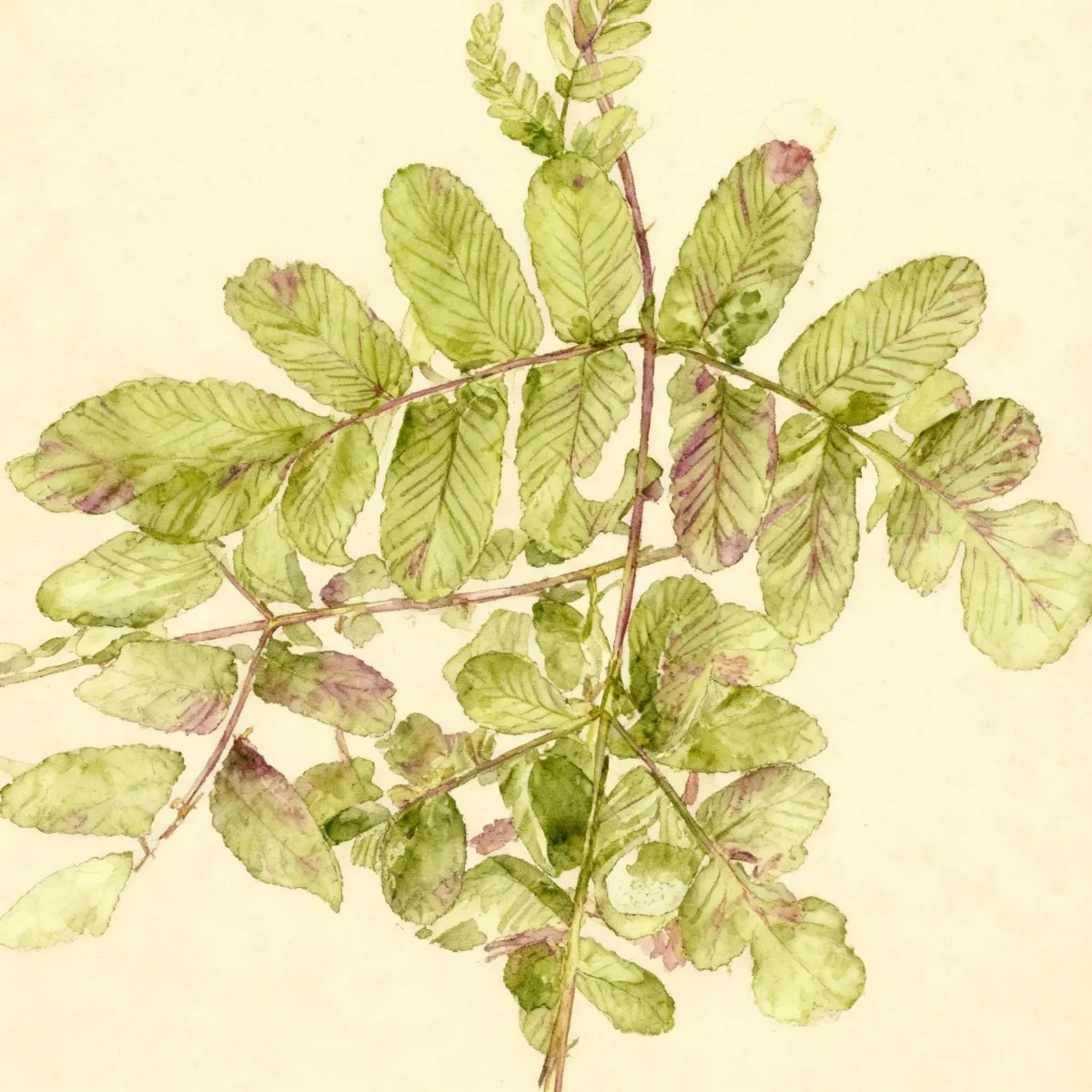
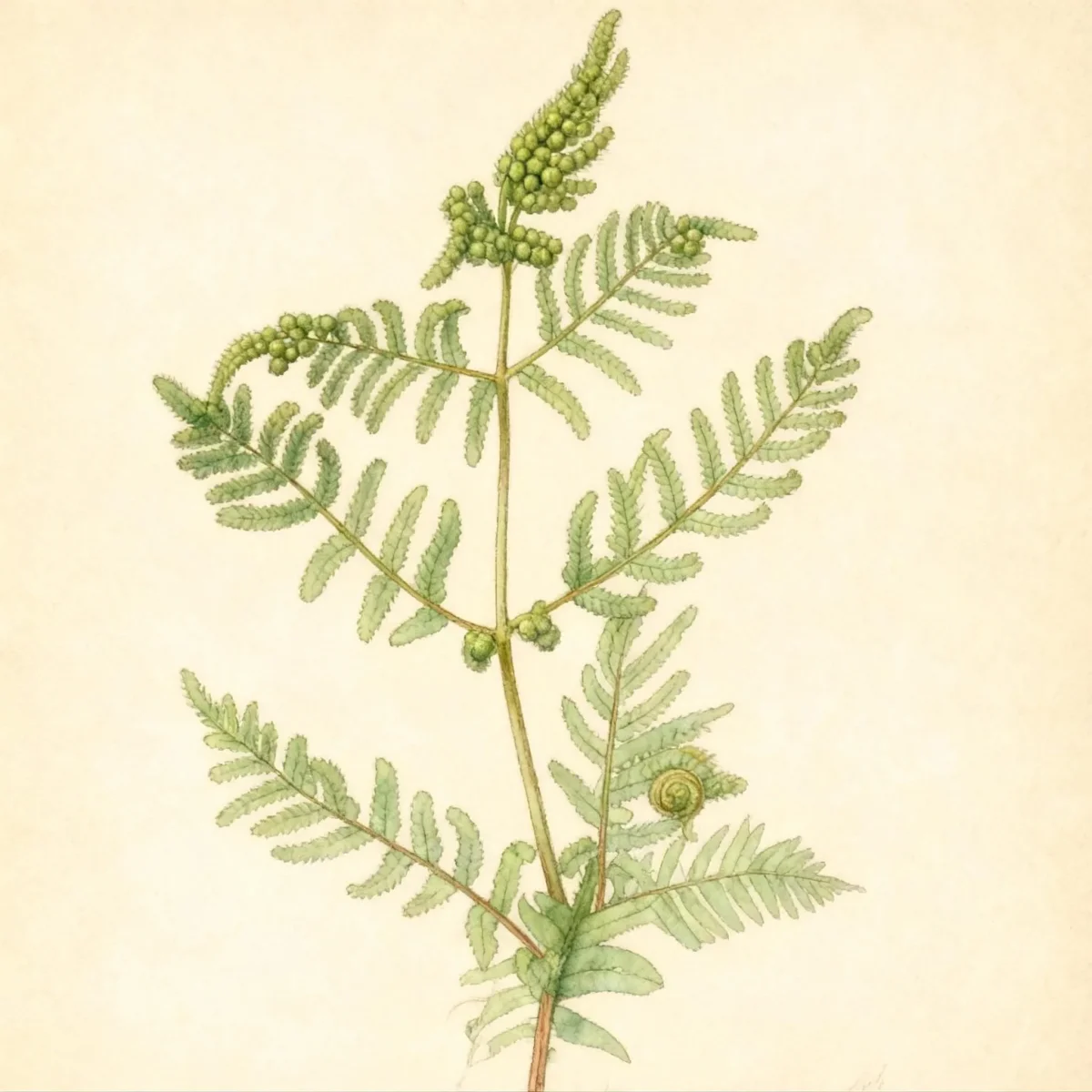
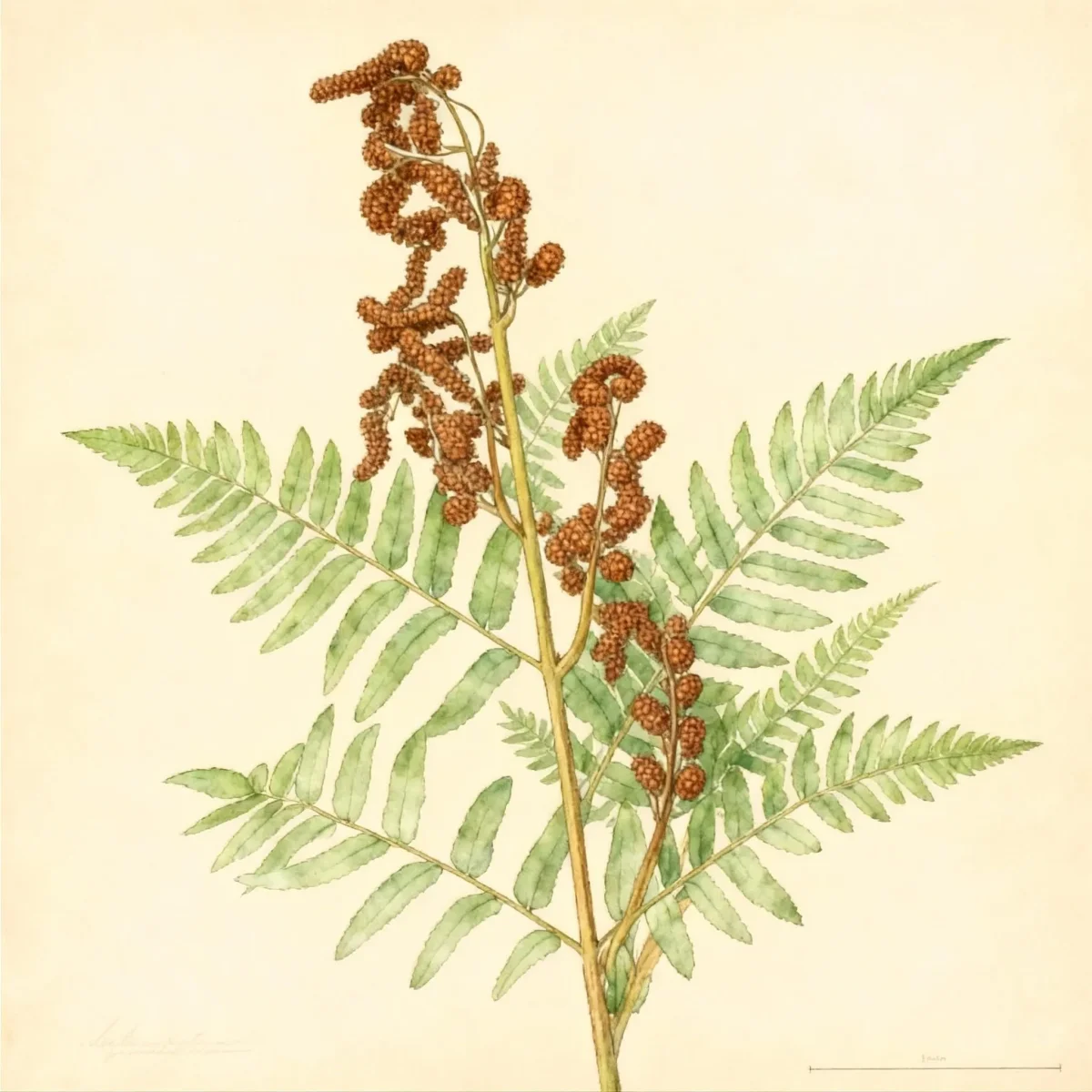
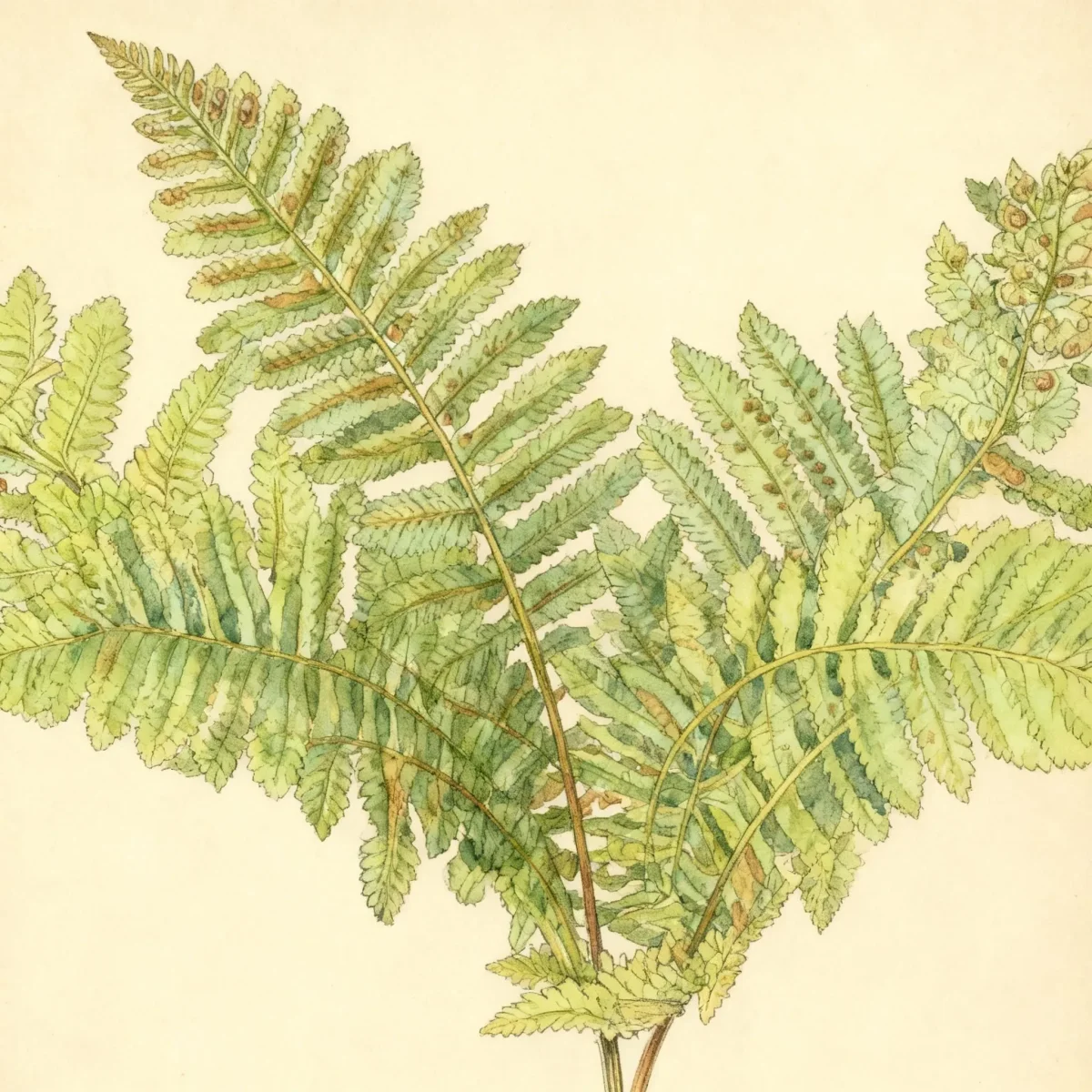
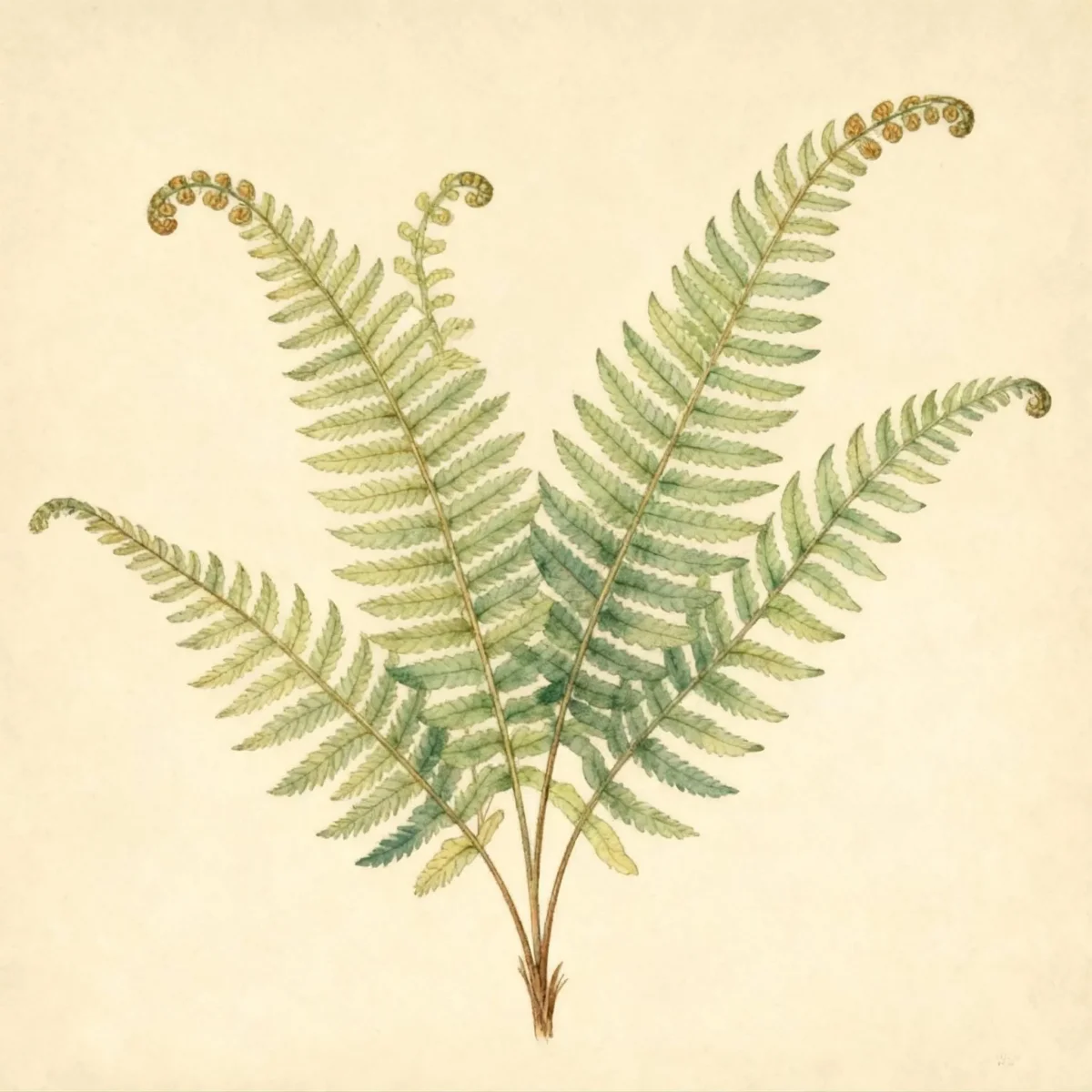
Royal fern (Osmunda regalis 'Cristata')
Discover Osmunda regalis 'Cristata', the crested Royal fern, perfect for wet, shady areas. Low maintenance and highly adaptable.
Scroll down to discover growing tips, care requirements, companion plants, and more
Complete Plant Information
Overview
The Osmunda regalis ‘Cristata’, commonly known as the Royal fern, is a stunning architectural plant highly valued for its unique, crested foliage. This cultivar offers dramatic texture, setting it apart from many traditional ferns with its tassel-like fertile clusters, which give the species the alternate name, flowering fern. Gardeners prize the Royal fern for bringing strong vertical interest to moist, shaded landscapes.
This deciduous fern thrives best when its cultural needs are met: consistently moist to wet, humusy, and acidic soil. While Osmunda regalis ‘Cristata’ is remarkably tough, its impressive stature is best achieved in cooler climates where it can handle significant moisture without scorching from intense heat.
As a low-maintenance selection, the Royal fern provides reliable structure year-round, making it an excellent choice for bog settings, pond edges, or deep woodland borders. Its upright habit and adaptability to heavy shade ensure visual appeal even in the darkest corners of the garden, solidifying its place as a standout in native and water gardens alike.
Fast Facts
- Plant Family: Osmundaceae
- Plant Type: Fern
- Hardiness Zones: USDA Zones 4-8
- Size at Maturity:
- Height: 2-4 ft
- Spread: 2-4 ft
- Bloom Time: Non-flowering
- Bloom Description: Non-flowering
- Sun Exposure: Part shade to full shade
- Water Needs: Medium to wet
- Maintenance Level: Low
How to Grow
Planting Osmunda regalis ‘Cristata’ should occur during the cooler seasons—spring or fall—to allow the root system time to establish before summer heat arrives. Success hinges on soil moisture; aim for locations where the soil remains consistently damp or even waterlogged, as this plant naturally occurs along streams and in wet ledges. It prefers rich, humusy, acidic soil, so amend heavy clay with ample organic matter before planting.
Once established, the Royal fern requires minimal input. Watering is crucial; ensure consistent medium to wet conditions, especially during dry spells. In many regions, if planted near a natural water source or in a rain garden setting, supplemental watering may not be necessary. Fertilizing is rarely required; rich soil should provide all the necessary nutrients. Pruning is generally limited to removing any yellowing or damaged fronds in late winter or early spring before new growth emerges.
Be highly mindful of sun exposure versus moisture levels. While this fern prefers part shade, in cool summer climates, it can tolerate closer to full sun provided the roots never dry out. However, in hot regions, full sun exposure is strongly discouraged as it leads to scorching and reduces the aesthetic quality of the Osmunda regalis ‘Cristata’.
Landscape Uses
The primary strength of the Royal fern lies in moisture-rich environments. It is an excellent selection for naturalizing along the edges of ponds, streams, or in dedicated water gardens and bog features, where it thrives in saturated soil. Its ability to handle heavy shade makes it an indispensable player in woodland gardens, lending an almost tropical yet distinctly native texture.
Consider using the Osmunda regalis ‘Cristata’ in rain gardens, leveraging its high water needs to manage runoff effectively while providing stunning vertical accents. For shaded borders, pair its deep green, architectural form with contrasting textures, such as hostas with variegated or yellow foliage, or drifts of mosses and moisture-loving woodland perennials that appreciate dappled light. As a native plant option, it integrates beautifully into wild gardens, restoring a naturalistic, damp habitat appearance.
Standout Features
Noteworthy Characteristics
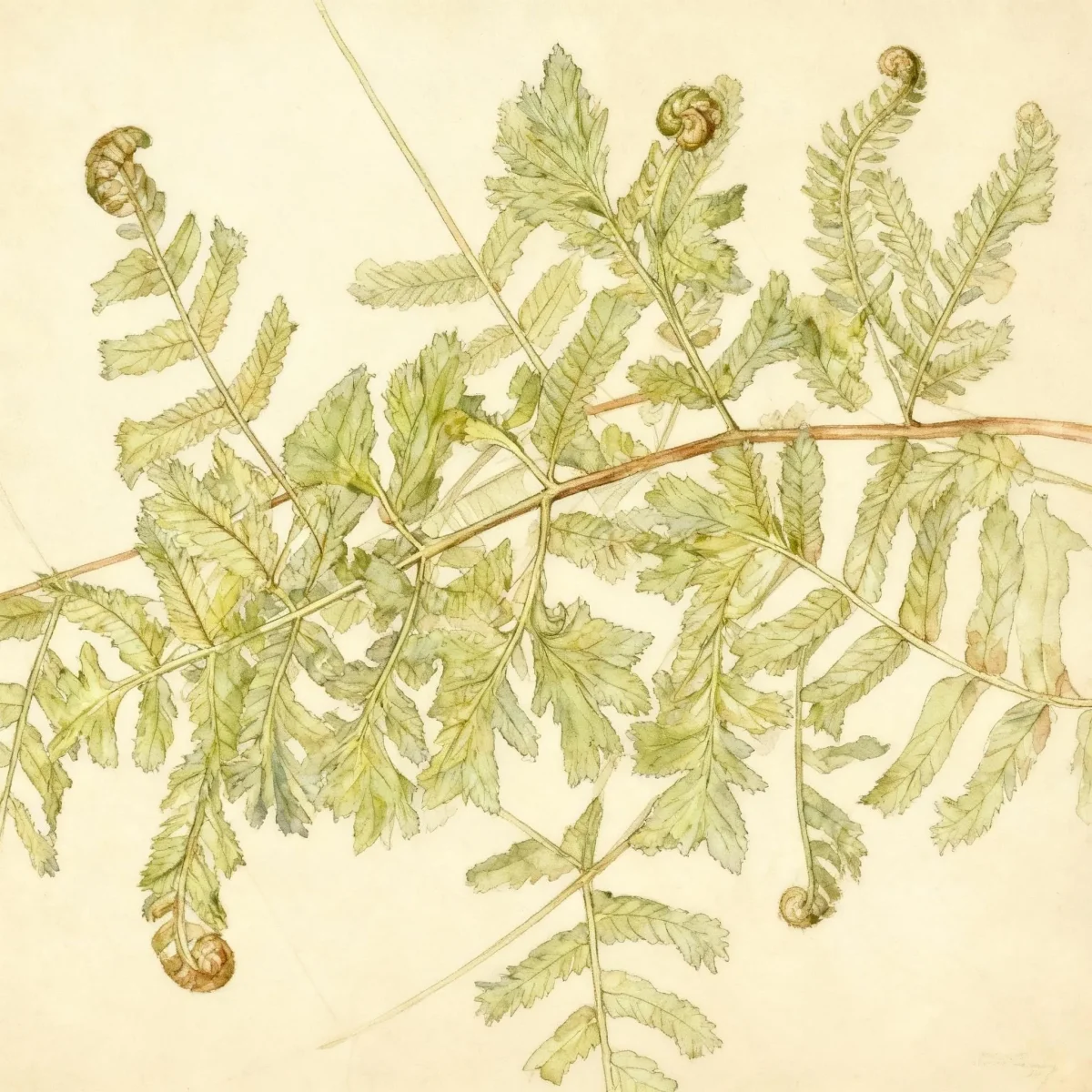
Osmunda regalis, commonly called royal fern, is a tall, deciduous, Missouri native fern which usually occurs on moist bluffs and ledges and along streams (sometimes growing in the water), primarily in the southeastern Ozark region of the State. Typically grows in clumps to 2-3’ tall, but with constant moisture can reach 6’ in height. Broad fronds have large, well-separated pinnae (leaflets) which give this fern an almost pea-family appearance. Fronds typically turn yellow to brown in autumn. Spores are located in brown, tassel-like, fertile clusters at the tips of the fronds, thus giving rise to the additional common name of flowering fern for this plant. Osmunda fiber used in the potting of orchids comes from the fibrous roots of these ferns.Genus name honors Osmundus or Asmund, c. 1025, a Scandinavian writer of runes who helped prepare the way for the Swedish acceptance of Christianity.Specific epithet means royal or of outstanding merit.‘Cristata’, sometimes commonly called crested royal fern, is noted for having crested segment tips. It is slightly smaller than the species, typically growing to a maximum of 4-5’ tall.
Tolerances
- Rabbit
- Heavy Shade
- Wet Soil
Potential Problems
This fern variety is generally robust and suffers from no serious insect or disease problems under appropriate growing conditions. Gardeners should focus their preventive efforts on ensuring ideal moisture and light balance rather than worrying about pests. The most common issue is improper siting—placing the Royal fern in dry, full-sun locations, which causes the fronds to scorch and decline rapidly. Maintain consistent wetness near its roots to ensure vibrant, healthy foliage throughout the growing season.
Frequently Asked Questions
What hardiness zones is Royal fern suitable for?
The Osmunda regalis ‘Cristata’ is reliably hardy across USDA Zones 4 through 8.
How large does Royal fern grow?
This cultivar typically reaches a height between 2 and 4 feet and spreads similarly, though it may achieve slightly larger sizes with constant, ample moisture.
What sun exposure does Osmunda regalis ‘Cristata’ need?
This plant prefers part shade to full shade; direct, intense afternoon sun, especially in hot climates, should be avoided unless the soil remains saturated.
When does Royal fern bloom?
As a fern, the Osmunda regalis ‘Cristata’ is non-flowering; its reproductive structures appear as unique, brown, tassel-like spore clusters at the tips of mature fronds.
Conclusion
The crested appearance of Osmunda regalis ‘Cristata’ offers unparalleled texture and vertical presence, making it an essential inclusion for specialized, moist garden environments. Whether enhancing a pond edge or enriching a shaded border, this low-maintenance Royal fern delivers dramatic results. Confirm that your planting site offers the consistent moisture it requires, and prepare for this spectacular specimen to anchor your wet garden area for years to come.
Companion Planting
When selecting companions for the Royal fern, prioritize other moisture-loving plants that also appreciate deeply shaded conditions. Good partners include large-leafed Hostas (especially those with chartreuse or blue foliage for contrast), various Astilbes, and moisture-loving Rodgersia. In truly boggy areas, consider native Iris species that tolerate wet feet alongside the Osmunda regalis ‘Cristata’. Avoid plants that demand well-drained or dry soil, as they will quickly fail next to the thirsty roots of the Royal fern.
Propagation Tips
Propagation of the Osmunda regalis ‘Cristata’ is typically managed through division, as growing true from spores can be slow and unpredictable for cultivars. The best time to divide this fern is in early spring just as new fiddleheads begin to emerge, or in the fall after dormancy has begun. Carefully dig up sections of the mature clump, ensuring each division has a healthy cluster of rhizomes and new growth points attached. Replant these sections immediately into their prepared, moist location, keeping them well watered during the initial establishment period to ensure success.