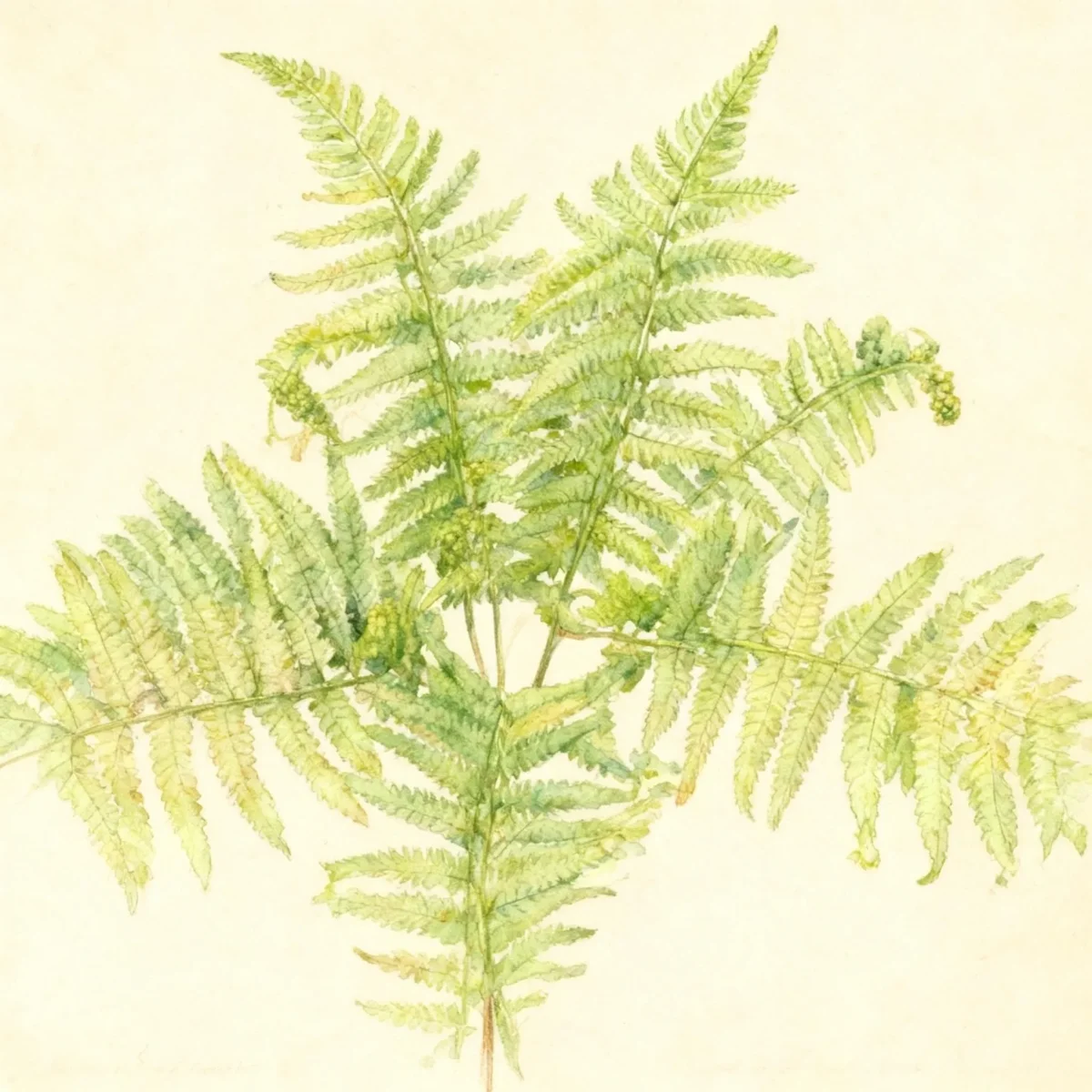
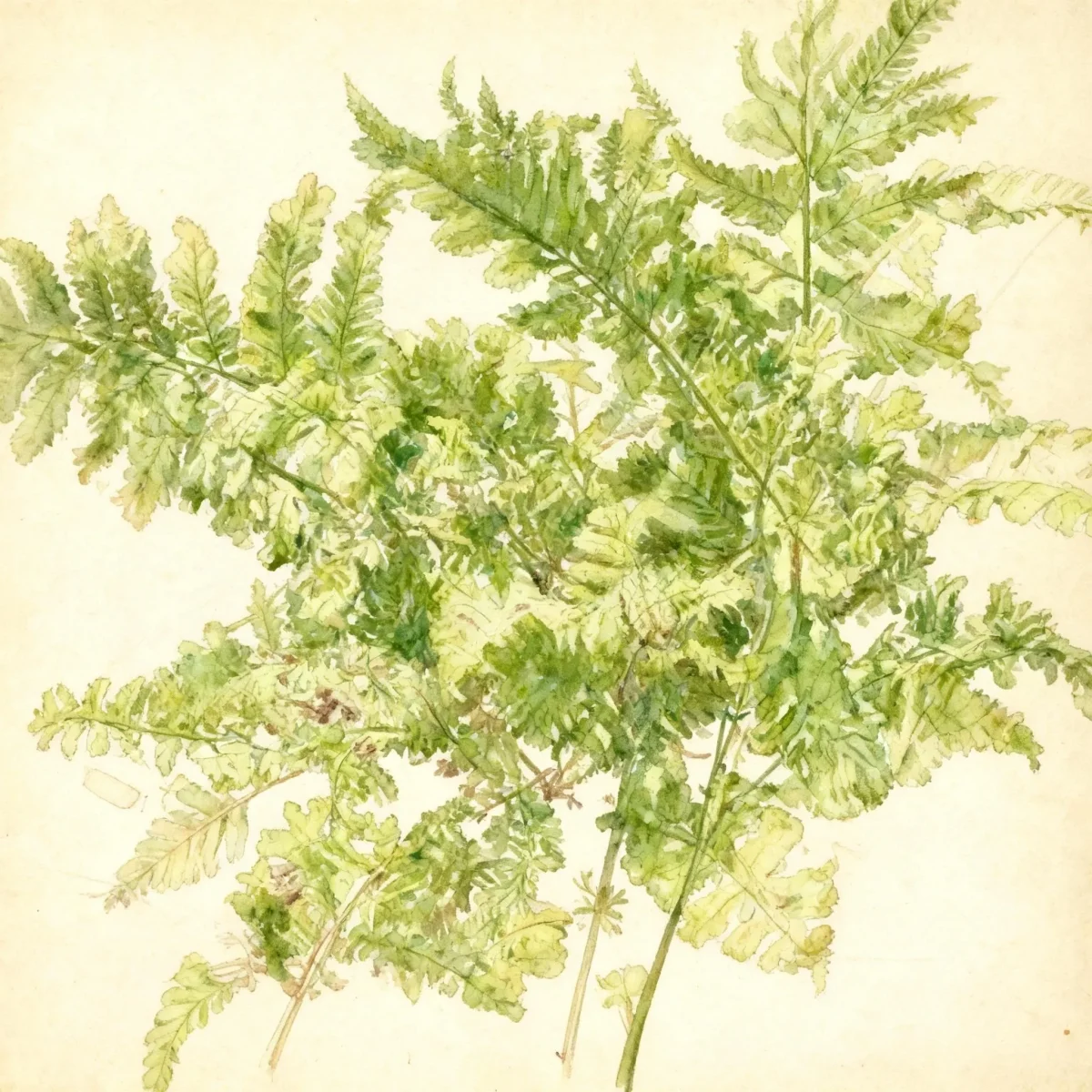
Buckler fern (Dryopteris × complexa 'Rumpelstiltskin')
The deciduous Buckler fern, Dryopteris × complexa 'Rumpelstiltskin', offers 3-4 ft upright foliage in zones 5-8, thriving in heavy shade.
Scroll down to discover growing tips, care requirements, companion plants, and more
Complete Plant Information
Overview
The vigorous Dryopteris × complexa ‘Rumpelstiltskin’ is a highly valued addition to shaded landscapes, earning its common name, Buckler fern. This robust hybrid combines the sturdy characteristics of one parent with the finely divided texture of another, resulting in substantial foliage masses of upright, arching fronds perfect for adding vertical interest where light is scarce. Gardeners appreciate the low maintenance needs of this fern, especially its surprising drought tolerance once established. Protecting the Buckler fern from excessive wind helps maintain the pristine appearance of its dissected foliage throughout the growing season.
This deciduous hybrid generally matures between 3 to 4 feet tall, making it an excellent structural element in woodland settings. The cultivar name, Dryopteris × complexa ‘Rumpelstiltskin’, is said to reference the fringed or “rumpled” texture of the pinnules. As a Buckler fern, it reliably provides texture and deep green color, functioning beautifully as a reliable groundcover replacement in deep shade areas.
Fast Facts
- Plant Family: Dryopteridaceae
- Plant Type: Fern
- Hardiness Zones: USDA Zones 5-8
- Size at Maturity:
- Height: 3-4 ft
- Spread: 2-3 ft
- Bloom Time: Non-flowering
- Bloom Description: Non-flowering
- Sun Exposure: Part shade to full shade
- Water Needs: Medium
- Maintenance Level: Low
How to Grow
Planting Dryopteris × complexa ‘Rumpelstiltskin’ is best done in spring or fall, allowing the roots time to establish before extreme summer heat or winter cold arrives. Ensure the location offers part shade to full shade, avoiding direct, intense afternoon sun which can scorch the delicate fronds. This fern flourishes in soils that are well-drained but consistently medium in moisture, ideally enriched heavily with organic matter to mimic its preferred humusy woodland floor.
Water needs are medium; aim for consistent moisture, especially during the first growing season. Once established, this Buckler fern demonstrates surprising drought tolerance, though periodic deep watering during dry spells will keep the foliage looking its best. Fertilization is generally unnecessary if the soil is rich in compost; heavy feeding can lead to leggy growth. Always site the plant where strong winds are mitigated, as wind shear can batter the attractive fronds.
In colder climates (closer to Zone 5), the fronds may die back completely; spring cleanup involves cutting back the dead foliage before new growth emerges. In milder regions, it remains semi-evergreen, offering year-round structure. Proper siting regarding wind protection is the primary maintenance consideration for keeping the Dryopteris × complexa ‘Rumpelstiltskin’ looking immaculate.
Landscape Uses
The architectural form and shade tolerance of the Buckler fern make it indispensable in shaded landscapes. Its upright, arching habit performs exceptionally well when used as an accent plant beneath mature trees or along the base of shaded walls. It creates substantial foliage masses suitable for softening hardscaping edges or bordering shaded woodland pathways.
Consider pairing Dryopteris × complexa ‘Rumpelstiltskin’ with low-growing groundcovers like hostas or hellebores that share similar cultural demands for moisture and shade. This fern’s finely cut texture provides a wonderful contrast against broad-leaved perennials, adding depth and complexity to your shade garden design. Utilize its 3 to 4-foot height to establish a middle layer in a multi-tiered shade border.
Standout Features
Noteworthy Characteristics
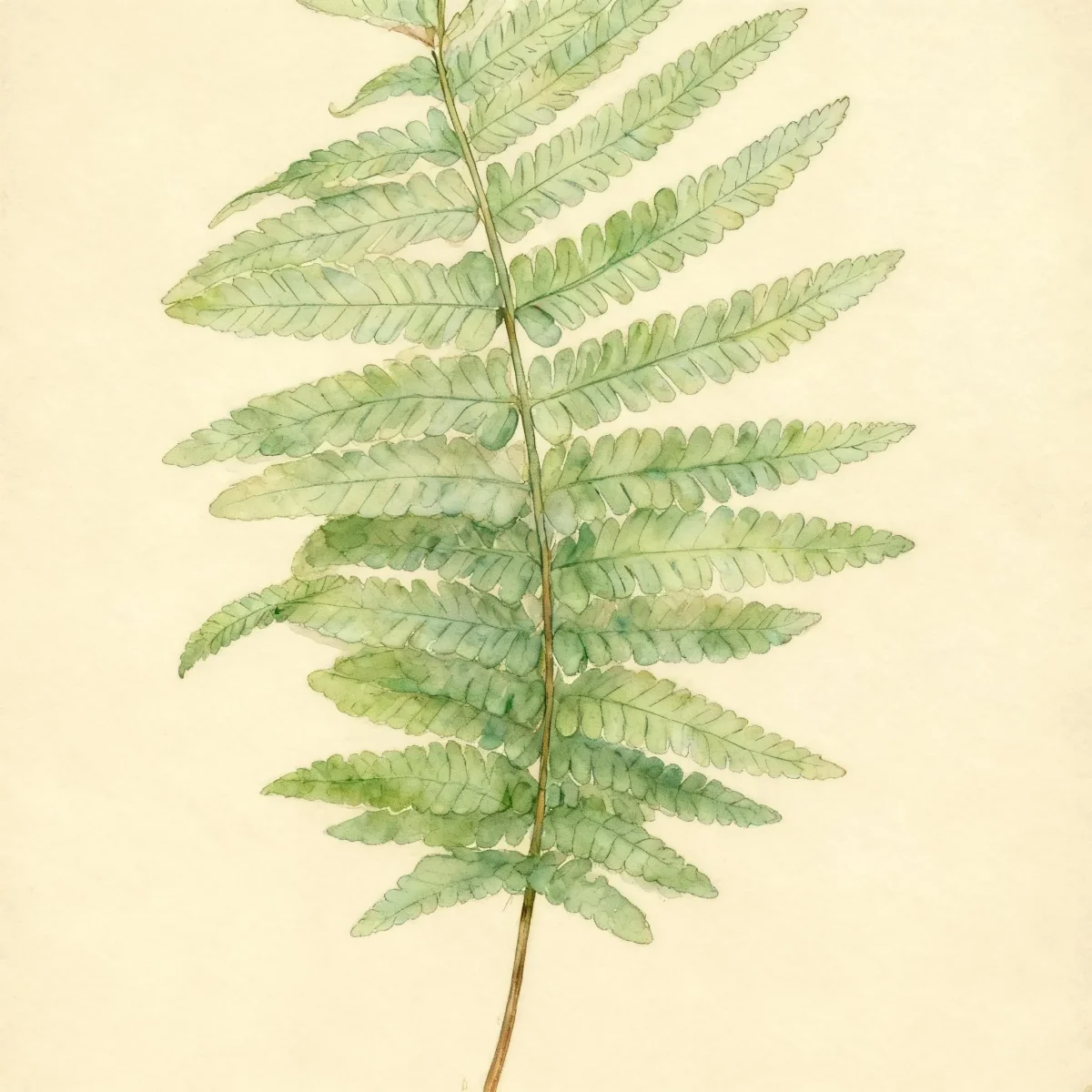
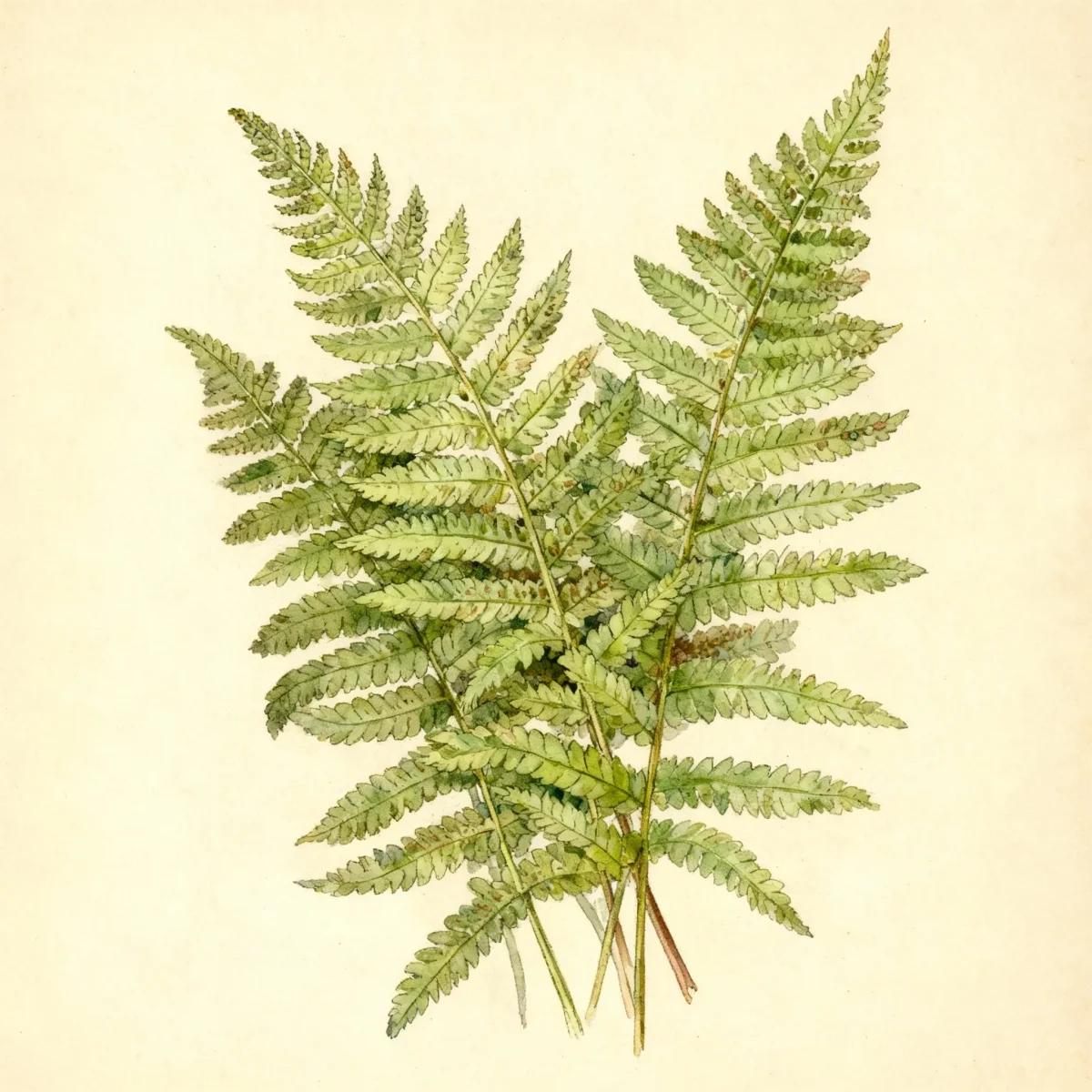
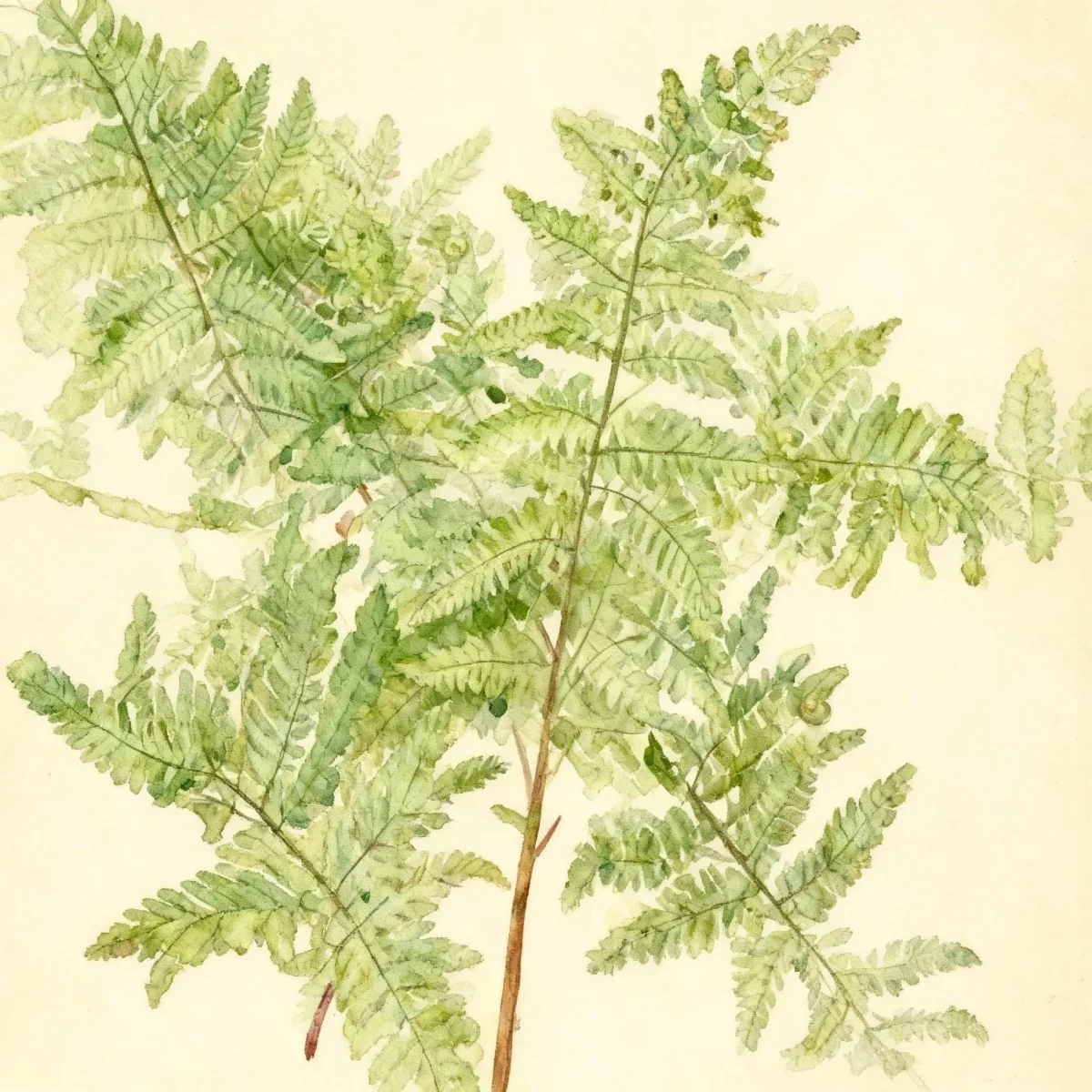
Dryopteris × complexa, commonly known as buckler fern, is a hybrid between D. Affinis and D. Filix-mas, generally featuring the stronger fronds of one parent and the more finely divided fronds of the other. Bipinnate upright arching fronds rise to 2-3’ tall from an erect crown, though ‘Rumpelstiltskin’ specifically grows vigorously to 3-4’ tall with “rumpled” pinnules and “stilt-like” pinnae crests. This cultivar forms a substantial foliage mass and is semi-evergreen in warmer zones but becomes deciduous in colder parts of its range.
Tolerances
- Rabbit
- Drought
- Heavy Shade
Potential Problems
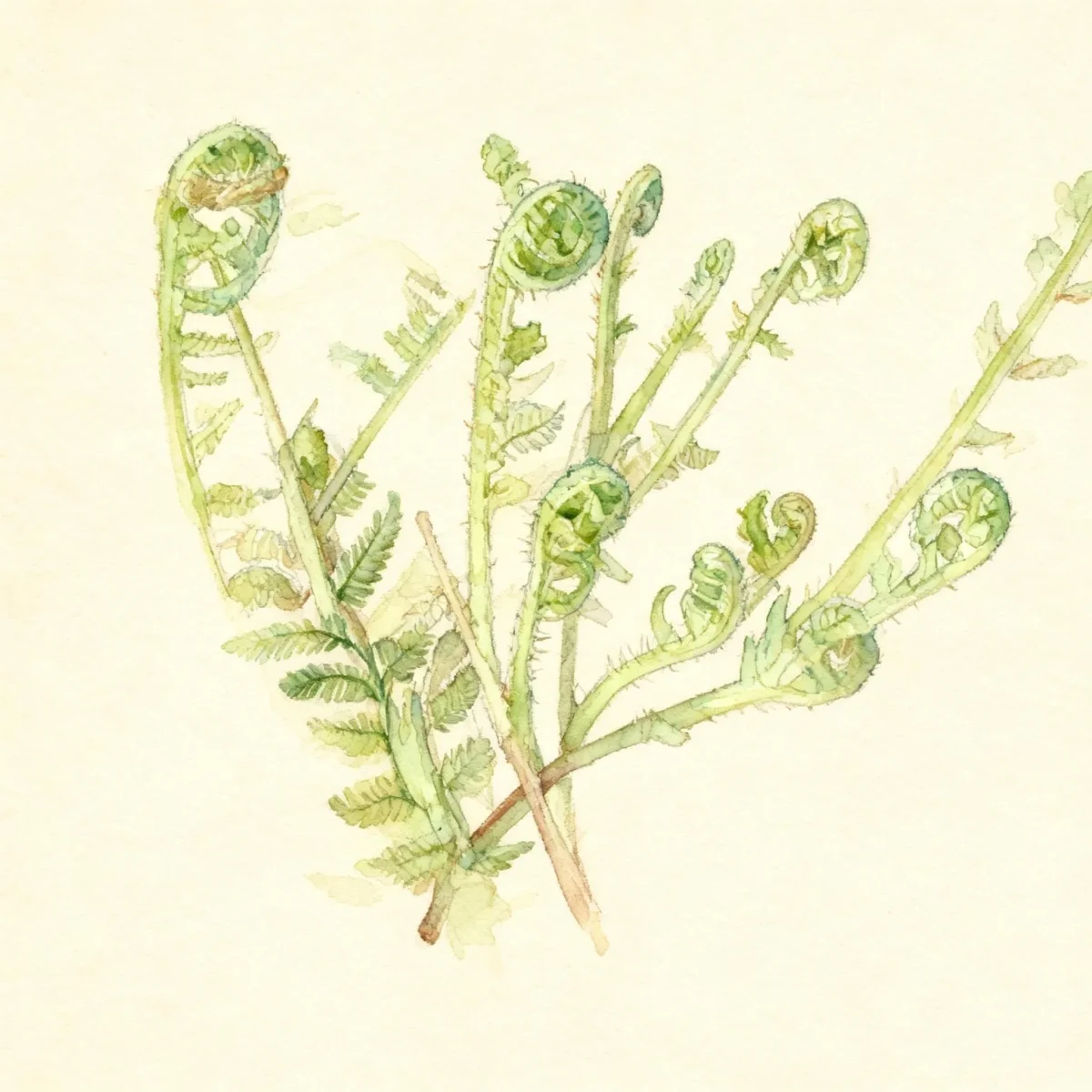
This fern variety generally exhibits no serious insect or disease problems, contributing significantly to its low maintenance rating. Gardeners should focus preventative efforts primarily on siting. Ensure excellent soil drainage to prevent root issues, as standing water is the most common cause of decline in ferns. If slugs or snails become an issue, standard organic controls should be effective in protecting the new spring fiddleheads.
Frequently Asked Questions
What hardiness zones is Buckler fern suitable for?
The Buckler fern, Dryopteris × complexa ‘Rumpelstiltskin’, is reliably hardy in USDA Zones 5 through 8.
How large does Dryopteris × complexa ‘Rumpelstiltskin’ grow?
This plant typically achieves a mature size of 3 to 4 feet in height and spreads between 2 to 3 feet wide, forming a dense clump.
What sun exposure does Buckler fern need?
Dryopteris × complexa ‘Rumpelstiltskin’ performs best in part shade to full shade conditions, requiring protection from intense midday sun.
When does Buckler fern bloom?
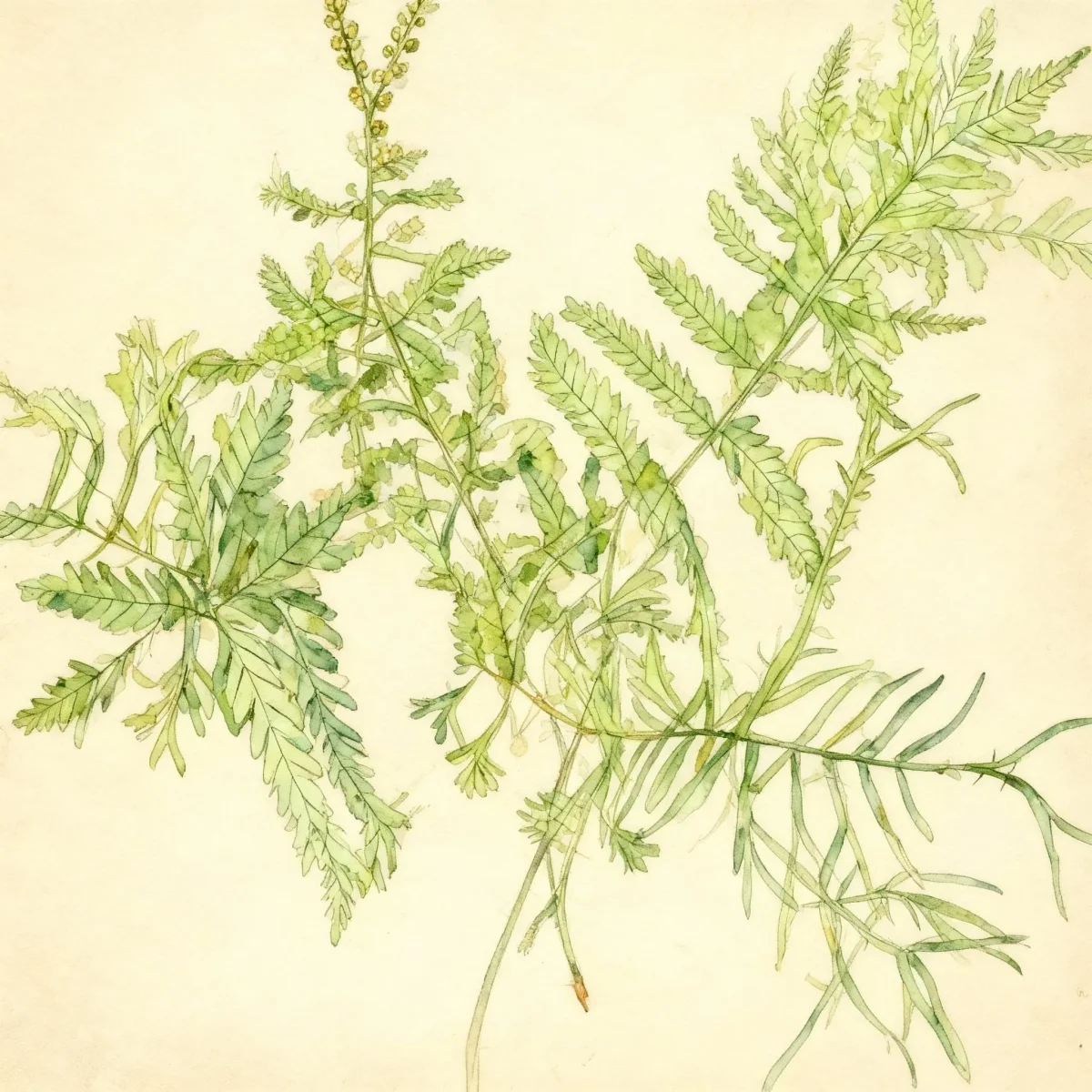
As a true fern, Dryopteris × complexa ‘Rumpelstiltskin’ is non-flowering and reproduces via spores, not blooms.
Conclusion
The Buckler fern (Dryopteris × complexa ‘Rumpelstiltskin’) delivers exceptional texture, reliable size, and impressive resilience, particularly in consistently shaded environments. For gardeners seeking structure combined with low input, this hybrid is an outstanding choice for shaded borders and woodland plantings. Before planting, confirm your site falls within USDA Zones 5-8 and ensure the soil is rich and well-drained to maximize the vigorous growth of this unique fern.
Companion Planting for Shade Gardens
Selecting appropriate companions is crucial when planting Dryopteris × complexa ‘Rumpelstiltskin’ to enhance visual interest and maintain balanced soil conditions. Plants that enjoy similar moist, humus-rich soils and part-to-full shade locations thrive alongside it. Consider utilizing lighter-colored foliage plants, such as variegated Hakonechloa (Japanese Forest Grass), to break up the deep green masses this fern produces.
Shade-loving perennials that offer contrasting bloom times can extend the season of interest in the area where your Buckler fern is located. Hostas, while having vastly different leaf shapes, are cultural peers and should always be considered for textural contrast. Ensure that any companion plants chosen are not overly aggressive, as overcrowding can impede air circulation around the base of the fern.
Fall and Winter Care for Dryopteris × complexa ‘Rumpelstiltskin’
While the Buckler fern is moderately low maintenance, fall preparation is important, especially in the northern reaches of its hardiness range. In early to mid-fall, begin to reduce watering slightly as growth slows, transitioning into dormancy if applicable. If the fronds have been damaged or look ragged by late season, they can be tidied up before winter sets in, though leaving the dead foliage can offer minor winter protection to the crown.
For Zones 5 gardeners, the foliage will likely become fully deciduous. Apply a fresh layer of well-rotted leaf mold or compost around the base in late fall; this organic layer acts as a natural mulch, protecting the roots from hard freezes and enriching the soil for spring emergence. This simple top-dressing ensures that the Dryopteris × complexa ‘Rumpelstiltskin’ has ideal conditions when spring warmth signals the start of a new growing cycle.