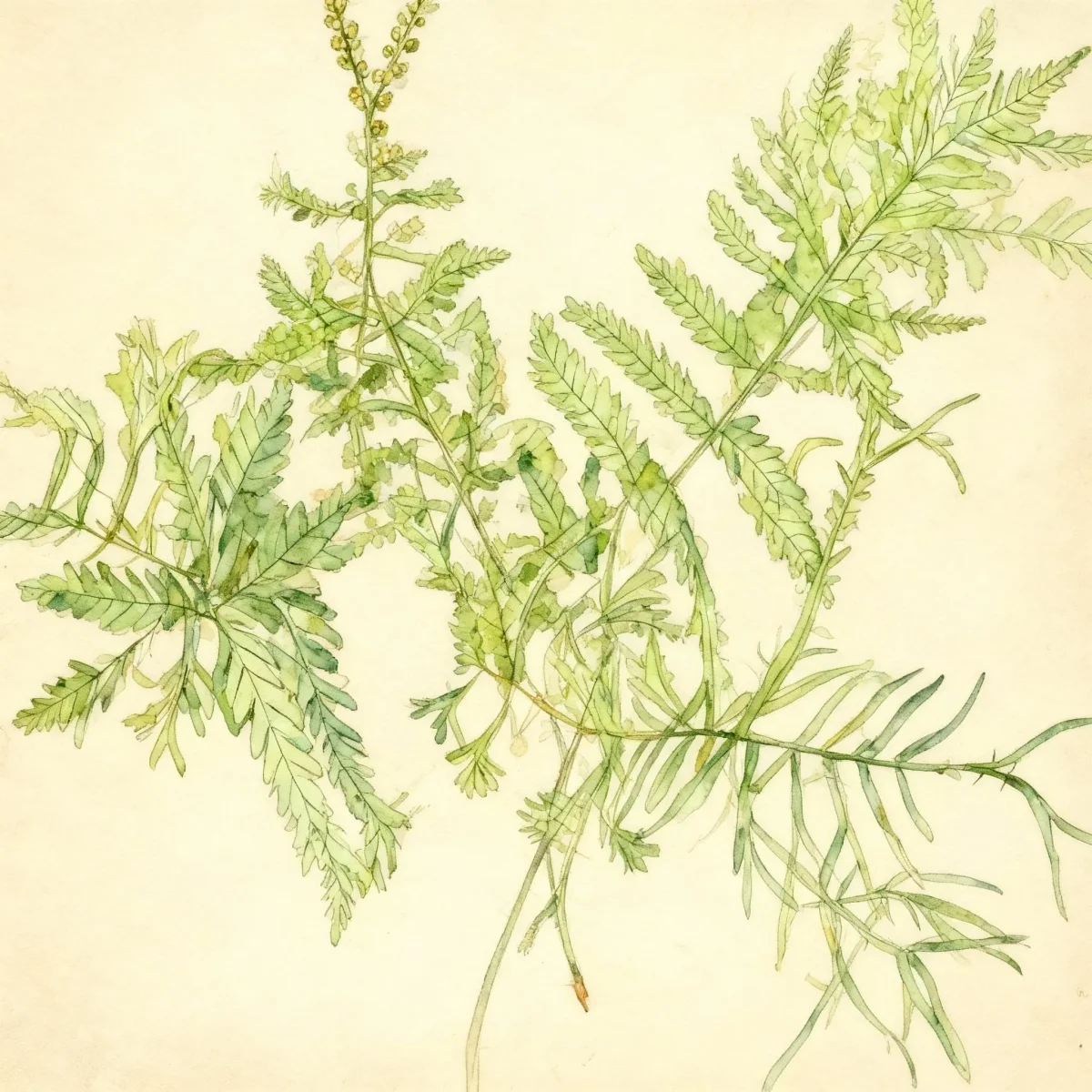
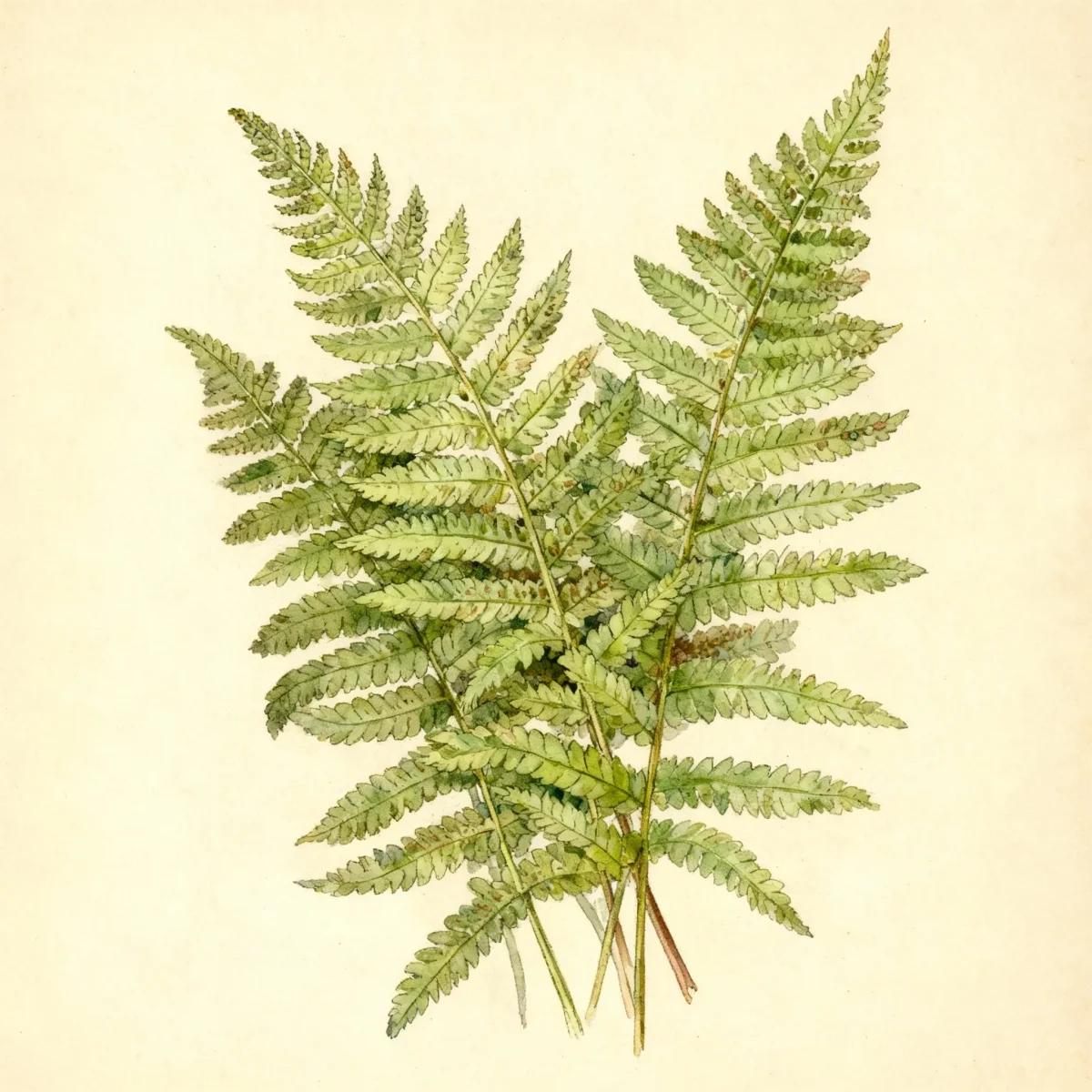
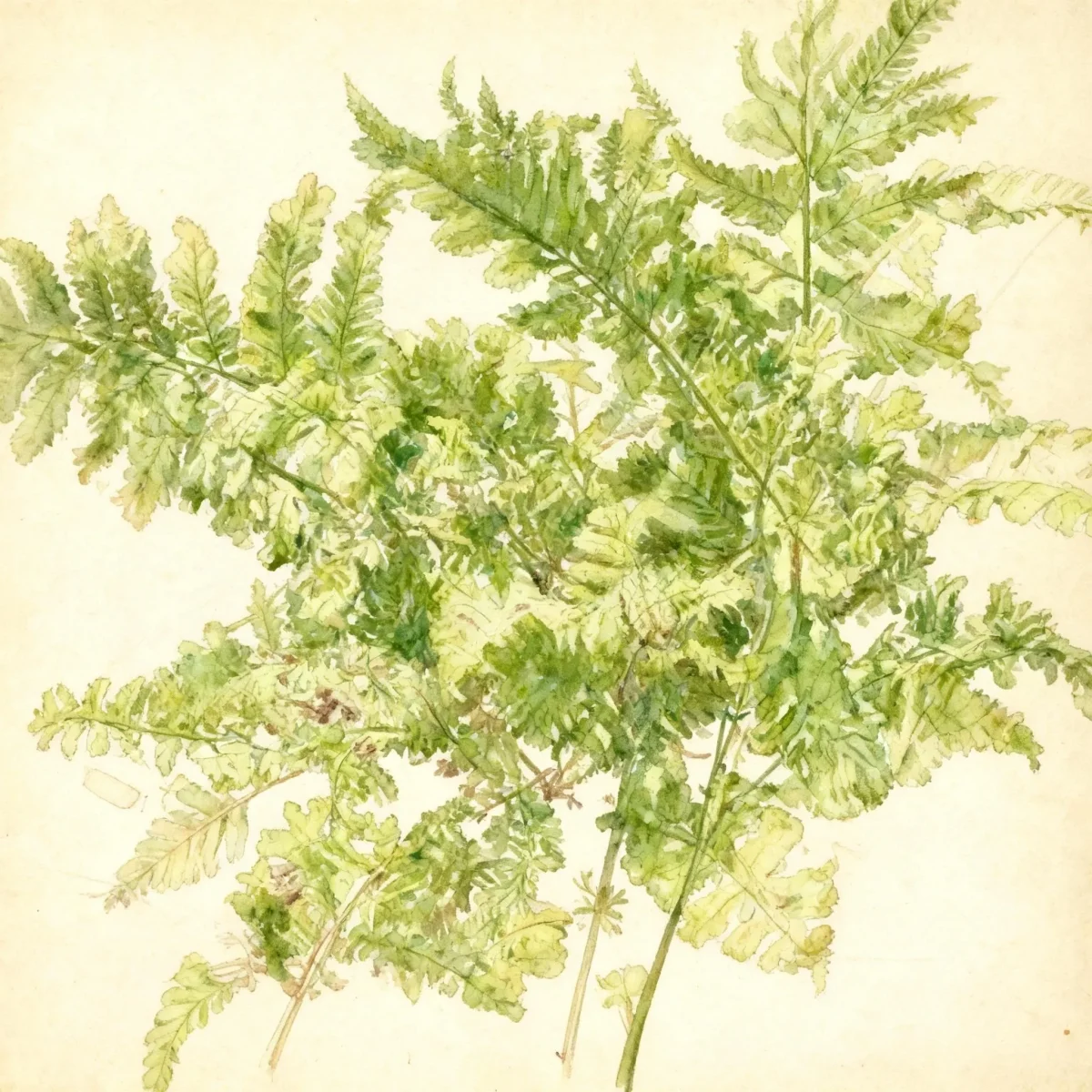
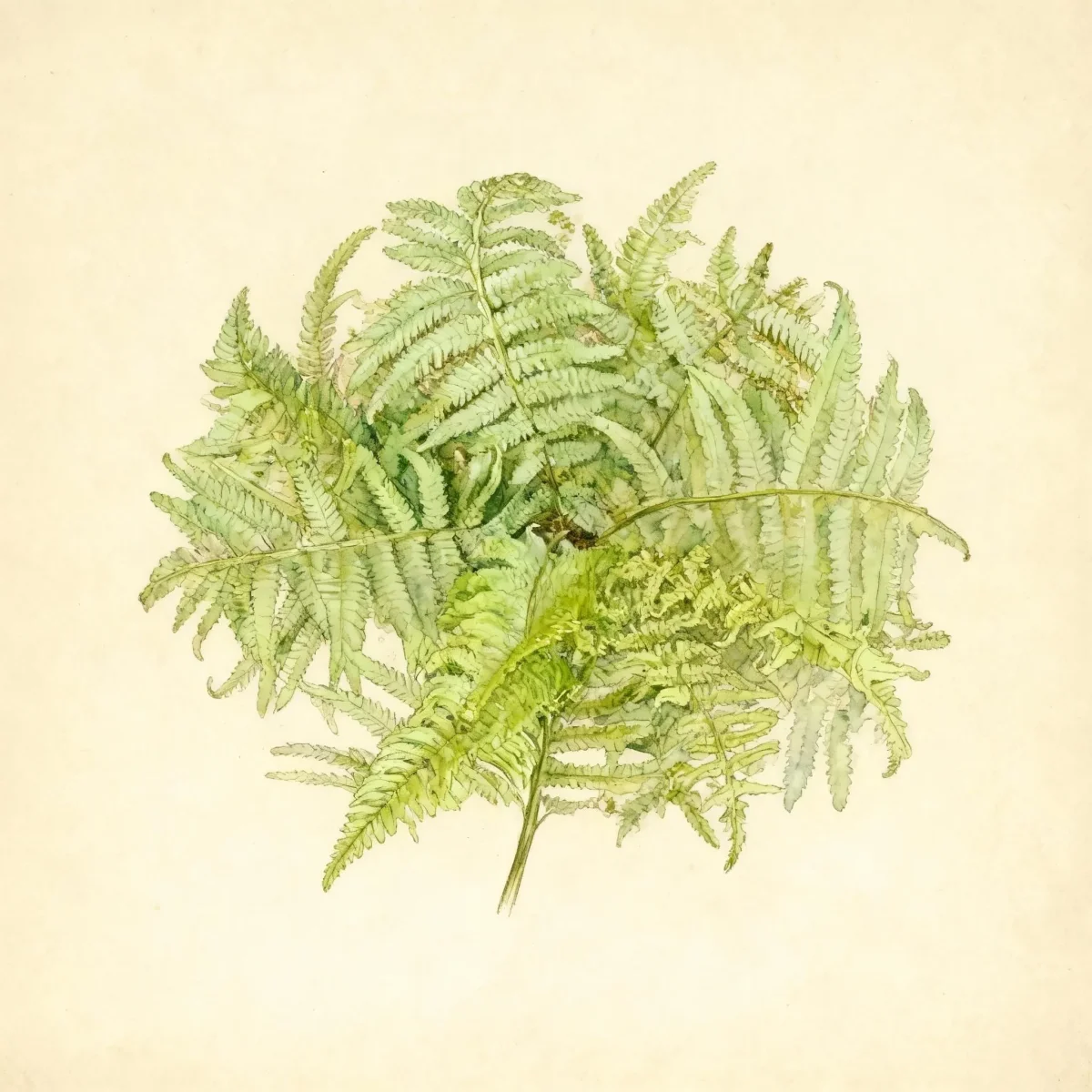
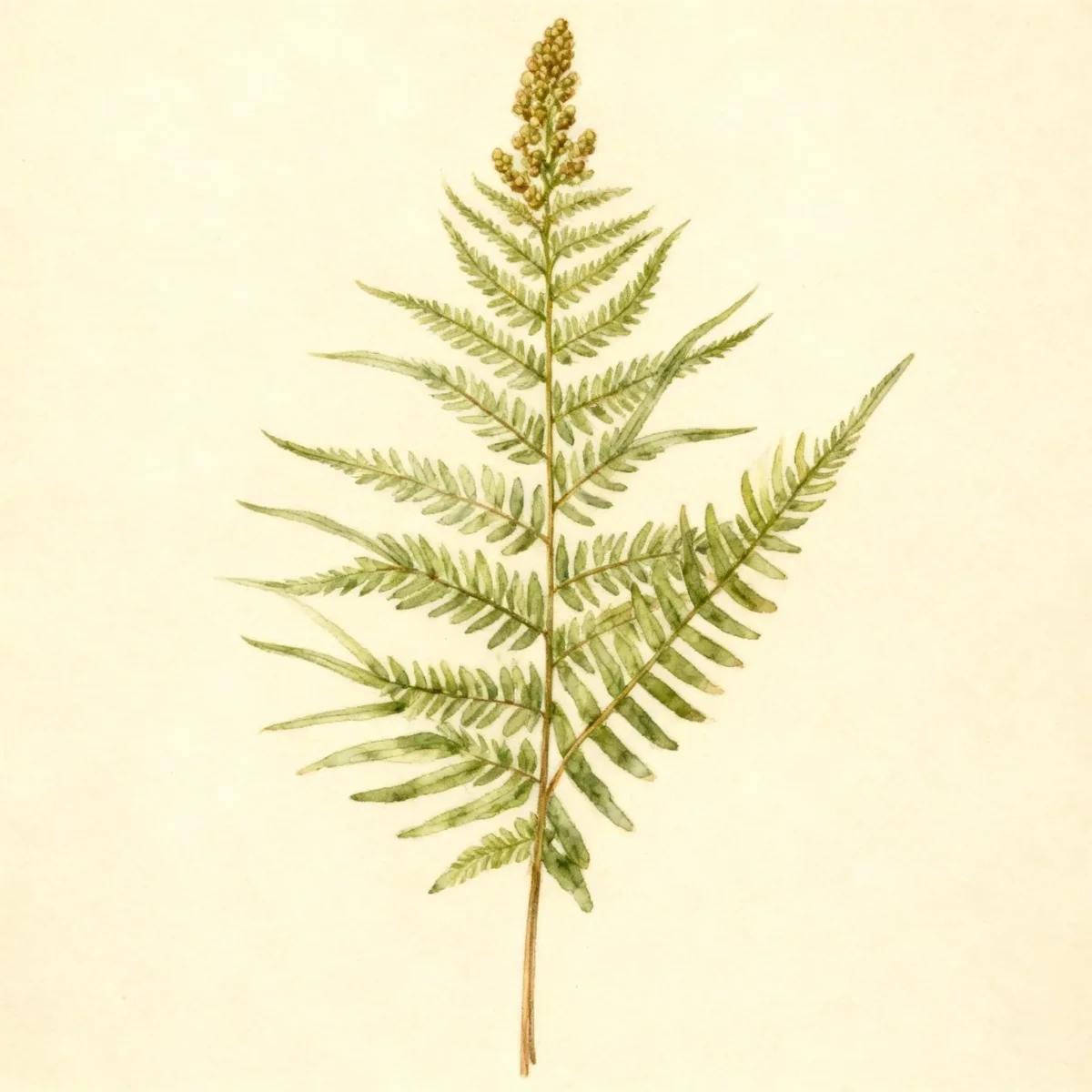
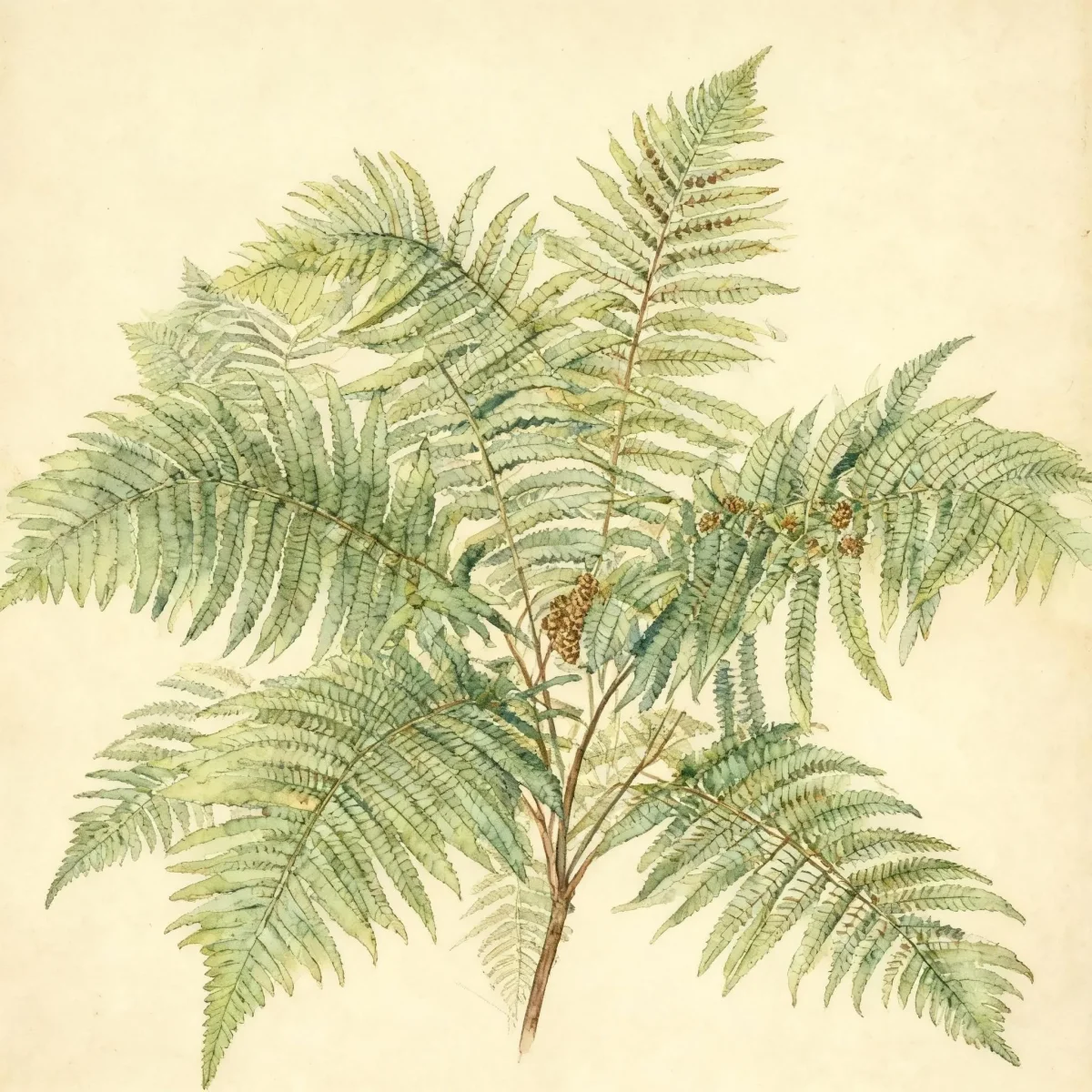
Male fern (Dryopteris filix-mas 'Grandiceps Wills')
The crested Dryopteris filix-mas 'Grandiceps Wills' (Male fern) offers unique texture in shade gardens, thriving in low maintenance and moist earth.
Scroll down to discover growing tips, care requirements, companion plants, and more
Complete Plant Information
Overview
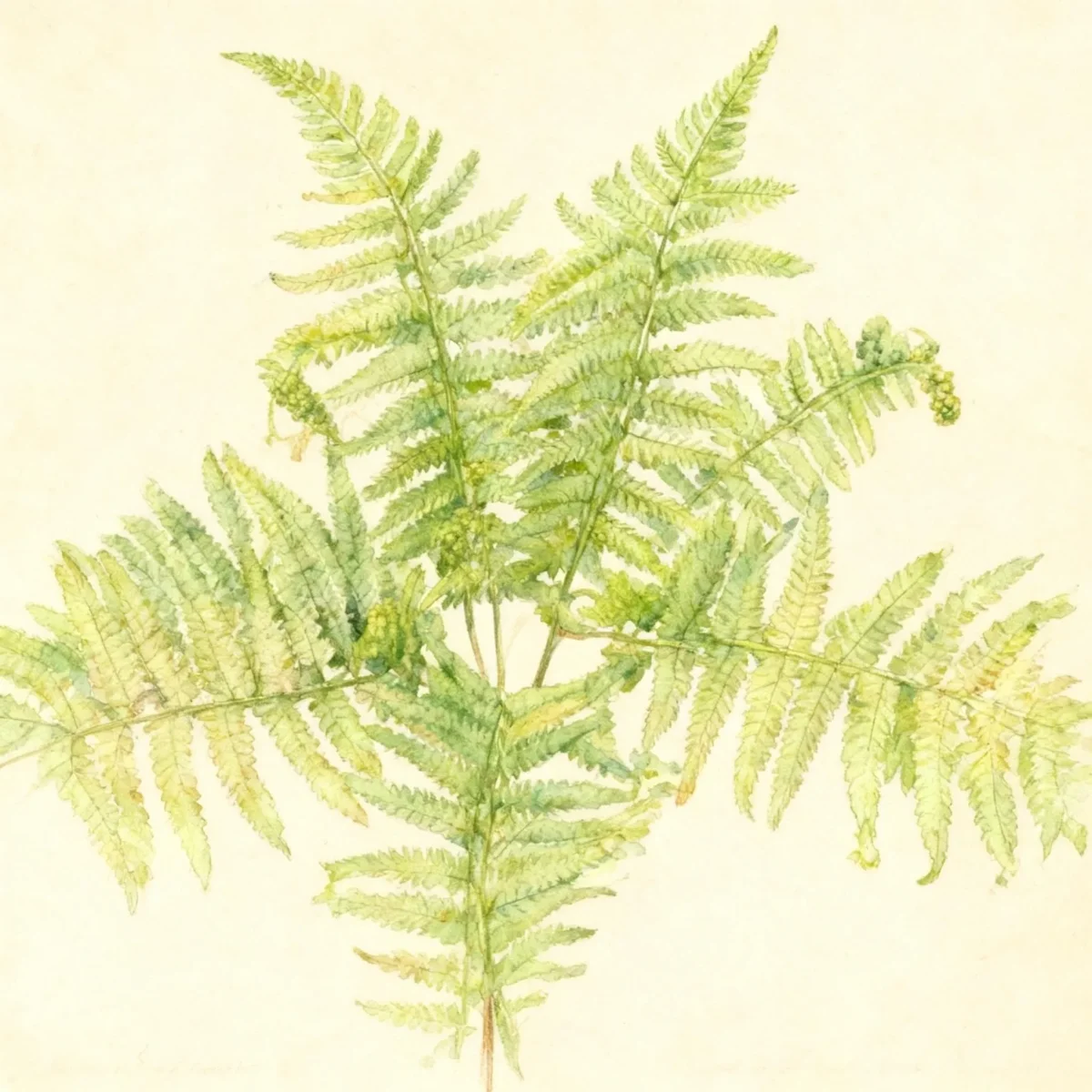
The Dryopteris filix-mas ‘Grandiceps Wills’, commonly known as the Male fern, is a highly prized cultivar valued for its distinctive, crested foliage. This architectural beauty stands out in dim corners of the garden, thanks to the small crests adorning its pinnae and a dramatic terminal crest on each medium green frond. As a generally low-maintenance plant, it provides year-round structure, particularly in temperate zones. Gardeners appreciate the resilience and strong growing habit inherent to this deciduous Male fern, making Dryopteris filix-mas ‘Grandiceps Wills’ an excellent choice for adding texture beneath trees or along shady walkways.
Fast Facts
- Plant Family: Dryopteridaceae
- Plant Type: Fern
- Hardiness Zones: USDA Zones 4-8
- Size at Maturity:
- Height: 2.5-3 ft
- Spread: 1.5-2 ft
- Bloom Time: Non-flowering
- Bloom Description: Non-flowering
- Sun Exposure: Part shade to full shade
- Water Needs: Medium
- Maintenance Level: Low
How to Grow
Planting the crested Male fern is best done in the spring or early fall when the soil is easily worked. Select a site in full shade or partial shade, ensuring the location is protected from harsh, drying winds that can damage the delicate fronds. This fern thrives in average soils, provided they are well-drained, but it exhibits its best health in humusy, consistently moist earth rich in organic matter.
Care for Dryopteris filix-mas ‘Grandiceps Wills’ centers on moisture management. Water routinely to keep the soil from drying out completely; medium water needs translate to checking soil moisture frequently during dry spells. Excessive dryness stresses the plant, impeding the elegant growth of its fronds. Minimal feeding is generally required if the initial soil preparation included plenty of compost.
Maintenance is typically low for this variety. No significant pruning is usually necessary unless removing old or damaged fronds in early spring. The crowns of the Male fern can be divided regularly when they become overcrowded, which helps rejuvenate the clump and provides new plants for other shady spots in your landscape.
Landscape Uses
Dryopteris filix-mas ‘Grandiceps Wills’ excels as a specimen plant where its unique crested form can be fully appreciated. It provides outstanding visual interest in woodland or shade gardens, contrasting beautifully against broad-leafed or fine-textured perennials. Avoid placing it where it will be obscured by taller shrubs.
This fern works wonderfully as a mid-layer plant in a shade border, sitting neatly between groundcovers and taller structural shrubs. Due to its moderate height (up to 3 feet), it is effective for softening the base of larger trees. The rich texture of the Male fern also pairs well visually with lighter green hostas or dark-leaved low shrubs, enhancing the layered complexity of deep shade plantings.
Standout Features
Noteworthy Characteristics
Dryopteris filix-mas, commonly called male fern, is native to Europe and North America. This is a large, arching, deciduous male fern with erect, stout rhizomes and medium green blades (fronds) that grow to 3’ (less frequently to 4’) tall. Blade is pinnate-pinnatifid (almost 2-pinnate) with 20-30 pair of long-pointed pinnae (leaflets) per blade. Each leaflet is divided into short, rounded, finely-serrated pinnules (sub-leaflets). Sori (fruit dots) on the leaflets are located closer to the midvein than the margin. Crisped, crested, forked and dwarf variants of this species exist. In North America, this fern ranges from Newfoundland to British Columbia, from New England to the Great Lakes, and from South Dakota to Washington south to California and Texas. It is typically found in cool, moist, rocky woods, but in New England it is uncommon and limited only to areas with calcareous soils. In Europe, it is commonly found in a variety of locations including roadsides.Genus name from Greek dryas meaning oak and pteris meaning fern in reference to the presence of some species of wood ferns in woodland areas populated with oaks.Specific epithet means male fern in reference to the somewhat vigorous growing habits of ferns in this species.‘Grandiceps Wills’ is a large, arching, deciduous male fern with medium green fronds that grows to 3’ (less frequently to 4’) tall. It is noted for having small crests on the pinnae and a large terminal crest on each frond. This fern was reportedly discovered in the wild in England in 1870 by John Wills.
Tolerances
- Rabbit
- Heavy Shade
- Clay Soil
Potential Problems
This variety of Male fern generally exhibits no serious insect or disease problems under appropriate growing conditions. Good air circulation and consistent moisture management are the best preventative measures gardeners can employ. Avoid overly wet, saturated soils, which can encourage crown rot, although this fern tolerates heavy clay better than many other woodland species provided drainage is adequate.
Frequently Asked Questions
What hardiness zones is Male fern suitable for?
The Dryopteris filix-mas ‘Grandiceps Wills’ is reliably hardy in USDA Zones 4 through 8.
How large does Male fern grow?
This cultivar typically reaches a mature height between 2.5 and 3 feet tall, spreading to an equal width of 1.5 to 2 feet.
What sun exposure does Male fern need?
This fern prefers part shade to full shade conditions, making it ideal for deeply shaded areas where many flowering plants struggle.
When does Male fern bloom?
As a fern, Dryopteris filix-mas ‘Grandiceps Wills’ is non-flowering, producing spores instead of true blooms.
Conclusion
For gardeners seeking a highly textured, resilient focal point for shady landscapes, the Dryopteris filix-mas ‘Grandiceps Wills’ is an outstanding option. Its unique cresting habit sets it apart from standard green foliage. Ensure you match its requirement for consistently moist, humus-rich soil, and plan to incorporate this low-maintenance Male fern into your woodland design this season.
Propagation Tips
Division is the most straightforward method for increasing your supply of Dryopteris filix-mas ‘Grandiceps Wills’. Wait until the early spring, just as new fiddleheads are beginning to emerge, to divide the crowns. Use a sharp, clean spade to divide the root mass into sections, ensuring each new division retains several healthy growth points. Plant these divisions immediately into prepared, moist soil to minimize transplant shock.
Since this specific cultivar is highly valued for its crested trait, growing it reliably from spores is challenging, as they often revert to the plain species form or display unpredictable mutations. Focus your propagation efforts entirely on crown division to preserve the specific characteristics of this excellent crested Male fern cultivar.
Companion Planting
Successfully growing Dryopteris filix-mas ‘Grandiceps Wills’ means pairing it with plants that share its preference for consistent moisture and deeply shaded environments. Consider using groundcovers like Vinca minor (Periwinkle) or wild ginger (Asarum) around its base to help suppress weeds and maintain soil humidity.
For vertical contrast, integrate the upright, arching texture of the Male fern with low-growing, carpeting shade perennials like Astilbe (if soil is rich enough) or broad-leaved Epimediums. These companions allow the distinct frond architecture of the Dryopteris filix-mas ‘Grandiceps Wills’ to truly stand out without competing aggressively for sunlight.