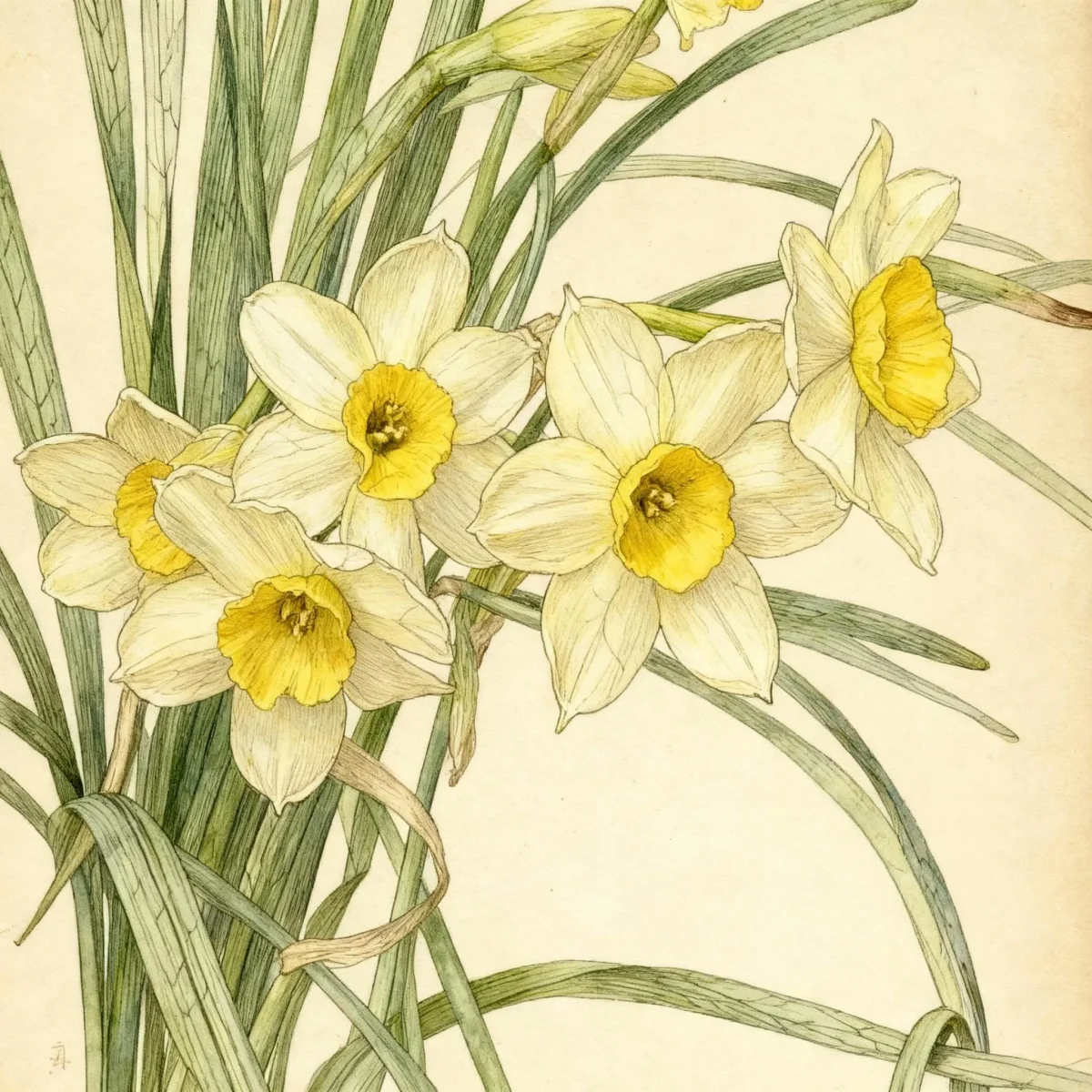
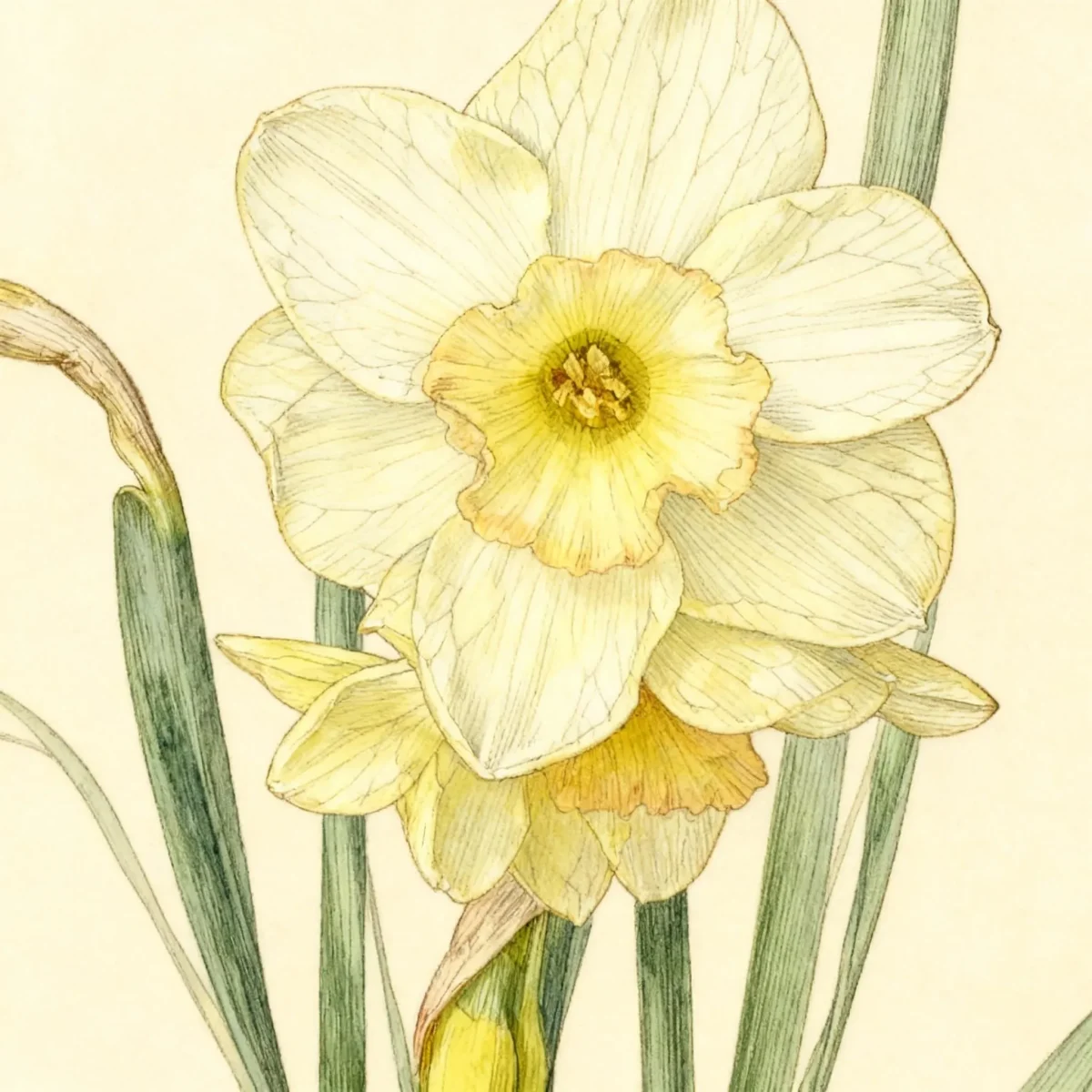
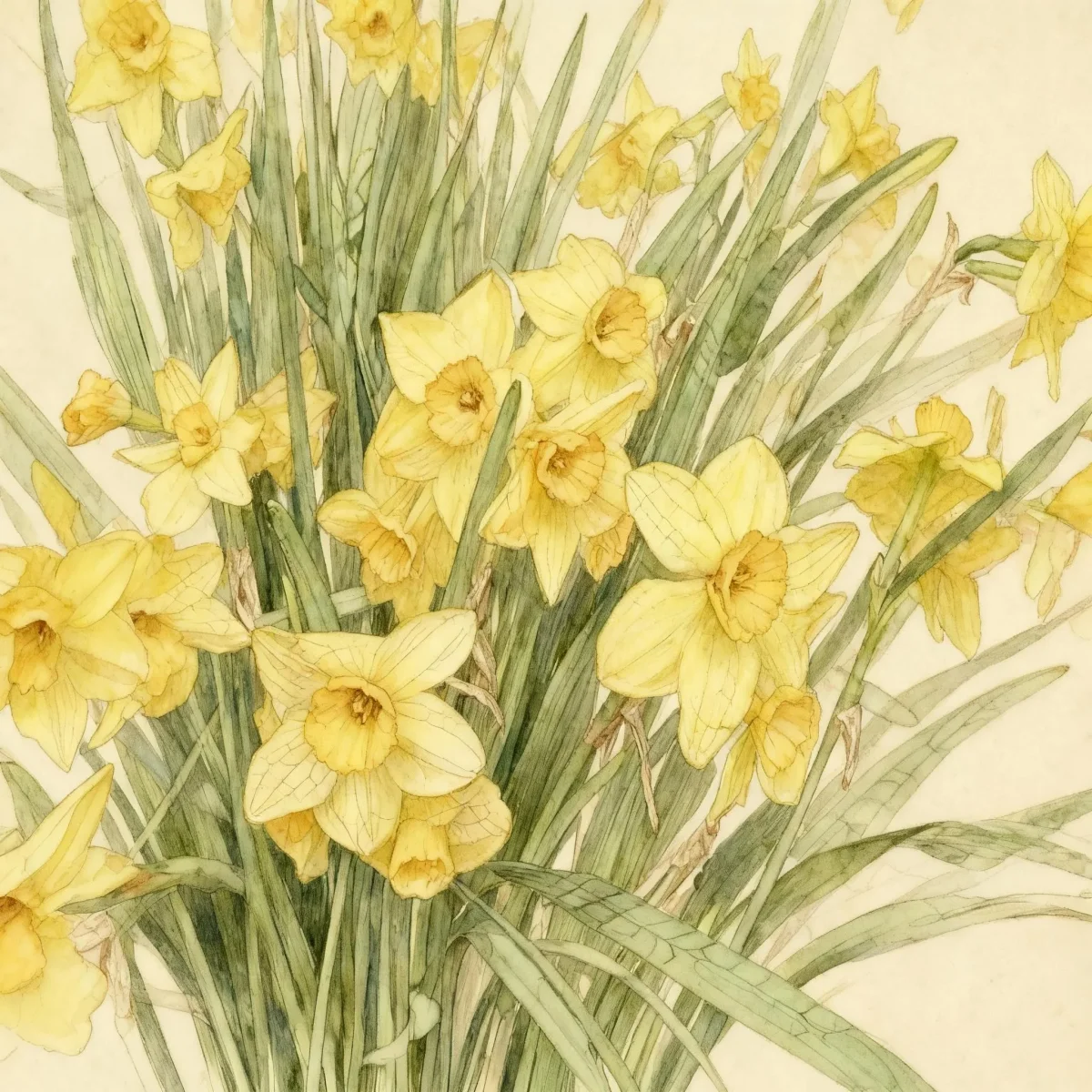
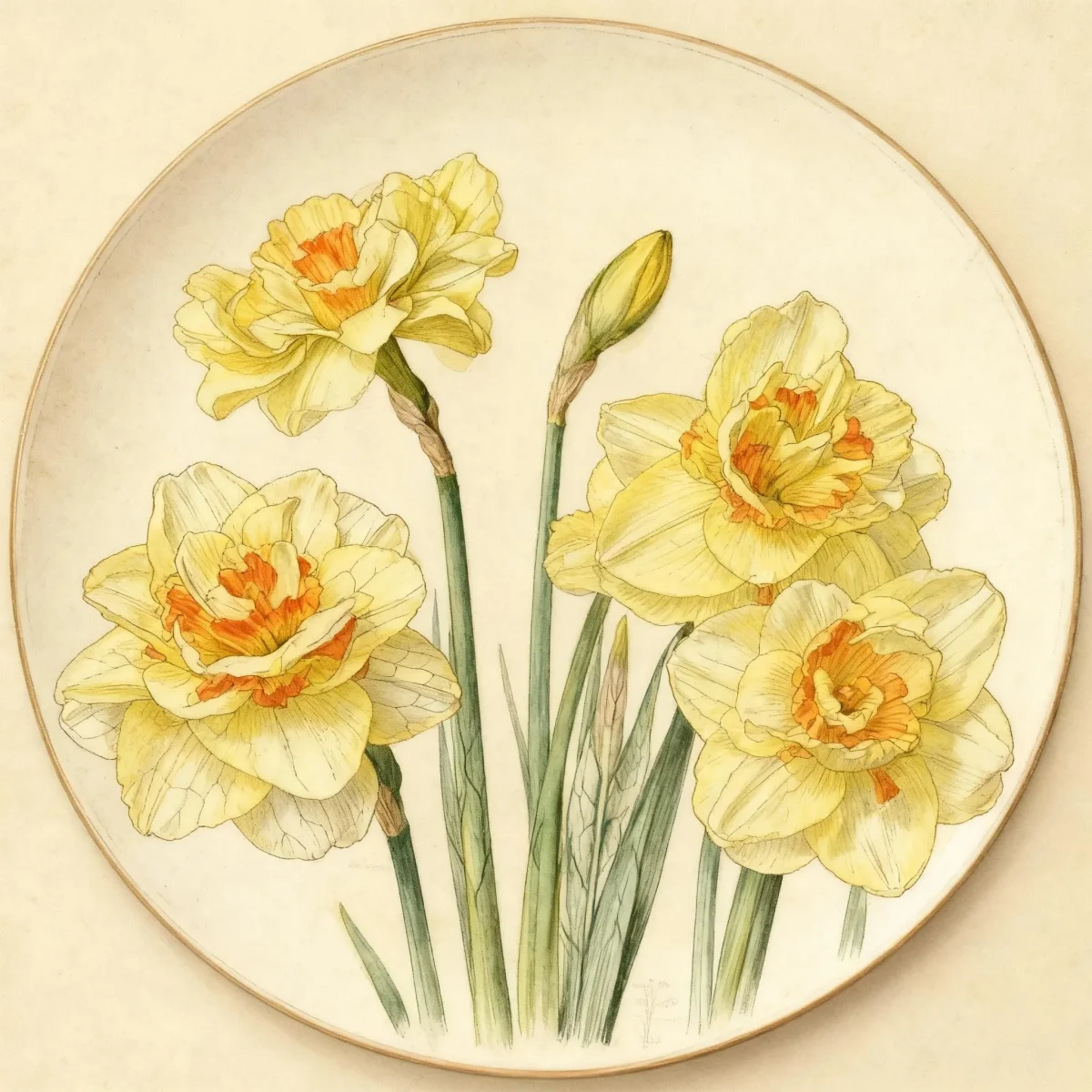
Tazetta daffodil (Narcissus 'Golden Dawn')
Narcissus 'Golden Dawn' is a showy, low-maintenance Tazetta daffodil perfect for spring borders, offering fragrant yellow flowers with orange cups.
Scroll down to discover growing tips, care requirements, companion plants, and more
Complete Plant Information
Overview
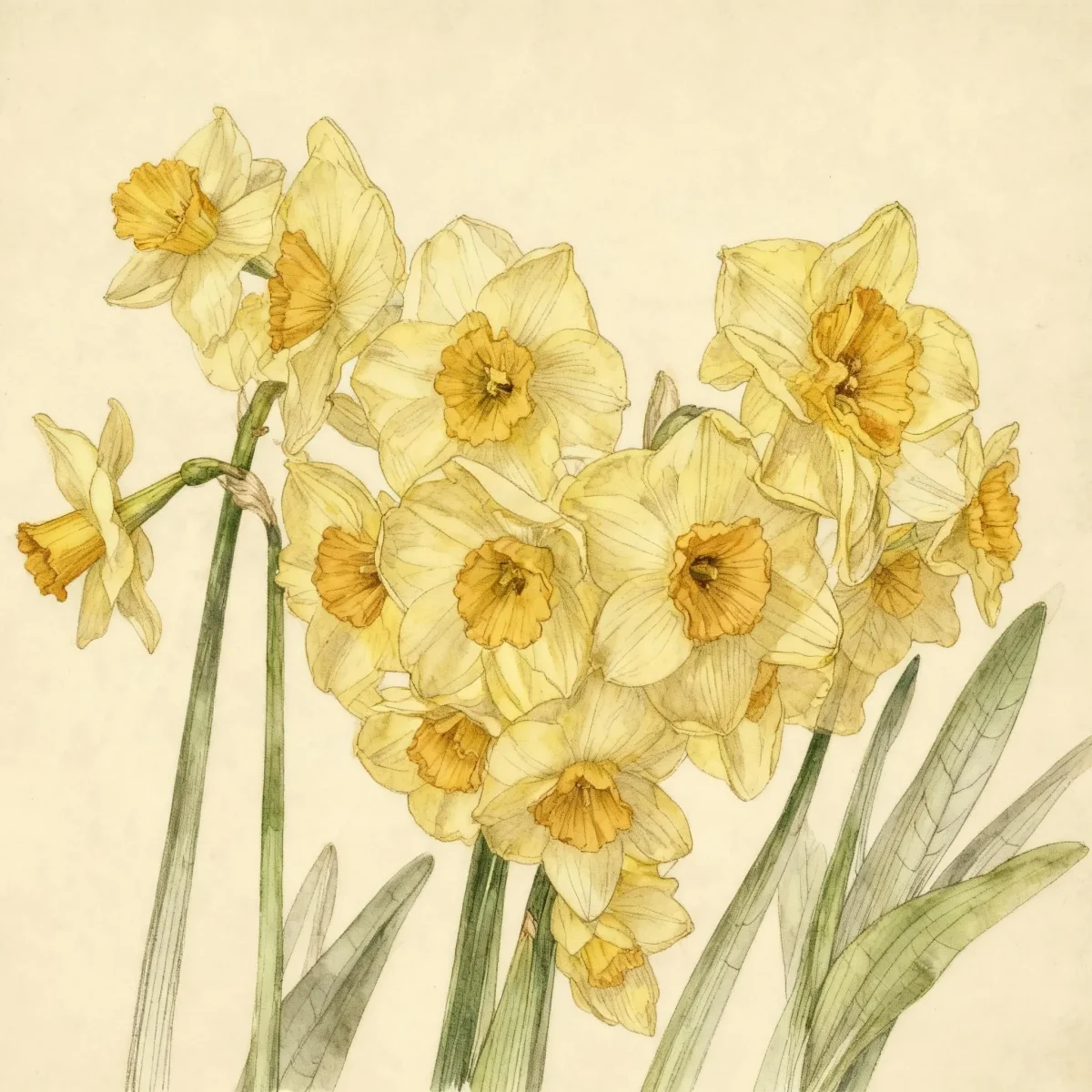
Narcissus ‘Golden Dawn’ stands out as a highly rewarding classic spring bloomer within the celebrated Narcissus genus. This specific Tazetta daffodil hybrid is cherished for its reliable performance and its attractive bicolored blooms, featuring greenish-yellow petals surrounding a distinctively golden-orange, bowl-shaped cup. Gardeners appreciate the low demands of this bulb, which establishes easily and returns year after year with minimal intervention.
As a Division 8 daffodil, Narcissus ‘Golden Dawn’ typically produces clusters of highly fragrant flowers atop sturdy stems that reach about 1 to 1.5 feet tall. It is widely regarded as one of the best narcissus varieties for areas experiencing warmer, drier spring spells, making it a resilient choice for many regions. Its enduring beauty, coupled with its low maintenance requirement, secures its place as a spring garden mainstay.
When planning your spring display, remember that the foliage should remain intact after flowering to feed the bulb for next year, though spent flower heads can be deadheaded. Proper initial planting ensures that this magnificent Tazetta daffodil will naturalize beautifully over time, creating sweeping drifts of golden color.
Fast Facts
- Plant Family: Amaryllidaceae
- Plant Type: Bulb
- Hardiness Zones: USDA Zones 5-9
- Size at Maturity:
- Height: 1-1.5 ft
- Spread: 0.5-1 ft
- Bloom Time: April to May
- Bloom Description: Yellow with an orange cup
- Sun Exposure: Full sun to part shade
- Water Needs: Medium
- Maintenance Level: Low
How to Grow
Planting Narcissus ‘Golden Dawn’ bulbs should occur in the early to mid-fall to allow sufficient root development before the ground freezes. This Tazetta daffodil thrives in average, medium moisture, well-drained soils. Excellent drainage is critical to prevent bulb rot, so amend heavy clay soils when necessary. Aim for locations receiving full sun to light afternoon shade; note that the flowers tend to track the sun, so position any shading trees to the rear of the planting area.
When planting, position each bulb 2 to 3 times as deep as the bulb is tall, ensuring at least 3 inches of soil cover. Space bulbs approximately 4 to 10 inches apart depending on the size; wider spacing leads to sparser early displays but encourages the clumps to fill in naturally over time, reducing the need for division.
Watering should aim to keep the soil uniformly moist during the active growing period in spring. While drought is tolerated once the foliage begins to die back, consistent moisture supports robust flowering. After the flowers fade in spring, remove the spent flower stems (deadheading) to prevent seed formation, but never cut back the foliage until it has turned yellow, as this process replenishes nutrients stored in the bulb of your Narcissus ‘Golden Dawn’.
Landscape Uses
Daffodils, including the favored Narcissus ‘Golden Dawn’, excel when planted in volume rather than in small, isolated groupings. They offer exceptional longevity, unlike many other spring bulbs, and are perfectly suited to naturalize within beds, borders, and open woodland settings. Planting them in drifts—large sweeping masses of at least six bulbs—will create the most dramatic and effective showing of their yellow and orange Tazetta daffodil blooms.
These bulbs look wonderful planted beneath deciduous shrubs or small trees, where they receive full sun in early spring before the canopy leafs out. They mix harmoniously with other spring-flowering companions like early-blooming tulips or grape hyacinths, providing successive layers of color. Allow them to naturalize freely for an authentic, meadow-like appearance in wilder garden areas.
Standout Features
Flower Qualities
- Showy
- Fragrant
- Good Cut
Noteworthy Characteristics
Narcissus is a genus of about 50 species of bulbous perennials from Europe and North Africa, serving as mainstays of the spring garden. ‘Golden Dawn’ is specifically classified as a Division 8 or Tazetta Y-O daffodil, noted for having 5 to 8 fragrant flowers per stem, sometimes even producing two stems. Each bloom features greenish-yellow petals and a deepening golden-orange cup, and this specific variety has been recognized for its excellent performance, even winning an Award of Garden Merit from the Royal Horticultural Society.
Tolerances
- Rabbit
- Deer
- Drought
Potential Problems
Daffodils are generally robust and are rarely bothered by serious diseases or insect pests when planted in suitable conditions. The most significant threat to Narcissus ‘Golden Dawn’ is bulb rot, which occurs if soil drainage is poor; ensuring well-draining soil is the primary preventative measure. Infrequent pests may include slugs, snails, or narcissus bulb flies. Should bloom quality decline significantly after several years, division of the clumps is recommended just after the foliage fully yellows.
Frequently Asked Questions
What hardiness zones is Tazetta daffodil suitable for?
Narcissus ‘Golden Dawn’ is hardy in USDA Zones 5 through 9.
How large does Narcissus ‘Golden Dawn’ grow?
This variety typically matures to a height between 1 and 1.5 feet tall, spreading between 0.5 to 1 foot wide.
What sun exposure does Narcissus ‘Golden Dawn’ need?
This Tazetta daffodil performs best when planted in locations that receive full sun to light part shade throughout the day.
When does Tazetta daffodil bloom?
Narcissus ‘Golden Dawn’ flowers generally appear from April into May, displaying striking yellow petals with an orange cup.
Conclusion
The Narcissus ‘Golden Dawn’ provides indispensable structure and vibrant color to the early spring landscape, celebrated for its fragrance and low-maintenance profile. As a dependable Tazetta daffodil, it establishes quickly and naturalizes beautifully, offering gardeners years of reliable performance. Before next fall arrives, check your local USDA zone compatibility and select a sunny spot with excellent drainage to welcome this award-winning daffodil back to your garden.
Companion Planting
When planning beds featuring Narcissus ‘Golden Dawn’, consider companions that complement their spring bloom time or foliage habits. Pairing them with later-blooming perennials helps mask the daffodil foliage as it yellows in late spring, maintaining visual interest. Good choices that share similar sun and moisture needs include the early leaves of Peonies or the developing foliage of Hostas sited where they receive morning sun but afternoon shade.
Avoid planting bulbs directly next to deep-rooted shrubs or mature perennials whose established root systems might compete aggressively with the shallow-feeding daffodil bulbs. For a layered effect, consider interplanting them with early-season annuals like Pansies or Violas, which offer continuous color as the main daffodil display begins to fade.
Wildlife Benefits
While daffodils are generally deer and rabbit resistant due to the natural toxicity of the bulbs, the flowers themselves are highly attractive to early-emerging beneficial insects. The rich yellow and orange centers of the Narcissus ‘Golden Dawn’ blooms offer a valuable early nectar source when few other flowers are open. Ensure you plant in quantity to create substantial landing zones for pollinators seeking sustenance after the winter lull.
In some years, the clusters of flowers on this Tazetta daffodil may attract hummingbirds, though their primary role is as an early pollinator attractant for bees. Since the foliage remains attractive for a period, these bulbs offer steady visual interest that links the end of the cool season with the start of the warmer growing months.