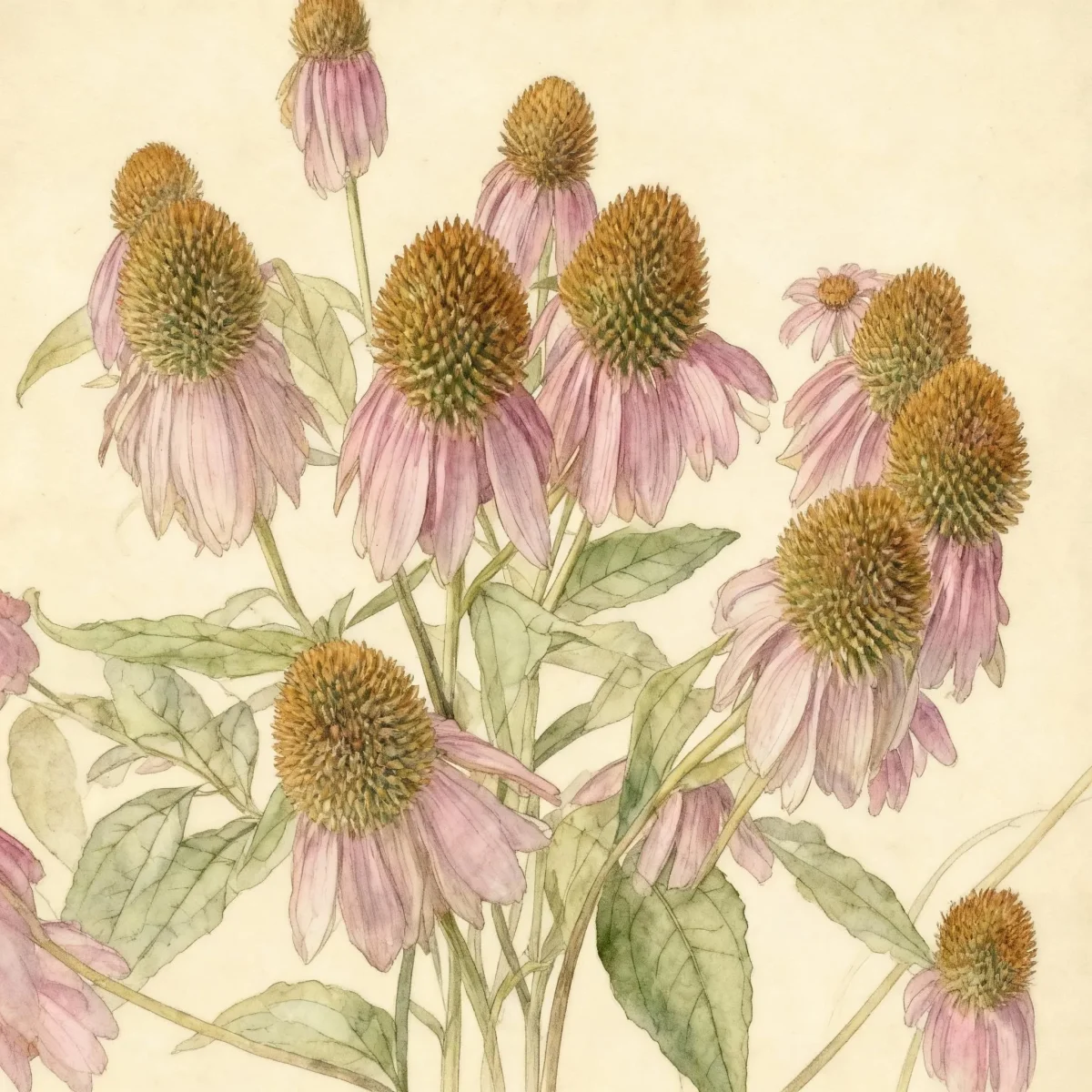
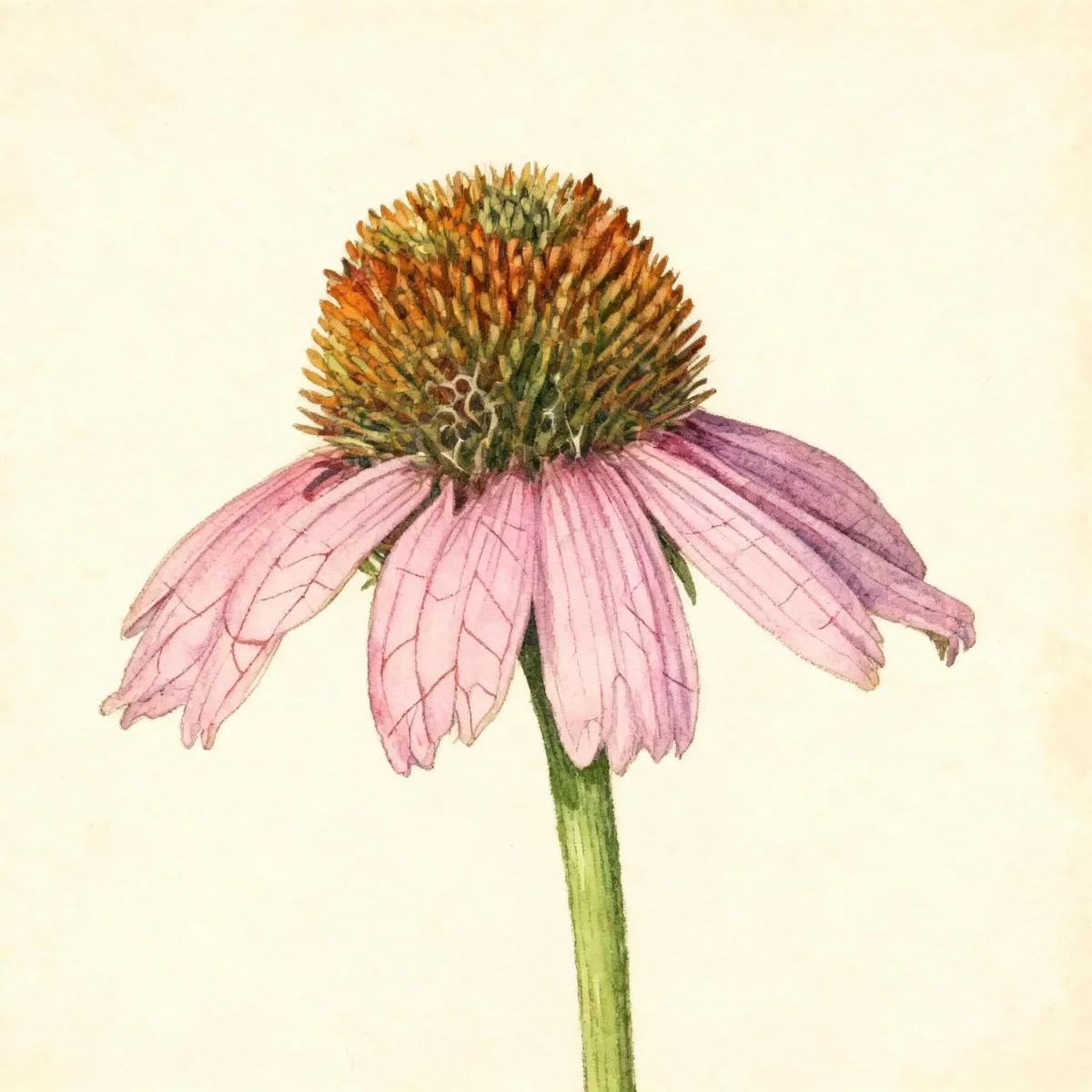
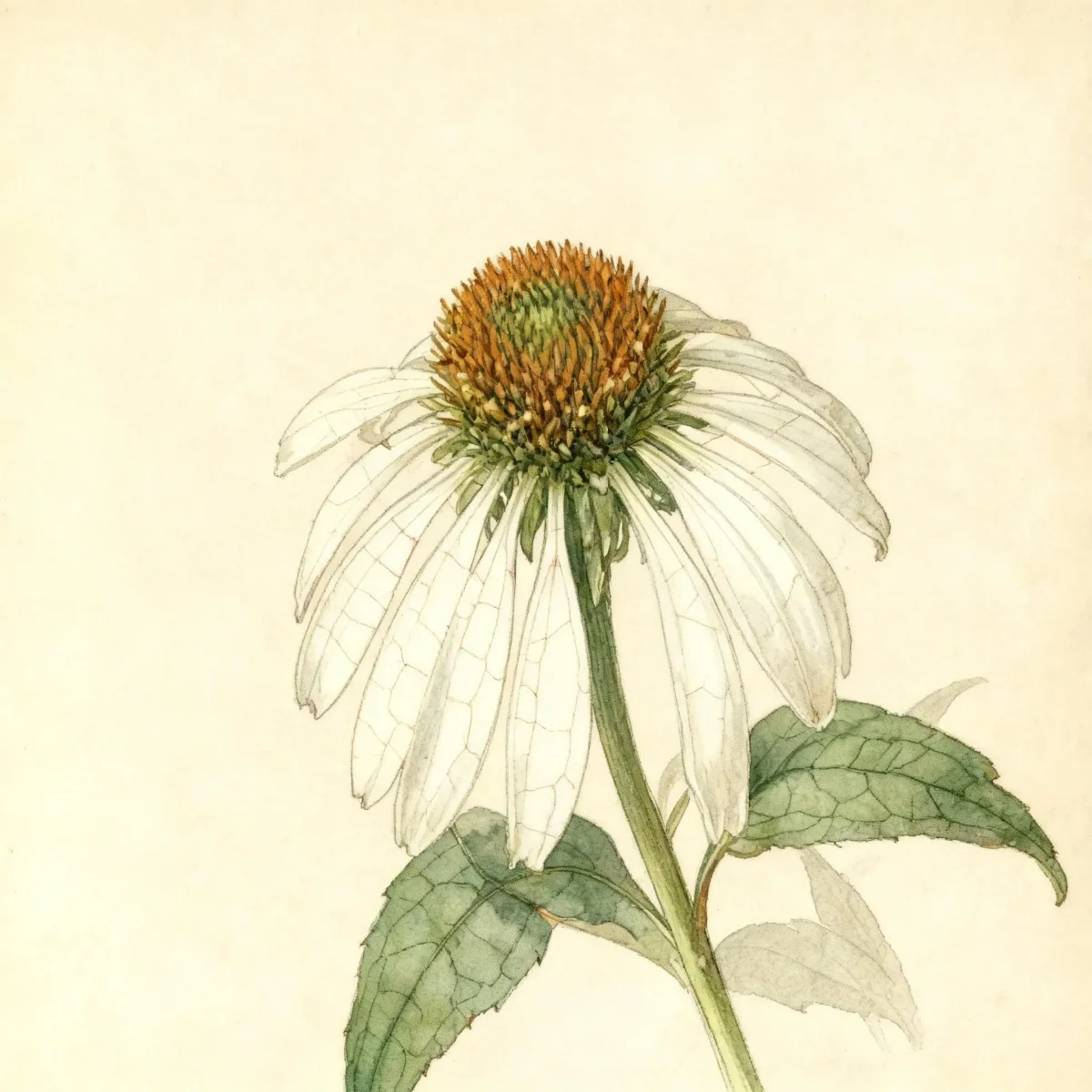
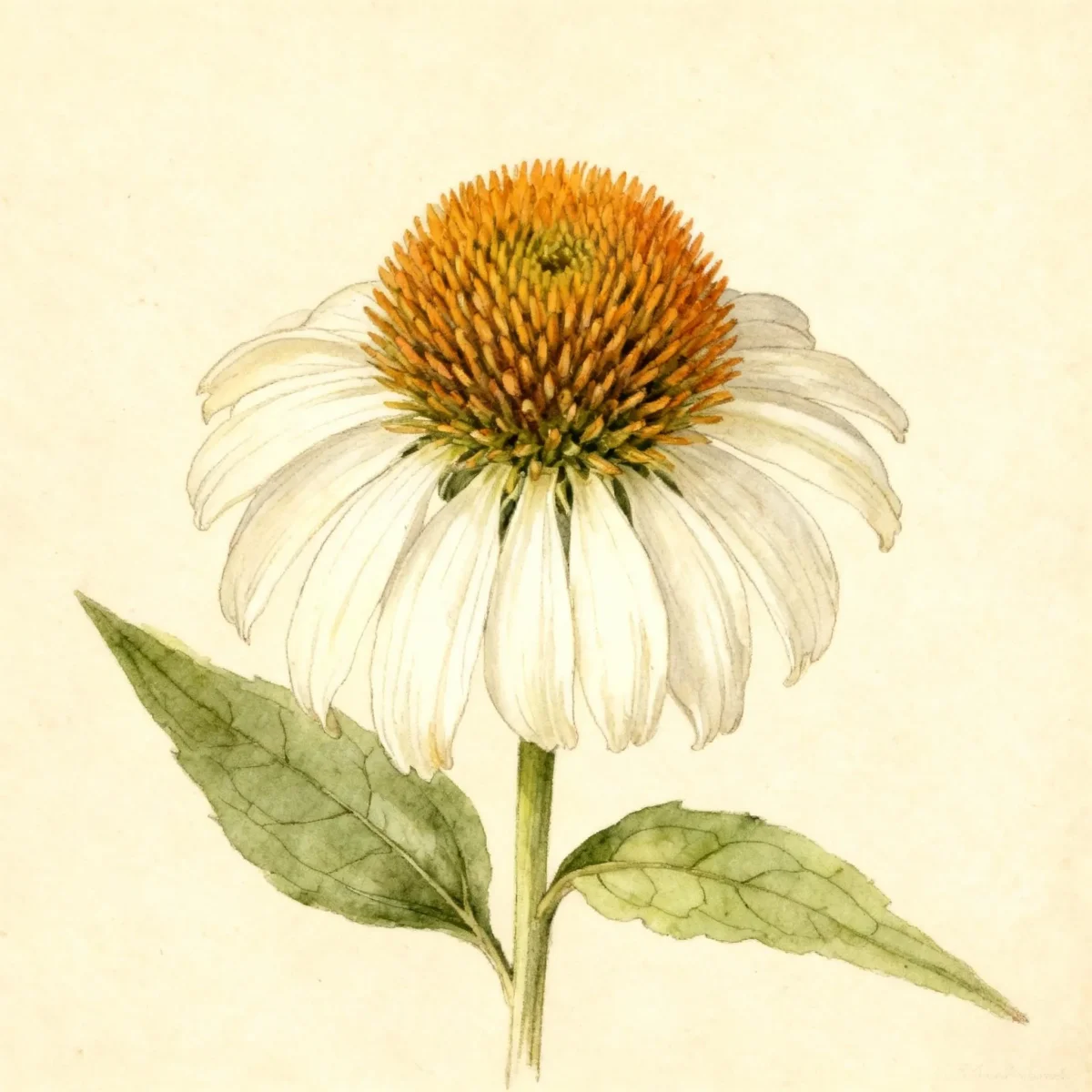
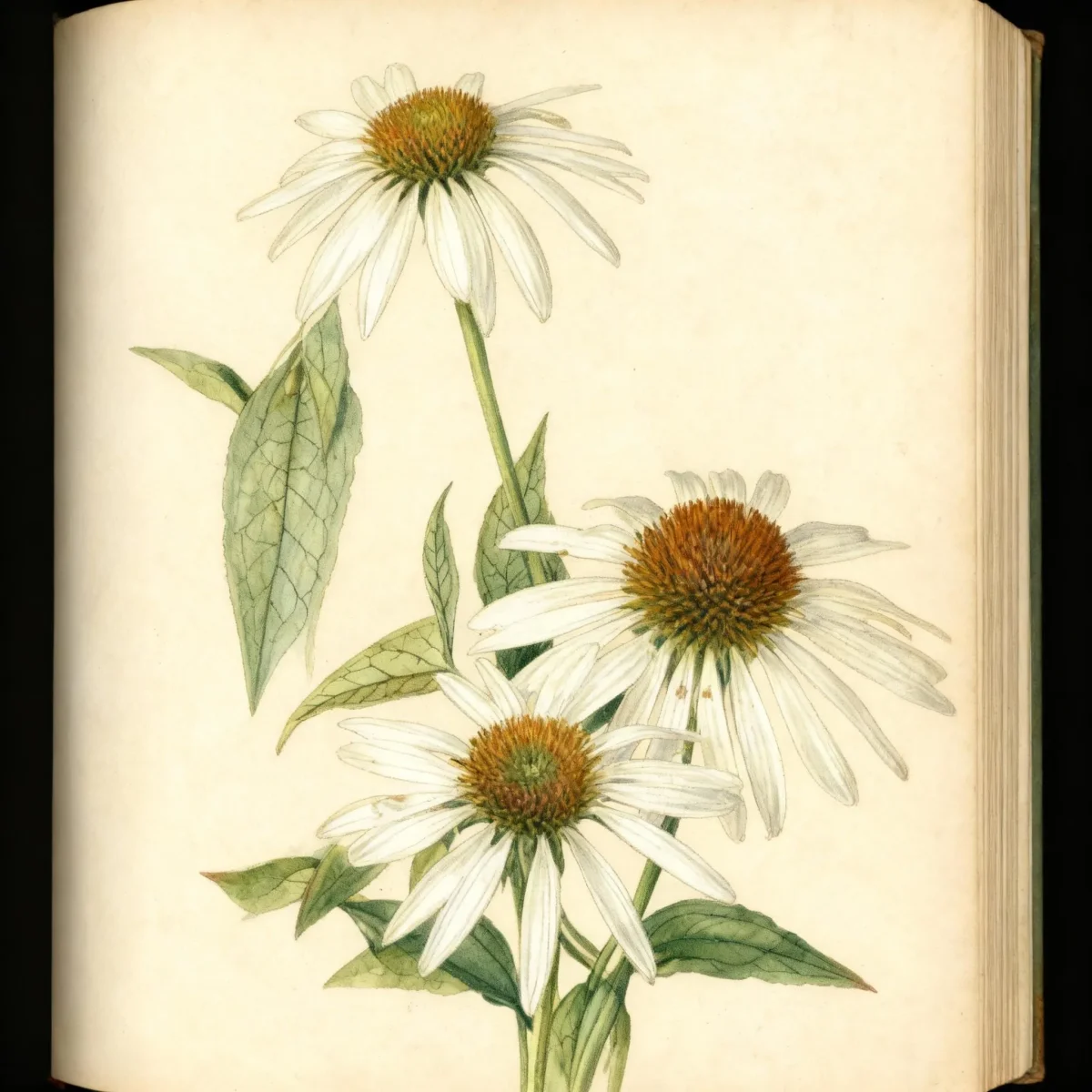
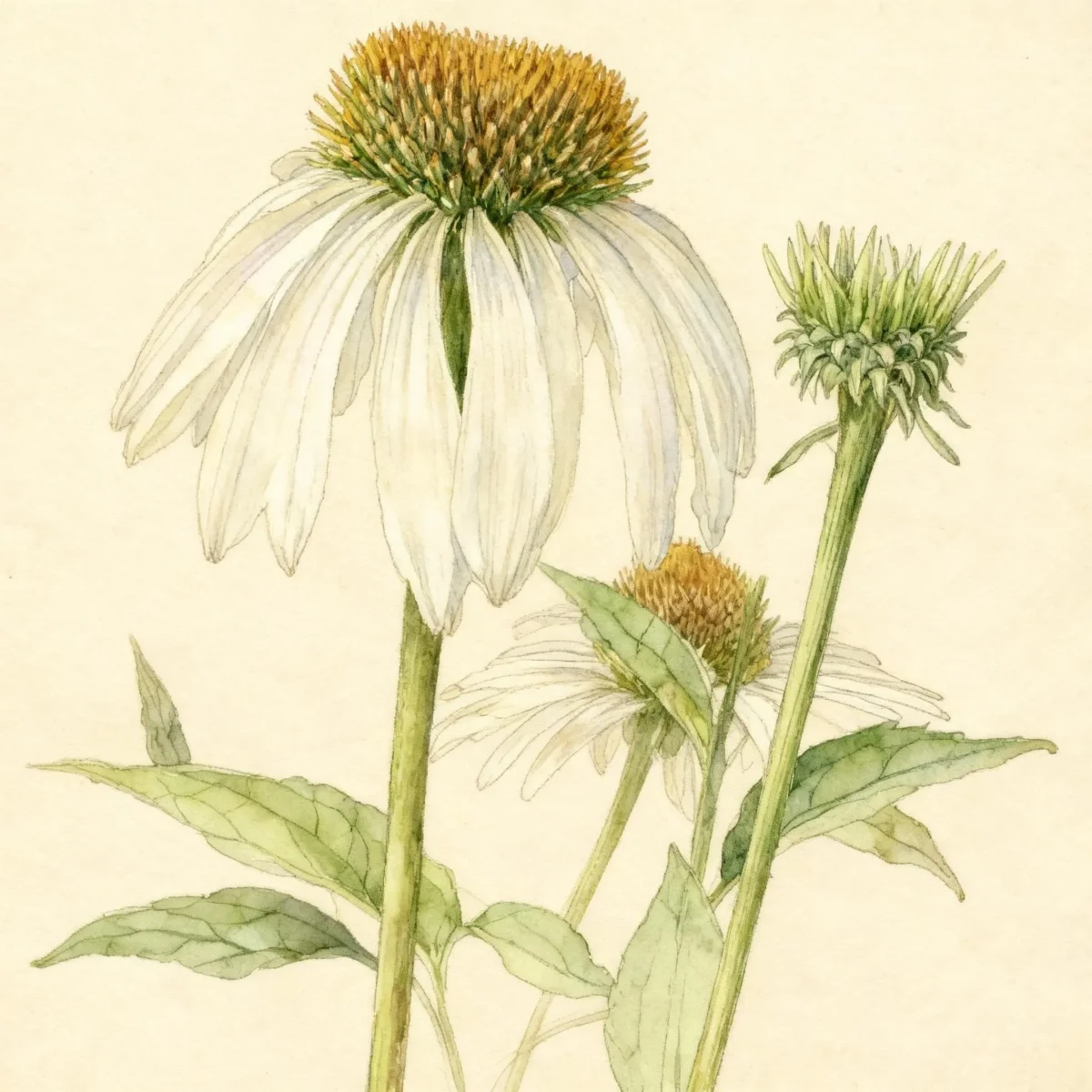
Purple coneflower (Echinacea purpurea 'Razzmatazz')
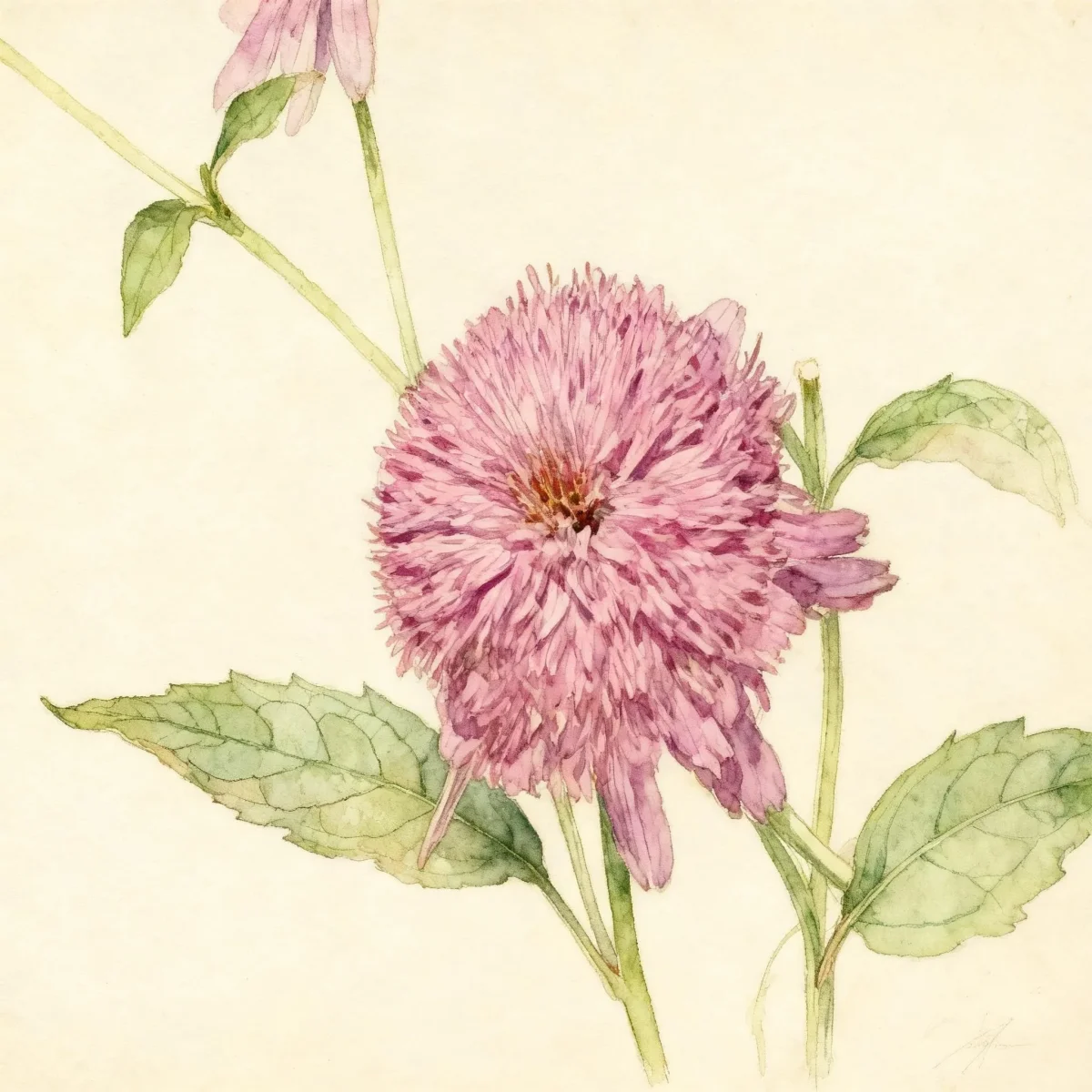
Echinacea purpurea 'Razzmatazz' offers vibrant rose-pink double flowers. This low-maintenance Purple coneflower thrives in sunny, dry conditions.
Scroll down to discover growing tips, care requirements, companion plants, and more
Complete Plant Information
Overview
Echinacea purpurea ‘Razzmatazz’ is a standout cultivar of the dependable Purple coneflower, celebrated for its deeply saturated, double-flowered blooms. This variety distinguishes itself with densely packed, rose-pink anemone-type flowers that provide extended summer interest in the garden. As an herbaceous perennial, it offers reliable structure and robust texture year after year.
This selection of Purple coneflower is highly valued for its adaptability and low maintenance requirements once established. It is notable for tolerating heat, humidity, and less-than-ideal soil conditions, making it a workhorse in mixed borders and naturalized settings. The upright habit of Echinacea purpurea ‘Razzmatazz’ ensures the striking blooms are prominently displayed from early summer well into the fall.
Beyond aesthetics, this plant provides excellent value to the ecosystem. The developing seed heads are attractive to songbirds, particularly goldfinches, linking this garden favorite back to its native prairie roots. Choosing Echinacea purpurea ‘Razzmatazz’ ensures a vibrant, hardy bloom component for sunny perennial landscapes.
Fast Facts
- Plant Family: Asteraceae
- Plant Type: Herbaceous perennial
- Hardiness Zones: USDA Zones 3-9
- Size at Maturity:
- Height: 2-2.5 ft
- Spread: 1.5-2 ft
- Bloom Time: June to August
- Bloom Description: Rose-pink double flowers
- Sun Exposure: Full sun to part shade
- Water Needs: Dry to medium
- Maintenance Level: Low
How to Grow
Plant Echinacea purpurea ‘Razzmatazz’ in the spring or fall after the danger of hard frost has passed, granting it time to establish roots before extreme summer heat sets in. The ideal location provides full sun, though it tolerates light afternoon shade. While adaptable, ensure the soil is well-drained; this perennial dislikes sitting in soggy conditions, even though it prefers dry to medium moisture levels.
Caring for this Purple coneflower is straightforward. Keep the plant consistently watered during its first growing season to encourage strong root development. Established plants are highly drought-tolerant and require little supplementary water unless prolonged dry spells occur. Fertilization is rarely necessary; overly rich soil can sometimes result in floppier stems.
To promote continuous blooming, prompt removal of spent flowers on Echinacea purpurea ‘Razzmatazz’ is beneficial, although it will often rebloom without deadheading. If you wish to encourage self-seeding for a more naturalized look or wildlife food source, leave some seed heads standing into winter. Clumps should generally be divided every four years if they become overcrowded to maintain vigor.
Landscape Uses
The striking color and form of Echinacea purpurea ‘Razzmatazz’ make it a superb choice for adding vertical interest to perennial borders. It excels when massed together, creating drifts of rose-pink color that draw the eye across the landscape. Because of its hardy nature, it fits perfectly within meadow plantings or native gardens where resilience is key.
Consider planting this cultivar alongside complementary plants that share similar cultural needs, such as Rudbeckia (black-eyed Susans) or ornamental grasses, which provide textural contrast when the coneflowers are blooming. Its upright, sturdy stems make it an excellent mid-border plant, bringing structure without overwhelming shorter foreground specimens. For a woodland edge, utilize its shade tolerance by placing the clump where it receives morning sun and dappled afternoon protection.
This versatile plant also works beautifully in naturalized areas or wildflower gardens where maintenance must remain low. The longevity of the cone after bloom ensures winter interest, contrasting nicely with evergreen elements.
Standout Features
Flower Qualities
- Showy
Noteworthy Characteristics
Echinacea purpurea, commonly called purple coneflower, is a coarse, rough-hairy, herbaceous perennial native to moist prairies, meadows and open woods throughout the central to southeastern United States. ‘Razzmatazz’ is a specific, patented double-flowered version of the popular purple coneflower, noted for its upright habit and rose-pink double flowers arranged in an anemone type. Each bloom features rose pink ray flowers supported by a center cone of enlarged red-purple disk flowers, creating a unique texture atop rigid stems reaching about 24-30 inches tall.
Tolerances
- Deer
- Drought
- Clay Soil
- Dry Soil
- Shallow-Rocky Soil
Potential Problems
Occasionally, gardeners may observe issues like Japanese beetle feeding or leaf spot, which can affect the foliage quality during the season. Echinacea purpurea ‘Razzmatazz’ is also susceptible to aster yellows disease, a condition transmitted by leafhoppers. Managing leaf spot often involves ensuring good air circulation through proper spacing and avoiding overhead watering late in the day.
Frequently Asked Questions
What hardiness zones is Purple coneflower suitable for?
Echinacea purpurea ‘Razzmatazz’ is hardy across a wide range, specified for USDA Zones 3 through 9, offering flexibility for many regions.
How large does Echinacea purpurea ‘Razzmatazz’ grow?
This cultivar typically achieves a mature height between 2 and 2.5 feet, with a spread ranging from 1.5 to 2 feet wide, forming a neat clump.
When does Purple coneflower bloom?
This perennial provides extended color, with peak bloom time listed from June through August, showcasing its signature rose-pink double flowers.
What sun exposure does Echinacea purpurea ‘Razzmatazz’ need?
For best performance and fullest blooms, plant this coneflower where it receives full sun, although it can tolerate periods of part shade.
Conclusion
The dependable structure and unique rose-pink double blooms ensure that Echinacea purpurea ‘Razzmatazz’ remains a top choice for long-season color. Its low maintenance needs and strong tolerance for tough soil conditions make it an indispensable addition to borders and naturalized settings. Before planting, confirm your local USDA hardiness zone to ensure this vibrant Purple coneflower thrives for years to come.
Companion Planting
When designing a garden around Echinacea purpurea ‘Razzmatazz’, select companions that enjoy similar sun and drought conditions to simplify overall care. Plants with fine textures, like various ornamental grasses (e.g., Panicum or Schizachyrium), provide an excellent, airy contrast to the bold, coarse foliage and heavy flower heads of the coneflower. Consider partnering the rose-pink flowers with contrasting yellows or blues, such as late-blooming Salvia or shorter varieties of Helianthus.
A classic pairing involves using the bold structure of Echinacea in conjunction with coreopsis or Gaillardia. These companions bloom simultaneously or slightly later, ensuring that the garden maintains visual interest even as the first flush of summer fades. Since the Purple coneflower performs well in average to poor soils, avoid overly rich companions that require heavy feeding or constant moisture.
Wildlife Benefits
The genus Echinacea is inherently valuable for supporting local fauna, and Echinacea purpurea ‘Razzmatazz’ continues this tradition. While sterile or double flowers sometimes produce slightly less nectar than single forms, the remaining structure provides important landing pads and access points for various pollinators throughout the summer. The central cone structure is particularly attractive to bees seeking pollen.
Perhaps the greatest wildlife contribution occurs late in the season and into winter. If you practice leaving the spent flower heads intact, the dried cones become a highly desired food source for seed-eating birds, notably the American Goldfinch. This practice sustains bird populations during lean winter months while providing lasting vertical texture in the dormant garden landscape.