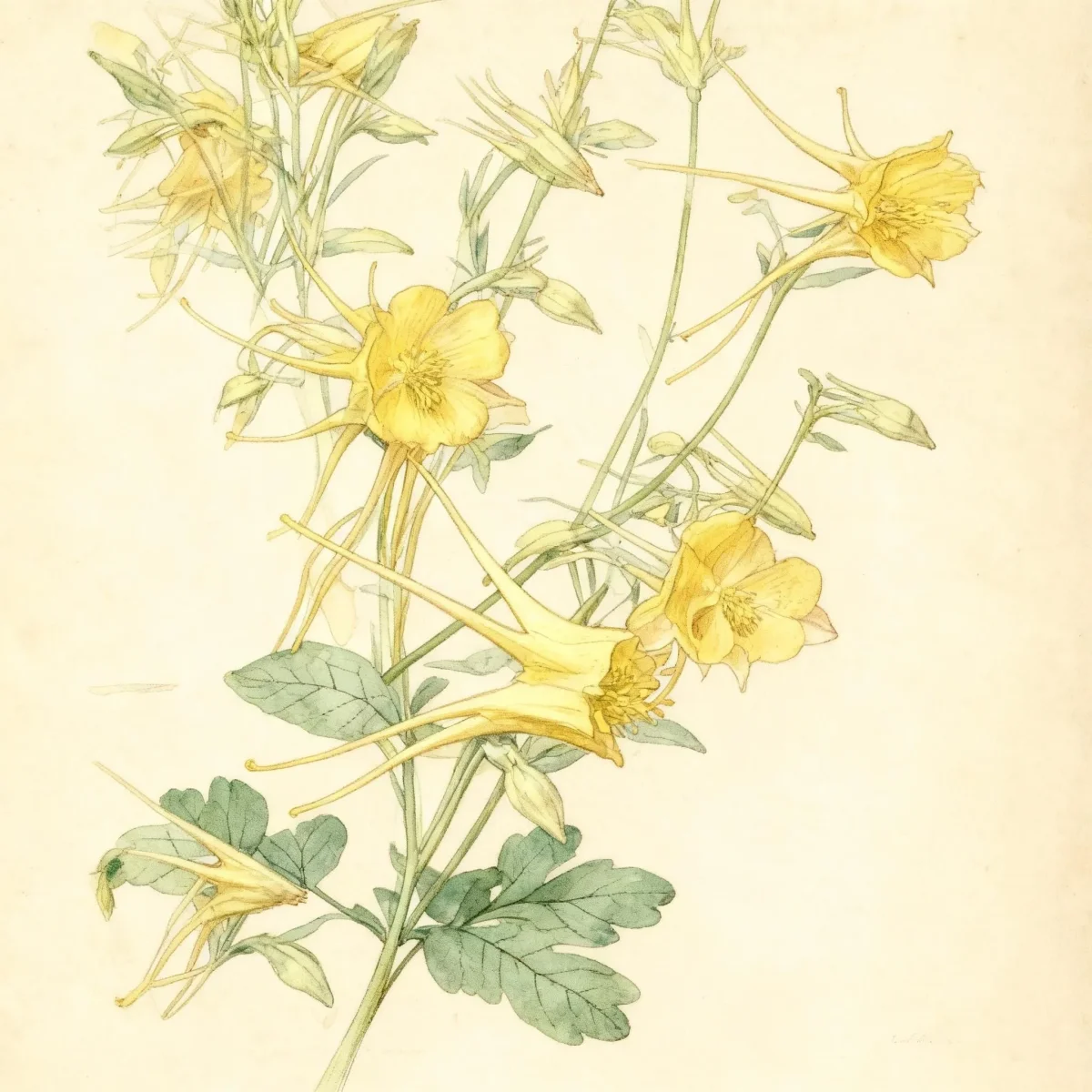
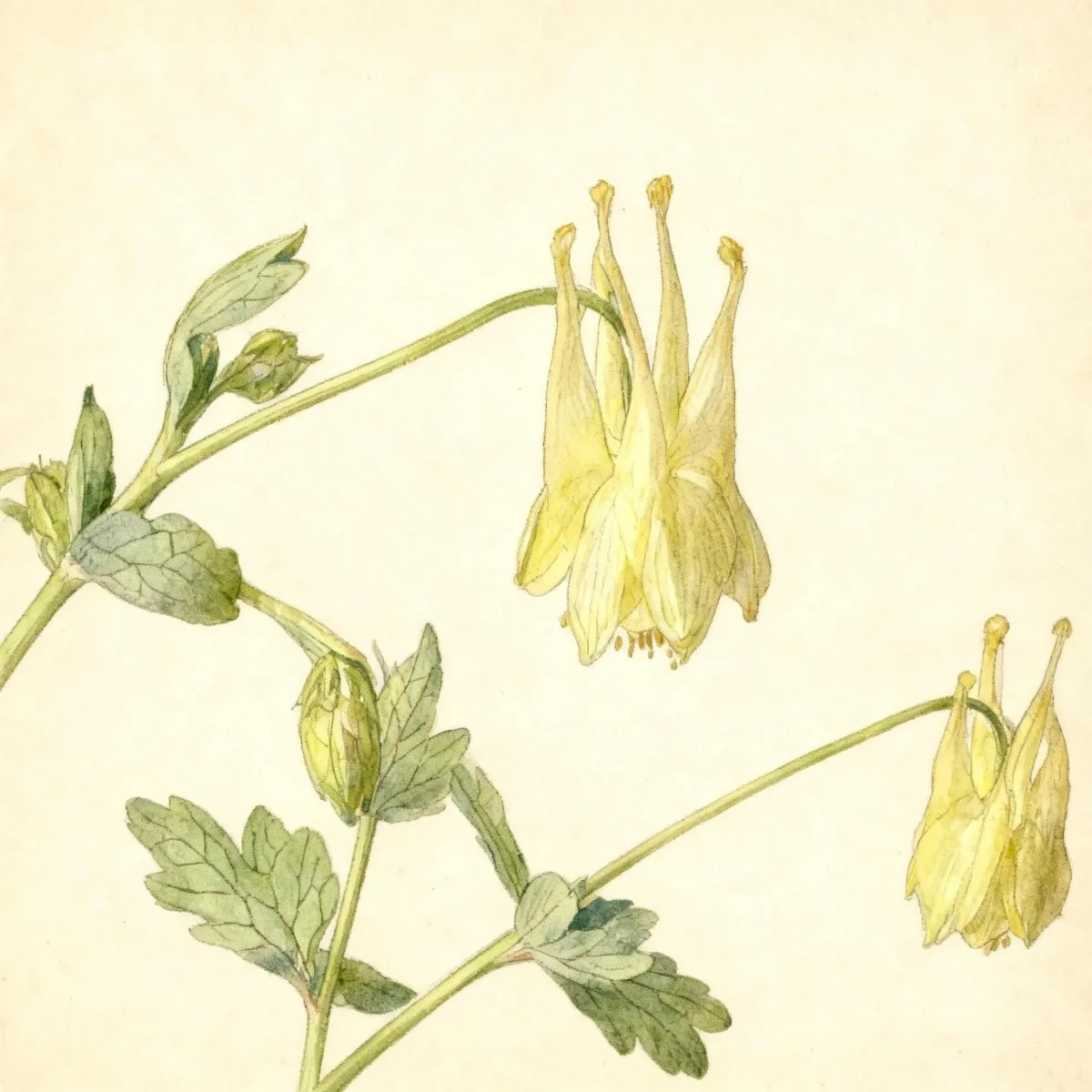
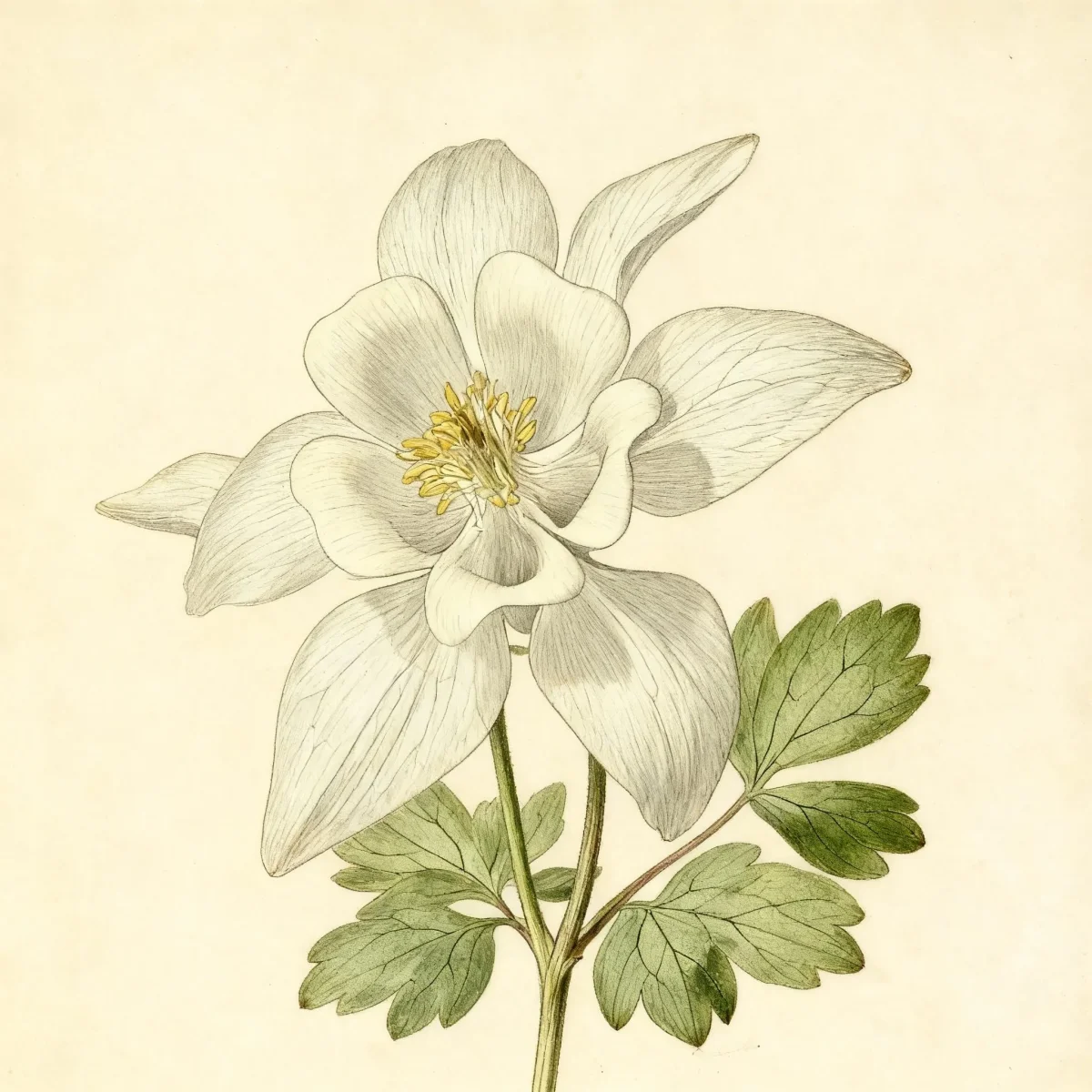
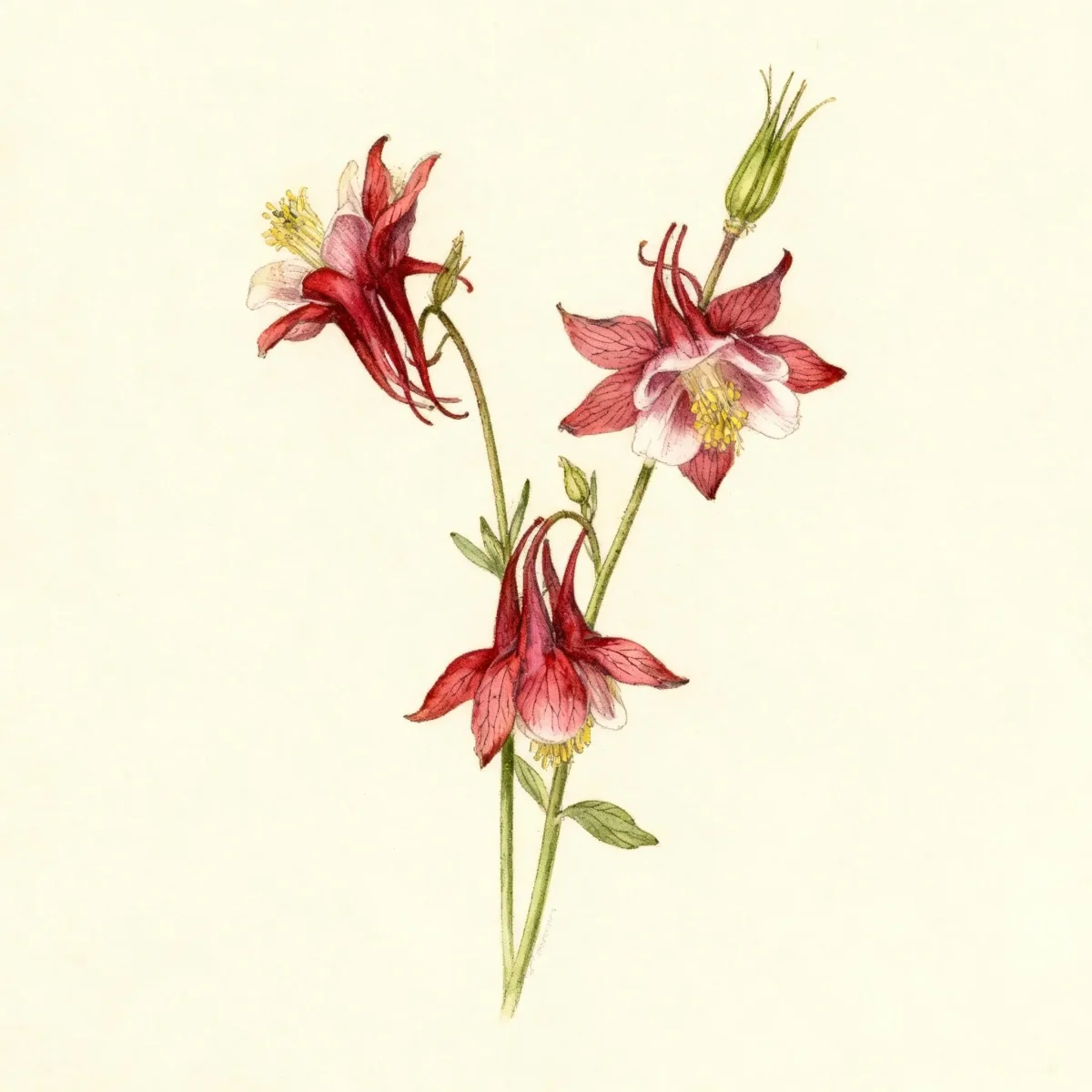
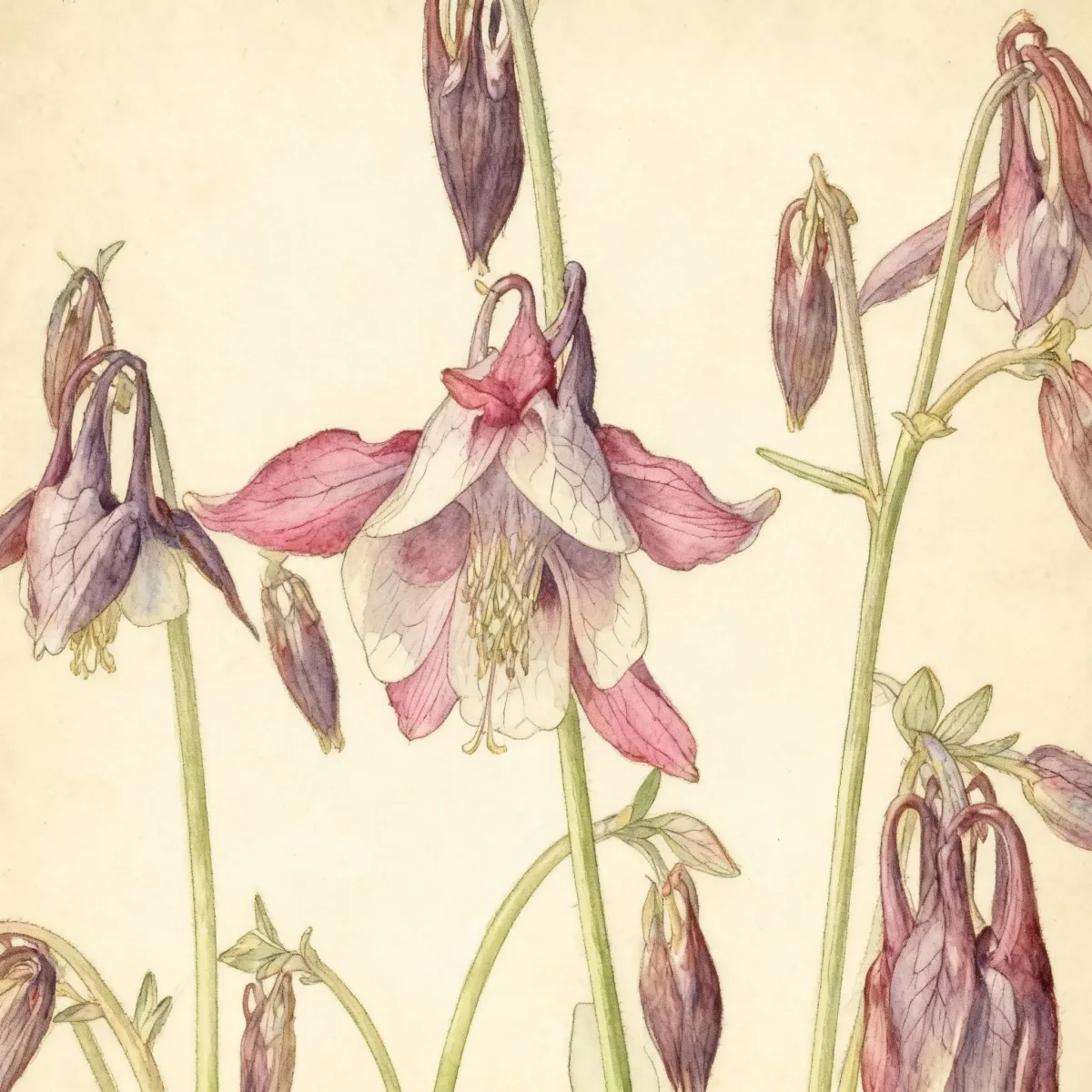
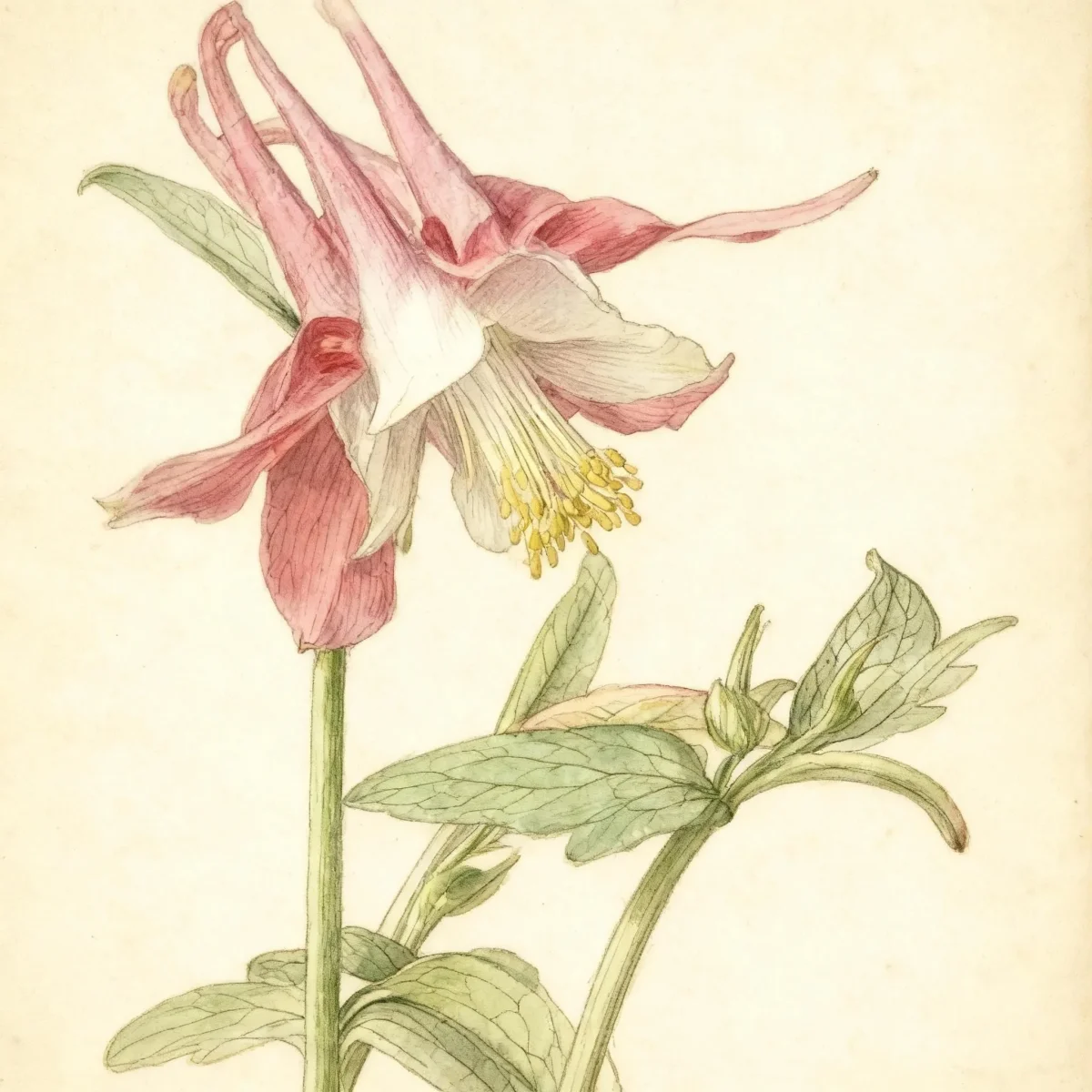
Columbine (Aquilegia (McKana Group))
Stunning Aquilegia (McKana Group) Columbine produces large, vibrant, long-spurred flowers in zones 3-9. Easy to grow perennial.
Scroll down to discover growing tips, care requirements, companion plants, and more
Complete Plant Information
Overview
The striking Aquilegia (McKana Group), commonly known as Columbine, offers exceptional vertical interest in the spring garden. This tall hybrid seed strain is celebrated for its large, long-spurred, nodding flowers that appear in a spectacular array of vibrant, bicolored hues. As a clump-forming herbaceous perennial, it establishes reliably across many varied garden settings.
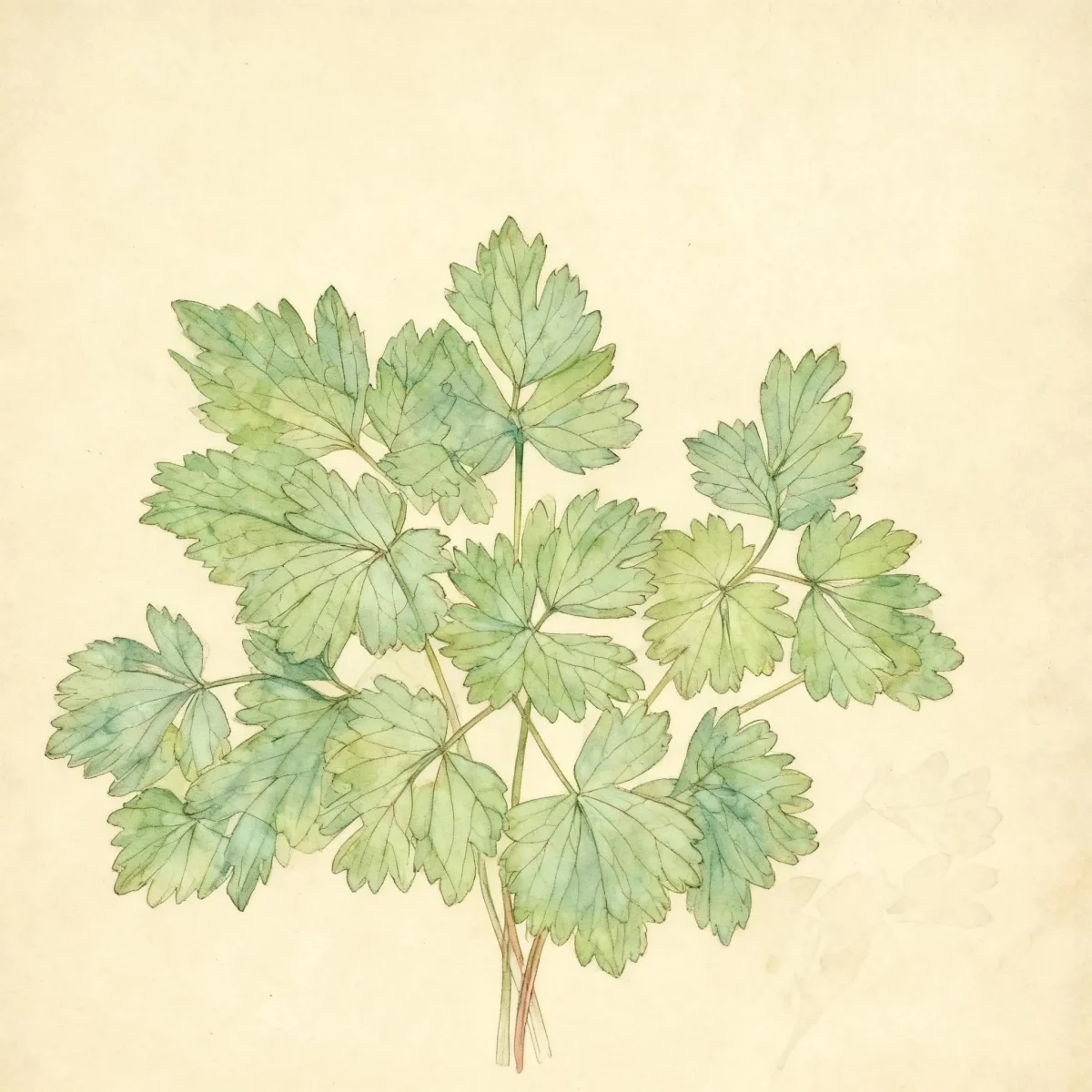
The beauty of the McKana Group Columbine extends beyond its blooms; its foliage is nearly fern-like and gray-green, adding texture even when the plant is not flowering. While these plants thrive in average conditions, they perform best when their need for medium moisture is met, particularly after the initial spring display concludes.
Valued for its adaptability, this variety of Columbine is an essential component for cottage, woodland, and rock gardens alike. Its unique flower structure also makes the Aquilegia (McKana Group) a magnet for hummingbirds, increasing its functional appeal within the landscape composition.
Fast Facts
- Plant Family: Ranunculaceae
- Plant Type: Herbaceous perennial
- Hardiness Zones: USDA Zones 3-9
- Size at Maturity:
- Height: 2-2.5 ft
- Spread: 1-1.5 ft
- Bloom Time: April to May
- Bloom Description: White, red, yellow, blue, pink, purple, maroon, bicolors
- Sun Exposure: Full sun to part shade
- Water Needs: Medium
- Maintenance Level: Medium
How to Grow
Planting Columbine is best accomplished in any season provided the soil conditions are right, though fall or early spring planting allows roots to establish before summer heat. These plants prefer average, evenly moist, well-drained soil. While they tolerate a wide range of soils, achieving the best performance means providing organically rich soil and giving them light to moderate shade, especially in hotter climates.
Care involves maintaining consistent moisture, as the medium water needs indicate. Do not allow soils to dry out completely, especially after the main bloom flush, as this helps preserve the attractive foliage appearance well into the season. Deadheading spent flowering stems immediately after bloom is crucial; this practice encourages a flush of additional, though typically less abundant, bloom later in the season.
As the foliage of the Aquilegia (McKana Group) naturally depreciates by mid-summer, plants may look tired. At this point, you can maintain tidiness by cutting the entire clump down to the ground. This plant can be grown successfully from seed and may even self-seed lightly under ideal conditions, though cross-pollination between different varieties can lead to varied offspring results.
Landscape Uses
The visual impact of the McKana Group Columbine lends itself perfectly to layered plantings in borders, creating drifts of color in cottage gardens. Their height (up to 2.5 feet) makes them excellent middle-ground inclusions, complementing shorter spring ephemerals. They naturalize beautifully, especially in woodland garden settings or areas with open, dappled shade where their form blends seamlessly with ferns and hostas.
For gardeners focusing on wildlife attraction, this Columbine is highly recommended for hummingbird gardens, as the long nectar spurs are irresistible to these flyers. Continue watering established plants even after flowering ceases; this helps maintain the ground cover effect of the attractive foliage, suppressing weeds and preserving garden neatness until fall cleanup.
Standout Features
Flower Qualities
- Showy
- Good Cut
Noteworthy Characteristics
Aquilegia is a genus named for the Latin word for eagle, referencing the flower’s five distinctive spurs that resemble an eagle’s talon. The McKana Group specifically represents a tall hybrid strain known for large, long-spurred, nodding flowers showcased in bright, bi-colored combinations like blue/white and red/yellow. This clump-forming perennial features attractive, almost fern-like, gray-green foliage suggestive of meadow rue.
Tolerances
- Rabbit
- Deer
Potential Problems
The most common issue related to the Aquilegia (McKana Group) is its susceptibility to leaf miner, which leaves unsightly tunneling trails through the foliage. Aphids can occasionally be a minor nuisance requiring attention. Gardeners should also monitor for fungal issues such as leaf spot, powdery mildew, and rust, which often appear when humidity is high or air circulation is poor. Promptly remove affected foliage and cut the plant back when it declines in mid-summer to stimulate fresh, clean growth and reduce overwintering fungal spores.
Frequently Asked Questions
What hardiness zones is Columbine suitable for?
Aquilegia (McKana Group) establishes well across a wide range, thriving in USDA Zones 3 through 9. Ensure protection if you are at the warmer edge of zone 9.
How large does Columbine grow?
Mature plants typically reach a height between 2 and 2.5 feet, with a relatively narrow spread of 1 to 1.5 feet, giving them an excellent vertical presence without taking up excessive horizontal space.
What sun exposure does Columbine need?
This perennial performs best with moderate light, requiring full sun to part shade. Avoid intense, blistering afternoon sun without ample moisture to prevent foliage burnout.
When does Aquilegia (McKana Group) bloom?
Bloom time occurs relatively early in the season, primarily from April through May, presenting a gorgeous array of colors including white, red, yellow, blue, and numerous bicolors.
Conclusion
The Aquilegia (McKana Group) delivers exceptional value through its early season color palette and elegant, airy foliage texture. Successful cultivation of this Columbine hinges on providing consistent moisture and well-drained soil protection. Evaluate your garden’s zone compatibility and plan to incorporate this stunning perennial where it can receive morning sun and perhaps afternoon relief.
Companion Planting
Due to its relatively shallow root system and its desire for moist, rich soil, Columbine pairs wonderfully with plants that share similar cultural needs but have different growth habits. Consider pairing the tall, spiky blooms of the Aquilegia (McKana Group) with the broader leaves of Hostas or Hellebores for textural contrast, especially in shadier locations. In sunnier perennial borders, early-setting plants like Iris or medium-height Alliums provide a beautiful transition before and after the Columbine’s primary flush of color.
Wildlife Benefits
The unique spur structure of the McKana Group Columbine flowers is specifically adapted to attract long-tongued pollinators. This plant is highly regarded as a superb addition to any hummingbird garden, offering a vital nectar source early in the season when many other resources are scarce. Plant masses of this Aquilegia in visible spots to maximize the chances of attracting these quick-moving visitors throughout the spring.