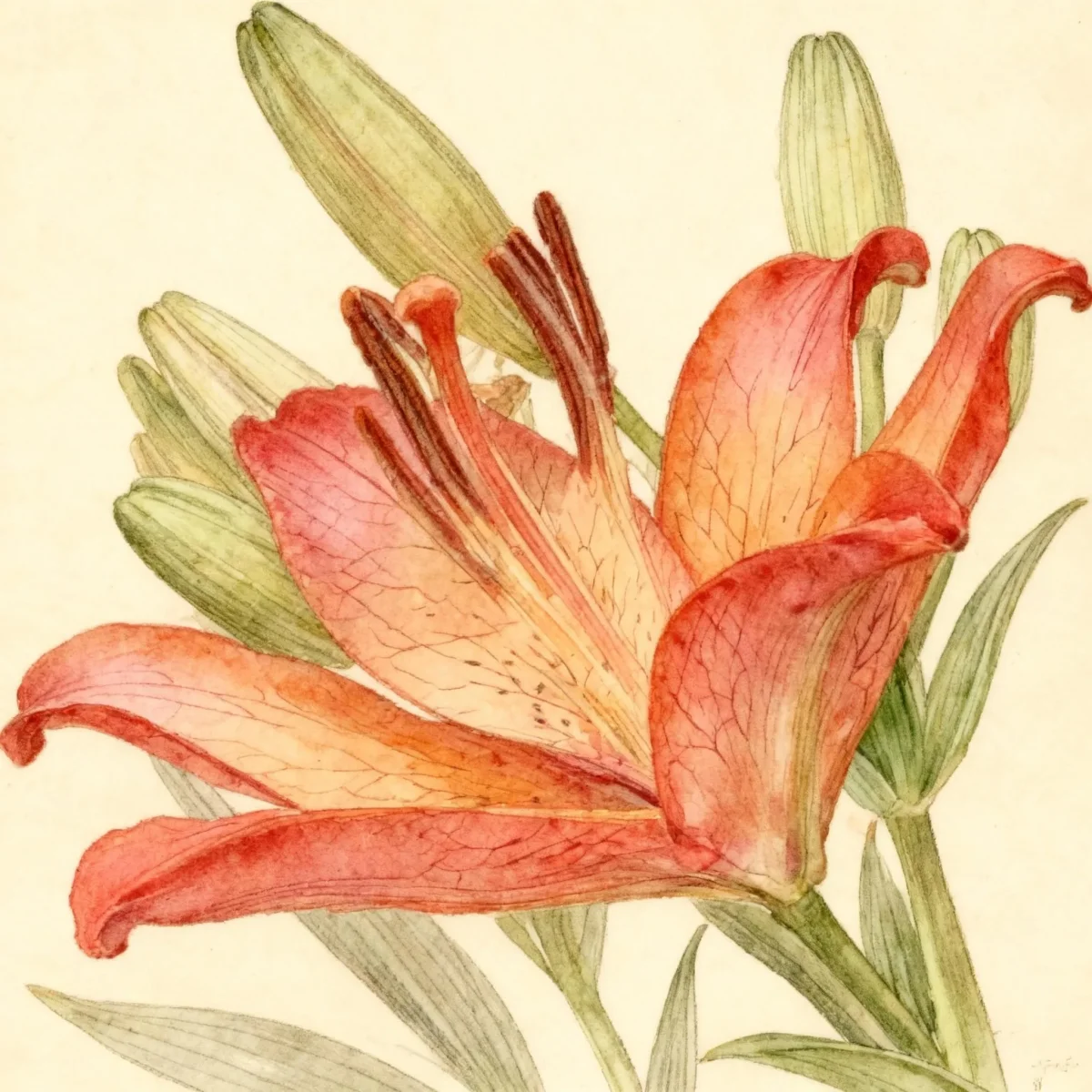
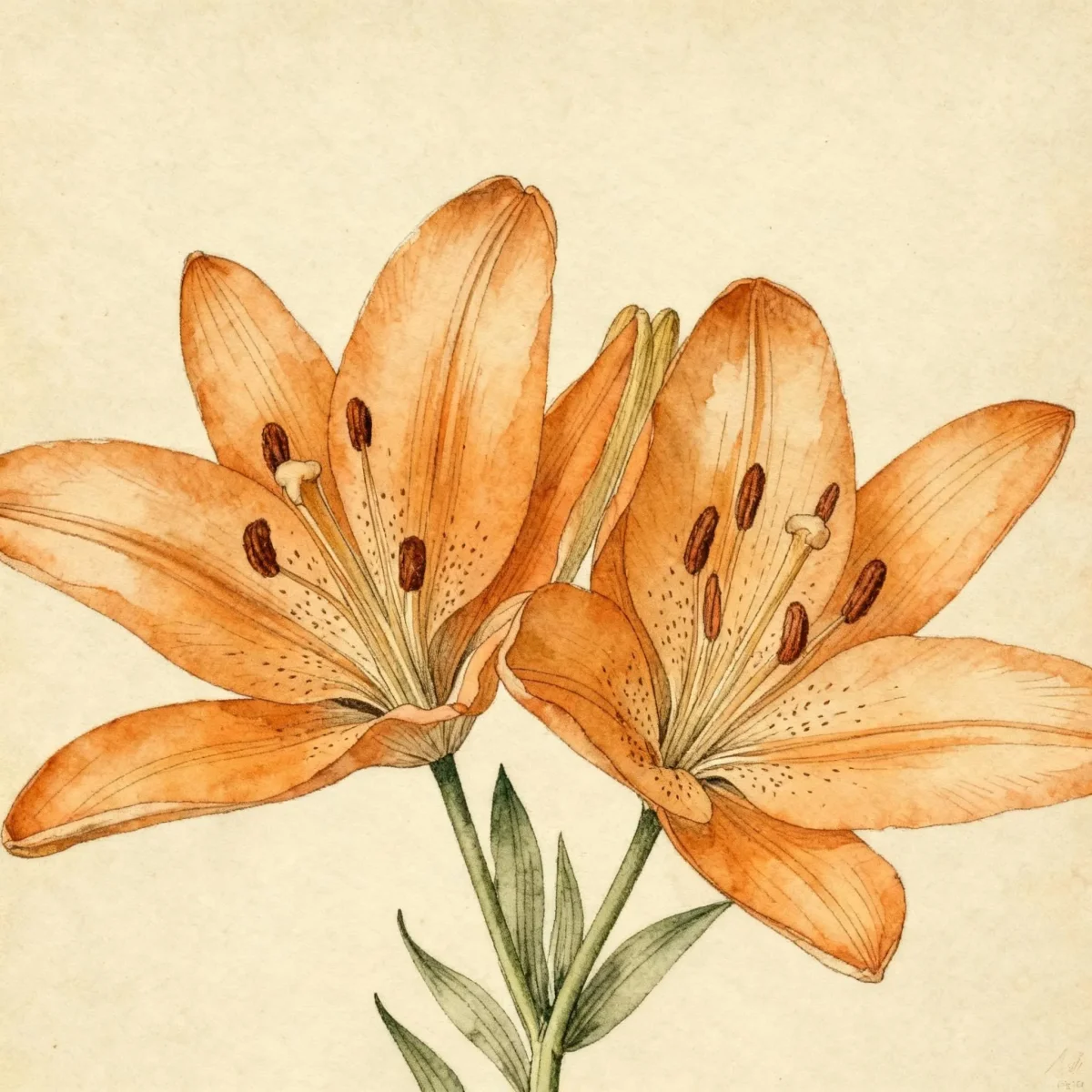
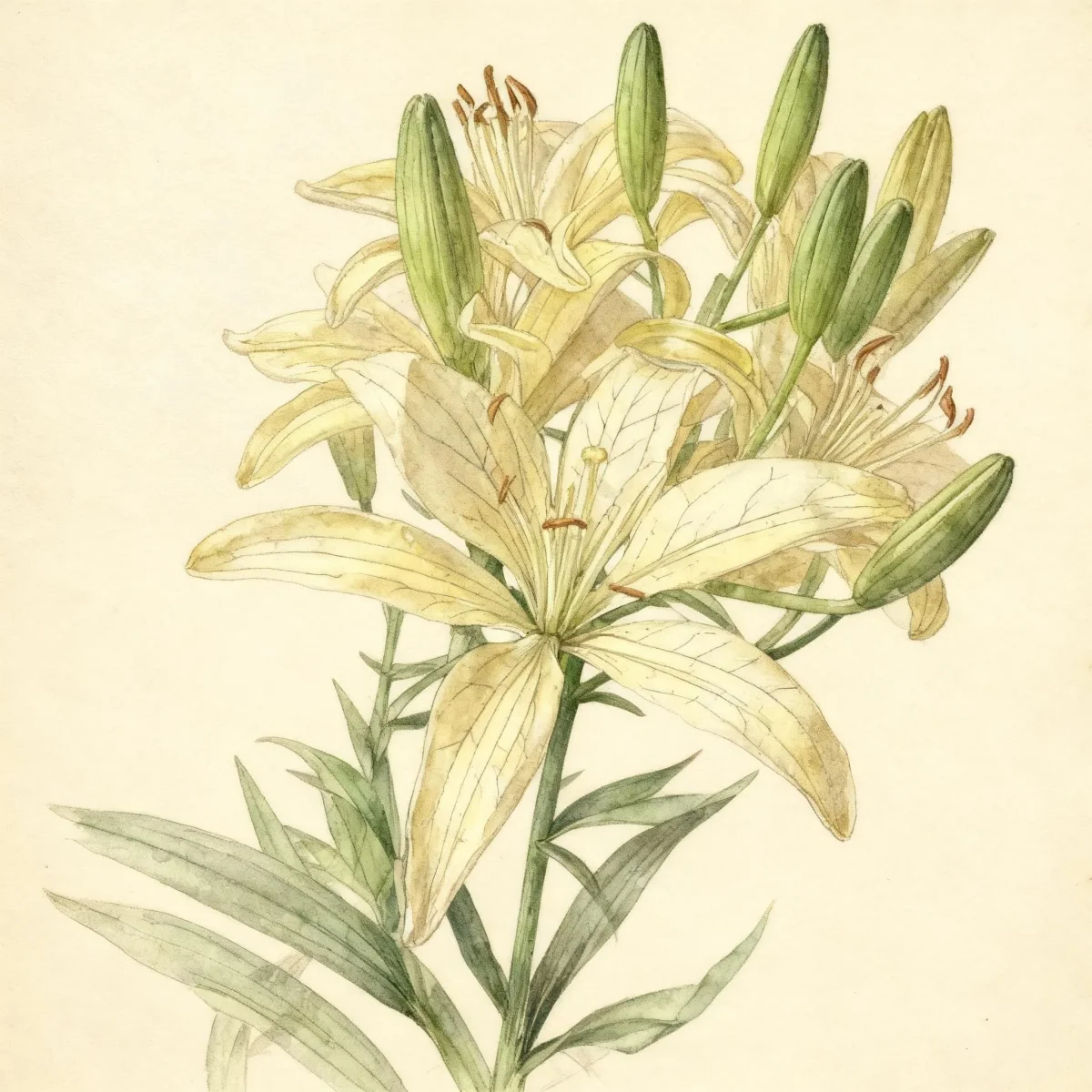
Longiflorum-Asiatic lily (Lilium 'Algarve')
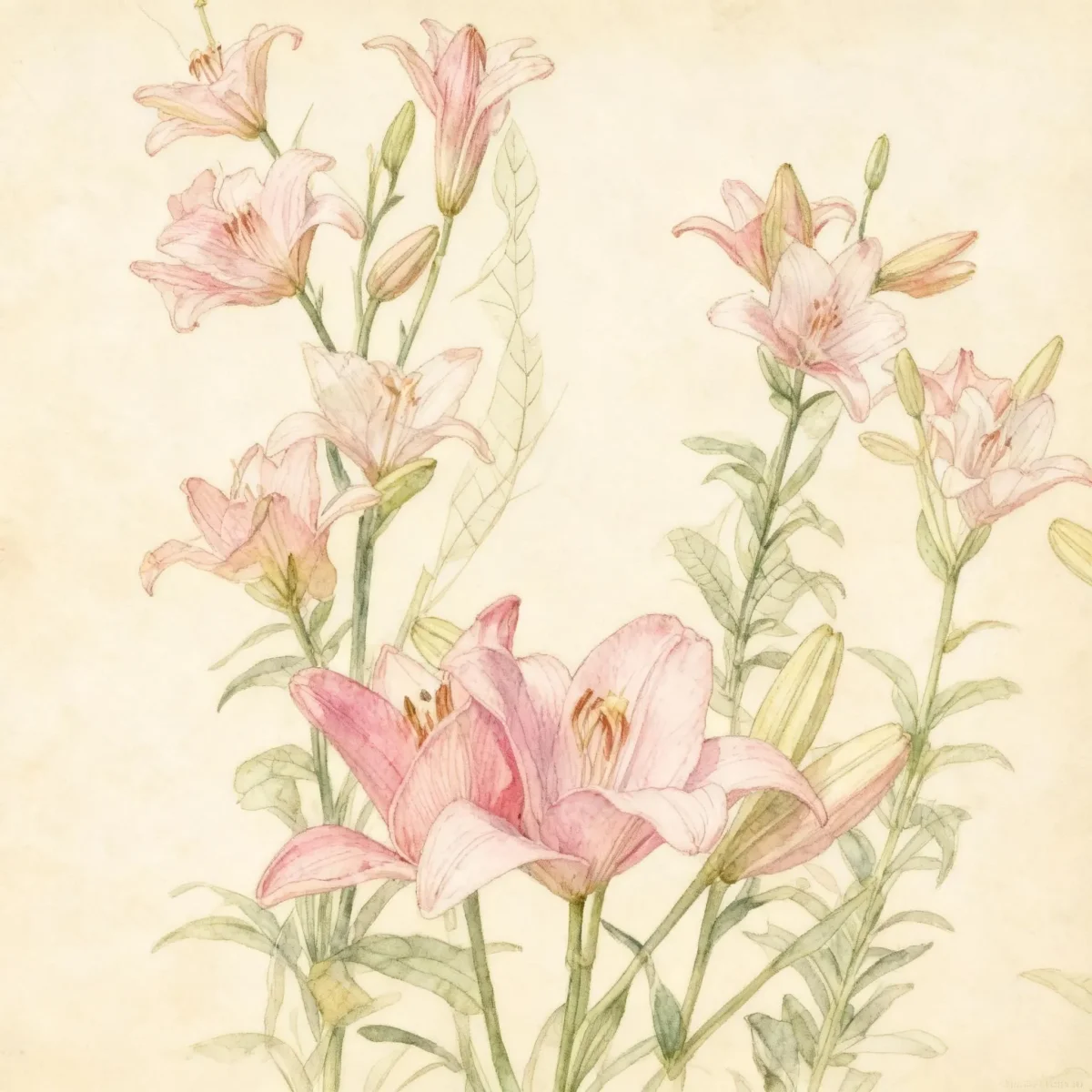
Lilium 'Algarve' is a showy, fragrant Longiflorum-Asiatic lily producing medium pink blooms. Low maintenance and hardy for Zones 4-8.
Scroll down to discover growing tips, care requirements, companion plants, and more
Complete Plant Information
Overview
The Longiflorum-Asiatic lily, specifically the cultivar Lilium ‘Algarve’, offers gardeners a striking addition to the summer perennial border. This Division VIII LA hybrid is valued for its medium pink flowers, which are both showy and mildly fragrant, providing excellent color contrast during the early summer months. Cultivating this bulb ensures high visual impact with relatively low ongoing effort.
Lilium ‘Algarve’ is a robust, herbaceous perennial rising between 3 to 4 feet tall on stiff, unbranched stems. Like other lilies, its structure is classic, featuring 6-tepaled flowers characteristic of the genus. It thrives in average, well-drained soils and exhibits good garden endurance within USDA Hardiness Zones 4 through 8.
Gardeners seeking reliable vertical interest and summer fragrance should consider incorporating Lilium ‘Algarve’. Its low maintenance requirement contrasts with its high aesthetic value, making it a practical choice for perennial borders, groupings, or even container displays where it produces excellent, fresh cut flowers.
Fast Facts
- Plant Family: Liliaceae
- Plant Type: Bulb
- Hardiness Zones: USDA Zones 4-8
- Size at Maturity:
- Height: 3-4 ft
- Spread: 2-3 ft
- Bloom Time: June to July
- Bloom Description: Pink
- Sun Exposure: Full sun to part shade
- Water Needs: Medium
- Maintenance Level: Low
How to Grow
Planting Lilium ‘Algarve’ bulbs is best achieved in the fall, though some nurseries ship potted plants in spring or early summer. Ensure the location provides full sun exposure or light afternoon shade, as rich, organic, well-drained soil is preferred. A key cultural tip for happy lilies is to allow the upper plant to receive sun while keeping the root zone cool—mulch thickly to achieve this.
When planting bulbs, situate them 4 to 6 inches deep, spacing groups about 12 inches apart for a substantial display. Lilies require consistently medium moisture throughout the year; bulbs must not be allowed to dry out, but excessively wet conditions must be avoided to prevent bulb rot. Taller stems may require staking if situated in deep shade or areas exposed to high winds.
Routine care for this Longiflorum-Asiatic lily is straightforward. Deadhead faded flowers promptly to prevent seed development. After the season concludes, prune the stems back only once the foliage and stems have turned completely yellow, allowing energy reserves to transfer back into the bulb for next year’s blooms.
Landscape Uses
Lilium ‘Algarve’ excels as a mid to back-of-border specimen, offering showy pink color reliably from June into July. Plant these bulbs in drifts or groups of three rather than singular specimens to maximize the visual contrast they provide against surrounding foliage. Their height (3-4 ft) makes them ideal for positioning in front of shrubs or providing vertical accents among lower-growing perennials.
Beyond borders, the excellent stem structure of this LA hybrid makes it a superb candidate for cutting gardens. The flowers keep well as fresh cut flowers, bringing that mild fragrance indoors. Furthermore, Lilium ‘Algarve’ adapts surprisingly well to container gardening, though blooms may be slightly smaller when grown in pots.
Consider pairing this pink lily with plants that appreciate similar soil conditions and have contrasting foliage texture, such as silver-leaved artemisias or deep purple foliage plants. Ensuring the root zone remains cool, perhaps by using low-growing companions around the perimeter, will enhance the health and vigor of your Lilium ‘Algarve’.
Standout Features
Flower Qualities
- Showy
- Fragrant
Noteworthy Characteristics
Lilium ‘Algarve’ is classified as a Division VIII LA hybrid lily, resulting from a cross between L. Longiflorum and Asiatic parents. These lilies produce 4-6 inch wide flowers in a medium pink hue, blooming on rigid 3-4 foot stems in early summer. Lilies, in general, feature flowers in numerous shapes (trumpet, cup, funnel) and avoid blue coloring, originating across Europe, Asia, and North America.
Tolerances
- Lily leaf beetles can be problematic in certain areas. Potential diseases include lily mosaic virus (prompt control of aphids which vector the disease is highly recommended, since there is no cure once infection occurs), bulb rot (particularly in wet, poorly drained soils), and botrytis. Plants may need staking if grown in too much shade (stems weaken) or in locations exposed to strong winds
Potential Problems
Pest management is crucial, especially concerning the lily leaf beetle, which can cause significant defoliation if left unchecked in infested areas. Prompt identification and removal of these pests are essential cultural tasks for maintaining healthy foliage on your Longiflorum-Asiatic lily.
Disease potential includes bulb rot, which is often a sign of poor drainage or over-watering, and lily mosaic virus. Since the virus has no cure, actively manage aphid populations, as they spread this vascular disease between plants. Good air circulation combined with appropriate watering minimizes the risk of fungal issues like botrytis.
Frequently Asked Questions
What hardiness zones is Longiflorum-Asiatic lily suitable for?
Lilium ‘Algarve’ is reliably hardy in USDA Zones 4 through 8.
How large does Lilium ‘Algarve’ grow?
This cultivar typically reaches a height between 3 and 4 feet, with a spread of 2 to 3 feet.
What sun exposure does Lilium ‘Algarve’ need?
This plant performs best in full sun to part shade conditions, thriving when the roots are kept cool via mulch or lower plantings.
When does Lilium ‘Algarve’ bloom?
The beautiful medium pink blooms appear from June to July.
Conclusion
The Lilium ‘Algarve’ offers exceptional summer performance combining striking color, pleasant fragrance, and reliable, low-maintenance growth. As a superior Longiflorum-Asiatic lily hybrid, it adds valuable vertical interest to mixed borders. Before planting, ensure your site offers well-drained soil and confirm that your location falls within USDA Zones 4-8 compatibility.
Companion Planting Strategies
Choosing appropriate neighbors can significantly help maintain the preferred cool root run for your Lilium ‘Algarve’. Companion plants should be shorter or possess medium soil requirements to avoid competing heavily with the lily’s primary needs. Good choices include low-growing annuals, spreading herbs like thyme, or dense groundcovers that shade the soil surface without crowding the lilies’ lower stems early in the season.
When selecting companions, think about foliage contrast; plants with fine, airy textures or deep purple/silver leaves make the broad, upright green foliage and bright pink flowers of the Longiflorum-Asiatic lily stand out dramatically. Avoid heavy feeders that might exhaust the soil nutrients required by the developing bulbs over several seasons.
Seasonal Care Calendar
Spring preparation for Lilium ‘Algarve’ involves clearing away winter debris and applying a fresh layer of mulch to keep the soil cool and moist as new shoots emerge. Once the plant begins active growth, monitor moisture levels closely, ensuring consistent watering but preventing soggy conditions that lead to bulb rot.
During the summer bloom time, promptly deadhead faded flowers to maintain garden tidiness and prevent seed set, which drains energy unnecessarily. Observe the foliage closely for the first signs of pests like the lily beetle. After the summer season passes, patience is key: resist cutting back the stems until they have completely yellowed, which signifies the end of nutrient storage for the following year.