River birch (Betula nigra 'Little King' FOX VALLEY)
Betula nigra 'Little King' FOX VALLEY is a compact River birch perfect for wet areas, offering low maintenance and exfoliation in zones 4-9.
Scroll down to discover growing tips, care requirements, companion plants, and more
Complete Plant Information
Overview
The Betula nigra ‘Little King’ FOX VALLEY cultivar offers all the desirable characteristics of the native River birch in a manageable, compact form perfect for smaller landscapes. As a dense, multi-stemmed specimen, this cultivar provides year-round interest, primarily through its striking exfoliating bark that reveals lighter tones beneath the surface. It is highly valued for its adaptability, making it a superb choice where other birches fail due to heat or heavy soil.
This River birch is renowned for its cultural flexibility, thriving even where drainage is poor, which sets it apart from many other Betula species. It requires relatively low maintenance once established, fitting seamlessly into resource-conscious garden designs. The Betula nigra ‘Little King’ FOX VALLEY is a robust selection ideal for specimen planting or grouping near water features.
Gardeners particularly appreciate its resistance to common birch pests, especially when planted in the warmer pockets of USDA Zones 5-9 where heat stress often weakens other varieties. Its dense habit and tolerance for wet soil make the River birch an excellent structural anchor in a rain garden setting.
Fast Facts
- Plant Family: Betulaceae
- Plant Type: Deciduous shrub
- Hardiness Zones: USDA Zones 4-9
- Size at Maturity:
- Height: 8-10 ft
- Spread: 9-12 ft
- Bloom Time: April to May
- Bloom Description: Brown (male) and green (female)
- Sun Exposure: Full sun to part shade
- Water Needs: Medium to wet
- Maintenance Level: Low
How to Grow
Planting the Betula nigra ‘Little King’ FOX VALLEY is best done in spring or fall when conditions are cooler, allowing the root system to establish before facing summer heat. Ensure it receives full sun to part shade for the best bark color and foliage density. This River birch adapts well to heavy clay soils and tolerates poor drainage, making it an excellent candidate for moist sites.
During establishment, aim for medium to wet soil conditions, keeping the root zones cool and moist using soaker hoses or a generous layer of bark mulch. While extremely adaptable, consistent moisture benefits this cultivar significantly. Avoid pruning during the spring when the sap is actively running, as this can lead to excessive sap flow.
This variety exhibits exceptional heat tolerance compared to northern birches, making it a reliable choice for gardeners in warmer climates (Zones 5-9). Its low maintenance requirement means fertilizing is usually unnecessary unless soils are extremely poor or chlorosis develops in high-pH conditions.
Landscape Uses
The compact stature of Betula nigra ‘Little King’ FOX VALLEY opens up structural planting opportunities usually unavailable to standard-sized birches. Its primary recommendation is for Rain Garden installations, where it naturally manages runoff and thrives in saturated soil conditions along ponds or streams. It serves wonderfully as a specimen plant, showcasing its multi-stemmed form and exfoliating bark, or in small groupings to create a dense visual screen in parks or commercial settings.
Because it is so effective in wet areas, consider pairing this River birch with other moisture-loving, shade-tolerant plants like certain ferns, hostas, or moisture-loving evergreens for year-round texture. Its adaptable nature means it can also serve as a dependable substitute for paper birch in hot, humid regions across USDA Zones 5-9.
Standout Features
Flower Qualities
- Insignificant
Noteworthy Characteristics
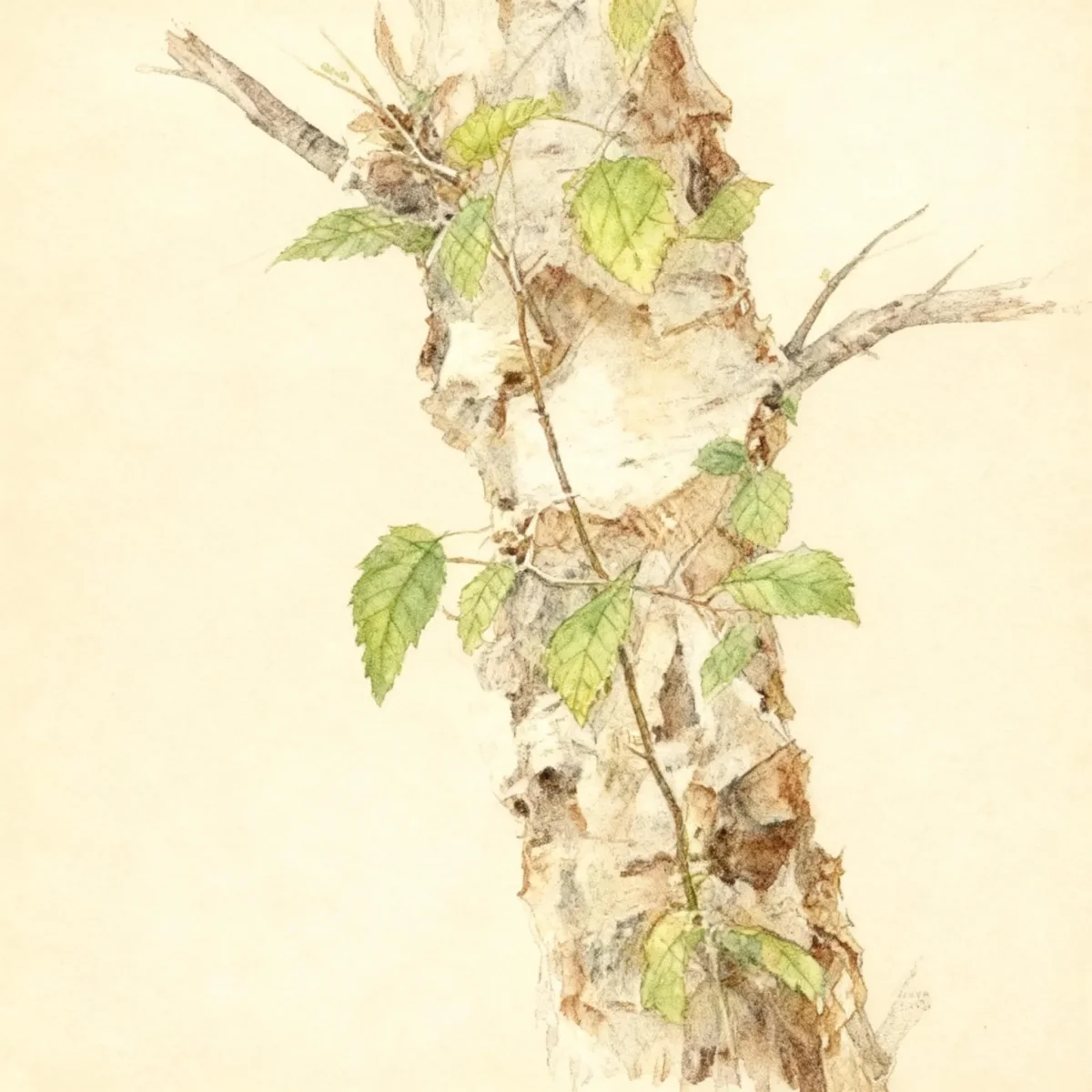
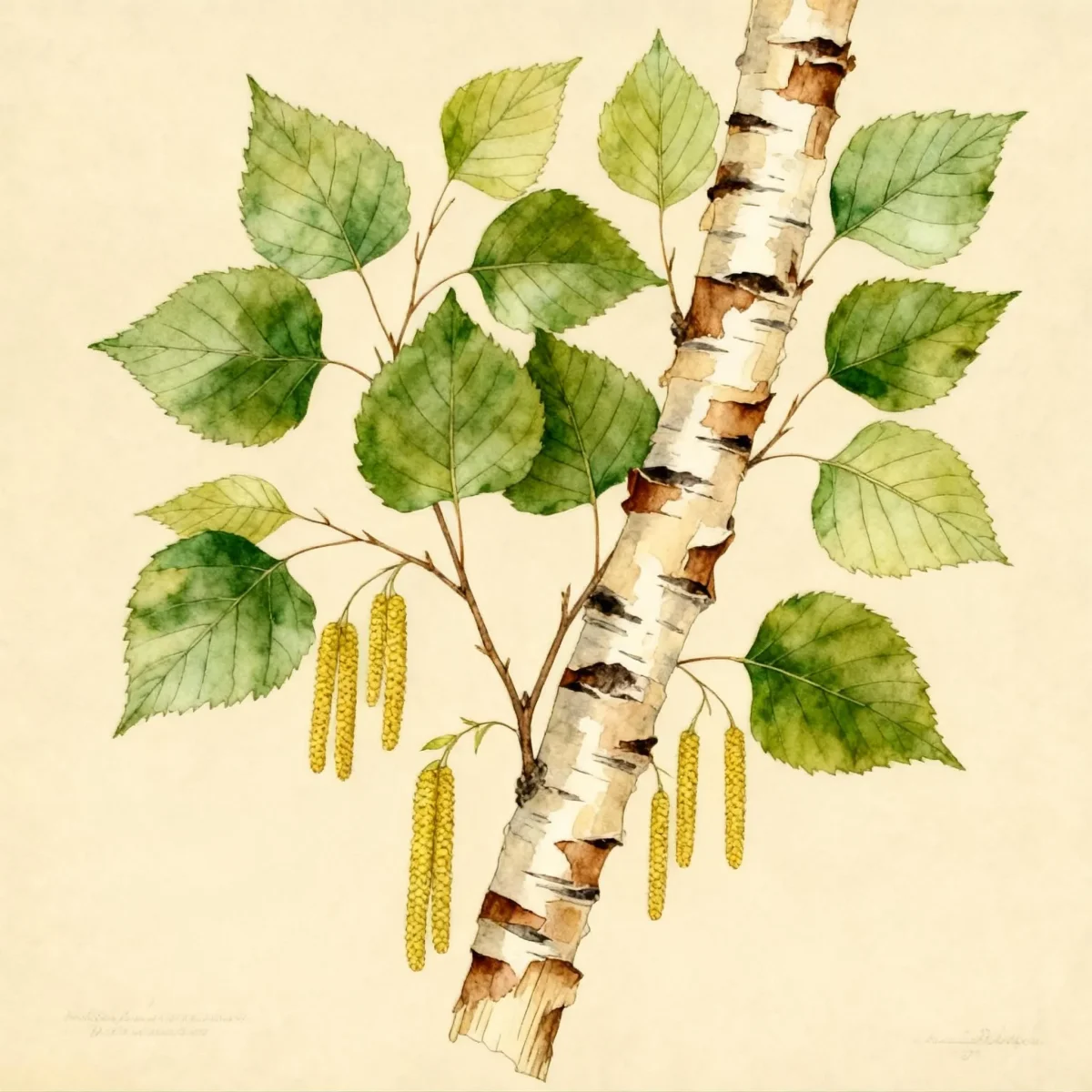
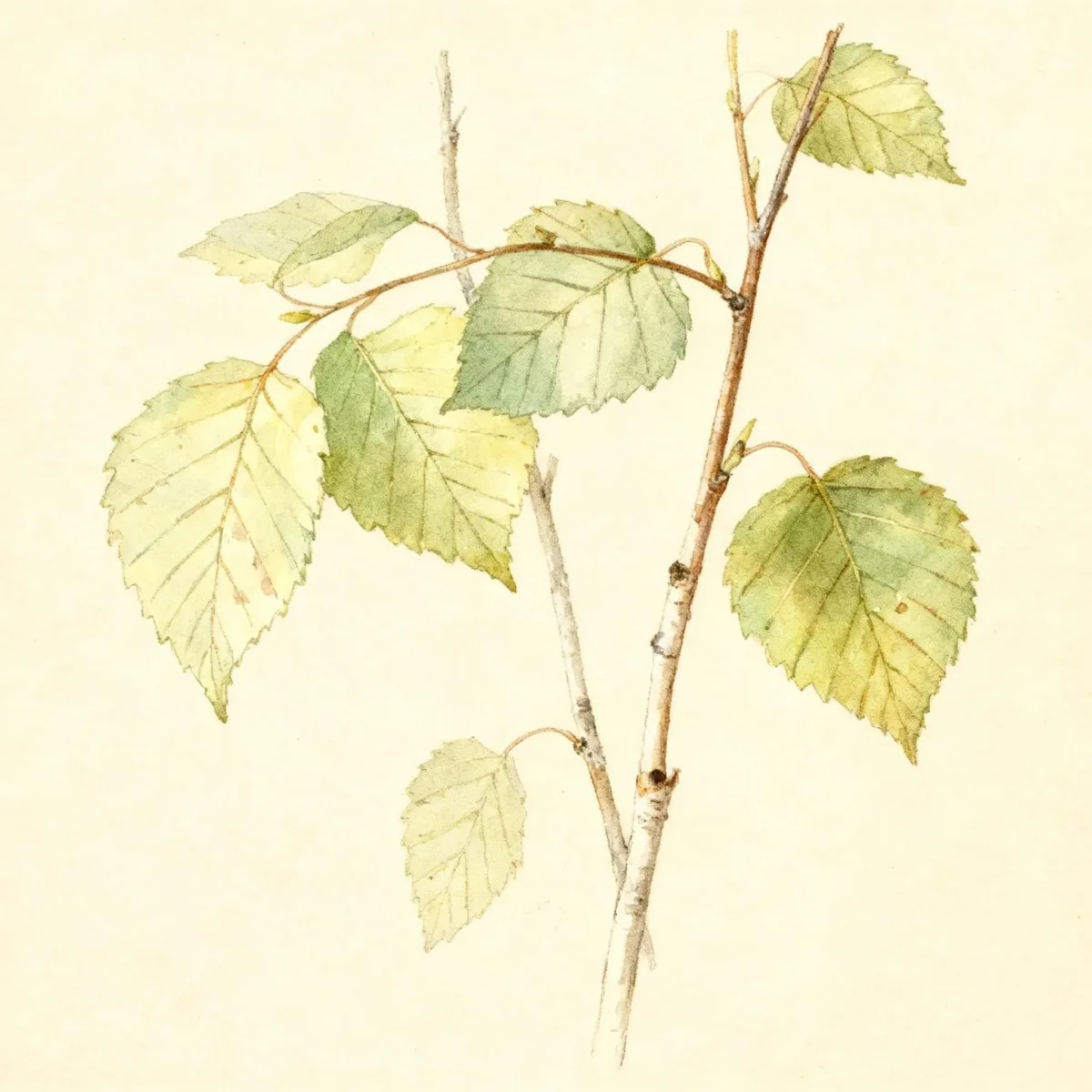
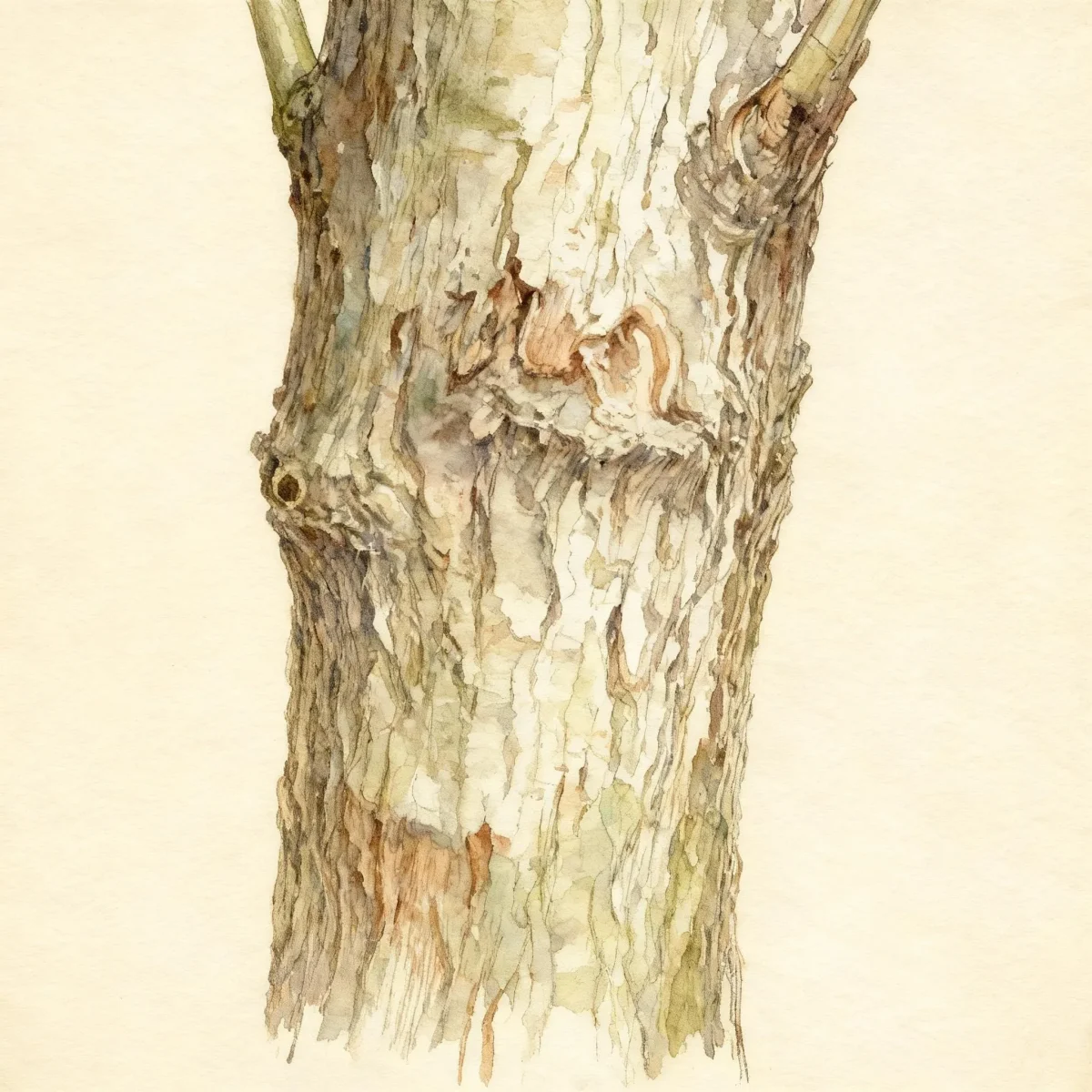
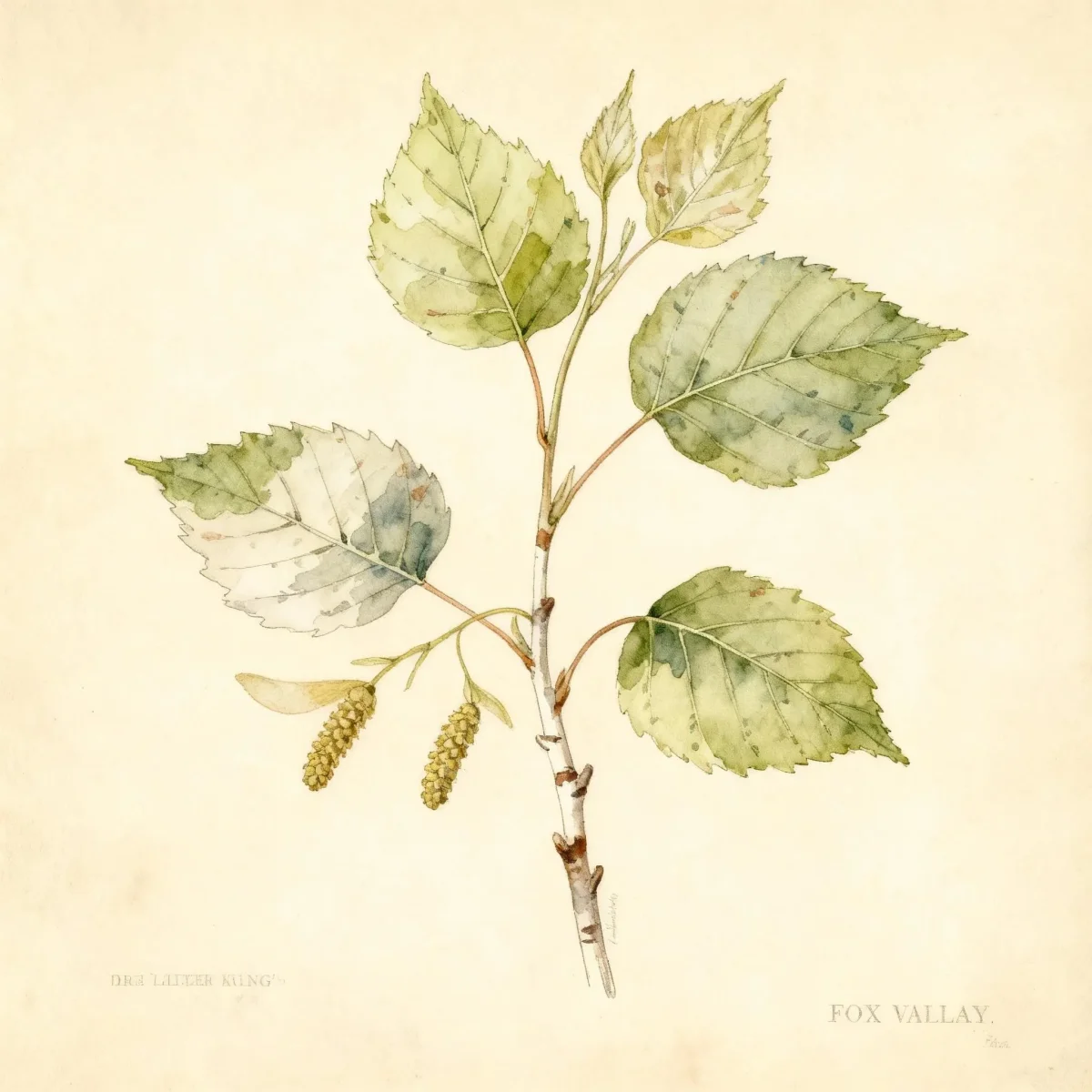
The Betula nigra, or River birch, is noted for its vigorously fast growth, and the ‘Little King’ cultivar, sold commercially as FOX VALLEY, remains dense while typically only reaching 10 feet tall with a 12-foot spread. This multi-stemmed cultivar develops an irregular crown and features attractive orangish to brownish bark that exfoliates early to reveal a lighter interior. Its dark green, leathery, diamond-shaped leaves turn a respectable yellow in the fall, adding seasonal color interest.
Tolerances
- Deer
- Clay Soil
- Wet Soil
- Air Pollution
Potential Problems
The River birch is notably one of the most disease-free birches available, especially crucial given the challenges northern birches face in hot climates. While some birches succumb to the bronze birch borer when stressed by summer heat and humidity, the Betula nigra ‘Little King’ FOX VALLEY is naturally adapted to these conditions and shows extreme resistance to this pest.
Minor issues may infrequently arise, such as susceptibility to aphids or leaf miner. Also, if planted in soils with a very high pH, iron chlorosis (yellowing of leaves due to nutrient lockout) can occur, though this is usually minor. Prevention focuses largely on ensuring the plant is never severely water-stressed, although its tolerance for wet soil helps mitigate heat stress vulnerability.
Frequently Asked Questions
What hardiness zones is River birch suitable for?
The Betula nigra ‘Little King’ FOX VALLEY is hardy and reliably grown in USDA Zones 4 through 9.
How large does Betula nigra ‘Little King’ FOX VALLEY grow?
This specific cultivar maintains a compact size, typically reaching a mature height between 8 to 10 feet tall, with a spread ranging from 9 to 12 feet wide.
What sun exposure does River birch need?
For optimal performance and bark display, plant the River birch where it receives full sun to part shade exposure.
When does Betula nigra ‘Little King’ FOX VALLEY bloom?
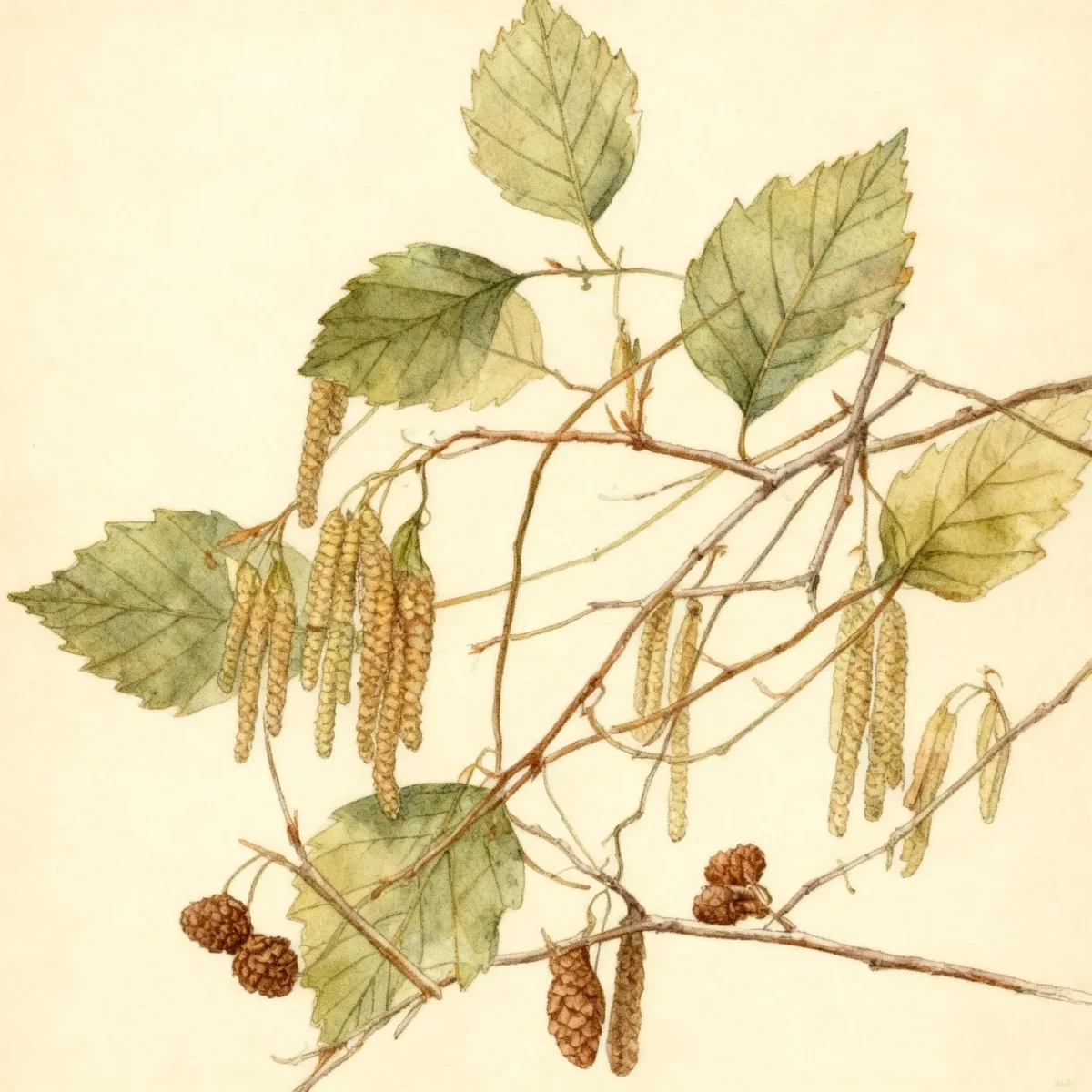
Flowering generally occurs between April and May, producing inconspicuous brown male catkins and smaller, upright green female catkins.
Conclusion
The Betula nigra ‘Little King’ FOX VALLEY is an outstanding low-maintenance shrub for moisture-prone areas, providing year-round textural appeal with its peeling bark. Its strong resistance to heat and pests makes this River birch an extremely reliable landscape asset, particularly where space constraints prevent using larger deciduous trees. Plan your planting during cool seasons to ensure strong establishment of this highly adaptable cultivar.
Companion Planting
Choosing suitable companions enhances the aesthetic and ecological function of your planting area, especially if utilizing the Betula nigra ‘Little King’ FOX VALLEY in a rain garden setting. Look for plants that share its preference for consistently moist to wet conditions. Good companions include various moisture-loving native grasses and sedges, such as switchgrass (Panicum virgatum) or various Carex species, which provide fine texture contrast to the birch’s developing bark.
For areas that receive part shade, consider adding structure with moisture-tolerant perennials like Swamp Milkweed (Asclepias incarnata) or Blue Cardinal Flower (Lobelia siphilitica). These selections thrive in similar moist, potentially heavy clay soils, creating a lush, resilient, and naturally beautiful grouping around your River birch.
Seasonal Care Calendar
Spring is the most critical time for observing your Betula nigra ‘Little King’ FOX VALLEY. Check for new leaf-out and apply a slow-release, balanced fertilizer only if necessary due to observed nutrient deficiencies, like yellowing leaves in high pH soil. Summer care centers on consistent moisture; utilize bark mulch thickly around the root zone to maintain cool soil temperatures, especially during heat waves.
Watering should be targeted at the root zone, using soaker hoses when possible, particularly during dry spells, even though this River birch tolerates dryness better than many other species. Fall is the best time for any structural pruning if needed, ensuring you finish before the coldest winter period begins. Winter protection is minimal due to its excellent hardiness in Zones 4-9, but ensure the root area is well-mulched to prevent freeze-thaw cycles.