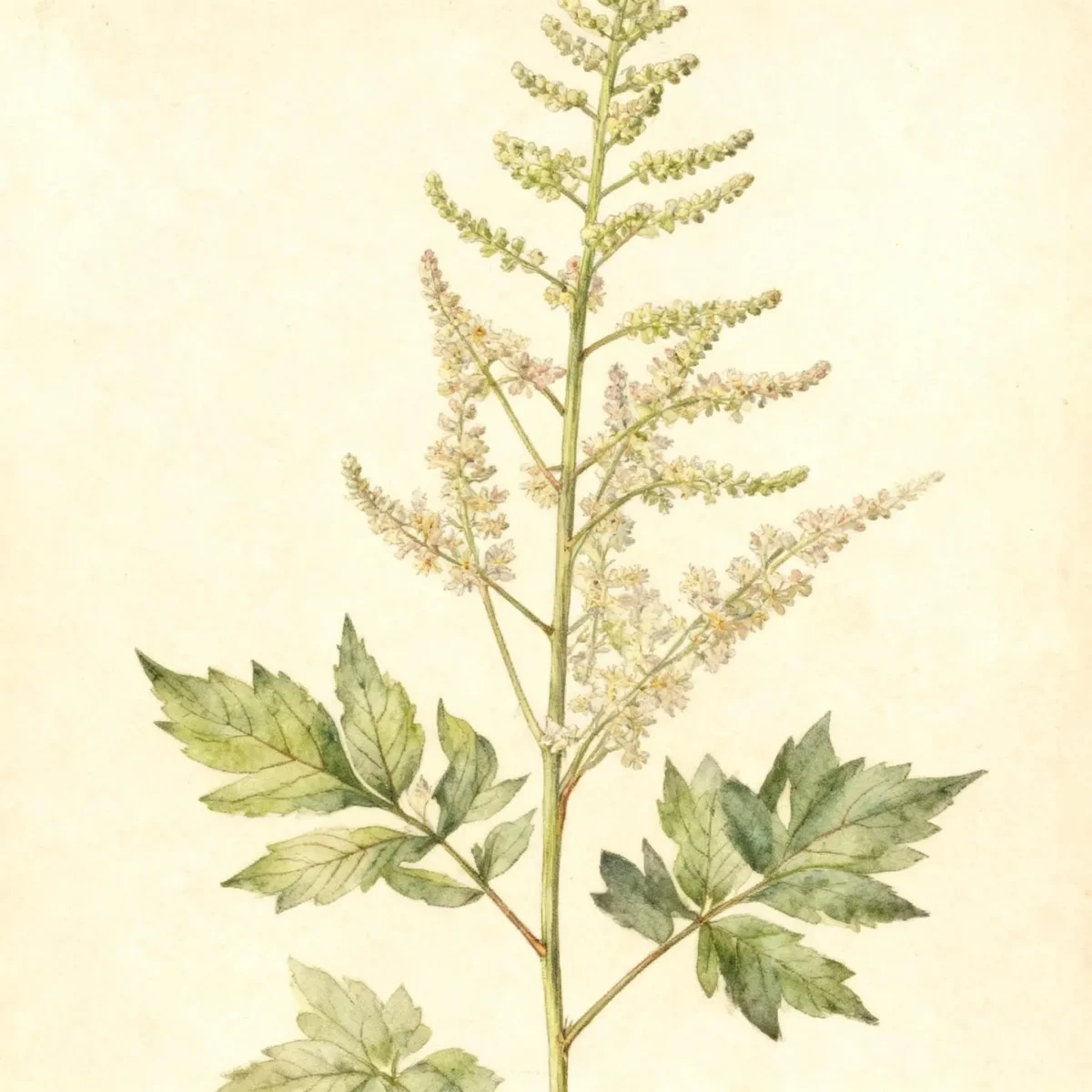
Astilbe (Astilbe 'Professor Van der Wielen')
Astilbe 'Professor Van der Wielen' offers abundant white plumes in summer. Low maintenance, shade-loving, herbaceous perennial.
Scroll down to discover growing tips, care requirements, companion plants, and more
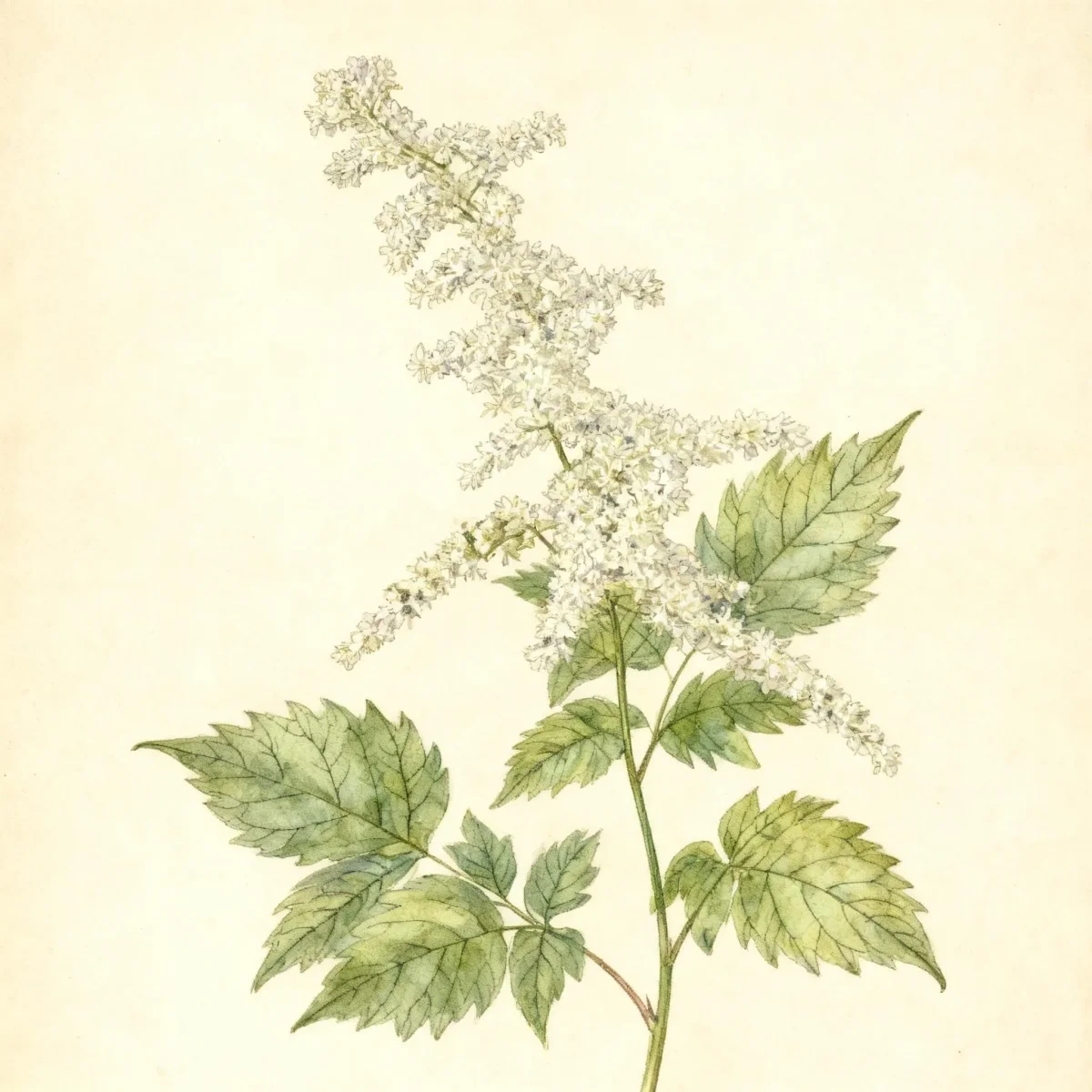
Complete Plant Information
Overview
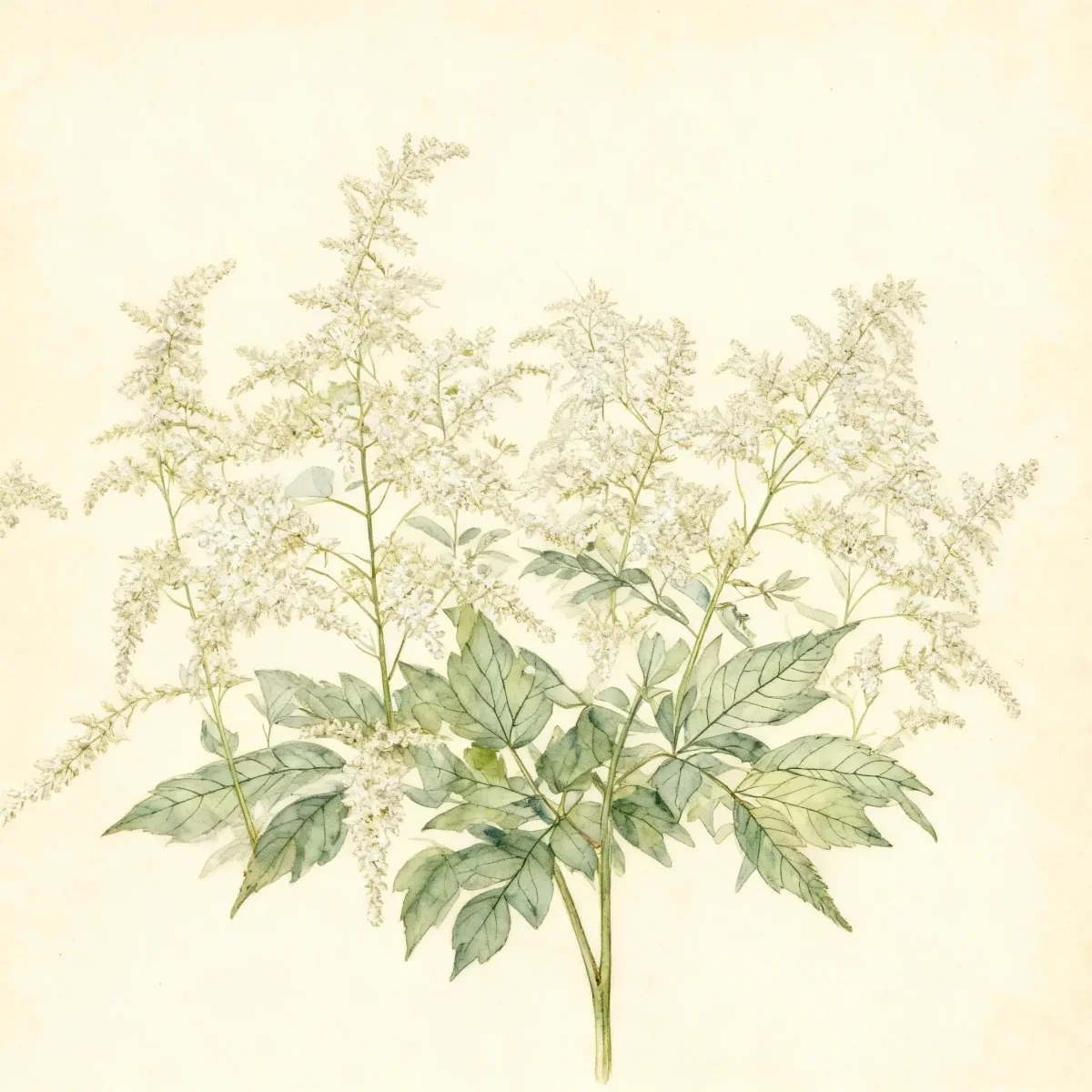
Astilbe ‘Professor Van der Wielen’ is a highly valued herbaceous perennial, prized for its ability to bring bright, feathery texture to the deep shade areas of the garden. This selection of Astilbe distinguishes itself with large, loose, weeping panicles of pure white flowers that arch gracefully above the dark green, fern-like foliage. It delivers significant ornamental impact during the mid-summer months when many other shade plants are finished blooming.
This clump-forming perennial thrives where other garden stars struggle, provided it receives consistent moisture. Gardeners appreciate Astilbe for its low maintenance profile once established, contributing reliable structure and seasonal interest without demanding constant attention. The dense foliage mound ensures good coverage even when not in bloom.
The genus Astilbe, characterized by its plume-like flower clusters, offers a distinct architectural element in shady borders. Planting Astilbe ‘Professor Van der Wielen’ ensures a reliable source of elegance, offering a visual connection reminiscent of goat’s beard, but in a more manageable perennial form ideal for woodland settings.
Fast Facts
- Plant Family: Saxifragaceae
- Plant Type: Herbaceous perennial
- Hardiness Zones: USDA Zones 4-9
- Size at Maturity: Height: 2.5-4 ft, Spread: 1.5-3 ft
- Bloom Time: July to August
- Bloom Description: White
- Sun Exposure: Part shade to full shade
- Water Needs: Medium
- Maintenance Level: Low
How to Grow
For optimal performance, plant Astilbe ‘Professor Van der Wielen’ in the spring or fall. Choose a location that offers part shade to full shade, avoiding hot afternoon sun, which can easily scorch the foliage. The key cultural requirement for successful Astilbe cultivation is soil quality: they perform best in average, medium-moisture, well-drained soils that are organically rich and humusy.
Maintain consistent moisture levels; these plants absolutely must not be allowed to dry out, especially when establishing or during hot summer periods. If watering is regular, the foliage will generally remain attractive through the growing season. Applying a summer compost mulch is an excellent practice to help retain the necessary soil moisture around the roots.
Maintenance for this cultivar is low. While removing faded flower stalks can tidy the appearance, many gardeners prefer to leave the dried seed heads in place for continued winter interest. For best long-term health and vigor, plan to divide the clumps every three to four years when they begin to overcrowd their space.
Landscape Uses
Astilbe species, including the excellent white-flowering Astilbe ‘Professor Van der Wielen’, are indispensable for designing shaded retreats. They shine when massed or grouped within woodland gardens, creating drifts of soft white texture beneath tree canopies. Their structure also makes them perfect for defining the front edges of shade borders or lining shaded pathways.
Consider using this Astilbe along the banks of ponds or streams to capitalize on its preference for consistently moist soil conditions. It integrates beautifully with companions that share similar cultural needs, such as Hostas, Japanese Forest Grass (Hakonechloa), and shade-loving ferns. This plant excels as an edging element, providing bright summer contrast against dark evergreens or rich, deep-toned foliage varieties.
Standout Features
Flower Qualities
- Showy
- Good Cut
Noteworthy Characteristics
Astilbe is a genus known for its clump-forming, herbaceous perennial nature, native to parts of Asia and North America, characterized by graceful, fern-like mounds of foliage. The genus name relates to the Greek words for “without brightness,” though cultivars like ‘Professor Van der Wielen’ are quite bright, featuring masses of white flowers on arching stems reaching 3-4 feet tall. These large, loose panicles rise above dark green foliage, offering a striking summer display in shaded garden areas.
Tolerances
- Rabbit
- Deer
- Heavy Shade
- Black Walnut
Potential Problems
The primary issue for Astilbe ‘Professor Van der Wielen’ is summer stress. Foliage decline, where the leaf margins turn brown, often occurs during hot summers or drought periods if soil moisture is neglected. Ensure consistent watering during dry spells to prevent this scorching.
Other concerns are primarily cosmetic or manageable fungal issues. Powdery mildew and wilts can occasionally appear, usually exacerbated by poor air circulation or inconsistent moisture. Inspect foliage for Japanese beetle feeding, as they may chew on the leaves, though deer and rabbits generally avoid this plant entirely.
Frequently Asked Questions
What hardiness zones is Astilbe ‘Professor Van der Wielen’ suitable for?
Astilbe ‘Professor Van der Wielen’ thrives in USDA Hardiness Zones 4 through 9.
How large does Astilbe ‘Professor Van der Wielen’ grow?
This variety typically reaches a height between 2.5 and 4 feet, with a spread ranging from 1.5 to 3 feet at maturity.
What sun exposure does Astilbe need?
This excellent shade perennial requires part shade to full shade conditions to look its best and prevent leaf scorch.
When does Astilbe ‘Professor Van der Wielen’ bloom?
It provides its showy display of white, plume-like flowers during the peak summer months, specifically from July to August.
Conclusion
The pure white plumes and dependable performance in deep shade make Astilbe ‘Professor Van der Wielen’ an essential ingredient for textured, cool-season gardens. Its low maintenance and effective summer color ensure that this Astilbe variety remains a favorite among shade gardeners across many zones. Always verify that your soil remains consistently moist, and plan to integrate Astilbe ‘Professor Van der Wielen’ before the heat of summer arrives.
Companion Planting
Selecting companions for Astilbe involves prioritizing plants that share its need for consistent moisture and thrive in shaded environments. Consider pairing with plants that offer contrasting leaf textures, such as large-leaved Hostas, or those that bloom at different times to extend seasonal interest. Brunnera macrophylla offers silvery foliage contrast early in the season, while Tiarella (Foamflower) provides similar wispy blooms at a lower height profile. The reliable cultural needs of Astilbe make integration into existing shade borders straightforward.
Propagation Tips
The most practical method for increasing your stock of Astilbe ‘Professor Van der Wielen’ is through division. This should be done in the early spring as new growth begins to emerge, or in the early fall, though spring division is generally preferred as it allows the plant to establish before winter dormancy. Wait until the clump has become crowded, typically every three to four years, before carefully digging up the entire plant. Use a sharp spade or knife to sever the crown into sections, ensuring each division has adequate roots and several viable growing points. Replant the divided sections immediately into prepared, moist, humus-rich soil.