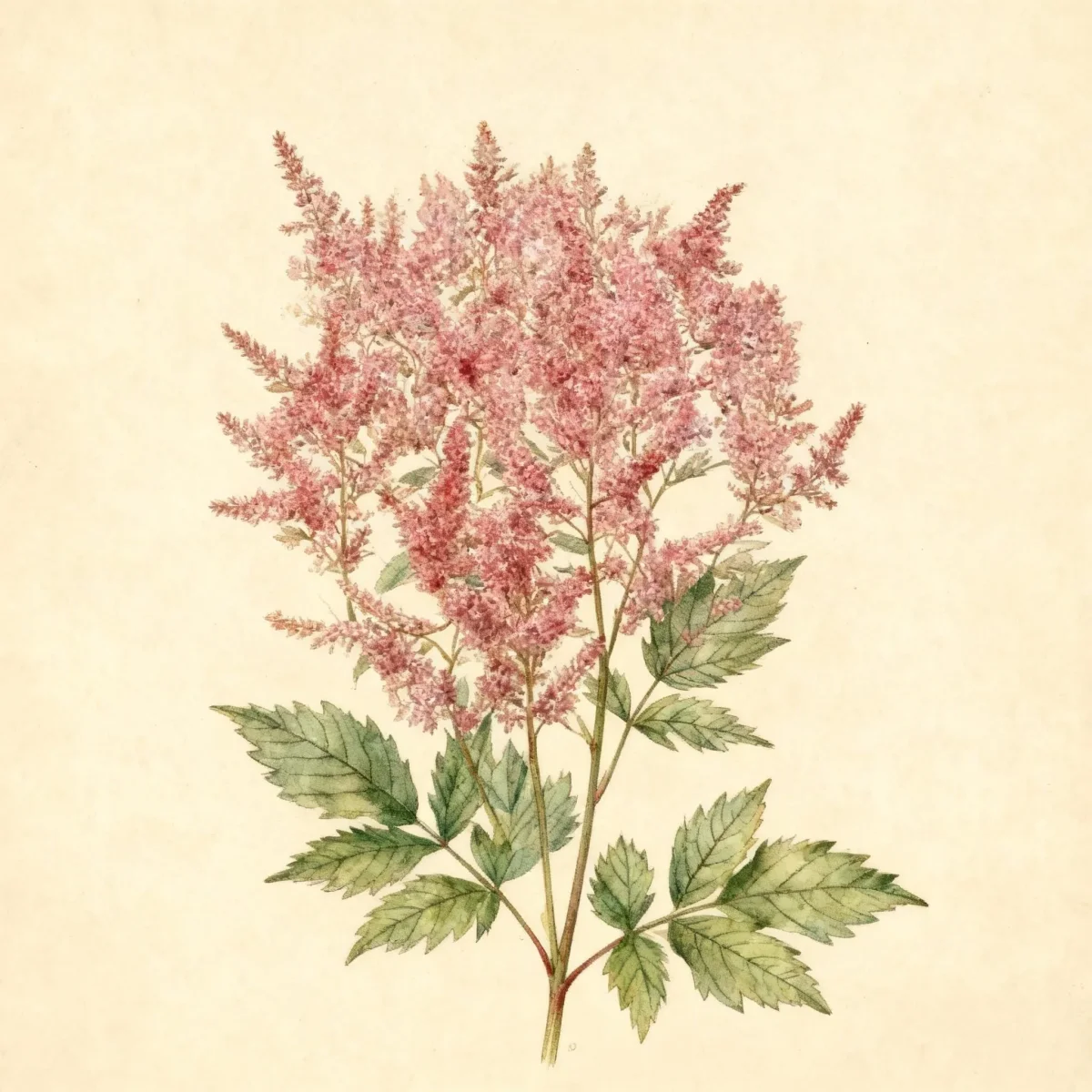
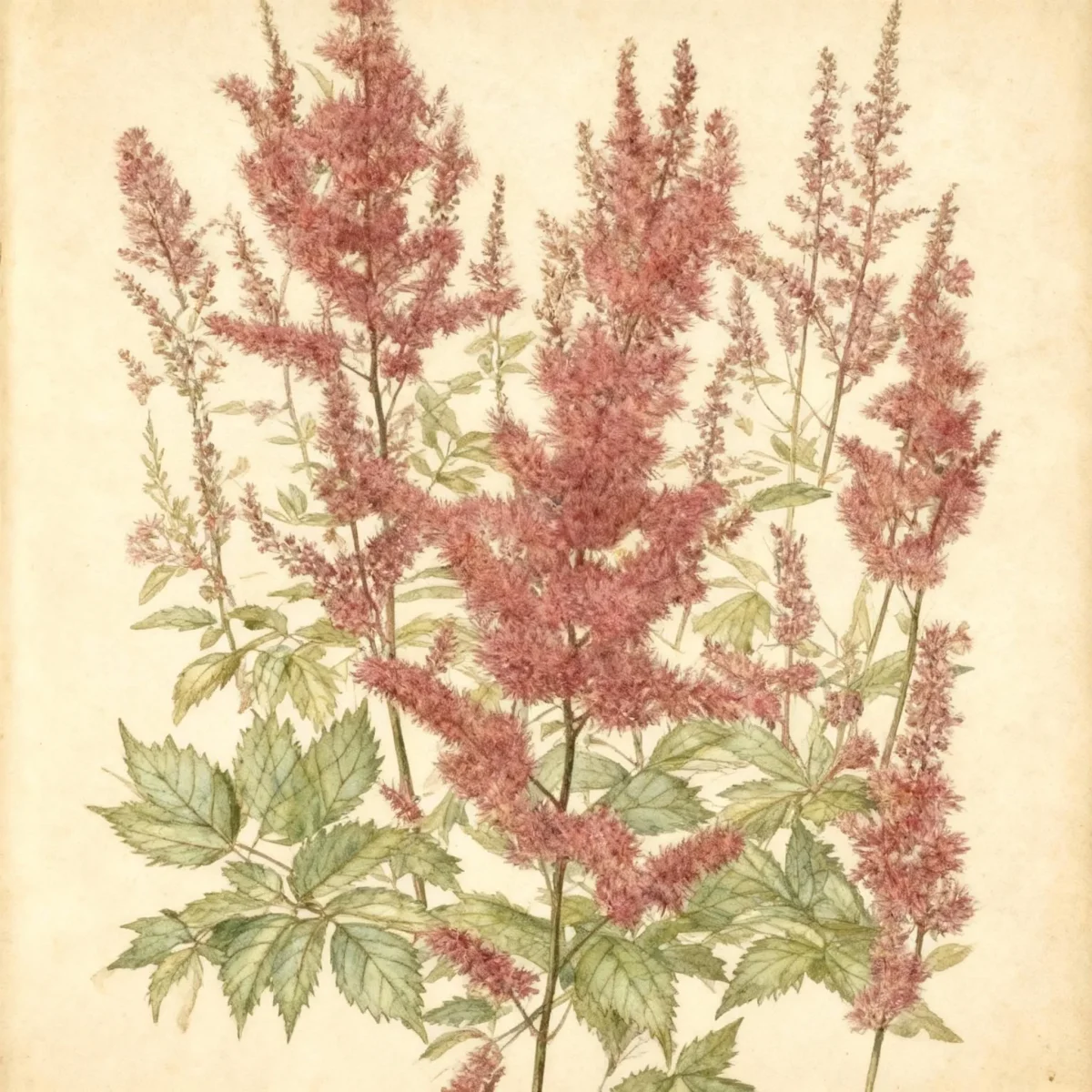
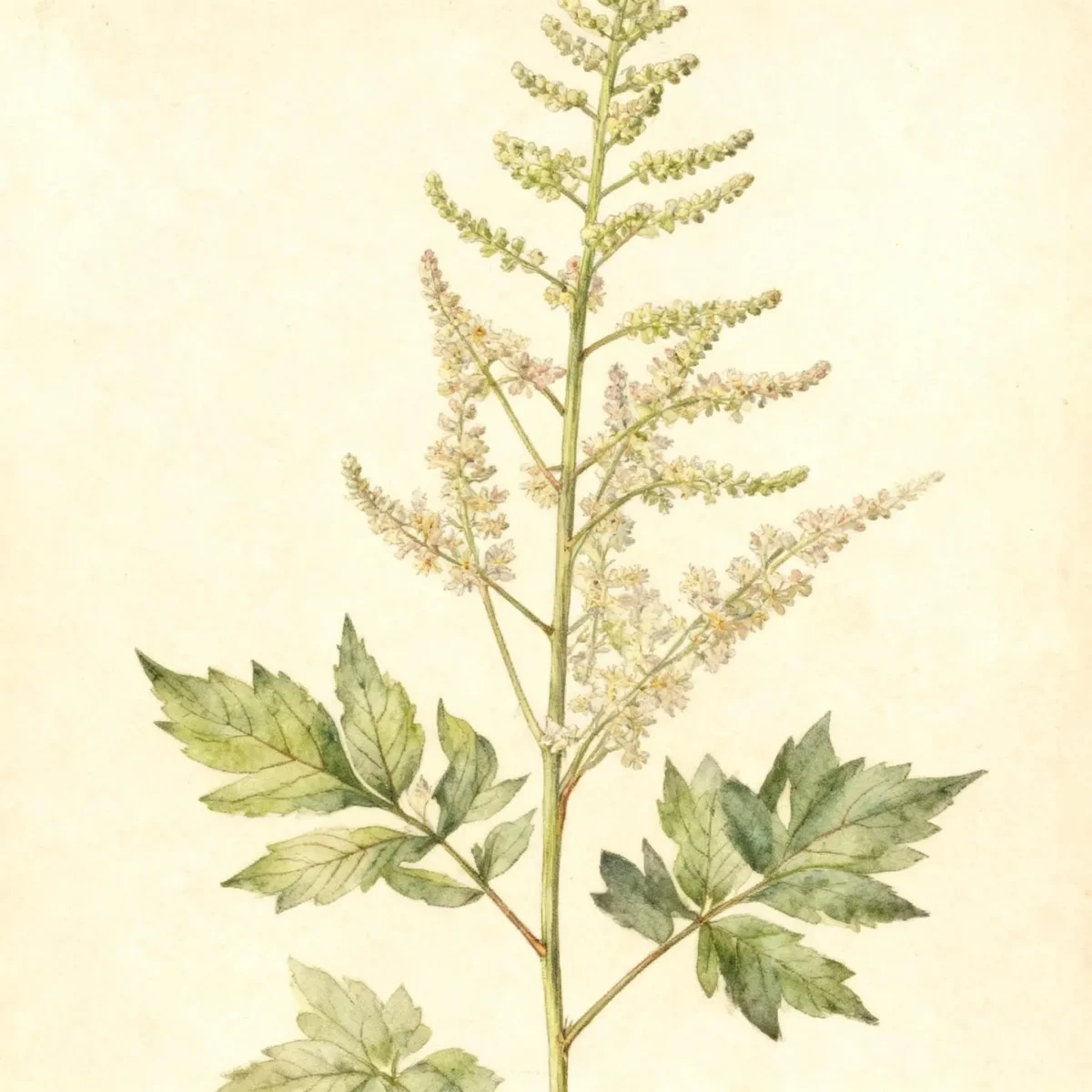
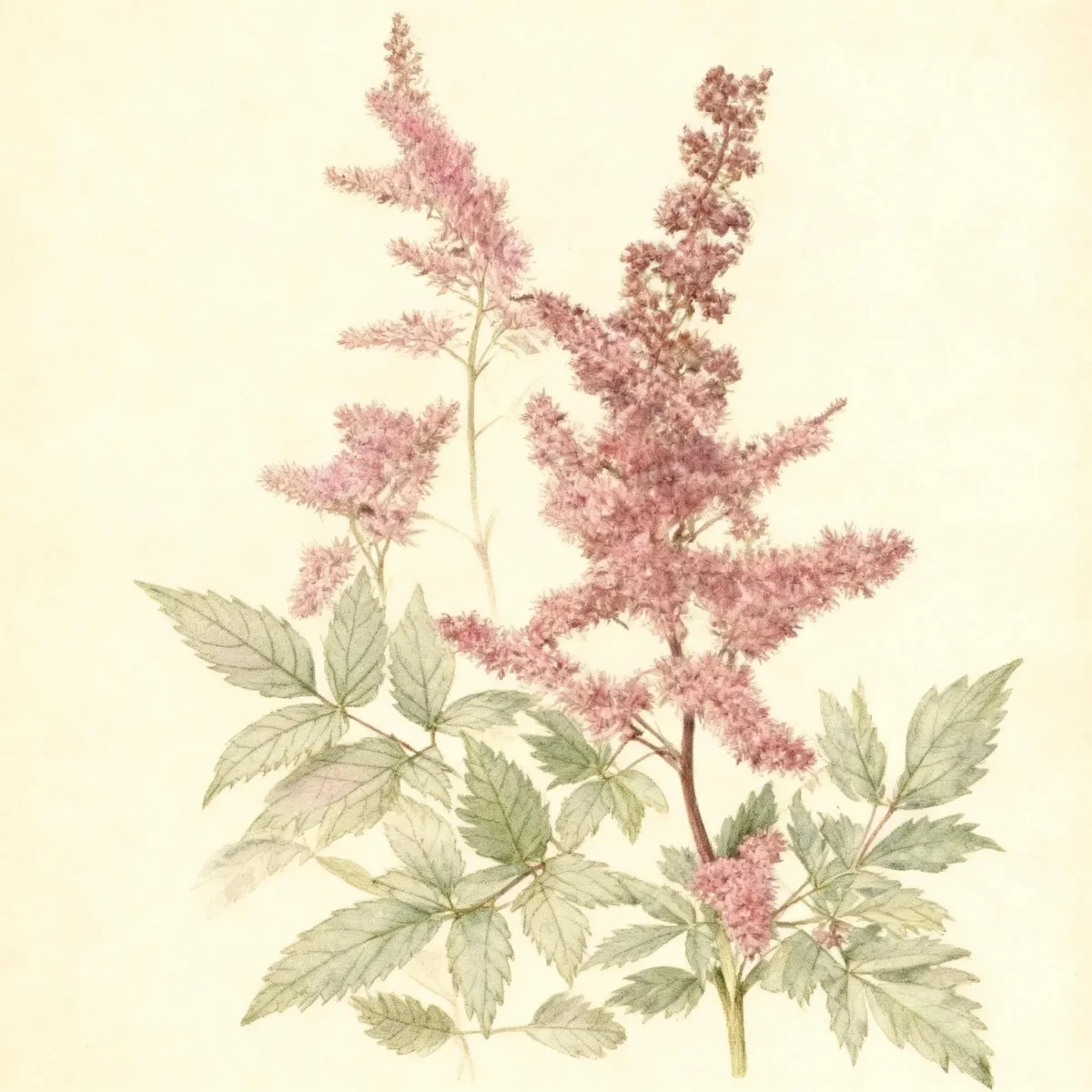
Astilbe (Astilbe × arendsii 'Rotlicht' RED LIGHT)
Astilbe × arendsii 'Rotlicht' RED LIGHT offers striking red plumes in May-June, thriving in part shade with low maintenance. Ideal for moist, shady gardens.
Scroll down to discover growing tips, care requirements, companion plants, and more
Complete Plant Information
Overview
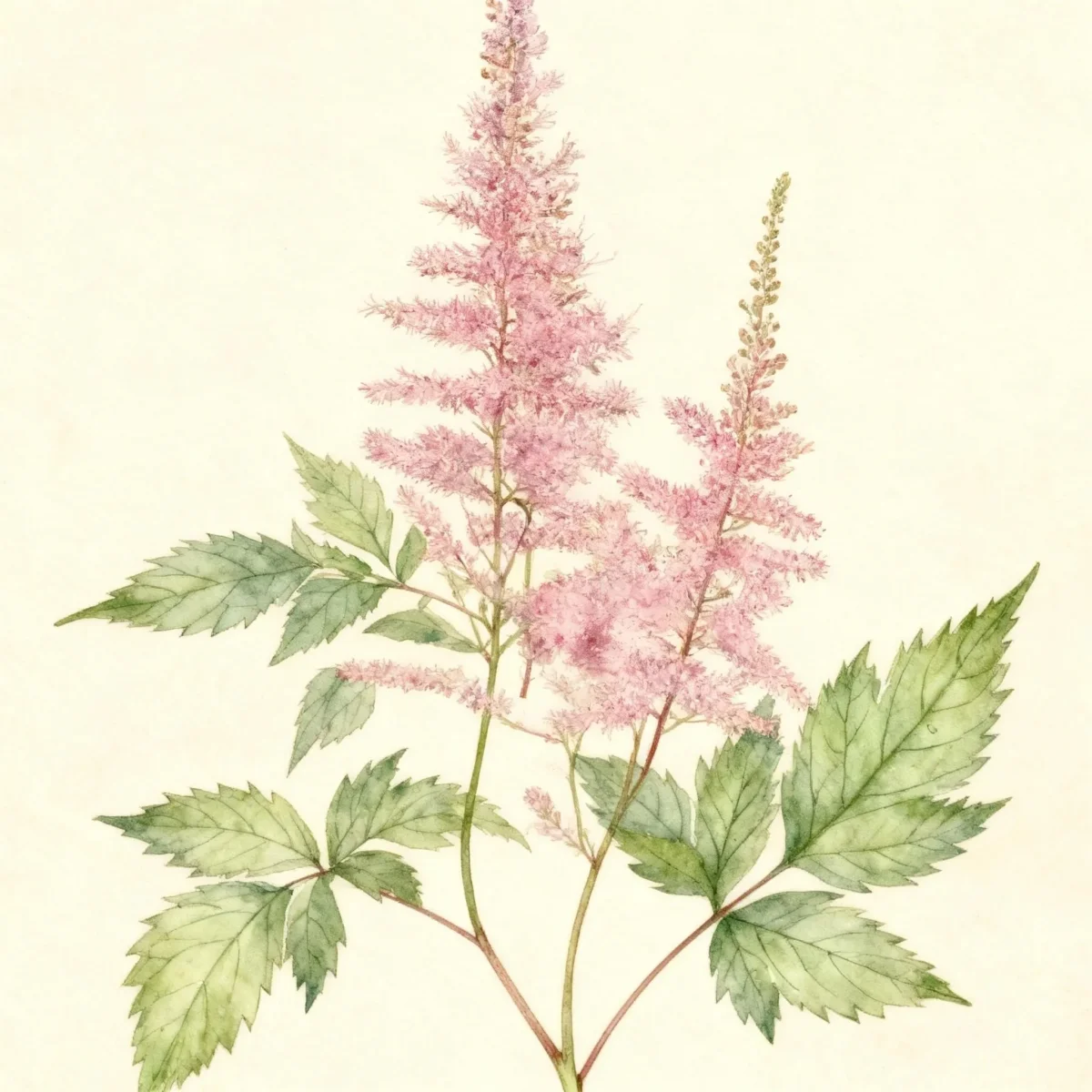
Astilbe × arendsii ‘Rotlicht’ RED LIGHT is a highly valued herbaceous perennial, famous for lifting the ambiance of dark garden spots with its intense color. This particular hybrid showcases brilliant red flower plumes rising above neat mounds of shiny green, fern-like foliage. As a classic Astilbe, it offers structure and reliable seasonal color without demanding extensive attention from the gardener.
This variety thrives where many flowering plants struggle, preferring the deep, consistent moisture found in shaded environments. The easy-going nature of Astilbe × arendsii ‘Rotlicht’ RED LIGHT, combined with its low maintenance requirements, makes it an excellent choice for both novice and experienced gardeners looking to establish long-term interest in woodland or cottage garden settings.
The plumes of Astilbe × arendsii ‘Rotlicht’ RED LIGHT provide a sophisticated vertical element, contrasting beautifully with its low-growing basal foliage. This reliable performer promises consistent beauty from late spring well into the summer months, offering showy textures that soften hardscape features.
Fast Facts
- Plant Family: Saxifragaceae
- Plant Type: Herbaceous perennial
- Hardiness Zones: USDA Zones 4-8
- Size at Maturity:
- Height: 1-2 ft
- Spread: 1-1.5 ft
- Bloom Time: May to June
- Bloom Description: Red
- Sun Exposure: Part shade to full shade
- Water Needs: Medium
- Maintenance Level: Low
How to Grow
The best time to establish Astilbe × arendsii ‘Rotlicht’ RED LIGHT is typically in spring or fall, making sure the soil is well-amended before planting. These Astilbe hybrids flourish in average, medium moisture, well-drained soils. Crucially, they prefer humus-rich soil and must never be allowed to dry out completely, especially during hot weather, which can cause foliage browning.
Watering is key to maintaining the attractive foliage of the Astilbe throughout the season. Ensure consistently moist conditions, a task made easier by applying a summer compost mulch to help lock in vital soil moisture. While extremely low maintenance, dividing clumps every three to four years prevents overcrowding and keeps the plant vigorous.
Deadheading faded flower stalks is optional; while removing them may create a cleaner look, many gardeners prefer leaving the dried seed heads over winter for added structural interest. When considering what to plant near your Astilbe, remember its intolerance for drought and preference for shade.
Landscape Uses
Astilbe × arendsii ‘Rotlicht’ RED LIGHT excels as an architectural plant in deeply shaded areas where few other perennials bloom reliably. It is perfect for mass planting to create sweeping drifts of scarlet color beneath deciduous trees or along the north side of structures. Consider using this Astilbe along shaded border fronts or within formal cottage gardens where its fine texture contrasts well with broader-leaved hostas or ferns.
Due to its reliable growth habit and tolerance for moist soil, it is highly effective when planted near stream banks or pond edges, integrating woodland garden themes seamlessly into the landscape. Furthermore, Astilbe provides excellent ground cover benefits in shaded spaces, helping suppress weeds while maintaining a neat, dense green base during non-blooming periods.
Standout Features
Flower Qualities
- Showy
- Good Cut
Noteworthy Characteristics
Astilbe × arendsii hybrids are a large group originating from crosses involving species like A. Chinensis and A. Thunbergii, named for George Arends. These clump-forming perennials sport graceful, fern-like foliage mounds topped by plume-like panicles of tiny flowers rising above the leaves. Specifically, RED LIGHT is celebrated for its intense red flowers and shiny green leaves, typically forming a 9-12 inch foliage mound with flower stems reaching up to 28 inches tall.
Tolerances
- Rabbit
- Deer
- Heavy Shade
- Black Walnut
Potential Problems
Astilbe × arendsii ‘Rotlicht’ RED LIGHT generally suffers from few serious pest or disease issues, contributing to its low maintenance profile. The primary concern involves cultural stress, where foliage decline (browning tips) occurs if the plant experiences hot summers or drought periods because the soil has dried out. Prevention lies entirely in consistent moisture management.
If conditions become stagnant or overly wet without good drainage, powdery mildew or wilt may develop, though this is less common than summer scorch. Occasionally, Japanese beetles might find the foliage palatable and chew on the leaflets, but this rarely threatens the overall health of a well-established perennial clump.
Frequently Asked Questions
What hardiness zones is Astilbe suitable for?
Astilbe × arendsii ‘Rotlicht’ RED LIGHT is well-suited for gardens located within USDA Hardiness Zones 4 through 8.
How large does Astilbe grow?
This variety typically achieves a height between 1 and 2 feet and spreads to a width of 1 to 1.5 feet.
When does Astilbe bloom?
Astilbe × arendsii ‘Rotlicht’ RED LIGHT produces its characteristic red blooms sometime between May and June.
What sun exposure does Astilbe need?
This plant performs best when sited in partial shade to full shade conditions, making it an excellent choice for woodland plantings.
Conclusion
The Astilbe × arendsii ‘Rotlicht’ RED LIGHT remains a cornerstone plant for shade gardening, delivering vibrant red, showy plumes with minimal gardener intervention. Its ferny foliage provides excellent texture, and its noted resistance to common pests makes caring for this Astilbe simple. Before purchasing, confirm your site offers the consistently moist, rich soil and adequate shade required for success, then plan to plant during the cooler spring or fall months.
Companion Planting in Shade
When planting near Astilbe × arendsii ‘Rotlicht’ RED LIGHT, grouping plants with differing foliage textures maximizes visual appeal within the shade garden. Consider pairing it with Hostas, which provide bold, broad leaves to contrast the fine, airy texture of the Astilbe plumes. Ferns, such as Japanese Painted Ferns or Autumn Ferns, share similar moisture and light requirements and will create a lush, woodland tapestry surrounding the red blooms.
Bleeding Hearts (Dicentra spectabilis) are another excellent companion, often blooming slightly earlier, filling the gap while you wait for the Astilbe to reach peak performance. Because this cultivar tolerates Black Walnut, you can confidently incorporate it into areas under these large, dry-shade trees, provided supplemental moisture is given during establishing years.
Design Ideas for Moist, Shady Beds
The compact height of Astilbe × arendsii ‘Rotlicht’ RED LIGHT (1 to 2 ft) makes it perfectly suited for the front or middle of shaded borders, providing a rich band of color. Use it as an edging plant along frequently traveled paths where the dark, wet soil might inhibit other perennials. For a naturalistic design, employ mass groupings, planting at least five or seven together to achieve the greatest impact from the intense red flowers.
In contemporary shade gardens, group Astilbe varieties with different bloom times to extend the flowering season, ensuring year-round interest from its attractive, mounding foliage. Because it is categorized as a good cut flower, place groupings near secondary entrances or patios so you can easily harvest stems for indoor arrangements showcasing the deep red color.