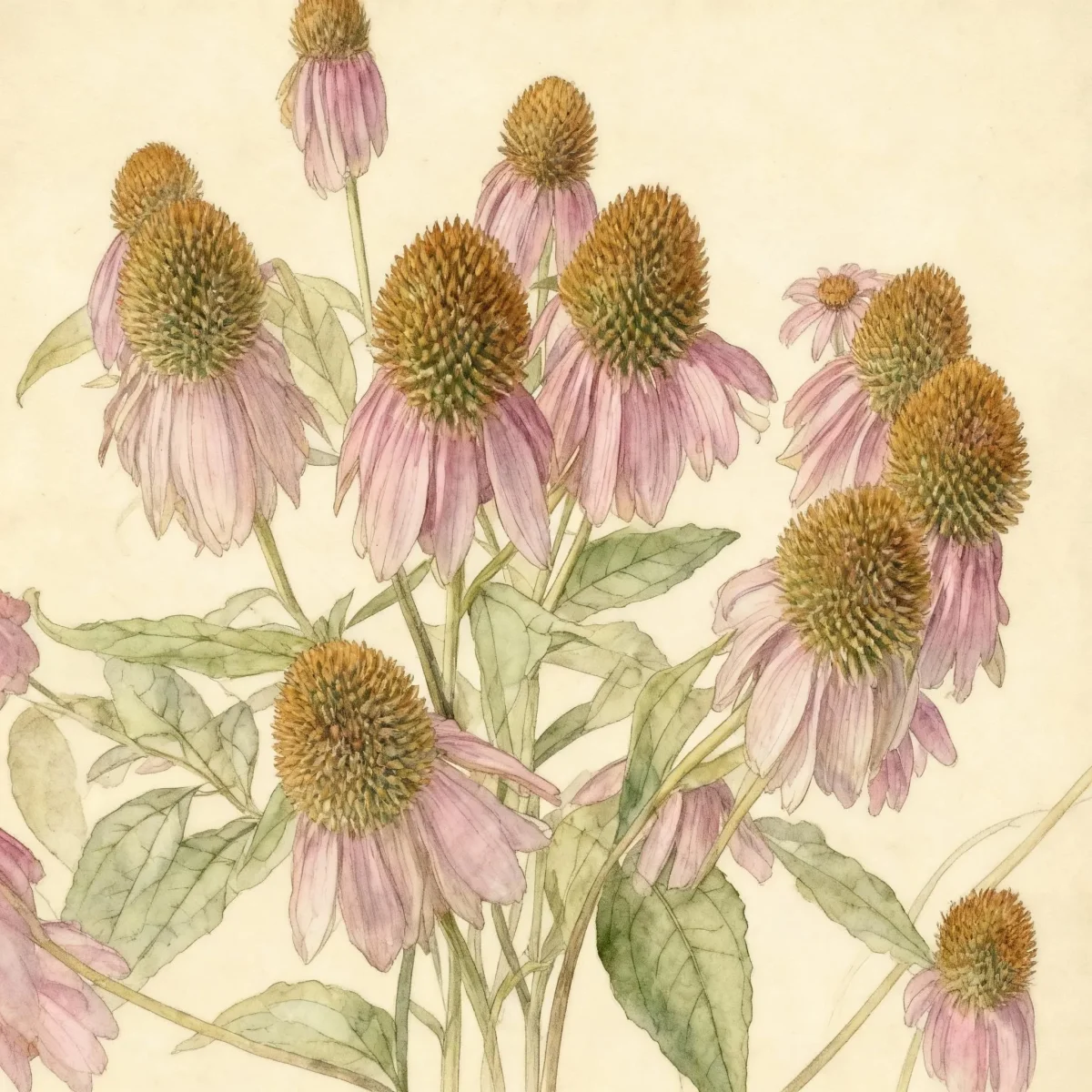
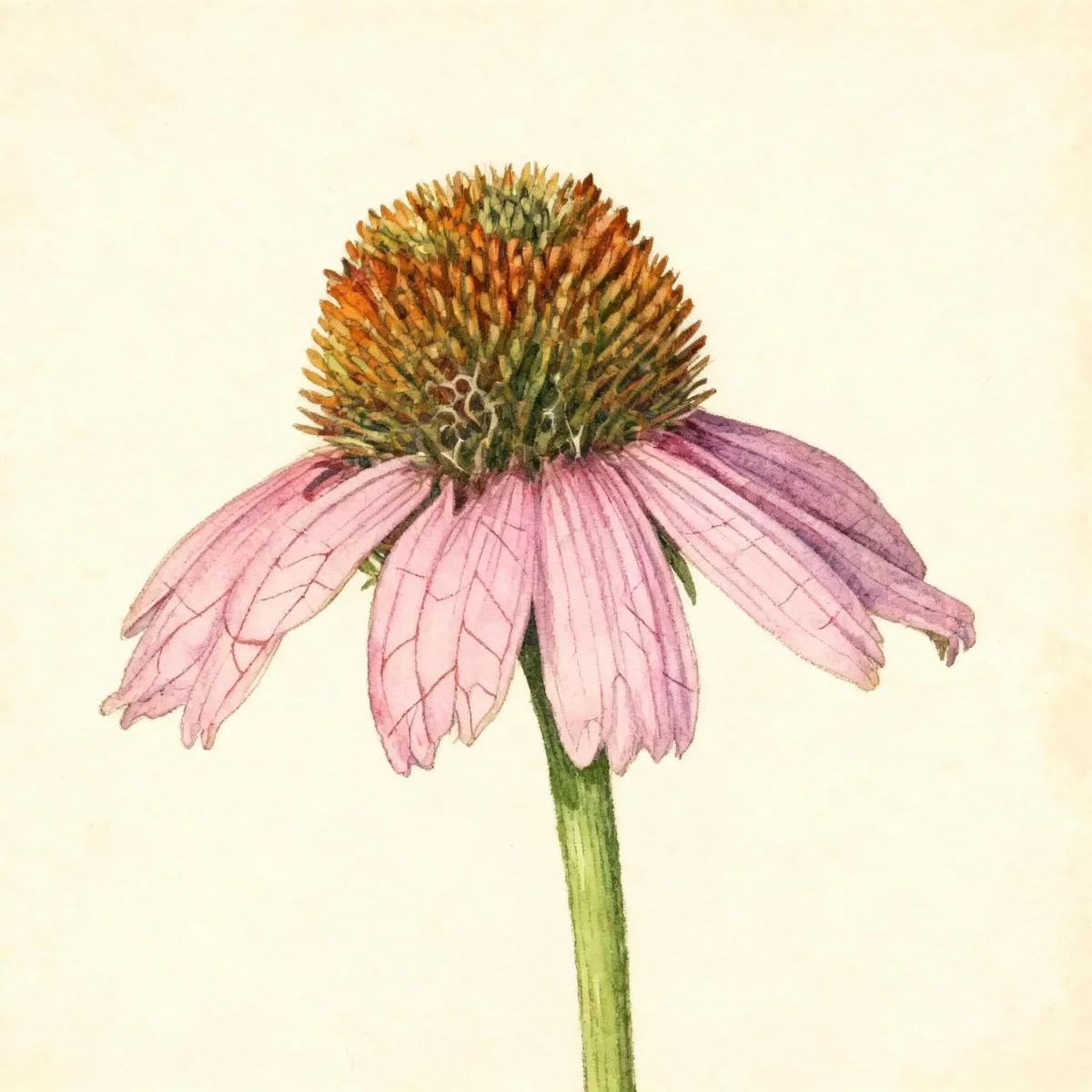
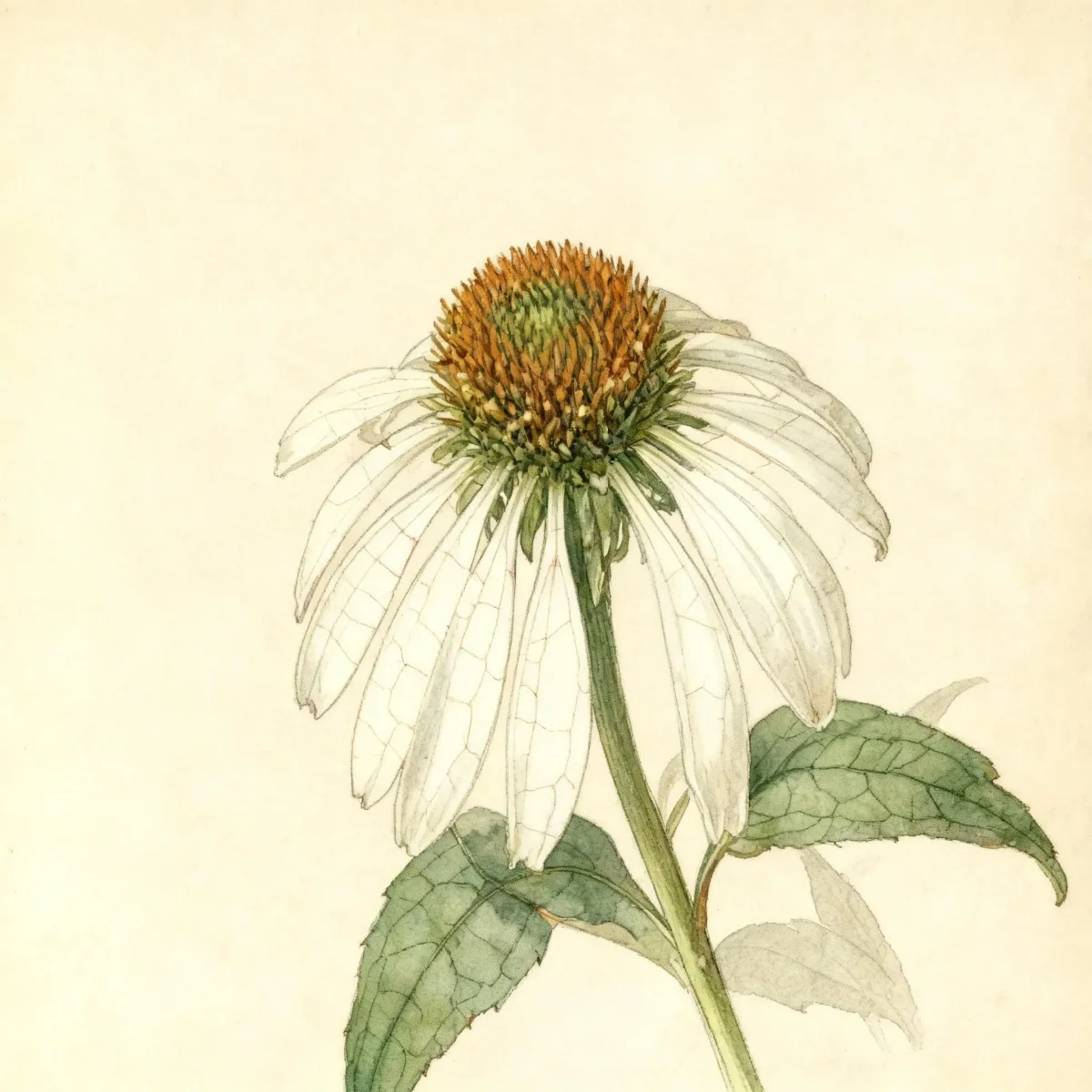
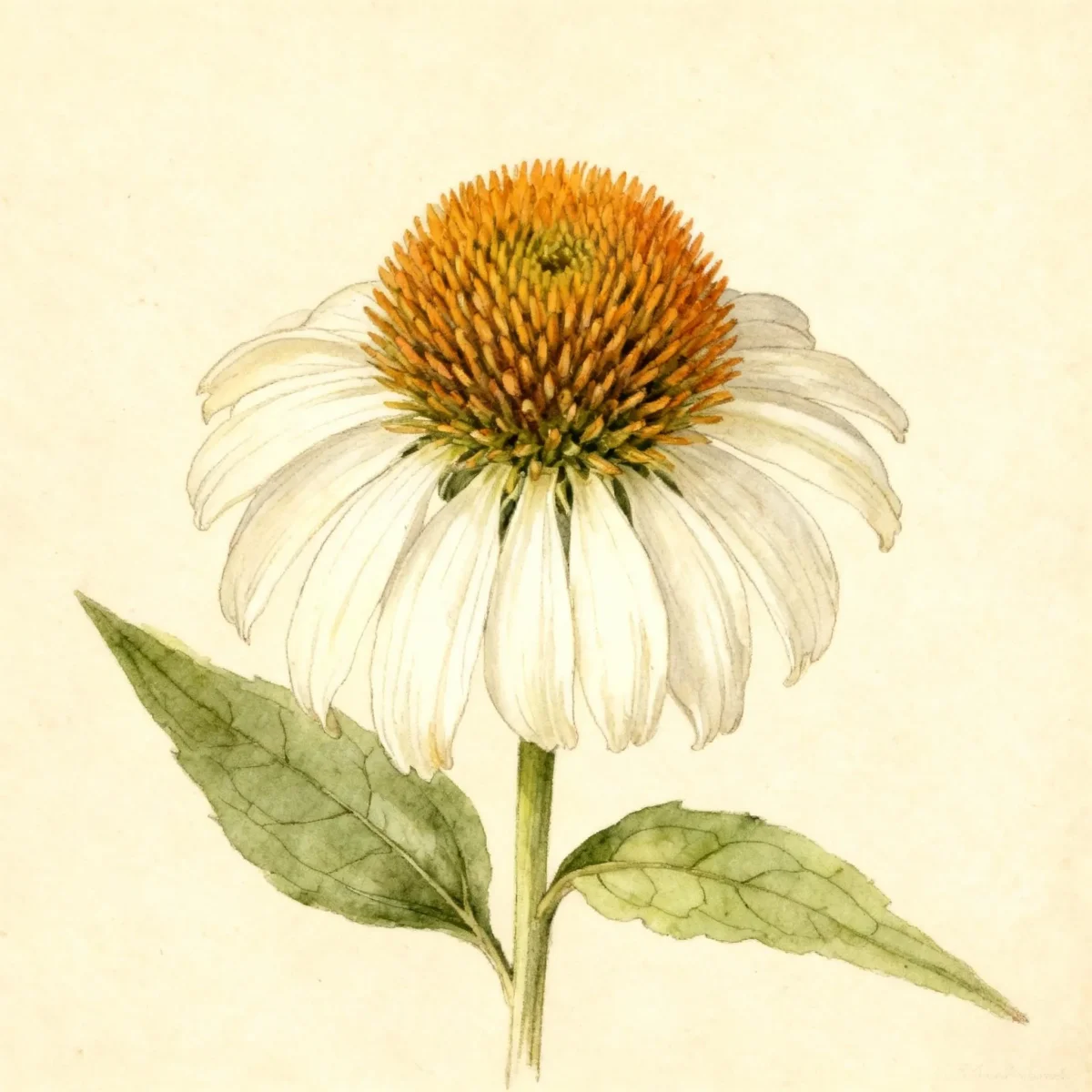
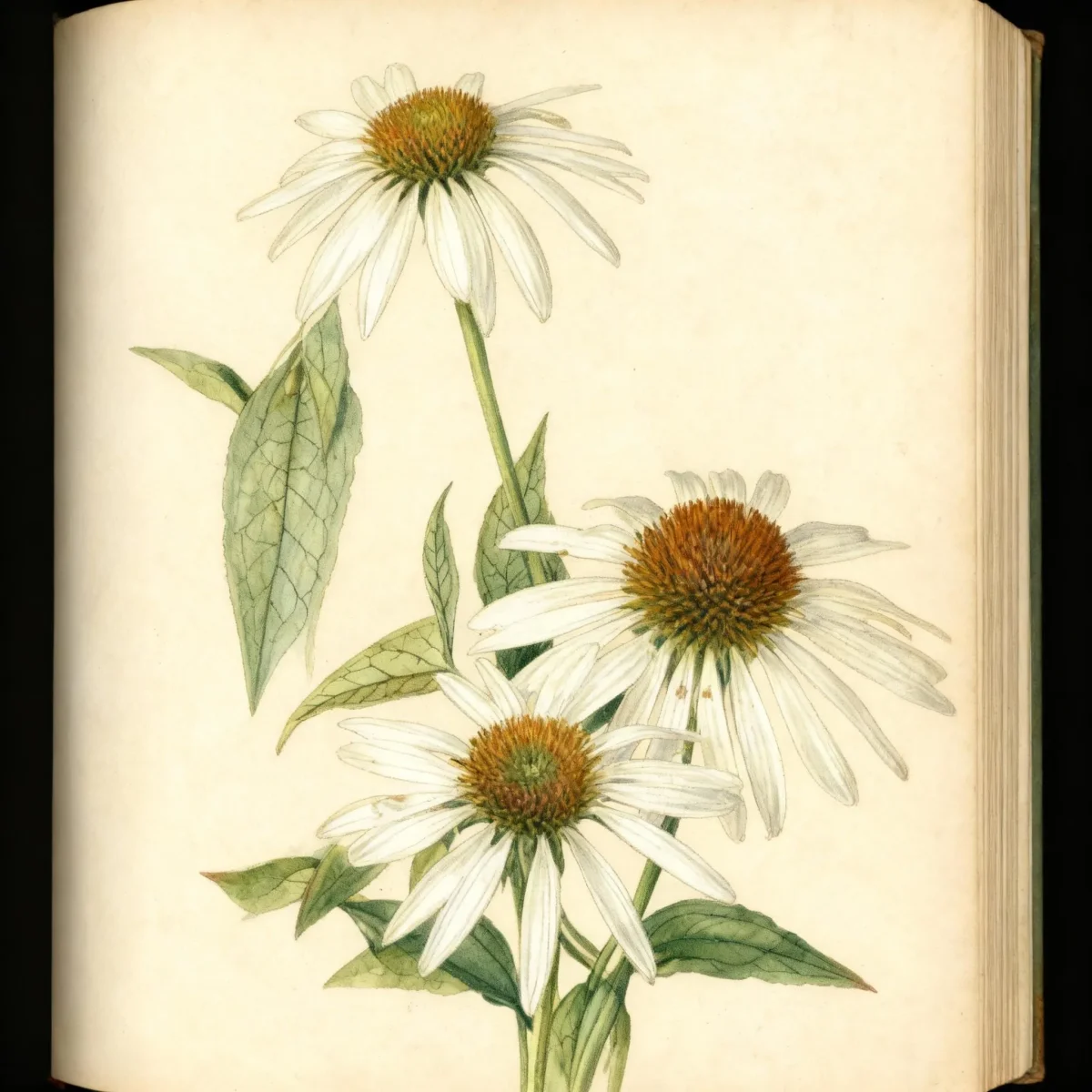
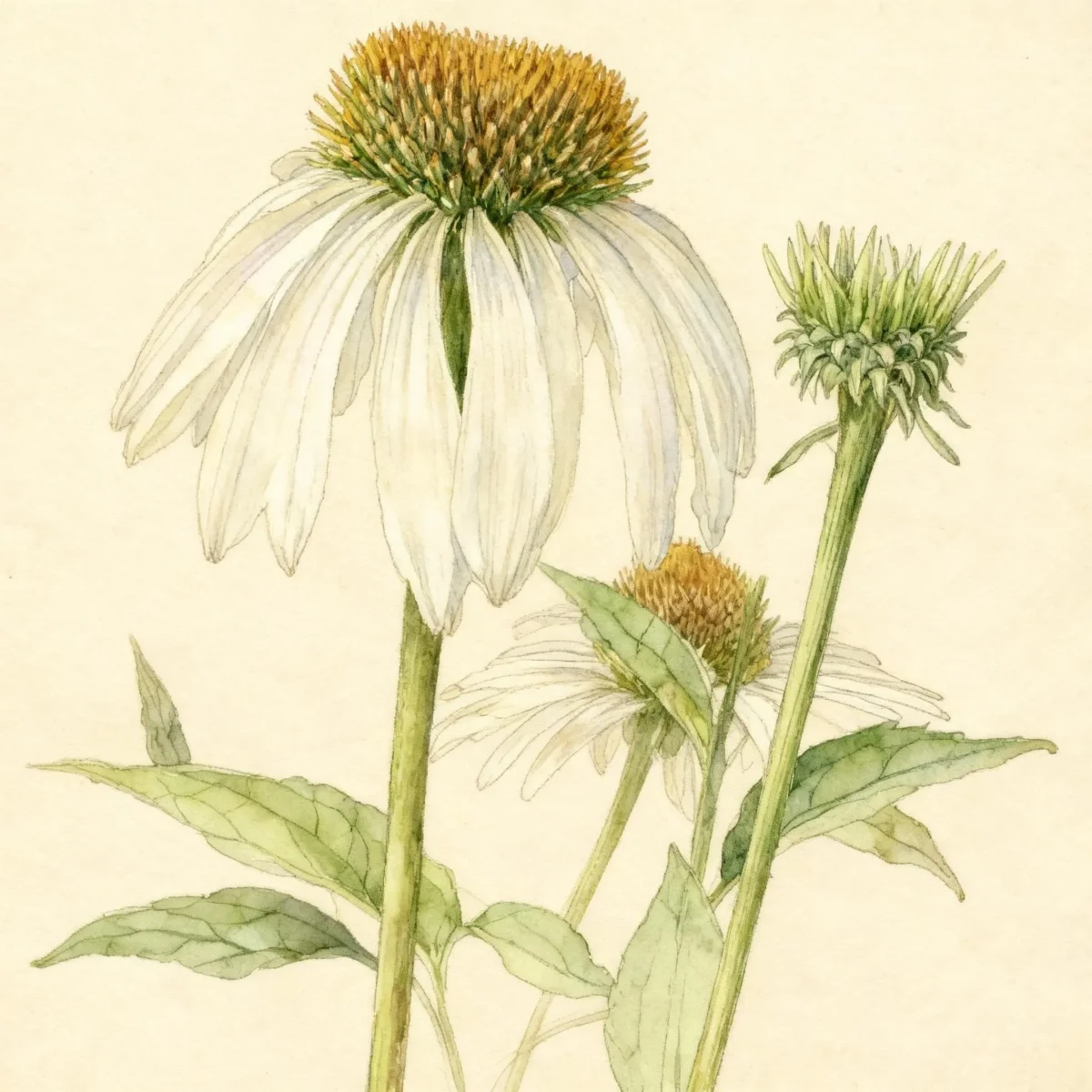
Purple coneflower (Echinacea purpurea 'Little Giant')
Echinacea purpurea 'Little Giant' is a dwarf Purple coneflower, perfect for borders, offering showy, reddish-purple blooms from June to August.
Scroll down to discover growing tips, care requirements, companion plants, and more
Complete Plant Information
Overview
Echinacea purpurea ‘Little Giant’ offers gardeners a compact, reliable perennial renowned for its classic daisy-like flowers. This dwarf cultivar of the popular Purple coneflower maintains the impressive bloom size of its larger cousins while staying perfectly scaled for smaller spaces or dense borders. It brings vibrant reddish-purple color to the summer landscape, attracting beneficial insects and offering significant visual interest.
As an adaptable herbaceous perennial, the Purple coneflower thrives in a wide range of conditions once established. It is highly valued for its low maintenance requirements and impressive tolerance for less-than-ideal soil and weather scenarios. Gardeners appreciate the structure the stiff stems provide, even after the main blooming period subsides.
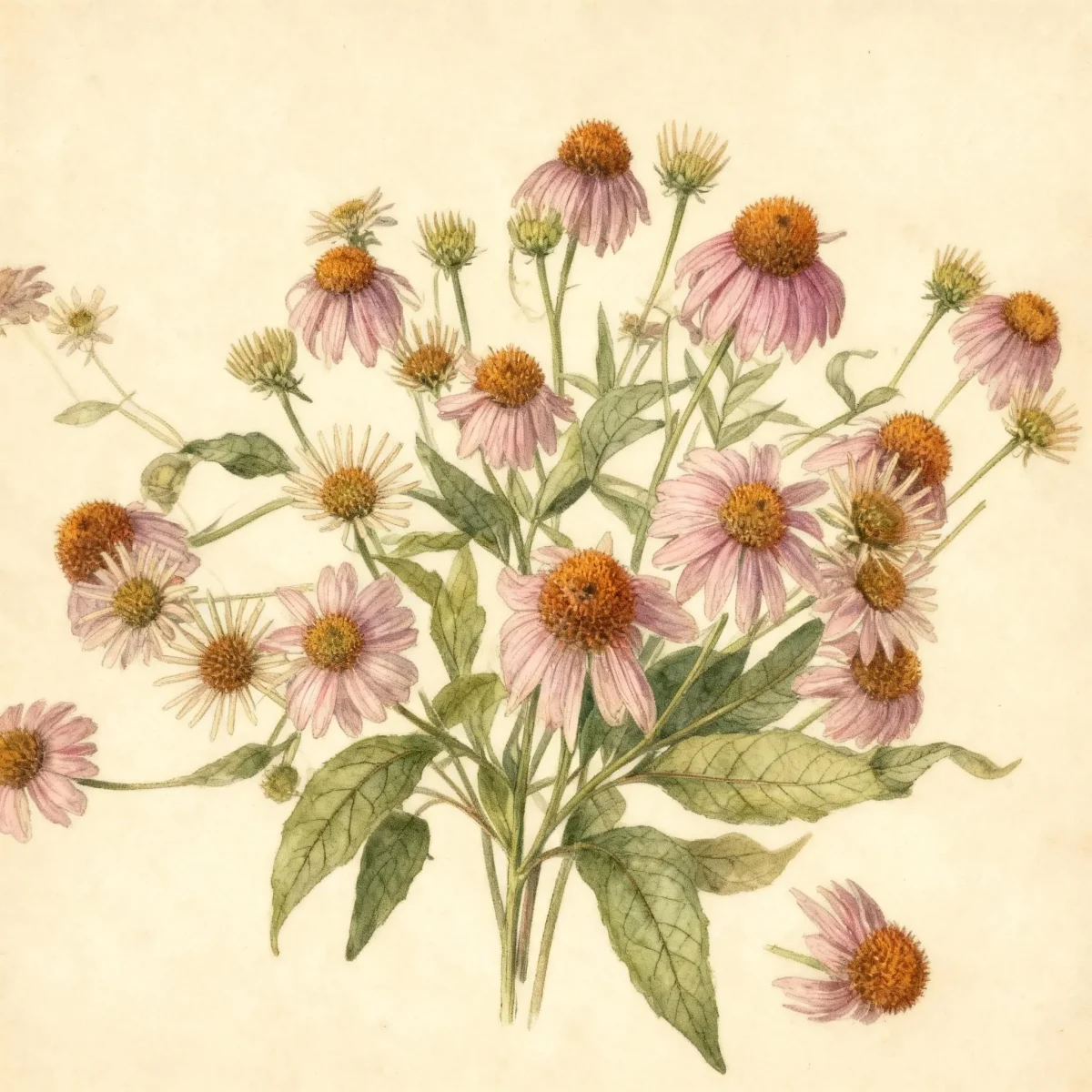
The significant benefit of including Echinacea purpurea ‘Little Giant’ in your garden design is its prolonged flowering period from June through August. These showy blooms feature deep red-purple rays surrounding a prominent, dark orange central cone. Plan on enjoying this resilient beauty alongside other sun-loving perennials for reliable mid-summer color.
Fast Facts
- Plant Family: Asteraceae
- Plant Type: Herbaceous perennial
- Hardiness Zones: USDA Zones 3-8
- Size at Maturity:
- Height: 1-1.5 ft
- Spread: 0.75-1 ft
- Bloom Time: June to August
- Bloom Description: Reddish-purple
- Sun Exposure: Full sun to part shade
- Water Needs: Dry to medium
- Maintenance Level: Low
How to Grow
For optimal performance, plant Echinacea purpurea ‘Little Giant’ in the spring or fall when soil temperatures are moderate. This Purple coneflower prefers well-drained soil, though it is remarkably adaptable to average, dry, or clay conditions. While it tolerates part shade, full sun exposure guarantees the most abundant flowering and strongest stems for this dwarf variety.
Watering should be deep but infrequent, especially once the plants are established, as they are tolerant of drought. Fertilizing is rarely necessary; over-fertilizing can lead to floppier growth and fewer blooms. If clumps become overcrowded, typically around every four years, divide them in the spring to maintain vigor.
Removing spent flowers (deadheading) is optional; the plants will usually rebloom without intervention, and leaving the cones standing provides winter interest and food for birds. However, prompt removal improves the overall tidy appearance of your border. Note that ‘Little Giant’ is a patented variety and does not reliably produce viable seed, so propagation relies on division.
Landscape Uses
Echinacea purpurea ‘Little Giant’ excels as a mid-border plant due to its manageable 1 to 1.5-foot stature. It is excellent for massing in perennial borders, creating drifts of consistent color that soften edges. Its native origins also make it a foundational component for native plant gardens and naturalized meadows where low-maintenance sustainability is key.
Because of its drought and clay tolerance, this coneflower pairs beautifully with tough companions like Rudbeckia (black-eyed Susans) or ornamental grasses that share similar cultural needs. Use it to provide strong vertical accents in mixed plantings or create a sunny, informal cottage garden display.
This variety is also perfectly sized for mixed containers, providing the central “thriller” element without overwhelming the pot. Ensure containers offer excellent drainage to satisfy the dry-to-medium water needs of the Purple coneflower.
Standout Features
Flower Qualities
- Showy
- Fragrant
Noteworthy Characteristics
Echinacea purpurea, commonly called purple coneflower, is a coarse, rough-hairy, herbaceous perennial that is native to moist prairies, meadows and open woods of the central to southeastern United States. ‘Little Giant’ is a dwarf purple coneflower that grows to only 16” tall, but still produces large flowers, boasting red-purple rays surrounding large, pin cushion-like, dark orange central cones. The genus name Echinacea refers to the Greek word for hedgehog, inspired by the spiny center cone found on these striking summer flowers.
Tolerances
- Deer
- Drought
- Clay Soil
- Dry Soil
- Shallow-Rocky Soil
Potential Problems
Minimal pest issues are usually encountered with Echinacea purpurea ‘Little Giant’. Japanese beetle is an occasional visitor, sometimes chewing on the petals, and leaf spot can occasionally appear, particularly in humid conditions or where air circulation is poor. Treating leaf spot often involves ensuring adequate spacing between plants.
Gardeners should also be aware of susceptibility to aster yellows disease, a serious issue spread by leafhoppers that causes unnatural yellowing and distortion of the blossoms. There is no cure for aster yellows; infected plants should be removed and destroyed immediately to prevent spreading.
Frequently Asked Questions
What hardiness zones is Purple coneflower suitable for?
Echinacea purpurea ‘Little Giant’ performs best in USDA Hardiness Zones 3 through 8, offering reliable perenniality across a wide range of climates.
How large does Echinacea purpurea ‘Little Giant’ grow?
This dwarf cultivar typically reaches a height between 1 and 1.5 feet tall with a spread of about 0.75 to 1 foot wide, making it much more compact than standard purple coneflowers.
What sun exposure does Purple coneflower need?
While it can tolerate a bit of part shade, this coneflower thrives and produces the best flowers when situated in full sun.
When does Echinacea purpurea ‘Little Giant’ bloom?
You can expect reliable blooms from this variety starting in June and lasting through August, displaying attractive reddish-purple coloration.
Conclusion
The dwarf habit and tough constitution make Echinacea purpurea ‘Little Giant’ an invaluable addition to gardens needing low-maintenance, long-season color. Its deer and drought tolerance, paired with its showy, fragrant flowers, exemplify the best qualities of the Purple coneflower genus. Check your local USDA zone compatibility and plan to plant this summer bloomer during the spring or fall for the best establishment.
Companion Planting
Selecting companions for Echinacea purpurea ‘Little Giant’ should focus on plants that demand similar sun exposure and water regimes. Pair it with other drought-tolerant prairie natives such as Ornamental Sage (Salvia species) or Yarrow (Achillea). These companions often share the same well-drained soil preference, ensuring all plants in the border thrive together without excessive fuss.
For maximum visual impact, utilize companion planting to enhance the sturdy structure of the coneflower. Consider placing taller, airy plants like Gaura or fine-textured grasses behind the bulkier mounds of purple coneflower. This helps create layered height variation throughout your sunny garden beds.
Wildlife Benefits
The large, prominent cones produced by Echinacea purpurea ‘Little Giant’ are essential features for attracting beneficial wildlife during the late summer and fall. While this particular cultivar is noted for not producing viable seeds due to its patent status, the cones still attract various birds, including goldfinches, which feed on the remaining structures late into winter.
Additionally, the reddish-purple flowers are excellent navigational beacons for many pollinators. Bees and butterflies are readily drawn to the open structure, allowing easy access to nectar. Planting a cluster of these flowers creates a reliable summer landing spot in your landscape.