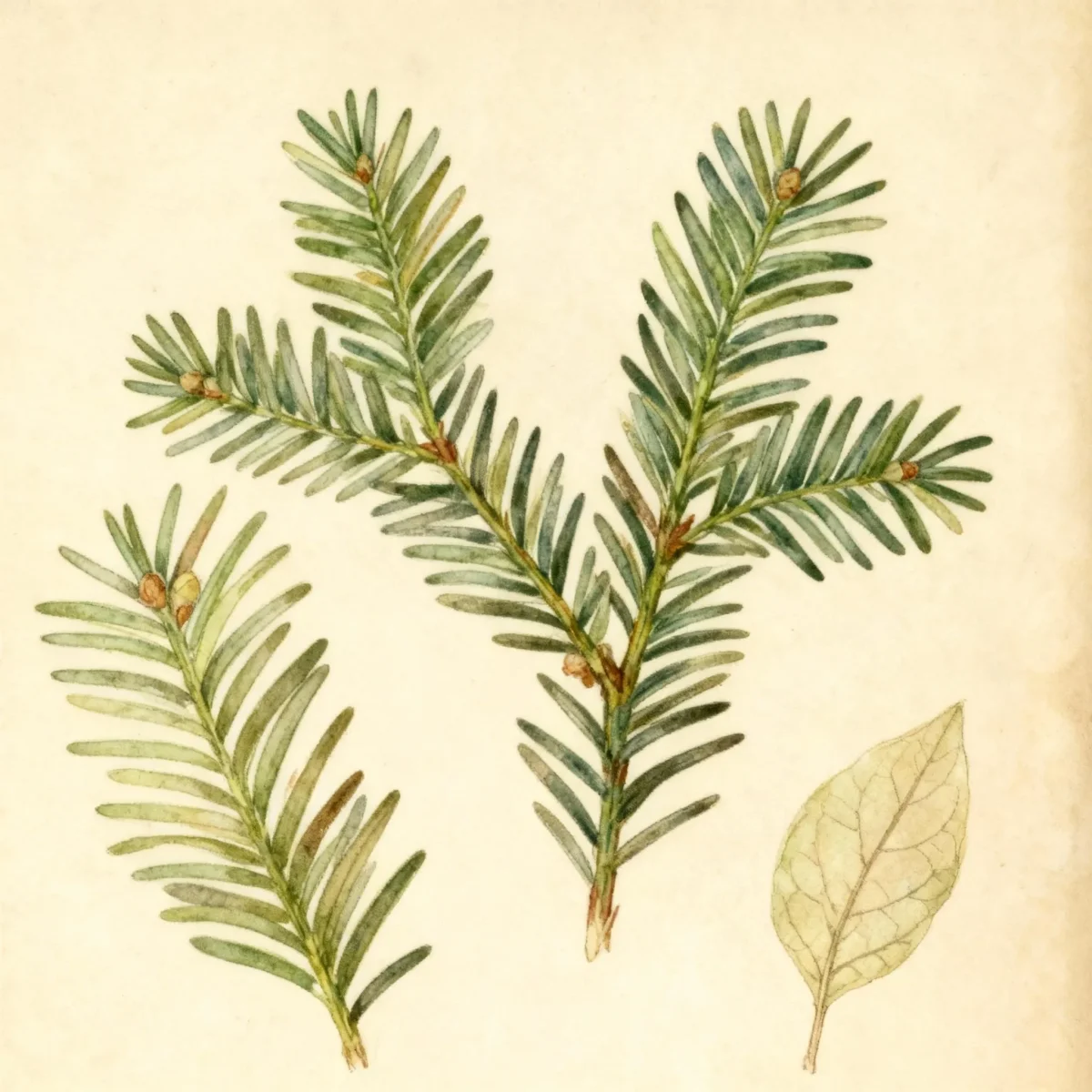
Japanese yew (Taxus cuspidata 'Densa')
Taxus cuspidata 'Densa' is a slow-growing, low, spreading Japanese yew, excellent for foundations and low hedges in partial shade.
Scroll down to discover growing tips, care requirements, companion plants, and more
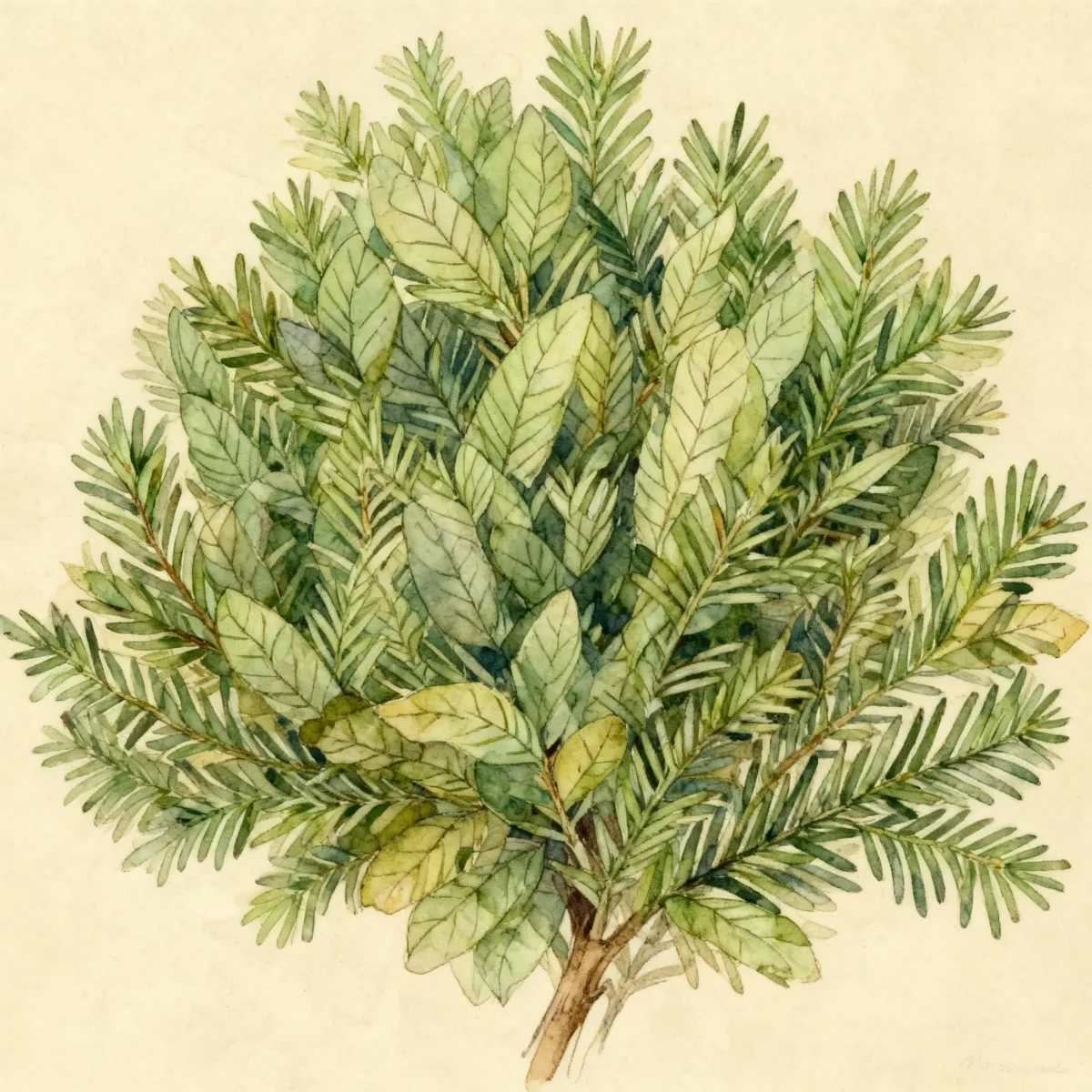
Complete Plant Information
Overview
Taxus cuspidata ‘Densa’, commonly known as Japanese yew, is highly valued by landscape designers for its dense, slow-growing, and compact habit. This dwarf, female form remains relatively low and wide, making it an exceptional foundation planting where space is limited but year-round evergreen structure is desired. Its deep green needles offer excellent textural contrast throughout the seasons.
This resilient needled evergreen thrives in a wide range of conditions, from full sun to significant shade, although it is renowned as one of the best evergreens for darker locations. While adaptable, Taxus cuspidata ‘Densa’ absolutely requires consistent moisture and excellent soil drainage to prevent common root issues.
The benefit of choosing Taxus cuspidata ‘Densa’ lies in its minimal upkeep; it is a low-maintenance choice ideal for established gardens or homeowners seeking dependable structure without frequent pruning. Its attractive foliage and occasional red fruit structures (arils) ensure year-round visual interest.
Fast Facts
- Plant Family: Taxaceae
- Plant Type: Needled evergreen
- Hardiness Zones: USDA Zones 4-7
- Size at Maturity:
- Height: 3-4 ft
- Spread: 6-8 ft
- Bloom Time: Non-flowering
- Bloom Description: Non-flowering
- Sun Exposure: Full sun to part shade
- Water Needs: Medium
- Maintenance Level: Low
How to Grow
The key to successfully growing Taxus cuspidata ‘Densa’ involves selecting the right location regarding drainage. Plant this Japanese yew when dormant, ideally in spring or fall, ensuring the site has average, well-drained soil. While they prefer moist, sandy loams, they exhibit zero tolerance for standing water or saturated conditions, making proper soil preparation critical for preventing root rot.
Water needs are medium; maintain consistent moisture, especially as the plant establishes itself. Avoid letting the soil dry out completely, but also ensure no wet pockets develop. The plant tolerates urban pollution well, but site Taxus cuspidata ‘Densa’ where it is protected from harsh, cold winter winds, which can cause unsightly winter burn on the foliage.
Maintenance is generally low. This shrub tolerates shaping and pruning exceptionally well. If size control or formal shaping is required, prune in early spring before new growth begins, though light shaping can be done throughout the year. Avoid over-pruning into old wood if possible.
Landscape Uses
The compact, spreading nature of Taxus cuspidata ‘Densa’ makes it uniquely suited for formal and informal landscape designs where low height is mandatory. It excels when used as a low hedge, providing an unbroken band of green along walkways or property lines. Its dense habit also makes it highly effective when utilized as foundations plantings next to structures.
Groupings of Taxus cuspidata ‘Densa’ create excellent low-level mass plantings for texture and backdrop. Because they tolerate shade so well, they serve as reliable evergreen anchors beneath deciduous trees or near the north side of buildings. Site them near lighter-colored hardscaping to enhance the depth of their dark green needles.
For accent uses, allow one specimen to stand slightly apart to showcase its attractive, slow-spreading mound form. While specific companion plants are not listed, focus on pairing them with plants that share similar light (shade tolerance) and moisture requirements, such as hostas or shade-loving ferns.
Standout Features
Fruit Qualities
- Showy
Noteworthy Characteristics
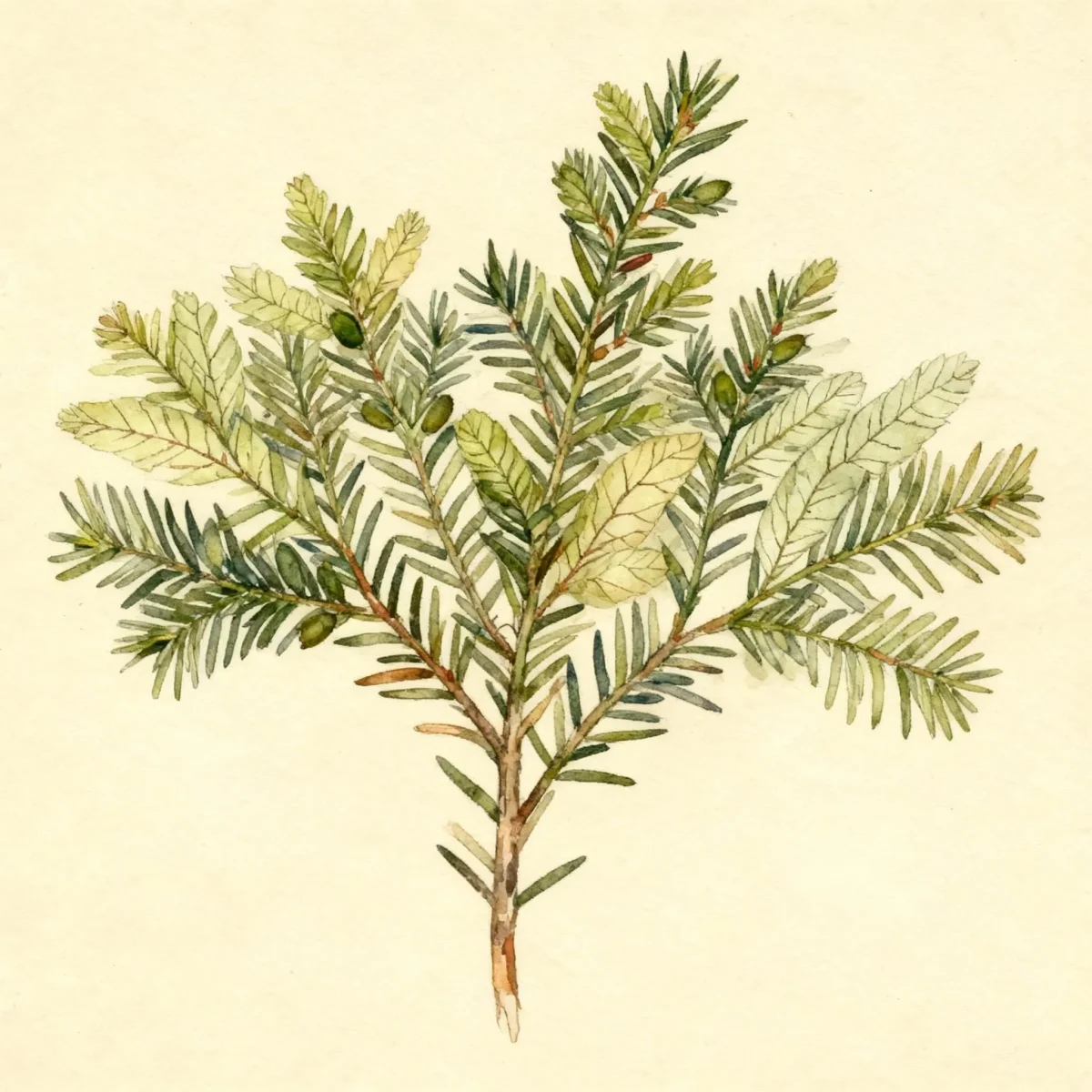
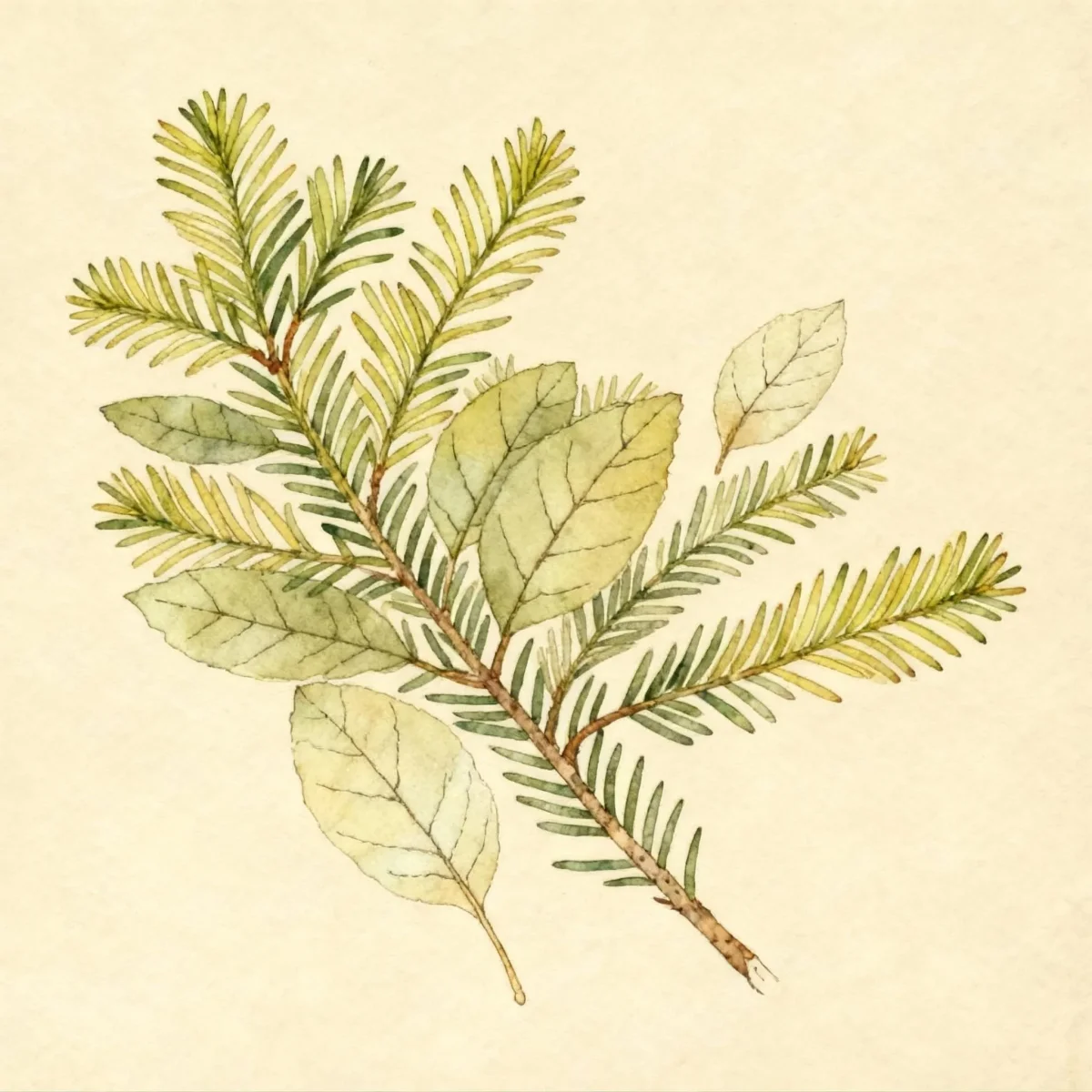
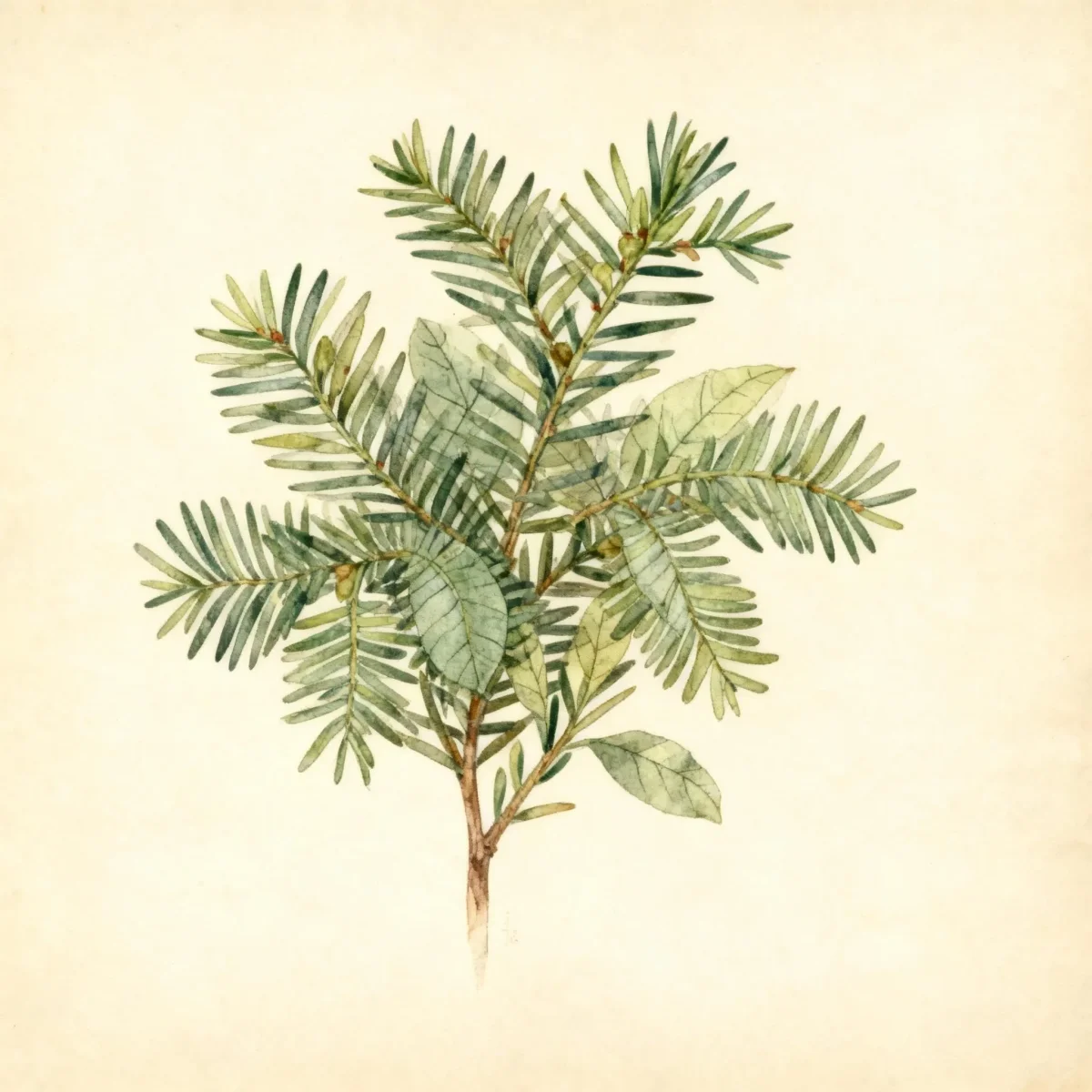
Taxus cuspidata, commonly known as Japanese yew, is a broad-columnar needled evergreen tree or multistemmed shrub that is native to Korea, China, Russia and Japan. In its native habitat, it will grow to as much as 30-50’ tall. In cultivation it will grow much smaller, particularly if regularly pruned. It features linear, spiny-tipped, dark green needles (to 1” long). Plants are dioecious; female plants produce berry-like cones surrounded by a red, fleshy structure called an aril. The specific epithet refers to the cuspidate (sharp pointed tip) foliage, and ‘Densa’ is specifically noted as a dwarf, shrubby, upright-spreading female form growing very slowly to 4’ tall by 8’ wide over decades.
Tolerances
- Heavy Shade
Potential Problems
Susceptibility to winter burn is a primary concern, especially if the Japanese yew is planted in an exposed site receiving intense winter sun and wind. To mitigate this, ensure adequate winter moisture is available and consider placing screens during the harshest winter months.
Occasionally, this cultivar may suffer from twig blight or needle blight, often related to humidity or poor air circulation in dense plantings. Always ensure proper spacing when planting Taxus cuspidata ‘Densa’ to promote good airflow around the foliage.
Pests such as weevils, mealybugs, and scale can appear in some regions. Inspect the underside of the deep green needles regularly; early detection allows for easier management before infestations become severe. Root rot remains a significant threat if soil drainage is compromised.
Frequently Asked Questions
What hardiness zones is Japanese yew suitable for?
Taxus cuspidata ‘Densa’ is hardy and reliably grown in USDA Zones 4 through 7.
How large does Taxus cuspidata ‘Densa’ grow?
When mature, this cultivar typically reaches a height between 3 and 4 feet, spreading out to 6 to 8 feet wide.
What sun exposure does Taxus cuspidata ‘Densa’ need?
This tough evergreen performs well in a range from full sun to part shade, and it is particularly noted for tolerating heavy shade conditions.
When does Taxus cuspidata ‘Densa’ bloom?
This plant is categorized as non-flowering; it produces no noticeable flowers, but the female plants will bear ornamental red drupes (cones) in the fall.
Conclusion
The reliability, dense structure, and shade tolerance make Taxus cuspidata ‘Densa’ an indispensable structural plant for low, spreading evergreen coverage. Homeowners seeking a long-lasting, low-maintenance anchor that looks fantastic year-round should strongly consider this Japanese yew cultivar. Always confirm your local growing zone (4-7) and ensure your soil drains well before planting.
Companion Planting
When selecting partners for Taxus cuspidata ‘Densa’, focus on species that appreciate similar levels of shade and consistent moisture. Groundcovers like Vinca minor (Periwinkle) provide excellent coverage beneath the spread of the yew without competing heavily for nutrients. For seasonal color contrast, consider planting spring-blooming bulbs like snowdrops or species tulips, which emerge and die back before the yew’s dense foliage becomes too thick.
Avoid planting moisture-loving perennials too closely, as the spreading canopy of the Japanese yew can limit airflow at ground level. Instead, use plants that thrive in dappled sunlight or open shade, such as Astilbe or Helleborus, ensuring they do not need aggressive summer watering that could lead to soil saturation around the yew roots.
Design Ideas for Low Hedges
The slow growth rate of this specific cultivar allows it to function perfectly as a permanent, low border hedge that requires minimal shearing. Use Taxus cuspidata ‘Densa’ to define edges along patios, seating areas, or the front of retaining walls where a taller shrub would obstruct views. Its mature width of up to 8 feet means it needs to be placed strategically away from narrow pathways.
For traditional foundation plantings, use Taxus cuspidata ‘Densa’ beneath windows that look out onto shade gardens. Because it maintains its dense structure without constant pruning, it provides a clean, year-round skirt to the house. Ensure spacing allows for its mature spread to prevent overcrowding, which reduces air circulation and invites potential foliar diseases.