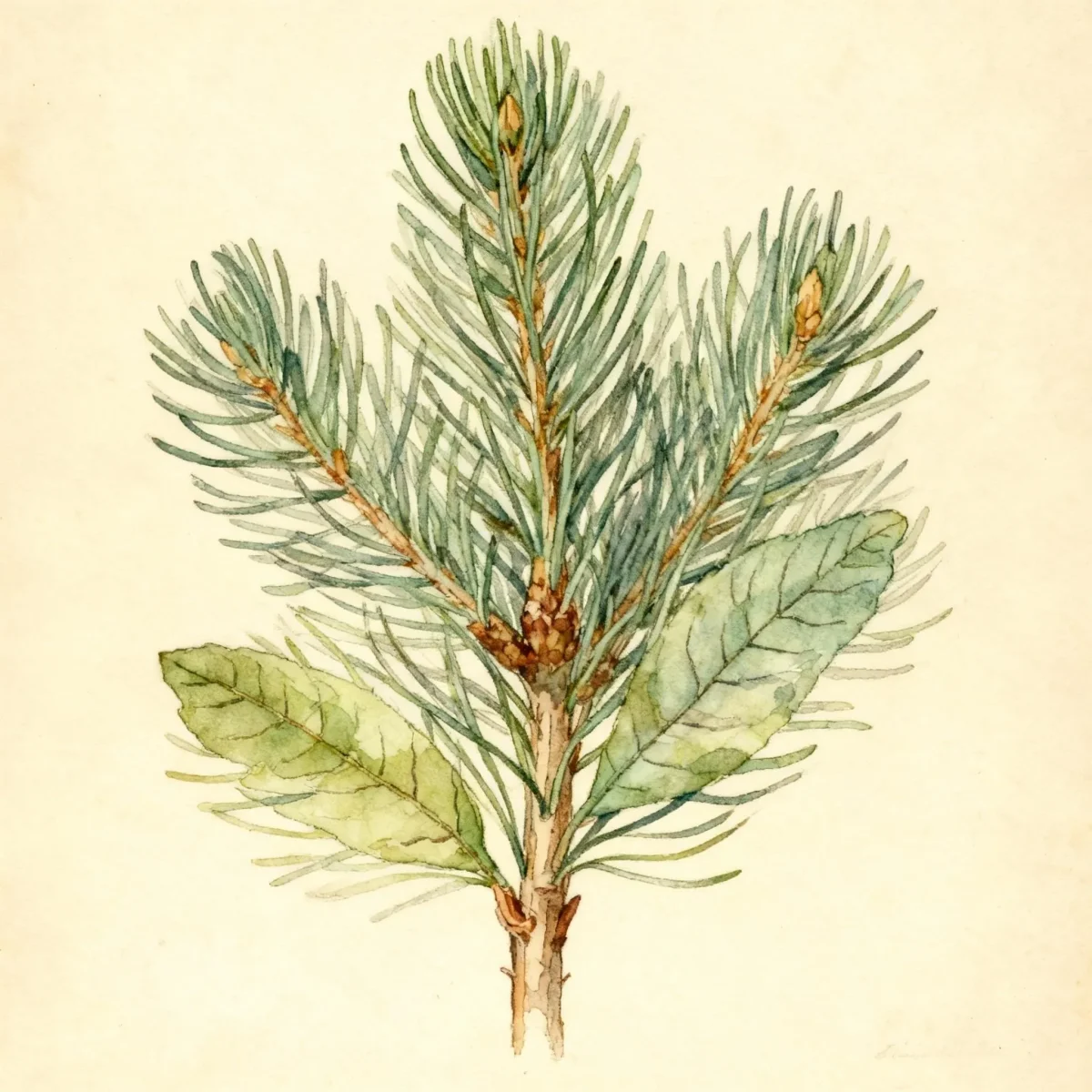
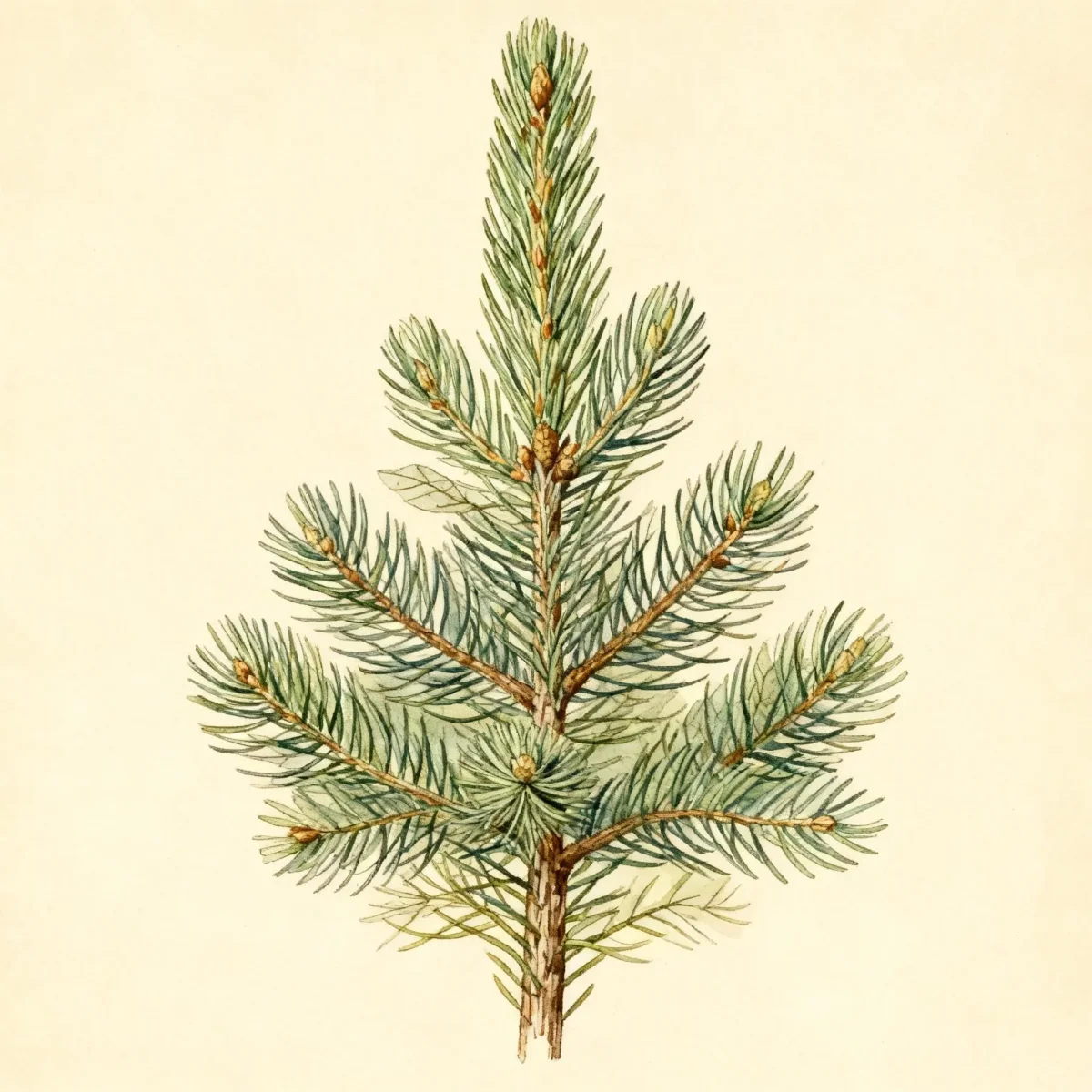
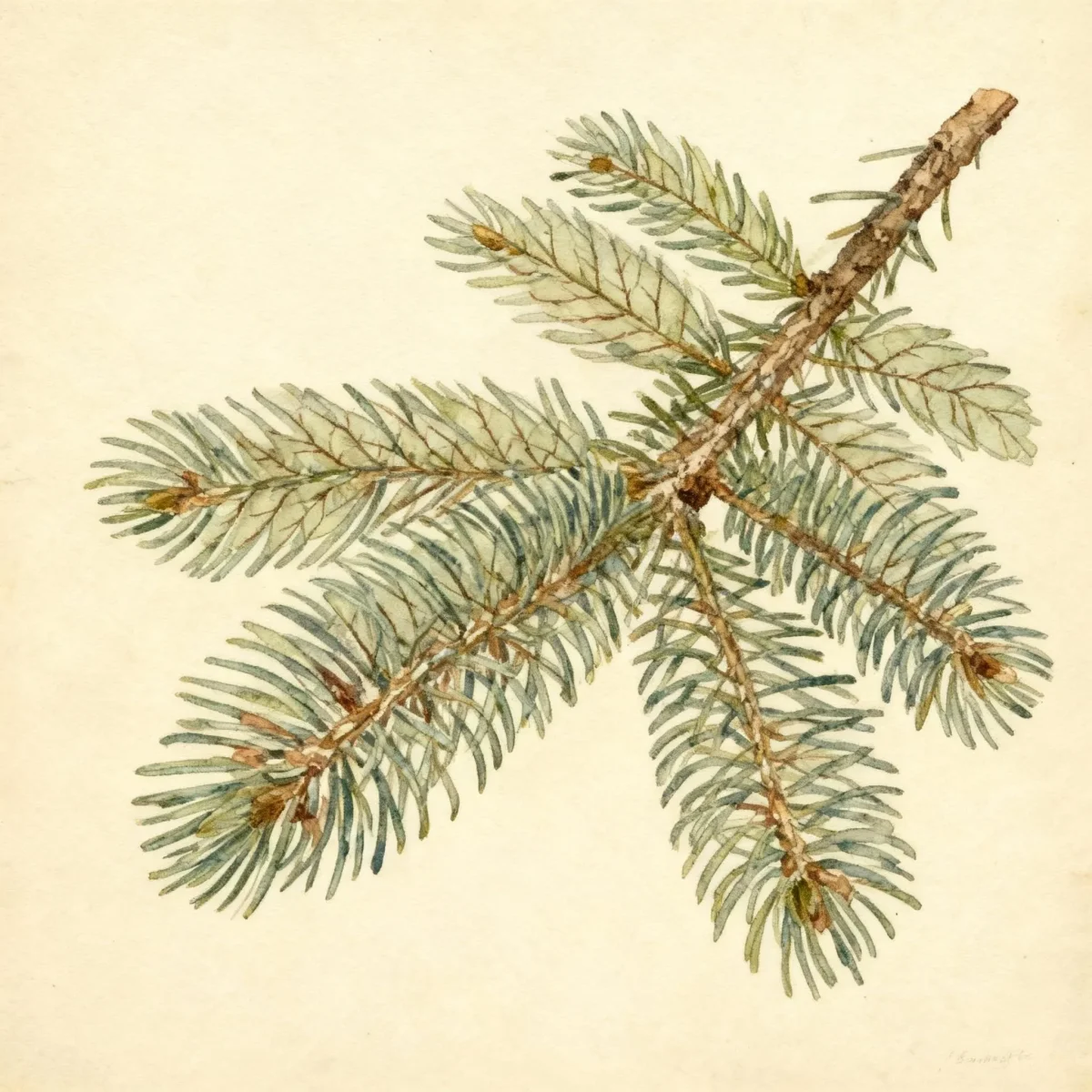
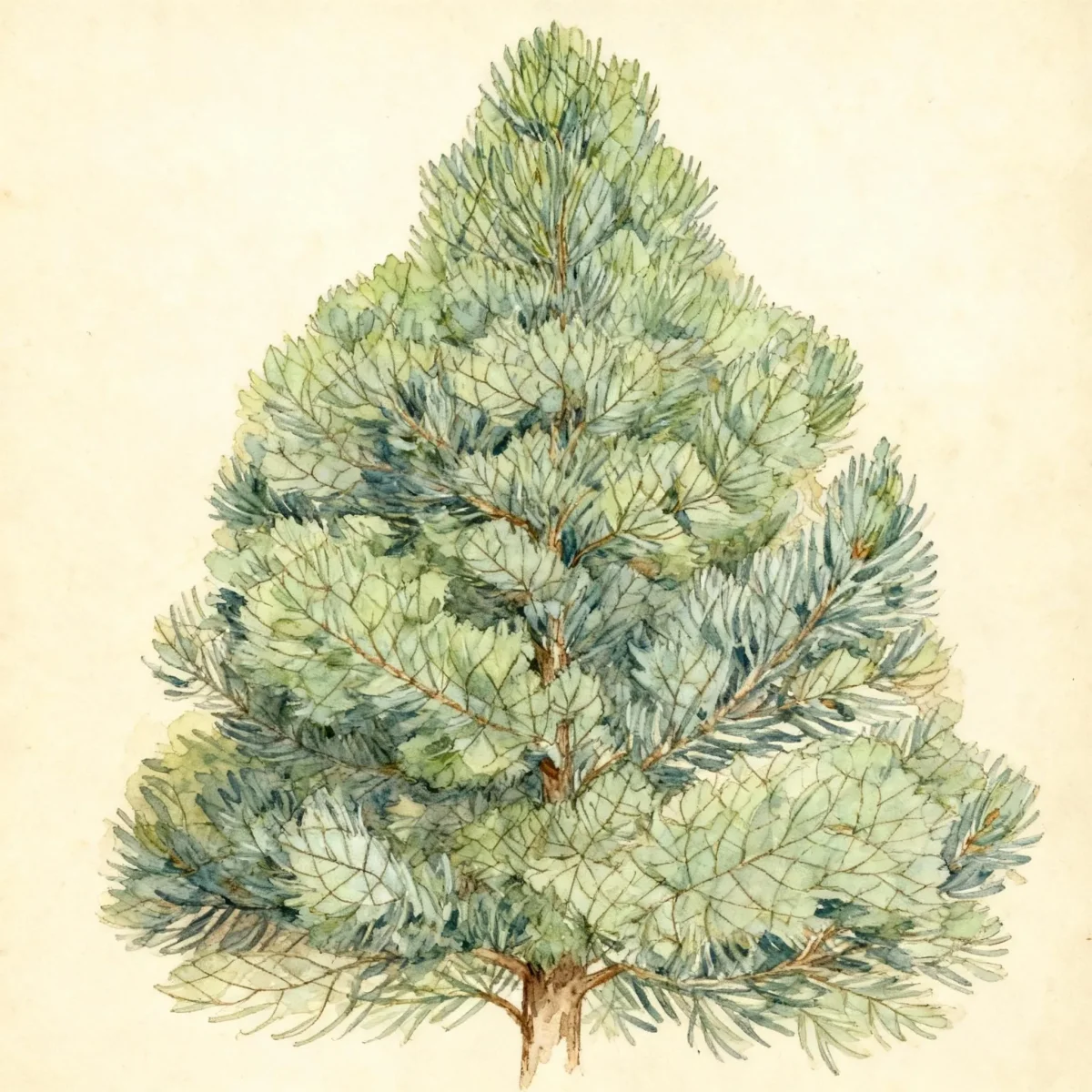
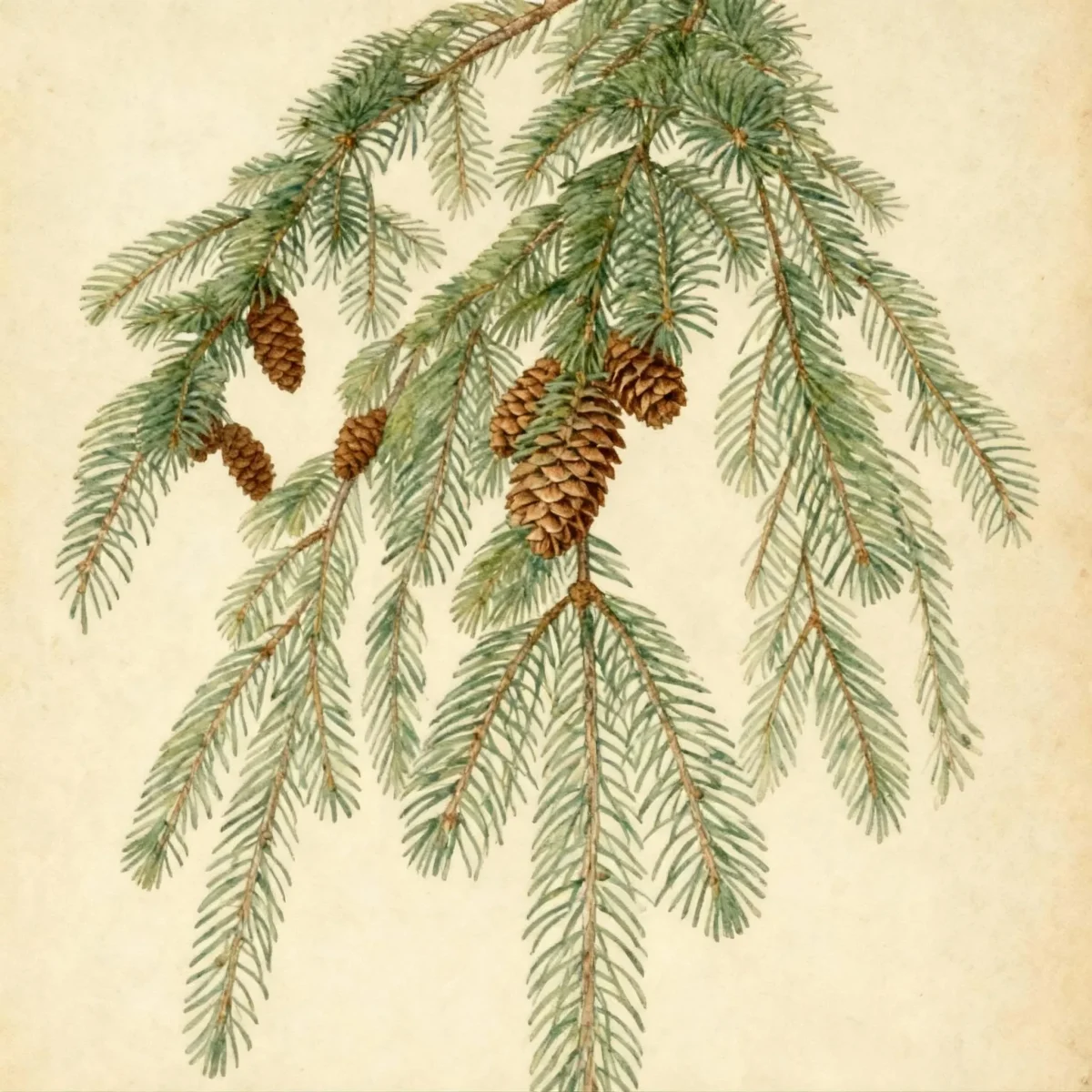
White spruce (Picea glauca JEAN'S DILLY)
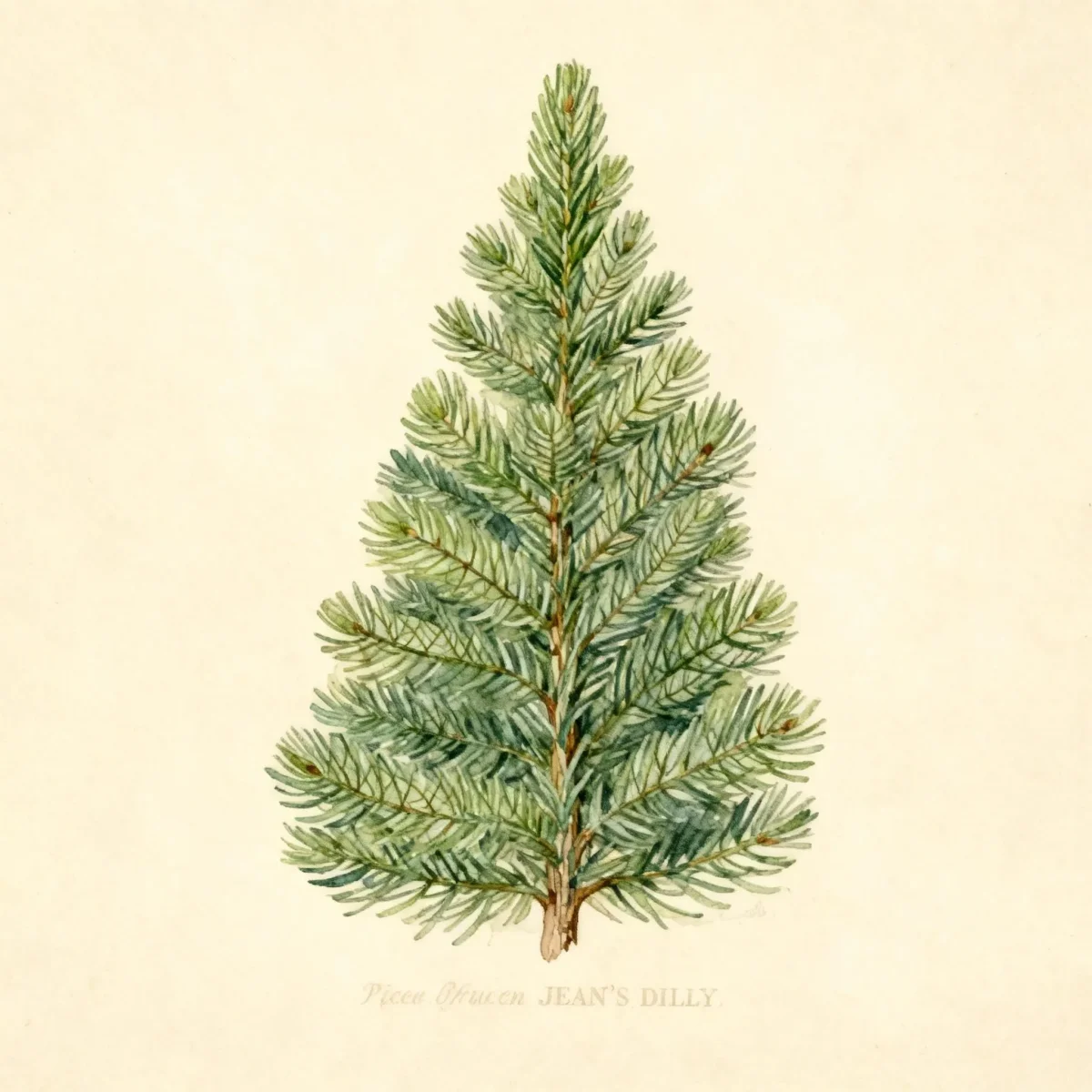
Picea glauca JEAN'S DILLY is a compact, slow-growing White spruce perfect for small spaces, prized for its dense, pyramidal habit.
Scroll down to discover growing tips, care requirements, companion plants, and more
Complete Plant Information
Overview
Picea glauca JEAN’S DILLY is a highly desirable, miniature selection of the native White spruce, offering the classic conical form in a size manageable for smaller landscapes. This extremely hardy needled evergreen maintains an upright, narrow shape, making it an excellent vertical accent without demanding significant expansive room. Gardeners value this cultivar for its exceptionally low maintenance requirements and its year-round deep green texture.
Unlike the towering native species, Picea glauca JEAN’S DILLY grows slowly, typically adding only 2-4 inches per year. This slow rate ensures that the perfect, dense cone shape develops gradually, rarely needing shearing throughout its lifespan. It thrives best in the chilly embrace of cold winter climates, mirroring the natural preference of the parent species.
The appeal of this slow-growing White spruce extends to foundation plantings, rock gardens, and specialized container designs where structure and fine texture matter most. Its density also provides excellent year-round visual screening when properly sited. Incorporating Picea glauca JEAN’S DILLY into your landscape guarantees long-term architectural interest.
Fast Facts
- Plant Family: Pinaceae
- Plant Type: Needled evergreen
- Hardiness Zones: USDA Zones 3-6
- Size at Maturity:
- Height: 2-5 ft
- Spread: 1-2.5 ft
- Bloom Time: Non-flowering
- Bloom Description: Non-flowering
- Sun Exposure: Full sun
- Water Needs: Medium
- Maintenance Level: Low
How to Grow
The ideal time to plant Picea glauca JEAN’S DILLY is in the spring or fall, allowing its roots time to establish before extreme seasonal temperatures arrive. Ensure the planting site offers full sun exposure for the densest growth, although this White spruce can tolerate some light afternoon shade. Proper soil preparation is crucial; aim for moist, well-drained conditions, as the plant struggles in soggy areas.
Maintain consistent moisture, especially during the first few growing seasons, applying medium water volumes regularly. Once established, this evergreen is relatively low maintenance. Avoid high heat and humidity, which stress the plant significantly; its best performance is guaranteed in colder zones with cool summers. Good air circulation is essential year-round to prevent moisture from lingering in the dense foliage, which can predispose it to issues.
Pruning is generally unnecessary for Picea glauca JEAN’S DILLY, as it naturally maintains its perfect conical habit. Be cautious about site selection near roadsides or areas treated heavily with de-icing salts, as this cultivar shows low tolerance for urban stresses like air pollutants and salt spray. Do not attempt to grow this variety far south of its hardiness range (Zone 6), as it will languish in excessive summer heat.
Landscape Uses
The compact and perfectly conical habit of Picea glauca JEAN’S DILLY makes it an outstanding specimen for architectural contrast in the landscape. Its slow growth rate positions it perfectly as a dwarf evergreen for foundation plantings, where larger conifers would quickly overtake the structure. Consider using smaller groupings as formal accents flanking an entryway or as a low, dense border element.
Due to its manageable size, this cultivar excels in rock gardens, offering year-round structure among low-mounding perennials and alpine plants. Furthermore, its slow growth makes it an interesting, long-term container selection for patios or decks. When containerized, ensure the potting mix drains exceptionally well, mirroring its preferred naturally well-drained soil.
Pair this upright accent with contrasting textures, such as fine-leaved, deciduous shrubs or broadleaf evergreens that thrive in similar partial shade or full sun locations. Its classic form works well as a focal point in Japanese-inspired or formal garden designs where precision and symmetry are desired features.
Standout Features
Fruit Qualities
- Showy
Noteworthy Characteristics
Picea glauca, commonly called white spruce, is known for its extreme hardiness across northern latitudes, though JEAN’S DILLY is a specialized, slow-growing dwarf variant. This specific cultivar reaches only 2-5 feet tall, maintaining a perfect, narrow cone shape that demands no shearing maintenance. Its needles are short (to 1/4” long) and distinctly twisted, differentiating it visually from the standard White spruce, offering textured appeal year-round.
Tolerances
- Deer
Potential Problems
Picea glauca JEAN’S DILLY is quite robust, generally avoiding serious, widespread insect or disease issues when sited correctly. However, vigilance is required against common spruce threats. Susceptibility includes needle and stem rust, canker, and potentially trunk or root rot if drainage is inadequate.
Insects like mites are common recurrences which, if left unchecked, can cause significant injury to the dense foliage. Forest pests such as the yellow-headed spruce sawfly or spruce budworm may appear depending on your bioregion, warranting close monitoring. For prevention, ensure excellent site conditions—plenty of sun, good air movement, and consistent moisture—to keep the plant vigorous enough to resist opportunistic issues.
Frequently Asked Questions
What hardiness zones is White spruce (Picea glauca JEAN’S DILLY) suitable for?
This dwarf evergreen performs best in USDA Zones 3 through 6, benefiting greatly from reliably cold winters.
How large does Picea glauca JEAN’S DILLY grow?
At maturity, this slow-growing specimen typically reaches a height between 2 and 5 feet, with a corresponding spread of 1 to 2.5 feet.
What sun exposure does White spruce need?
Picea glauca JEAN’S DILLY requires full sun for optimal density and health, though it can tolerate light shade.
When does Picea glauca JEAN’S DILLY bloom?
This conifer is non-flowering; it produces cones rather than true flowers.
Conclusion
Picea glauca JEAN’S DILLY successfully brings the rugged beauty of the White spruce into small garden settings through its slow growth and perfect conical form. Its low maintenance profile and excellent hardiness make it a reliable evergreen asset for structure in challenging cold climates. Before purchasing, always confirm that your growing area falls within USDA Zones 3 through 6 to ensure the long-term success of this compact conifer.
Companion Planting
Selecting appropriate companions enhances the aesthetic appeal and aids in creating a healthy microclimate for Picea glauca JEAN’S DILLY. Because this spruce prefers cool, consistently moist soil, pair it with other acid-loving plants that share similar cultural needs. Excellent companions in rock gardens or borders include various dwarf rhododendrons, azaleas, and low-growing heaths or heathers that appreciate sharp drainage.
When using this plant in foundation settings, consider contrasting its upright, dense texture with softer, mounding groundcovers. Creeping thyme or various sedums can drape nicely over retaining walls near the base, provided they do not crowd the lower branches of the spruce. This contrast highlights the formal structure of the Picea glauca JEAN’S DILLY.
For container features, utilize plants with contrasting foliage color, such as bright chartreuse or crimson annuals, to draw attention to the deep green of the evergreen needles during the growing season. Ensure all container companions also require medium watering and thrive in full sun to partial shade.
Seasonal Care Calendar
Spring preparation is vital for White spruce, focusing on removing any winter debris trapped in the dense foliage, which improves air circulation. This is the ideal time for a light, slow-release fertilizer application if your soil analysis indicates nutrient deficiencies, though heavy feeding is rarely required. Monitor closely for emerging signs of mite activity as temperatures warm up.
Summer care centers entirely on consistent moisture. Since the plant requires medium water needs and struggles in high heat and humidity, ensure deep, infrequent watering during dry spells rather than light, daily sprinkling. Avoid overhead watering late in the day to allow foliage to dry before nightfall, minimizing fungal potential.
In autumn, inspect the plant for any wind damage or broken branches accumulated over the season, making any necessary corrective pruning cuts before the ground freezes completely. As winter approaches, ensure the plant has adequate moisture before the ground freezes solid; deep watering in late fall helps protect the needles from winter burn in exposed sites.