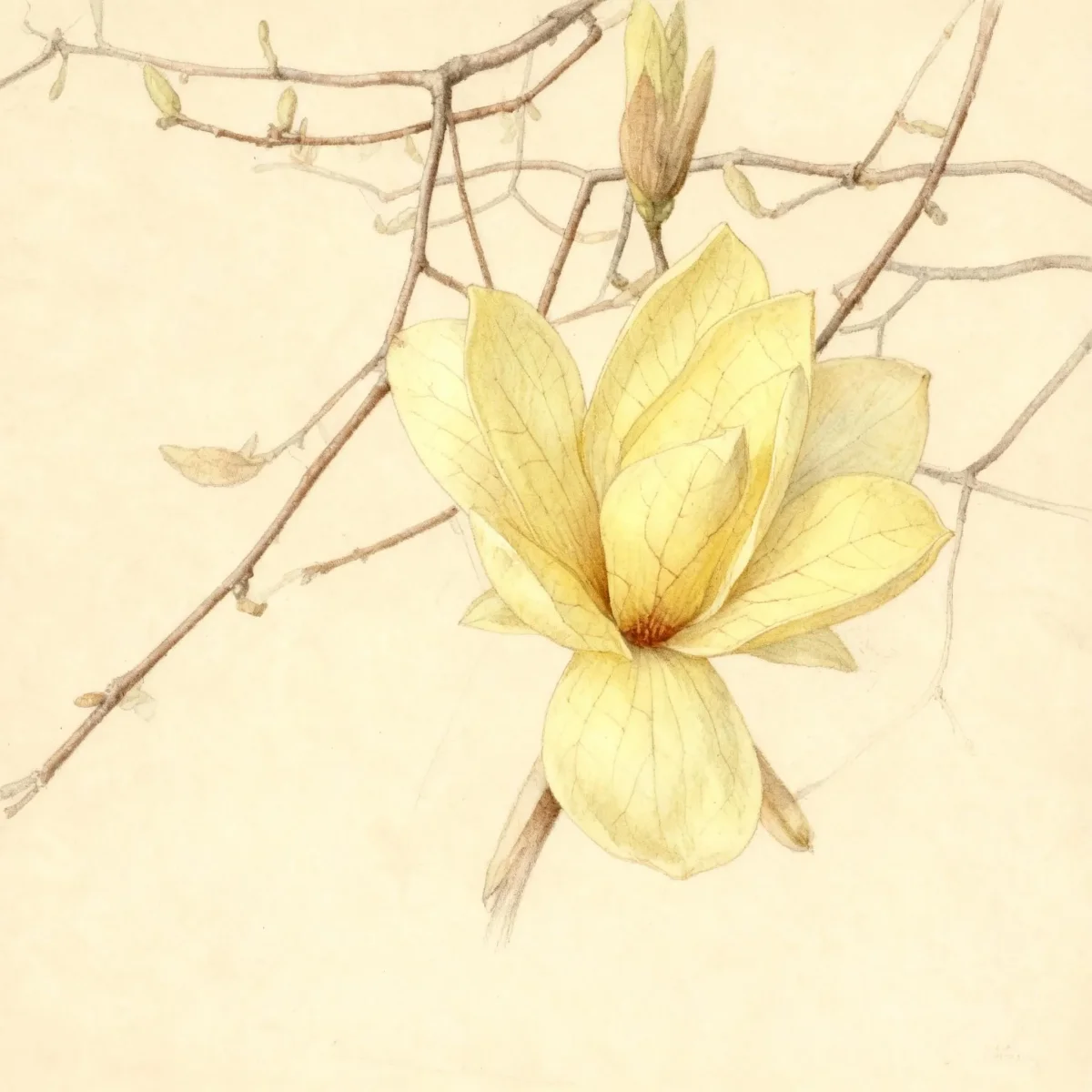
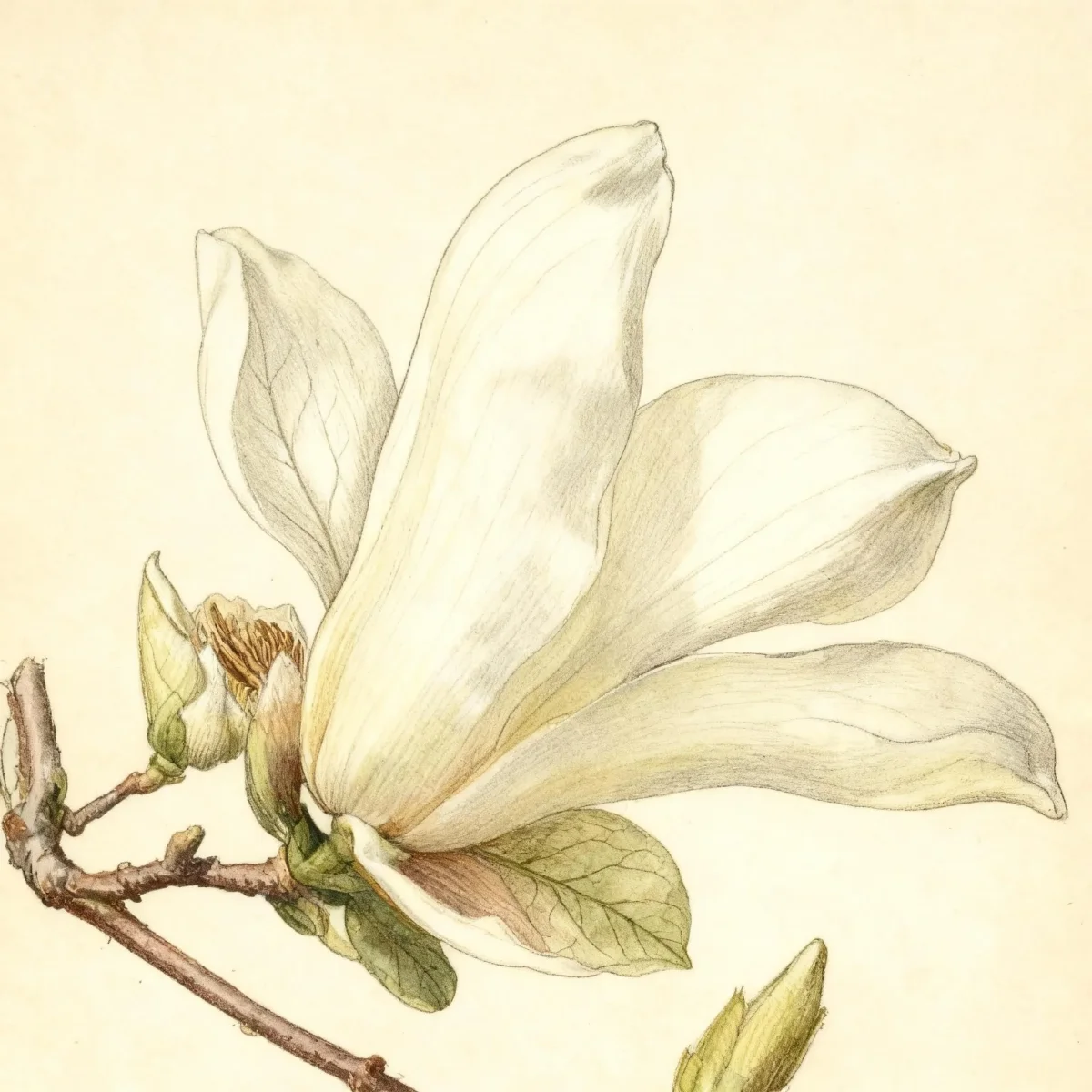
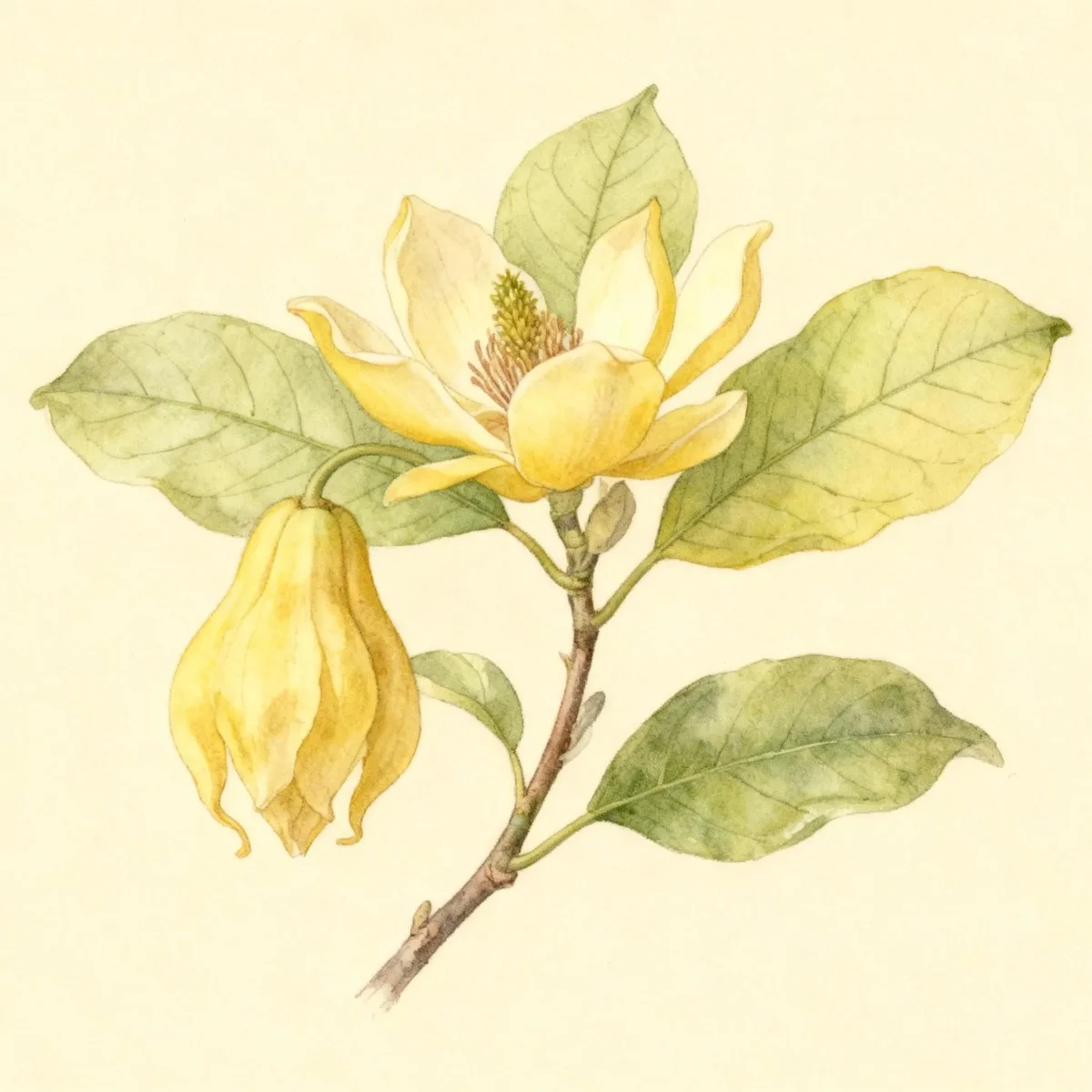
Magnolia (Magnolia × brooklynensis 'Yellow Bird')
Discover the Magnolia × brooklynensis 'Yellow Bird', a distinct yellow-flowering hybrid Magnolia tree, ideal for specimen planting in zones 4-8.
Scroll down to discover growing tips, care requirements, companion plants, and more
Complete Plant Information
Overview
The Magnolia × brooklynensis ‘Yellow Bird’ is a highly desirable hybrid cultivar, treasured for introducing clear, goblet-shaped yellow flowers to the spring landscape. As a cultivar derived from the esteemed Brooklyn Botanic Garden breeding program, it combines desirable traits from its parent species, M. acuminata and M. liliiflora. This deciduous tree offers structure and vibrant spring color, maturing into an excellent shade accent.
Gardening success with Magnolia × brooklynensis ‘Yellow Bird’ hinges on providing consistent moisture and protection from harsh morning sun coupled with strong winds. It is a relatively fast-growing specimen that offers visual interest far beyond its spring bloom period, with attractive dark green foliage throughout the summer. Few common pests or diseases severely impact this low-maintenance Magnolia.
For gardeners seeking a medium-to-large specimen tree featuring unusual yellow blooms, the Magnolia × brooklynensis ‘Yellow Bird’ presents a fantastic opportunity. Its upright, pyramidal habit maintains good structure as it reaches its mature height, making it a commanding feature in open or sunny locations.
Fast Facts
- Plant Family: Magnoliaceae
- Plant Type: Tree
- Hardiness Zones: USDA Zones 4-8
- Size at Maturity:
- Height: 20-40 ft
- Spread: 10-25 ft
- Bloom Time: April
- Bloom Description: Yellow
- Sun Exposure: Full sun to part shade
- Water Needs: Medium
- Maintenance Level: Low
How to Grow
The optimal time for planting your Magnolia × brooklynensis ‘Yellow Bird’ is typically spring or early fall when temperatures are mild. Location is critical; choose a site that provides full sun or light afternoon shade, ensuring it is protected from harsh southern exposures where early warming can damage emerging buds. This Magnolia thrives best in moist, slightly acidic, organically rich, well-drained loams. Avoid areas prone to soil extremes, as these trees are intolerant of consistently dry or waterlogged conditions.
Maintain consistent moisture, especially during dry spells, as regular water is necessary for optimal growth. Once established, applying a thick layer of mulch around the root zone will help conserve soil moisture and regulate root temperature. Be aware that once planted and settled, transplanting established magnolias can be difficult, so site selection is paramount. Pruning should generally be minimal, focusing only on removing crossing or damaged limbs after flowering concludes.
For best results, site Magnolia × brooklynensis ‘Yellow Bird’ away from structures that might reflect intense heat onto the emerging spring foliage and flowers. If planting in a windy spot, ensure the specimen tree has adequate support until its framework is sturdy enough to withstand gusts.
Landscape Uses
As a robust Flowering Tree, the Magnolia × brooklynensis ‘Yellow Bird’ shines as an excellent specimen planting. Its relatively contained, upright, conical shape makes it perfect near open patios, entryways, or as a focal point in a sunny lawn area where its distinctive yellow spring display can be fully appreciated. Because it is a hybrid developed for reliable performance, it functions well as a small shade tree as it matures to 30 or 40 feet tall.
When planning your garden layout, consider pairing this Magnolia with later-blooming, shade-tolerant shrubs that can fill the space beneath its canopy once the spring show concludes. Plants that appreciate similar acidic soil conditions, such as Rhododendrons or Azaleas, make excellent lower-level companions near the mulched root zone. Its clean growth habit also makes the Magnolia × brooklynensis ‘Yellow Bird’ a strong anchor plant in contemporary or formal landscape designs.
Standout Features
Flower Qualities
- Showy
Noteworthy Characteristics
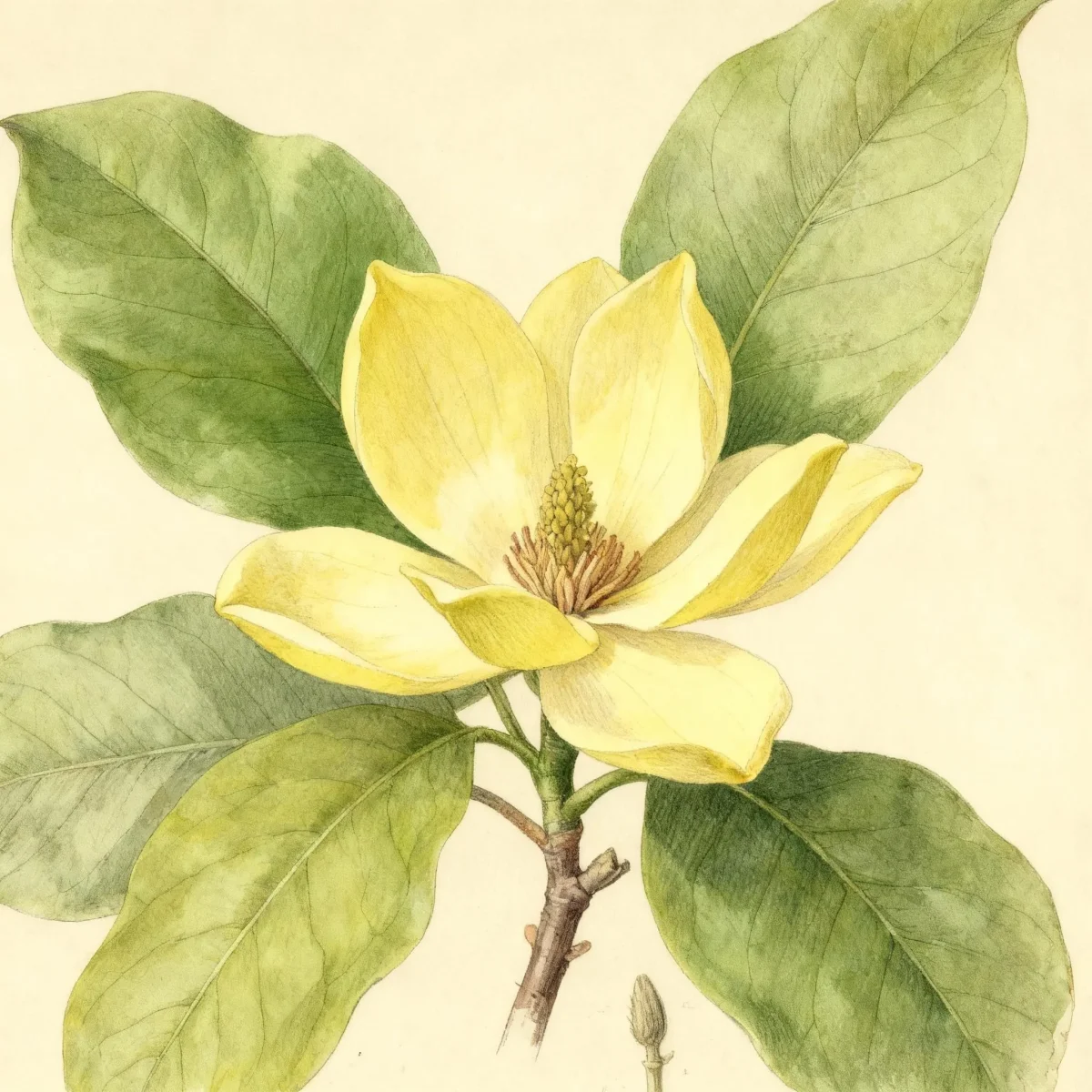
The genus Magnolia includes about 100 species of deciduous or evergreen trees and shrubs, noted for their large, simple leaves and conspicuous flowers. The Magnolia × brooklynensis ‘Yellow Bird’ is a hybrid originating from the Brooklyn Botanic Garden, specifically bred to offer reliable yellow coloration. This upright, conical, deciduous tree produces goblet-shaped, yellow flowers in spring as new leaves emerge, eventually maturing to about 40 feet tall.
Tolerances
This section is not populated based on provided data.
Potential Problems
This cultivar generally exhibits good resilience, reporting no serious insect or disease problems under ideal culture. The primary management concern involves weather-related damage. Late spring frosts pose a threat because the tree flowers relatively early in April; frost can damage or completely destroy the delicate flower buds and newly opened blossoms. Site selection is the best defense: avoid locations susceptible to early warming microclimates.
Frequently Asked Questions
What hardiness zones is Magnolia × brooklynensis ‘Yellow Bird’ suitable for?
The Magnolia is successfully grown in USDA Hardiness Zones 4 through 8.
How large does Magnolia × brooklynensis ‘Yellow Bird’ grow?
This deciduous tree typically achieves a mature height between 20 and 40 feet tall, with a spread ranging from 10 to 25 feet wide.
What sun exposure does Magnolia × brooklynensis ‘Yellow Bird’ need?
For the best flower production and overall health, this Magnolia requires full sun to partial shade conditions.
When does Magnolia × brooklynensis ‘Yellow Bird’ bloom?
The bloom time is generally in April, featuring striking yellow flowers as the foliage begins to emerge.
Conclusion
The Magnolia × brooklynensis ‘Yellow Bird’ offers gardeners a low-maintenance, structurally sound specimen tree celebrated for its unique spring yellow blooms. By ensuring well-drained, rich, slightly acidic soil and protection from critical late frosts, you can successfully incorporate this handsome Magnolia hybrid into your landscape. Check your local hardiness zone compatibility before planting this spring-blooming marvel.
Design Ideas
For maximizing the visual impact of the Magnolia × brooklynensis ‘Yellow Bird’, consider positioning it where the groundplane planting can handle drier conditions later in summer, as the tree’s extensive root zone will consume significant moisture. Plant it on a gentle slope facing southeast, allowing the morning sun to warm the tree just enough to encourage flowering without exposing it too severely to harsh afternoon summer heat. This careful siting respects the need for consistent moisture while benefiting from the solar exposure necessary for vibrant yellow flowers.
Alternatively, use the pyramidal form of the Magnolia as an informal screen or vertical accent against a darker background, such as an evergreen hedge or a dark-colored fence. The contrast will make the 3-inch goblet-shaped, yellow blooms “pop” dramatically in April. Since the tree is somewhat difficult to move once established, utilize its long life span by planning its placement thoughtfully alongside other long-lived landscape partners.