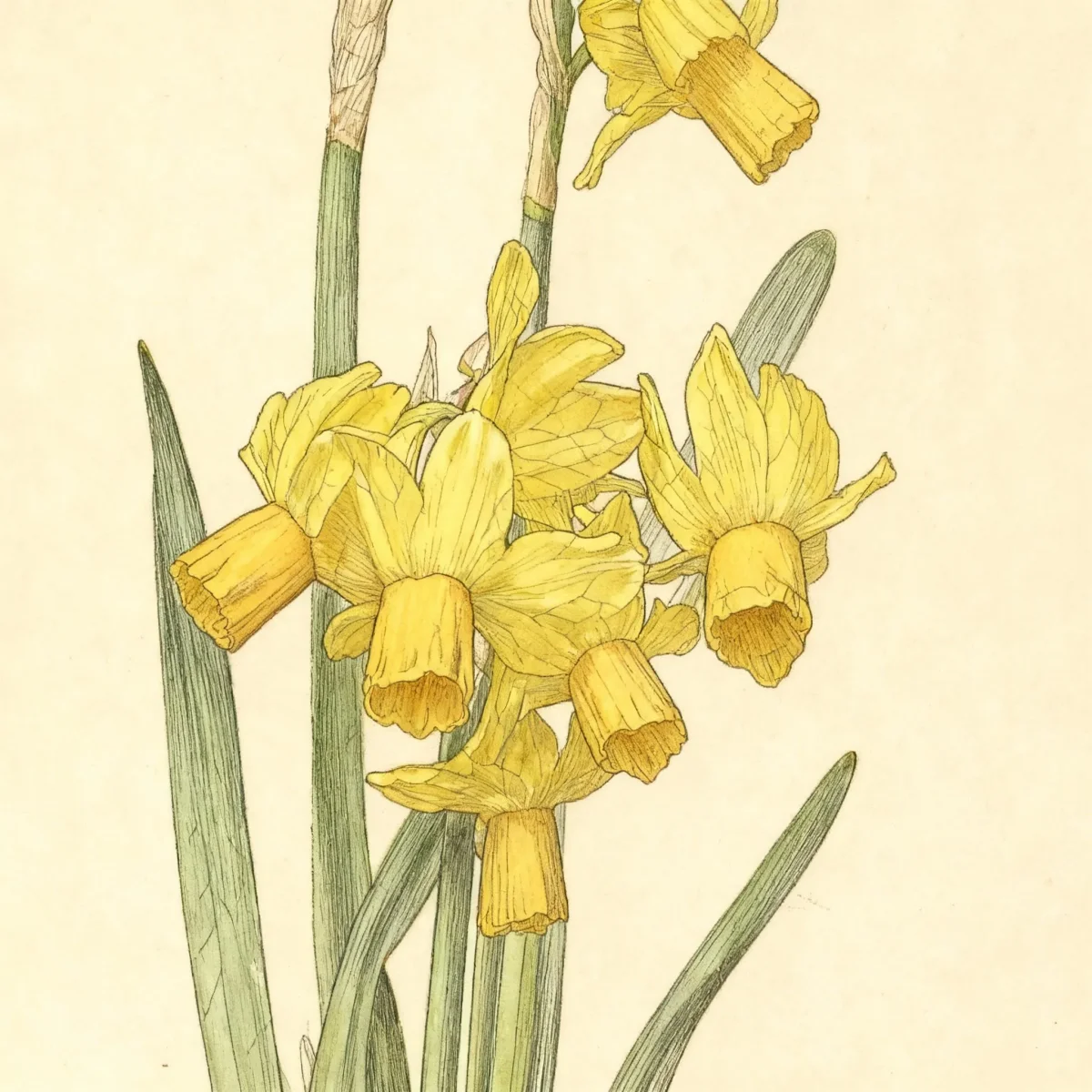
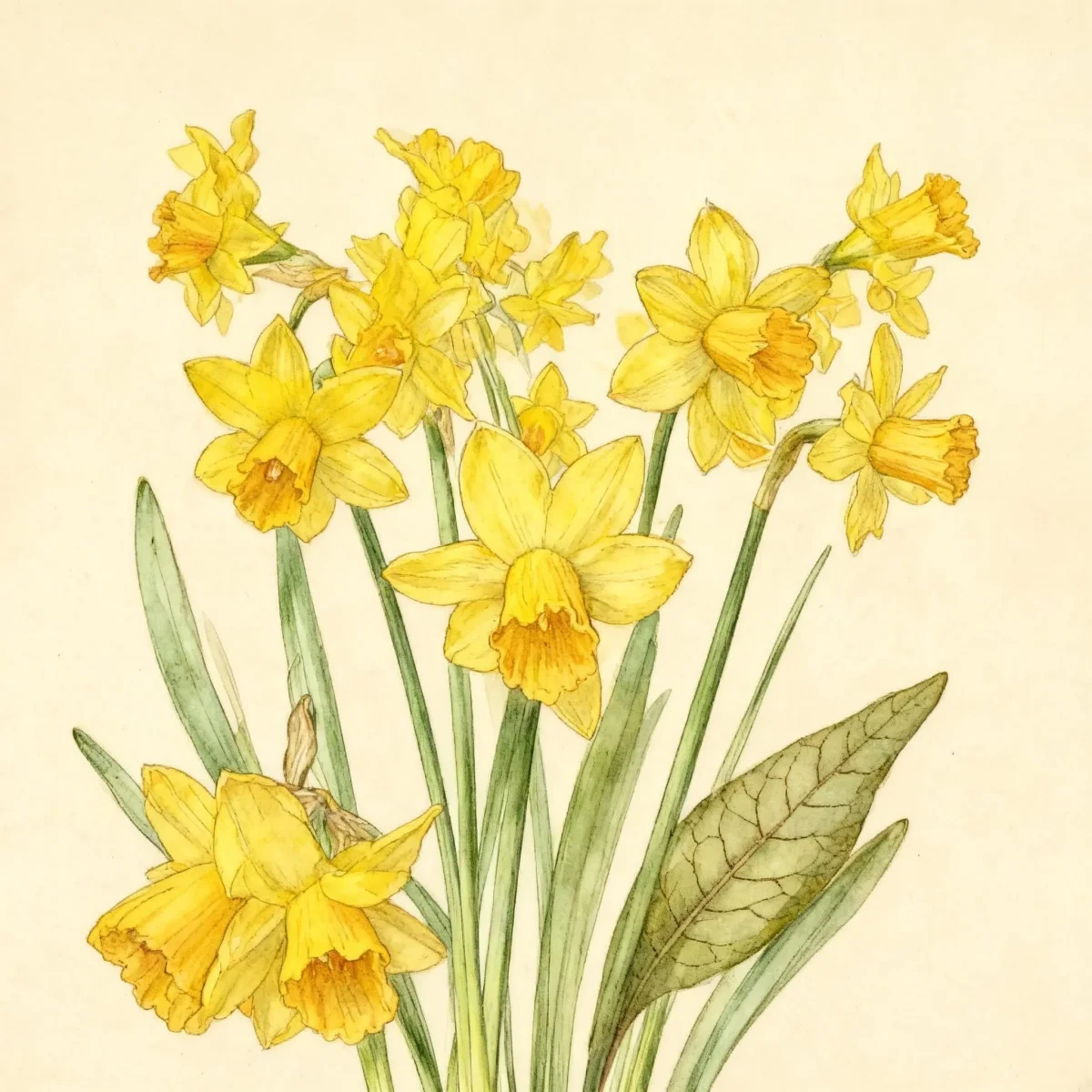
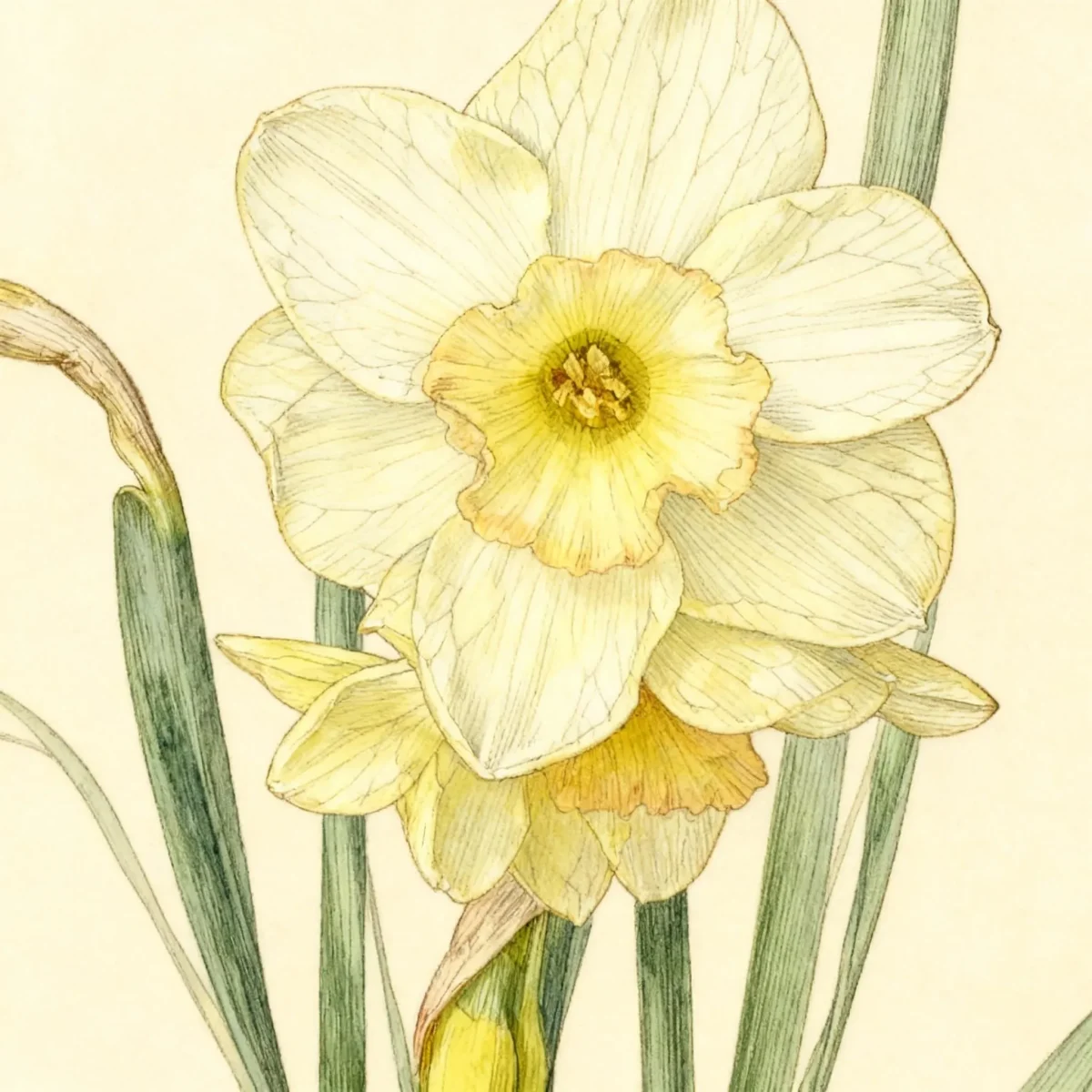
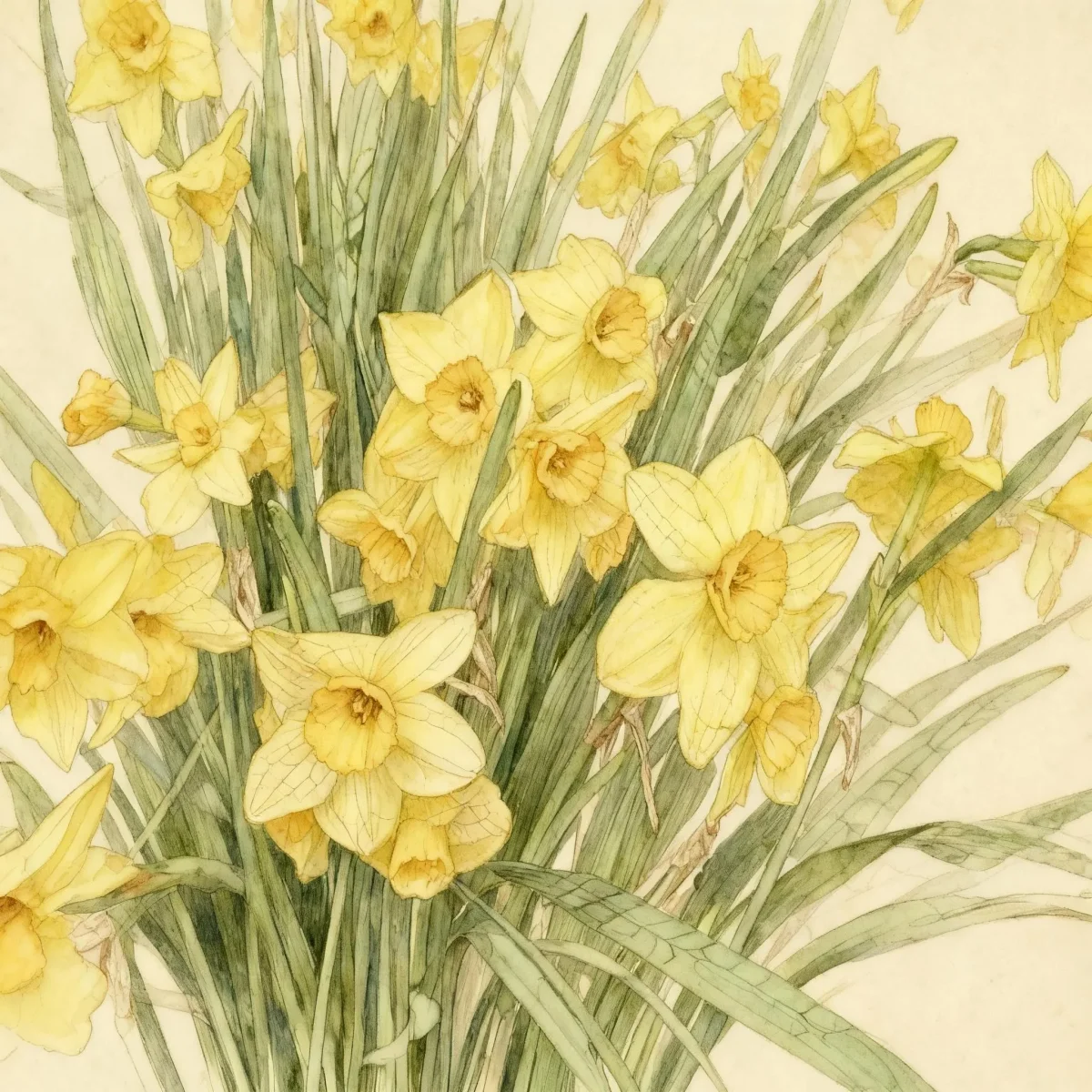
Miscellaneous daffodil (Narcissus 'Bittern')
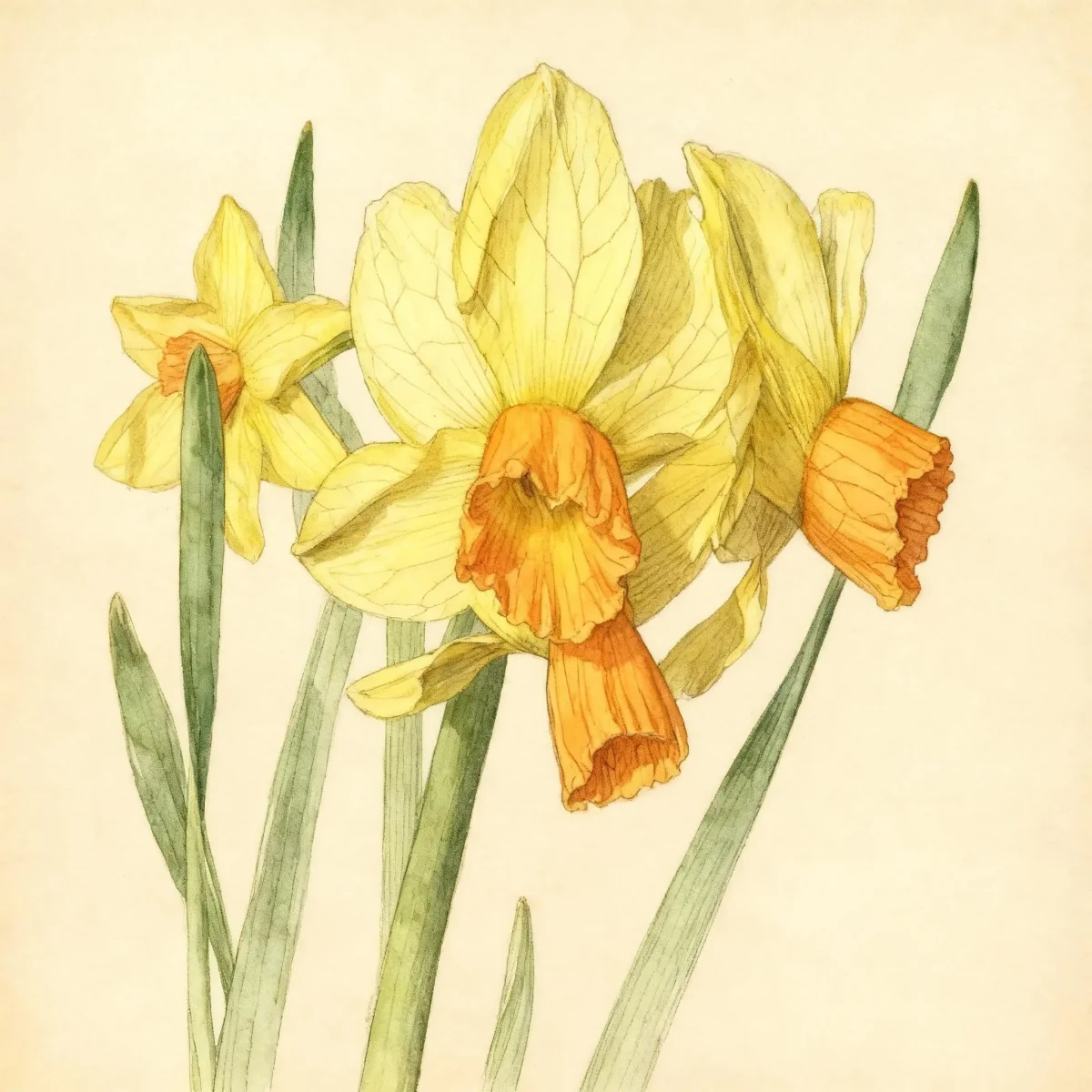
Narcissus 'Bittern' is a low-maintenance Miscellaneous daffodil prized for its refreshing yellow petals and bright orange corona blooming in April.
Scroll down to discover growing tips, care requirements, companion plants, and more
Complete Plant Information
Overview
Narcissus ‘Bittern’ is a reliable and visually striking bulb, categorized as a Miscellaneous daffodil (Division XII), making it a standout choice for renewing the spring garden landscape. This hybrid is valued for its clean presentation of yellow petals contrasted beautifully with a vibrant, frilled orange corona. As a low-maintenance choice, Narcissus ‘Bittern’ offers exceptional seasonal reward for minimal yearly effort.
These classic spring bloomers fit seamlessly into numerous garden settings, reliably emerging in mid-season April. They are exceptionally hardy and easy to grow, provided the basic requirement of good soil drainage is met. Gardeners appreciate the fact that once planted, Narcissus ‘Bittern’ bulbs can be left undisturbed for years, naturalizing beautifully over time.
This Miscellaneous daffodil variety reaches a modest height around 10 to 12 inches, making it visible without overwhelming smaller spring plantings. Plant these bulbs in drifts rather than singles to maximize the visual impact of the yellow and orange combination, securing a cheerful welcome to the warmer months.
Fast Facts
- Plant Family: Amaryllidaceae
- Plant Type: Bulb
- Hardiness Zones: USDA Zones 3-8
- Size at Maturity:
- Height: 0.75-1 ft
- Spread: 0.5-0.75 ft
- Bloom Time: April
- Bloom Description: Yellow petals and orange corona
- Sun Exposure: Full sun to part shade
- Water Needs: Medium
- Maintenance Level: Low
How to Grow
Planting Narcissus ‘Bittern’ bulbs should occur in early to mid-fall, allowing sufficient time for root development before winter freezing. These perennials thrive in average, medium-moisture, well-drained soils, though they perform best in organically rich loams. Good drainage is paramount to prevent bulb rot. Plant each bulb 2 to 3 times as deep as the bulb itself, ensuring 3 inches of soil covers the resultant hole; spacing should range from 4 to 10 inches apart depending on the bulb size.
During the growing season, maintain uniformly moist soil conditions, although the bulbs tolerate drought once they enter dormancy. After the flowers have faded in spring, deadhead the top portion of the spent stem to prevent seed formation, but absolutely leave the foliage intact. The leaves must be allowed to yellow completely—do not cut them back prematurely—as this is how the bulb gathers energy for next year’s spring display.
For optimal visual effect, position Narcissus ‘Bittern’ plantings where the resulting afternoon shade from nearby shrubs or trees will fall behind the blooms, as the flowers tend to turn toward the sun. If clumps become overcrowded after several years, divide them carefully immediately after the foliage dies back.
Landscape Uses
Daffodils, including the popular Narcissus ‘Bittern’, are foundational elements for any successful spring garden design, offering years of reliable performance unlike many annuals or tulips. They integrate perfectly into mixed borders, naturalized woodland areas, or massed beneath deciduous shrubs where they can bloom before the canopy fills out. Planting daffodils in large groupings, ideally six bulbs or more, creates the sweeping drifts necessary to capture their full charm.
Consider planting the Miscellaneous daffodil near evergreen shrubs to contrast their bright spring colors against darker foliage later in the season. They mix exceptionally well with other spring-flowering bulbs like grape hyacinths (Muscari) or early tulips, allowing for sequential blooming interest. Because Narcissus ‘Bittern’ naturalizes readily, consider placing them in less formal areas where they can spread undisturbed over time.
Standout Features
Flower Qualities
- Showy
Noteworthy Characteristics
Narcissus is a genus containing about 50 species of bulbous perennials originating from Europe and North Africa, serving as mainstays for the spring garden. Flowers generally showcase a trumpet or cup (corona) surrounded by six petals (perianth segments) in a spectrum of white, yellow, orange, pink, or bicolors. Narcissus ‘Bittern’ specifically features yellow petals and a bright orange, frilled corona, rising 10-12 inches tall with bloom time typically in mid-season April.
Tolerances
- Rabbit
- Deer
- Drought
Potential Problems
Daffodils in general are highly resistant to serious insect or disease issues when provided with appropriate cultural conditions, noted for remaining nearly pest-free. Bulb rot poses the primary threat and occurs almost exclusively in poorly drained, waterlogged soils; ensure excellent drainage during fall planting. Infrequently, pests such as slugs and snails may cause minor damage, and issues like narcissus bulb fly or narcissus nematode can occasionally appear. Management focuses on cultural strength: avoid planting in sodden areas and remove spent flowers promptly to avoid attracting unwanted pests seeking seed development.
Frequently Asked Questions
What hardiness zones is Miscellaneous daffodil suitable for?
Narcissus ‘Bittern’ is quite cold-tolerant and is suitable for USDA Zones 3 through 8.
How large does Miscellaneous daffodil grow?
This Miscellaneous daffodil typically reaches a height between 0.75 and 1 foot tall, with a spread of 0.5 to 0.75 feet.
When does Miscellaneous daffodil bloom?
Narcissus ‘Bittern’ blooms reliably in mid-season, generally occurring in April, displaying its signature yellow petals and orange corona.
What sun exposure does Narcissus ‘Bittern’ need?
This variety prefers full sun to light part shade; ensure it receives ample light in early spring before tree canopies fully leaf out.
Conclusion
Narcissus ‘Bittern’ is an outstanding, easy-to-grow bulb that delivers reliable color when the garden needs it most, boasting attractive yellow and orange tones. As a low-maintenance Miscellaneous daffodil, it proves its value year after year by naturalizing gracefully in borders and beds. Before the fall planting window, confirm your site’s sunlight and drainage are adequate to ensure many seasons of beautiful blooms from your Narcissus ‘Bittern’ collection.
Companion Planting
Selecting appropriate neighbors helps maximize the visual appeal of Narcissus ‘Bittern’ throughout the spring season. Since daffodils complete their photosynthetic cycle relatively early, pair them with slower-growing perennials or summer-interest plants that will fill in the thinning foliage later. Good companions include emerging hostas, early-blooming Siberian irises, or spring-flowering groundcovers like creeping phlox, which enjoy similar sun/soil profiles. Ensure that companion plants do not aggressively crowd the daffodil bulbs, which require open space for established root systems.
Supplemental Care Calendar
While Narcissus ‘Bittern’ is inherently low maintenance, adherence to a seasonal schedule ensures peak performance. In early spring, as soon as growth emerges, ensure the soil remains medium moist if rainfall is scarce. Mid-spring is the critical window for observing the bloom; deadhead faded flowers after flowering ceases in April, but wait patiently for the foliage to yellow naturally (often well into late May or early June). Avoid all mowing or cutting of the leaves until this yellowing process is complete. During summer dormancy, the bulbs require dry conditions; resist the urge to water the area unless there is an exceptional summer drought. Winter preparation is minimal, as the established bulbs are hardy to Zone 3, but a light mulch over new plantings can aid in temperature regulation.