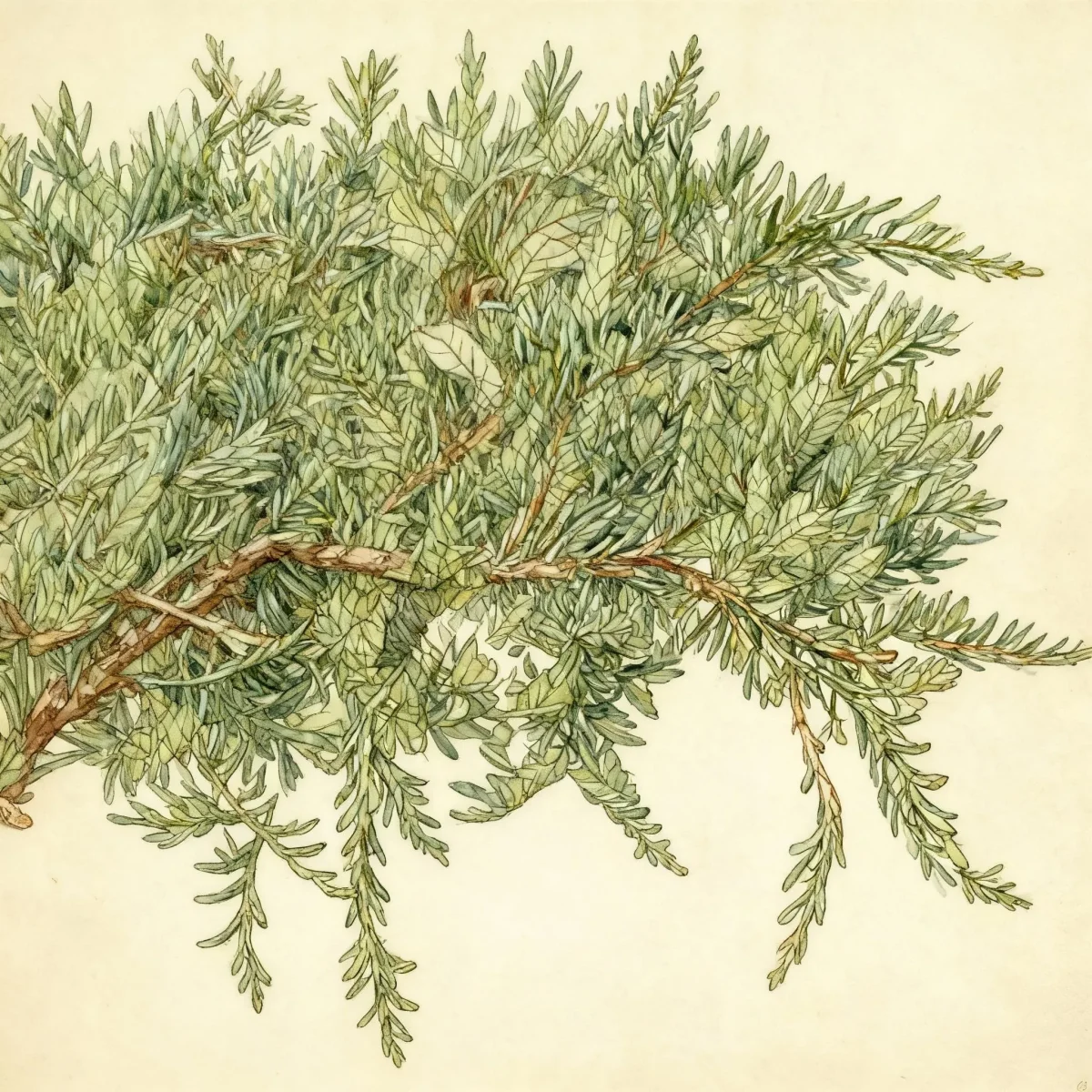
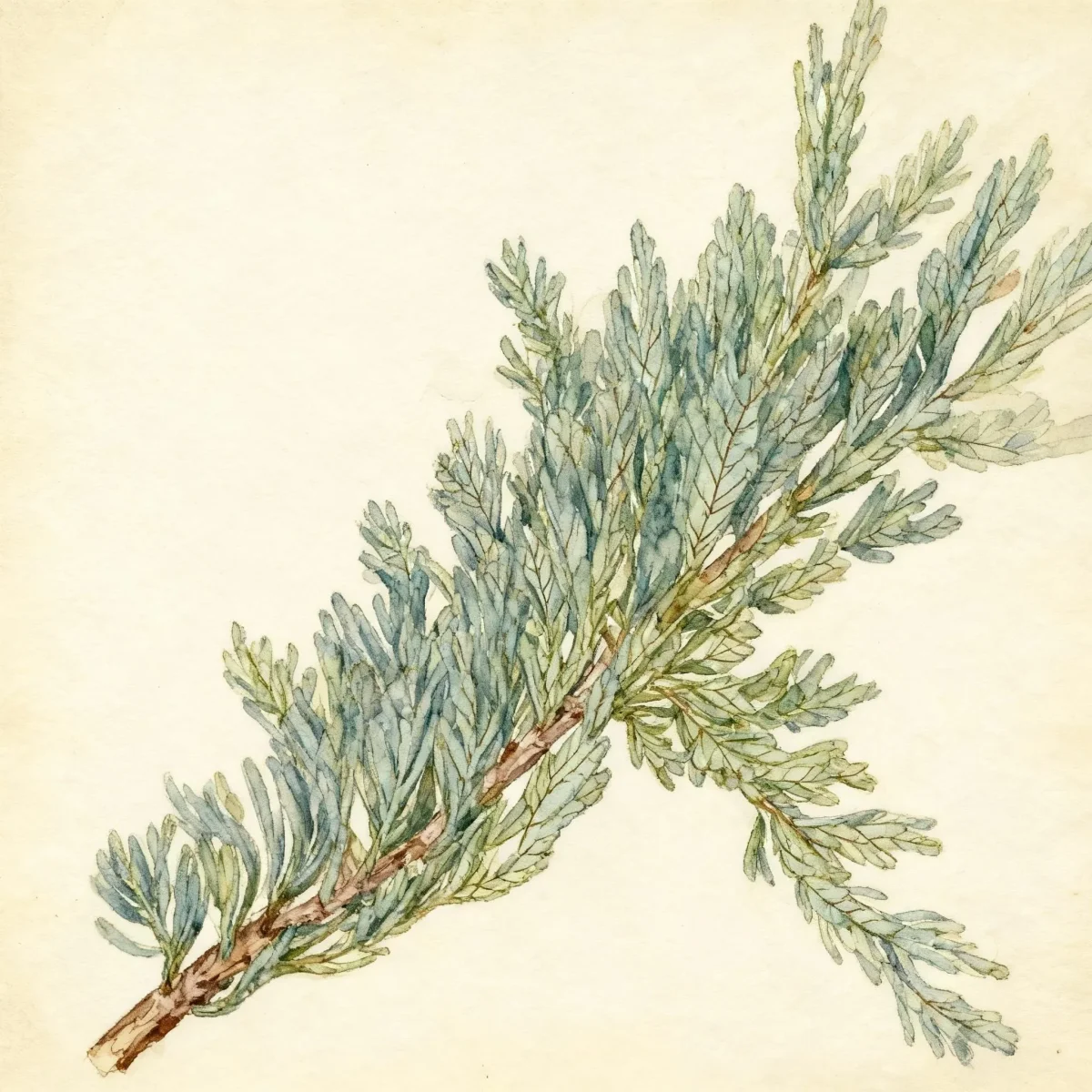
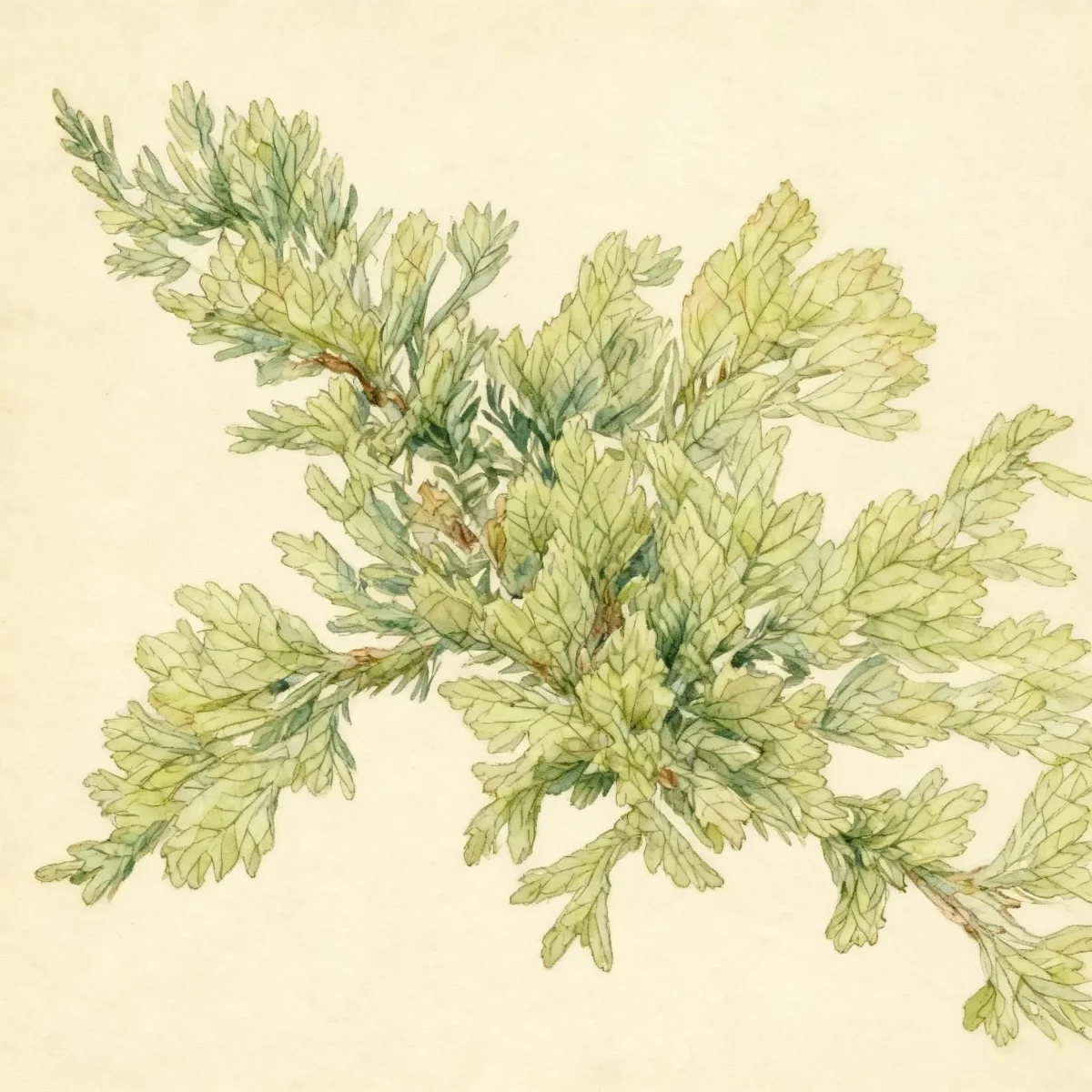
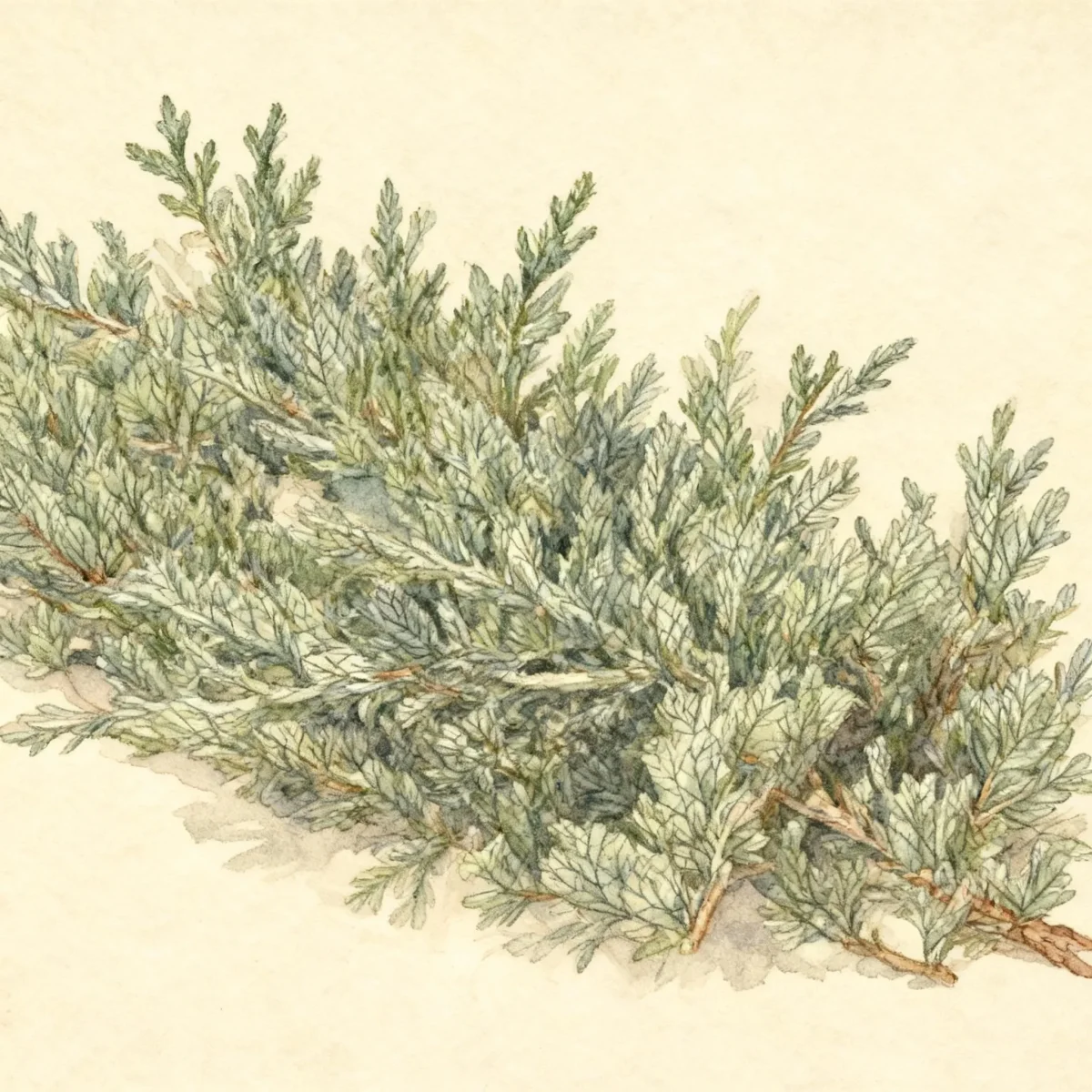
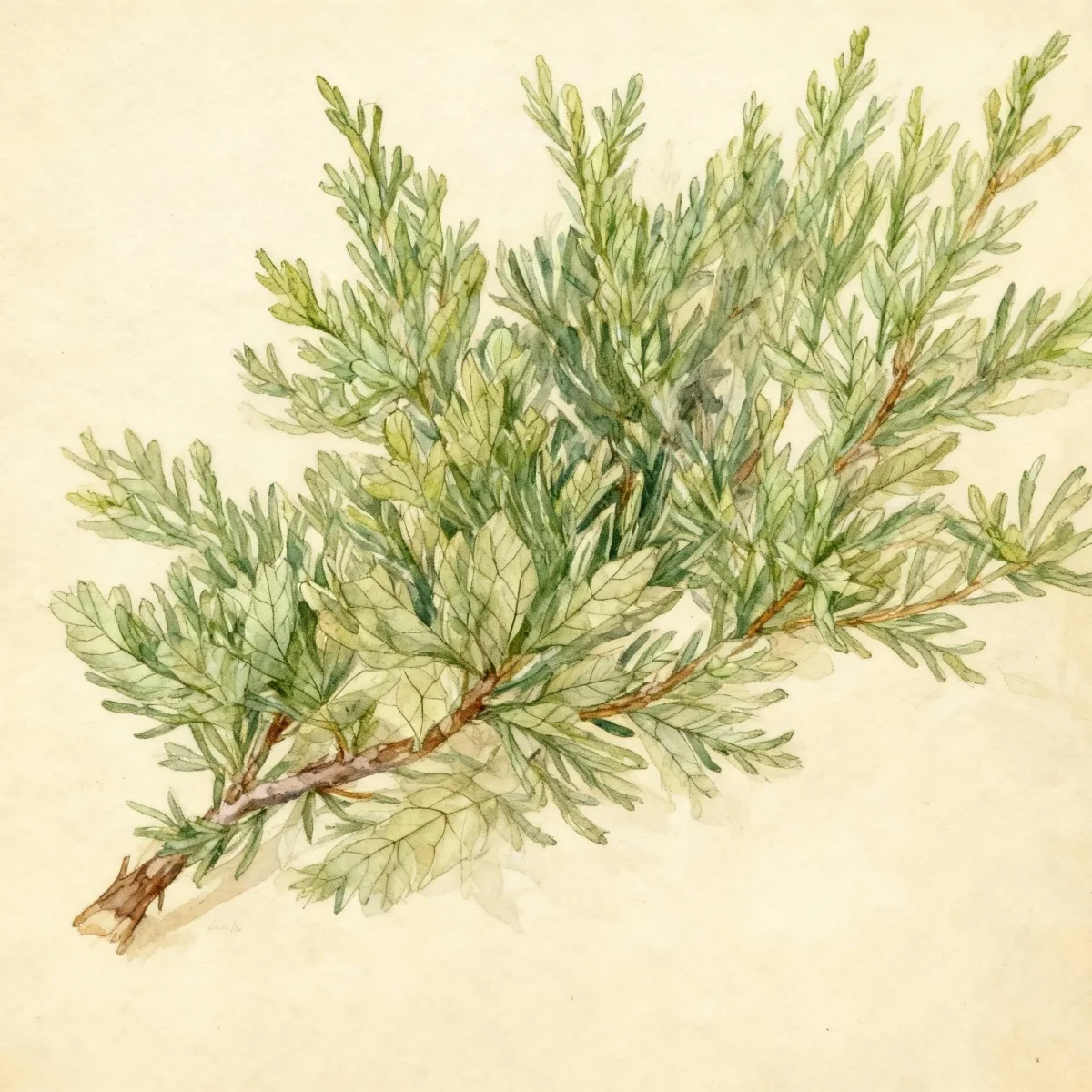
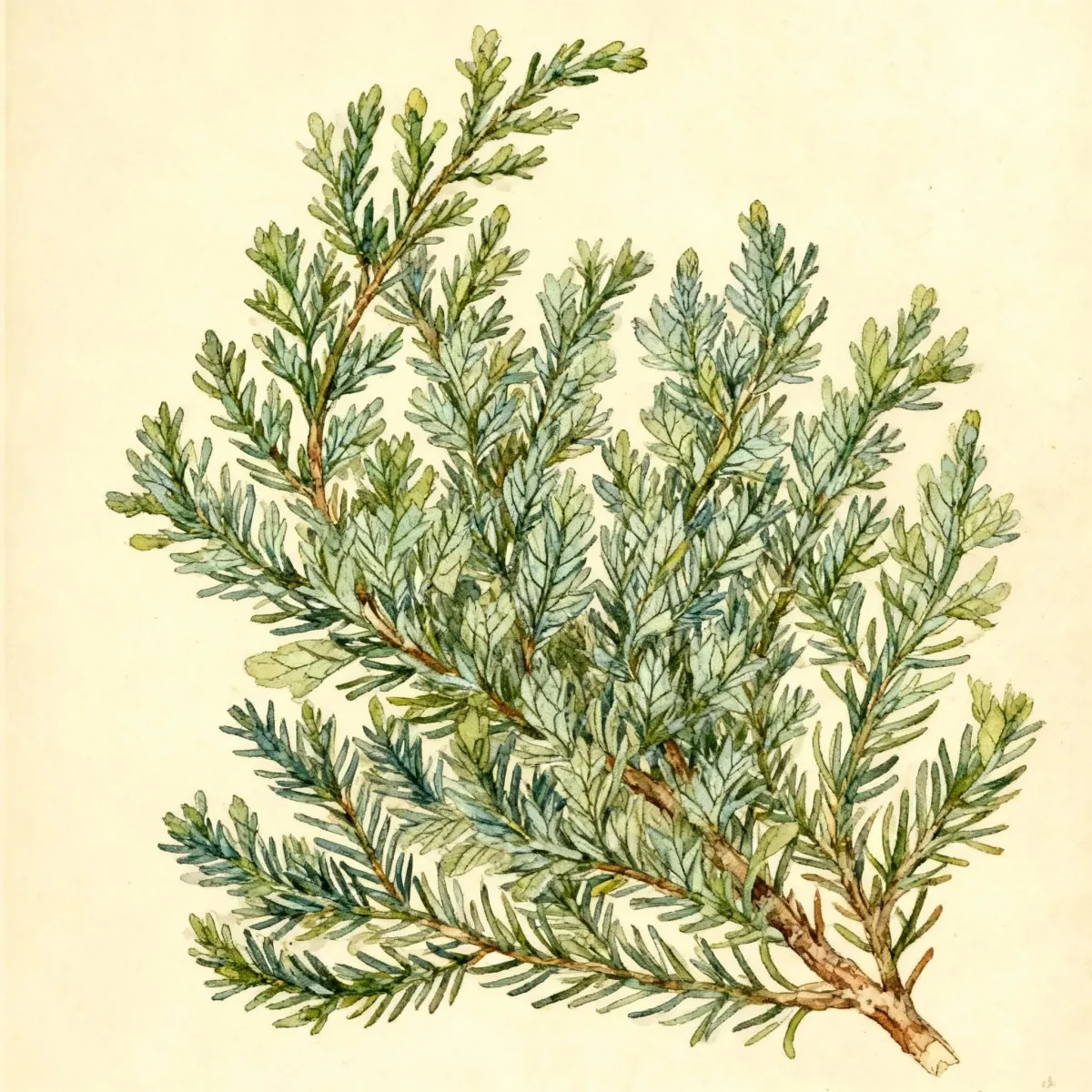
Creeping juniper (Juniperus horizontalis 'Limeglow')
Juniperus horizontalis 'Limeglow' is a dwarf Creeping juniper valued for brilliant chartreuse foliage. This evergreen ground cover thrives with low maintenance in sunny, dry spots.
Scroll down to discover growing tips, care requirements, companion plants, and more
Complete Plant Information
Overview
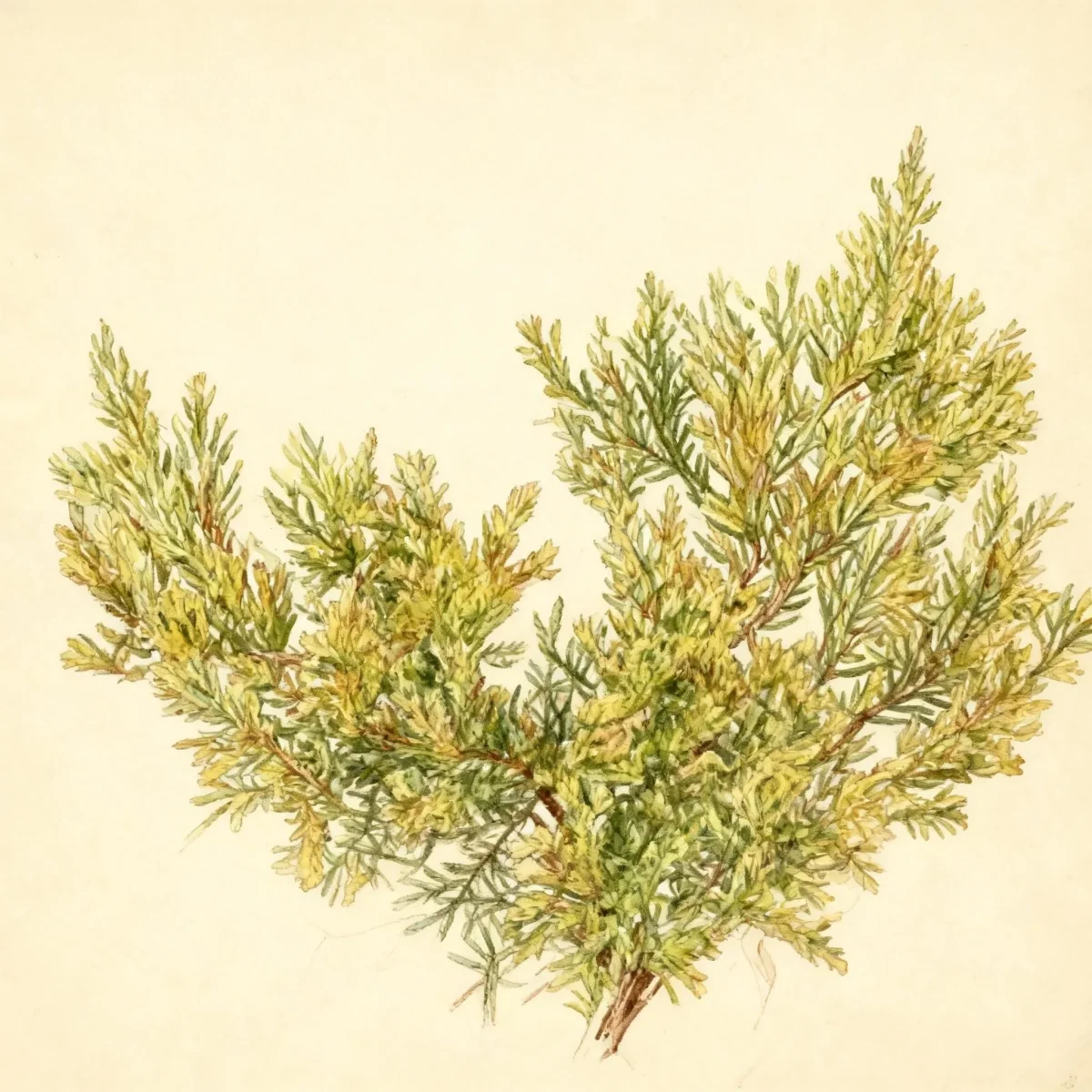
Juniperus horizontalis ‘Limeglow’ is a highly valued, low-growing needled evergreen prized for its striking, chartreuse-yellow juvenile foliage that maintains strong color through the growing season. As a dwarf cultivar of the widespread Creeping juniper, it excels in covering large areas without dominating the vertical landscape. Its dense mat-forming habit makes it an excellent functional plant, stabilizing slopes and suppressing unwanted weeds effectively.
This procumbent shrub spreads slowly via creeping branches, creating an attractive, textured groundcover ideal for sunny, hot locations where many other plants struggle. The winter transformation, where the foliage shifts toward attractive copper-bronze tones, adds seasonal interest to the evergreen landscape. The low maintenance requirements of Juniperus horizontalis ‘Limeglow’ ensure that its vibrant color lasts for years with minimal input from the gardener.
A key feature of this variety is its tolerance for challenging conditions, including poor, dry soils and city air pollution, making the Creeping juniper a robust choice for difficult sites. Gardeners appreciate the visual contrast offered by the bright, almost glowing foliage against darker evergreens or retaining wall stone.
Fast Facts
- Plant Family: Cupressaceae
- Plant Type: Needled evergreen
- Hardiness Zones: USDA Zones 3-9
- Size at Maturity:
- Height: 0.5-1 ft
- Spread: 1-3 ft
- Bloom Time: Non-flowering
- Bloom Description: Non-flowering
- Sun Exposure: Full sun
- Water Needs: Medium
- Maintenance Level: Low
How to Grow
Planting Juniperus horizontalis ‘Limeglow’ is best achieved in the spring or fall when temperatures are moderate, allowing the roots to establish before stressful summer heat arrives. Ensure the planting location receives full sun, as insufficient light is the primary cause of diminished color intensity. This Creeping juniper is highly adaptable but thrives best in average, well-drained soils that trend toward dry. It shows a marked intolerance for wet or soggy conditions, so amending heavy clay with sand or grit is crucial for long-term health.
Watering needs are medium once established, though its drought tolerance means diligent monitoring isn’t required during dry spells. Overwatering is more detrimental than underwatering for this species. Fertilization is rarely necessary; excessive feeding can lead to mushy, less colorful growth. Minimal pruning is needed for Juniperus horizontalis ‘Limeglow’; generally, only remove dead or damaged stems, cutting back if necessary to maintain a desired spread.
Prepare for winter by ensuring the plant is well-hydrated going into the dormant season, especially if planted in the preceding summer. While foliage turns attractive shades of copper-bronze in winter, avoid heavy snow loads which can damage the low-lying branches. This shrub naturally tolerates city pollutants, making it an excellent, resilient choice for urban or roadside plantings.
Landscape Uses
The primary strength of this cultivar lies in its function as a versatile, sprawling ground cover. Juniperus horizontalis ‘Limeglow’ creates a vibrant, colorful carpet that effectively suppresses weeds and requires virtually no supplemental care once established. Use it extensively on slopes and banks where its root structure assists in erosion control, capitalizing on its tolerance for shallow, rocky ground.
For foundation plantings, the Creeping juniper provides year-round color and structure without obscuring architectural details, due to its very low height profile. It performs exceptionally well in rock gardens, cascading gently over stone edges or filling gaps between boulders, perfectly matching its native preference for stony habitats. Mass plantings of Juniperus horizontalis ‘Limeglow’ create dramatic sweeps of chartreuse that provide striking contrast against medium-green or blue-hued companions.
Standout Features
Noteworthy Characteristics
Juniperus horizontalis, commonly called creeping juniper, is a procumbent evergreen shrub that forms a low groundcover generally rising to 6-18” tall but spreading by long trailing branches to form an often-dense mat. Foliage is generally scale-like, being green to blue-green during the growing season before acquiring purple winter tones. The specific cultivar, ‘Limeglow’, is highlighted by its feathery, scale-like evergreen foliage, typically forming a vase-shaped mound to 6-12” tall and spreading by creeping branches. This cultivar is notably distinct due to its consistent chartreuse-yellow juvenile foliage throughout the active growing season, which deepens to copper-bronze in winter.
Tolerances
- Deer
- Drought
- Erosion
- Dry Soil
- Shallow-Rocky Soil
- Air Pollution
Potential Problems
Juniperus horizontalis ‘Limeglow’ generally remains free from serious insect or disease problems when grown in appropriate conditions. The main concern relates to fungal issues if cultural needs are ignored. Junipers are susceptible to blights, which cause dieback at the stem tips, especially following unusually wet or rainy springs. Furthermore, cedar-apple rust diseases utilize junipers as part of their life cycle; monitoring for orange, gelatinous growths after spring rain is necessary. Root rot is a significant threat if the plant sits in poorly drained, wet soils, which this Creeping juniper cannot tolerate. Occasionally, minor pest issues like scale, aphids, or spider mites may appear, but regular inspection usually allows for easy management before significant damage occurs.
Frequently Asked Questions
What hardiness zones is Creeping juniper suitable for?
Juniperus horizontalis ‘Limeglow’ is hardy and adaptable, suitable for USDA Zones 3 through 9.
How large does Juniperus horizontalis ‘Limeglow’ grow?
This dwarf cultivar typically reaches a short height between 0.5 to 1 foot tall, while spreading horizontally to create a mat that is 1 to 3 feet wide.
What sun exposure does Creeping juniper need?
This needled evergreen requires full sun exposure in the landscape to maintain its dense habit and the vibrant chartreuse coloration for which it is known.
When does Juniperus horizontalis ‘Limeglow’ bloom?
This plant is non-flowering; it does not produce noticeable flowers but remains valuable for its persistent evergreen foliage structure throughout the year.
Conclusion
Juniperus horizontalis ‘Limeglow’ offers immense value to the low-maintenance garden through its year-round, vibrant chartreuse foliage and exceptional hardiness. This Creeping juniper is ideal for stabilizing difficult slopes or providing a bright contrast in sunny, dry borders. Before installation, confirm your site receives full sun and ensure soil drainage is excellent to guarantee the best performance from your Juniperus horizontalis ‘Limeglow’.
Companion Planting
Selecting suitable partners for Juniperus horizontalis ‘Limeglow’ hinges on matching its needs for full sun and dry, well-drained soil. Companion plants should complement its low, spreading habit, either by contrasting in texture or color, or by matching its resilience in hot, exposed locations. Consider pairing this bright evergreen with plants that offer deep purples or blues, such as ornamental ornamental grasses like Blue Fescue (Festuca glauca), or low-mounding Sedums that also prefer meager soil.
Plants needing consistent moisture or full shade will quickly decline near this drought-tolerant juniper. Focus instead on other sun-lovers that don’t compete aggressively for space above ground. Good textural partners include many drought-hardy perennials or bulb lists that go dormant in summer, allowing the evergreen mat of the Creeping juniper to take center stage during the off-season.
Design Ideas for Mass Planting
Mass planting Juniperus horizontalis ‘Limeglow’ creates an impactful, uniform sweep of color, which is highly effective for large, sunny areas that require year-round coverage. Its tendency to form a dense mat makes it a superior choice for covering banks and slopes where mowing is impractical or dangerous; the foliage helps bind the soil effectively. When planting in mass, utilize irregular groupings rather than straight lines to mimic natural growth patterns, ensuring adequate spacing initially to allow for its 1 to 3-foot spread.
Consider utilizing this bright green groundcover as a textural border along walkways or driveways, softening the hard edges presented by concrete or pavers. The intense spring/summer color of Juniperus horizontalis ‘Limeglow’ looks particularly striking when edged against dark mulch or dark gray flagstones, highlighting the cultivar’s namesake ‘Limeglow.’ This provides a low-maintenance, dynamic border that won’t outgrow its space quickly.