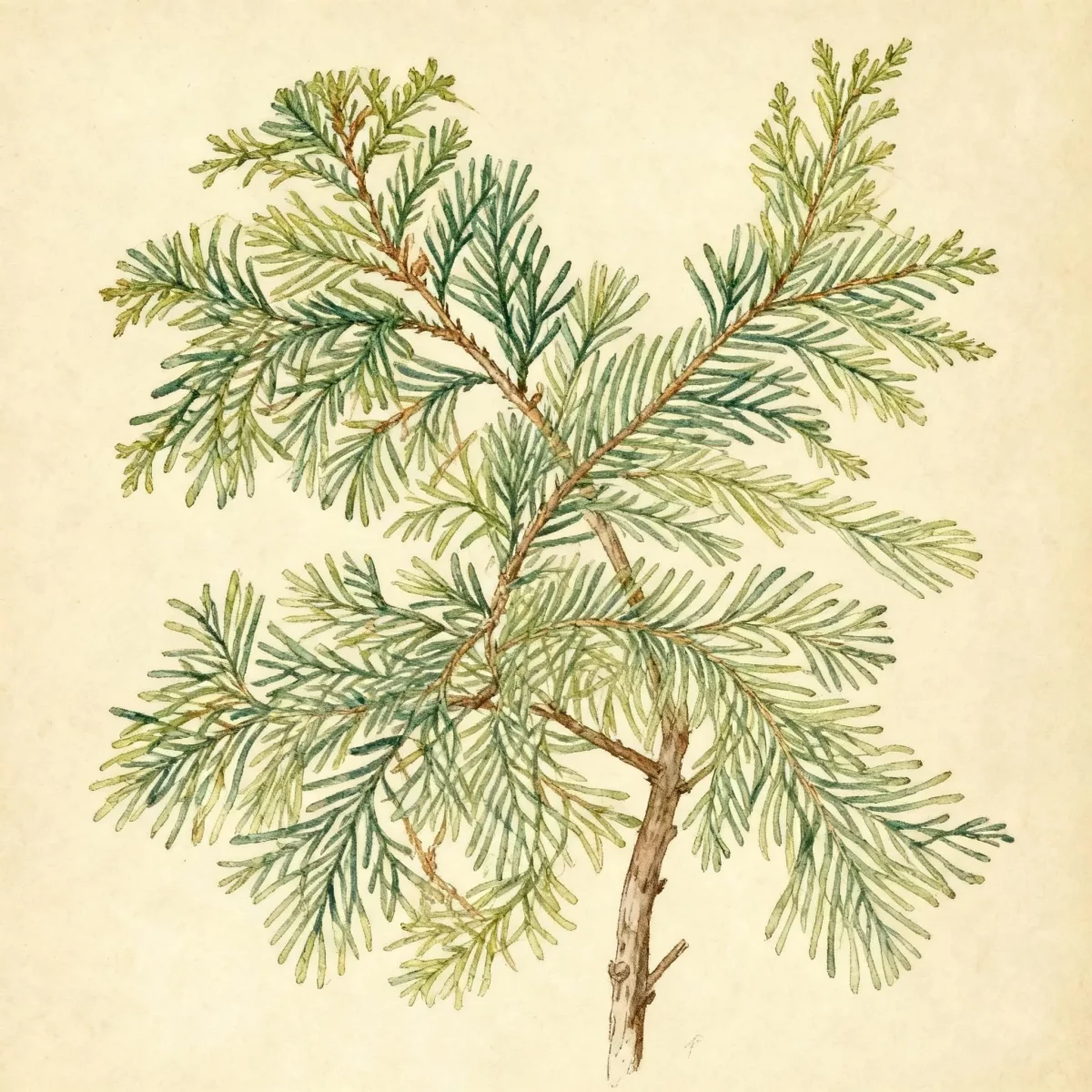
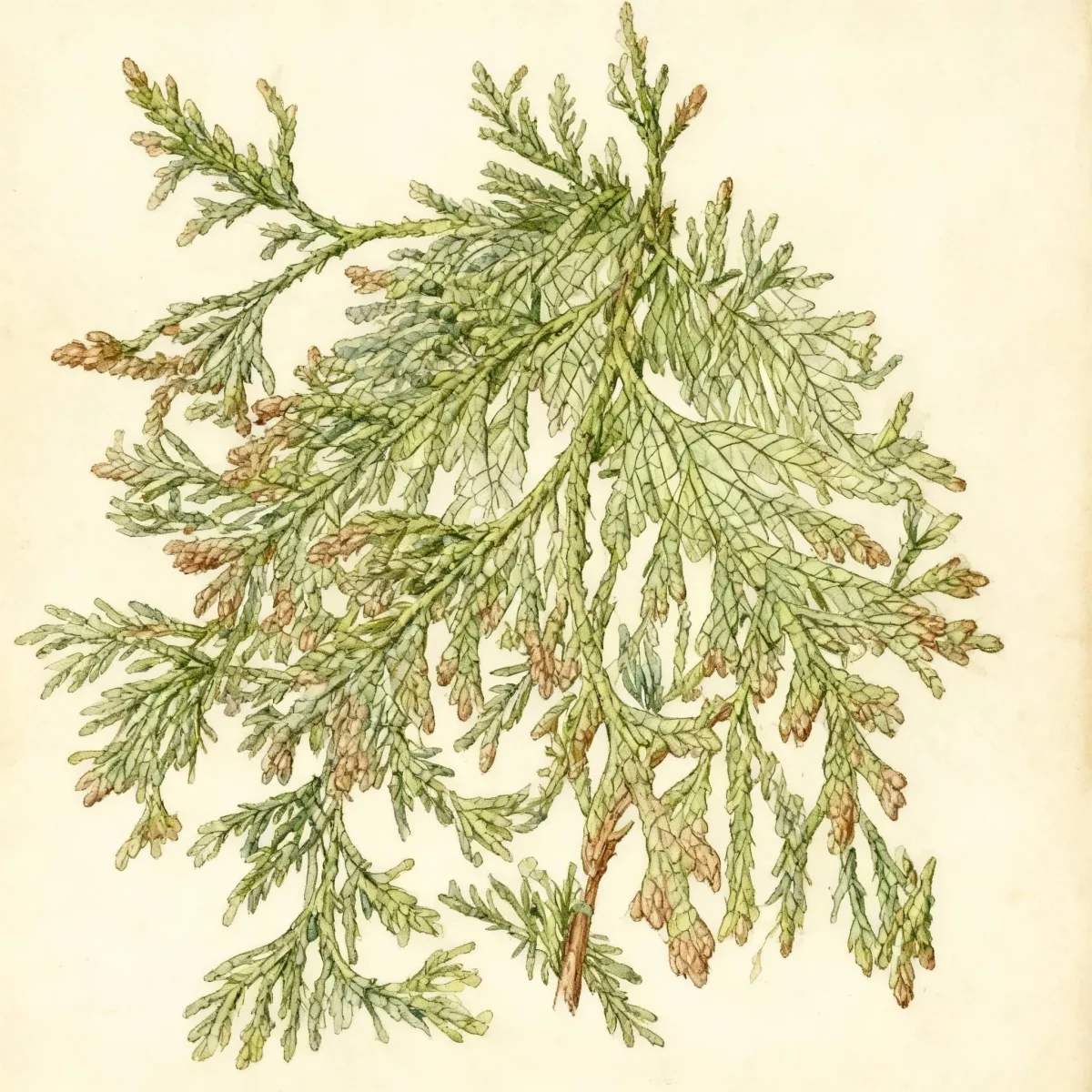
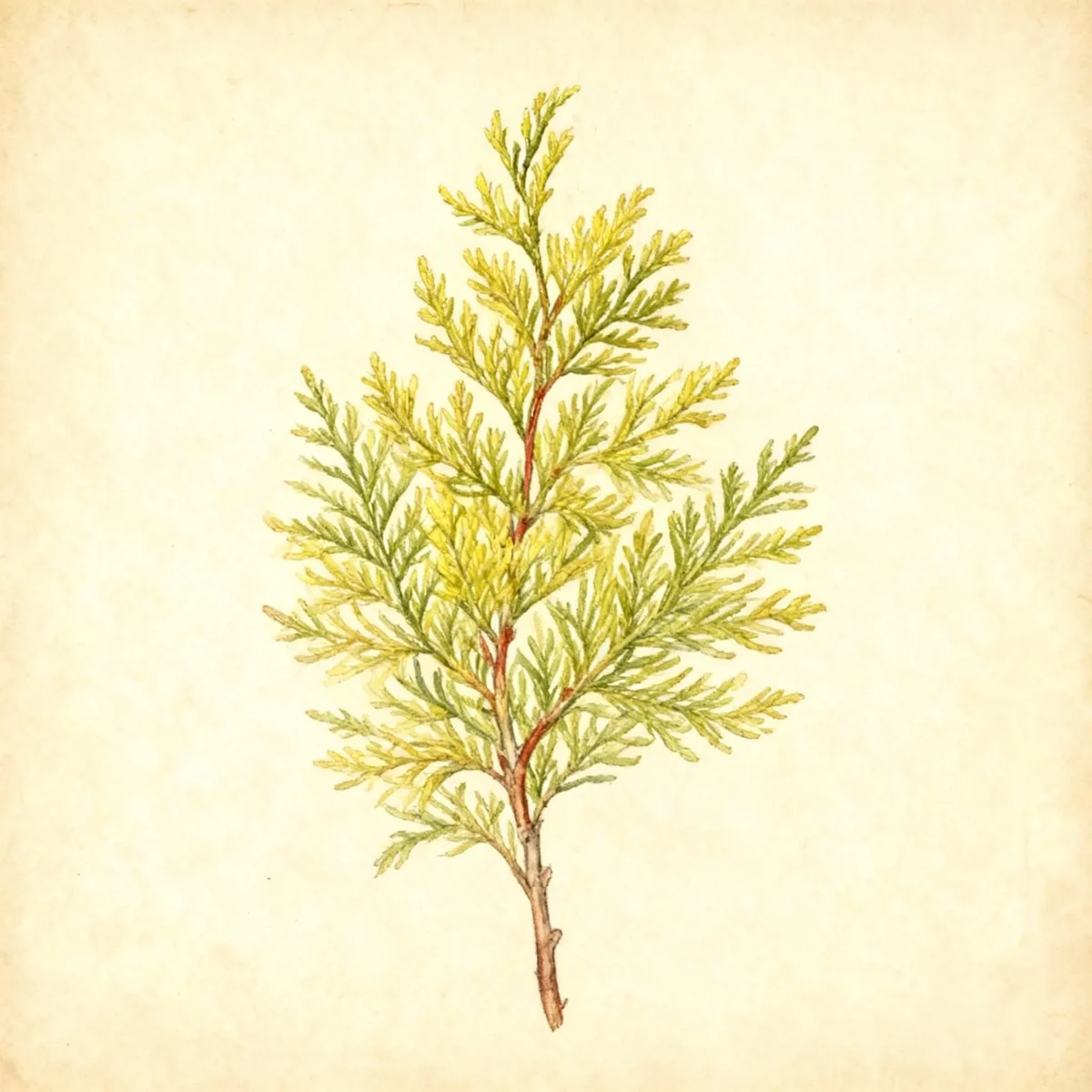
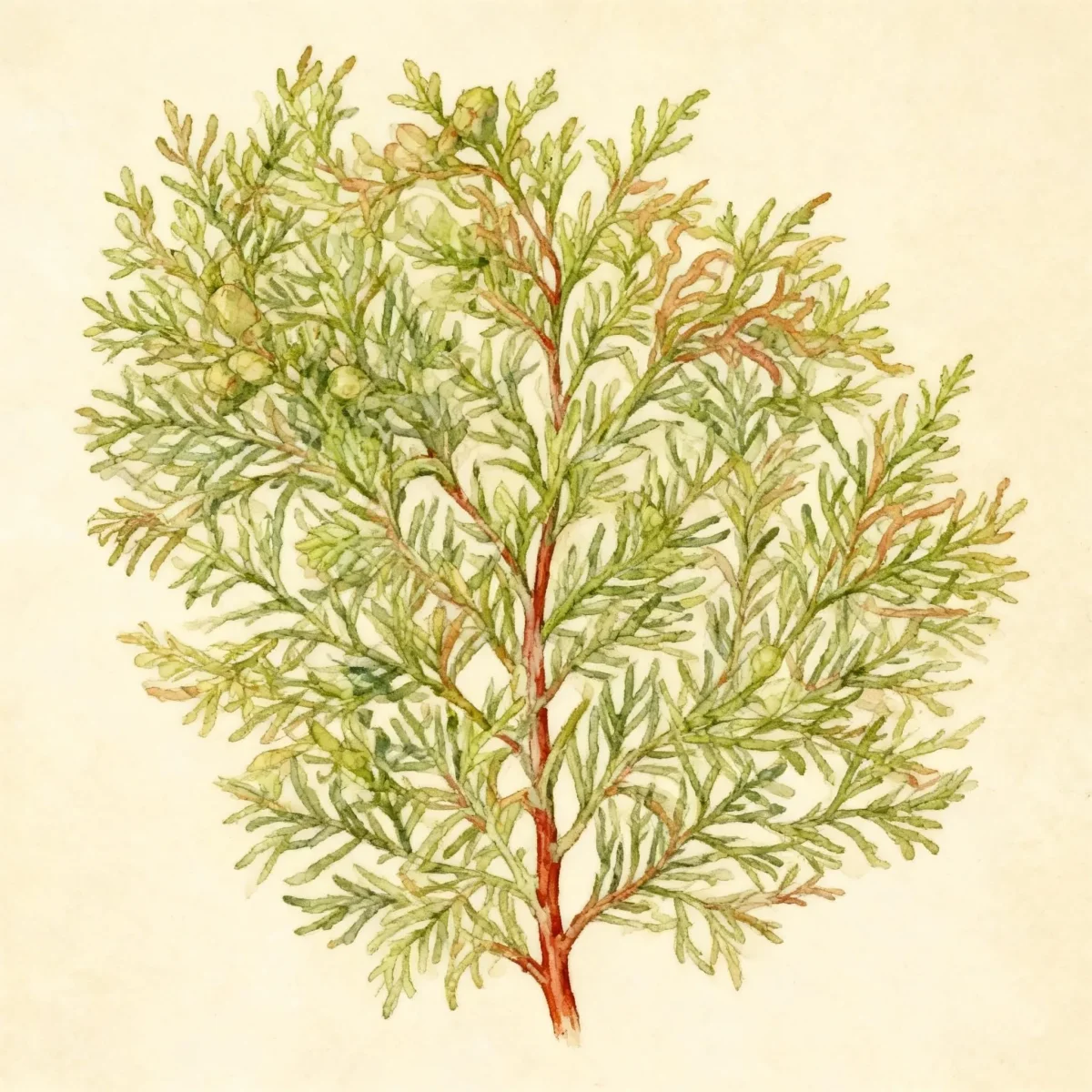
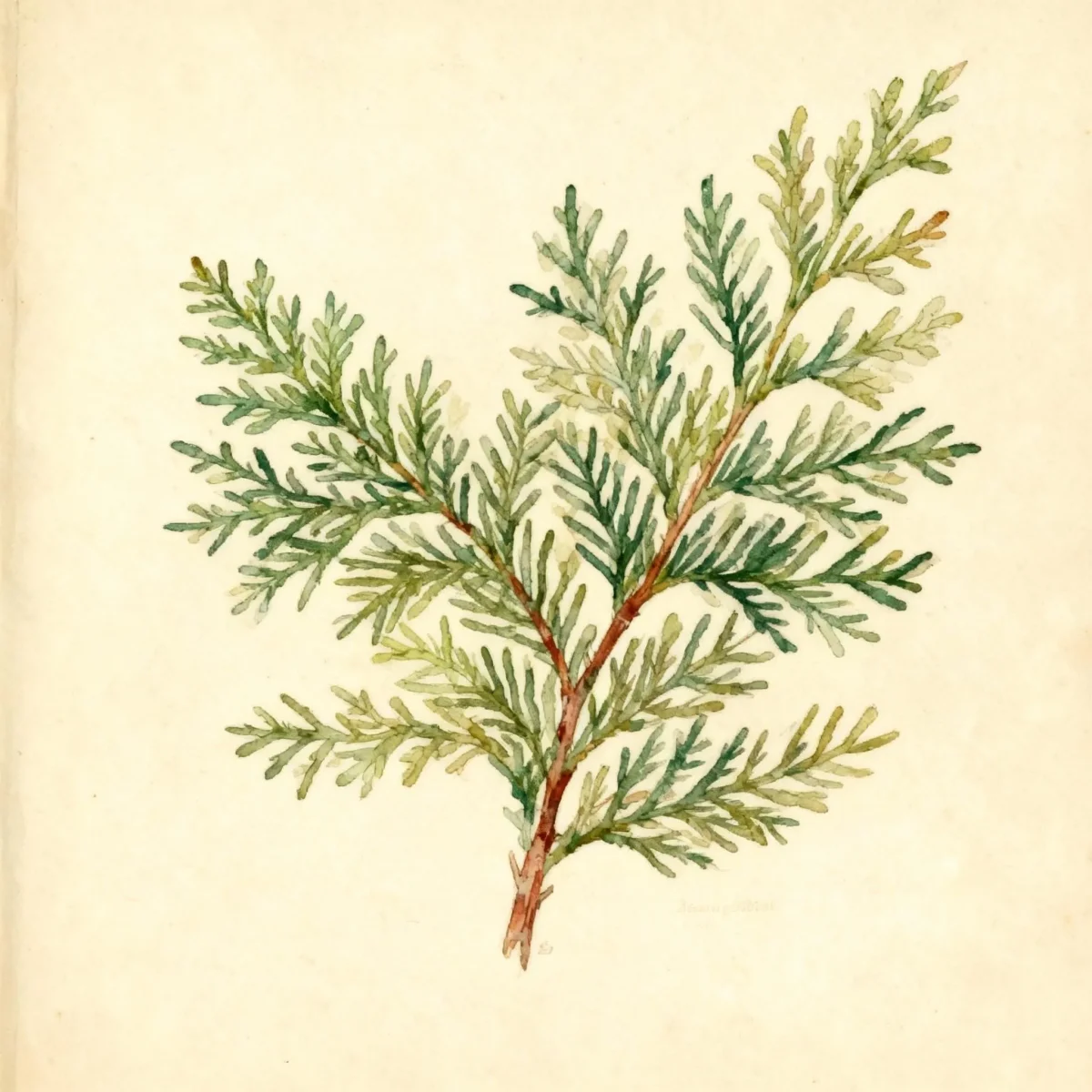
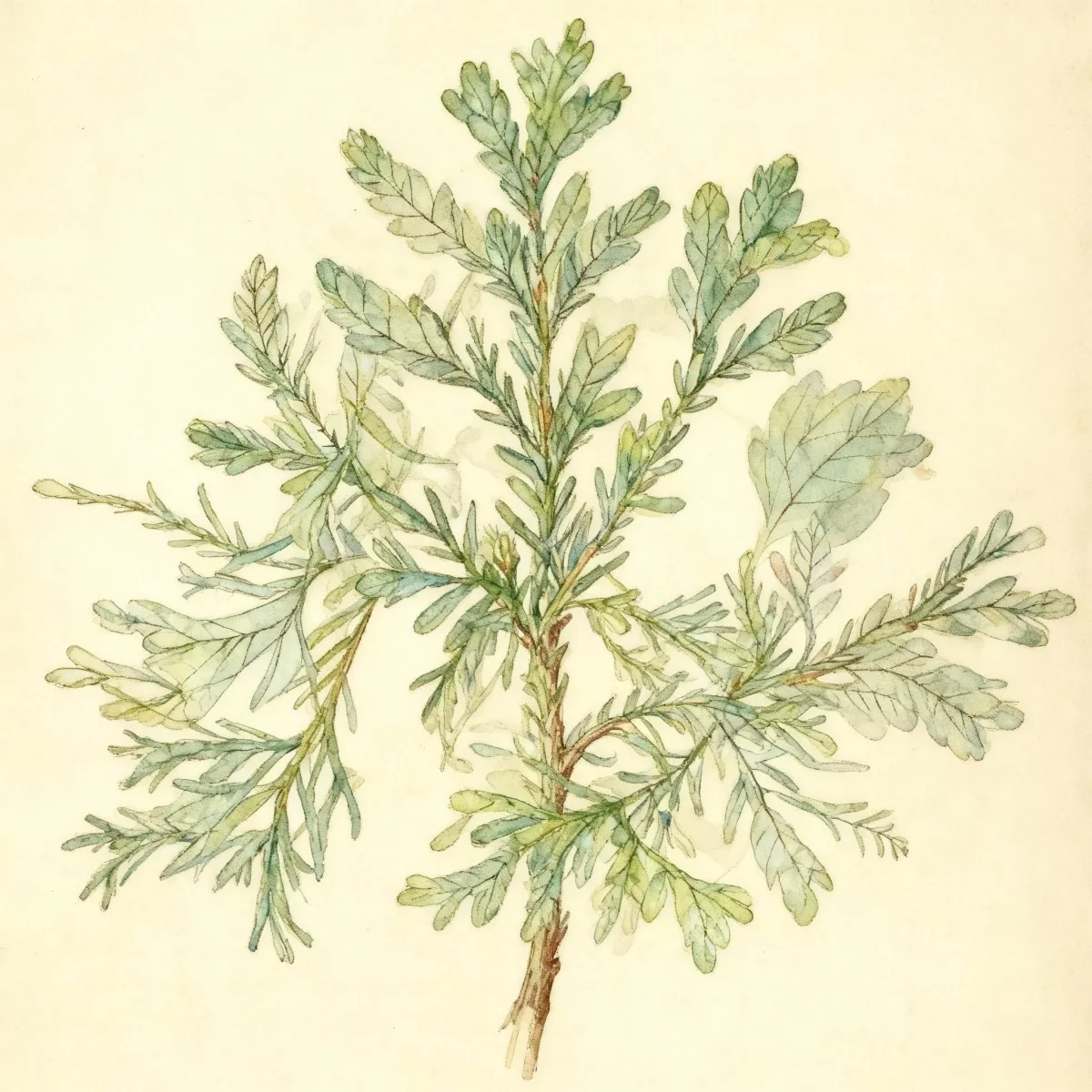
Hinoki cypress (Chamaecyparis obtusa 'Coralliformis')
Discover Chamaecyparis obtusa 'Coralliformis', a charming Hinoki cypress cultivar ideal for rock gardens, known for its unique texture and slow growth.
Scroll down to discover growing tips, care requirements, companion plants, and more
Complete Plant Information
Overview
The Chamaecyparis obtusa ‘Coralliformis’, commonly known as the Hinoki cypress, is a highly valued slow-growing conifer sought after for its distinct texture and compact size. This cultivar offers a unique aesthetic, reportedly resembling branching coral, distinguishing it significantly from its larger species counterpart. Gardeners prize this evergreen for providing consistent structure and year-round interest in smaller landscape settings.
As a needled evergreen belonging to the Cupressaceae family, Chamaecyparis obtusa ‘Coralliformis’ is relatively adaptable but thrives best when its cultural needs are closely met. While the species tree can reach imposing heights, this dwarf cultivar maintains a manageable stature, making it a perfect fit for defined beds, rock gardens, or foundation plantings.
Its primary appeal lies in its architectural form and dependable greenery, lending a refined, Japanese garden sensibility to any space. Successfully incorporating the Hinoki cypress into your garden relies on providing adequate moisture and protection from harsh elements, rewarding the effort with a slow-maturing specimen.
Fast Facts
- Plant Family: Cupressaceae
- Plant Type: Needled evergreen
- Hardiness Zones: USDA Zones 4-8
- Size at Maturity: Height: 2-5 ft; Spread: 2-5 ft
- Bloom Time: Non-flowering
- Bloom Description: Non-flowering
- Sun Exposure: Full sun to part shade
- Water Needs: Medium
- Maintenance Level: Medium
How to Grow
Planting Chamaecyparis obtusa ‘Coralliformis’ is best done in spring or fall when temperatures are moderate, favoring well-drained, average soil amended with fertile organic matter. Ensure the planting site receives full sun for the best growth habit, although it tolerates partial shade. Proper soil preparation is critical, as this Hinoki cypress dislikes wet, poorly-drained locations which can lead to root rot.
Medium water needs mean consistent moisture is required, especially during the establishment phase and throughout dry summer periods. While easily grown, avoid completely drying out the soil, but equally important, ensure excellent drainage around the root ball. Fertilizing is generally unnecessary if the native soil is fertile, but a light application of acidifying fertilizer in spring can boost vigor if growth seems slow.
Shelter this cultivar from strong, damaging winds when possible, particularly in exposed winter locations, to prevent foliage burn. Maintenance tends toward the moderate, primarily involving minor pruning to maintain shape, though this dwarf variety rarely requires significant shaping. In winter, monitor for excessive snow or ice accumulation, which the relatively delicate branches may not support.
Landscape Uses
The Chamaecyparis obtusa ‘Coralliformis’ shines in specific, intentional placements due to its unique, slow-growing nature. It excels as an attractive dwarf specimen, drawing attention instantly in a curated rock garden where its fine texture contrasts beautifully with stone. Its compact dimensions also make it highly suitable for foundation plantings near homes, where larger evergreens would quickly overwhelm the structure.
This specific Hinoki cypress works well integrated into mixed borders alongside plants that share similar sun and soil preferences, such as azaleas, rhododendrons, or Japanese maples that appreciate similar acidic conditions. Consider using it near pathways where its unique foliage can be appreciated up close, perhaps as a low, soft border accent rather than a formal hedge.
As a specimen evergreen conifer, massing this plant is not advised; instead, use it singularly or in odd-numbered groupings to highlight its individual sculptural qualities. Its reliable year-round color ensures that the eye has a focal point even when deciduous companions are bare.
Standout Features
Noteworthy Characteristics
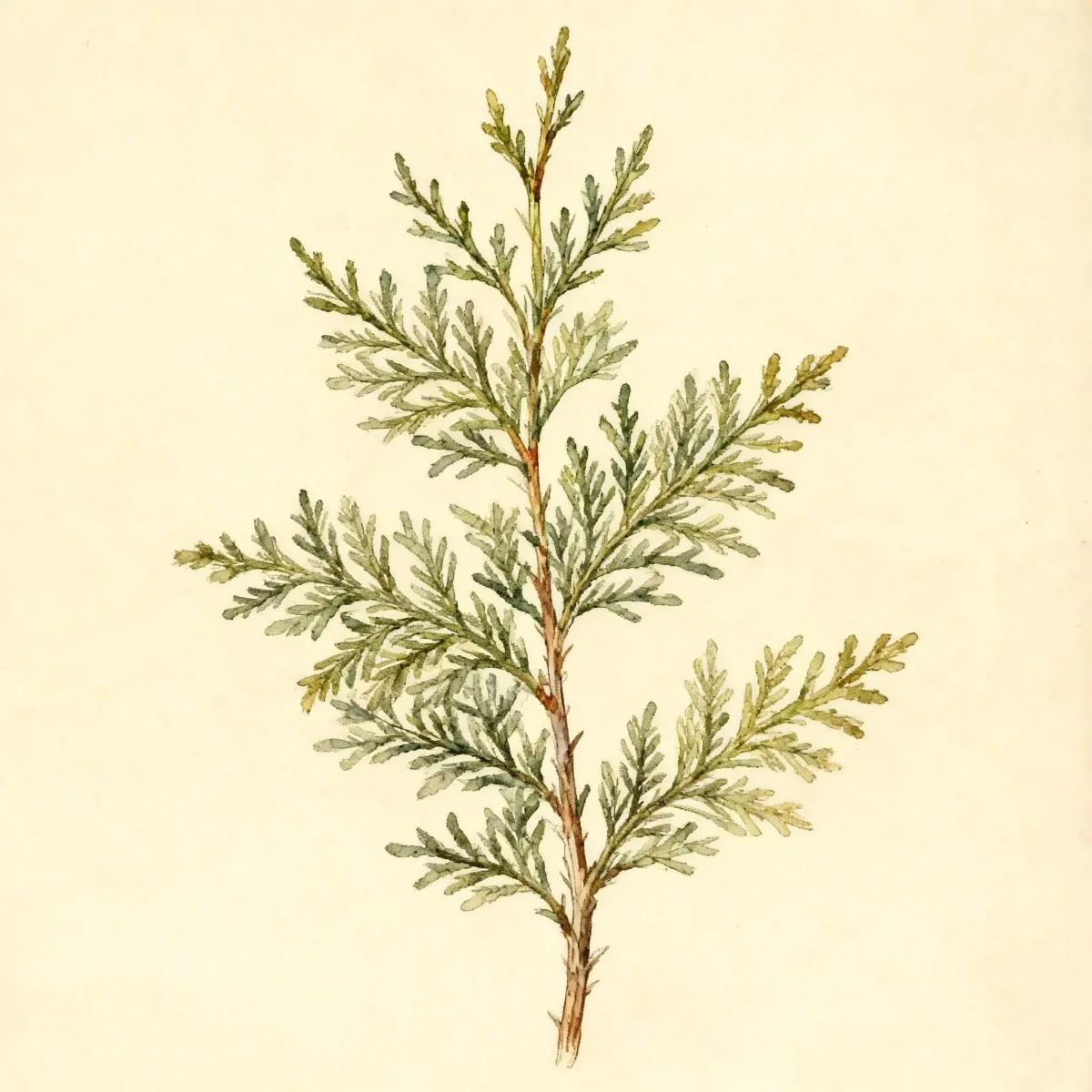
Chamaecyparis obtusa is native to Japan and is commonly called hinoki cypress or hinoki falsecypress. It is an evergreen conifer that features spreading branches with flattened horizontal branchlets that droop at the ends, complemented by dark green scale-like leaves. Crushed foliage is aromatic, and mature trees develop peeling, reddish-brown bark. In Manual of Cultivated Conifers (1985), Gerd Krussmann describes ‘Coralliformis’ as existing before 1909 and growing to only 50 cm (20”) tall, though modern interpretations suggest it may reach 10-12’ over decades.
Tolerances
- Some susceptibility to juniper blight
- Root rot
Potential Problems
While generally robust, Chamaecyparis obtusa ‘Coralliformis’ does exhibit some susceptibility to common cypress afflictions. Gardeners should watch for juniper blight, which manifests as branch dieback, especially in humid or crowded conditions. Poor drainage is a significant cultural issue, leading directly to root rot, which is often fatal.
Insect pests such as bagworms may target the foliage. Inspect plants regularly, particularly during warmer months, to catch infestations early. Should bagworms appear, manual removal before they mature is the most effective organic management strategy for this delicate Hinoki cypress.
Frequently Asked Questions
What hardiness zones is Hinoki cypress suitable for?
The Chamaecyparis obtusa ‘Coralliformis’ is reliably hardy in USDA Zones 4 through 8.
How large does Chamaecyparis obtusa ‘Coralliformis’ grow?
This cultivar is slow-growing, typically maturing between 2 to 5 feet tall and 2 to 5 feet wide, though some sources suggest potential heights nearing 12 feet over many decades.
What sun exposure does Hinoki cypress need?
This plant prefers full sun but will successfully grow in areas receiving part shade, although full sun enhances its color and dense habit.
When does Chamaecyparis obtusa ‘Coralliformis’ bloom?
This plant is classified as non-flowering, as is typical for most ornamental conifers in the cypress family.
Conclusion
The Chamaecyparis obtusa ‘Coralliformis’ offers exceptional textural interest and dependable, slow-growing structure, making it an invaluable choice for detailed gardening spaces like rockeries or specimen planting areas. By respecting its need for consistent moisture and excellent drainage, you can nurture this unique Hinoki cypress for years of enjoyment. Before purchasing, confirm that USDA Zones 4-8 align with your local climate for the best long-term success.
Design Ideas
The fine, coral-like texture of Chamaecyparis obtusa ‘Coralliformis’ creates excellent contrast when placed near plants with bold, broad leaves. Pair it with contrasting foliage color, such as Japanese maples exhibiting deep purple or bright chartreuse leaves, to amplify the dramatic effect of the medium green cypress. Its small scale means it can be tucked into specialized miniature garden displays or used as year-round structure among seasonal bloomers.
When utilizing the Hinoki cypress in foundation plantings, ensure it is positioned toward the outer edge to allow for its gradual spread, preventing it from obscuring windows or walkways over time. Because it is moderately slow-growing, planning for its eventual 5-foot spread is crucial for maintaining aesthetic balance near structures. It offers a softer alternative to formal boxwood hedges when kept pruned lightly.
Companion Planting
Given its preference for medium water and fertility, the Chamaecyparis obtusa ‘Coralliformis’ harmonizes well with other acid-loving, moisture-tolerant woodland shrubs. Consider planting it near dwarf rhododendrons or azaleas, provided the sun exposure is split appropriately (bright morning sun, afternoon shade). Ferns, such as Japanese Painted Ferns, placed at the base of the cypress can enhance the soft textural interplay while providing ground cover that appreciates similar soil moisture levels.