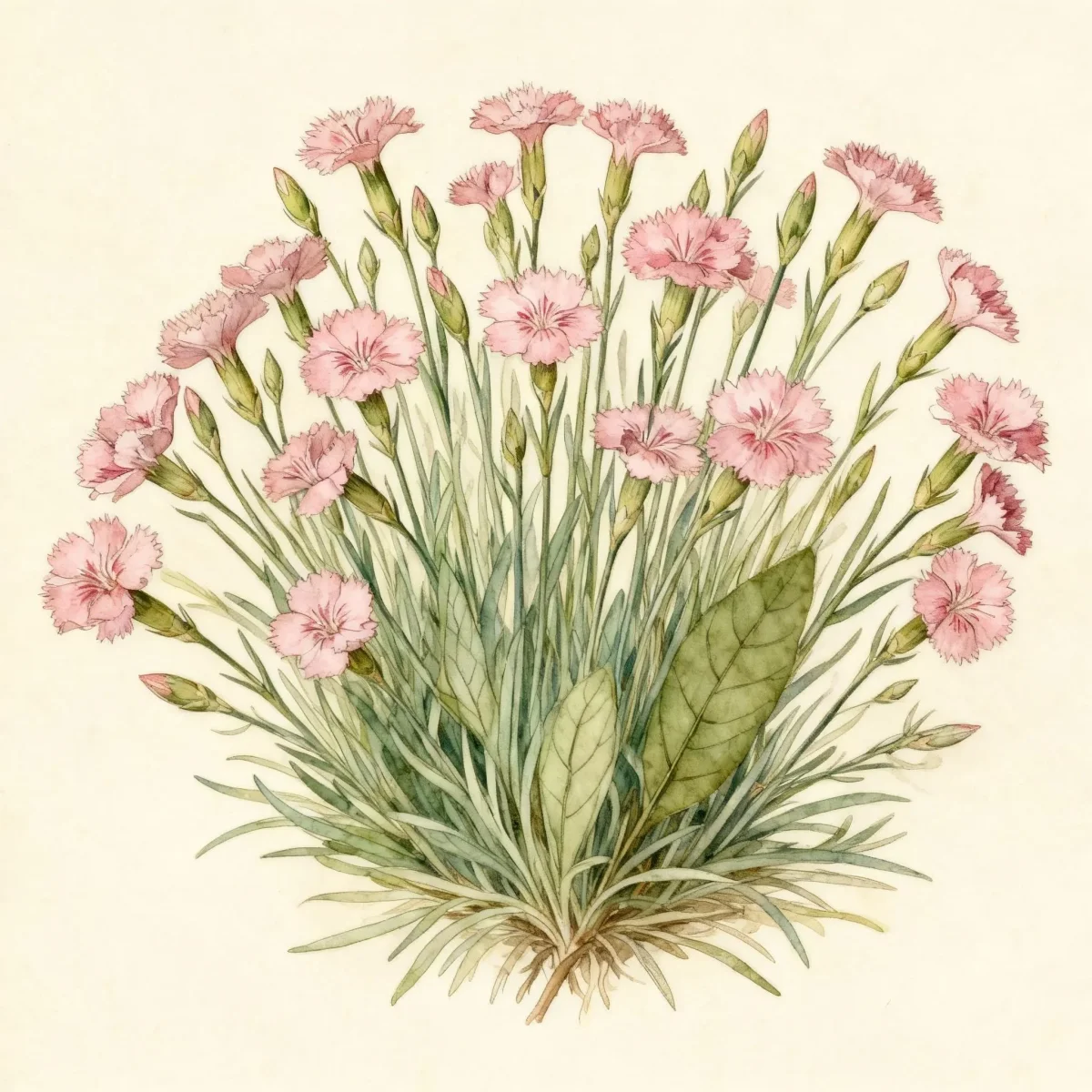
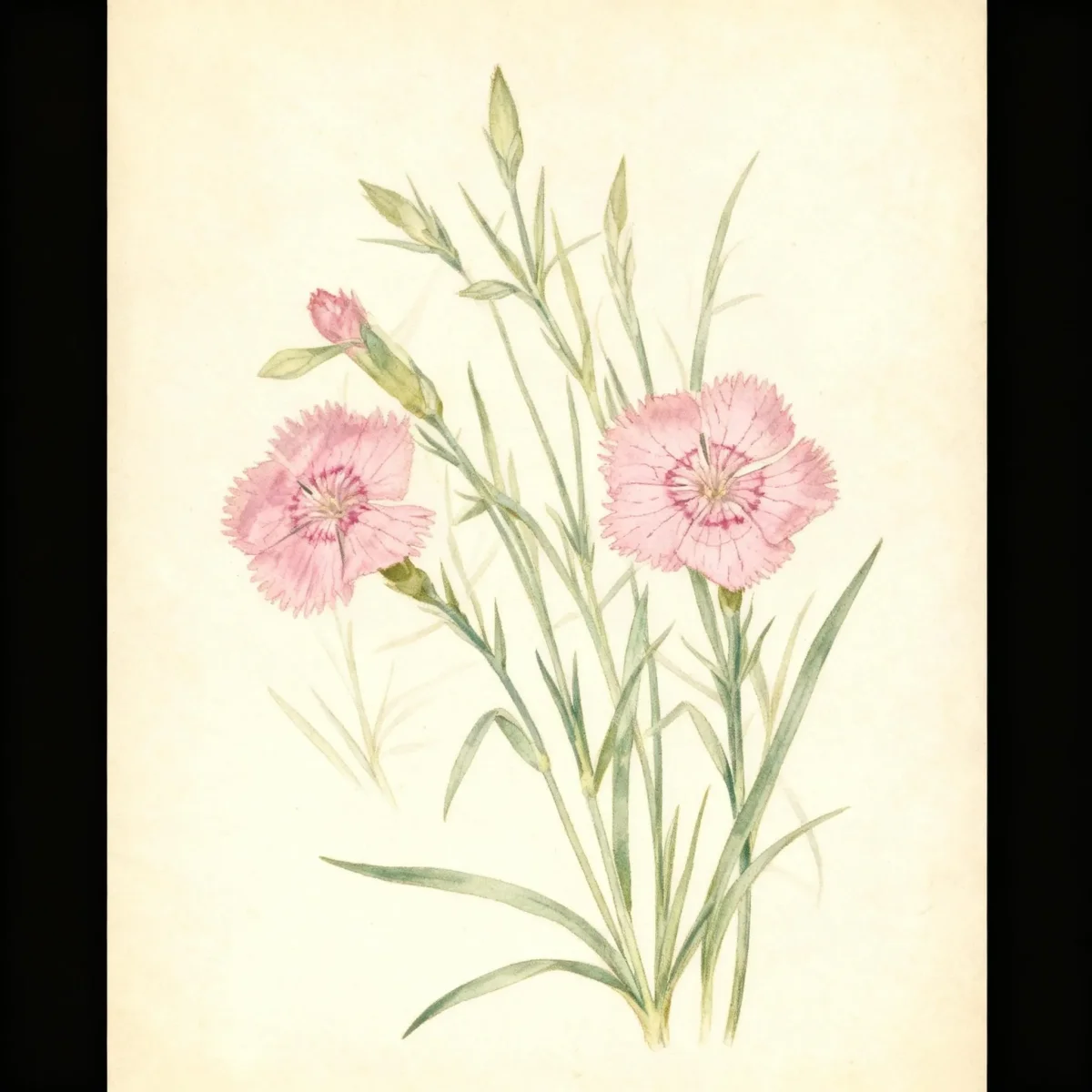
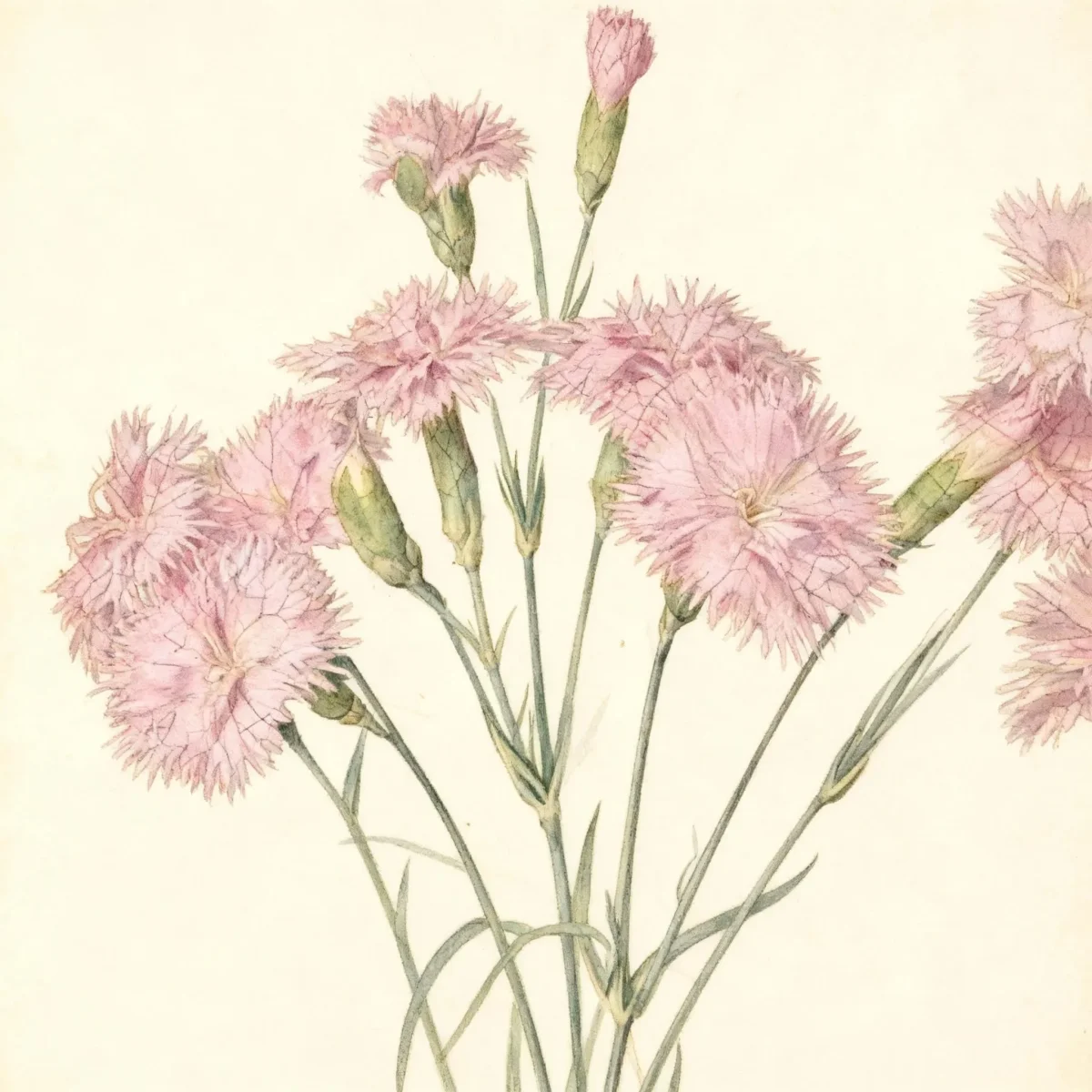
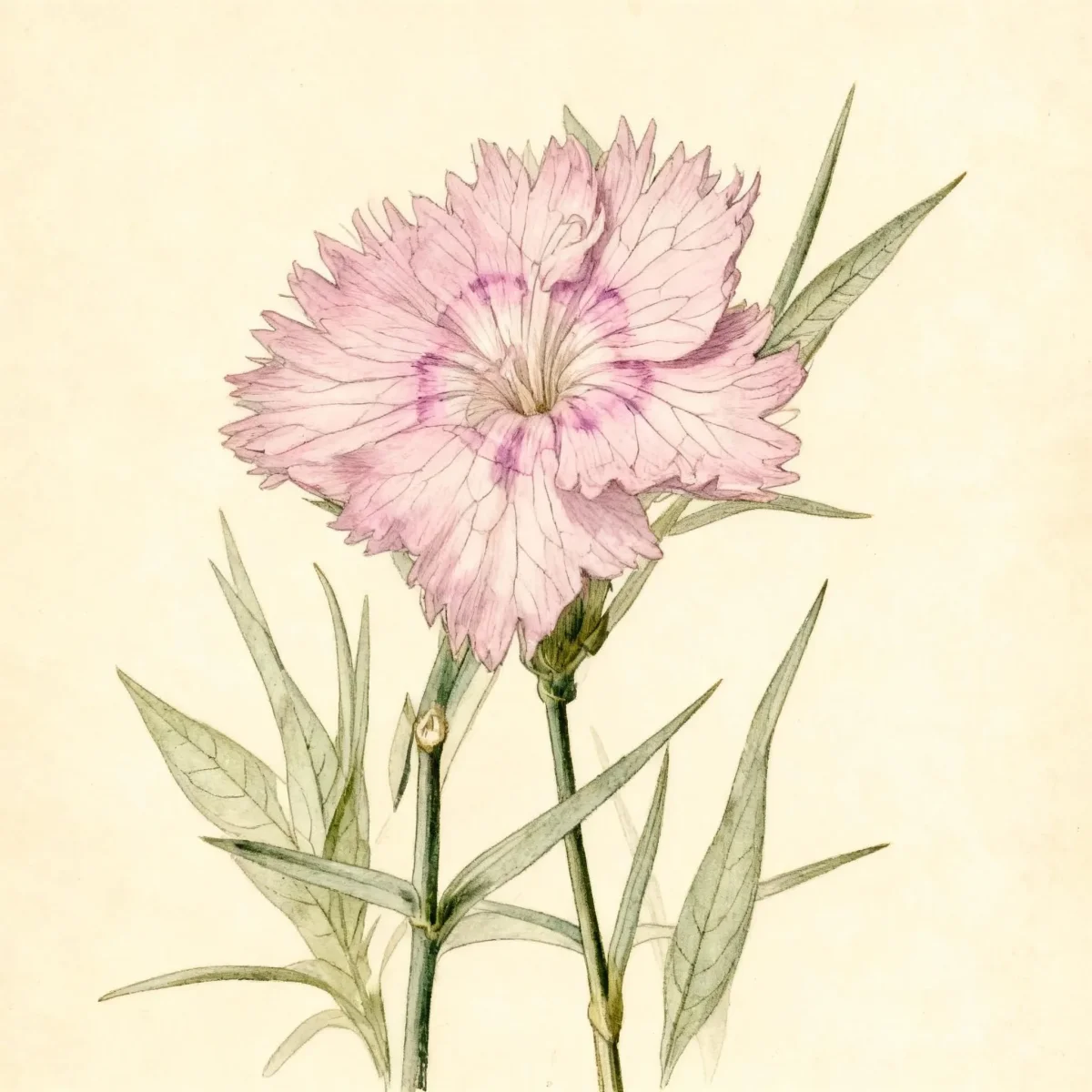
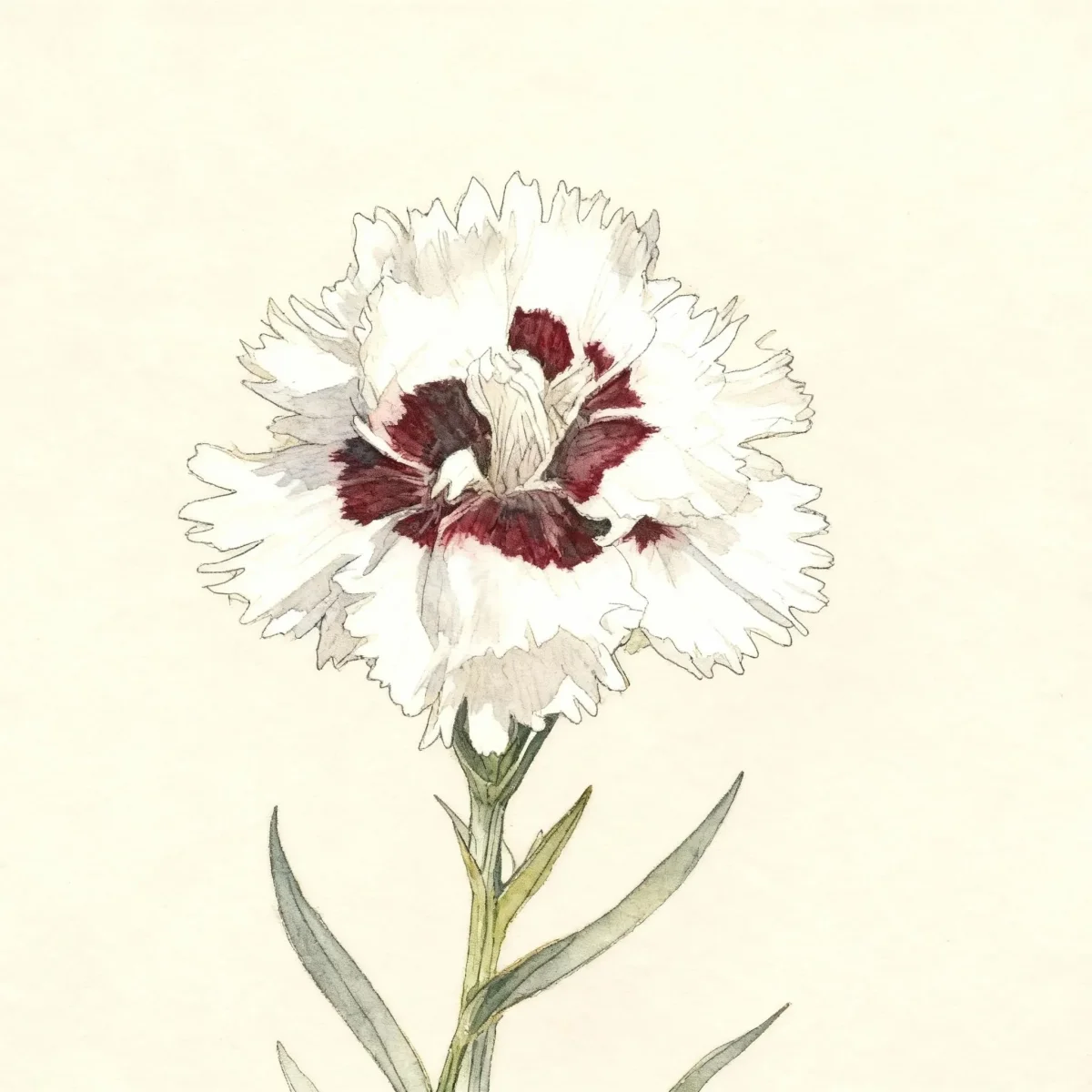
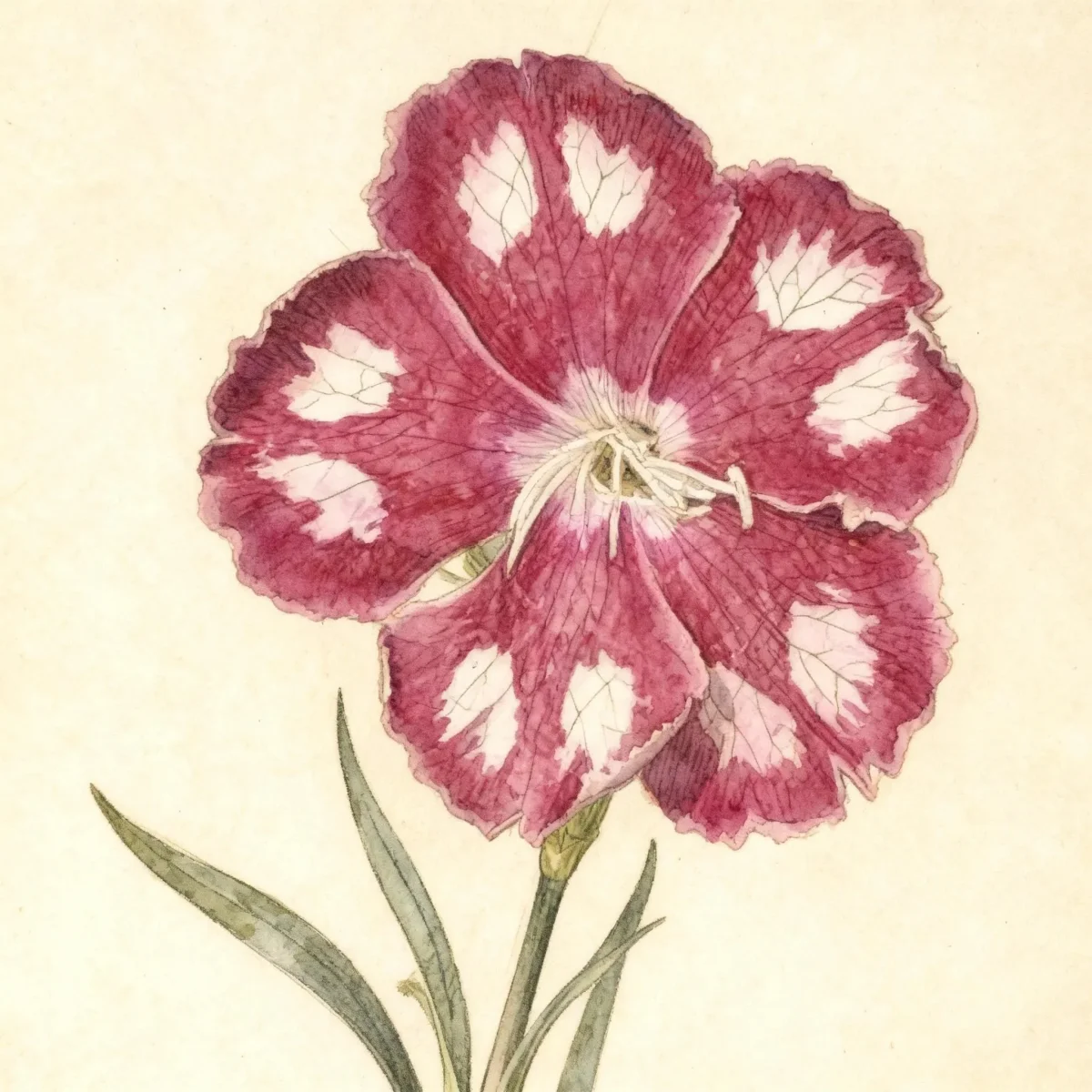
Border carnation (Dianthus 'Pixie')
The fragrant Border carnation, Dianthus 'Pixie', offers showy, reddish-pink blooms in zones 3-8. A low-maintenance perennial perfect for edging and rock gardens.
Scroll down to discover growing tips, care requirements, companion plants, and more
Complete Plant Information
Overview
The Border carnation, specifically the lovely cultivar Dianthus ‘Pixie’, brings classic cottage garden charm to modern landscapes. This herbaceous perennial is highly valued for its compact habit and profuse, fragrant, reddish-pink flowers that appear reliably from late spring into summer. Gardeners appreciate Dianthus ‘Pixie’ not just for its color but also for its dense, low mound of attractive blue-green foliage.
Dianthus ‘Pixie’ fits perfectly into most average garden settings, provided it receives its required full sun exposure and well-drained soil. While easygoing, it truly thrives with good drainage, especially noted in its preference for gritty loams and neutral to slightly alkaline conditions. This versatile plant, a type of perennial dianthus commonly known as pinks, establishes itself as a colorful and textural element in borders and rockeries.
Offering spicy, clove-like fragrance and low-maintenance needs, Dianthus ‘Pixie’ is an excellent addition for fragrance gardens or as an informal edging. Its ability to handle cooler climates (down to Zone 3) while still providing summer interest makes the Border carnation a reliable choice for perennial beds across a vast range of regions.
Fast Facts
- Plant Family: Caryophyllaceae
- Plant Type: Herbaceous perennial
- Hardiness Zones: USDA Zones 3-8
- Size at Maturity:
- Height: 0.25-1 ft
- Spread: 1-2 ft
- Bloom Time: May to July
- Bloom Description: Reddish pink
- Sun Exposure: Full sun
- Water Needs: Medium
- Maintenance Level: Low
How to Grow
Plant Dianthus ‘Pixie’ in average soil that is evenly moist and exceptionally well-drained. Optimal planting time is typically spring or fall, ensuring plants receive plenty of sun to maximize flower production, although they perform better when summer heat is not excessive. For best results, amend heavy soils with leaf mold or organic material to improve drainage while retaining necessary moisture, as good drainage is crucial for the health of this perennial dianthus.
Water regularly to keep the soil evenly moist, especially during dry spells, as this Border carnation requires medium water input. Fertilization is generally not critical if soil health is good, but avoid high-nitrogen feeds that encourage excessive foliage over blooms. The most important cultural practice is maintenance: deadhead spent flowers promptly to encourage repeat blooming throughout the season.
Consider shearing the plants back lightly after the main flush of bloom concludes in mid-summer. This action tidies up the appearance and often stimulates a fresh flush of flowers extending bloom into the late summer or early fall. In colder zones, ensure adequate snow cover or apply a light mulch after the ground freezes to protect the crowns of your Dianthus ‘Pixie’.
Landscape Uses
Dianthus ‘Pixie’ excels anywhere its compact structure and dense foliage can shine. It is specified by designers for use at border fronts where its tidy habit prevents it from obscuring shorter neighbors, and for creating definitive edgings along paths or beds. The compact mounds of blue-green foliage also make Dianthus ‘Pixie’ an excellent choice for low-maintenance rock gardens and informal drifts.
When massed together, the foliage of the Border carnation can serve as an attractive, year-round, short ground cover, providing texture when not in flower. Furthermore, its intensely fragrant blooms make it a staple inclusion in fragrance gardens where close proximity allows appreciation of its clove-like scent. Don’t overlook its suitability for containers, where it pairs beautifully with taller spike flowers or spilling trailers.
Standout Features
Flower Qualities
- Showy
- Fragrant
Noteworthy Characteristics
Perennial dianthus, commonly called carnations or pinks, are loosely-tufted, herbaceous perennials that features fragrant, often double flowers on stiff stems clad with narrow, linear, gray-green leaves. The common name of pink for plants in the genus Dianthus is in probable reference to the fringed flower petal margins (they appear to have been cut with pinking shears) and not to flower color. ‘Pixie’ is a fragrant dianthus that is noted for its compact habit, profuse red-pink flowers and blue-green foliage, forming a low mound to 7” tall that spreads slowly.
Tolerances
- Deer
Potential Problems
The primary concerns for growing Dianthus ‘Pixie’ relate to fungal and bacterial issues, highly exacerbated by poor air circulation or overly wet conditions. Susceptibility includes botrytis, rust, powdery mildew, and leaf spots; prevention centers on excellent drainage and ensuring the plants receive full sun as recommended. Avoid overhead watering, especially in the evening, and ensure generous spacing between individual Border carnations.
Pests like aphids, caterpillars, leafminers, spidermites, and scale can occasionally target this plant, though they are usually less problematic outdoors than when grown under glass. An inspection of the undersides of the blue-green foliage during routine deadheading can catch early infestations, allowing treatment with insecticidal soap or pruning out affected stems.
Frequently Asked Questions
What hardiness zones is Border carnation suitable for?
Dianthus ‘Pixie’ is reliably hardy across USDA Zones 3 through 8, making it a resilient perennial for many gardeners.
How large does Dianthus ‘Pixie’ grow?
This cultivar typically forms foliage mounds about 0.25 to 1 foot high, with flower stems reaching up to 1 foot, spreading gradually between 1 and 2 feet wide.
What sun exposure does Dianthus ‘Pixie’ need?
Dianthus ‘Pixie’ requires full sun exposure to develop the best flower display; insufficient light can lead to sparse blooming.
When does Dianthus ‘Pixie’ bloom?
The main blooming period for this Border carnation is from May through July, often presenting reddish-pink flowers.
Conclusion
Dianthus ‘Pixie’ stands out as a low-maintenance, highly fragrant perennial that bridges the gap between formal borders and naturalistic rock gardens. Its combination of low growth habit, tolerance to cold, and reliable summer color makes the Border carnation an indispensable choice for gardeners seeking enduring beauty. Before planting, confirm that your site offers full sun and superior drainage to ensure your Dianthus ‘Pixie’ flourishes for seasons to come.
Companion Planting
When selecting companions for Dianthus ‘Pixie’, focus on plants that share similar cultural needs, particularly high sun exposure and excellent drainage, avoiding anything that requires constant heavy moisture. Low-growing evergreens or silver-leafed plants contrast beautifully with the dianthus’s blue-green foliage. Consider pairing the Border carnation with creeping thyme, sedums, or low-growing ornamental grasses (like Blue Fescue) for textural contrast along the front of a border.
Avoid planting Dianthus ‘Pixie’ immediately next to aggressive spreaders or plants that create heavy shade, as the dianthus requires ample air movement around its base to help prevent fungal issues like powdery mildew. The goal is often to complement its compact size of 1 foot high, allowing the fragrant blooms of the pinks to sit proudly above shorter neighbors.
Seasonal Care Calendar
Spring is the ideal time for cleanup; remove any accumulated winter debris from around the base of the Dianthus ‘Pixie’ and cut back any dead or damaged foliage from the previous year. Apply a light layer of compost or gritty, balanced fertilizer if your soil is poor, but sparingly. During the summer peak bloom (May to July), consistent deadheading of spent blooms is your most important task to encourage continuous flowering throughout the season.
As summer wanes and the main flush is over, a light shearing can tidy the plant and promote a secondary bloom period later in the season. In autumn, water moderately, reducing frequency as temperatures drop. In very cold climates, ensure there is adequate mulch applied after the first hard freeze to insulate the crowns of your perennial dianthus.