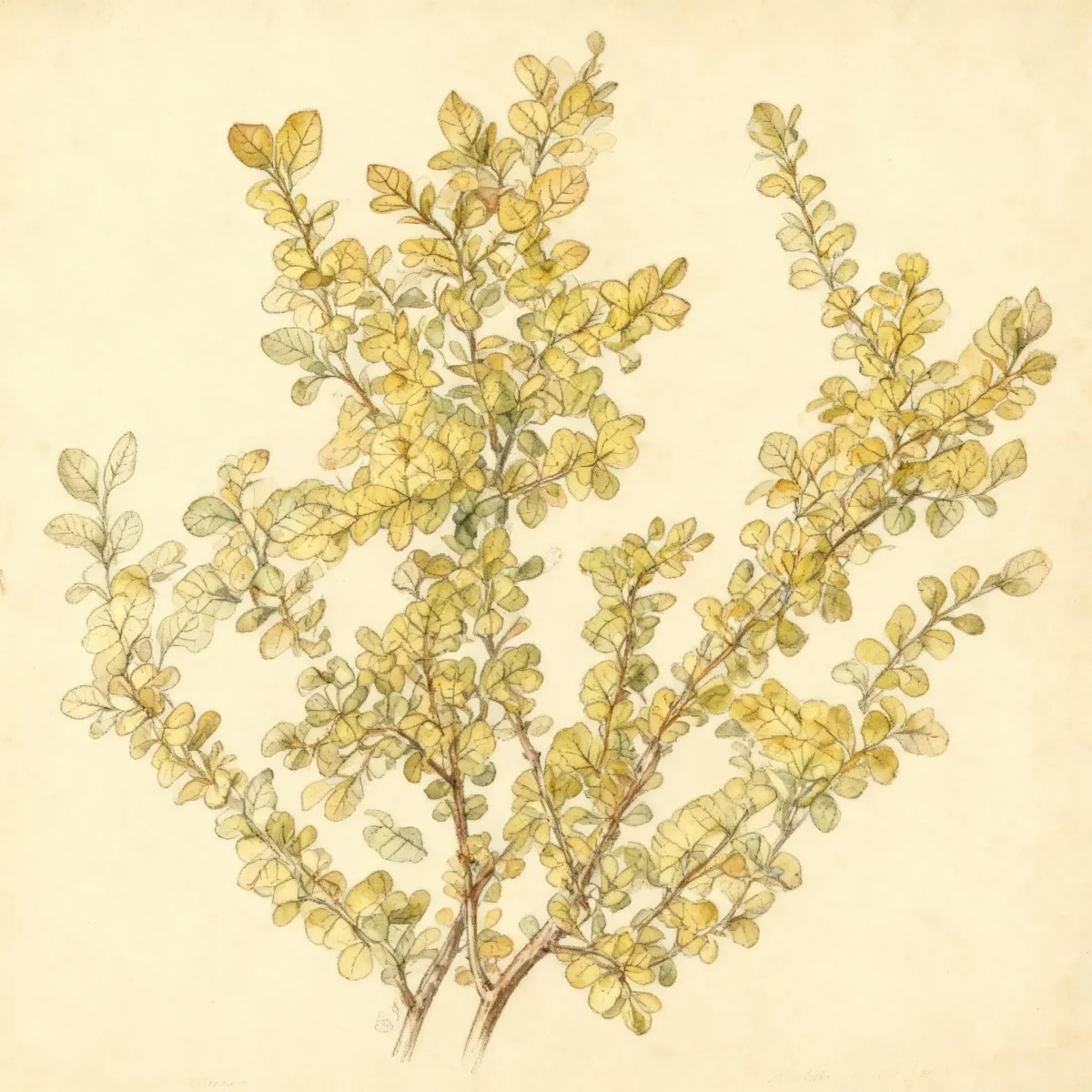
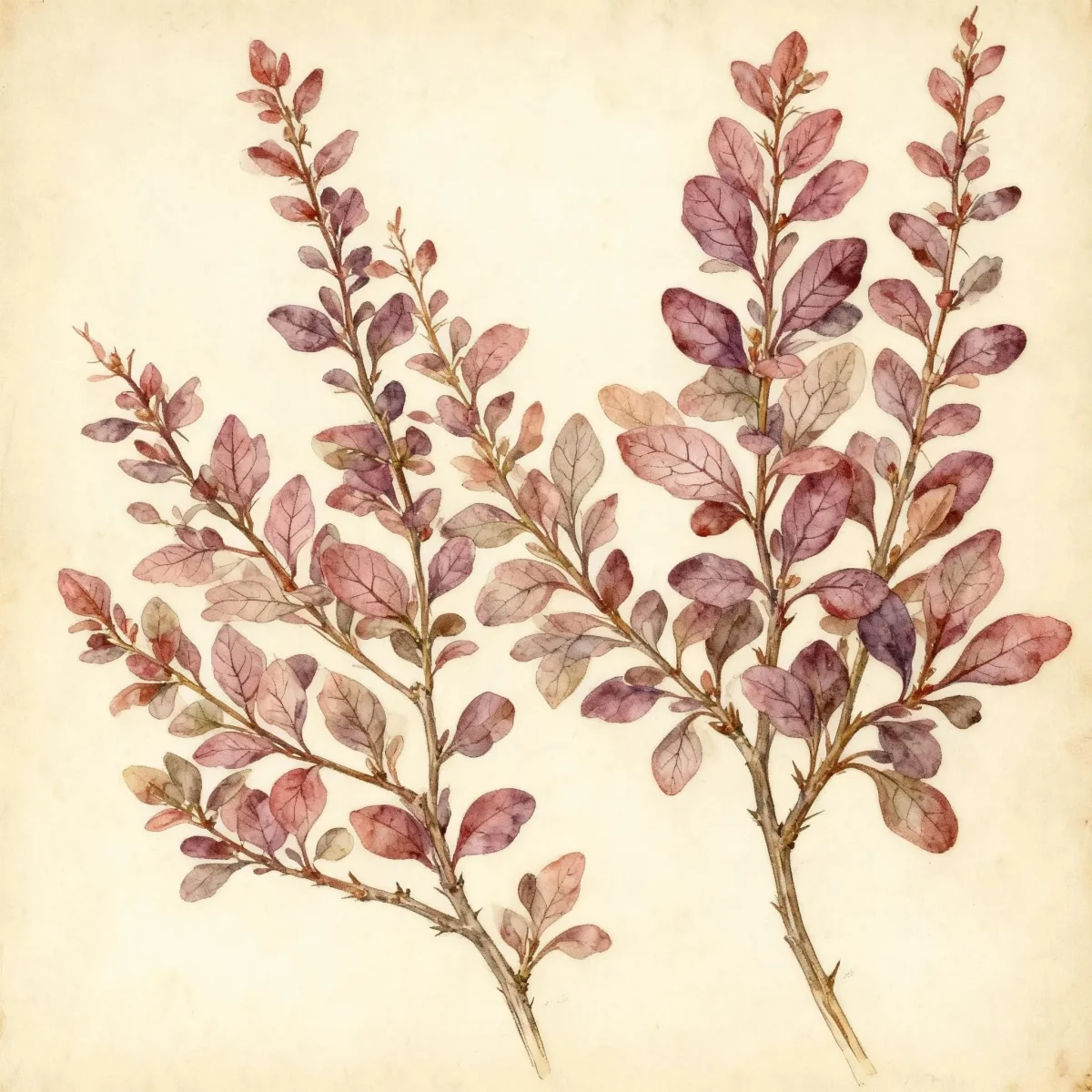
Japanese barberry (Berberis thunbergii f. atropurpurea 'Helmond Pillar')
Columnar Berberis thunbergii f. atropurpurea 'Helmond Pillar' is a low-maintenance Japanese barberry prized for deep reddish-purple foliage, ideal for vertical accents.
Scroll down to discover growing tips, care requirements, companion plants, and more
Complete Plant Information
Overview
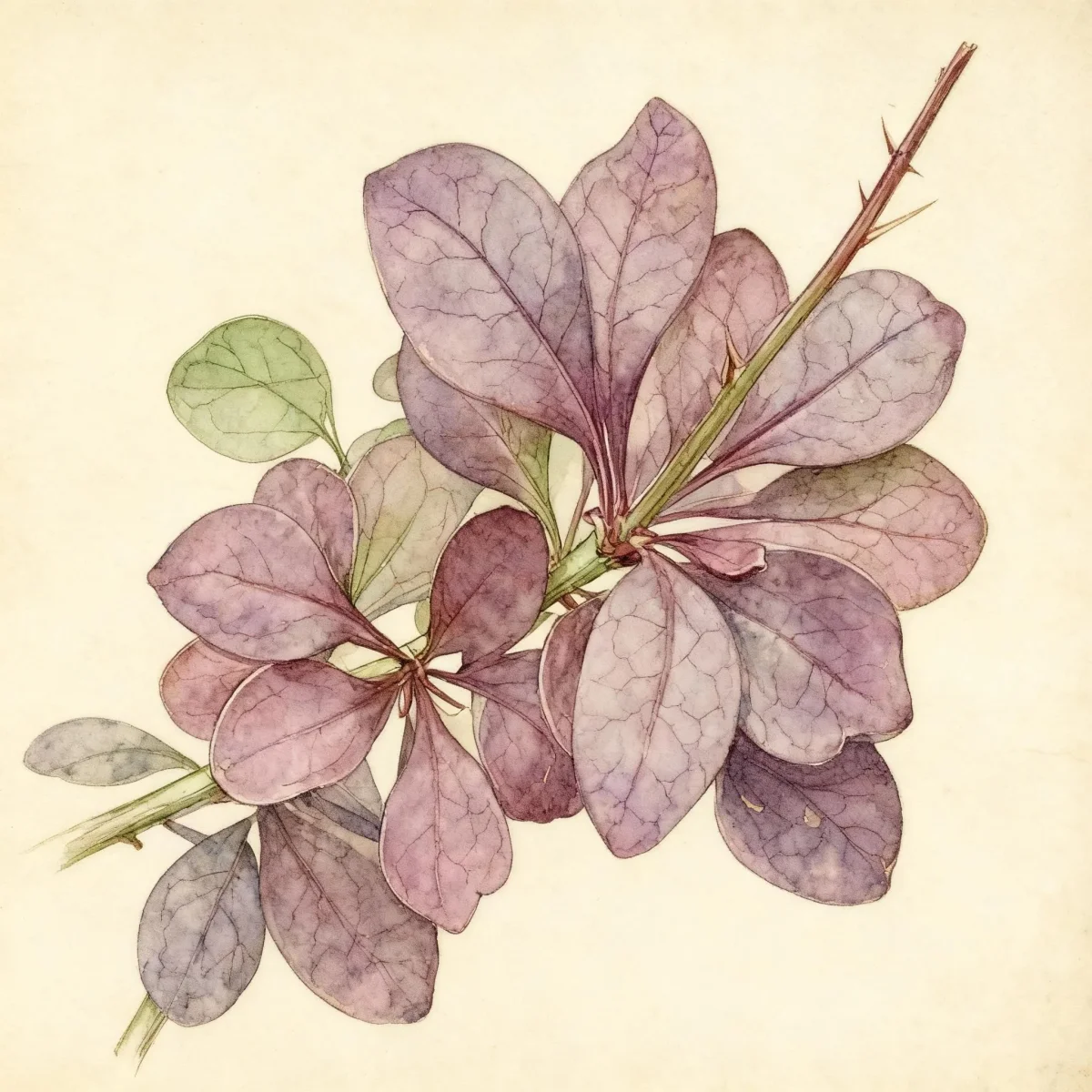
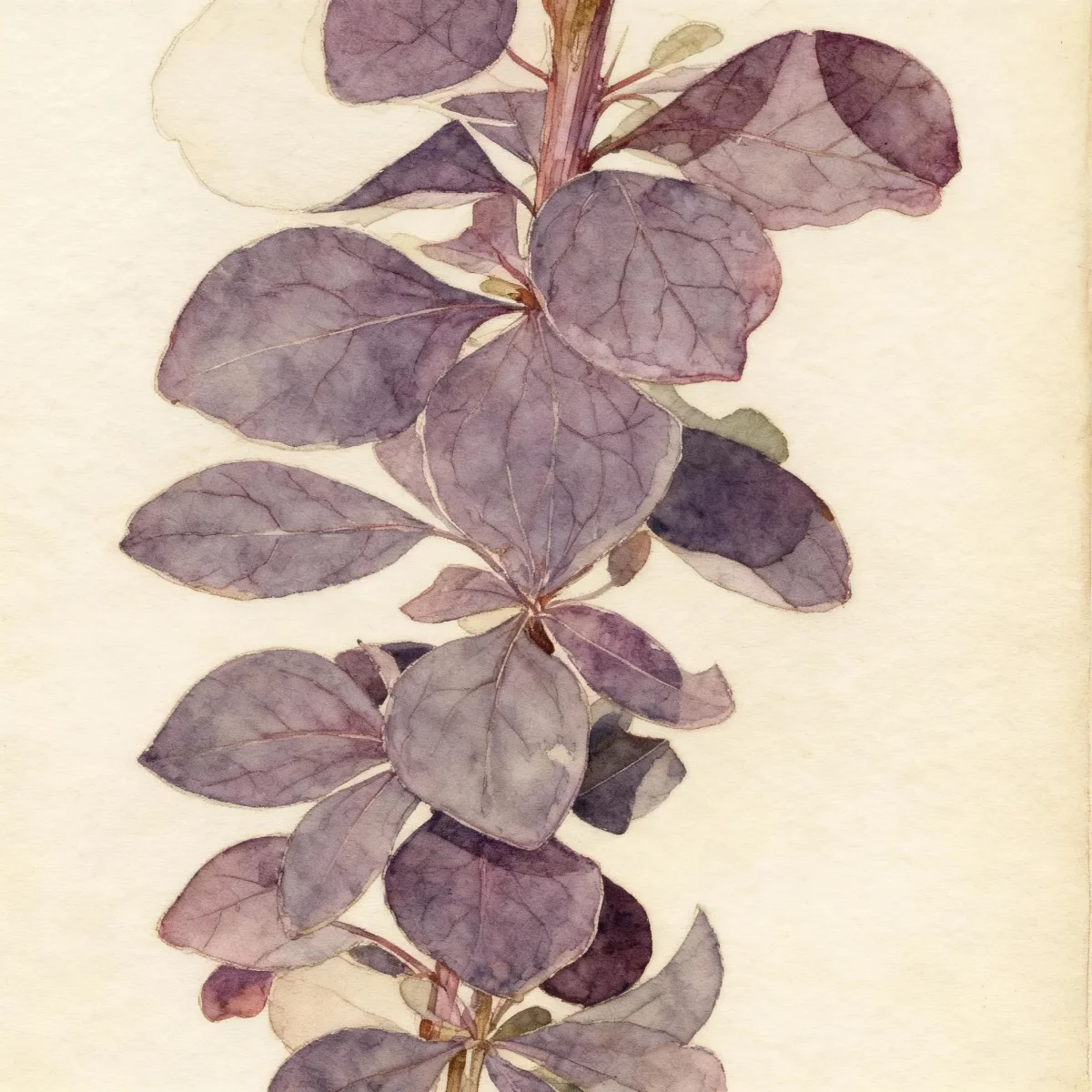
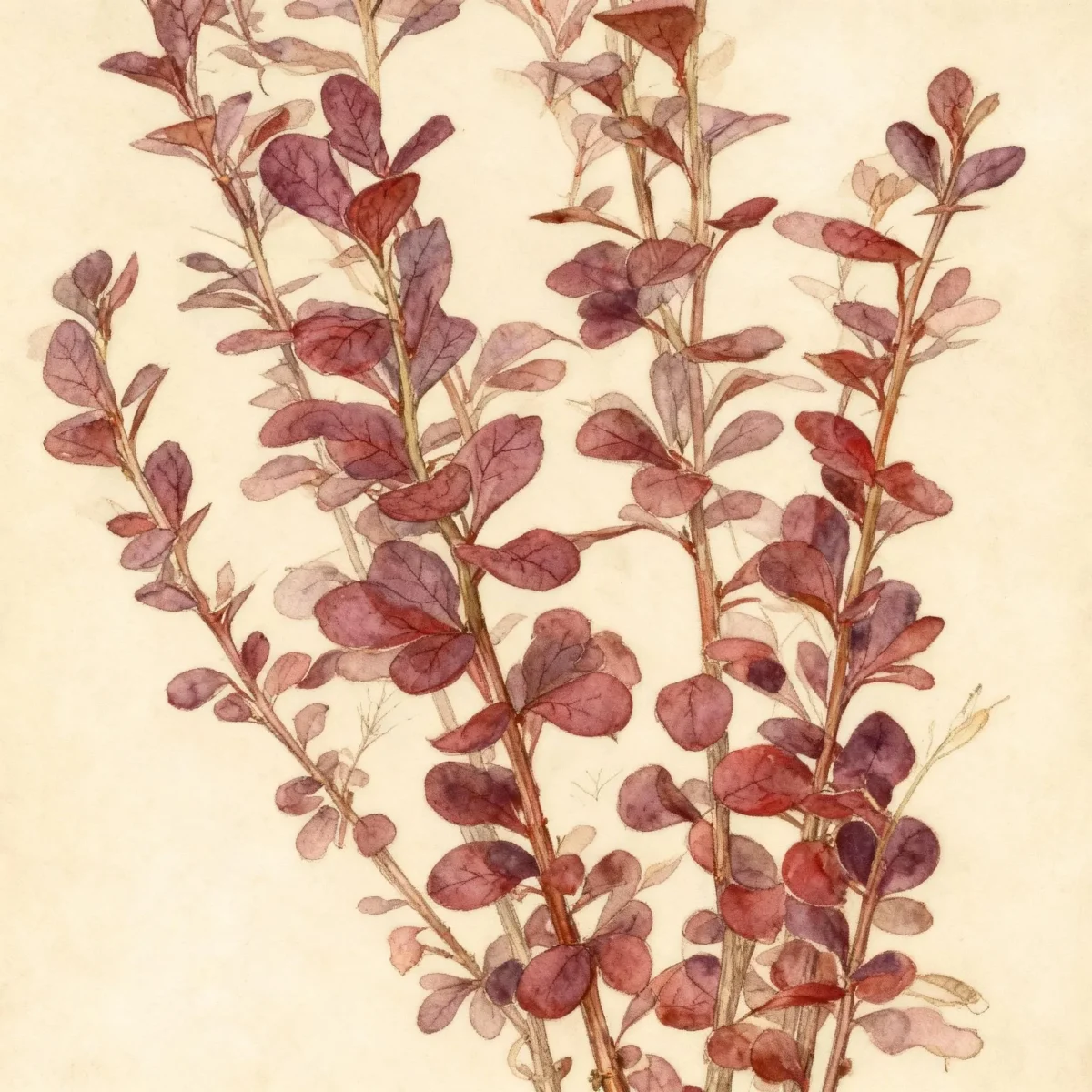
The striking Berberis thunbergii f. atropurpurea ‘Helmond Pillar’ offers exceptional vertical interest in the landscape. This cultivar of Japanese barberry is specifically valued for its tight, upright, columnar habit, which maintains its shape without constant pruning. Its dense foliage displays rich reddish-purple tones, providing excellent contrast against green plantings throughout the growing season.
As a highly adaptable deciduous shrub, this form of Japanese barberry thrives in tough conditions where other plants might struggle. It requires minimal care once established, making it a favorite for low-maintenance gardens or screens. The thorny nature of Berberis thunbergii f. Atropurpurea ‘Helmond Pillar’ also offers practical defense when used for protective landscape barriers.
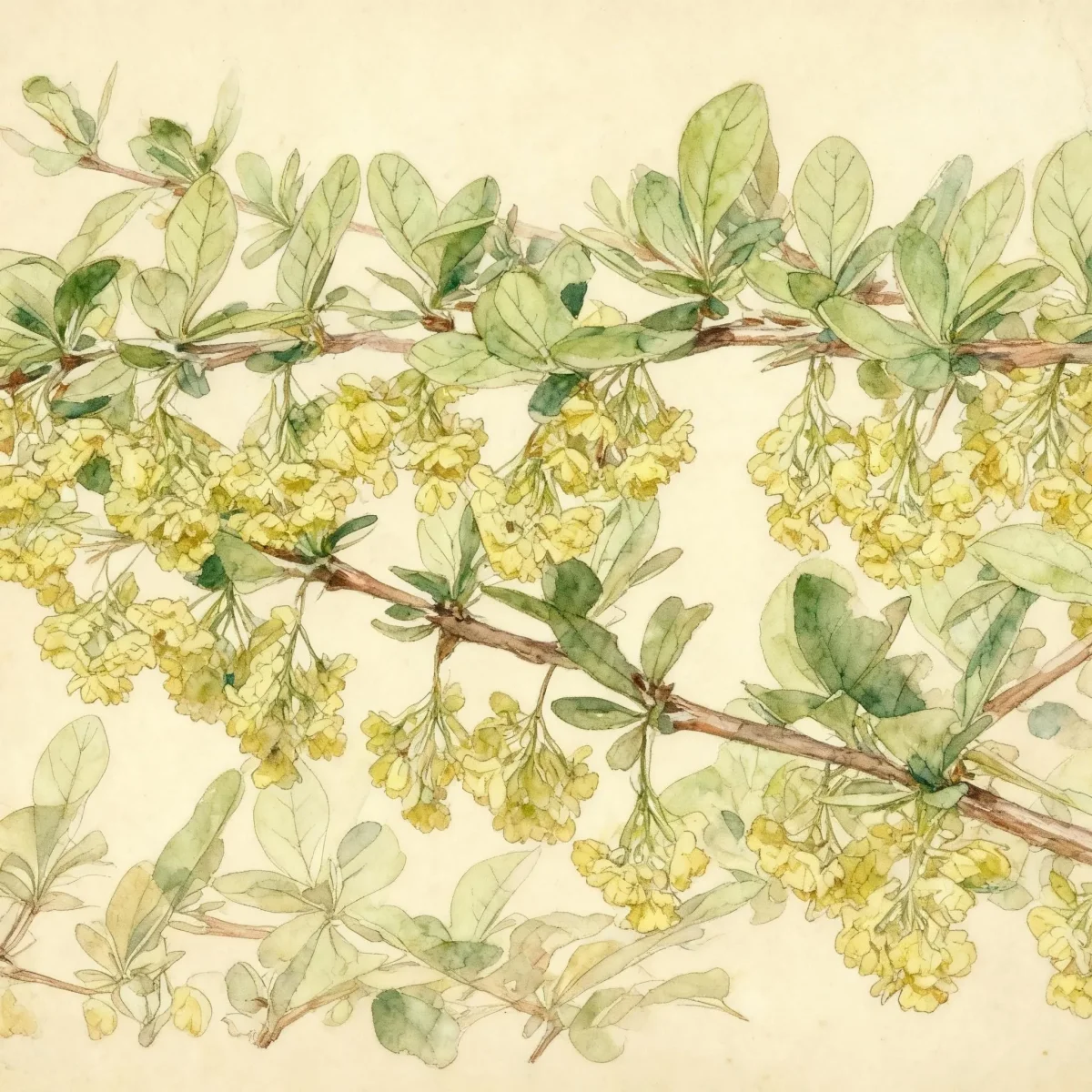
Gardeners appreciate the structure provided by this plant, as it offers vibrant color and defined form over its manageable size. While the tiny, yellowish flowers are often obscured by the foliage in spring, the subsequent bright red berries add visual appeal late into the year, cementing the status of the Japanese barberry as a structural superstar.
Fast Facts
- Plant Family: Berberidaceae
- Plant Type: Deciduous shrub
- Hardiness Zones: USDA Zones 4-8
- Size at Maturity:
- Height: 4-5 ft
- Spread: 1-2 ft
- Bloom Time: April to May
- Bloom Description: Yellow
- Sun Exposure: Full sun
- Water Needs: Dry to medium
- Maintenance Level: Low
How to Grow
Plant Berberis thunbergii f. atropurpurea ‘Helmond Pillar’ in the spring or fall for best establishment, ensuring the site receives full sun to maintain the deepest purple leaf color. This shrub establishes easily in average, well-drained soil, preferring dry to medium moisture levels. While it tolerates part shade, reduced sun will cause the foliage color to fade significantly.
Maintenance for this Japanese barberry is wonderfully low. Water deeply and regularly in the first year, but established plants exhibit strong drought tolerance and handle dry soils well. Generally, fertilizing is unnecessary unless soil quality is poor. Pruning is often minimal due to its natural columnar shape, but light shaping can be done in late winter or early spring if required.
Avoid planting Berberis thunbergii f. Atropurpurea ‘Helmond Pillar’ in locations with poor drainage, as it is intolerant of wet, soggy soils which can lead to root rot issues. Be mindful that this species has the potential to self-seed, as birds consume the autumn berries and distribute the seeds.
Landscape Uses
The distinctive vertical growth pattern of Berberis thunbergii f. atropurpurea ‘Helmond Pillar’ makes it invaluable in formal and modern designs where strong lines are needed. Its primary suggested use is maintaining a narrow, colorful hedge or barrier, as its thorns deter unwanted passage. Due to its compact spread, it is perfect for bordering walkways or defining small geometric spaces where wider shrubs would crowd the area.
Use this columnar Japanese barberry as a vertical accent planted in repeating groups to create rhythm along a property line or through a mixed perennial border. Contrast the dark purple foliage of the ‘Helmond Pillar’ cultivar against bright green or silver-leafed plants to maximize visual impact. It fills narrow vertical spaces effectively, functioning as an excellent living spacer between larger ornamental trees or foundational shrubs.
Standout Features
Flower Qualities
- Showy
Fruit Qualities
- Showy
Noteworthy Characteristics
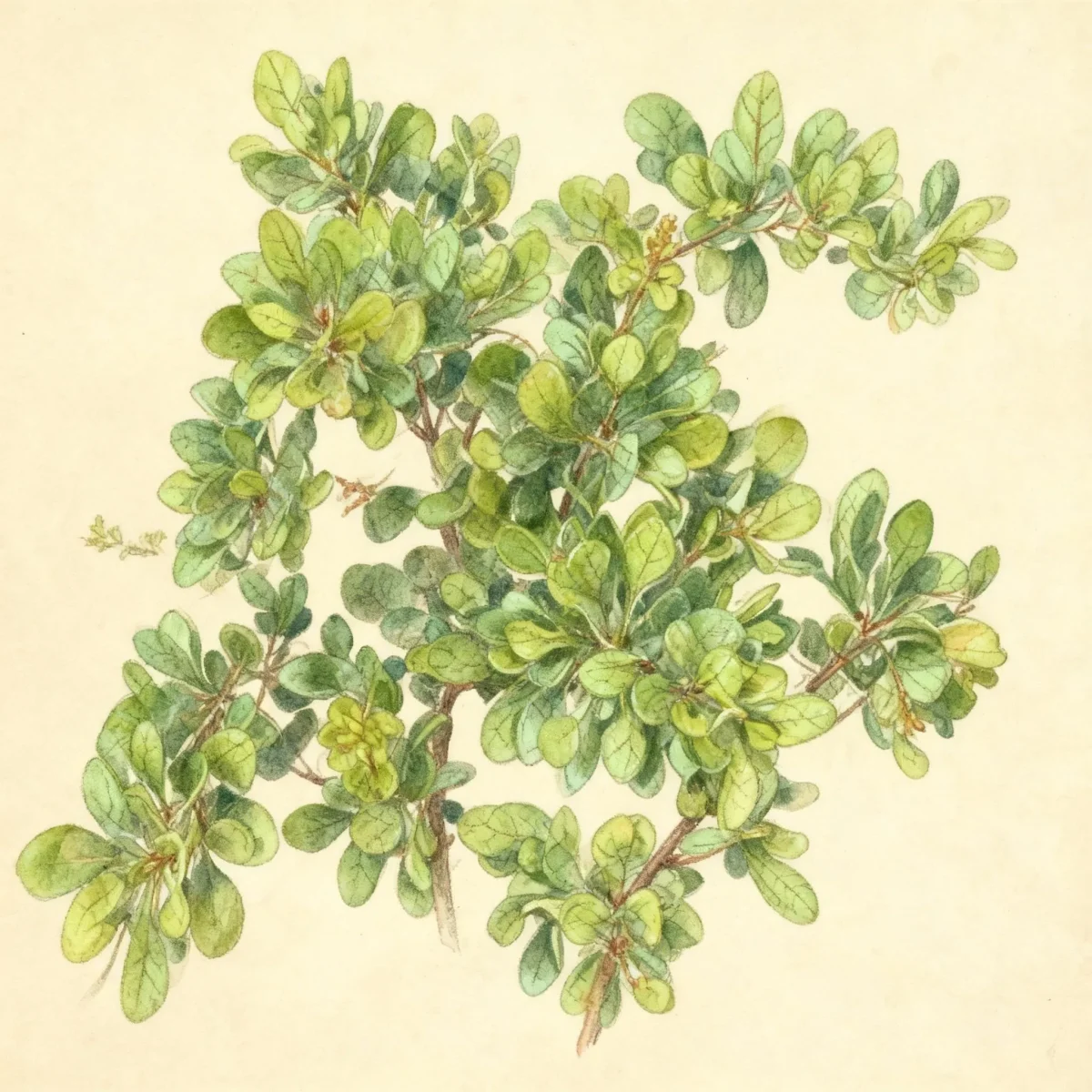
Berberis thunbergii, commonly called Japanese barberry, is a spiny, broad-rounded, deciduous shrub with obovate green leaves. It typically matures to 5’ tall and as wide. Leaves (variably sized to 1 1/4” long) typically turn attractive shades of orange, yellow and red in fall. Forma atropurpurea have red to purple-red foliage. The cultivar ‘Helmond Pillar’ is an upright, columnar form which typically grows somewhat slowly to 4-5’ tall and only 1-2’ wide. It features reddish-purple foliage on stems armed with sharp thorns, and glossy, bright red berries form in the fall, often persisting into winter.
Tolerances
- Deer
- Drought
- Erosion
- Clay Soil
- Dry Soil
Potential Problems
This shrub generally exhibits few serious health issues, contributing to its low maintenance rating. However, gardeners should watch for some susceptibility to common fungal problems like bacterial leaf spot and anthracnose, particularly in humid conditions or when foliage remains wet for extended periods. Aphids, barberry webworm, and scale infestations are occasionally noted.
Management often involves ensuring good air circulation through proper spacing to minimize fungal risk. Should pests occur, treatment with appropriate horticultural oils or insecticides based on identification will usually resolve the issue. A peculiar maintenance challenge involves keeping the dense, spiny stems free of wind-blown debris, as trash often becomes snagged on the thorns.
Frequently Asked Questions
What hardiness zones is Japanese barberry suitable for?
The columnar form, Berberis thunbergii f. atropurpurea ‘Helmond Pillar’, is suitable for planting in USDA Zones 4 through 8.
How large does Berberis thunbergii f. atropurpurea ‘Helmond Pillar’ grow?
This specific cultivar typically achieves a height between 4 and 5 feet, maintaining a significantly narrow spread of only 1 to 2 feet wide.
What sun exposure does Berberis thunbergii f. Atropurpurea ‘Helmond Pillar’ need?
For the best performance, especially to enhance the rich reddish-purple leaf color, this plant requires full sun exposure.
When does Japanese barberry bloom?
The tiny, yellowish flowers of this deciduous shrub appear relatively early in the season, typically from April into May.
Conclusion
The Berberis thunbergii f. atropurpurea ‘Helmond Pillar’ delivers exceptional architectural form and year-round interest with minimal input from the gardener. Its drought tolerance and adaptability, coupled with its stunning reddish-purple foliage, secure the Japanese barberry’s place as a versatile landscape asset. Before planting, confirm your location falls within USDA Zones 4-8 and ensure you select a location with excellent drainage to take full advantage of this low-maintenance columnar shrub.
Companion Planting
When selecting companions for Berberis thunbergii f. atropurpurea ‘Helmond Pillar’, focus on plants that vary significantly in texture and color to enhance its vertical presence. Consider pairing it with broadleaf evergreens or plants that possess chartreuse or blue foliage, as these sharply contrast the dark purple leaves of the Japanese barberry. Good companions that share similar low-water and full-sun requirements include ornamental grasses like Calamagrostis (Feather Reed Grass) or low-spreading Sedums.
Design Ideas for Narrow Spaces
The narrow profile of ‘Helmond Pillar’ allows it to be tucked into very tight spaces where traditional hedging shrubs would become invasive. Use it to soften the hard corners of retaining walls or to create formal vertical rhythm along narrow side yards. In contemporary landscaping, several specimens lined up can create a striking, modern screen rather than a typical bushy hedge. This plant excels near entrances where year-round structure is desired without obstructing walkways.