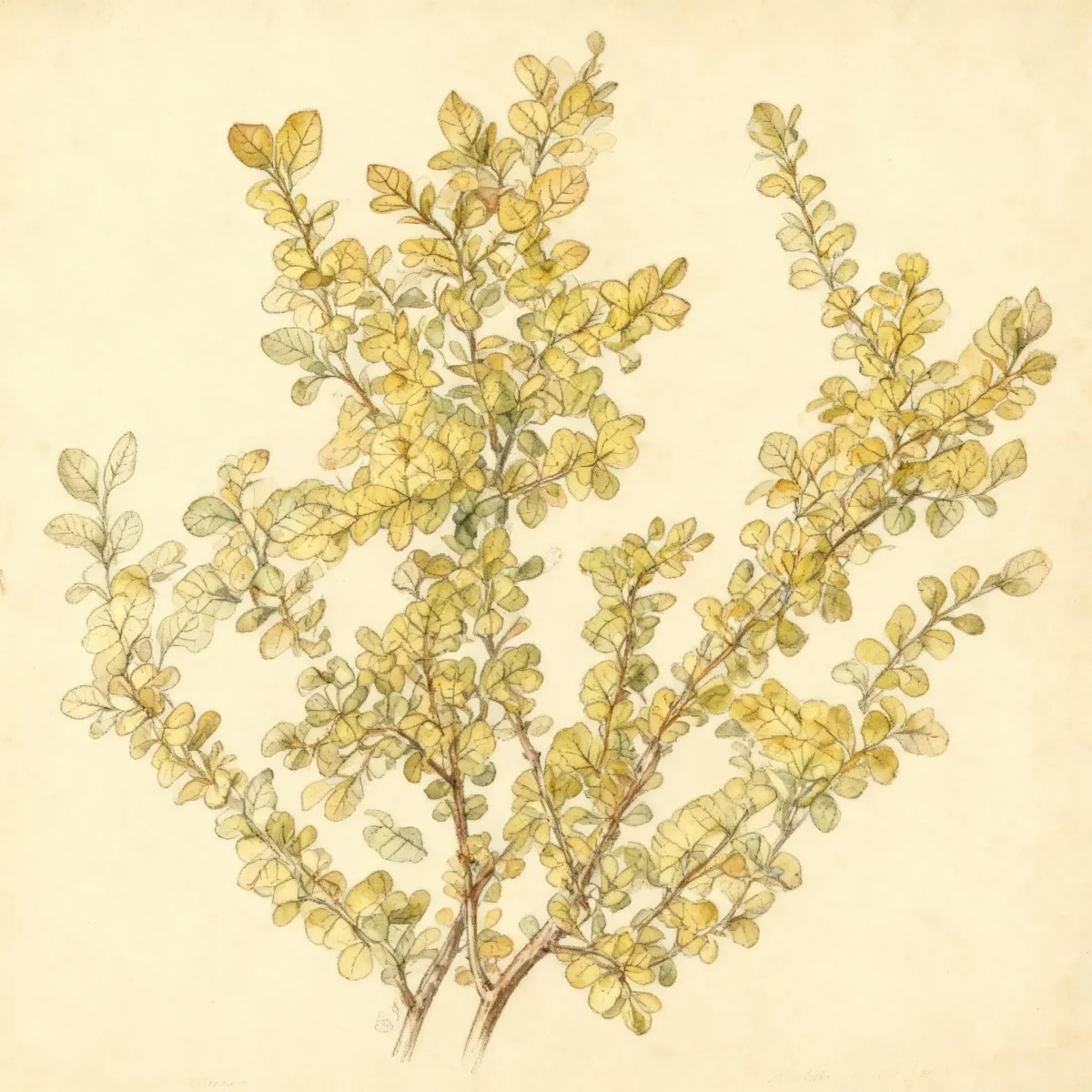
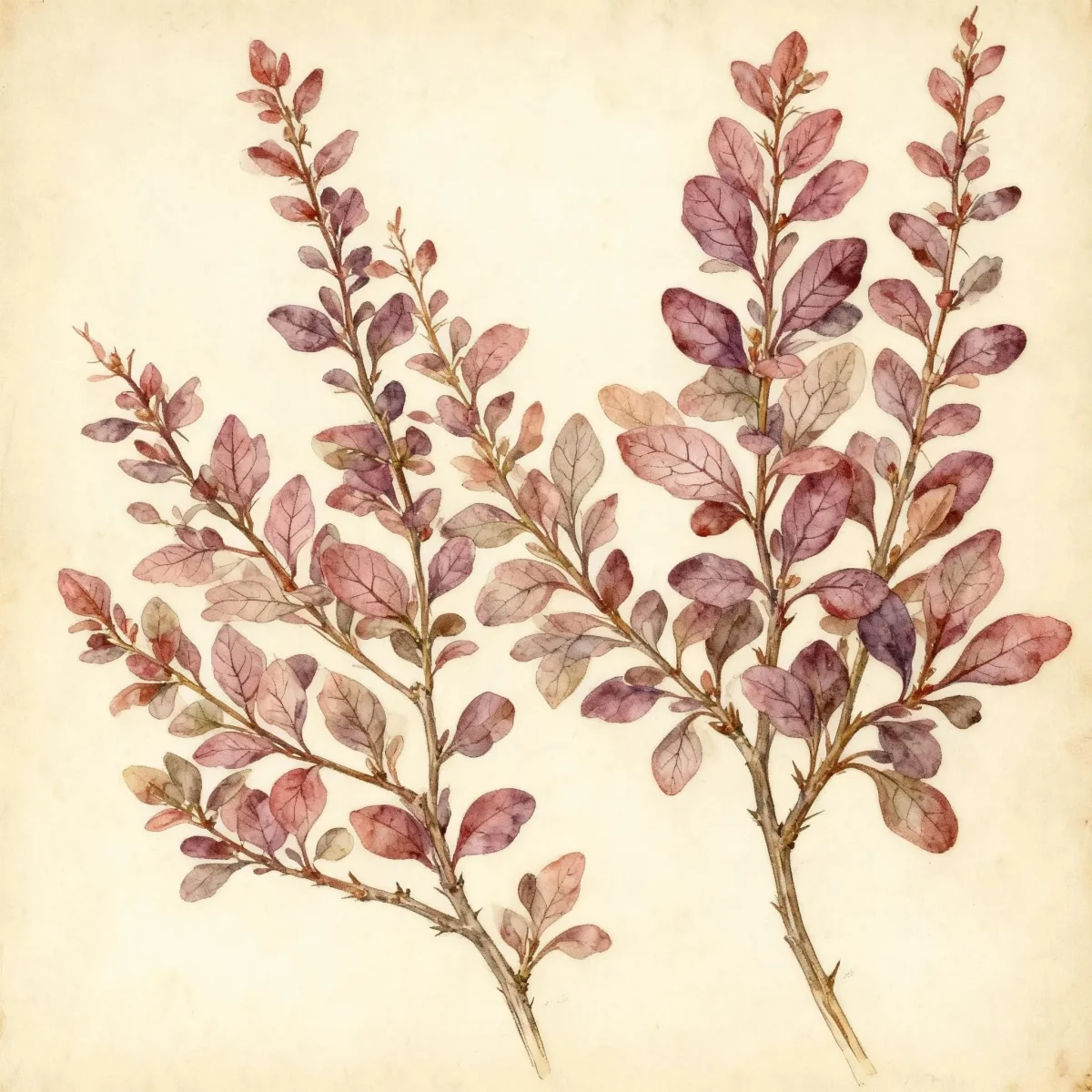
Japanese barberry (Berberis thunbergii f. atropurpurea 'Rose Glow')
Discover Berberis thunbergii f. atropurpurea 'Rose Glow', a low-maintenance Japanese barberry offering rose-pink mottled foliage and impressive drought tolerance.
Scroll down to discover growing tips, care requirements, companion plants, and more
Complete Plant Information
Overview
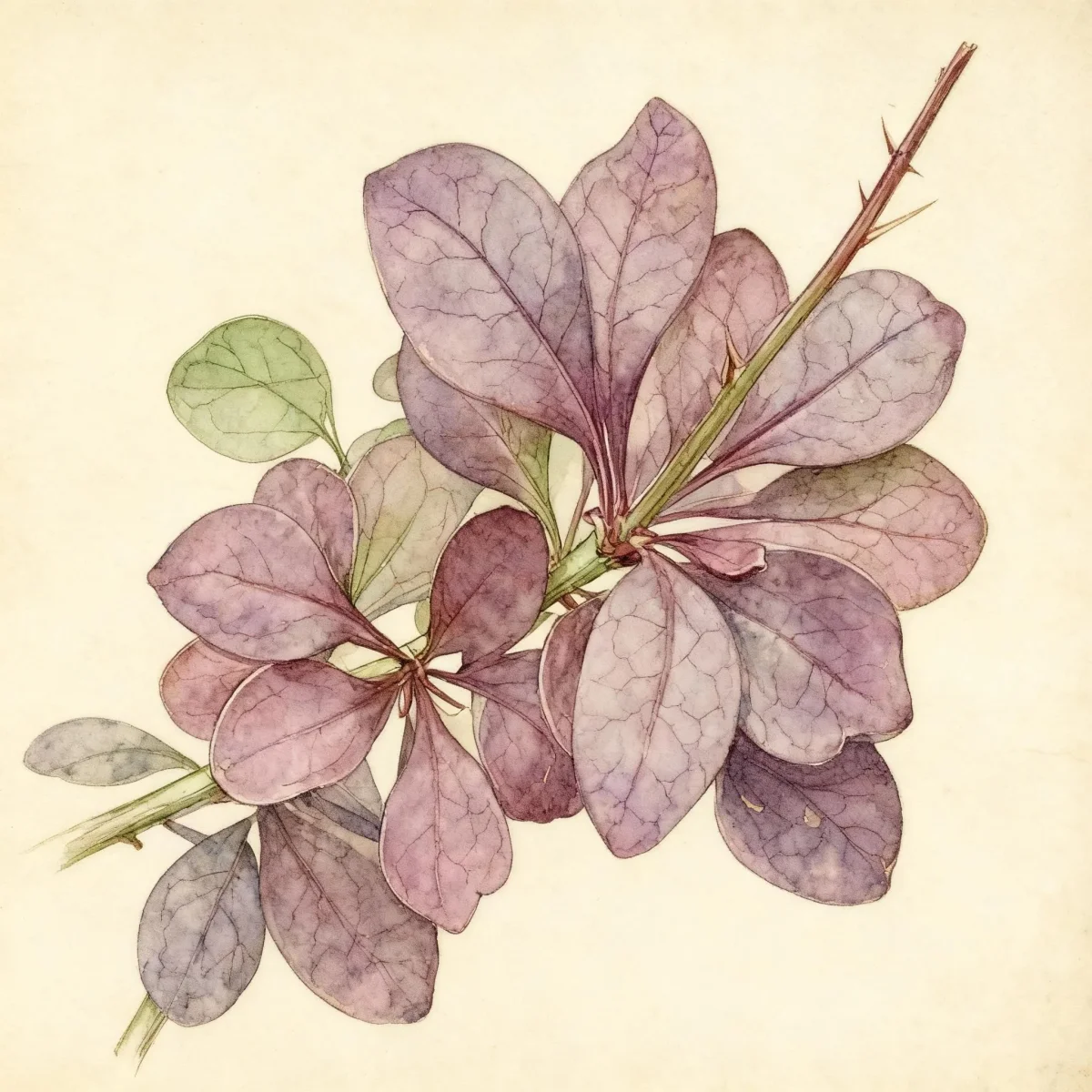
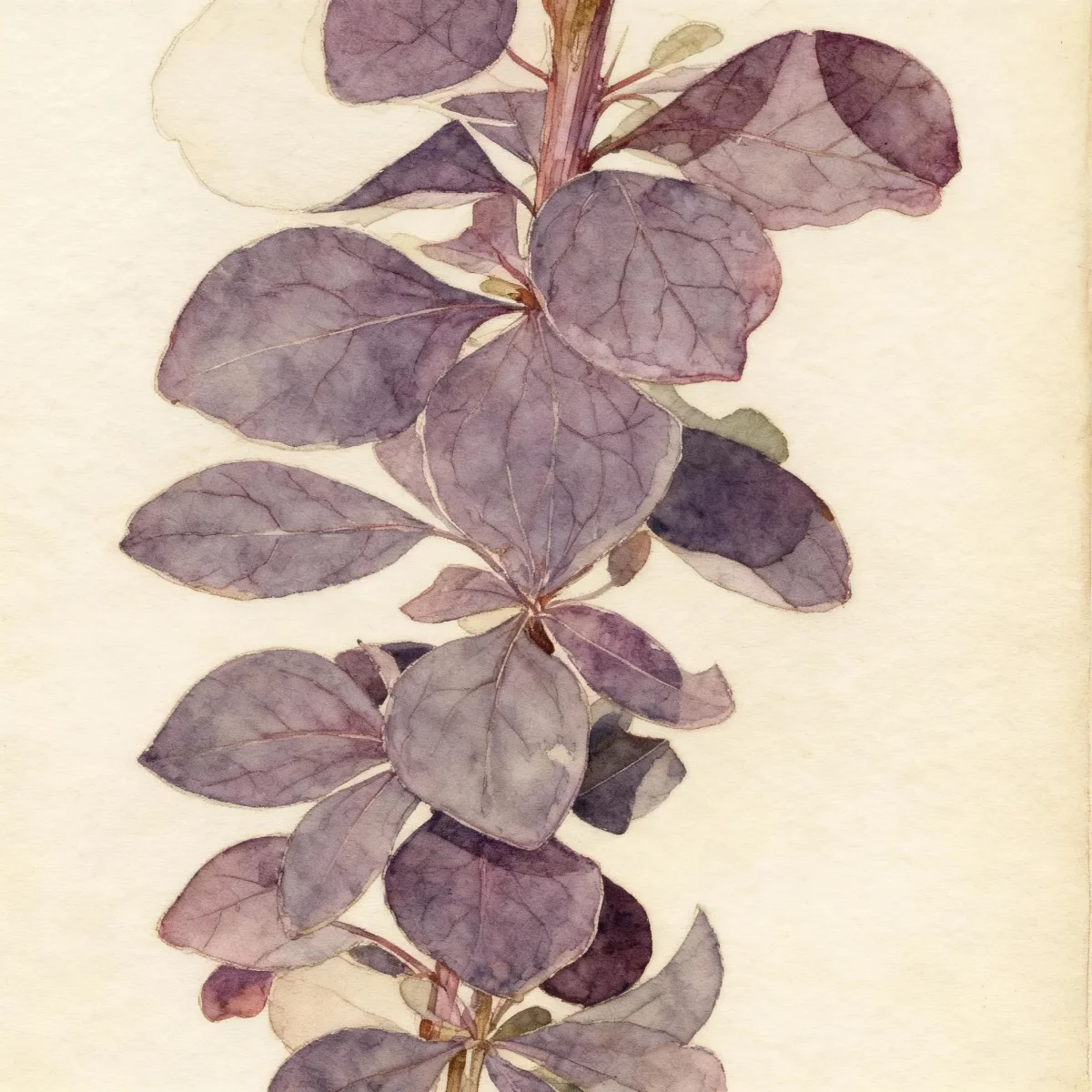
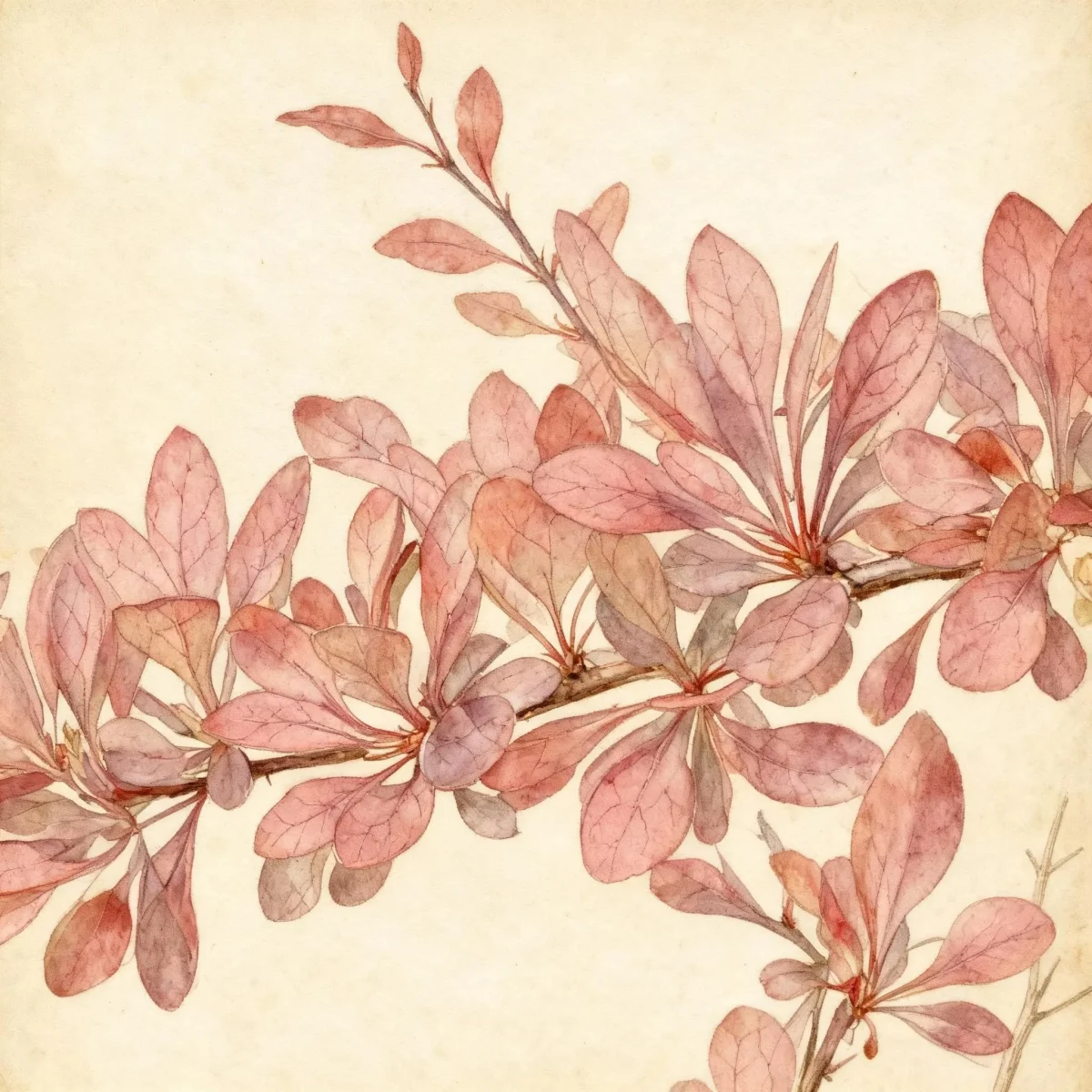
Berberis thunbergii f. atropurpurea ‘Rose Glow’ is a vibrant, dense cultivar sought after for its spectacular, ever-changing foliage display. This specific variety of Japanese barberry emerges with lovely purple leaves that quickly transition to a striking rose-pink mottled with bronze and purple accents, providing year-round interest even before its fall color turn. As a low-maintenance, spiny deciduous shrub reaching heights up to 6 feet, it offers excellent structural appeal in the landscape.
The adaptability of Berberis thunbergii f. Atropurpurea ‘Rose Glow’ makes it a reliable choice for many challenging garden spots. It performs exceptionally well in full sun where its colors are most intense, and its tolerance for poor soils, heat, and drought means less intervention is required post-establishment. Gardeners value this Japanese barberry for creating effective barriers or adding bold color contrast against greener plantings.
While the bright red berries add visual appeal in the autumn and winter, remember that this species can spread by self-seeding, a factor to consider when planting. Overall, the combination of tough constitution, striking coloration, and functional form cements Berberis thunbergii f. atropurpurea ‘Rose Glow’ as an essential woody plant for adding texture and defense to foundation plantings and borders.
Fast Facts
- Plant Family: Berberidaceae
- Plant Type: Deciduous shrub
- Hardiness Zones: USDA Zones 4-8
- Size at Maturity:
- Height: 3-6 ft
- Spread: 4-7 ft
- Bloom Time: April to May
- Bloom Description: Yellow
- Sun Exposure: Full sun
- Water Needs: Dry to medium
- Maintenance Level: Low
How to Grow
Planting the Berberis thunbergii f. atropurpurea ‘Rose Glow’ is best achieved in spring or fall when soil temperatures stabilize. Ensure planting occurs in well-drained soil. While it thrives in average conditions, this adaptable shrub performs best when positioned to receive full, unrelenting sun, which maximizes the vibrant rose-pink coloration. It is highly tolerant of urban environments, heat, and drought once established.
Maintenance for this Japanese barberry is generally considered low. Watering should be consistent while the plant is young; thereafter, it prefers dry to medium moisture levels and actively resents poorly-drained, excessively wet soil where root rots can develop. Fertilization is rarely necessary unless planting in extremely poor sites. Pruning should be done carefully due to the presence of sharp thorns, typically needed only to shape the shrub into the desired hedge or form.
Seasonal care focuses on maintaining its form and watching for potential issues. Because plants spread slowly via creeping roots and can self-seed, monitor nearby areas if aggressive spread is undesirable. The sharp stems are notorious for trapping wind-blown debris, so occasional cleaning during late winter or early spring maintenance is often necessary to keep the shrub looking its best.
Landscape Uses
Japanese barberry excels when utilized for practical screening or demarcation. The dense, thorny structure of Berberis thunbergii f. atropurpurea ‘Rose Glow’ makes it an excellent, effective barrier or hedge, particularly where security or pet containment is desired along property lines. Due to its compact, rounded mature habit when unpruned, it is also effective when planted in groups to create mass color drifts.
Consider using this cultivar as a highly textural, colorful specimen planted against a neutral backdrop for maximum visual impact. Its sharp texture contrasts beautifully with the soft foliage of ornamental grasses or the broad leaves of hostas (though ensure hostas are placed outside the direct path, given the thorns). The rich, variable color profile means the Japanese barberry provides excellent seasonal interest throughout the growing year.
Standout Features
Flower Qualities
- Insignificant
Fruit Qualities
- Showy
Noteworthy Characteristics
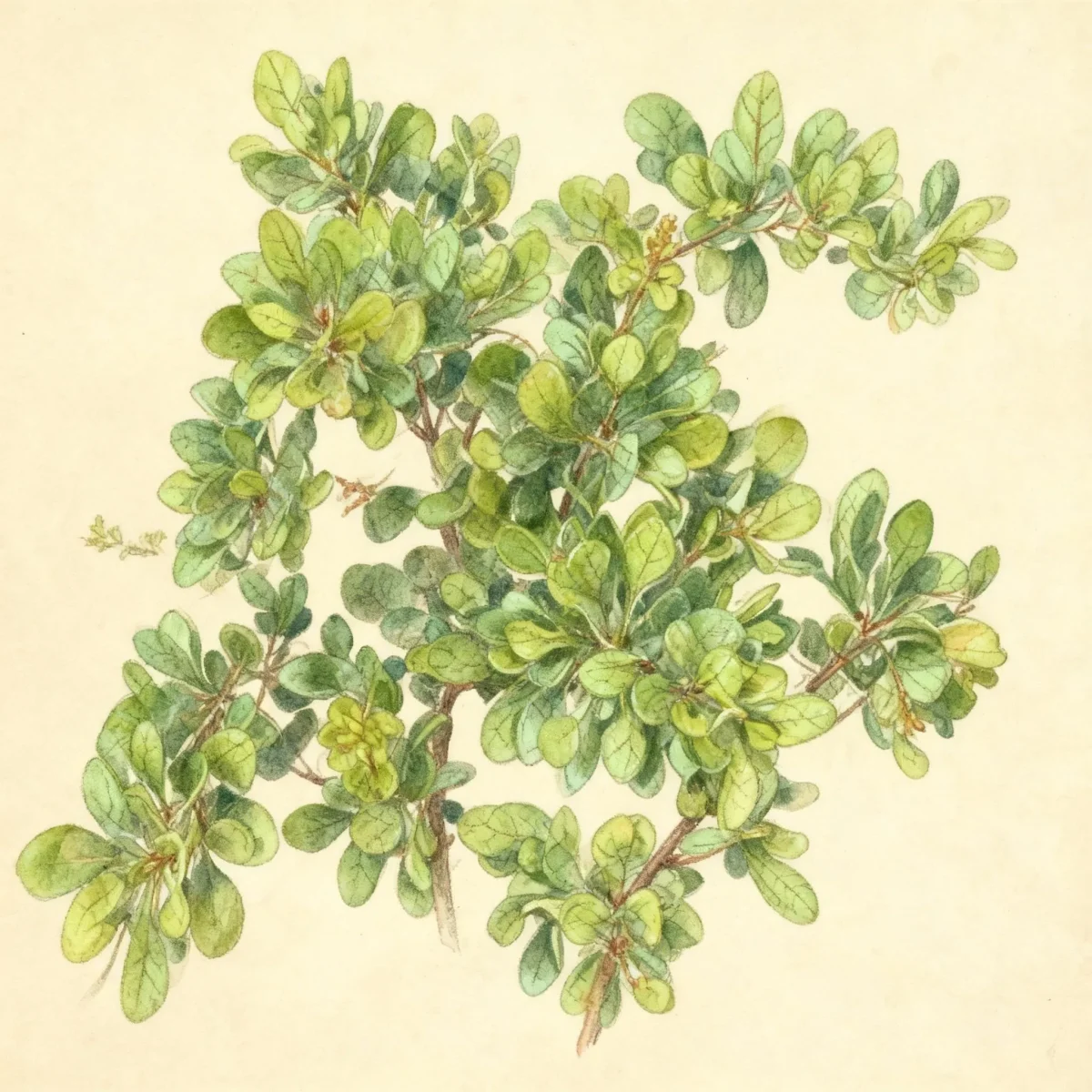
Berberis thunbergii, commonly called Japanese barberry, is a spiny, broad-rounded, deciduous shrub with obovate green leaves. It typically matures to 5’ tall and as wide. Leaves (variably sized to 1 1/4” long) typically turn attractive shades of orange, yellow and red in fall. Forma atropurpurea have red to purple-red foliage.Specific epithet honors Swedish botanist Carl Peter Thunberg who reportedly identified this species in Japan in 1784. The cultivar ‘Rose Glow’ features new shoots emerging as a rose-pink mottled with bronzish to purplish red splotches, with reddish-brown stems armed with sharp thorns and bead-like, bright red berries held through winter, providing significant bird interest.
Tolerances
- Deer
- Drought
- Erosion
- Clay Soil
- Dry Soil
Potential Problems
In general, Berberis thunbergii f. atropurpurea ‘Rose Glow’ faces no serious health issues, contributing to its low maintenance rating. However, gardeners should be aware of some susceptibility to fungal issues like bacterial leaf spot and anthracnose, along with occasional root rots if drainage is poor. Pest pressure may include scale insects and aphids, which can usually be managed with horticultural oils or careful pruning. Monitor for signs of wilt, especially in newly planted specimens in stressful conditions.
The most noted cultural issue is not disease, but the plant’s habit of trapping windblown trash within its dense, thorny structure. Regular inspection and removal of accumulated debris is important to maintain aesthetic quality and prevent pockets where pests might hide or pathogens could thrive.
Frequently Asked Questions
What hardiness zones is Japanese barberry suitable for?
This shrub is suitable for USDA Hardiness Zones 4 through 8.
How large does Berberis thunbergii f. atropurpurea ‘Rose Glow’ grow?
It typically reaches a mature height between 3 and 6 feet tall, with a spread ranging from 4 to 7 feet wide.
What sun exposure does Berberis thunbergii f. atropurpurea ‘Rose Glow’ need?
It requires full sun for the best foliage color, though it can tolerate part shade, resulting in muted tones.
When does Japanese barberry bloom?
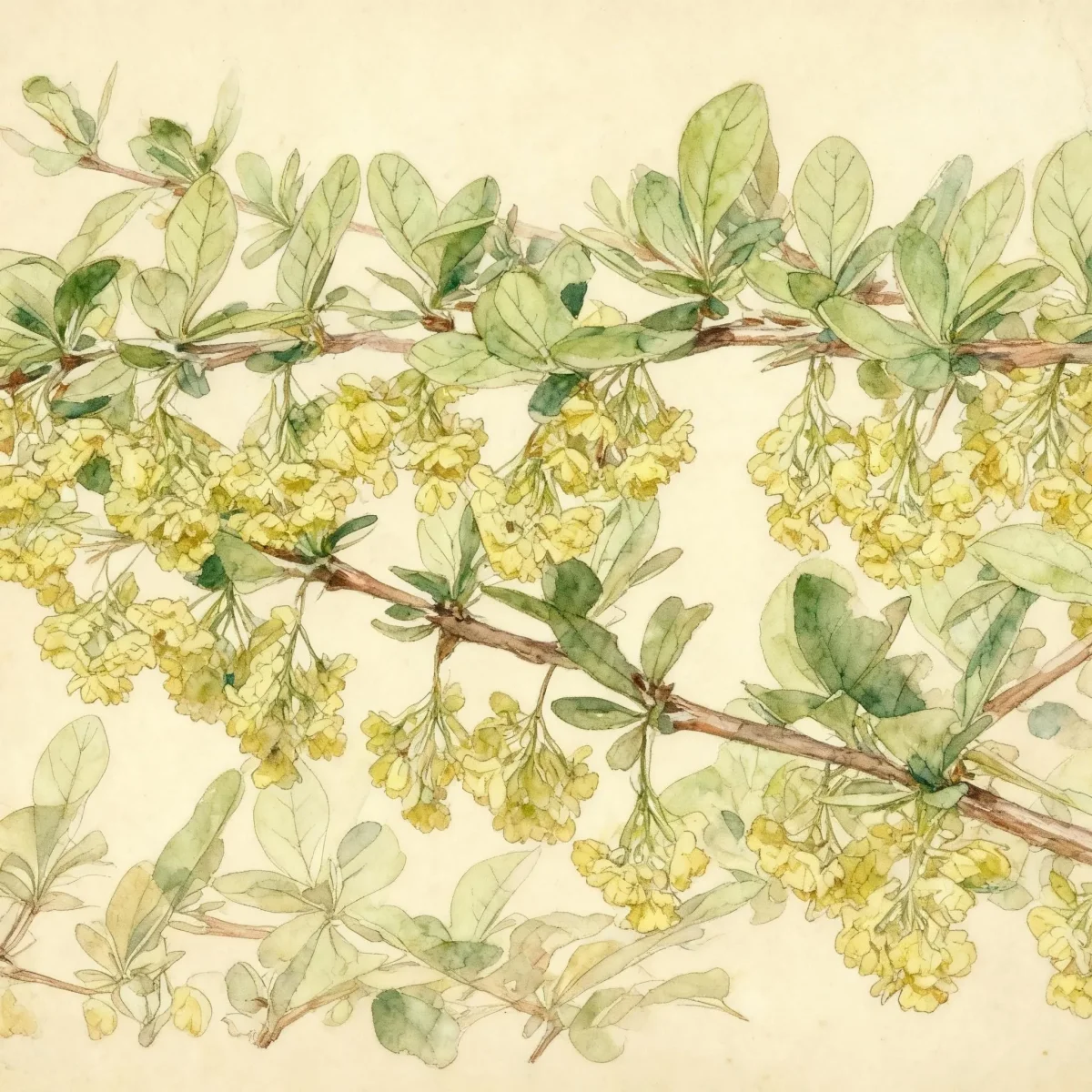
Flowering occurs between April and May, producing small, yellowish flowers that are generally not considered a primary ornamental feature.
Conclusion
The Berberis thunbergii f. atropurpurea ‘Rose Glow’ remains a robust and visually dynamic choice, prized for its drought tolerance and unique, rose-mottled foliage that stands out in any planting scheme. For gardeners seeking a tough, low-effort shrub that functions well as a border or barrier, this Japanese barberry cultivar is an excellent investment. Always check your local ecological guidelines, and plan your planting for early spring or fall to ensure establishment success.
Companion Planting
When selecting companions for this striking shrub, focus on providing textural contrast that highlights its dense form. Consider using broad-leaved perennials or fine-textured ornamental grasses that prefer similar full-sun/dry conditions. Hostas, while shaded lovers, can be stunning foils if placed where they receive afternoon light but are protected by the shrub’s profile, and plants like Sedum ‘Autumn Joy’ pair well as they share drought tolerance and provide late-season color.
Avoid planting too closely with natives that demand consistent moisture, as the water needs of this barberry lean toward drier soil once mature. Given its thorny nature, this plant works well near pathways where its impenetrable structure acts as a natural deterrent against casual foot traffic shortcuts.
Design Ideas
The architectural structure and bold color of Berberis thunbergii f. Atropurpurea ‘Rose Glow’ make it ideal for contemporary and formal landscape designs. Use multiple specimens spaced evenly to create a highly structured, repeating pattern along a long walkway, emphasizing rhythm and line. In mixed foundation plantings, place shorter, mounding groundcovers in front to soften the base, ensuring the vibrant foliage remains visible above.
For a more dramatic effect, plant Berberis thunbergii f. atropurpurea ‘Rose Glow’ against evergreen backdrops, such as dark green junipers or pines. The intense mottled pink, bronze, and purple hues will pop dramatically against the deep green, providing persistent color contrast through late fall. Ensure access is maintained for minor cleanup due to the tendency for branches to catch debris.