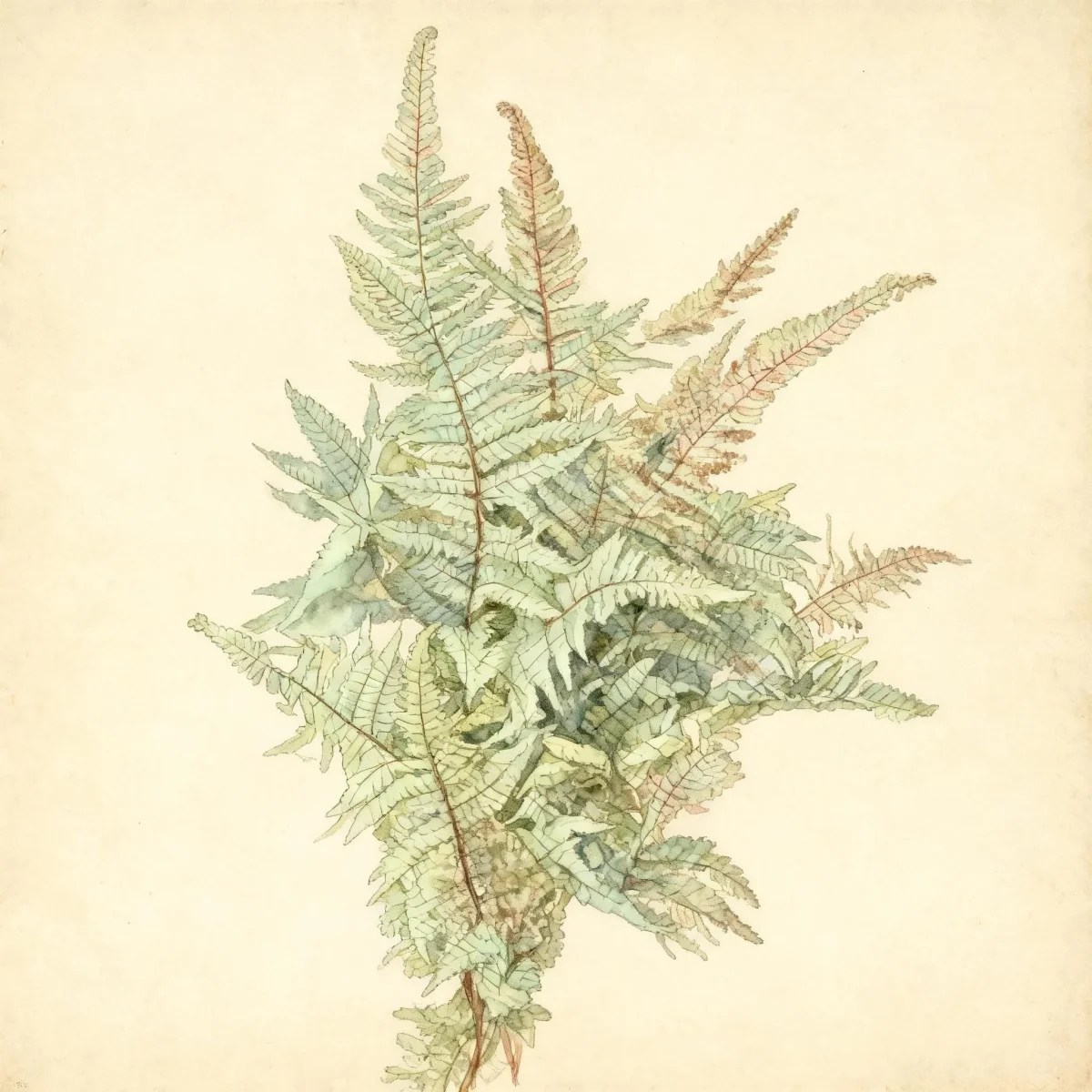
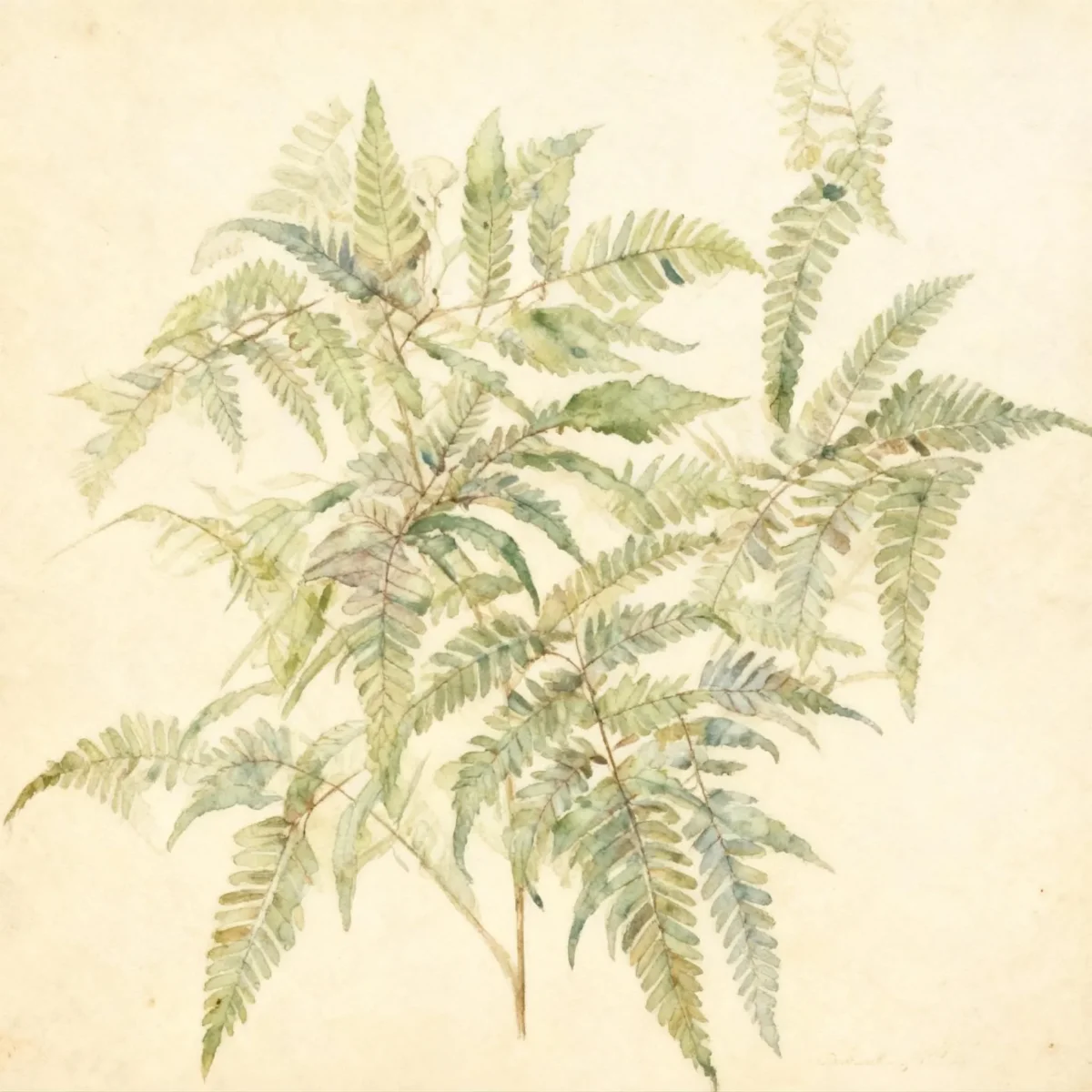
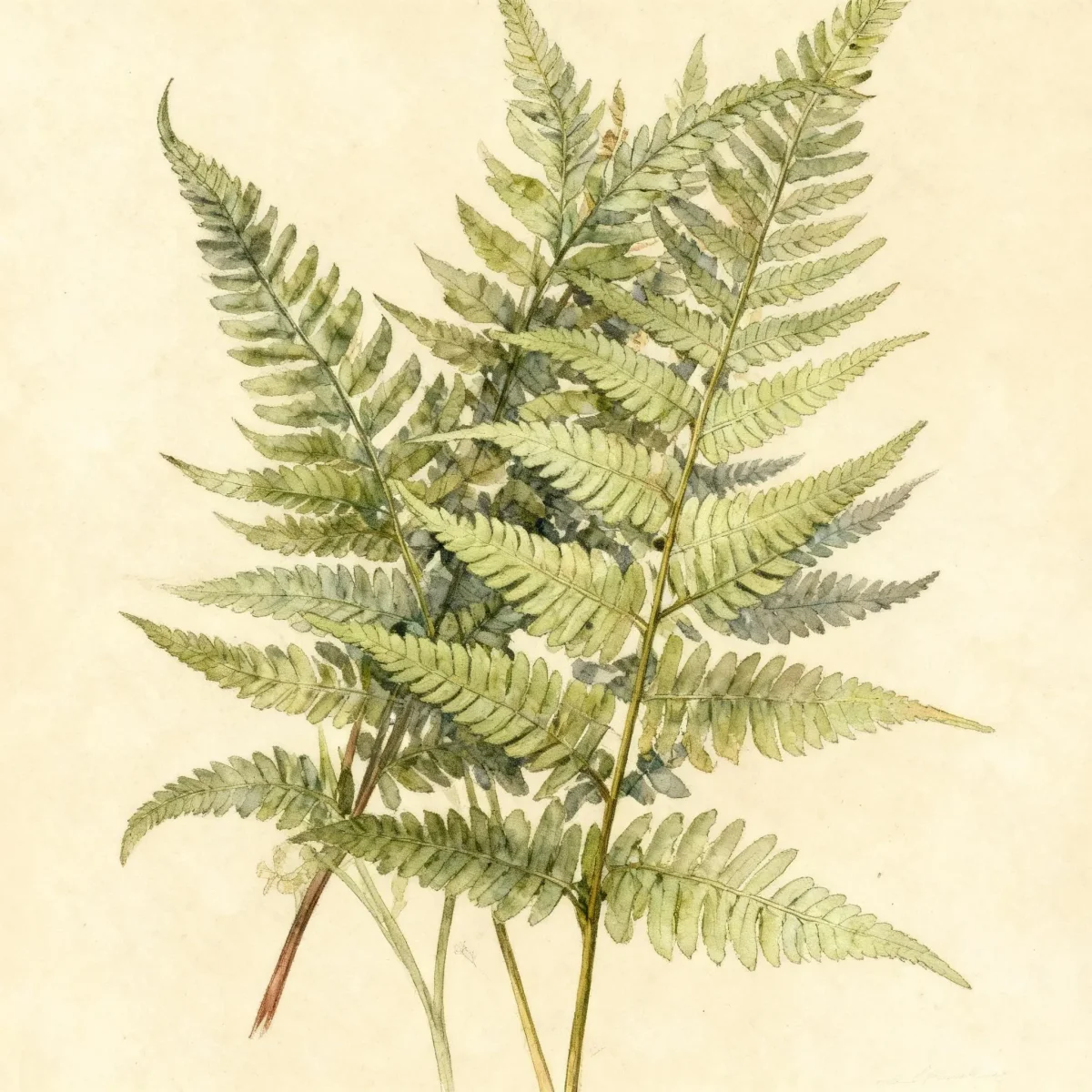
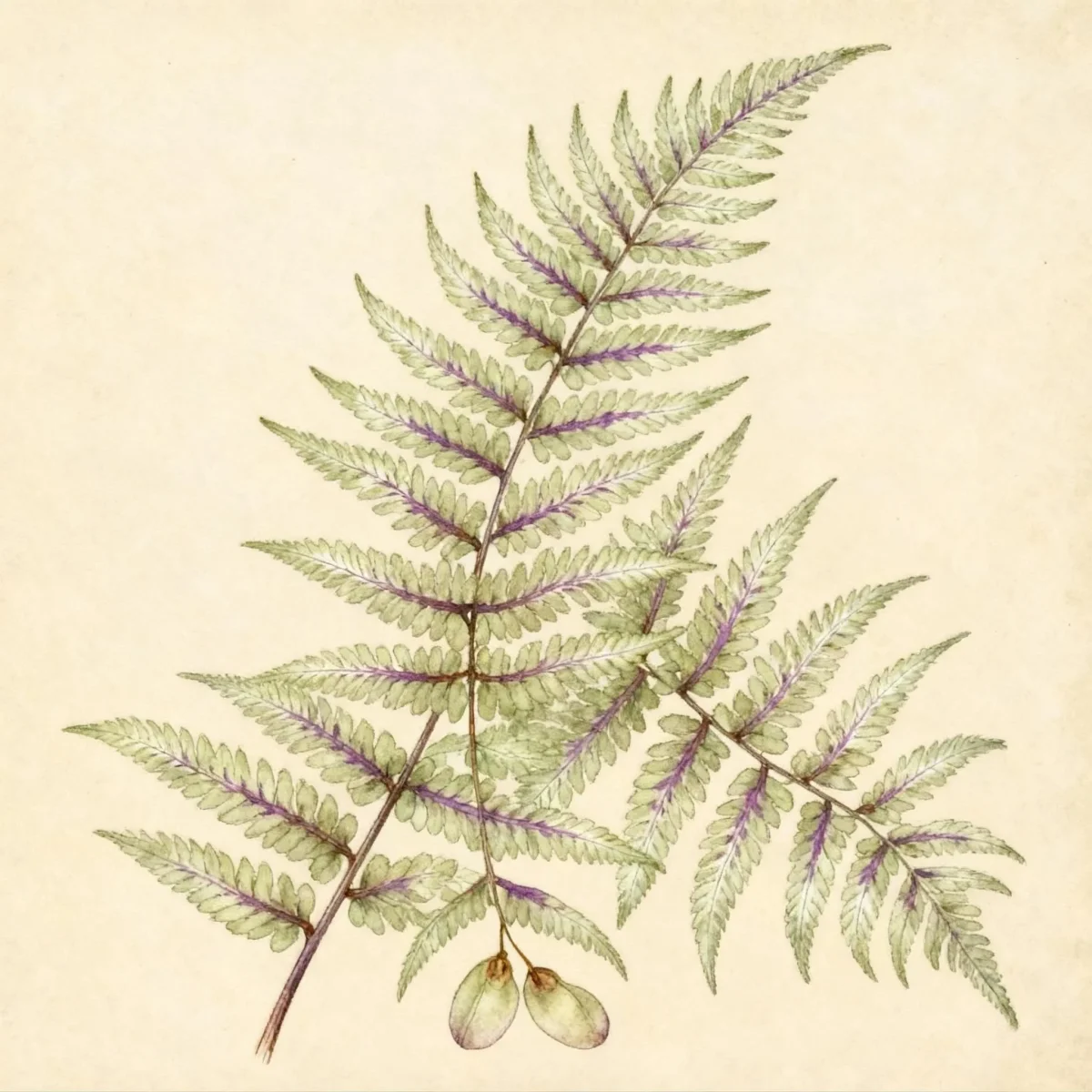
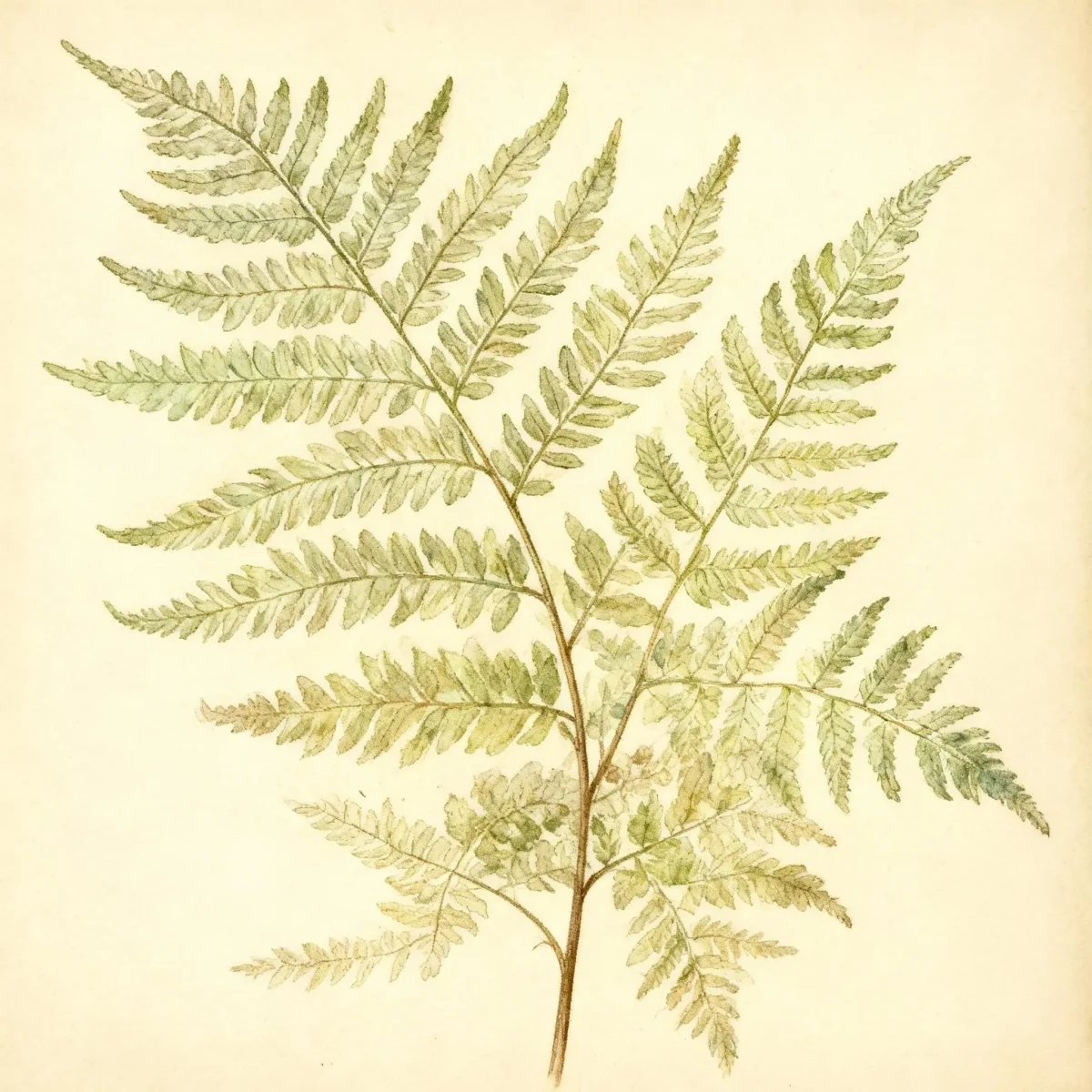
Japanese painted fern (Athyrium niponicum var. pictum 'Burgundy Lace')
Discover the stunning Athyrium niponicum var. pictum 'Burgundy Lace' Japanese painted fern, prized for silvery-maroon fronds in shade gardens.
Scroll down to discover growing tips, care requirements, companion plants, and more
Complete Plant Information
Overview
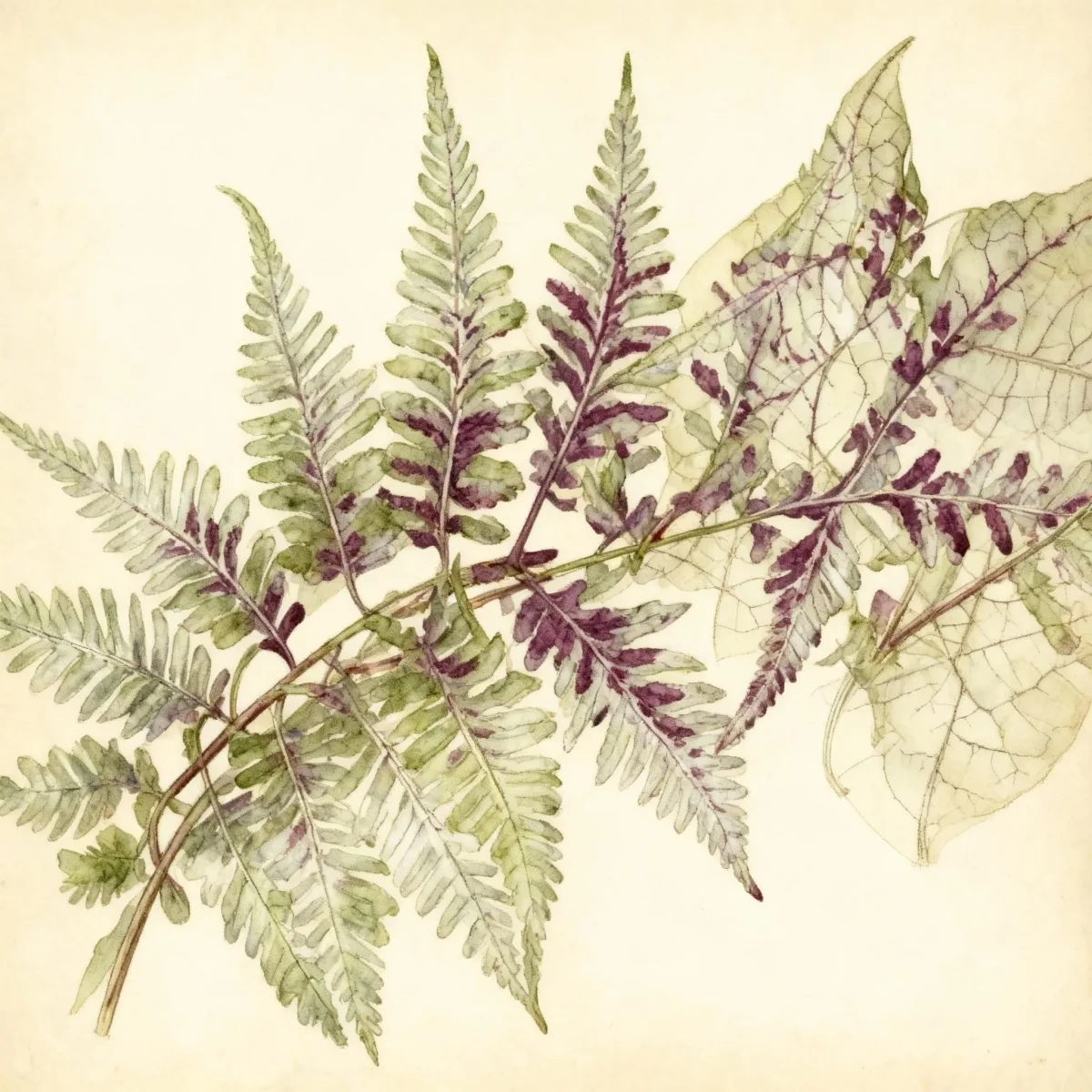
The Athyrium niponicum var. pictum ‘Burgundy Lace’ offers indispensable color and texture to shaded garden spaces. This distinctive Japanese painted fern features arching, dissected fronds that emerge with brilliant burgundy-purple coloration streaked with silver. Its unique variegation makes it a standout specimen compared to standard green ferns.
As a rhizomatous, deciduous plant, the Japanese painted fern, also known by its scientific name Athyrium niponicum var. Pictum ‘Burgundy Lace’, slowly spreads to form dense colonies in optimal, humus-rich conditions. While the best color occurs early in spring, the silvery overlay ensures visual interest lasting through the growing season.
With its low maintenance requirements and adaptability to deep shade, this variety is a staple for woodland gardens or shaded borders needing reliable, non-flowering texture. Proper siting ensures the longevity and vibrant markings of this celebrated cultivar.
Fast Facts
- Plant Family: Athyriaceae
- Plant Type: Fern
- Hardiness Zones: USDA Zones 5-8
- Size at Maturity:
- Height: 1-1.5 ft
- Spread: 1-1.5 ft
- Bloom Time: Non-flowering
- Bloom Description: Non-flowering
- Sun Exposure: Part shade to full shade
- Water Needs: Medium
- Maintenance Level: Low
How to Grow
Planting the Athyrium niponicum var. pictum ‘Burgundy Lace’ should occur in spring or early fall once severe frost risk has passed. This fern thrives best in humusy, organically rich, well-drained soil, mirroring its forest floor origins. Ensure the location provides the recommended light, which ranges from part shade to full shade; notably, the best frond color develops with just a bit of light shade, rather than deep gloom.
Watering is crucial for this moisture-loving plant; maintain medium moisture levels consistently, as the soil must not be allowed to dry out, especially during hot summer spells. Fertilization is usually unnecessary if the soil is enriched with organic matter, as the parent plants prefer lean woodland soils.
Maintenance is generally low. The only necessary intervention is dividing clumps in early spring before new growth commences if the plant becomes overcrowded or needs relocation. This plant naturalizes well via short, branching rhizomes, creating larger, impactful drifts over time.
Landscape Uses
The tendency of the Japanese painted fern to naturalize makes it excellent for filling in large, dark areas beneath mature trees. It blends seamlessly into woodland gardens, providing cool, contrasting color against dark bark and green foliage. Use it along shaded borders where its arching habit can soften hard edges.
Consider planting the Athyrium niponicum var. Pictum ‘Burgundy Lace’ near shaded ponds or streams where moisture levels are naturally higher. Its fronds look striking when paired with the deep greens of Hosta cultivars or the fine textures of Astilbe, creating rich layered shade scenes. In border fronts, allow it room to spread slightly to achieve that coveted naturalized look.
Standout Features
Noteworthy Characteristics
Athyrium niponicum var. Pictum, commonly known as Japanese painted fern, is a rhizomatous, deciduous fern with an arching habit that typically grows to 18” tall. It features a slowly spreading clump of triangular, variegated fronds to 20” long. Fronds are a soft grayish-green with an overlay of silvery hues accented by contrasting dark maroon midribs. Silvering is best for several weeks in the spring, with fronds becoming greener as hot temperatures arrive. Genus name comes from Greek athyros meaning “doorless” in reference to the slowly opening hinged indusia (spore covers). Specific epithet means Japanese. ‘Burgundy Lace’ is noted for its showy spring fronds that emerge in a soft but stunning burgundy-purple with silver streaking. Fronds gradually mature to grayish-green, but retain purple mid-ribs and silvery sheen. U.S. Plant Patent PP15,072 was issued on August 3, 2004.
Tolerances
- Rabbit
- Heavy Shade
Potential Problems
The Athyrium niponicum var. pictum ‘Burgundy Lace’ is celebrated for its robustness, exhibiting no serious insect or disease problems under good cultural conditions. Gardeners should note that rabbits tend to avoid this particular fern, making it safer in areas frequented by browsing wildlife. The primary concern is insufficient moisture; allowing the soil to dry out will severely damage the delicate fronds and stress the plant. Always ensure consistent watering during dry periods to maintain the vibrant tapestry of the Japanese painted fern.
Frequently Asked Questions
What hardiness zones is Japanese painted fern suitable for?
The Athyrium niponicum var. pictum ‘Burgundy Lace’ is suitable for USDA Hardiness Zones 5 through 8.
How large does Japanese painted fern grow?
This fern typically reaches a mature height between 1 and 1.5 feet tall, with a spread of 1 to 1.5 feet wide.
What sun exposure does Japanese painted fern need?
This plant prefers part shade to full shade conditions in the garden. For the best silvery and burgundy coloration, provide light shade rather than deep, dark shade.
When does Japanese painted fern bloom?
As a fern, the Athyrium niponicum var. Pictum ‘Burgundy Lace’ is non-flowering.
Conclusion
The exceptional silvery and maroon variegation ensures that the Athyrium niponicum var. pictum ‘Burgundy Lace’ remains a highly valued element for textural contrast in low-light landscapes. This robust and low-maintenance Japanese painted fern offers reliable seasonal beauty. Before planting, confirm your site offers the necessary humus-rich soil and consistent moisture to let this stunning cultivar truly shine.
Companion Planting
When designing a shade garden featuring this Japanese painted fern, select complementary textures and colors. Hostas with chartreuse or blue foliage provide an excellent backdrop against the silvery-maroon of the ‘Burgundy Lace’ fronds. Consider using shade-tolerant groundcovers like Vinca minor or Pachysandra to suppress weeds while maintaining soil moisture around the spreading rhizomes. Spring ephemeral bulbs, such as snowdrops or woodland phlox, can emerge and bloom before the fern fully leafs out, adding sequential interest.
Seasonal Care Calendar
Spring is the critical time for renewal; clean up any dead, overwintered foliage just as new fiddleheads begin to unfurl. Monitor soil moisture carefully during the late spring warming period to ensure the emerging burgundy-hued fronds do not scorch or dry out. Summer care focuses primarily on consistent watering; apply a slow, deep soak if rainfall is scarce. In autumn, allow the foliage to naturally die back—do not cut it down, as the old fronds help protect the crowns through winter dormancy.