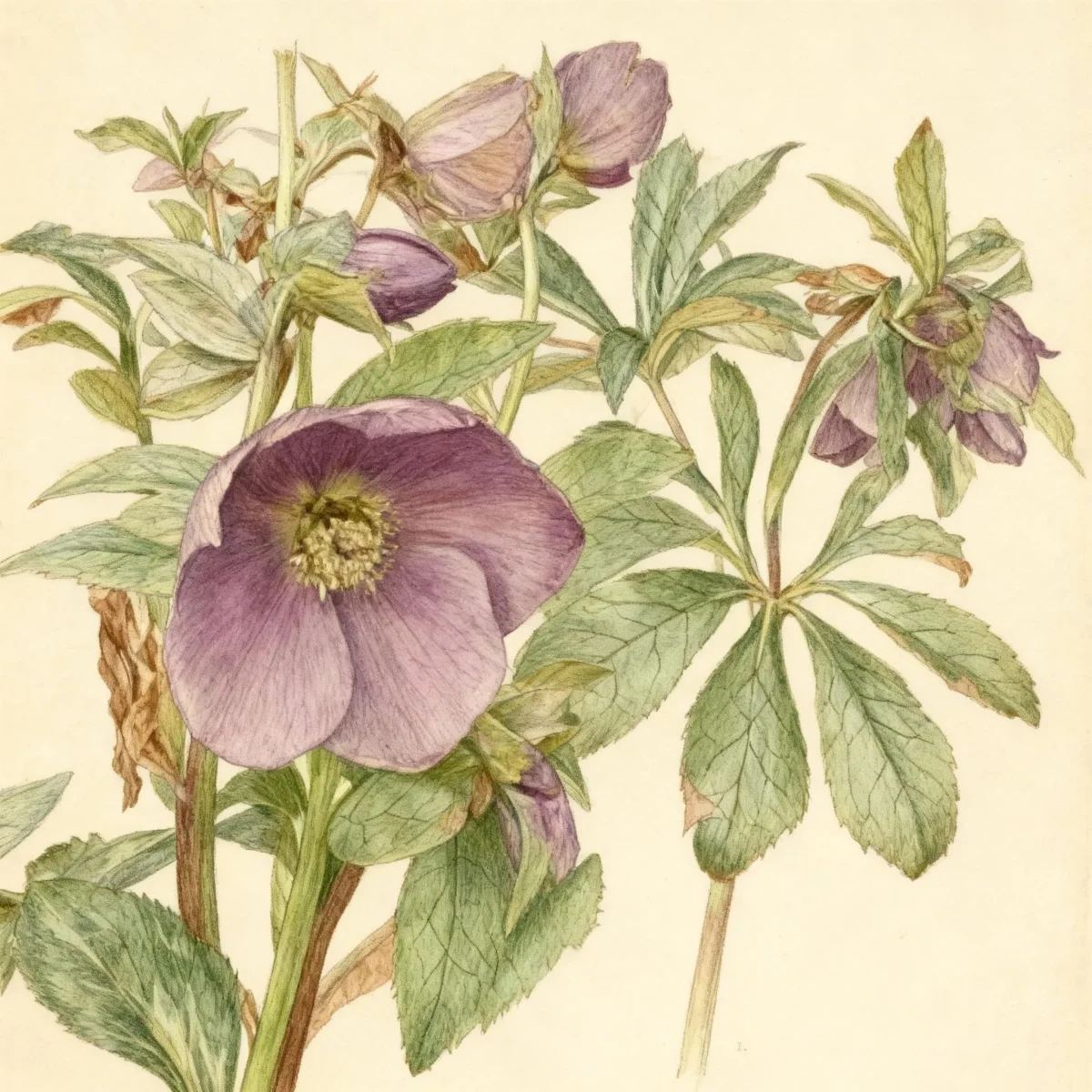
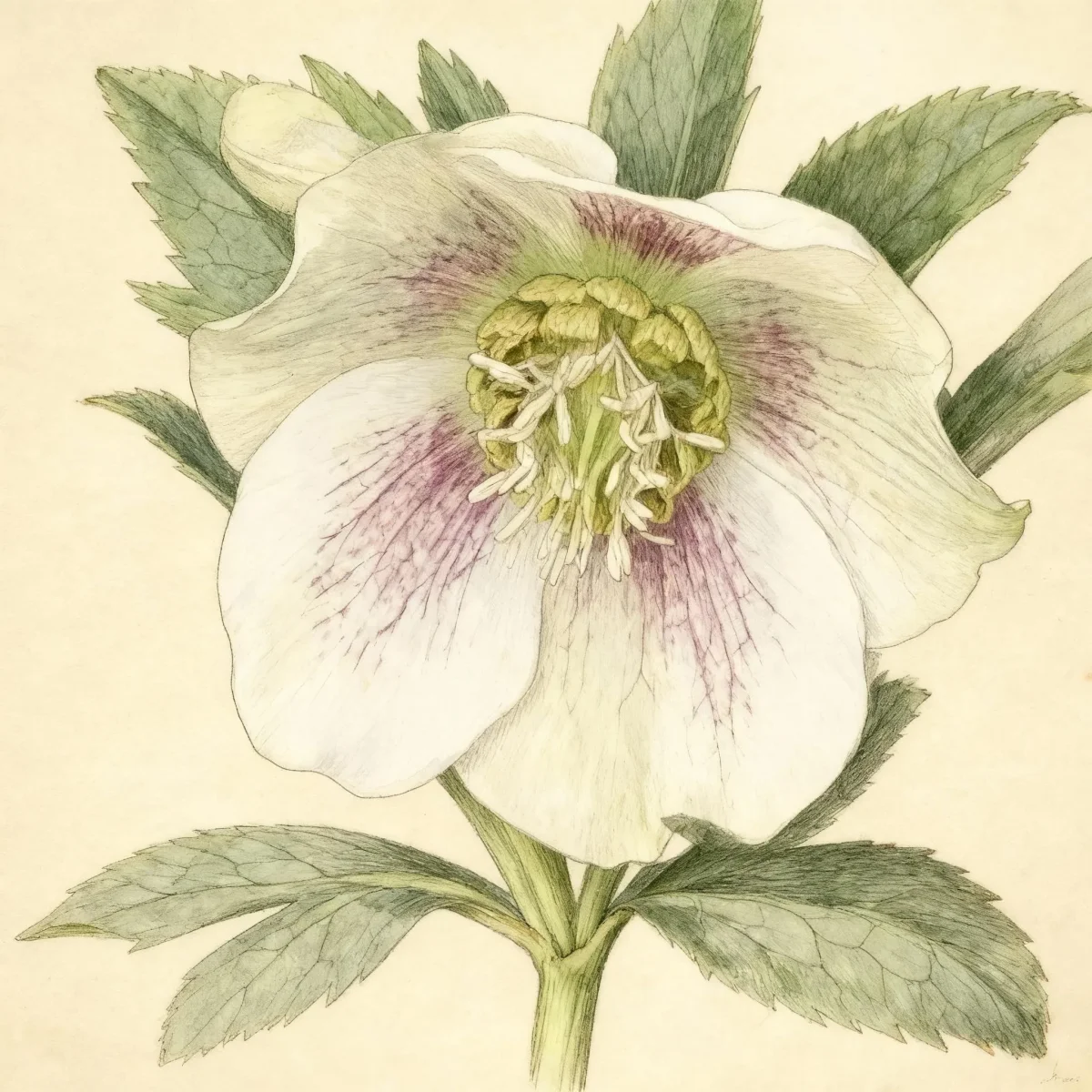
Hellebore (Helleborus × hybridus 'Red Lady')
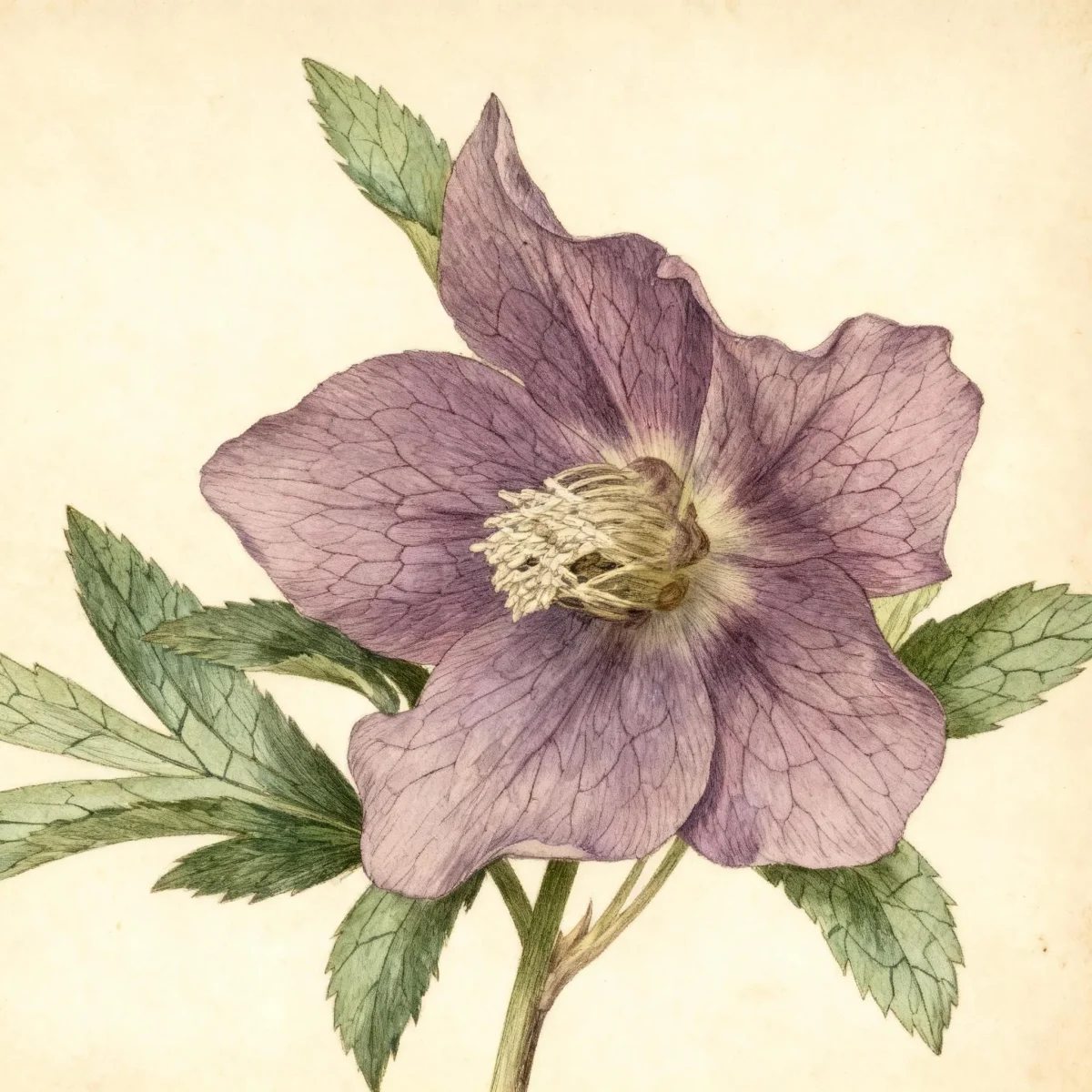
Helleborus × hybridus 'Red Lady' is a low-maintenance Hellebore featuring evergreen foliage and striking burgundy red blooms from March to May.
Scroll down to discover growing tips, care requirements, companion plants, and more
Complete Plant Information
Overview
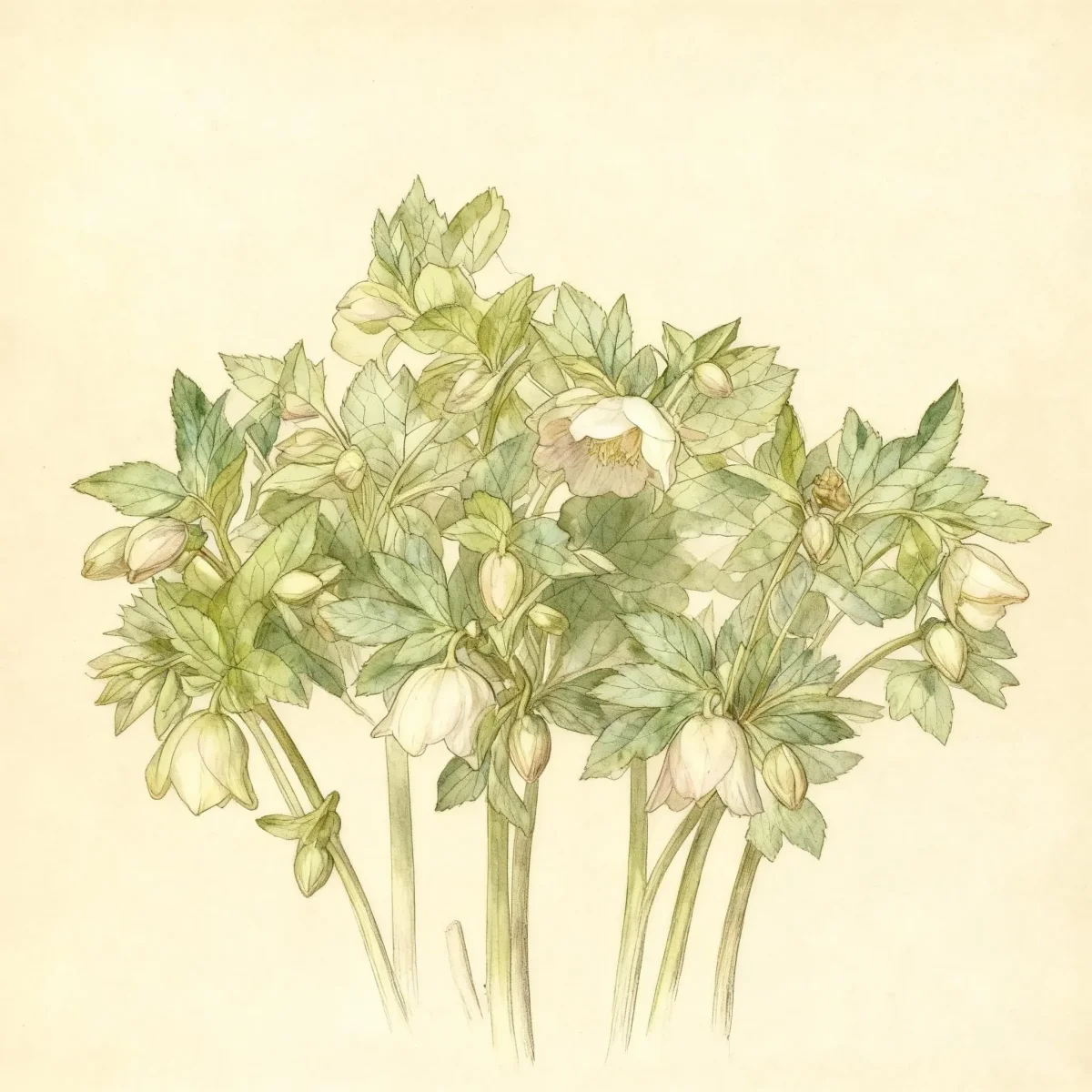
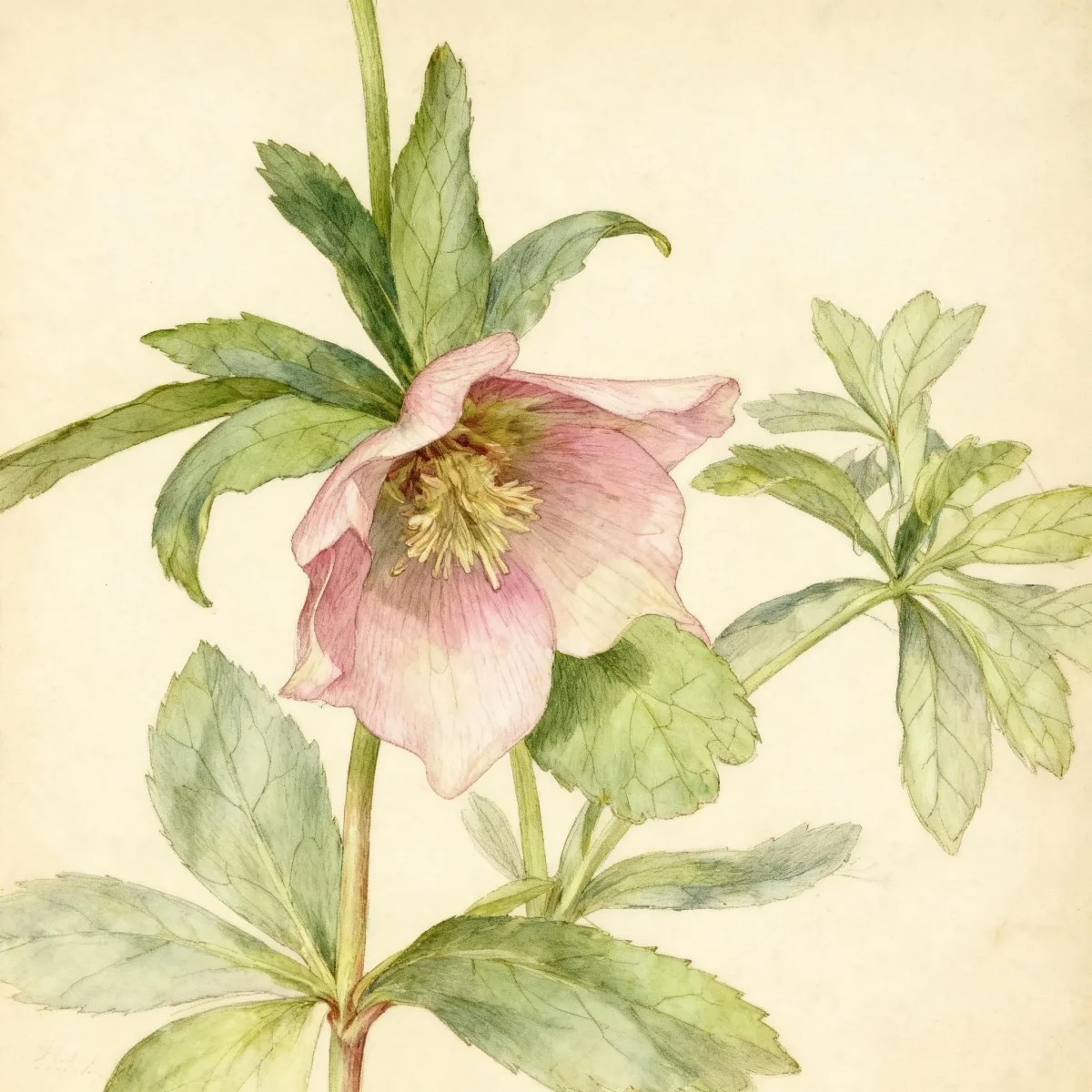
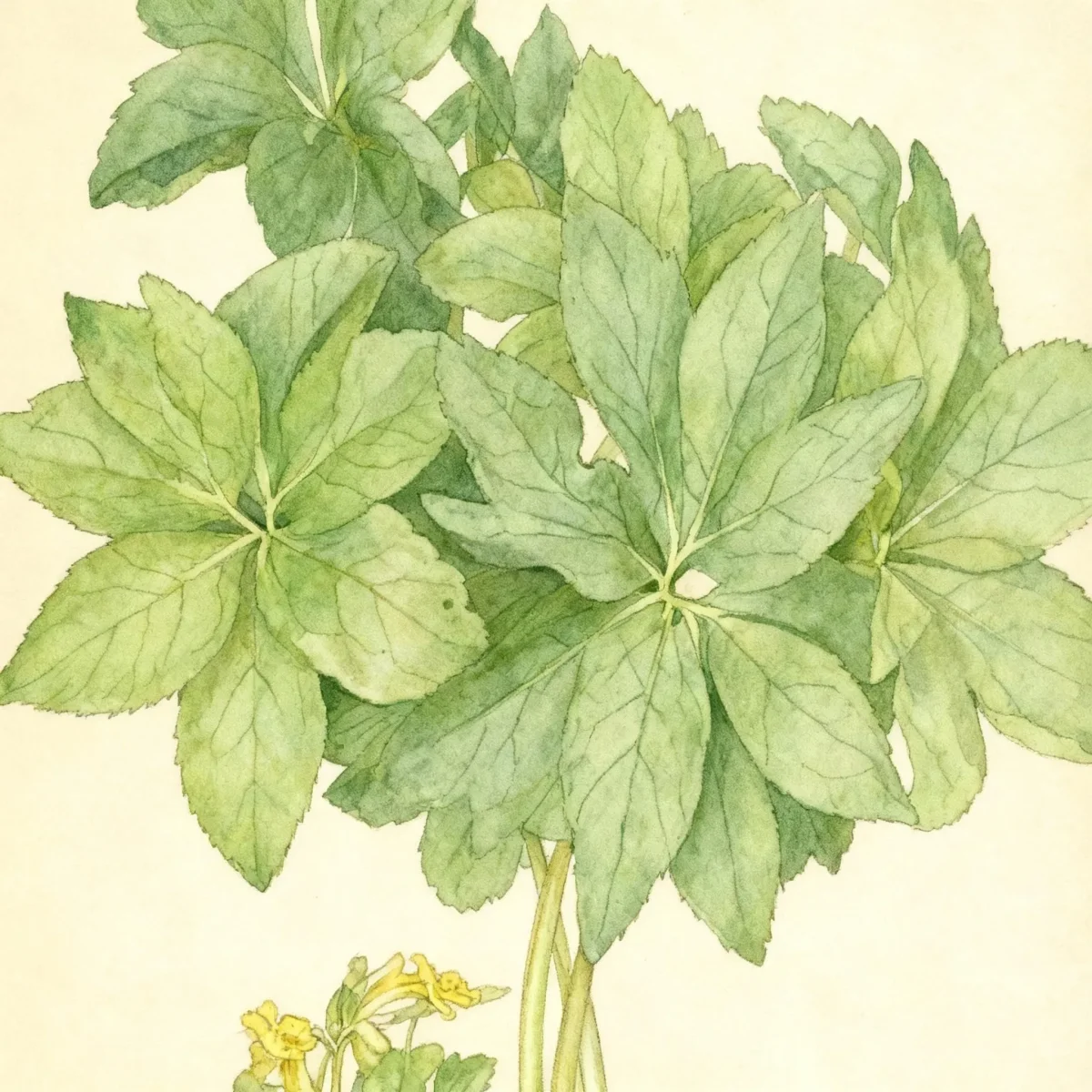
Helleborus × hybridus ‘Red Lady’ is a highly valued herbaceous perennial, prized for bringing much-needed color to the bleak late winter and early spring garden. This specific Hellebore cultivar, known for its rich burgundy red, cup-shaped flowers, offers reliable performance where few other plants dare to bloom. Its glossy, dark green, evergreen foliage provides year-round structure, making the Hellebore an indispensable backbone plant for shaded areas. Gardeners appreciate the Helleborus × hybridus ‘Red Lady’ for its low-maintenance requirements and superb tolerance for deep shade conditions.
Fast Facts
- Plant Family: Ranunculaceae
- Plant Type: Herbaceous perennial
- Hardiness Zones: USDA Zones 4-9
- Size at Maturity:
- Height: 1-1.5 ft
- Spread: 1-1.5 ft
- Bloom Time: March to May
- Bloom Description: Burgundy red
- Sun Exposure: Part shade to full shade
- Water Needs: Medium
- Maintenance Level: Low
How to Grow
The best time to plant Helleborus × hybridus ‘Red Lady’ is in the fall or early spring while encouraging moisture. These perennials thrive when sited in organically rich, fertile, humusy, alkaline, medium moisture, well-drained soils. They require shade, preferring light to moderate shade over deep exposure, especially in hot climates.
Watering should be consistent to maintain medium soil moisture, particularly for new plantings. Established plants are moderately drought-tolerant but benefit from deep watering during dry spells. Fertilizing is rarely necessary if the soil is improved with compost annually. After the bloom cycle concludes, cut back the flowering stems to encourage fresh, vibrant new foliage growth for the Hellebore.
Protecting the foliage from extremely harsh winter winds will help prevent it from becoming scorched or tattered; snow cover acts as excellent insulation. If established clumps become overly congested, they can be divided, although this is best done in the late summer or early fall. Be aware that when growing hybrid hellebores from seed, plants may take up to two years to reach flowering maturity.
Landscape Uses
The versatility of the Helleborus × hybridus ‘Red Lady’ makes it perfect for integrating deep shade into your landscape design. Due to its tolerance for heavy shade and low maintenance, massing these plants creates an attractive, seamless year-round ground cover, softening woodland edges or the base of large deciduous trees. Because the flowers provide early season interest, position clumps near walkways, patios, or kitchen windows where their mid-to-late winter bloom can be fully appreciated.
These perennials naturally naturalize well, meaning clumps will slowly spread through self-seeding over time, creating that desirable woodland feel. When planning companions, select other shade-loving plants that emerge later, such as hostas, ferns, or bleeding hearts, ensuring the stunning early display of the Hellebore remains the focal point before summer perennials fill in.
Standout Features
Flower Qualities
- Showy
Noteworthy Characteristics
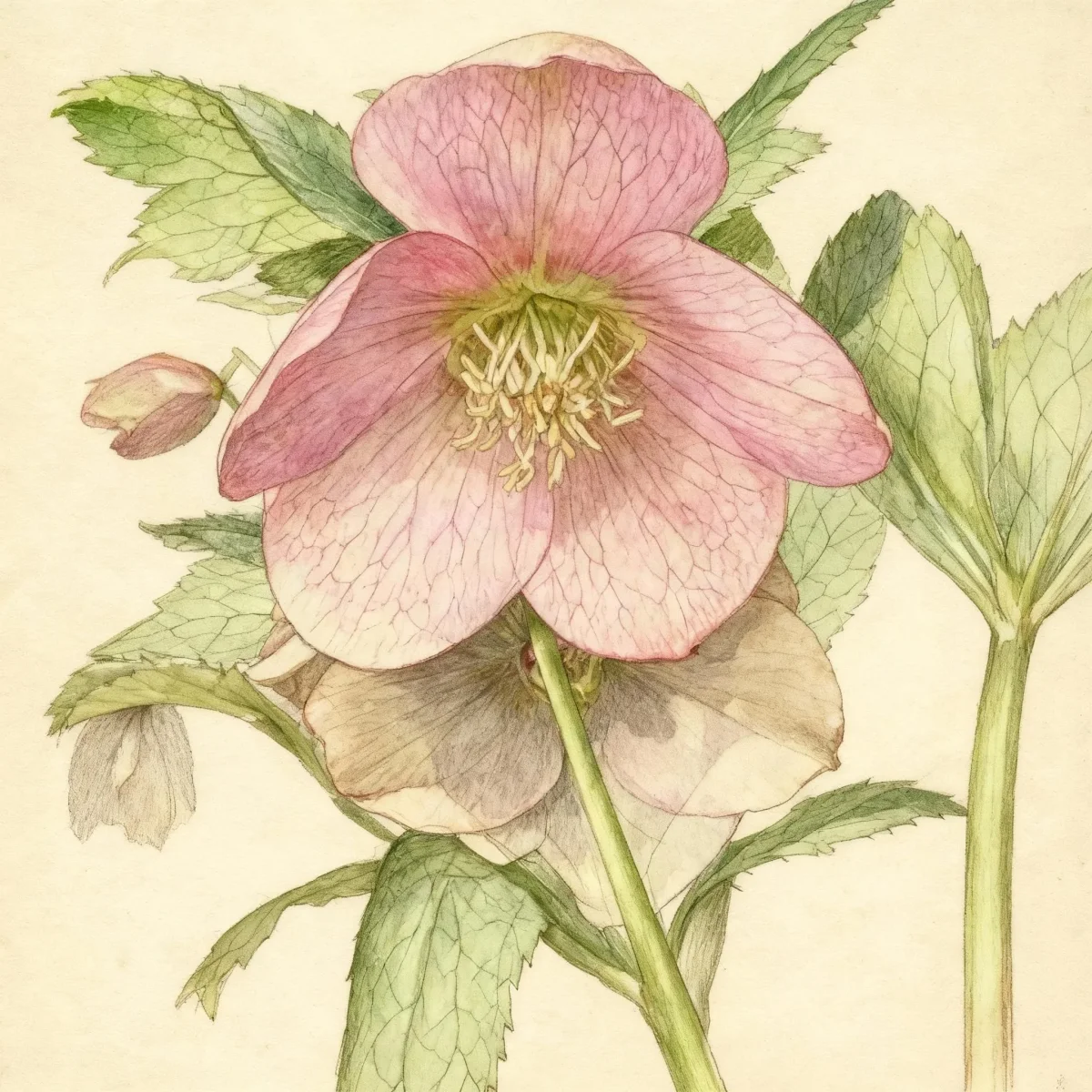
Hybrid hellebores, sometimes commonly called hybrid Lenten roses or hybrid winter roses, are bushy, clump-forming perennials which typically grow to 12-15” tall. They are noted for producing single, cup-shaped flowers (typically 2-3” diameter) with five showy, usually overlapping petals (technically sepals), but sometimes come in a double flowered form. ‘Red Lady’ is specifically known for its late winter to early spring bloom of deep burgundy red flowers appearing atop stems clad with evergreen, glossy, leathery, dark green leaves.
Tolerances
- Deer
- Heavy Shade
Potential Problems
For the most part, Helleborus × hybridus ‘Red Lady’ resists serious insect or disease problems, contributing to its low maintenance appeal. However, occasional issues like crown rot or leaf spot can occur, usually signaling poor drainage or overly wet conditions not appropriate for this Hellebore. Crucially, remember that all parts of the plant—leaves, stems, and roots—are poisonous to humans if ingested, so site them away from curious pets or children.
Frequently Asked Questions
What hardiness zones is Hellebore suitable for?
This Hellebore is suitable for USDA Hardiness Zones 4 through 9, offering reliable performance across a wide temperature range.
How large does Helleborus × hybridus ‘Red Lady’ grow?
Helleborus × hybridus ‘Red Lady’ typically matures to a height of 1 to 1.5 feet with a spread of 1 to 1.5 feet, forming tidy, low mounds of color and foliage.
What sun exposure does Helleborus × hybridus ‘Red Lady’ need?
This plant performs best in part shade to full shade conditions, avoiding harsh afternoon sun which can scorch its attractive evergreen leaves.
When does Hellebore bloom?
You can expect the striking burgundy red flowers of this Hellebore to put on their display from March into May, often starting in late winter.
Conclusion
The Helleborus × hybridus ‘Red Lady’ is an exceptional choice for adding early, long-lasting, rich color to deeply shaded garden spaces. Its evergreen foliage and deer resistance make this Hellebore a uniquely functional and beautiful perennial. Verify your planting location provides the required shaded, well-drained soil before planting to ensure decades of low-stress enjoyment from your ‘Red Lady’.
Companion Planting
Since the Hellebore requires shade and thrives in rich, well-drained soil, select companions that share similar cultural needs. Hostas provide excellent textural contrast; their broad, often variegated leaves look stunning alongside the deeply cut, glossy foliage of the Helleborus × hybridus ‘Red Lady’. Shade-tolerant groundcovers like pachysandra or Epimedium (Barrenwort) can weave around the base of the hellebores, suppressing weeds and reinforcing the woodland aesthetic.
Consider planting spring ephemerals that bloom slightly earlier or later to create a continuous visual sequence. Narcissus or early spring bulbs offer a brief, bright contrast to the deep burgundy hues before the Hellebore finishes its main flush. Ensure that any spring-blooming companion planting does not compete heavily for nutrients, as established Hellebores appreciate stable, rich ground.
Seasonal Care Calendar
Late Winter/Early Spring (Pre-Bloom): This is the prime enjoyment window for your Helleborus × hybridus ‘Red Lady’. Resist the urge to clean up old foliage too early, as old leaves often protect emerging flower buds from frost.
Early Summer (Post-Bloom): Apply a layer of well-rotted compost around the base of the plants. This mulching step feeds the soil and helps moderate soil temperatures and moisture levels, which is crucial for Hellebore health.
Fall: If the plant looks ragged or congested, this is the best time to carefully divide mature clumps. Ensure divisions are replanted promptly into enriched soil to allow root establishment before winter freezes.