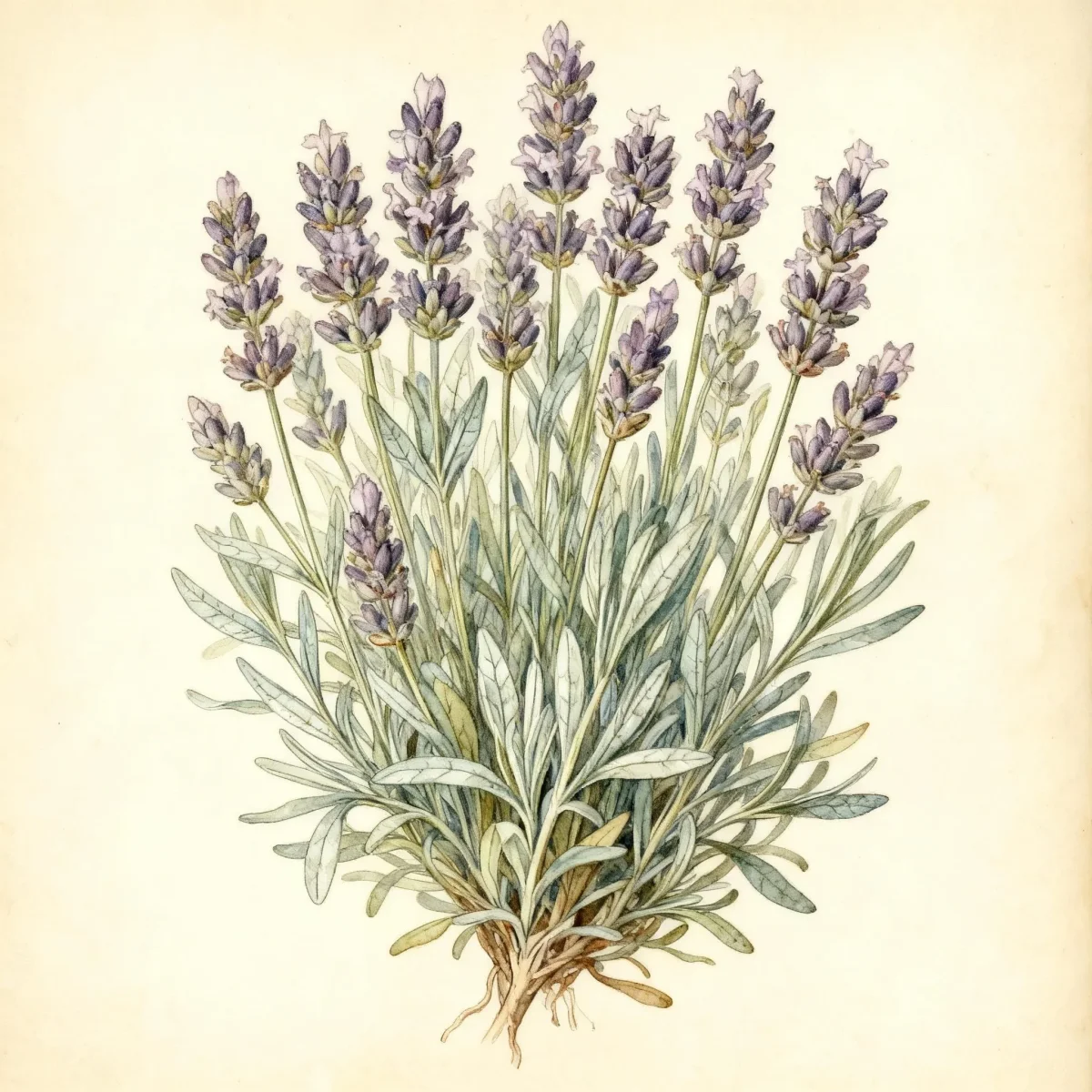
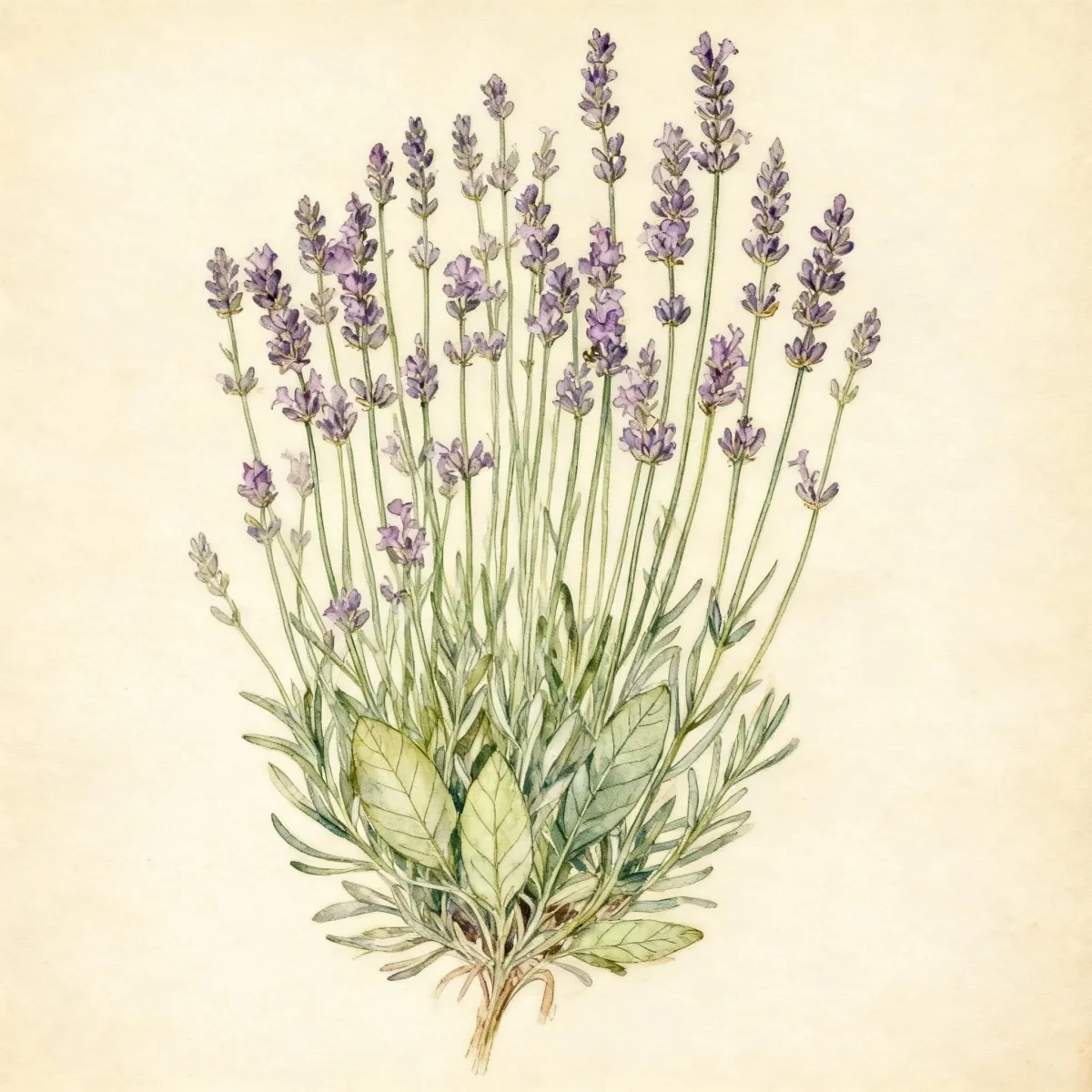
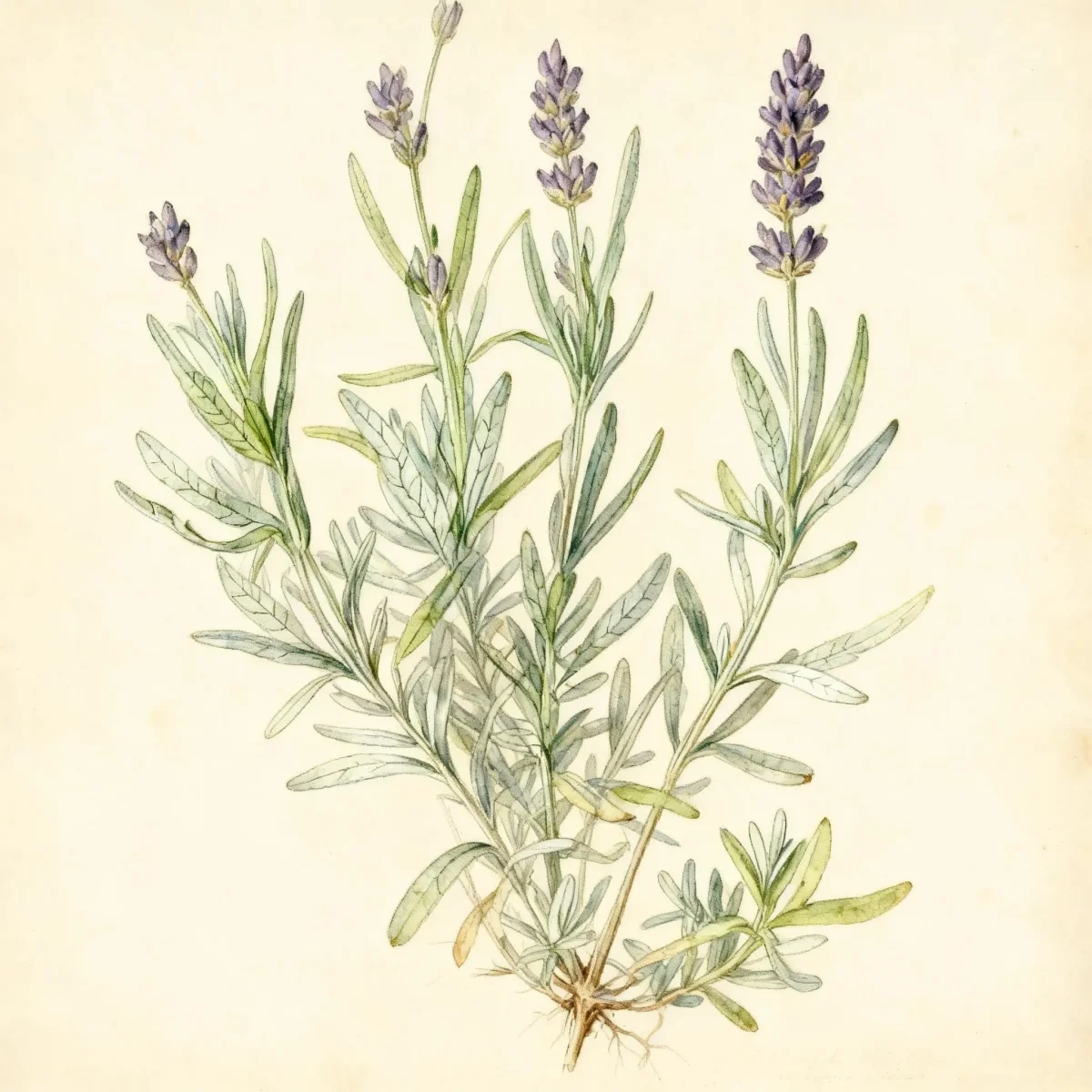
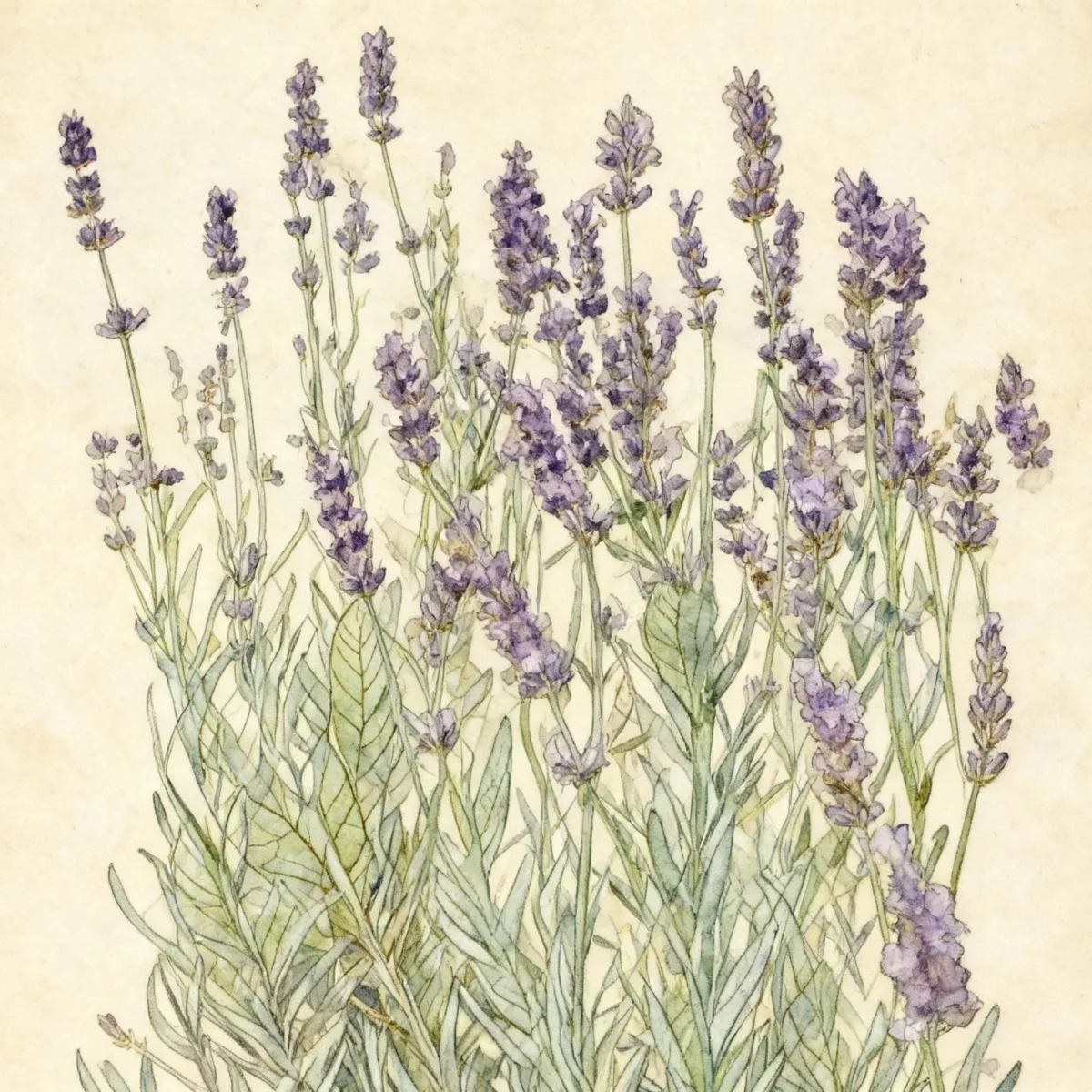
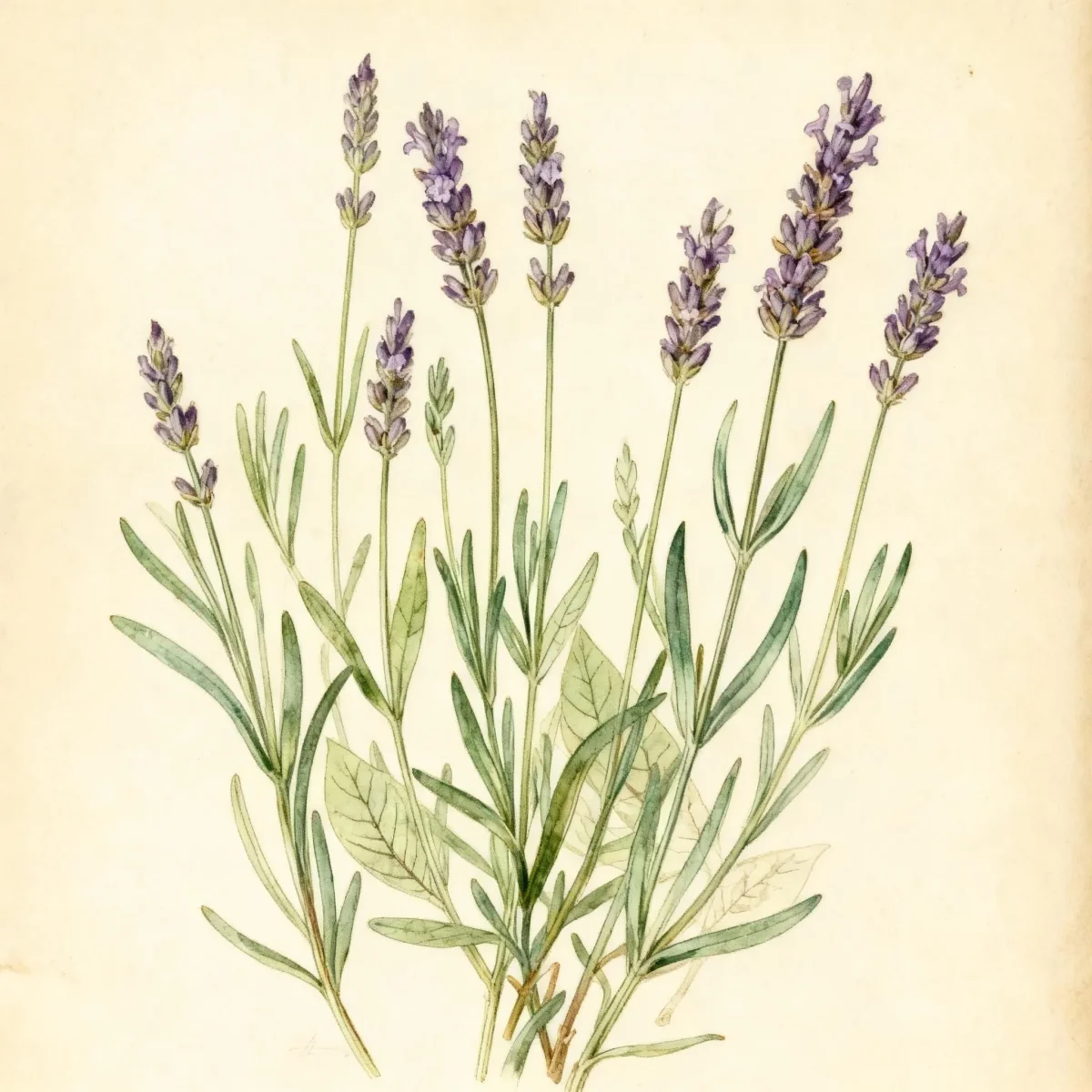
Lavandin (Lavandula × intermedia (Dutch Group))
Lavandin (Lavandula × intermedia (Dutch Group)) is a fragrant, showy, herbaceous perennial perfect for borders and rock gardens. Hardy in zones 5-8.
Scroll down to discover growing tips, care requirements, companion plants, and more
Complete Plant Information
Overview
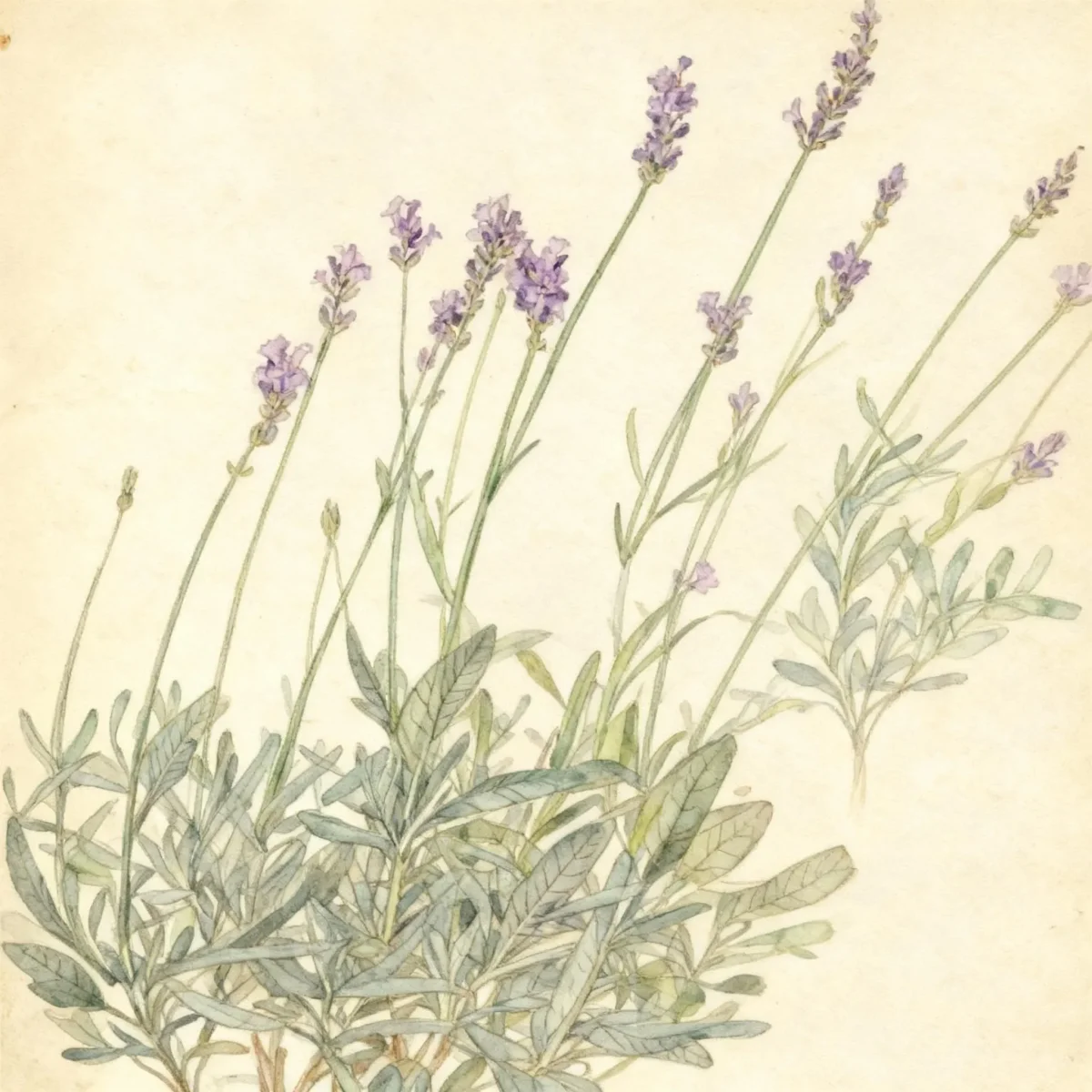
Lavandin, scientifically known as Lavandula × intermedia (Dutch Group), is a highly valued hybrid lavender prized for its robust growth and abundant, aromatic summer flowers. This semi-woody perennial produces dense mounds of evergreen, gray-green foliage, providing structure even outside the main growing season. Gardeners appreciate Lavandula × intermedia (Dutch Group) for its intense fragrance, making it a staple in scented gardens and craft supplies, contrasting beautifully with many traditional perennial borders.
This hybrid thrives when warm, dry conditions mimic its preferred Mediterranean environment, especially demanding excellent drainage to prevent root issues. While it is a relatively medium-maintenance plant, understanding its tolerance for poor soils and its specific pruning needs is key to long-term success with Lavandula × intermedia (Dutch Group). Its mid-summer bloom display of lavender-blue spikes attracts attention while offering high tolerance to dry conditions once established.
The utility of Lavandin extends beyond aesthetics; its highly aromatic flowers and foliage make it ideal for sachets and potpourri. For gardeners seeking drought-tolerant, sun-loving texture, the reliability and fragrance offered by the Lavandula × intermedia (Dutch Group) make it an indispensable addition to the summer landscape.
Fast Facts
- Plant Family: Lamiaceae
- Plant Type: Herbaceous perennial
- Hardiness Zones: USDA Zones 5-8
- Size at Maturity:
- Height: 1.5-2.5 ft
- Spread: 1.5-2.5 ft
- Bloom Time: July to August
- Bloom Description: Lavender blue
- Sun Exposure: Full sun
- Water Needs: Dry to medium
- Maintenance Level: Medium
How to Grow
Establish Lavandin in average, well-drained, alkaline soil. Full sun exposure is mandatory for best flowering and to prevent susceptibility to fungal issues. Planting during spring allows the root system to establish before the stresses of winter or intense summer humidity. Well-drained soils are non-negotiable, as any poorly drained area will quickly lead to root rot, a common killer of Lavandin.
Watering should be maintained at a dry to medium frequency; once established, this drought-tolerant plant requires minimal supplemental moisture. Fertility should be kept somewhat low; avoid rich, heavy soils. For immediate aesthetic impact, remove faded flowers to encourage repeated blooming throughout July and August.
Pruning dictates the long-term health of your Lavandula × intermedia (Dutch Group). Prune lightly to shape the plant in spring just as new leaves emerge. Critically, prune back hard to about 8 inches every three years during the springtime pruning session to stimulate vigorous new growth and manage the semi-woody habit. In high-humidity areas, like the St. Louis region mentioned in cultivation notes, use rock mulch instead of organic mulch to improve air circulation around the crown and combat humidity-related stress.
Landscape Uses
Lavandin is much more versatile than a simple edging plant; its striking color and texture make it an excellent inclusion in mixed perennial borders seeking mid-summer contrast. The silvery-green leaves of Lavandula × intermedia (Dutch Group) pair wonderfully with deep purple, bright yellow, or soft pink blooms. Consider mass planting these hardy hybrids to create sweeping drifts of color and fragrance near walkways where their aromatic qualities can be fully appreciated.
This plant also excels in specialized settings such as rock gardens, where its preference for shallow, dry, and somewhat poor soil conditions is naturally met. While primarily grown for its flowers, its evergreen nature makes it a reliable structural component in drier, sunny foundation plantings. Its strong scent and foliage also make it a centerpiece for dedicated herb or cutting gardens.
Standout Features
Flower Qualities
- Showy
- Fragrant
Noteworthy Characteristics
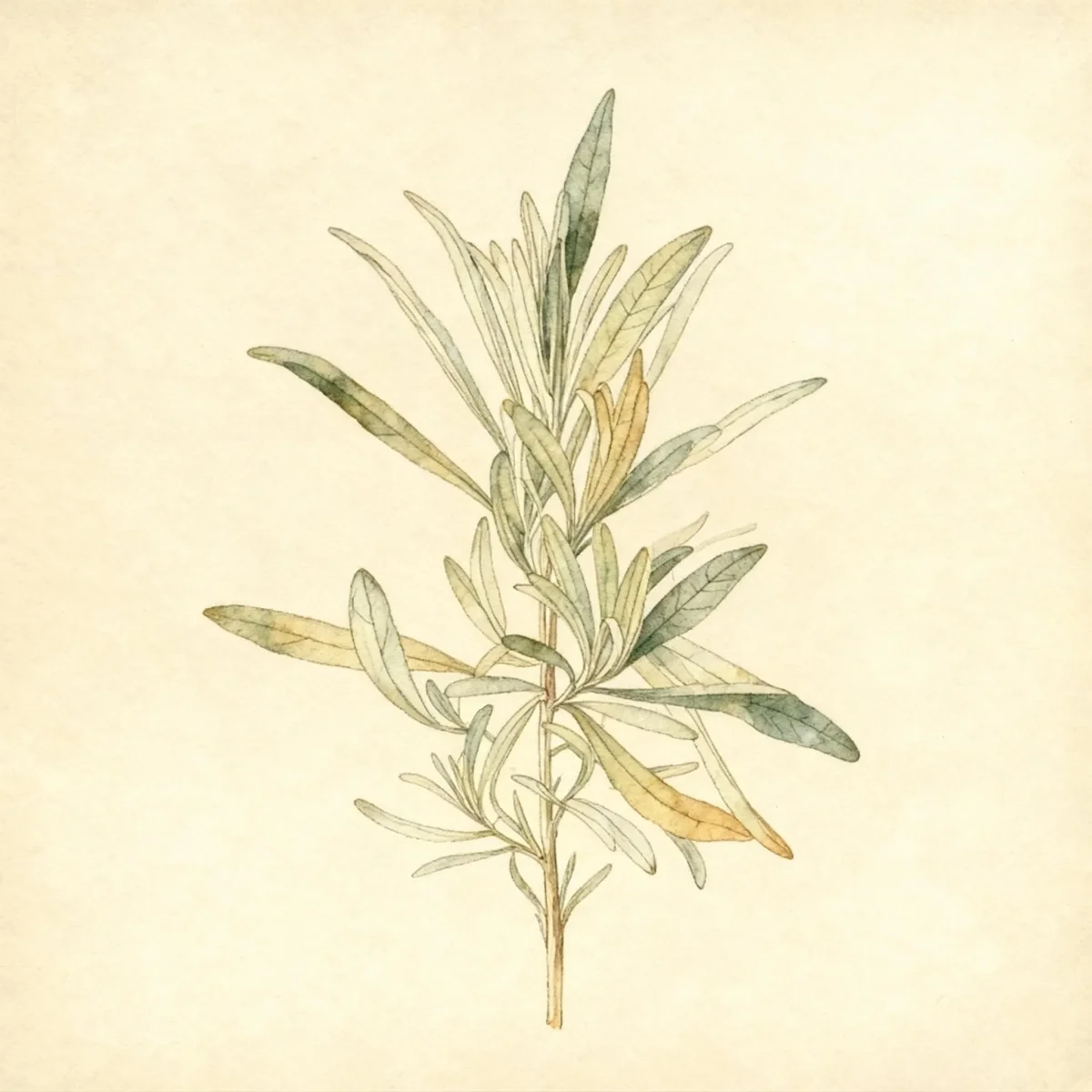
Lavandin (L. Angustifolia × L. Latifolia) represents a successful hybrid combination, often chosen over pure species for its enhanced vigor. The Dutch Group specifically is noted for growing moderately tall, showcasing oval, silver-green foliage that contrasts sharply with its fragrant, dark lavender-blue flowers appearing throughout the summer. Its genus honors the Latin word lavo, referencing its traditional use as an aromatic wash.
Tolerances
- Rabbit
- Deer
- Drought
- Dry Soil
- Shallow-Rocky Soil
- Air Pollution
Potential Problems
The primary challenges for Lavandula × intermedia (Dutch Group) revolve around moisture management and winter conditions. The plant is susceptible to leaf spot and root rot, both of which are exacerbated by poor drainage or excessive humidity. If soils remain saturated, especially throughout winter, the plant may not survive freezing temperatures, even if the recorded temperature is above absolute zero, due to compromised crown health. Deer and rabbits typically avoid browsing this plant due to its strong essential oils. Ensure impeccable drainage, particularly during winter dormancy.
Frequently Asked Questions
What hardiness zones is Lavandin suitable for?
Lavandin (Lavandula × intermedia (Dutch Group)) is generally resilient across USDA Zones 5 through 8, though Zone 5 gardeners should provide winter protection and ensure sheltered sites.
How large does Lavandin grow?
This herbaceous perennial typically reaches a mature height between 1.5 to 2.5 feet, with an equivalent spread of 1.5 to 2.5 feet, forming a shrubby mound.
What sun exposure does Lavandin need?
For robust growth and plentiful lavender-blue blooms, Lavandin requires full sun exposure throughout the day.
When does Lavandin bloom?
You can expect the fragrant flowers of Lavandula × intermedia (Dutch Group) to appear during the peak summer months, generally from July to August.
Conclusion
Lavandula × intermedia (Dutch Group) offers gardeners a powerful combination of silvery foliage texture, intense summer fragrance, and superior drought tolerance once established. The utility and visual appeal of Lavandin ensure its place in dedicated herb gardens and mixed borders alike. Before planting, confirm that your site offers full sun and exemplary drainage to ensure your Lavandula × intermedia (Dutch Group) thrives for years to come.
Companion Planting
Choosing appropriate neighbors is crucial for the long-term success of Lavandin, given its need for sharp drainage and full sun. Pair it with Mediterranean herbs that share similar cultural requirements, such as Thyme (Thymus species) or Oregano (Origanum). These plants thrive in similar alkaline, dry conditions and benefit from the same low-fertility requirements.
For perennial borders, consider coupling Lavandin with plants that thrive in dry heat but offer contrasting foliage or flower shapes. Yarrow (Achillea) or Ornamental Grasses (like Blue Fescue) provide movement and texture that complement the solid form of the lavender mound. Avoid moisture-loving perennials near the base, as they will compete for the crucial dry conditions that Lavandula × intermedia (Dutch Group) demands.
Design Ideas for Aromatic Gardens
The classic application for Lavandin remains the formal, scented knot garden, but modern designs use it for softer impact. Utilize its medium height (1.5 to 2.5 feet) to create middle layers in a mixed border, setting it against taller shrubs in the back and shorter groundcovers in the front. Its silver foliage acts as a neutralizer, cooling down hot color schemes involving reds and yellows.
Consider planting Lavandin near patios, entryways, or outdoor seating areas where the frequent brushing of its highly aromatic foliage releases its signature calming scent. Since it tolerates air pollution well, Lavandula × intermedia (Dutch Group) is also an excellent choice for bordering driveways or areas exposed to vehicle emissions. Focus on mass planting for the most dramatic display of its lavender-blue bloom spikes.