Columbine (Aquilegia vulgaris (Vervaeneana Group))
Discover the beautiful Aquilegia vulgaris (Vervaeneana Group), a Columbine famed for its striking variegated foliage and spring blooms.
Scroll down to discover growing tips, care requirements, companion plants, and more
Complete Plant Information
Overview
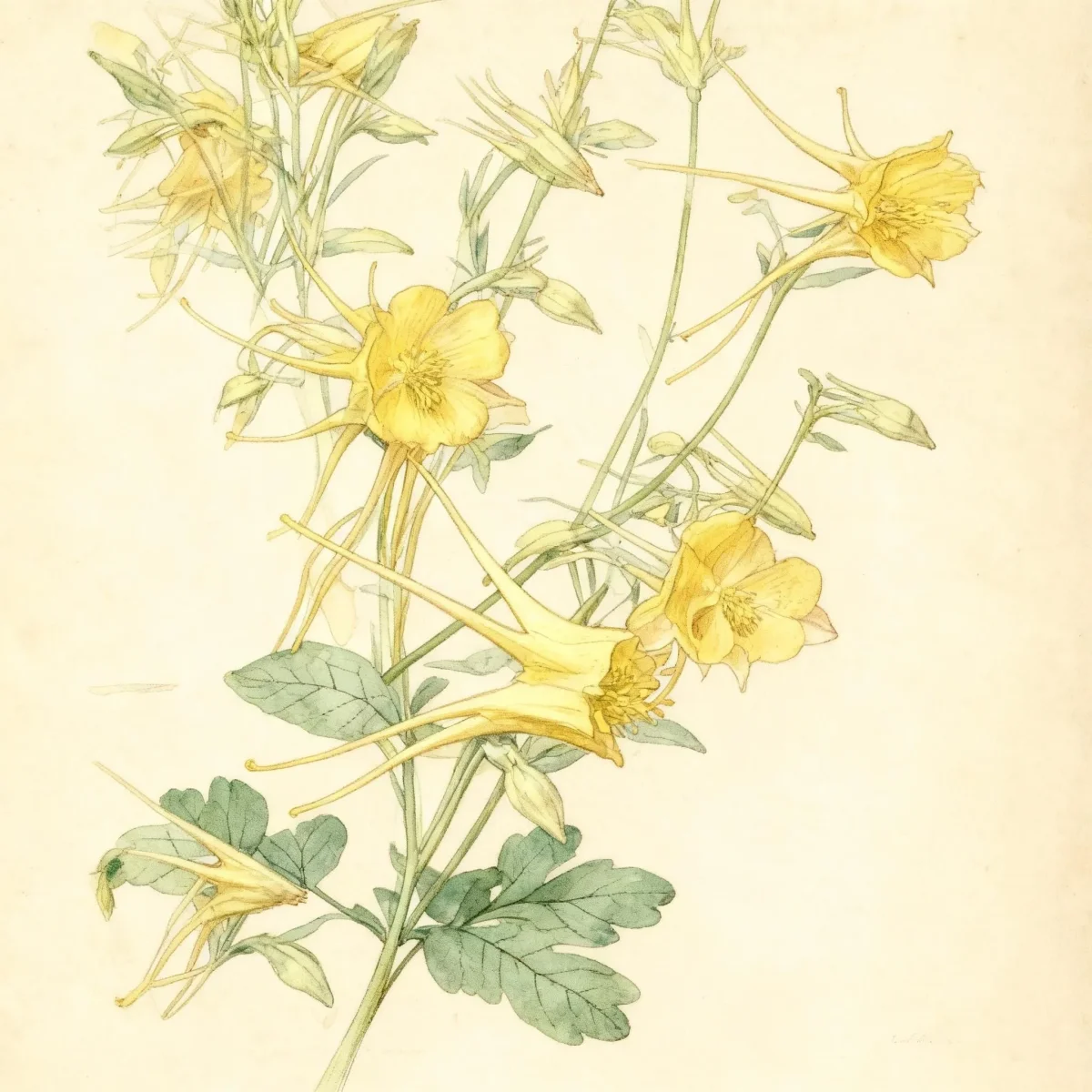
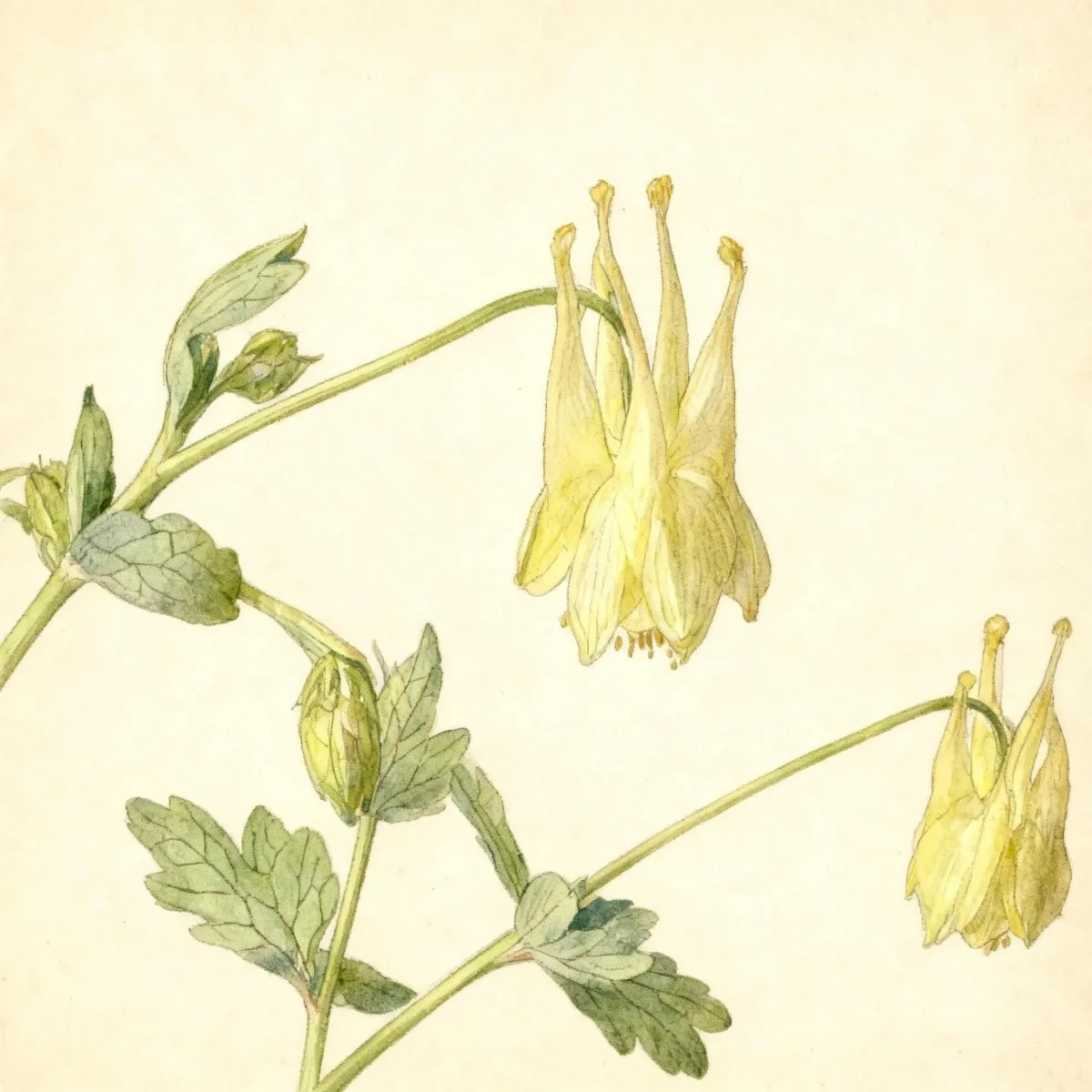
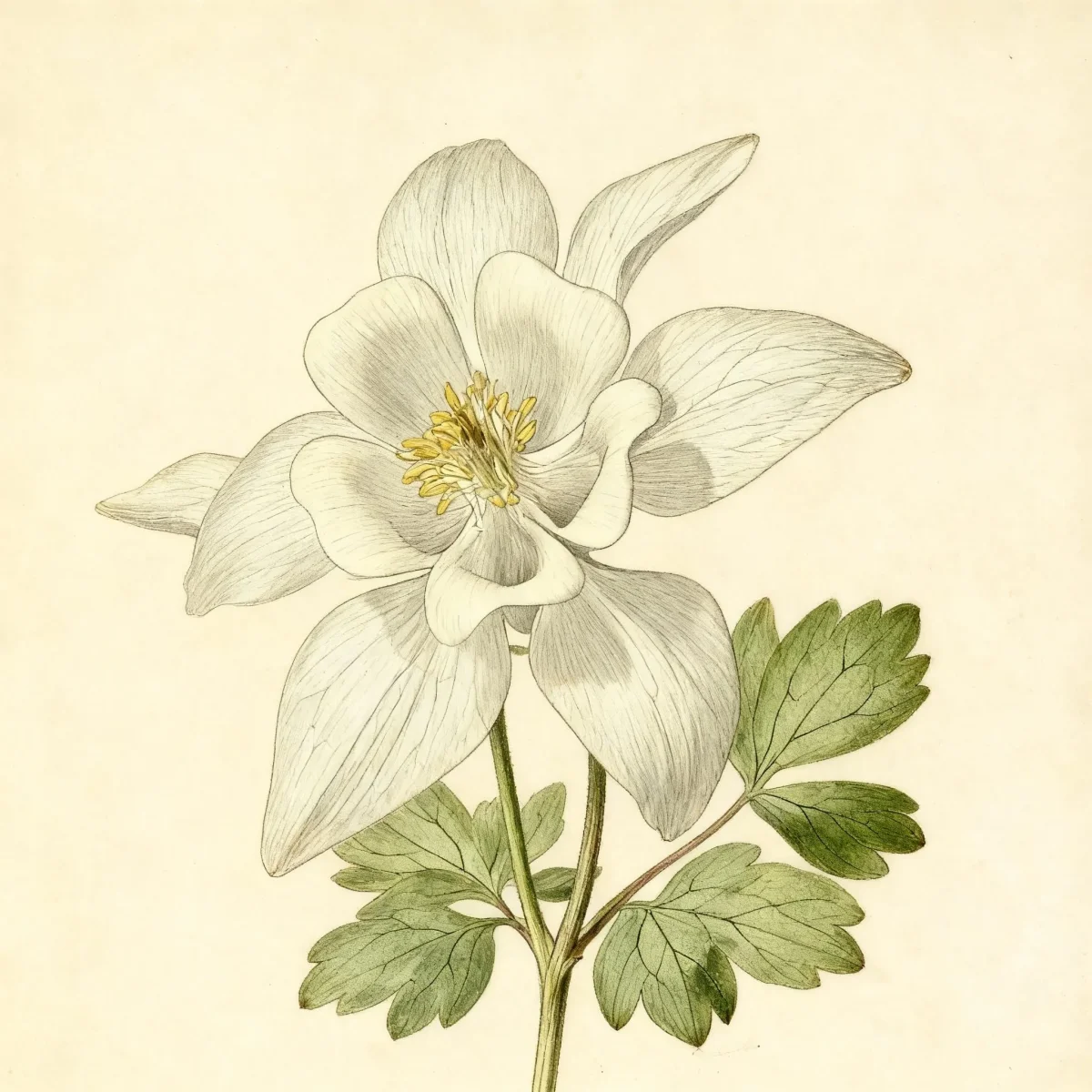
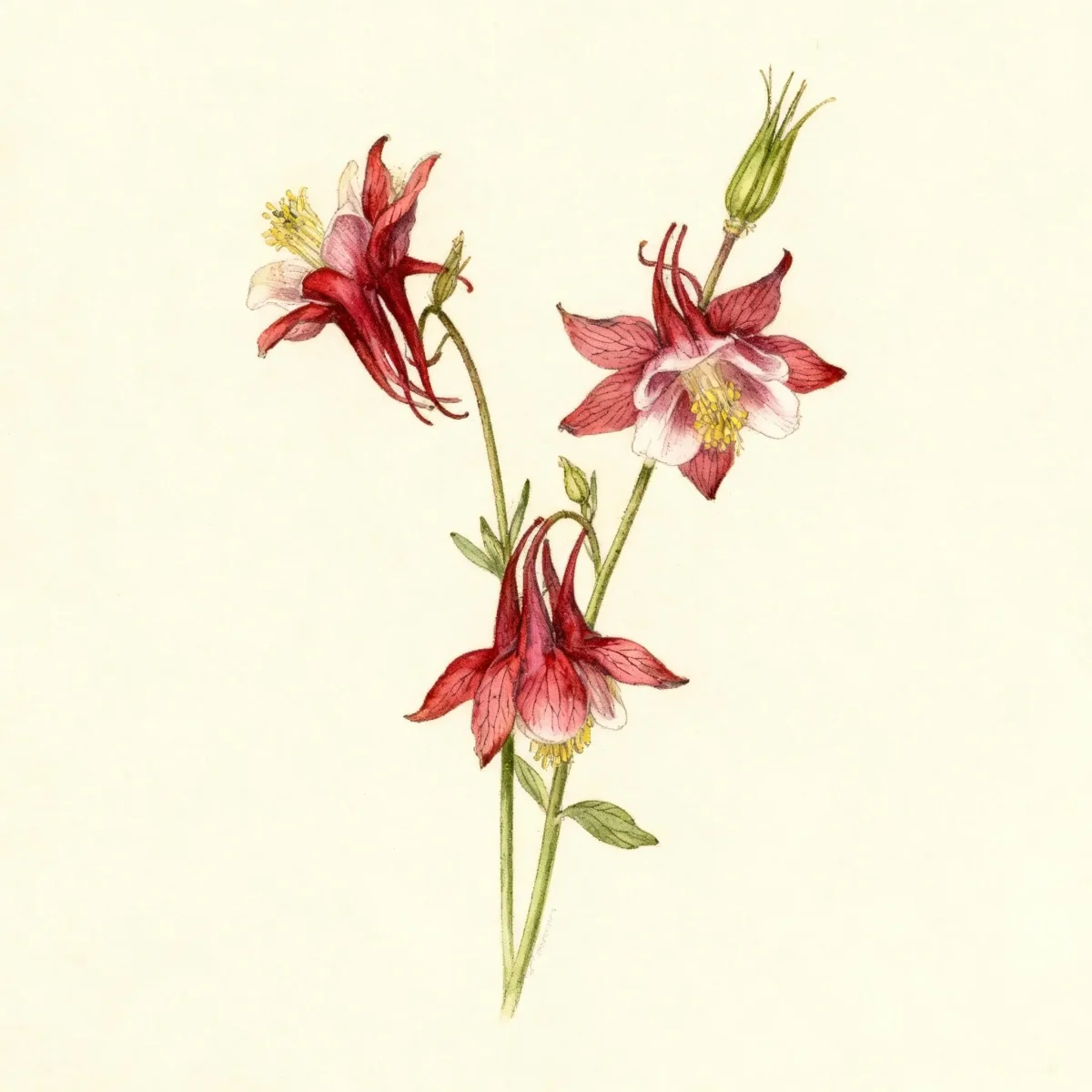
The Aquilegia vulgaris (Vervaeneana Group), commonly known as Columbine, offers a unique textural element to the garden, specifically noted for its foliage that is marbled green and yellow or creamy white. This particular strain provides the classic spring charm of Columbine but enhances it with eye-catching variegation. It forms a bushy, clump-forming perennial ideal for adding brightness to partially shaded areas.
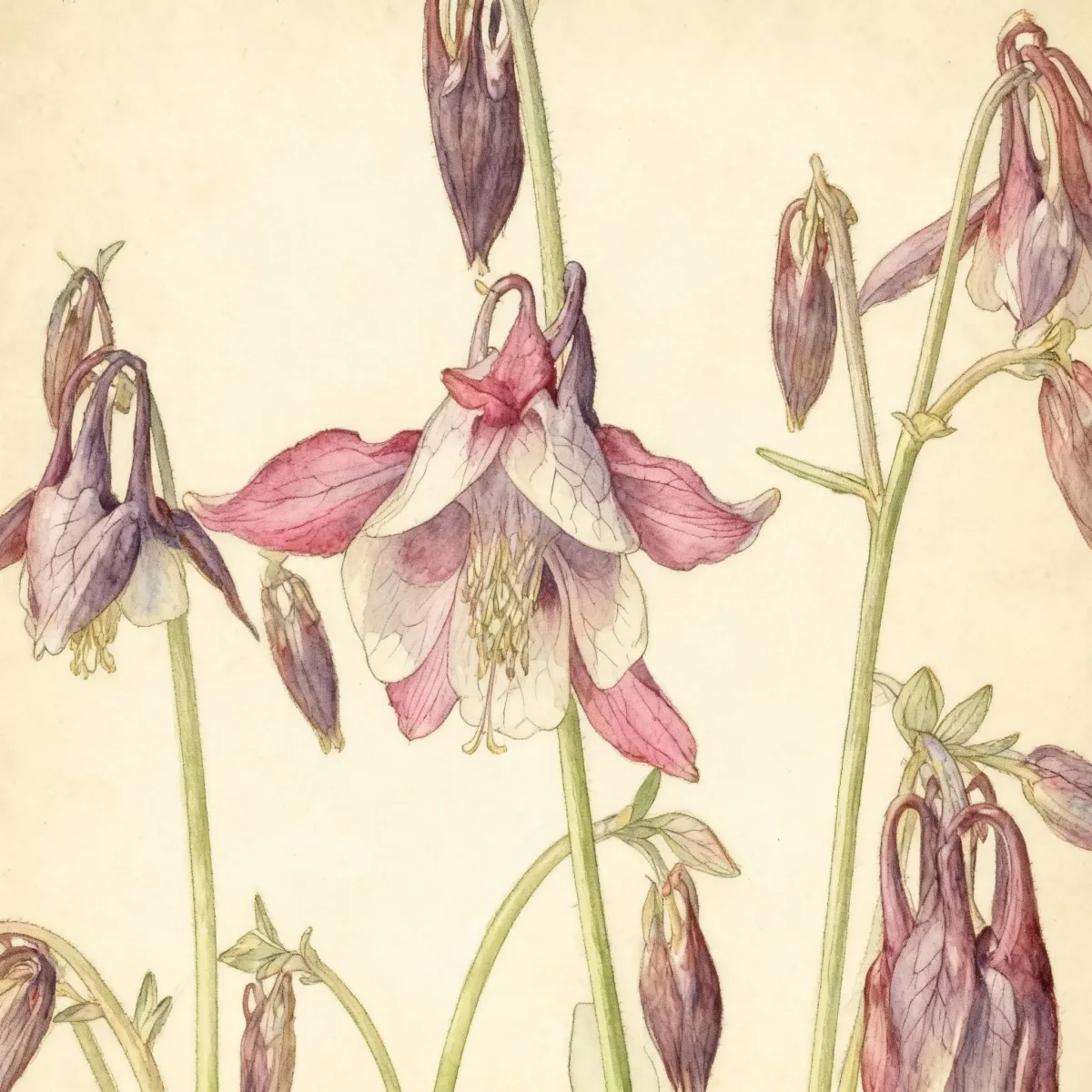
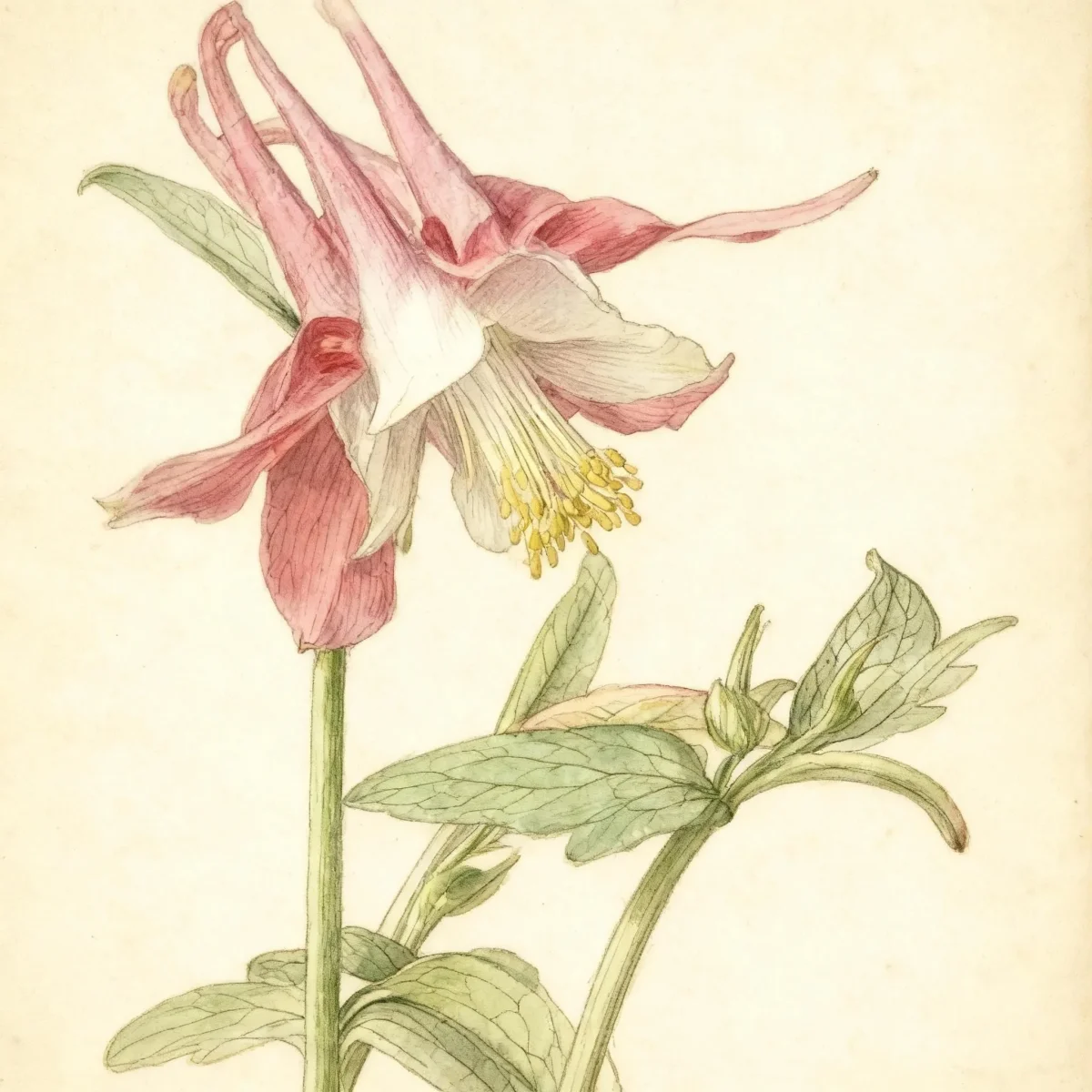
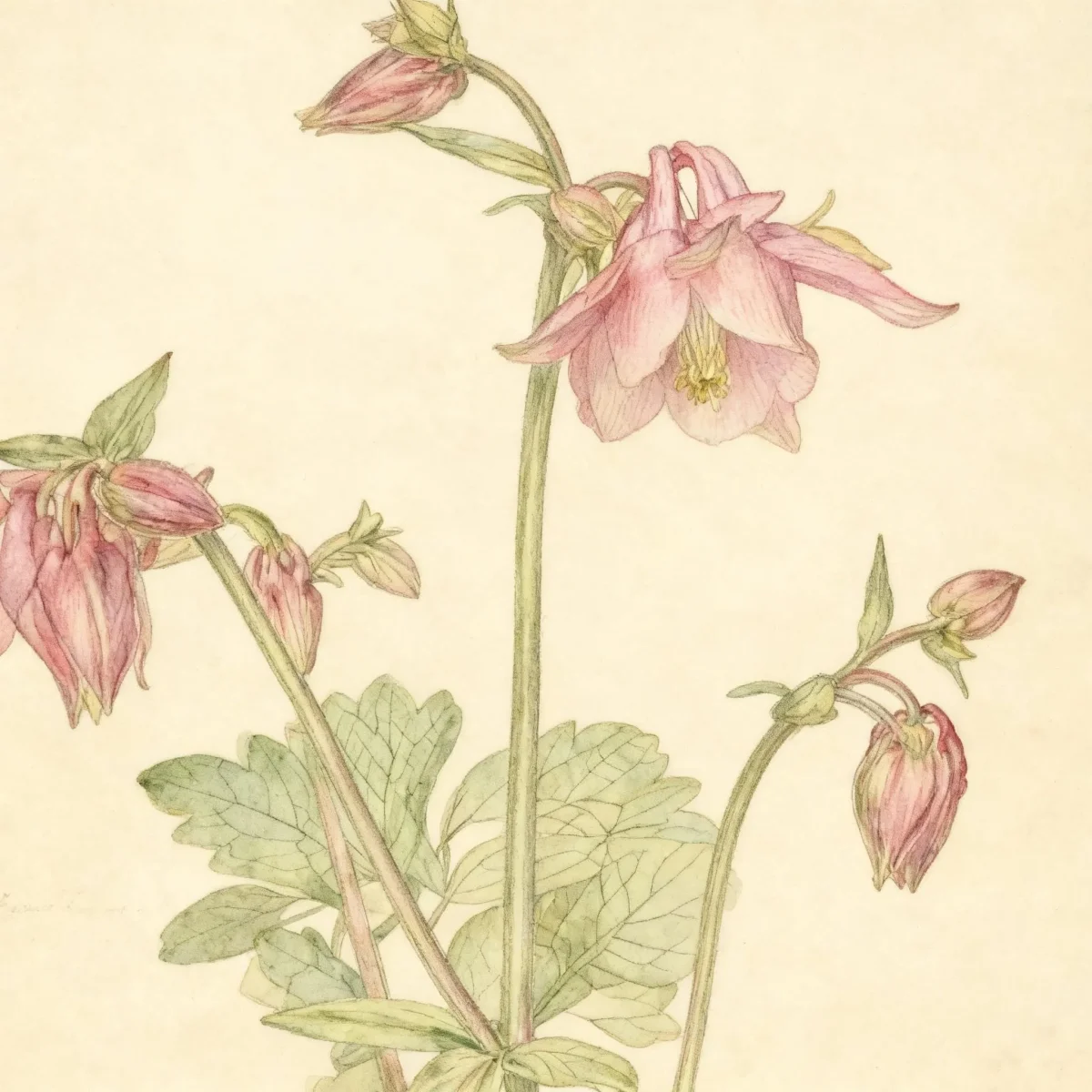
This variety typically matures between 10 and 15 inches tall, featuring nodding, short-spurred flowers in a mix of red, pink, white, and blue hues during its April to May bloom period. While the blooms are charming, the distinctive foliage makes this Aquilegia vulgaris (Vervaeneana Group) a standout specimen even after the main flowering season.
Gardeners value this tough, adaptable perennial for its ability to naturalize gracefully while providing reliable early-season color and texture. Proper care ensures the foliage remains attractive, extending the enjoyment of this hardy Columbine well beyond spring.
Fast Facts
- Plant Family: Ranunculaceae
- Plant Type: Herbaceous perennial
- Hardiness Zones: USDA Zones 3-8
- Size at Maturity:
- Height: 0.75-1.5 ft
- Spread: 0.75-1.5 ft
- Bloom Time: April to May
- Bloom Description: Red, pink, white, blue
- Sun Exposure: Full sun to part shade
- Water Needs: Medium
- Maintenance Level: Medium
How to Grow
Aquilegia vulgaris (Vervaeneana Group) thrives when planted in average, medium-moisture, well-drained soil. It tolerates a broad range of soil types, though it strongly dislikes heavy, poorly drained conditions. For the best performance and most vibrant foliage, aim for locations receiving full sun to light or moderate shade. This species establishes easily from seed and will happily self-seed, leading to a naturalized look over time in the garden.
Watering should be consistent, especially during dry spells. Keep soils uniformly moist after the initial bloom period to encourage the foliage to look its best throughout the summer. While deadheading spent flowering stems encourages additional flowering, the main maintenance task involves managing its mid-summer foliage decline.
When the leaves begin to look ragged near midsummer, the plant’s foliage depreciates naturally. At this point, you can cut the entire plant back to the ground. New, fresh growth will often emerge, providing ground cover value into the cooler months. Be aware that seeds collected from mixed garden plantings may not breed true, as different Columbine varieties readily cross-pollinate.
Landscape Uses
The unique stature and variegated leaves of Columbine make it an excellent choice for layered plant schemes. It is recommended for borders, rock gardens, and woodland settings where it can capture dappled sunlight. Because it is described as being good for naturalizing, intersperse clumps throughout grassy areas or under high tree canopies for an informal, cottage garden feel.
For hummingbird gardens, its spring flowers are a welcome early source of nectar. To best showcase the striking variegated foliage of the Aquilegia vulgaris (Vervaeneana Group), position it where it receives protection, perhaps near evergreens or taller perennials that will fill in visually when the Columbine foliage naturally retreats after flowering. Continue watering after the bloom subsides to maximize the duration of its attractive ground cover effect.
Standout Features
Flower Qualities
- Showy
Noteworthy Characteristics
The genus name Aquilegia references the eagle due to the flower spurs resembling an eagle’s talon. The Vervaeneana Group is particularly distinguished by its foliage, which is green marbled with yellow or creamy shades. This bushy perennial features nodding, short-spurred flowers in multiple colors blooming reliably in the spring.
Tolerances
- Rabbit
- Deer
Potential Problems
The primary concern for Columbine is susceptibility to leaf miner, which tunnels through the leaves, creating unsightly blemishes. Aphids can occasionally present a minor issue but are rarely devastating to the plant’s overall health. Effective management involves routine inspection, especially under the leaves, and pruning out heavily infested foliage promptly.
As noted, the foliage of this Aquilegia vulgaris (Vervaeneana Group) typically declines sharply by mid-summer. Cutting the plant completely to the ground when this happens is the best cultural practice, which can sometimes bring forth a flush of new, cleaner growth if moisture levels are adequate.
Frequently Asked Questions
What hardiness zones is Columbine suitable for?
This herbaceous perennial, the Aquilegia vulgaris (Vervaeneana Group), is suitable for USDA Hardiness Zones 3 through 8.
How large does Columbine grow?
The typical mature size for this variety ranges between 0.75 to 1.5 feet in height, with a similar spread of 0.75 to 1.5 feet.
What sun exposure does Columbine need?
This Columbine performs best when situated where it receives full sun or part shade, preferring lighter or moderate shade sources in the hottest climates.
When does Columbine bloom?
This specific Aquilegia vulgaris (Vervaeneana Group) generally blooms early in the season, typically from April to May, offering flowers in shades of red, pink, white, and blue.
Conclusion
The Aquilegia vulgaris (Vervaeneana Group) brings desirable variegated foliage and classic spring flowers to any garden space, making it a versatile choice for borders or naturalized settings. Its medium maintenance needs, coupled with good deer and rabbit tolerance, ensure it remains a garden favorite. Before planting, confirm your local hardiness zone aligns with USDA Zones 3-8 and plan for its routine summer cutback to maintain aesthetic appeal.
Companion Planting
When selecting companions for Columbine, focus on plants that share similar moisture and light requirements, especially those that can mask the foliage decline that occurs post-bloom. Plants that thrive in part shade, such as Hostas or Astilbes, work wonderfully as they fill the mid-to-late summer gap. Consider pairing the upright habit of this Aquilegia vulgaris (Vervaeneana Group) with low-growing ground covers that can handle medium moisture, creating visual interest at different levels.
For cottage garden schemes, incorporate traditional perennials like Digitalis (Foxglove) or early blooming Peonies; ensure constant moisture is available for all these plants during the blooming season of the Columbine. Because it naturalizes easily, allow space around the clumps for seedlings to establish without overcrowding adjacent plants.
Design Ideas for Variegated Foliage
The unique leaf texture and color patterns of the Aquilegia vulgaris (Vervaeneana Group) are invaluable for brightening shady niches or woodland gardens. Use the plant near darker green foliage to create strong contrast, making the yellow or cream marbling pop visually. Placing it near paths or entranceways allows you to fully appreciate the detailed leaf structure and nodding flowers up close.
This type of variegated Columbine serves as an excellent transitional plant between sunnier borders and deeper shade. Its relatively short height (under 1.5 feet) makes it suitable for the middle or front layer of a mixed perennial border. Remember that the color intensity of the variegation can be influenced by light levels; more light usually yields brighter variegation, provided soil moisture is maintained.