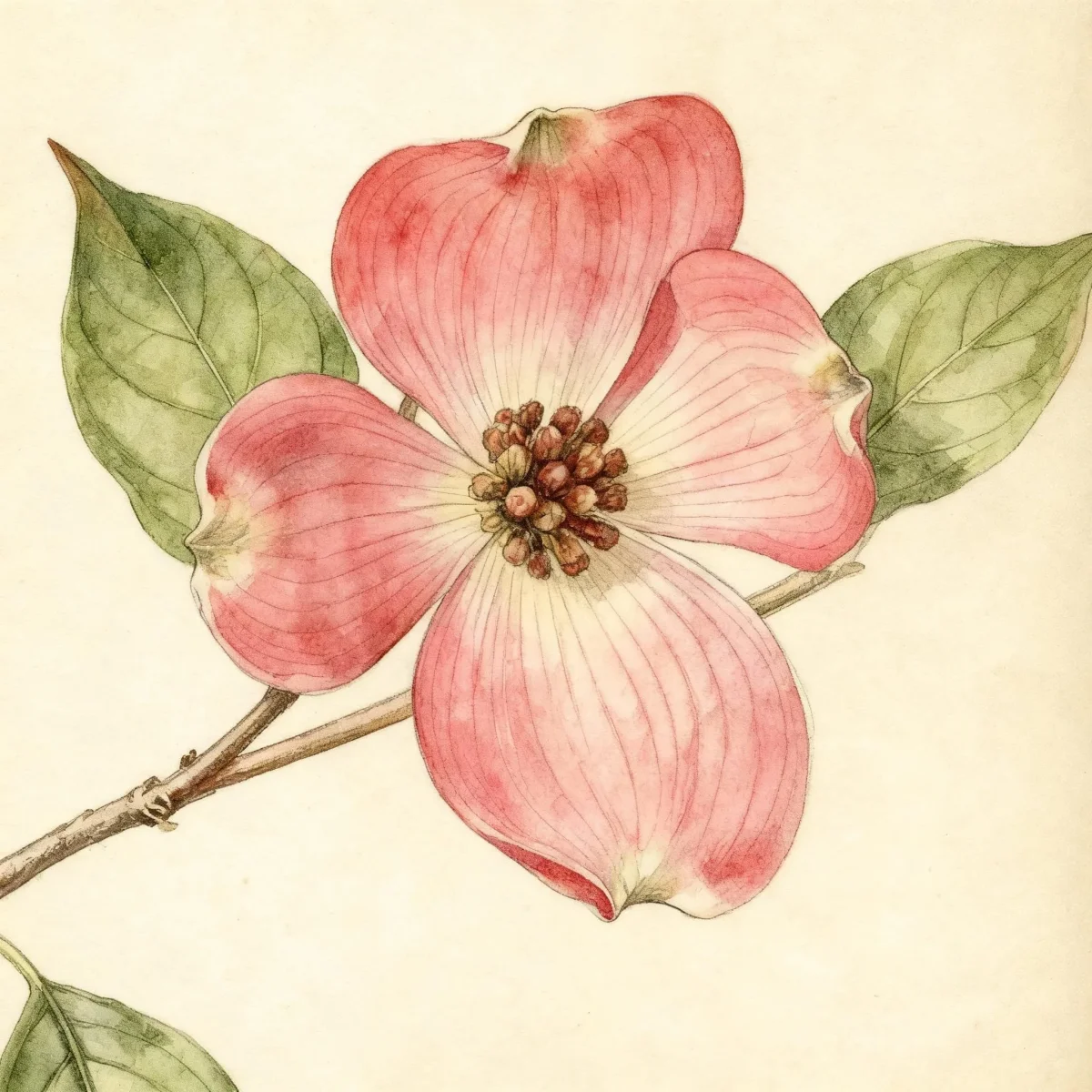
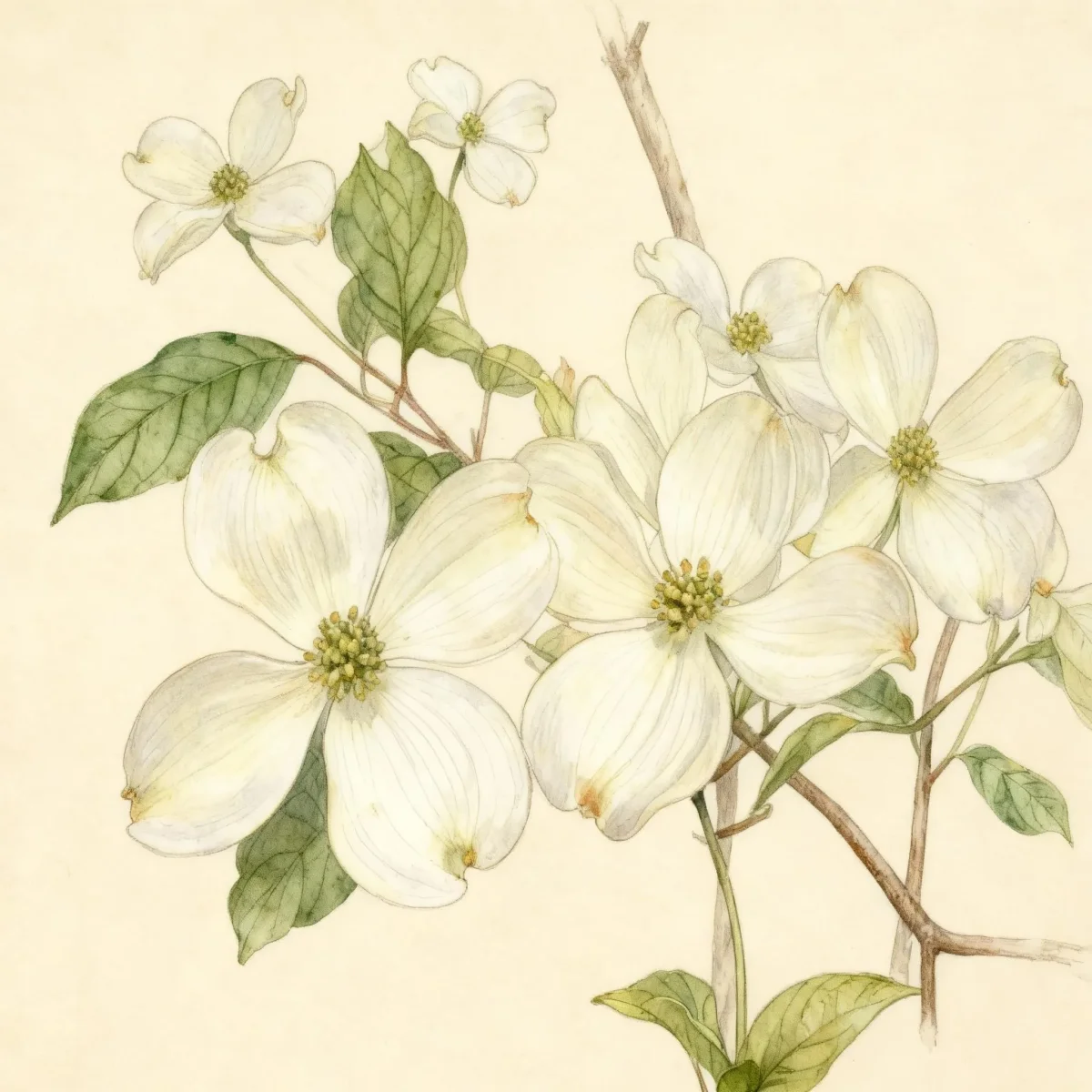
Flowering dogwood (Cornus florida 'Red Pygmy')
Cornus florida 'Red Pygmy' is a dwarf Flowering dogwood ideal for small spaces, offering distinctive rose-red spring blooms.
Scroll down to discover growing tips, care requirements, companion plants, and more
Complete Plant Information
Overview
The Cornus florida ‘Red Pygmy’ is a highly sought-after, slow-growing dwarf cultivar of the beloved Flowering dogwood. What sets this variety apart is its compact size, maturing slowly to just 3 to 7 feet tall, making it perfect for small gardens or container plantings where the standard tree would overwhelm the space. Gardeners prize this specimen for its stunning floral display in early spring.
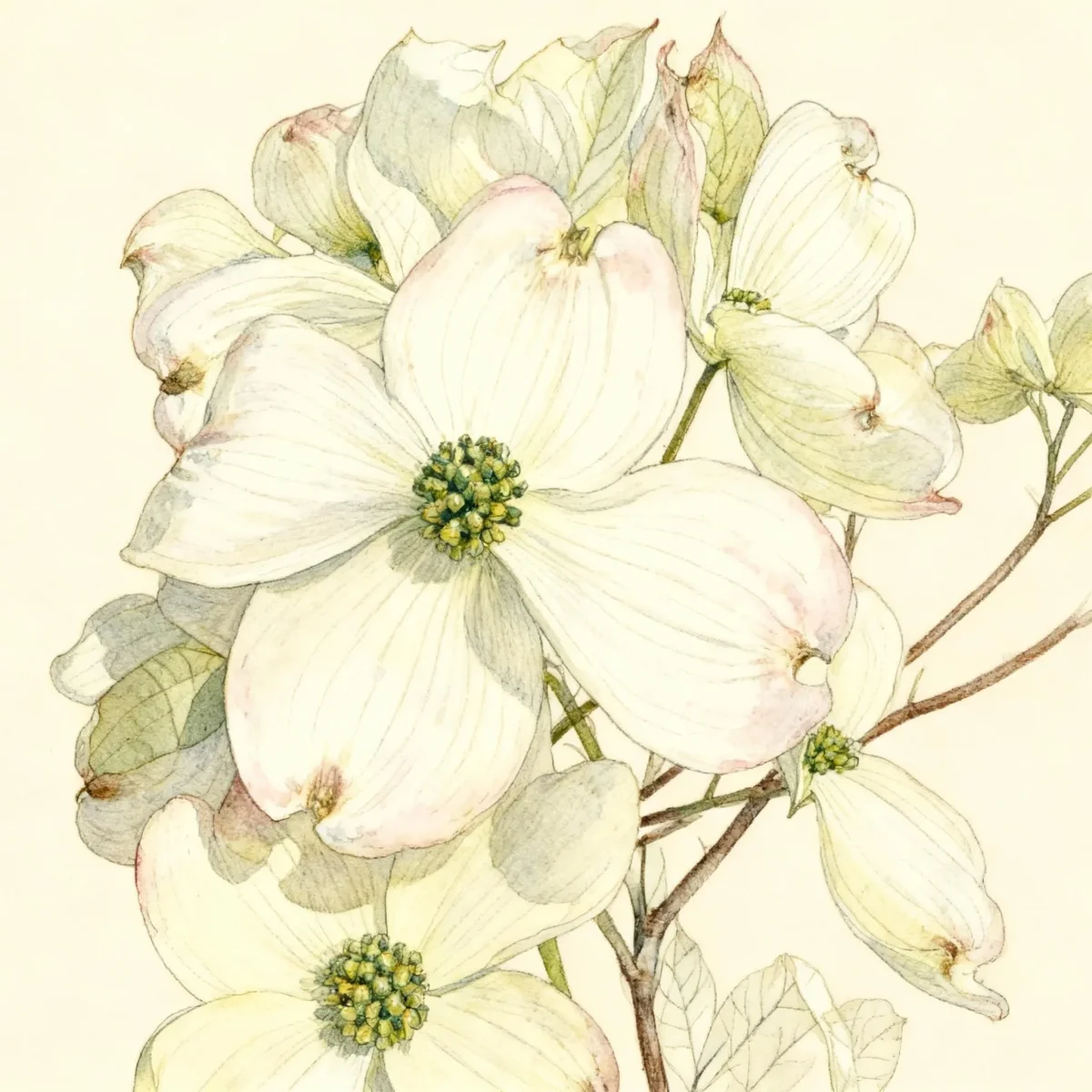
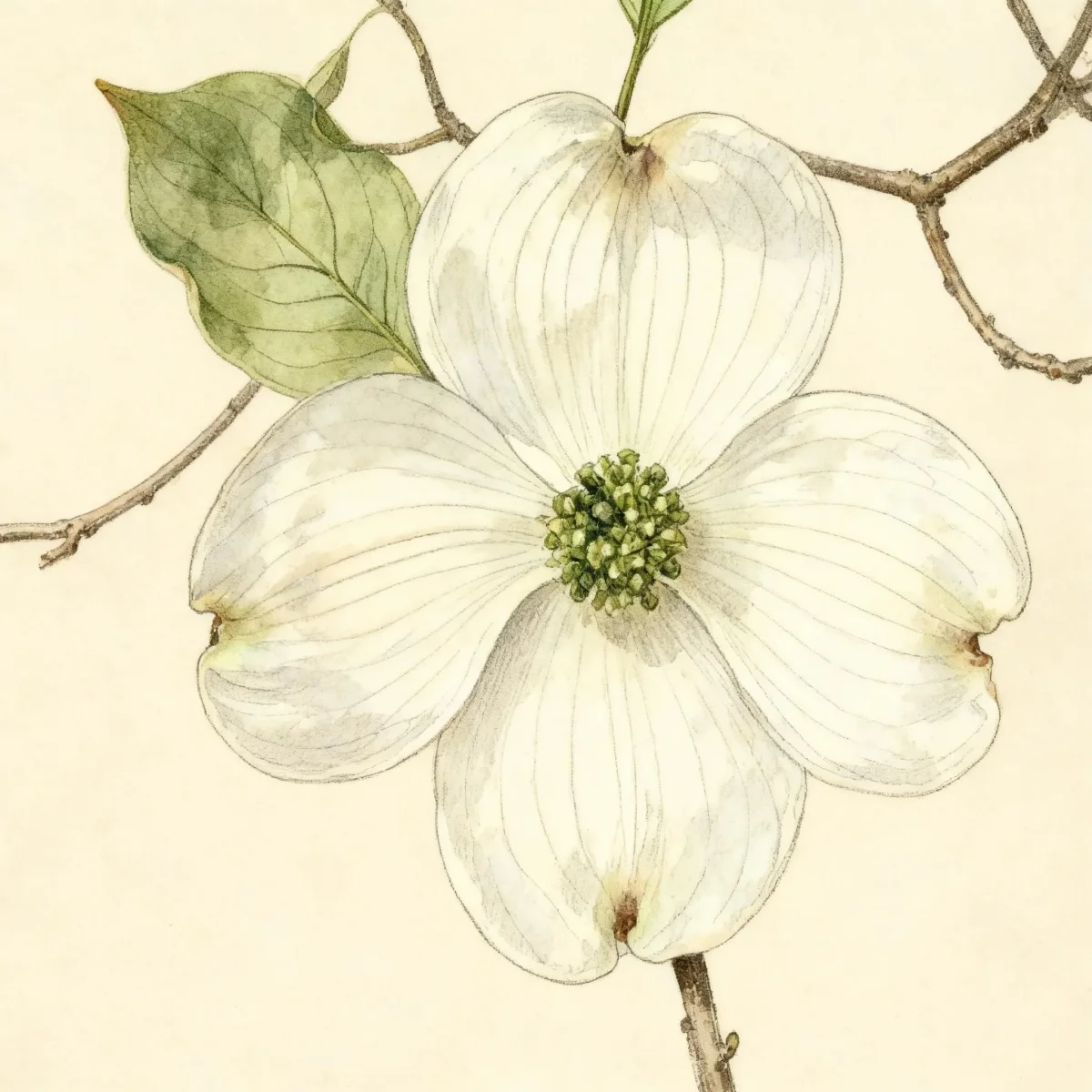
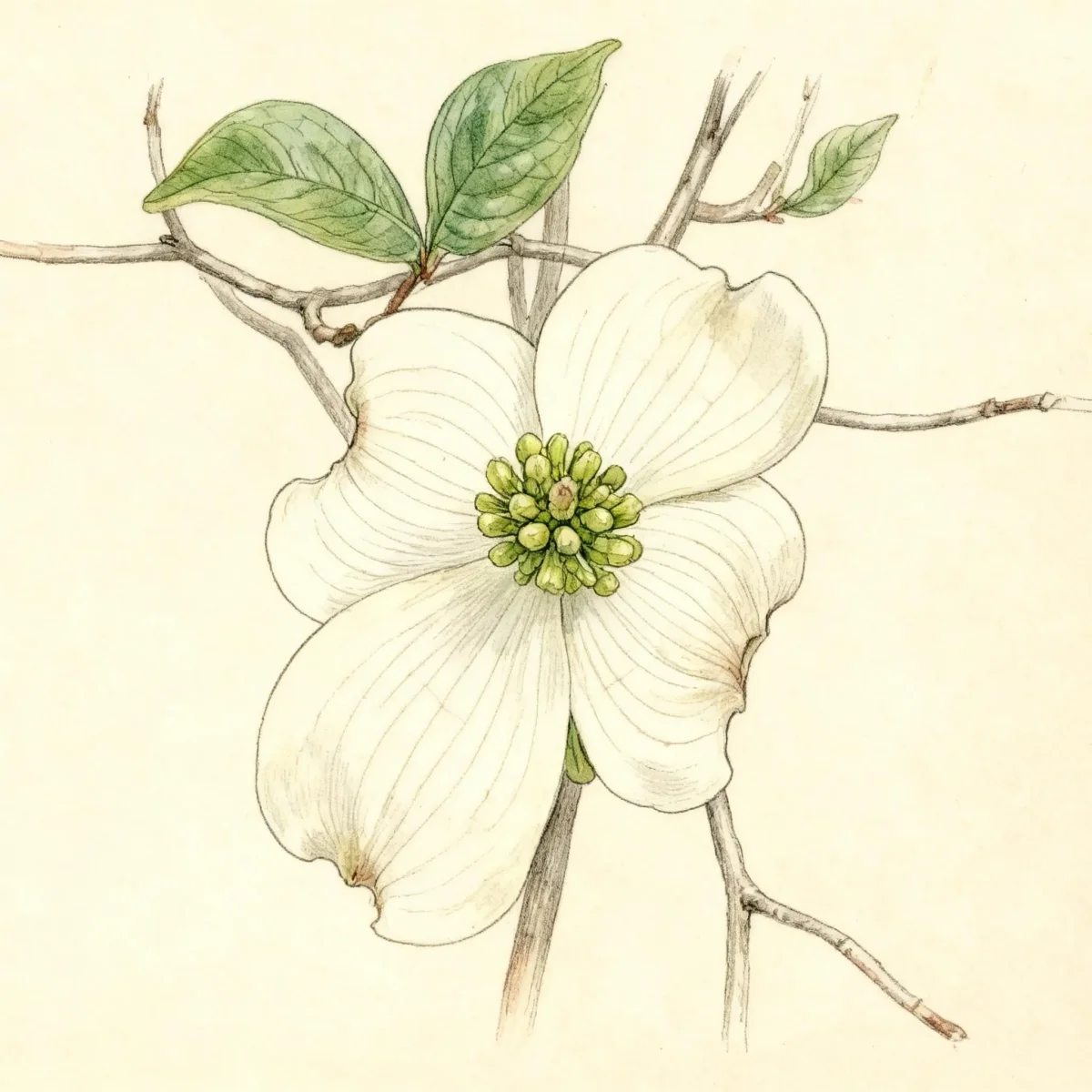
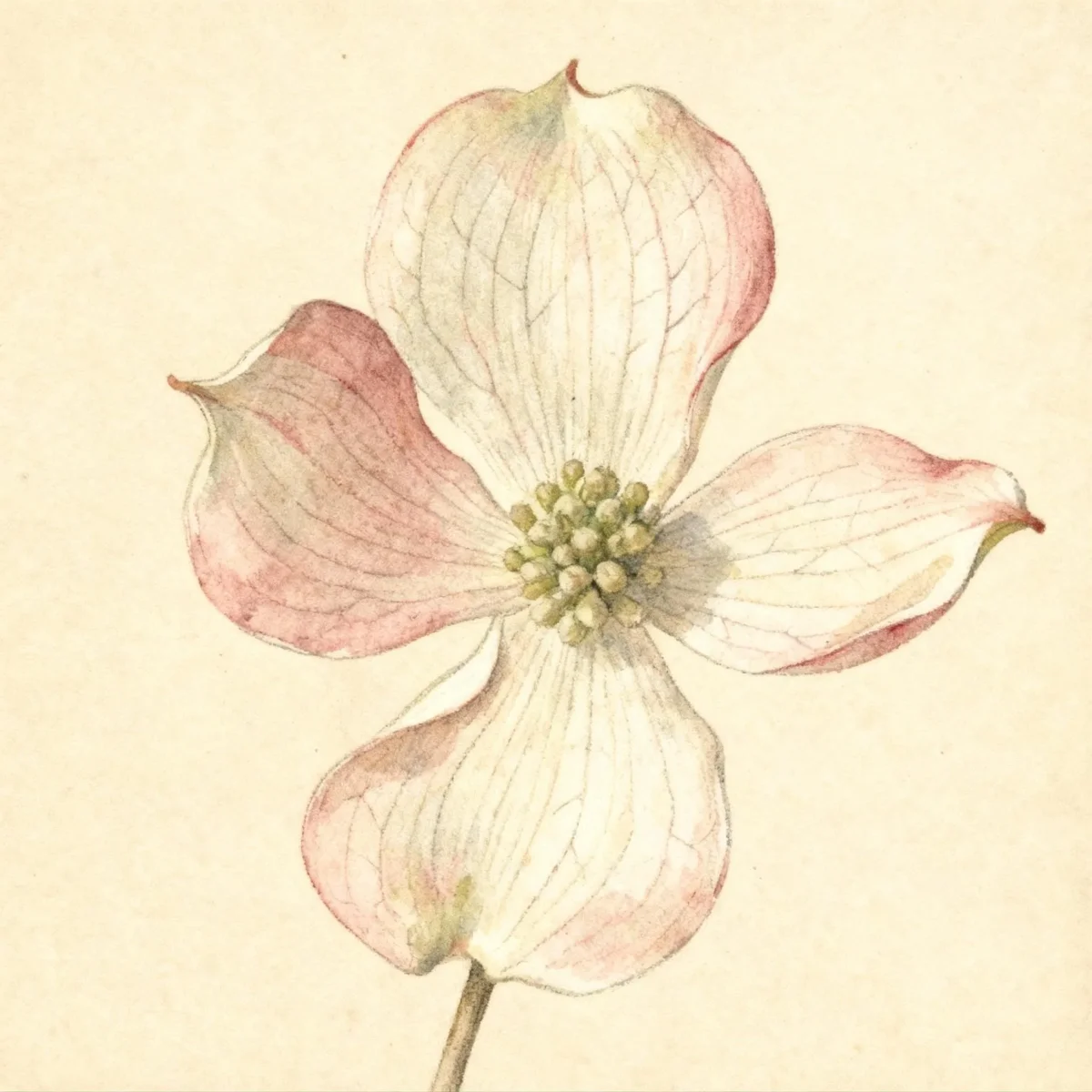
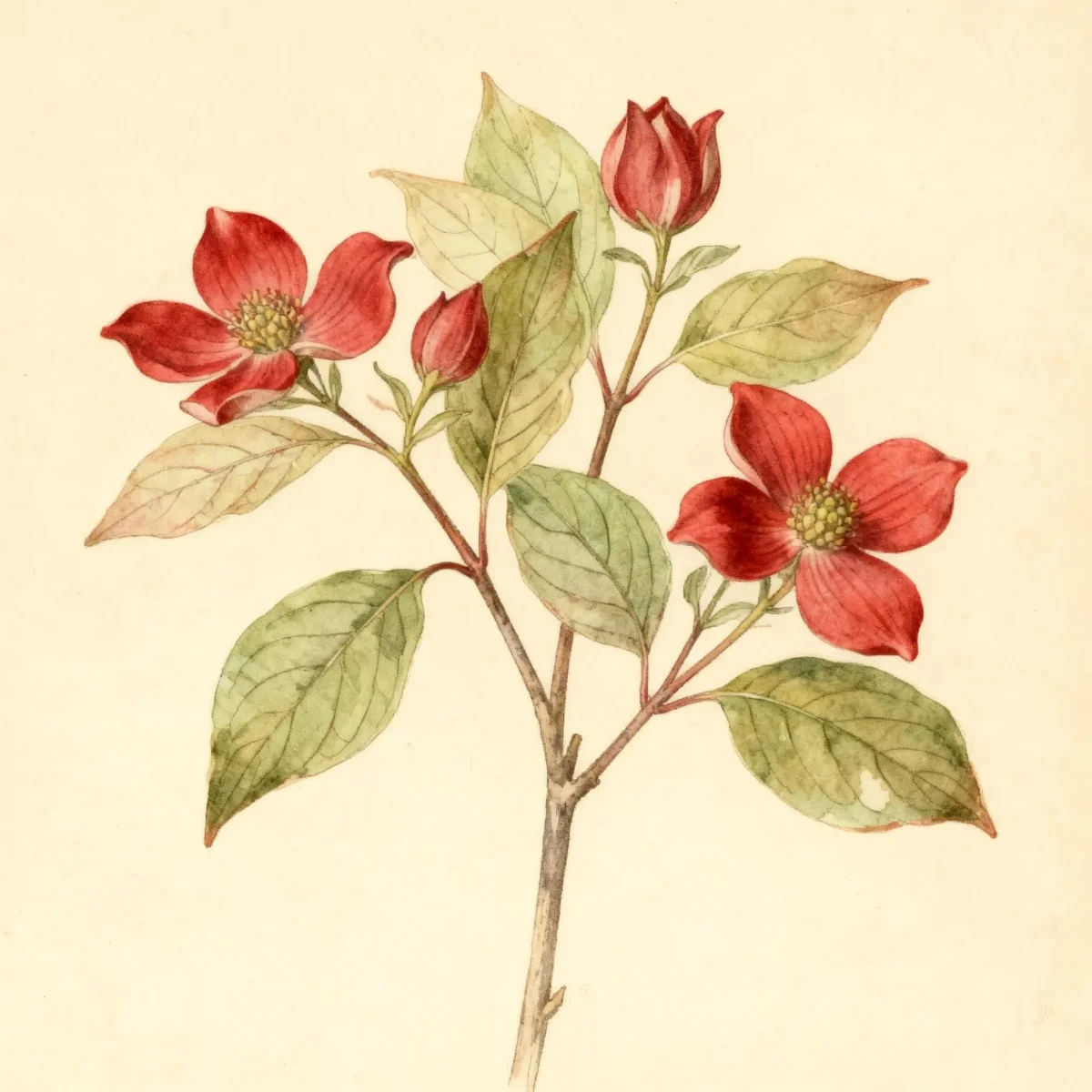
The aesthetic appeal of Cornus florida ‘Red Pygmy’ comes primarily from its dramatic, rose-red flower bracts that open flat in April and May, often tipped with white, providing excellent contrast against newer foliage. Beyond its spectacular blooming period, this deciduous tree offers four-season interest, especially with its attractive fall leaf color. It embodies the beauty of native American flowering trees in a manageable form.
Cultivating this cultivar provides excellent value in residential landscapes, patios, or woodland borders. While its ultimate size is small, it maintains the classic grace of the Flowering dogwood, serving as an exceptional specimen plant that attracts wildlife and offers vibrant color early in the season.
Fast Facts
- Plant Family: Cornaceae
- Plant Type: Tree
- Hardiness Zones: USDA Zones 5-9
- Size at Maturity:
- Height: 3-7 ft
- Spread: 2-5 ft
- Bloom Time: April to May
- Bloom Description: Rose-red
- Sun Exposure: Full sun to part shade
- Water Needs: Medium
- Maintenance Level: Medium
How to Grow
Planting Cornus florida ‘Red Pygmy’ should be done when dormant, typically in spring or early fall, ensuring you select a site that provides protection from the harshest afternoon sun if you are in the warmer end of its range. It thrives best in naturally acidic, well-drained soils that retain consistent moisture. Avoid locations where water pools, as this can encourage root problems common to this species.
Consistent care focuses heavily on soil moisture management, especially during its establishment phase. Water medium amounts regularly, allowing the top inch of soil to dry slightly between waterings. To help the roots stay cool, which the Flowering dogwood prefers, apply a 2-4 inch layer of organic mulch around the base, ensuring the mulch does not touch the trunk itself.
Due to the susceptibility of dogwoods to fungal issues, avoid overhead watering that wets the foliage unnecessarily. While pruning is generally minimal for this dwarf form, remove any dead or crossing branches during dormancy. Be aware that in regions experiencing severe dogwood anthracnose outbreaks, planting may be inadvisable until the situation improves.
Landscape Uses
The dwarf nature of Cornus florida ‘Red Pygmy’ unlocks unique landscape possibilities. As a premier Flowering Tree, it excels as a standalone specimen near entrances or patios where its spectacular spring display can be fully appreciated up close. Its smaller stature also makes it an excellent choice for foundation plantings, provided adequate space for its 5-foot spread is maintained.
This cultivar is particularly effective when planted in small groupings within native plant or woodland gardens, mimicking its natural habitat preference for dappled light. Furthermore, given its mature height rarely exceeding 7 feet, Cornus florida ‘Red Pygmy’ is an outstanding choice for large containers, allowing seasonal mobile displays on decks or balconies.
For textural contrast, pair this dogwood with broadleaf evergreens that can provide a dark backdrop, thereby highlighting the bright rose-red bracts. Its reddish fall foliage also complements late-season blooming perennials, creating a layered, year-round garden interest.
Flower Qualities
- Showy
Noteworthy Characteristics
Cornus florida, commonly known as Flowering dogwood, is a small deciduous tree celebrated throughout the Eastern U.S. for its stunning spring bloom and lovely stature. The true flowers are inconspicuous, but they are framed by four large, petal-like bracts that appear white on the standard species but take on a distinctive rose-red hue on the ‘Red Pygmy’ cultivar. This cultivar is particularly notable for being slow-growing and compact, staying under seven feet high, and it also develops good rusty fall color.
Tolerances
- Deer
- Clay Soil
- Black Walnut
Potential Problems
The Flowering dogwood, including cultivars like Cornus florida ‘Red Pygmy’, can face numerous health challenges, especially when stressed by unfavorable conditions. The most significant threat is dogwood anthracnose, a devastating fungal disease prominent in parts of the eastern United States that causes leaf spots and twig blight. Other common issues include powdery mildew, leaf spot, canker, and root rot.
Stressed trees become targets for secondary pests like borers, though insect pressures like scale and leaf miner are generally less severe. Prevention is key to protecting your investment in this beautiful tree. Ensure proper siting, focusing on moist, well-drained, and ideally acidic soil conditions to minimize stress.
Reduce the risk of fungal diseases by avoiding overhead watering which keeps foliage wet; instead, water the soil directly. Regular scouting allows for the early removal of blighted twigs to limit disease spread throughout the canopy.
Frequently Asked Questions
What hardiness zones is Flowering dogwood suitable for?
The dwarf Cornus florida ‘Red Pygmy’ is hardy and adaptable across USDA Zones 5 through 9.
How large does Cornus florida ‘Red Pygmy’ grow?
This cultivar is specifically bred to remain small, typically reaching 3 to 7 feet in height and spreading 2 to 5 feet wide at maturity.
What sun exposure does Flowering dogwood need?
This plant performs best when positioned in locations that receive full sun to partial shade, reflecting its natural preference for well-lit woodland edges.
When does Cornus florida ‘Red Pygmy’ bloom?
The spectacular display of rose-red bracts signals spring has arrived, with blooms occurring reliably between April and May.
Conclusion
The Cornus florida ‘Red Pygmy’ offers exceptional ornamental value by packaging the breathtaking springtime beauty of the classic Flowering dogwood into a compact, manageable dwarf tree ideal for modern landscapes. Its unique rose-red color and small stature make it a must-have specimen. Before planting, confirm your location falls within USDA Zones 5-9 and ensure you provide the consistently moist, well-drained soil it requires for optimal health.
Companion Planting
Successfully pairing plants around Cornus florida ‘Red Pygmy’ means respecting its need for dappled light and consistent moisture. Companion plants that thrive in similar acidic, humus-rich soils perform best. Consider using woodland understory plants like Hosta or Astilbe beneath the canopy area to provide textural variety during the summer months when the dogwood’s flowers fade.
Plants that offer late-season color, such as certain varieties of Hydrangeas (especially those preferring morning sun) or late-blooming Azaleas, can ensure the area remains vibrant long after the Flowering dogwood has dropped its leaves. Avoid aggressive surface-rooting plants nearby that might compete too heavily for water and shallow nutrients.
Wildlife Benefits
Although the bitter fruits of the Flowering dogwood are generally not consumed by humans, they are highly valued by many bird species later in fall and early winter. Planting Cornus florida ‘Red Pygmy’ contributes to local biodiversity by providing an early spring food source, even if the fruit is less abundant than on the standard species. The dense branching structure of the dogwood also provides excellent cover and nesting opportunities for smaller songbirds throughout the year.