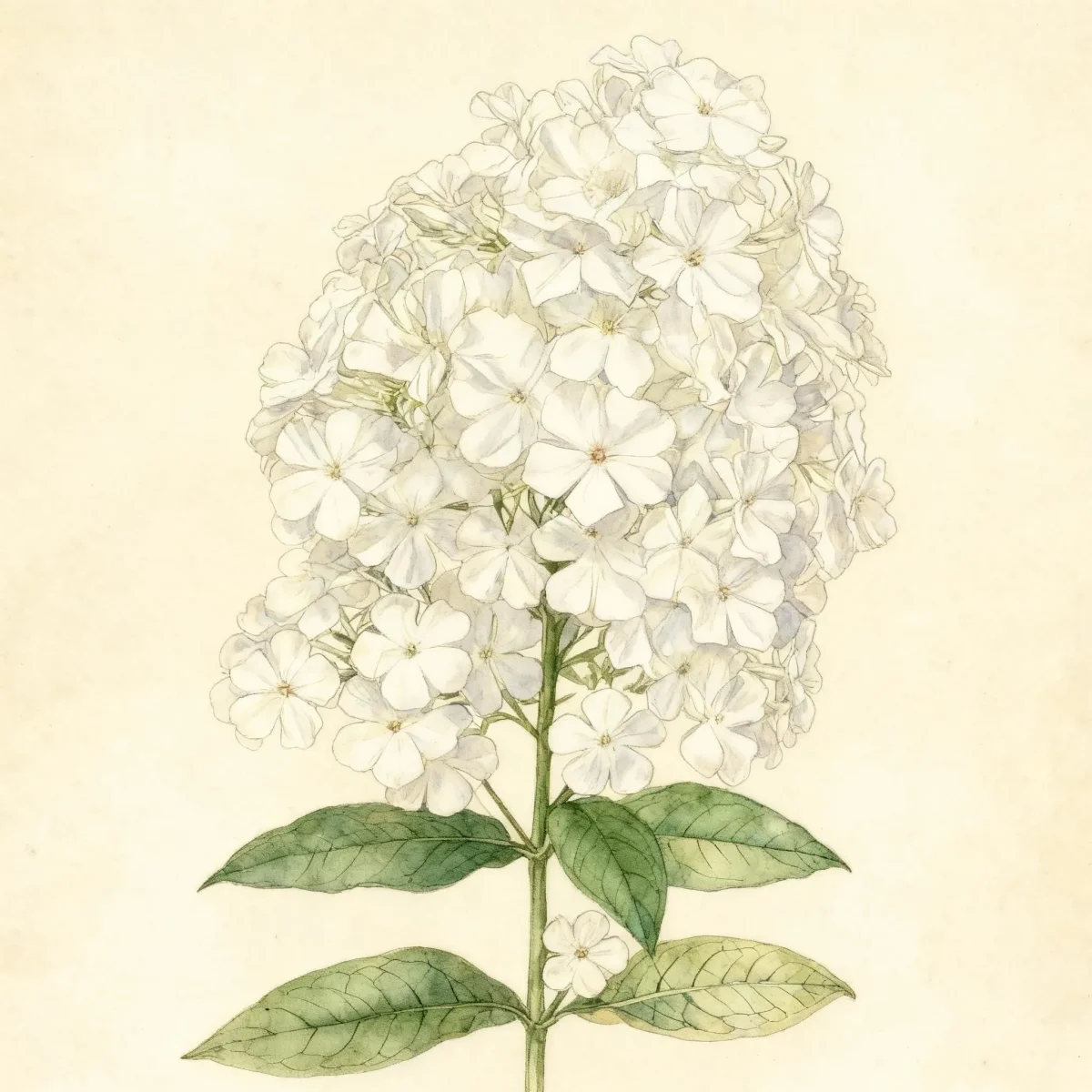
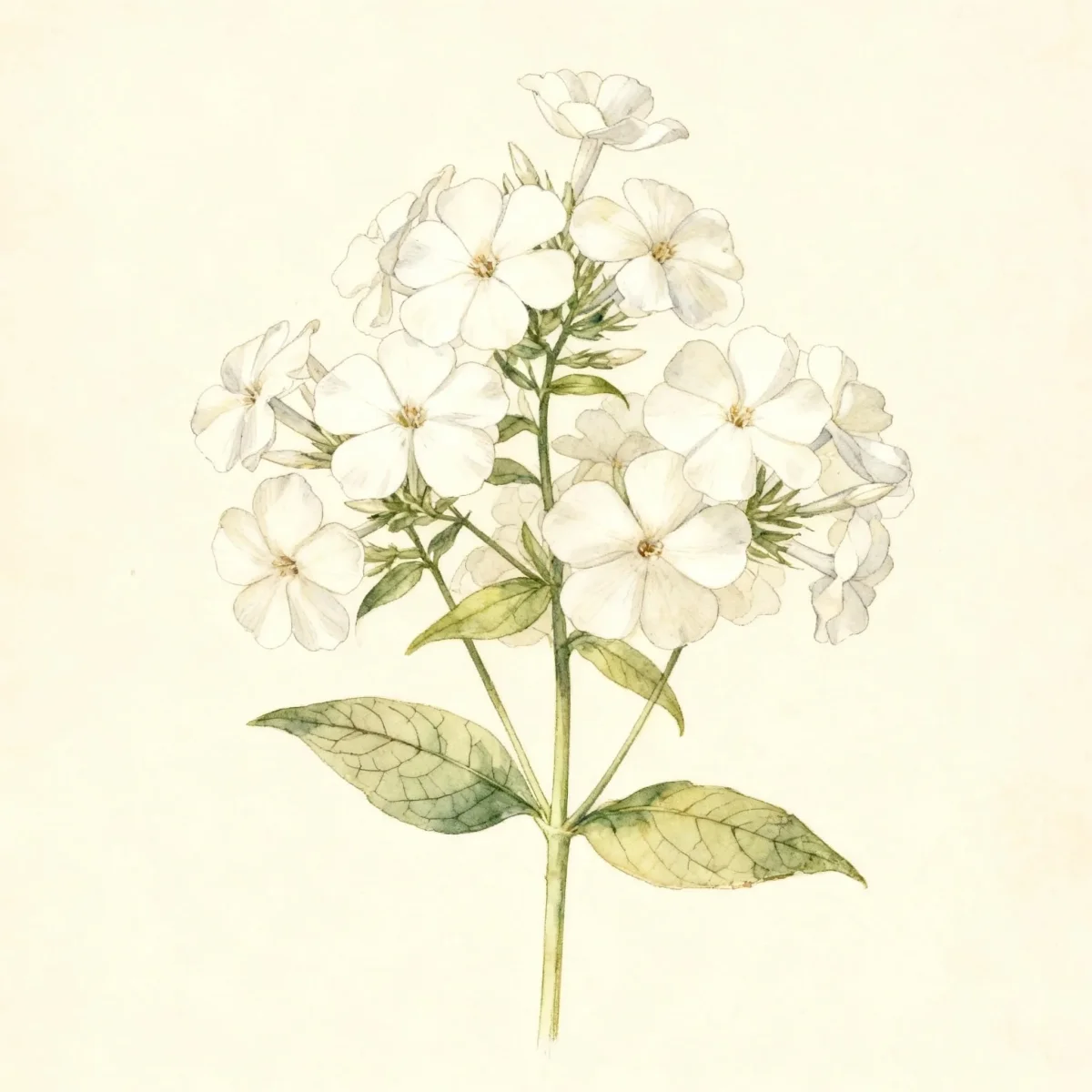
Phlox (Phlox × arendsii 'Ping Pong')
Phlox × arendsii 'Ping Pong' is a showy, fragrant, upright perennial Phlox hybrid, ideal for zones 3-8 in borders, blooming June-July.
Scroll down to discover growing tips, care requirements, companion plants, and more
Complete Plant Information
Overview
Phlox × arendsii ‘Ping Pong’ is a valued herbaceous perennial, representing the best traits of its parent species, combining the showy flowers of garden phlox with a more compact habit. This cultivar, known commonly simply as Phlox, offers reliable mid-summer color and a mildly fragrant display highly attractive to beneficial insects. Gardeners appreciate this Phlox for its stiff, upright stems which rarely require staking, making it a strong vertical element in the landscape.
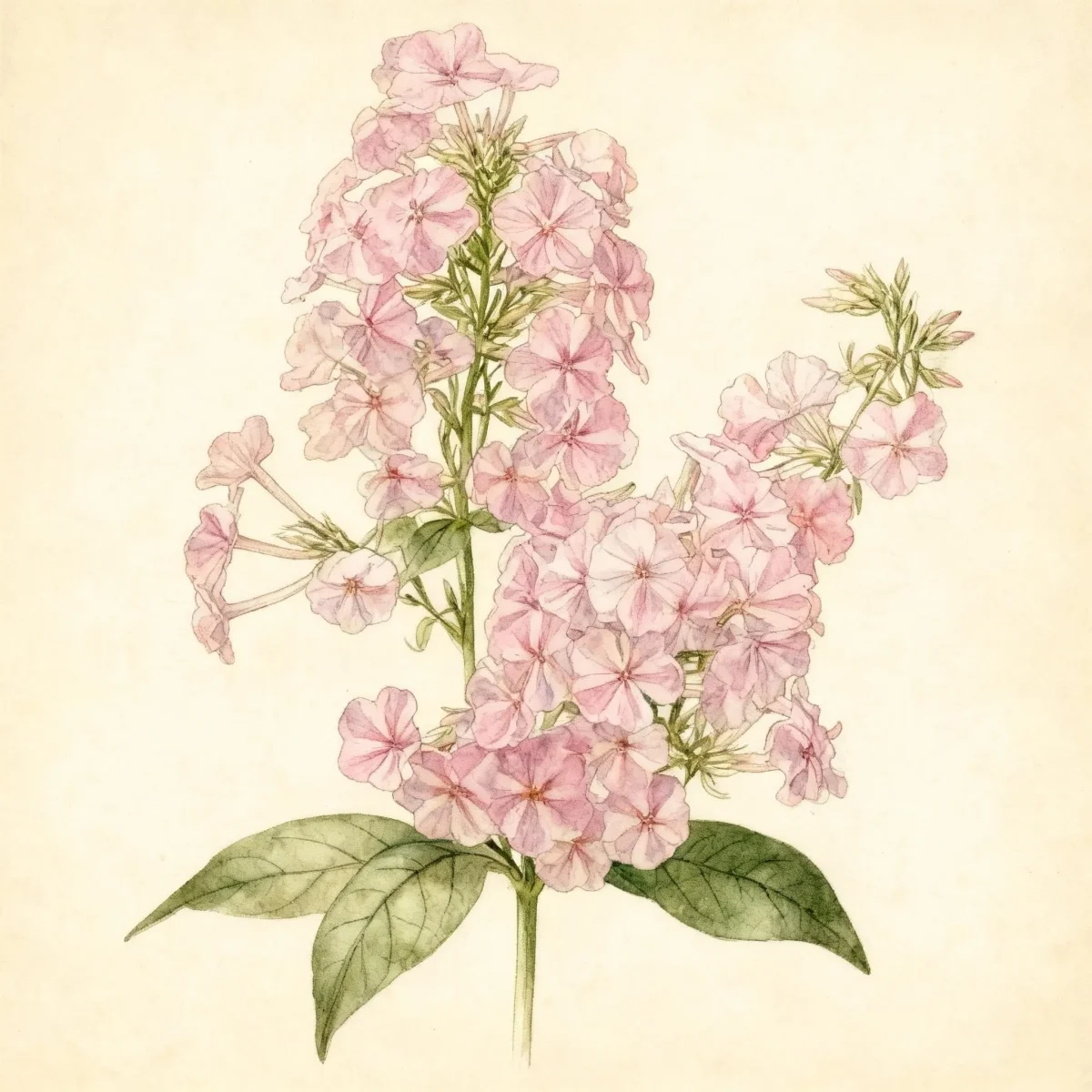
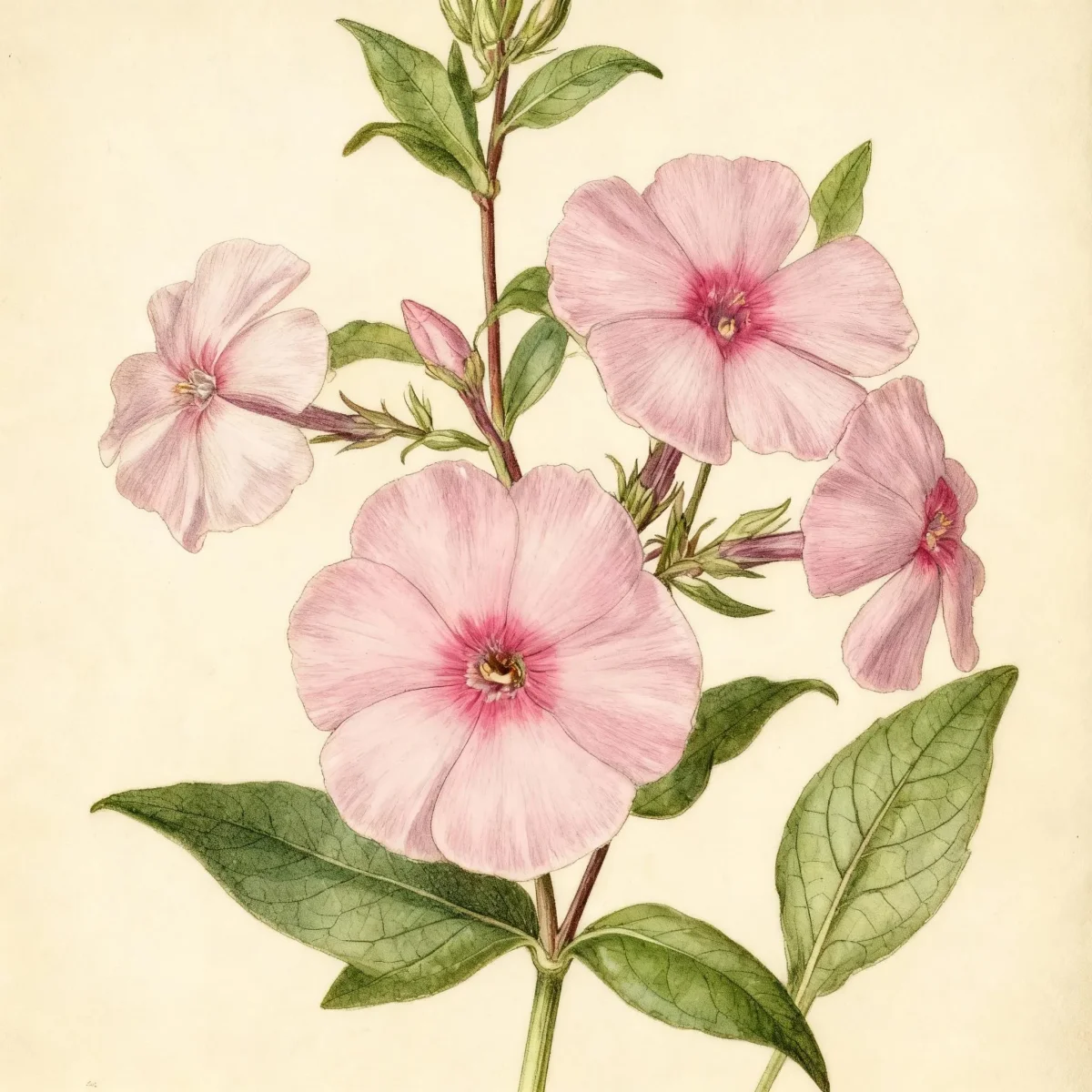
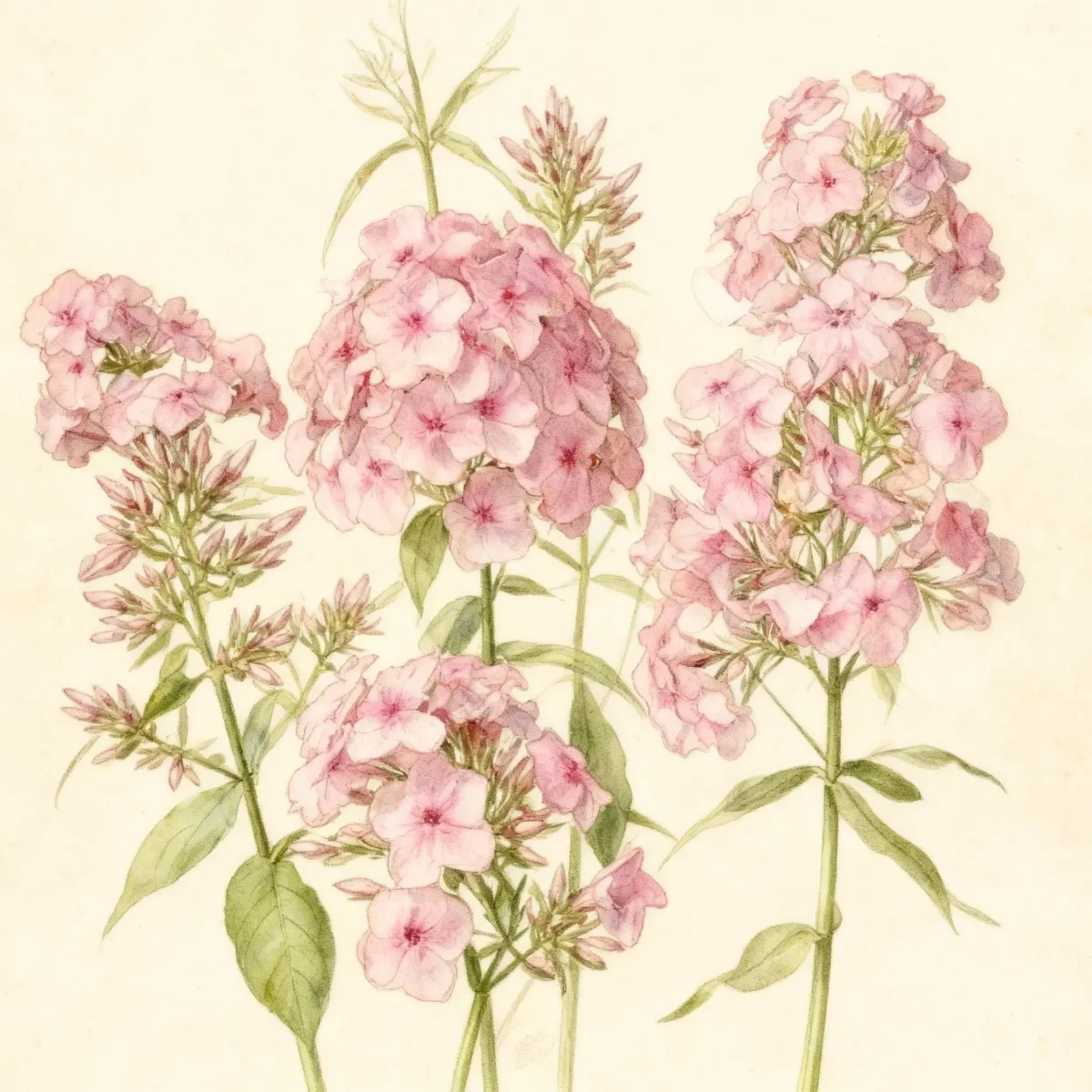
The ‘Ping Pong’ variety typically reaches heights between 1.5 and 2 feet, producing attractive clusters of light pink flowers accented by distinctive red eyes throughout June and July. As an Arendsii hybrid, this Phlox × arendsii ‘Ping Pong’ contributes excellent structure and reliable performance across hardiness zones 3 through 8, provided its cultural needs regarding soil moisture and air circulation are met.
For success with Phlox × arendsii ‘Ping Pong’, focus on placement that balances its need for bright light with good airflow to mitigate common foliar diseases. Its clean green foliage persists through the season, offering excellent background texture when the flowers are not in bloom, solidifying its role as a garden staple.
Fast Facts
- Plant Family: Polemoniaceae
- Plant Type: Herbaceous perennial
- Hardiness Zones: USDA Zones 3-8
- Size at Maturity:
- Height: 1.5-2 ft
- Spread: 1-1.5 ft
- Bloom Time: June to July
- Bloom Description: Light pink with red eye
- Sun Exposure: Full sun to part shade
- Water Needs: Medium
- Maintenance Level: Medium
How to Grow
Plant Phlox in the spring or fall in a location that receives full sun for the best flowering performance, though light afternoon shade is tolerated. This genus thrives in moderately fertile, well-drained soil with consistent medium moisture. Rich, organic soils are preferred, so incorporating compost at planting time will greatly benefit establishment.
Maintenance for this Phlox centers on moisture management and ensuring good air circulation around the foliage. Water deeply during dry spells, remembering that this plant is intolerant of drought, but strictly avoid overhead watering, which encourages fungal issues. While Phlox × arendsii ‘Ping Pong’ appreciates a summer mulch to keep its roots cool, spacing plants adequately is crucial to promote airflow and reduce the risk of powdery mildew.
No staking is generally required as the stems are naturally stiff and upright. Pruning is minimal; remove spent flower heads (deadheading) lightly if desired, although this might not significantly impact the overall look of this robust perennial. Apply a light application of fertilizer in early spring if soil quality is poor to support its vigorous growth cycle through summer.
Landscape Uses
Phlox × arendsii ‘Ping Pong’ excels when situated in perennial borders where it can provide a mid-height focal point among lower-growing groundcovers or taller structural plants. Its upright, conical habit prevents it from flopping, maintaining clean lines throughout the growing season. Groupings of three or five plants create more impact, utilizing the mid-summer color burst of light pink flowers.
Use this reliable Phlox variety at the middle layer of a mixed border, perhaps behind shorter, early-summer bloomers like shorter Salvia varieties or near ornamental grasses that will mature later in the season. Because the Phlox tolerates clay soil and black walnut, it offers planting flexibility in challenging sites where many other perennials struggle. Butterflies are particularly drawn to the clusters of star-shaped blooms.
Standout Features
Flower Qualities
- Showy
- Fragrant
Noteworthy Characteristics
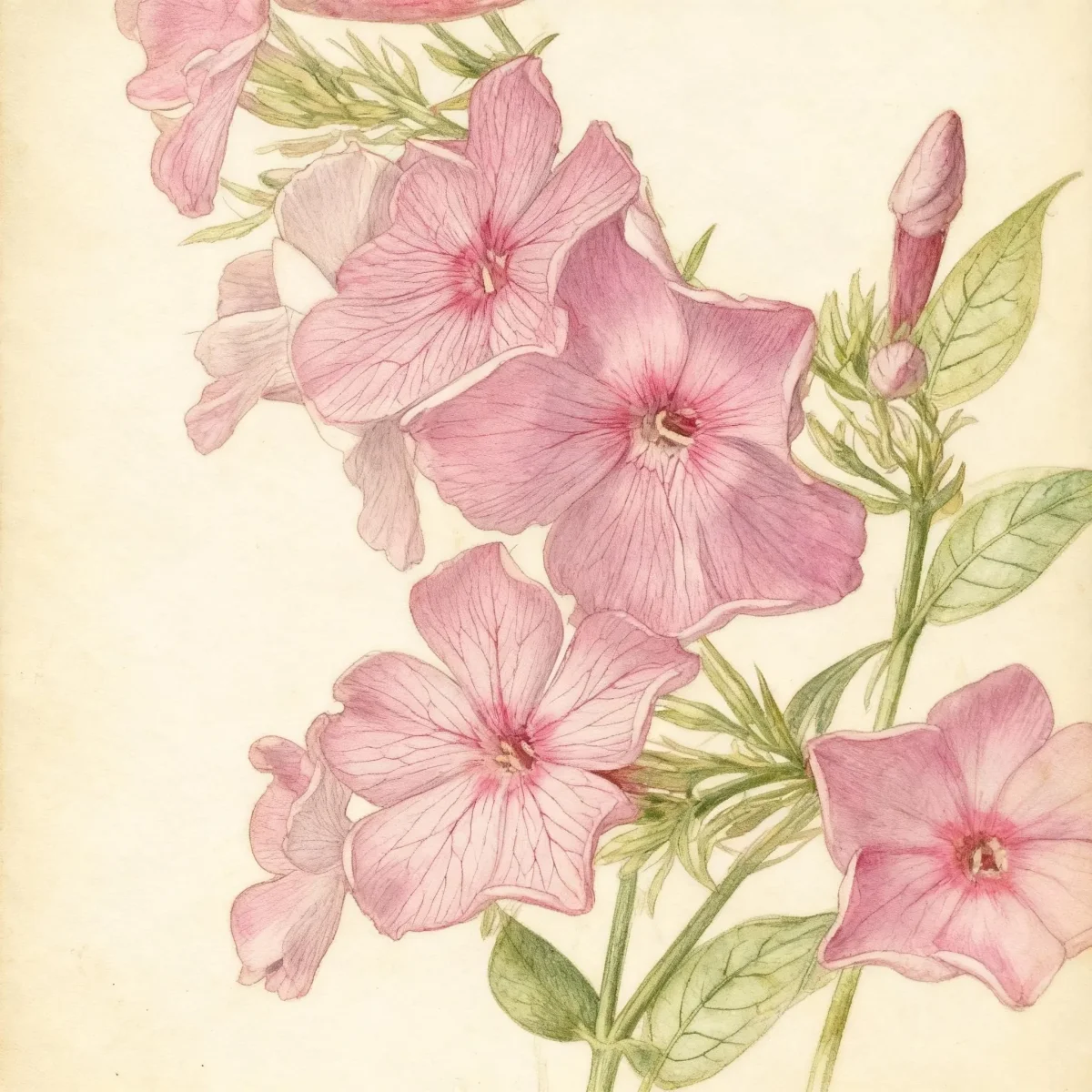
Arendsii hybrids are crosses between Phlox paniculata and Phlox divaricata, combining the strong blooms of the former with the compact habit of the latter. This upright, conical perennial supports stiff stems clad with narrow, deep green leaves. The cultivar ‘Ping Pong’ specifically produces clusters of light pink flowers with striking rose-red eyes from June into July.
Tolerances
- Deer
- Clay Soil
- Black Walnut
Potential Problems
Be aware that successful cultivation of Phlox often hinges on preventing the most common afflictions. Powdery mildew and root rot pose the most serious threat, particularly when plants are crowded or watered improperly. To prevent mildew, ensure excellent air circulation by spacing plants well and thin dense interior stems as needed; always water the soil directly, avoiding wetting the leaves. In hot, dry periods, spider mites and plant bugs can become problematic, requiring immediate treatment if infestations occur, often by hose blasting or applying insecticidal soap.
Frequently Asked Questions
What hardiness zones is Phlox suitable for?
Phlox × arendsii ‘Ping Pong’ is reliably hardy across USDA Zones 3 through 8, making it a versatile choice for many temperate gardens.
How large does Phlox × arendsii ‘Ping Pong’ grow?
This variety typically matures to a height between 1.5 and 2 feet tall with spreads ranging from 1 to 1.5 feet wide.
When does Phlox bloom?
This Phlox variety blooms consistently during the early summer months, typically from June to July, showcasing its signature light pink flowers with a deep red eye.
What sun exposure does Phlox need?
For optimal flowering and health, Phlox prefers full sun, though it can survive in areas receiving partial shade; however, shade may reduce bloom density and increase mildew susceptibility.
Conclusion
The Phlox × arendsii ‘Ping Pong’ is an invaluable addition to the mixed border, providing consistent structure and wonderfully scented, showy blooms during the peak of summer. By ensuring adequate sunlight and excellent drainage while managing moisture carefully to avoid overhead watering, you can enjoy this adaptable Phlox for many seasons. Check your soil type and site conditions against its ideal needs now to plan for successful spring planting.
Companion Planting
Selecting compatible neighbors is key when designing a border around Phlox × arendsii ‘Ping Pong’. Since this perennial prefers rich, moist, well-drained soil and full sun, pair it with other plants that share these requirements for balanced maintenance. Consider shorter companion plants whose foliage can help shade the soil around the Phlox roots during hot spells, keeping them cool. Good partners include companionable mid-summer bloomers like Catmint (Nepeta), Bearded Iris, or various forms of ornamental Alliums that finish flowering before the Phlox reaches its peak.
Wildlife Benefits
This specific strain of Arendsii hybrid Phlox is highly valued by pollinators, especially butterflies, which are frequently noted exploring the long corolla tubes of the individual florets. Planting ‘Ping Pong’ contributes significantly to summer pollinator support in your garden ecosystem. Because it is deer tolerant, gardeners in suburban or wooded settings can expect the flowers to remain intact for visitors other than butterflies, ensuring consistent visual appeal and nectar for beneficial insects.