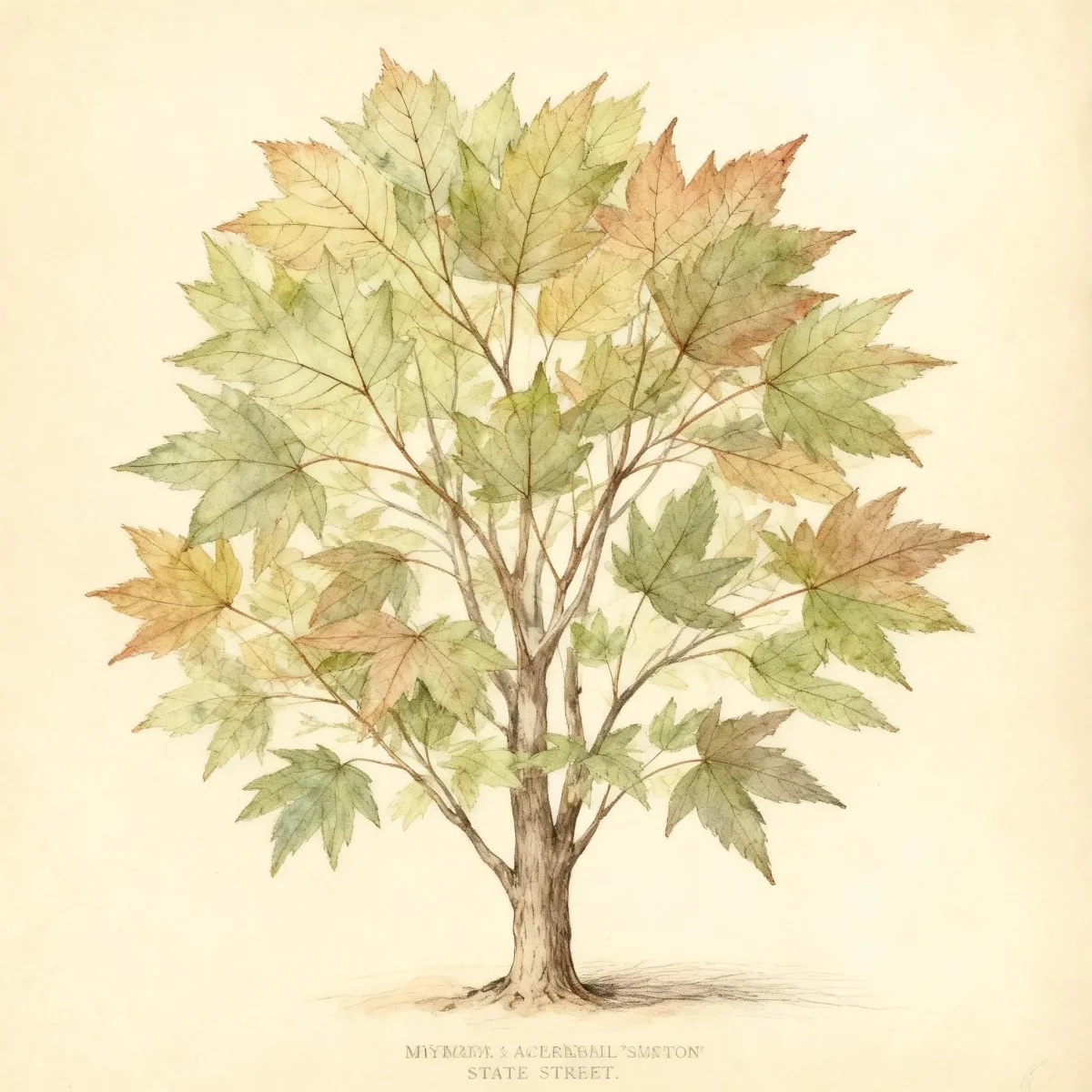
Miyabe maple (Acer miyabei 'Morton' STATE STREET)
Discover Acer miyabei 'Morton' STATE STREET, a low-maintenance Miyabe maple perfect as a street or shade tree, offering crisp green leaves and yellow fall color in Zones 4-8.
Scroll down to discover growing tips, care requirements, companion plants, and more
Complete Plant Information
Overview
The Miyabe maple, specifically the ‘Morton’ STATE STREET cultivar, is a highly valued deciduous tree known for its robust adaptability and attractive structure. This cultivar of Acer miyabei offers gardeners an excellent North American street tree alternative, boasting an upright, rounded habit and reliable performance. It matures into a pleasing small to medium-sized specimen, ideal where space is slightly limited compared to larger maple varieties.
Acer miyabei ‘Morton’ STATE STREET delivers crisp green summer foliage that transitions reliably into appealing pale to rich yellow tones in the autumn. Its relatively low maintenance requirements combined with its tolerance for urban conditions make the Miyabe maple a practical choice for modern landscapes, parks, and streets. Gardeners appreciate its symmetry and the attractive rough, corky bark that develops interesting orange-brown fissures with age.
Originating from a parent tree discovered at the Morton Arboretum, STATE STREET is an improved variety selected for superior ornamental qualities. This specific selection excels as a street tree, providing essential shade without excessive future pruning or significant disease susceptibility.
Fast Facts
- Plant Family: Sapindaceae
- Plant Type: Tree
- Hardiness Zones: USDA Zones 4-8
- Size at Maturity:
- Height: 30-40 ft
- Spread: 30-40 ft
- Bloom Time: April
- Bloom Description: Greenish yellow
- Sun Exposure: Full sun to part shade
- Water Needs: Medium
- Maintenance Level: Low
How to Grow
Planting the Miyabe maple is best accomplished in the spring or fall, allowing the root system time to establish before temperature extremes. Choose a location that provides full sun to light shade, as this tree performs best with ample light. While adaptable, the tree thrives in average, slightly acidic soils that are medium in moisture content and possess excellent drainage.
Water needs for established Acer miyabei ‘Morton’ STATE STREET should be met consistently; aim for medium moisture levels, especially during dry periods. While the tree handles brief drought once established, consistently dry soils should be avoided for optimal health and growth development. Fertilizing is generally unnecessary unless grown in extremely poor soils, as this maple is not demanding culturally.
Pruning should focus primarily on removing any damaged or crossing branches during the dormant season to maintain the desired oval-rounded canopy shape of the STATE STREET maple. Because it develops attractive bark and a symmetrical form naturally, extensive structural pruning is rarely required. Prepare for winter by ensuring adequate moisture before the ground freezes, especially for young trees.
Landscape Uses
The inherent strength and shape of Acer miyabei ‘Morton’ STATE STREET make it an exceptional choice for structural plantings throughout the landscape. It functions excellently as a dedicated Shade Tree or Street Tree, offering uniform coverage without becoming overwhelmingly large. Its symmetrical branching pattern suits formal settings or as an accent specimen on residential properties where space allows for its 30-40 foot mature size.
This Miyabe maple is highly recommended as a sustainable substitute for ash trees, filling a vital void in many contemporary streetscapes vulnerable to emerald ash borer. Consider planting it where you need a reliable focal point, perhaps near entryways or lining driveways. It can also function beautifully as an understory tree within larger woodland garden designs where it receives filtered light.
When pairing plants, select companions that share its preference for medium moisture and slightly acidic soil. Hostas, astilbes, or shade-tolerant hydrangeas work well under the canopy of the mature Acer miyabei ‘Morton’ STATE STREET, providing visual interest in the understory.
Standout Features
Flower Qualities
- Insignificant
Noteworthy Characteristics
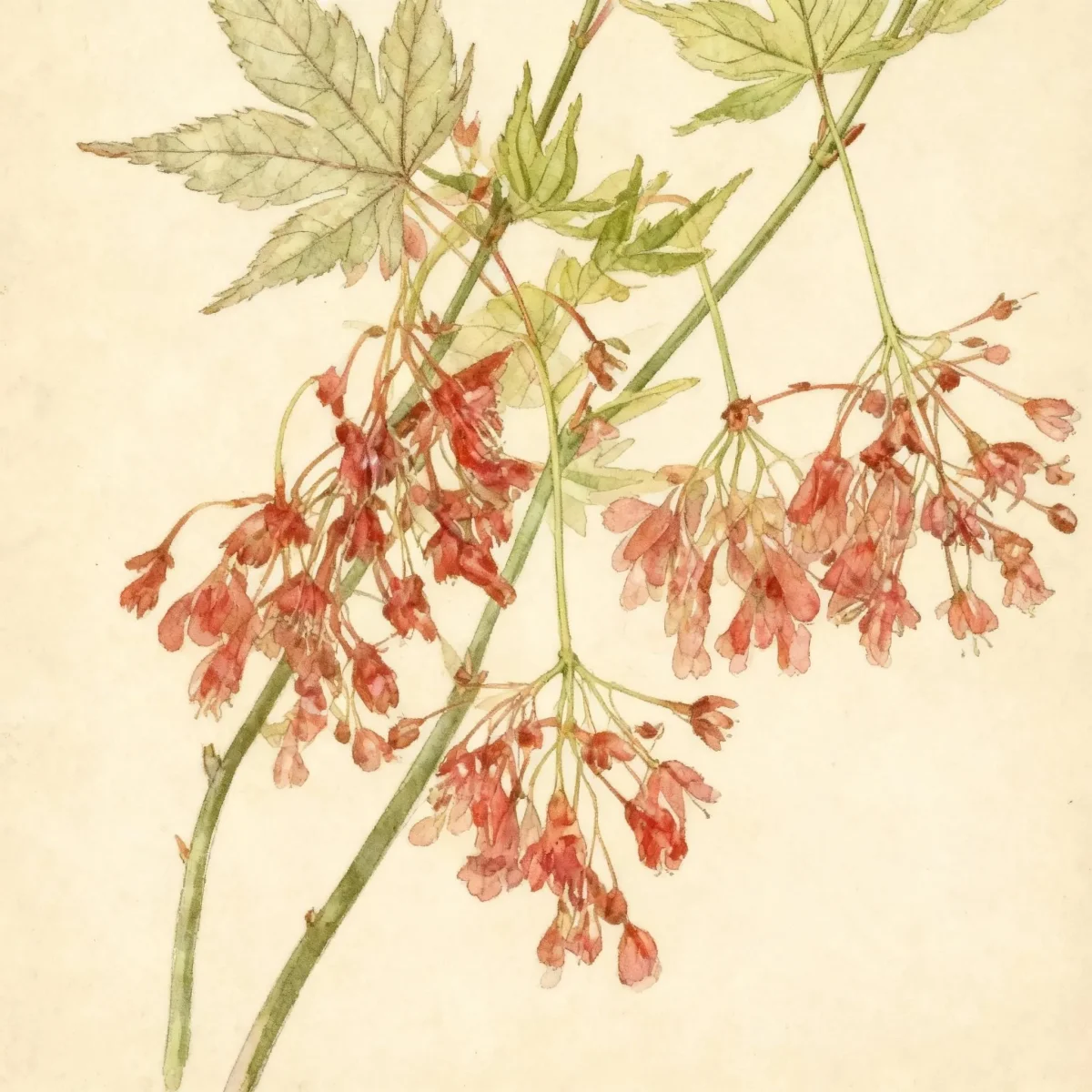
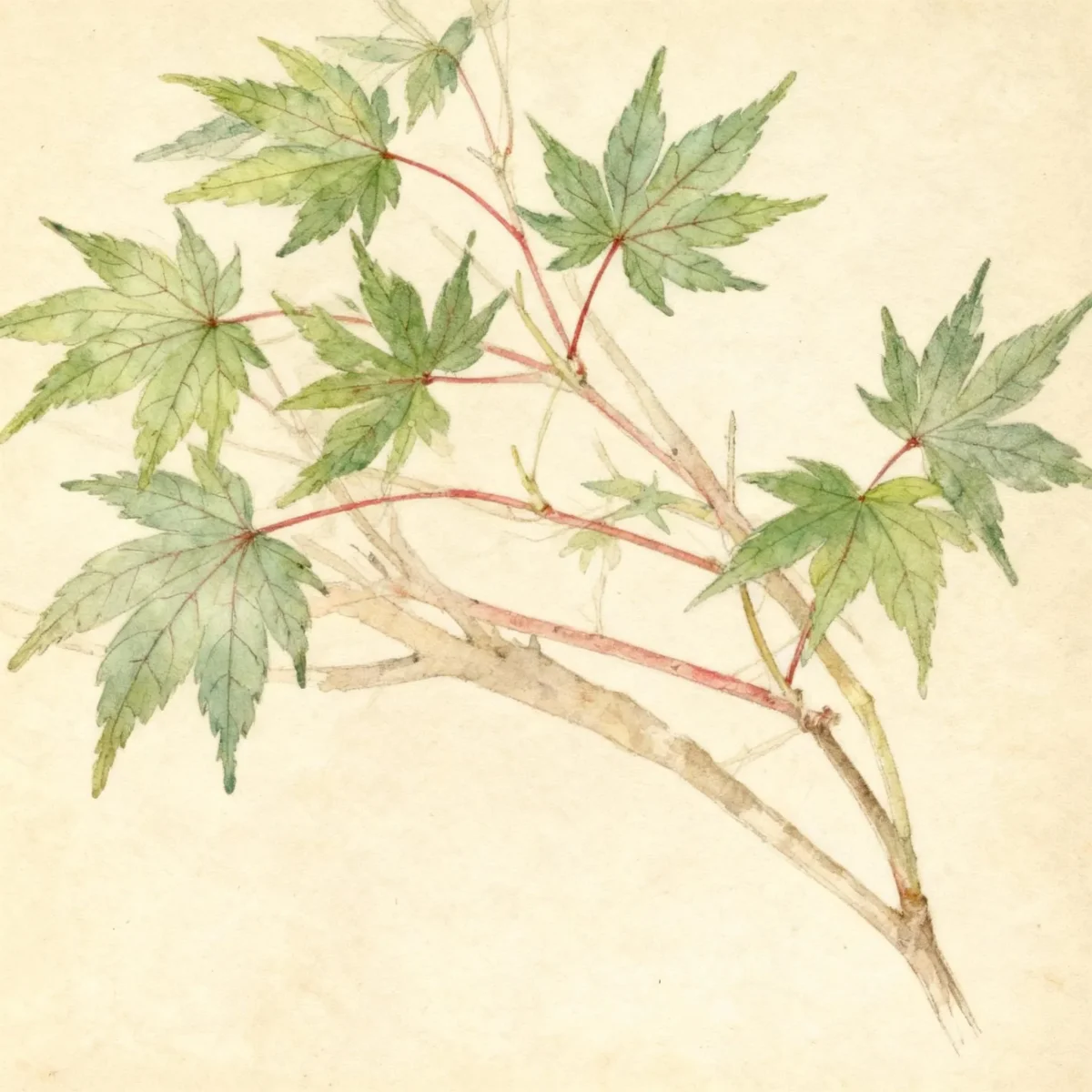
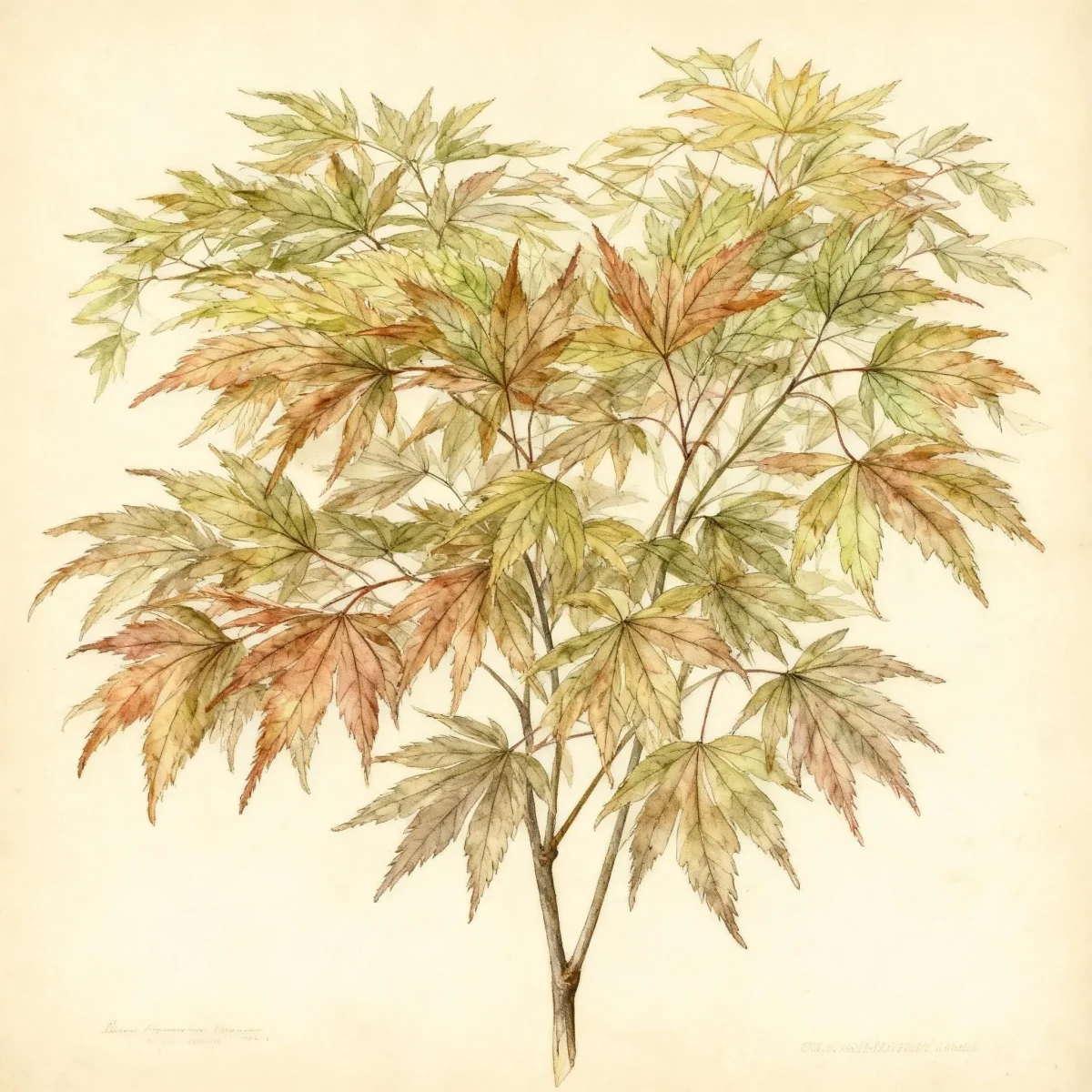
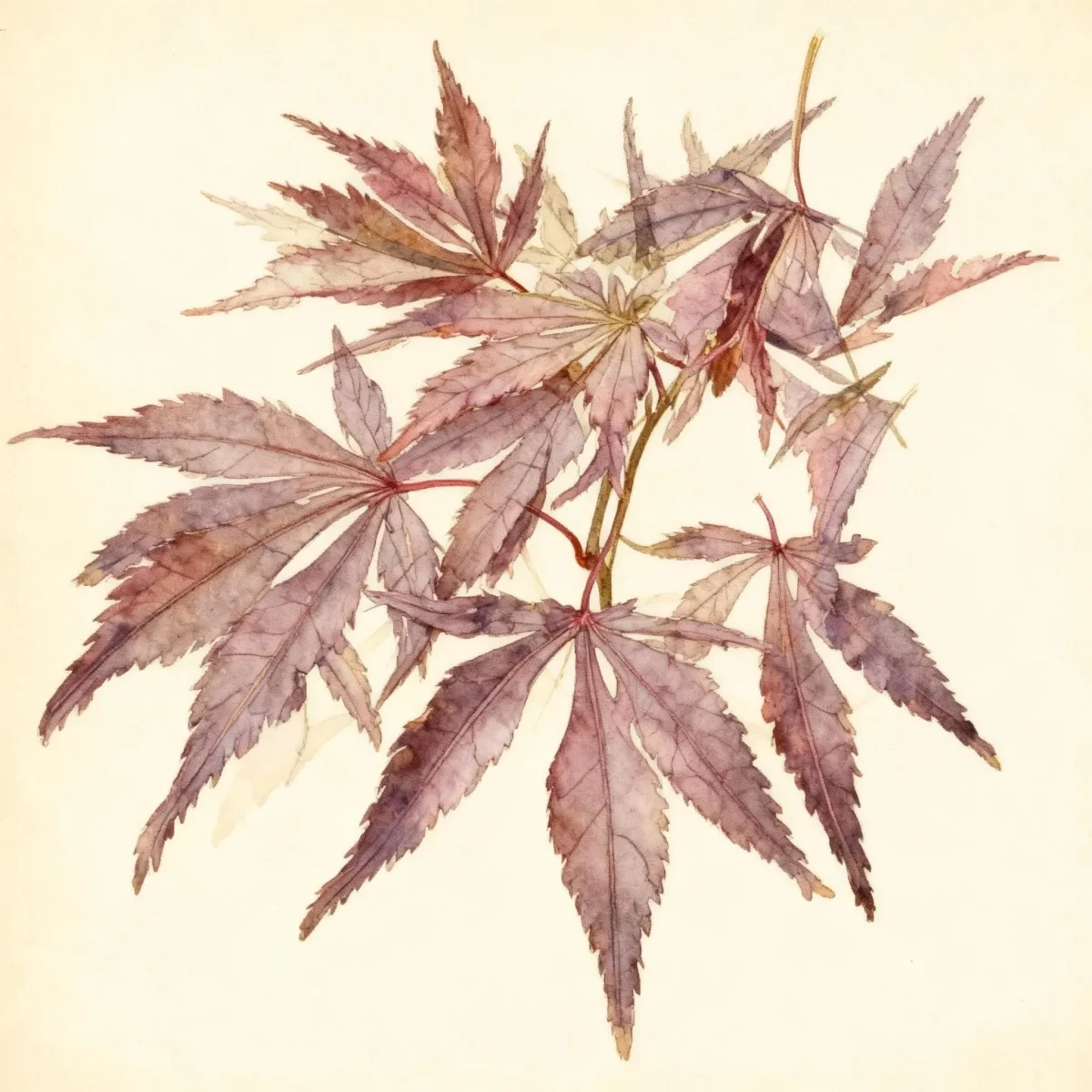
Acer miyabei, commonly called Miyabe maple, is a deciduous, small to medium, oval to oval-rounded tree that typically grows to 25-40’ tall. It is native to a few scattered locations near streams and rivers in Hokkaido, Japan where it is now endangered in the wild. Five-lobed, palmately-veined, flat to semi-glossy, dark green leaves (each to 3-5” long) have acuminate, bluntly dentate leaf lobes with deep sinuses. Leaves retain good green color into October before turning pale to rich yellow. Leaf stalks contain a milky sap. Ornamentally insignificant yellow-green flowers in erect, 10-15 flowered corymbs bloom in spring (April-May) as the new leaves are beginning to develop. Flowers give way to two-winged samaras (each samara to 1” long) with wings spreading to 180 degrees. Rough corky gray-brown bark develops attractive orange-brown fissures with age, eventually becoming scaly with fluting. This species was first grown in the U. S. At the Morton Arboretum in Lisle, Illinois.Genus name is the Latin name for a maple tree.Specific epithet is named after Professor Kingo Miyabe (1860-1951), Japanese botanist, who discovered this tree growing in the wild on Hokkaido Island in northern Japan. Tree was subsequently described by Karl Maximowicz in 1888.‘Morton’ was introduced by Chicagoland Grows under the trademarked name of STATE STREET as an improved variety. STATE STREET is noted for its attractive upright rounded growth habit, symmetrical branching, crisp green leaves, and quality yellow fall color.
Tolerances
No data provided for specific tolerances besides cultural preferences.
Potential Problems
This cultivar is generally praised for having no serious insect or disease problems, offering a significant benefit over more susceptible maple species. Avoid cultural stress, such as planting in heavy clay that retains too much water or allowing the soil to become excessively dry, as stress can invite secondary issues. Monitoring for standard maple pests is good practice, but serious infestations or diseases are uncommon for Acer miyabei ‘Morton’ STATE STREET.
Frequently Asked Questions
What hardiness zones is Miyabe maple suitable for?
The Acer miyabei ‘Morton’ STATE STREET Miyabe maple is suitable for USDA Hardiness Zones 4 through 8.
How large does Acer miyabei ‘Morton’ STATE STREET grow?
This tree typically reaches a mature height of 30 to 40 feet, with a comparable spread of 30 to 40 feet.
When does Miyabe maple bloom?
The tree blooms in April, producing inconspicuous greenish yellow flowers as its new leaves begin to emerge.
What sun exposure does Acer miyabei ‘Morton’ STATE STREET need?
This maple prefers full sun to part shade conditions for best growth and foliage color.
Conclusion
The STATE STREET Miyabe maple stands out as a low-maintenance, structurally sound choice for effective urban landscaping, providing dependable shade and superior yellow fall color. Make the Miyabe maple a centerpiece in your next streetscape or yard replacement plan by confirming your planting site falls within Zones 4-8 before preparing the soil this season.
Companion Planting
When selecting groundcover or understory plantings for your Acer miyabei ‘Morton’ STATE STREET, focus on species that thrive in dappled light environments. Plants that appreciate consistent, medium soil moisture complement the Miyabe maple’s cultural needs perfectly. Consider hardy ferns or shade-tolerant bulbs like snowdrops or scilla for early spring interest before the maple’s canopy fully develops.
Good structural companions include native shrubs that offer contrasting texture, such as certain varieties of Witchhazel (Hamamelis) which bloom later, or serviceberry (Amelanchier), which shares a similar, manageable size profile when young. These combinations enhance the overall ecological value of the planting area around your STATE STREET maple.
Seasonal Care Calendar
Spring focus should be on observing new growth emergence and ensuring adequate moisture as the tree leafs out. Early spring is the ideal time for any necessary light pruning to shape the young crown of the Miyabe maple. Summer care revolves around monitoring for signs of drought stress, especially during extended hot spells, and watering deeply if the soil feels dry several inches down.
In the fall, enjoy the rewarding yellow foliage display from your Acer miyabei ‘Morton’ STATE STREET. Before the ground freezes, perform a deep, thorough watering to ensure the roots are hydrated for winter dormancy—this is particularly critical for trees planted within the last three years. Winter care is minimal; protect the trunk of very young trees from winter sunscald or rodent damage if necessary.