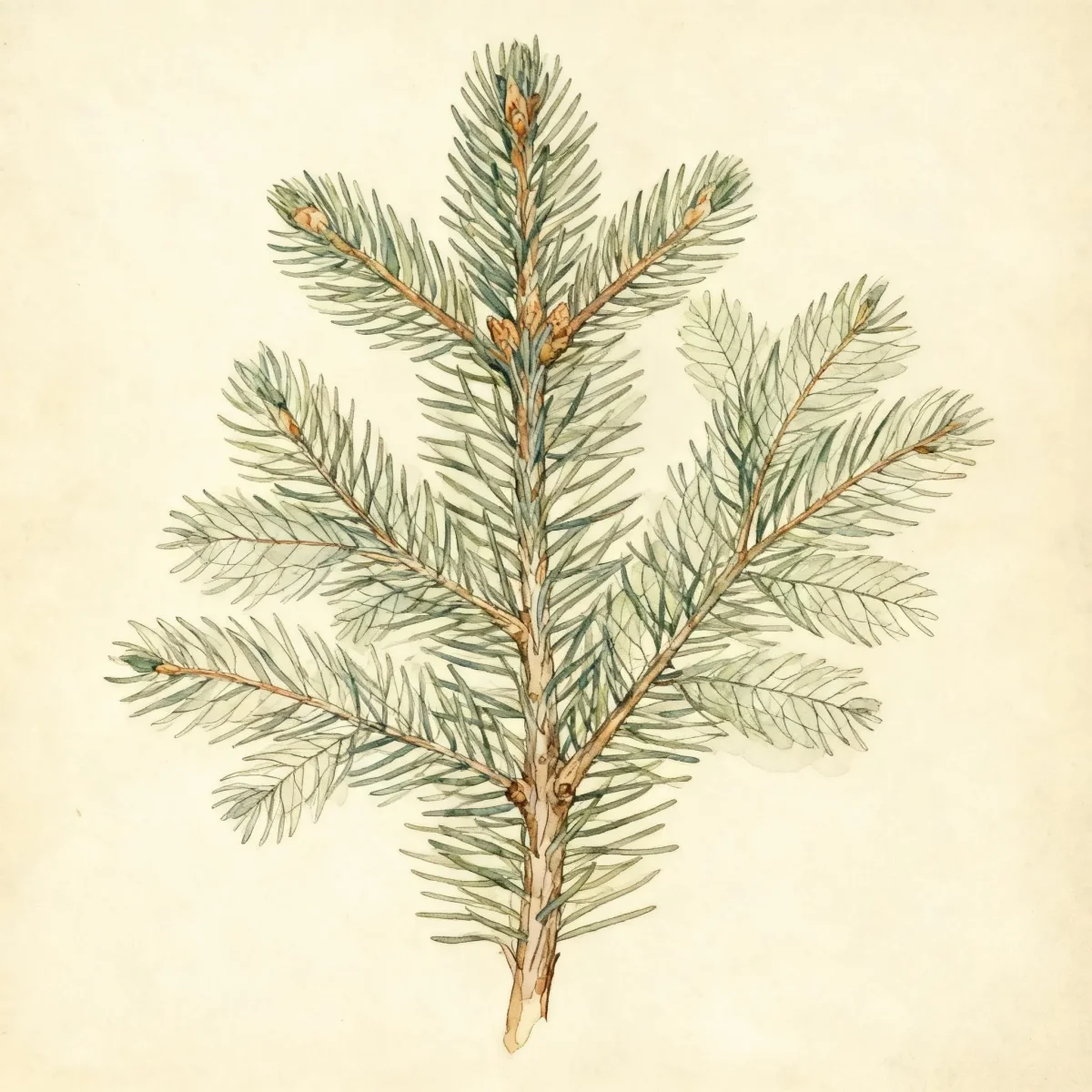
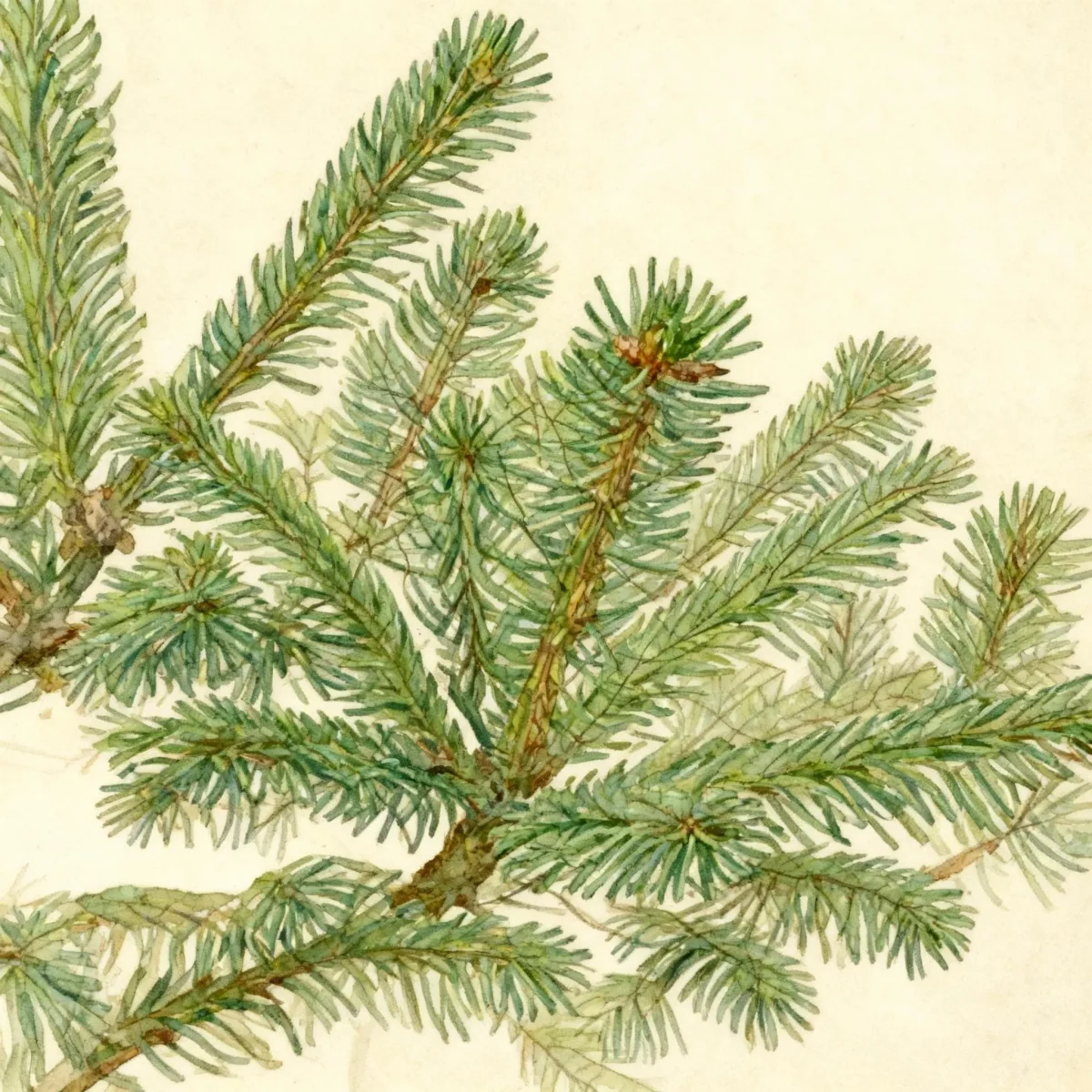
Black spruce (Picea mariana 'Nana')
The Picea mariana 'Nana' is a slow-growing dwarf Black spruce, perfect for rock gardens in USDA Zones 3-7.
Scroll down to discover growing tips, care requirements, companion plants, and more
Complete Plant Information
Overview
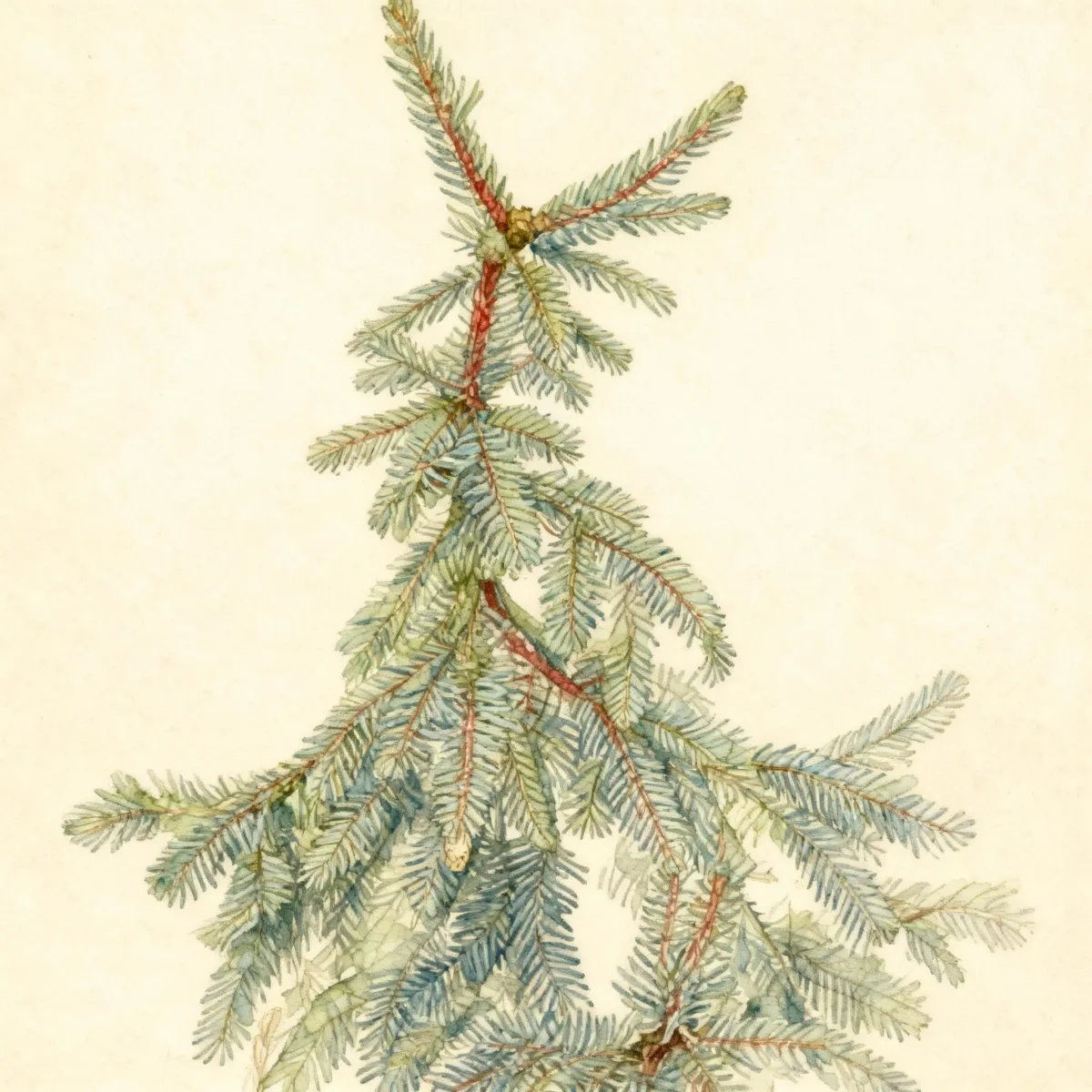
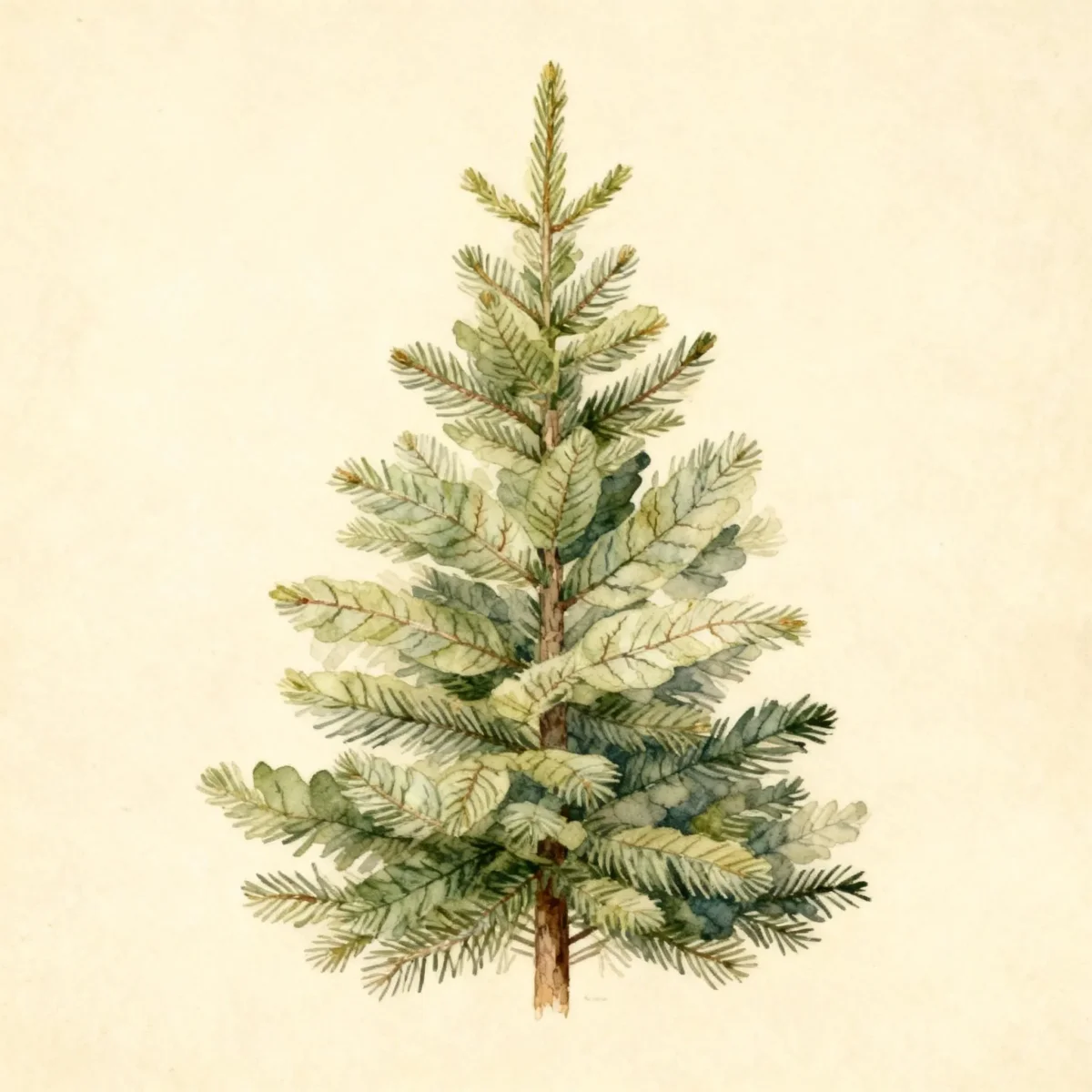
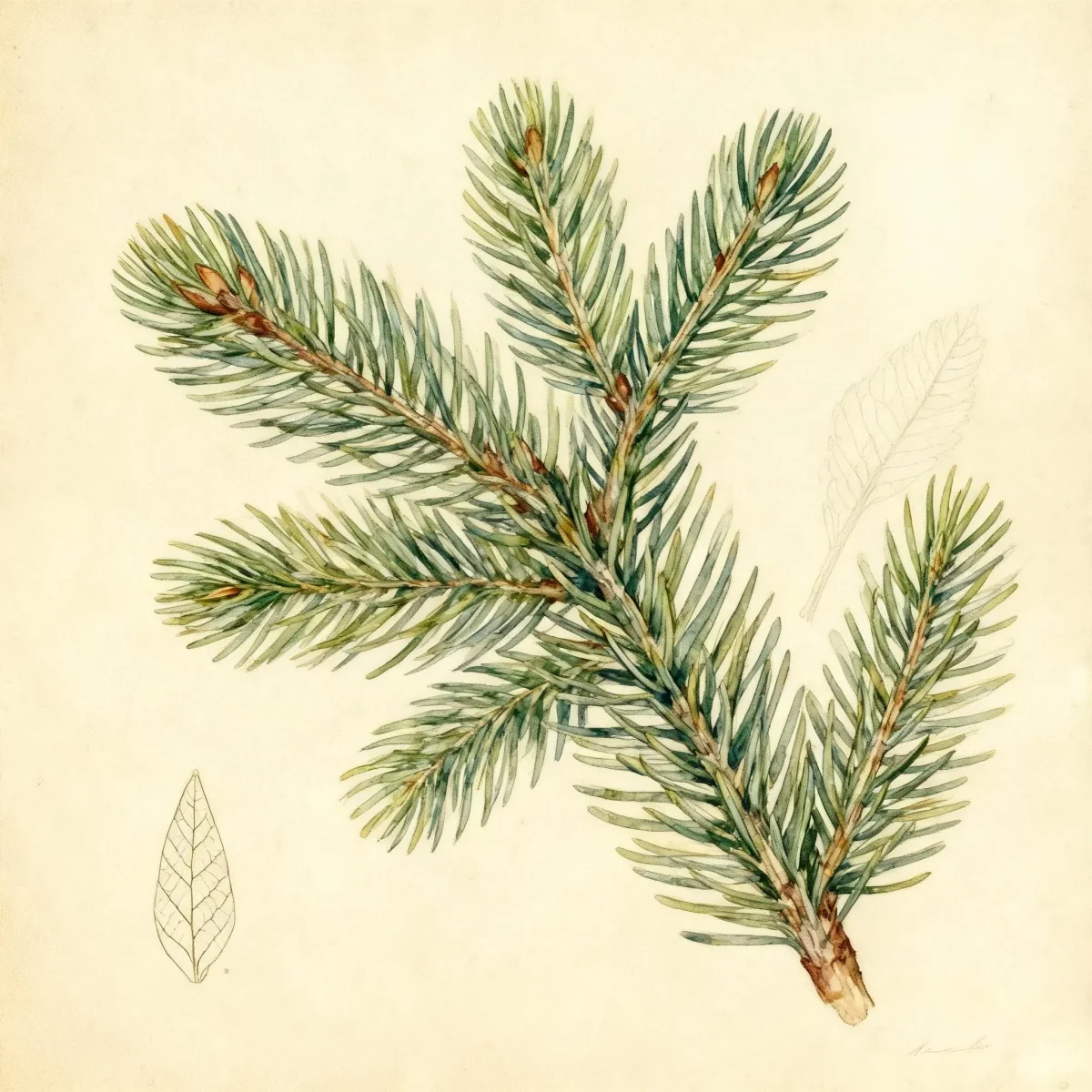
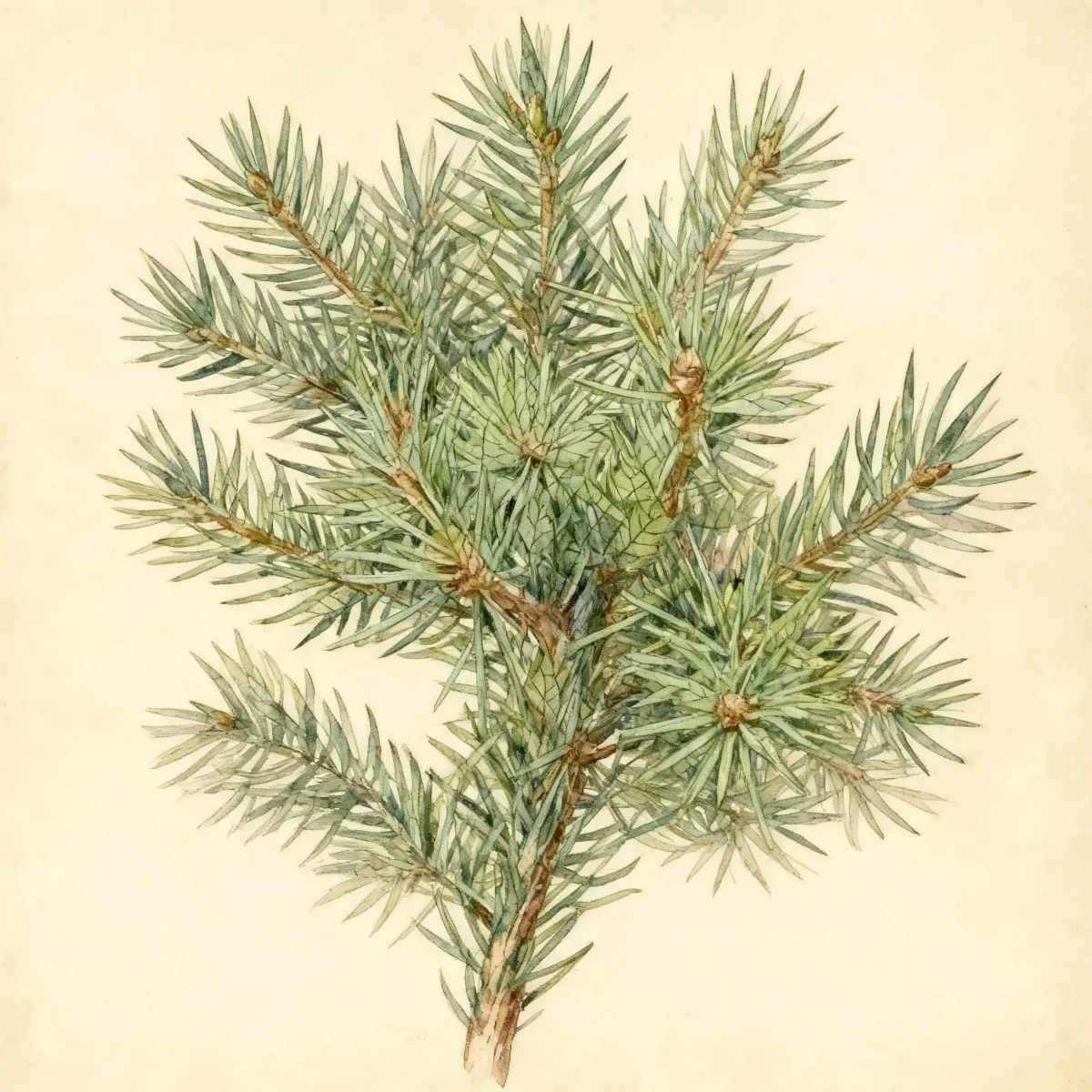
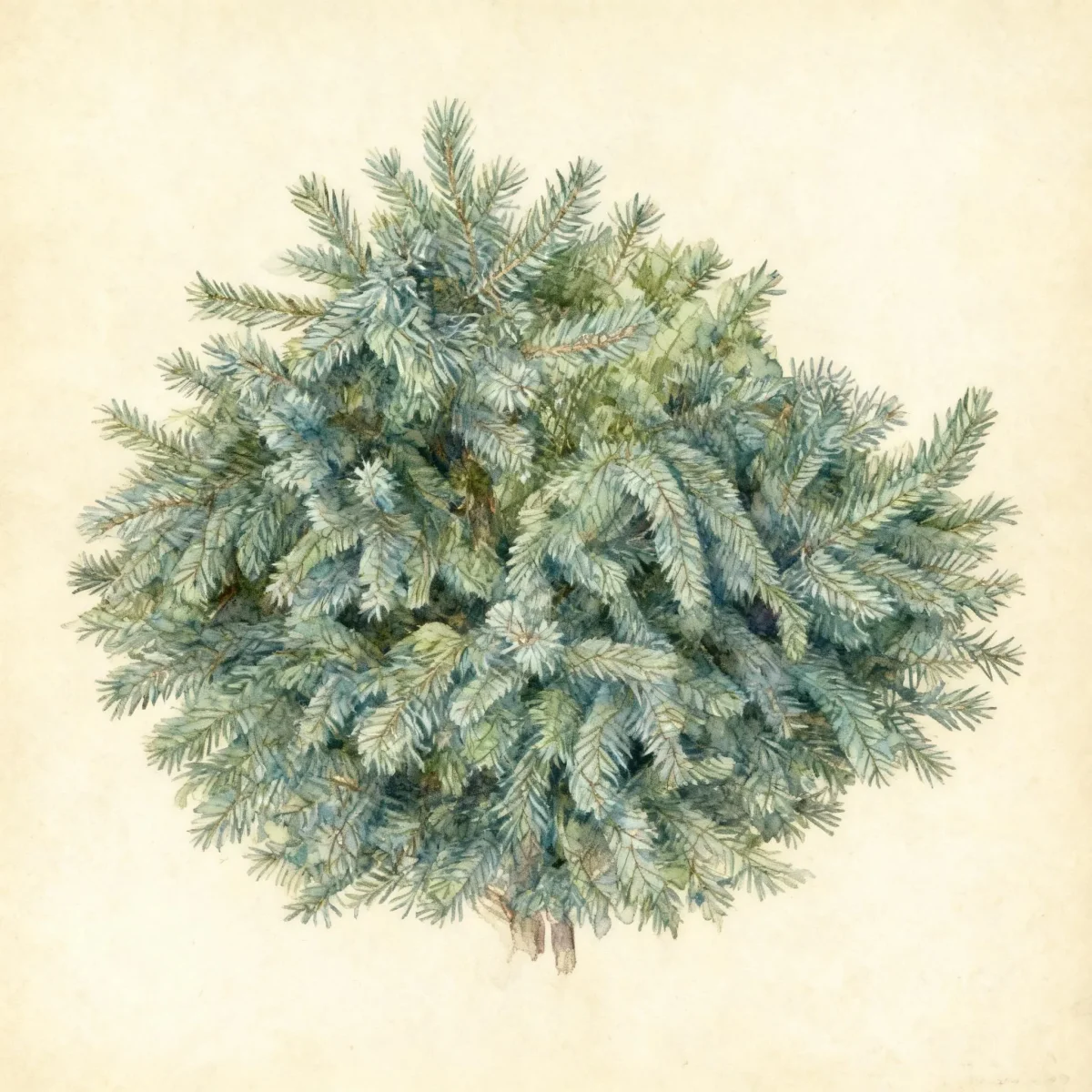
The Picea mariana ‘Nana’, often known as dwarf Black spruce, is a cherished cultivar valued for its compact, dense, rounded form, reaching only 1 to 2 feet tall. This slow-growing evergreen provides year-round texture and color, making it an excellent accent piece in controlled garden spaces. While the full-sized Black spruce dominates the vast boreal forests, the cultivar offers the same rugged, blue-green aesthetic in a miniature package suitable for small landscapes.
Its ornamental value lies in its interesting shape, consistent evergreen foliage, and exceptionally small size, growing reliably at only one inch per year. This characteristic ensures minimal pruning is required to maintain its desired stature. The Picea mariana ‘Nana’ thrives in environments that mimic its native cold-climate origins.
Gardeners seeking evergreen structure without overwhelming space appreciate this dwarf conifer. Its dense mound habit contrasts beautifully against fine-textured groundcovers or used as a formal edge in rockery settings. Ensuring proper moisture during establishment is key to cultivating a robust, long-lived specimen of Black spruce ‘Nana’.
Fast Facts
- Plant Family: Pinaceae
- Plant Type: Needled evergreen
- Hardiness Zones: USDA Zones 3-7
- Size at Maturity:
- Height: 1-2 ft
- Spread: 2-3 ft
- Bloom Time: Non-flowering
- Bloom Description: Non-flowering
- Sun Exposure: Full sun
- Water Needs: Medium
- Maintenance Level: Low
How to Grow
Planting the Picea mariana ‘Nana’ is best done in the spring or early fall when temperatures are moderate. Locate it where it receives full sun, although the species tolerates slight afternoon shade. The most critical aspect of cultivation is soil preparation: this dwarf Black spruce requires acidic, moist, yet well-drained conditions. Avoid heavy clay soils that retain too much water.
Watering is crucial, particularly during the first few years of establishment. Keep the soil consistently moist but never waterlogged; these plants do not tolerate drying out initially. Once established, the roots are more resilient, and moisture needs decrease slightly, though consistent medium water is still required. Fertilization is generally unnecessary, as it tolerates average to poorer soils, though rich soils are preferred if available.
This cultivar generally requires little to no pruning to maintain its natural hassock shape. Focus maintenance efforts on managing weeds and ensuring adequate moisture, especially during hot, dry spells, as the Picea mariana ‘Nana’ prefers cooler climates and struggles in high heat and humidity. Be mindful that the species dislikes the intense heat often found in the deep South.
Landscape Uses
The diminutive size of Picea mariana ‘Nana’ makes it incredibly versatile for detailed landscape design. It excels as a specimen plant where its unique mounding texture can be fully appreciated, such as in a prominent rock garden niche or placed near an entryway foundation planting. Furthermore, its uniform, low profile works perfectly to define borders or create slow-growing, dense edging alongside paths.
Due to its need for acidic soil, consider pairing this dwarf Black spruce with other acid-lovers. Rhododendrons, Azaleas, and various low-growing Heathers create excellent texture and color contrasts while sharing its cultural needs. For low-maintenance ground cover areas where traditional lawn grasses struggle, the spreading habit of Picea mariana ‘Nana’ can serve as a permanent, structural anchor.
Utilize its evergreen nature in year-round displays. In winter gardens, the rich evergreen needles of the Black spruce stand out against snow or dormant perennials, offering essential structure when other deciduous plants are bare. Its neat, compact habit ensures that this popular dwarf conifer remains a low-commitment, high-impact addition to any planting scheme.
Standout Features
Noteworthy Characteristics
The Picea mariana ‘Nana’ is a spectacular slow-growing dwarf cultivar of the Black spruce, forming a dense, rounded mound typically reaching only 1 to 2 feet high with a slightly wider spread. It is prized ornamentally for its persistent, colorful evergreen foliage, appealing texture, and unique shape, growing very slowly—often only one inch per year. This characteristic makes the maintenance low and ensures its footprint remains small in the landscape.
Landscape Uses
- Specimen or accent for rock gardens, foundations, shrub borders.
- Small area groundcover.
- Edging
Tolerances
No specific tolerances were provided in the data, however, cultural needs imply tolerance for:
- Some light shade
- Average to poor soils (prefers rich)
Potential Problems
Picea mariana ‘Nana’ generally exhibits good health, avoiding serious insect or disease issues. However, vigilant gardeners should monitor for sporadic problems such as aphids, budworms, and bagworms. Infrequent threats include needle cast, needle rusts, and canker, alongside the natural threat of Eastern dwarf mistletoe in endemic areas. Prevention revolves around promoting strong vigor through correct soil moisture and airflow, which helps prevent fungal issues like needle cast.
Regular inspection, especially beneath the dense cover, allows early detection of pests. If bagworms are present, manually removing the silken bags before they mature is the most effective organic control method. Maintaining consistent moisture without overhead watering can reduce the incidence of fungal conditions affecting the attractive evergreen needles of this Black spruce cultivar.
Frequently Asked Questions
What hardiness zones is Black spruce (Picea mariana ‘Nana’) suitable for?
This dwarf evergreen is resilient across USDA Zones 3 through 7.
How large does Picea mariana ‘Nana’ grow?
This cultivar maintains a small stature, typically reaching a height between 1 and 2 feet, with a spread of 2 to 3 feet at maturity.
What sun exposure does Picea mariana ‘Nana’ need?
The Picea mariana ‘Nana’ requires full sun for optimal density and health, although it can withstand some light shade.
When does Black spruce bloom?
This conifer is non-flowering, meaning it does not produce noticeable flowers or ornamental blooms.
Conclusion
The Picea mariana ‘Nana’ offers exceptional appeal to gardeners needing permanent, low-maintenance structure in a diminutive package. Its dense, rounded habit and attractive evergreen foliage ensure visual interest throughout all four seasons, solidifying its role as a premier choice for rockeries and foundation plantings. Before planting, confirm that your site offers the acidic, medium-moisture conditions that the Black spruce requires, ensuring this slow-growing gem thrives for years to come.
Companion Planting
Selecting companions for Picea mariana ‘Nana’ involves matching its cultural demands for acidic pH, consistent moisture, and cool conditions. Consider pairing it with low-growing, spreading evergreens like certain varieties of creeping juniper or compact firs that share similar sun and water profiles. Areas benefiting from its dense, blue-green texture might also suit groundcovers known for thriving in acidic soil.
For seasonal variation, look toward flowering plants adapted to cool, partially shaded areas, provided the Picea mariana ‘Nana’ is situated in its preferred full sun location. Low-growing ericaceous shrubs such as dwarf Azaleas or dwarf Rhododendrons make excellent companions near the front of a border, complementing the evergreen texture without competing aggressively for root space, given the Black spruce’s slow growth rate.
Seasonal Care Calendar
Spring is the optimal time for a thorough inspection of your Picea mariana ‘Nana’ after winter dormancy. Check for any winter dieback and remove any lingering debris trapped beneath the dense foliage that might encourage fungal growth. This is also the best time to amend the soil slightly with acidic compost if drainage or pH improvement is necessary, though heavy fertilization is typically avoided.
Summer care centers almost entirely on attentive watering. Due to the Picea mariana ‘Nana’s’ preference for consistent moisture—especially while young—deep, slow watering during dry spells is essential to prevent the root zone from drying out, which is especially critical given its poor tolerance for the heat of the deep South. Avoid watering late in the evening to help reduce the risk of fungal diseases like needle cast overnight.
Cooler autumn temperatures signal the end of the stress period. Ensure the dwarf Black spruce is adequately hydrated before the ground freezes solid; this late-season watering is vital for evergreens entering winter dormancy. Minimal cleanup is usually required due to its slow growth and tidy, self-preserving shape in the winter months.