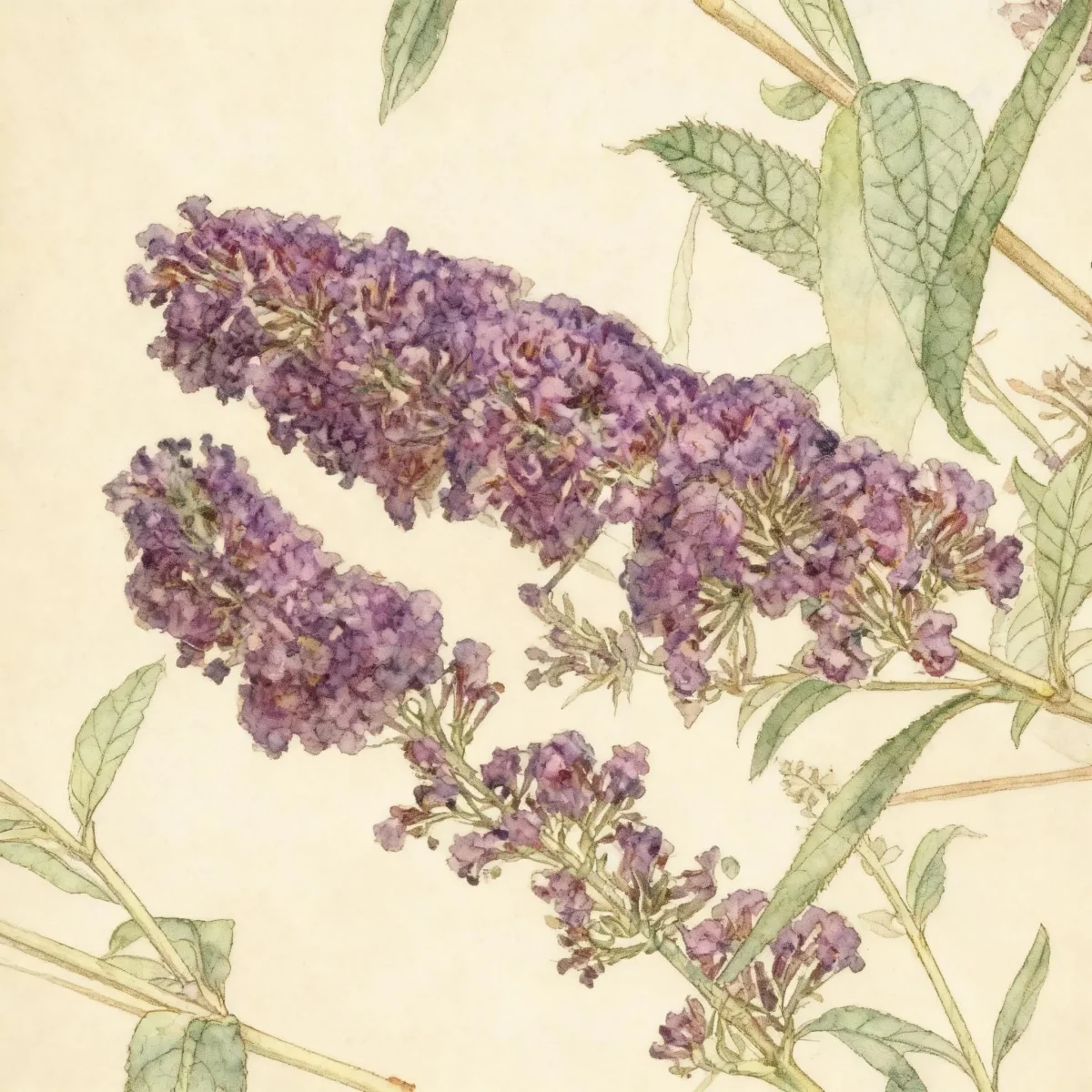
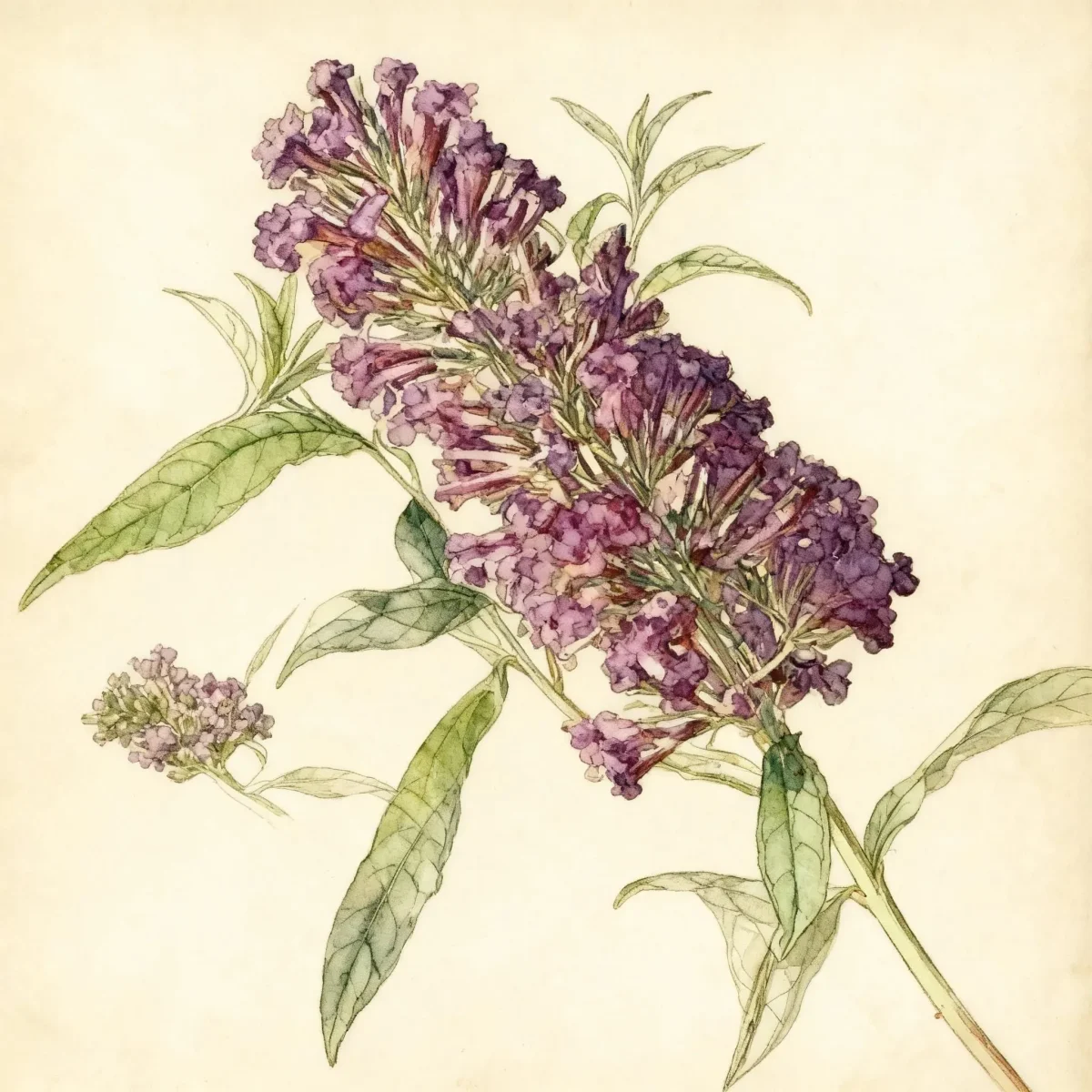
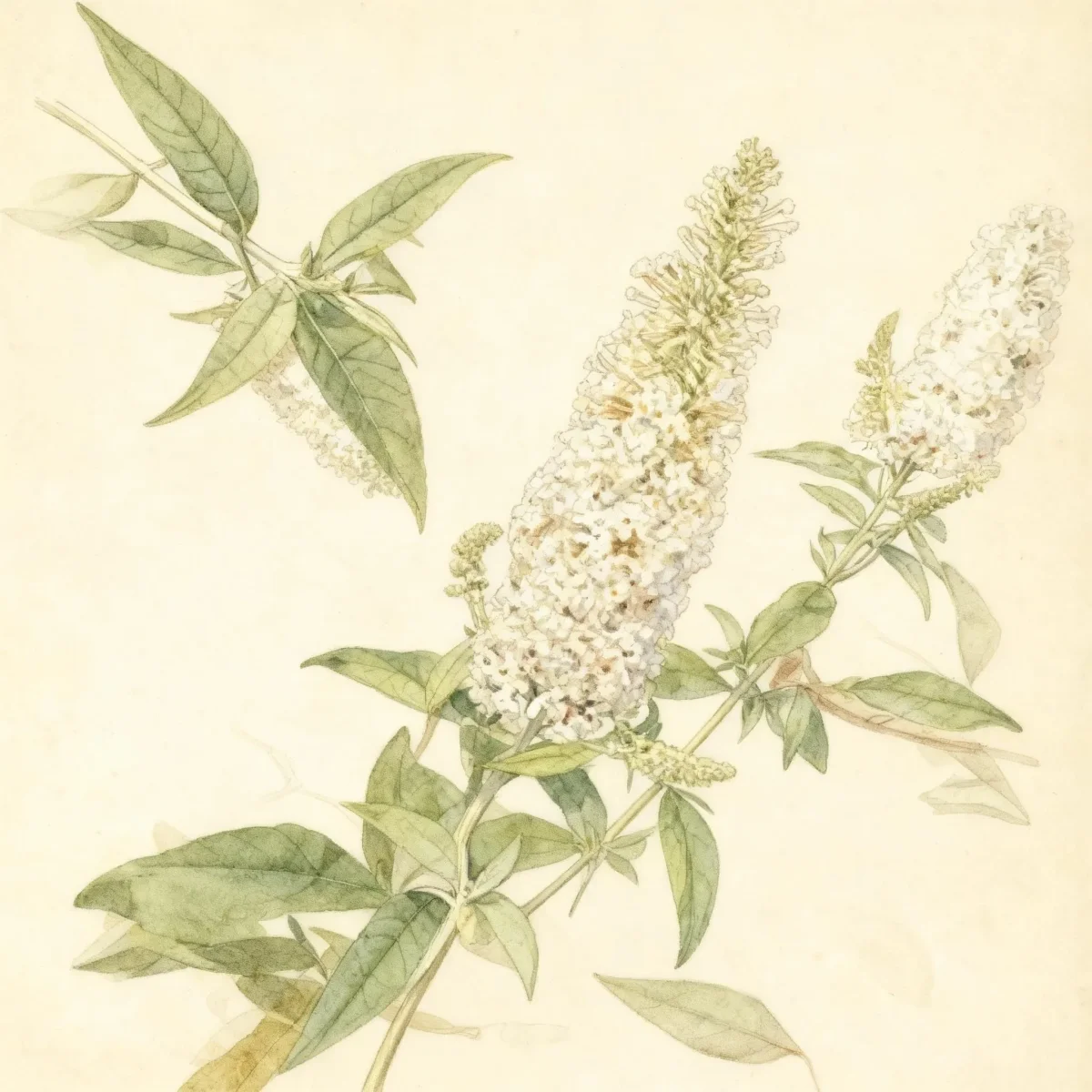
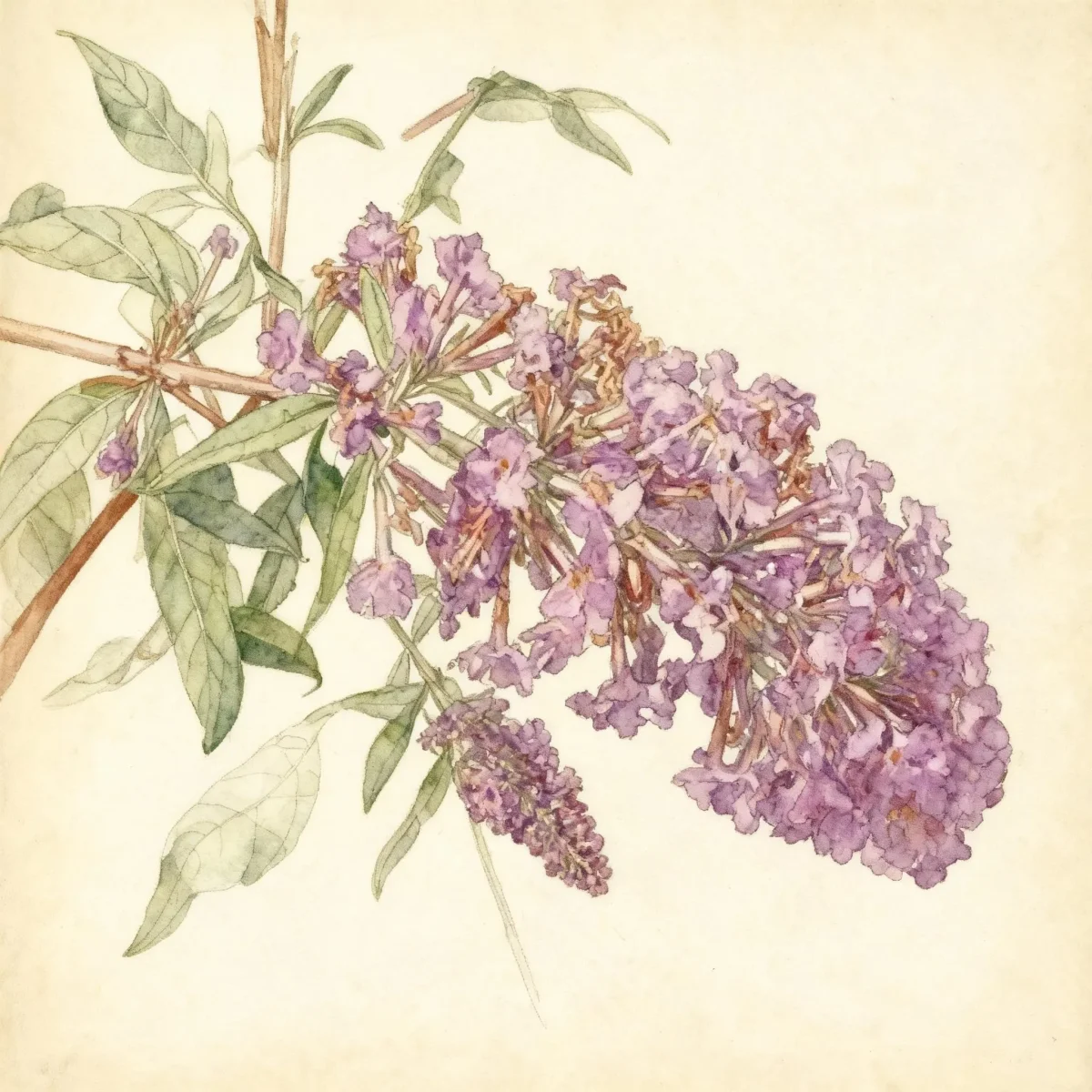
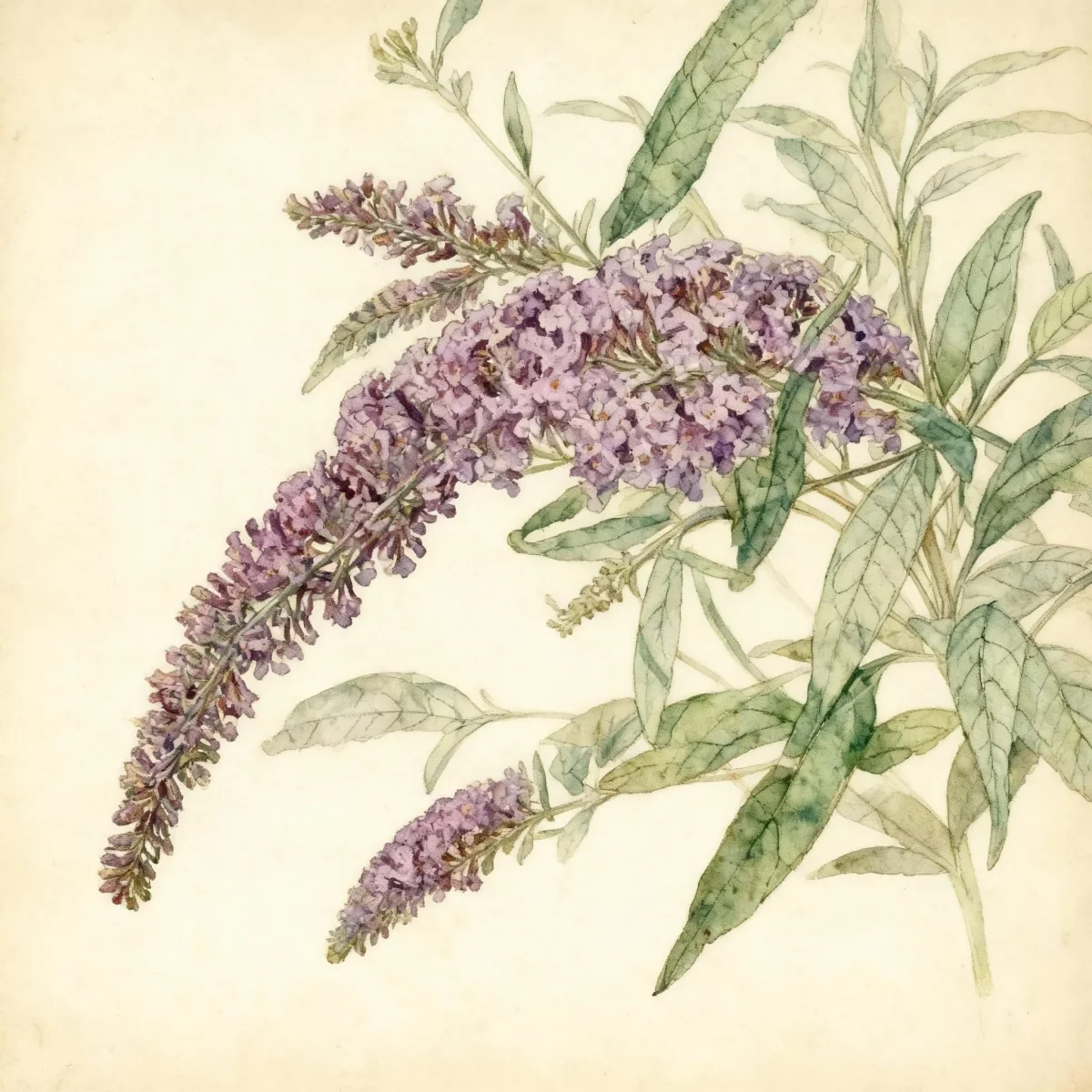
Butterfly bush (Buddleja 'Miss Ruby')
Stunning Buddleja 'Miss Ruby' offers continuous, fragrant, reddish-pink blooms from June to September. A low-maintenance Butterfly bush.
Scroll down to discover growing tips, care requirements, companion plants, and more

Complete Plant Information
Overview
Buddleja ‘Miss Ruby’ is a highly valued, compact cultivar of the popular Butterfly bush, celebrated for its extended season of vibrant color and strong appeal to pollinators. This specimen produces masses of showy, reddish-pink, fragrant flowers from early summer right through to the first fall frost. It offers a superior, manageable form compared to older varieties, making it excellent for smaller gardens or containers.
As a member of the LO AND BEHOLD series, Buddleja ‘Miss Ruby’ exhibits a dense, well-branched mound typically reaching 3 to 5 feet in height and spread. Gardeners appreciate this Butterfly bush for its low maintenance requirements and its ability to provide continuous visual interest throughout the warmest months. Its near-sterility ensures it remains tidy, producing few seeds and rarely suckering.
This deciduous shrub thrives best when situated in brilliant full sun, where it displays its best performance and color saturation. While adaptable, ensuring good drainage is key to success with Buddleja ‘Miss Ruby’. Overall, it is an excellent choice for gardeners seeking high-impact, reliable color with minimal fuss, all while supporting local butterfly populations.
Fast Facts
- Plant Family: Scrophulariaceae
- Plant Type: Deciduous shrub
- Hardiness Zones: USDA Zones 5-9
- Size at Maturity:
- Height: 3-5 ft
- Spread: 3-5 ft
- ** bloom Time:** June to September
- Bloom Description: Reddish-pink
- Sun Exposure: Full sun
- Water Needs: Medium
- Maintenance Level: Low
How to Grow
Plant Buddleja ‘Miss Ruby’ during the spring or early fall when the soil is workable, ensuring a location that receives unfiltered sunlight for the entire day. This plant prefers average, well-drained soil with medium moisture content. While it adapts well to clay soil, proper amendment prior to planting will significantly improve drainage, which is crucial, as this Butterfly bush does poorly in wet or soggy conditions.
Watering should be consistent, especially during the establishment period, maintaining medium soil moisture. Once established, Buddleja ‘Miss Ruby’ is reasonably drought-tolerant but performs best with supplemental water during prolonged dry spells. Fertilization is generally unnecessary, reflecting its low-maintenance nature, though performance may diminish if sunlight is inadequate.
Pruning in late winter or early spring is highly recommended. For plants in Zones 5 and 6 where dieback may occur, cutting the stems close to the ground promotes vigorous new growth and superior flowering. Even where it remains evergreen, cutting back hard each year maintains a better, bushier shape. Deadheading spent spikes is generally not required, as this cultivar flowers continuously without intervention.
Landscape Uses
One of the major appeals of Buddleja ‘Miss Ruby’ is its versatility. Its manageable size (3-5 feet) makes it perfect for the front or middle drifts of mixed borders where continuous summer bloom is desired, long after spring perennials fade. It integrates beautifully into cottage gardens or can be used to provide seasonal color accents around structure plantings.
Because it offers attractive summer to early fall blooms, ‘Miss Ruby’ is an excellent choice to bridge the gap between early summer roses and the late-blooming asters. It also performs exceptionally well as a specimen in large containers, particularly when paired with trailing annuals or contrasting foliage plants. As the common name suggests, this Butterfly bush is a magnet for pollinators, integrating ecological benefits into stylish design work.
Standout Features
Flower Qualities
- Showy
- Fragrant
Noteworthy Characteristics
The genus Buddleja, commonly known as butterfly bush, contains about 100 species of shrubs, trees, and climbers native across several continents and is famed for its intense attraction to butterflies. Buddleja ‘Miss Ruby’ stems from research at the JC Raulston Arboretum, resulting in a hybrid with bright, reddish-pink terminal blooms that flower continuously from June through September. This cultivar is distinguished by its manageable size and reduced slipperiness compared to wilder forms.
Tolerances
- Rabbit
- Clay Soil
Potential Problems
Buddleja ‘Miss Ruby’ generally avoids serious issues with pests or diseases, offering reliable performance. Gardeners in the southern US should be aware that nematodes can sometimes pose a minor problem. Rabbits are noted to avoid browsing this particular variety, which is a benefit in wildlife-heavy settings.
A significant concern for any Butterfly bush owner is invasiveness. However, this specific cultivar, ‘Miss Ruby’, is intentionally bred to be nearly sterile, producing few seeds and exhibiting minimal suckering, which greatly reduces its invasive potential in the landscape compared to older types. Nevertheless, always check local regulations before planting, as invasiveness status can vary geographically.
Frequently Asked Questions
What hardiness zones is Buddleja ‘Miss Ruby’ suitable for?
This low-maintenance deciduous shrub thrives across USDA Hardiness Zones 5 through 9.
How large does the Butterfly bush ‘Miss Ruby’ grow?
This compact cultivar generally matures to a manageable size, reaching 3 to 5 feet tall and spreading 3 to 5 feet wide.
What sun exposure does Buddleja ‘Miss Ruby’ need?
For optimal flowering and dense habit, Buddleja ‘Miss Ruby’ requires full sun exposure daily.
When does Butterfly bush bloom?
This cultivar features a long bloom season, with reddish-pink flowers appearing continuously from June through September.
Conclusion
Buddleja ‘Miss Ruby’ delivers spectacular, season-long color coupled with exceptional pollinator attraction, all within a compact, low-maintenance package. Its adaptability to clay soil and reduced invasiveness make it a superior modern choice among the Butterfly bush selections. Before planting, confirm that your garden location meets its requirement for full sun and excellent drainage to ensure continuous performance.
Companion Planting
When planning your bed around Buddleja ‘Miss Ruby’, select plants that share its need for full sun and medium, well-drained soil. Consider pairing it with drought-tolerant perennials that bloom at different times to extend the garden interest. Good companions include ornamental grasses that provide textural contrast, or sturdy, sun-loving perennials such as Coneflowers (Echinacea) or Sedum ‘Autumn Joy’.
These companions help frame the upright habit of the Butterfly bush and ensure that the overall planting scheme remains vibrant throughout the season. Avoid placing Buddleja ‘Miss Ruby’ in areas that remain consistently wet, as this will encourage root stress and poor growth over time.
Wildlife Benefits
The primary ecological value of the Butterfly bush genus is its unmatched ability to draw in pollinators. Buddleja ‘Miss Ruby’ is specifically noted for its fragrant, reddish-pink flowers, which are highly attractive to butterflies, bees, and hummingbirds throughout the summer. Because this cultivar flowers so prolifically over such a long period, it provides a critical, reliable nectar source when other flora may be slowing down.
Even though this specific plant is bred to be nearly sterile, reducing concerns about spreading seed, its dense flower clusters still offer significant foraging opportunities. Using this plant ensures your garden is an active and welcoming stopover for migrating and local butterfly species.