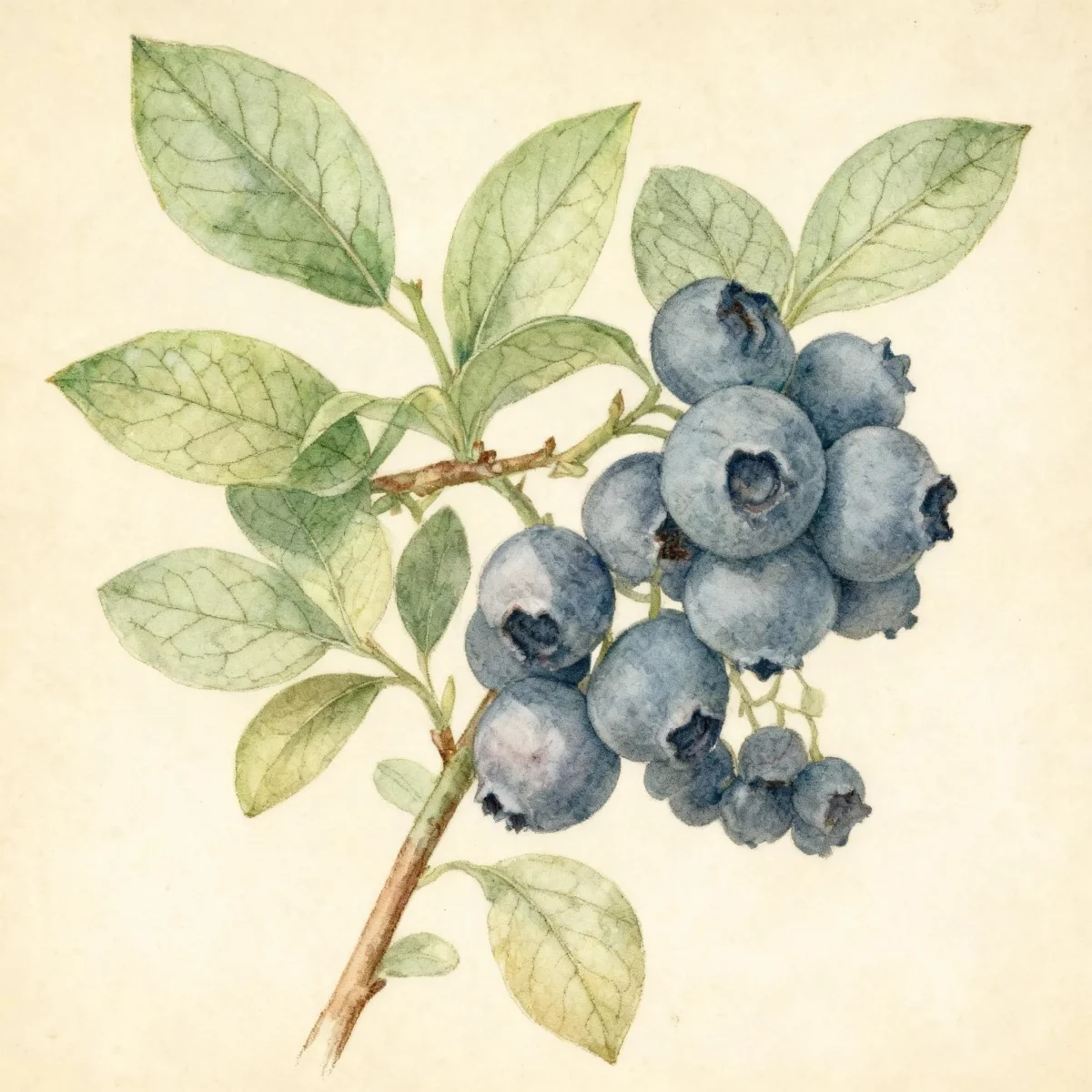
Highbush blueberry (Vaccinium 'Northcountry')
Vaccinium 'Northcountry' is a compact Highbush blueberry offering edible, showy fruit and good fall color in Zones 3-7.
Scroll down to discover growing tips, care requirements, companion plants, and more
Complete Plant Information
Overview
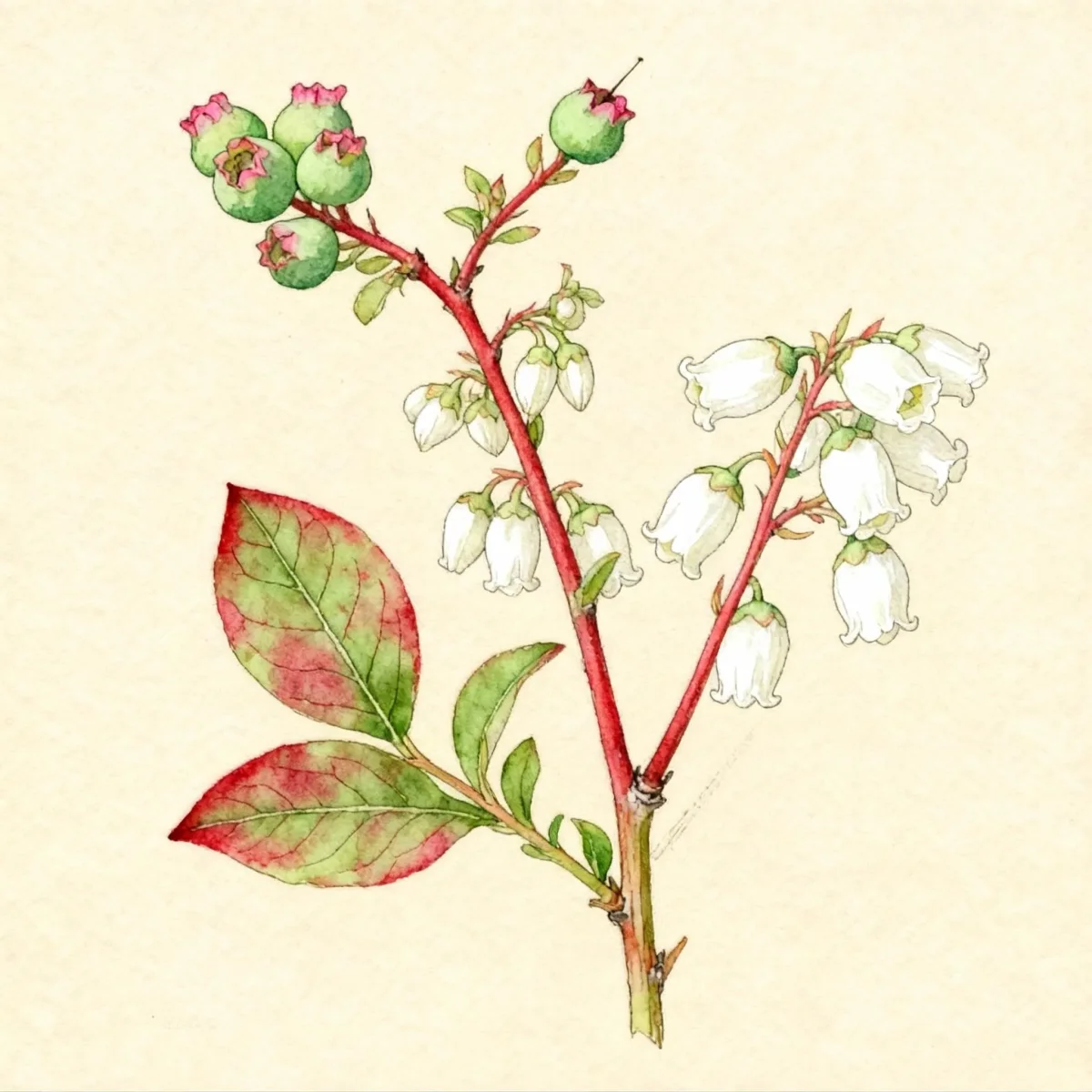
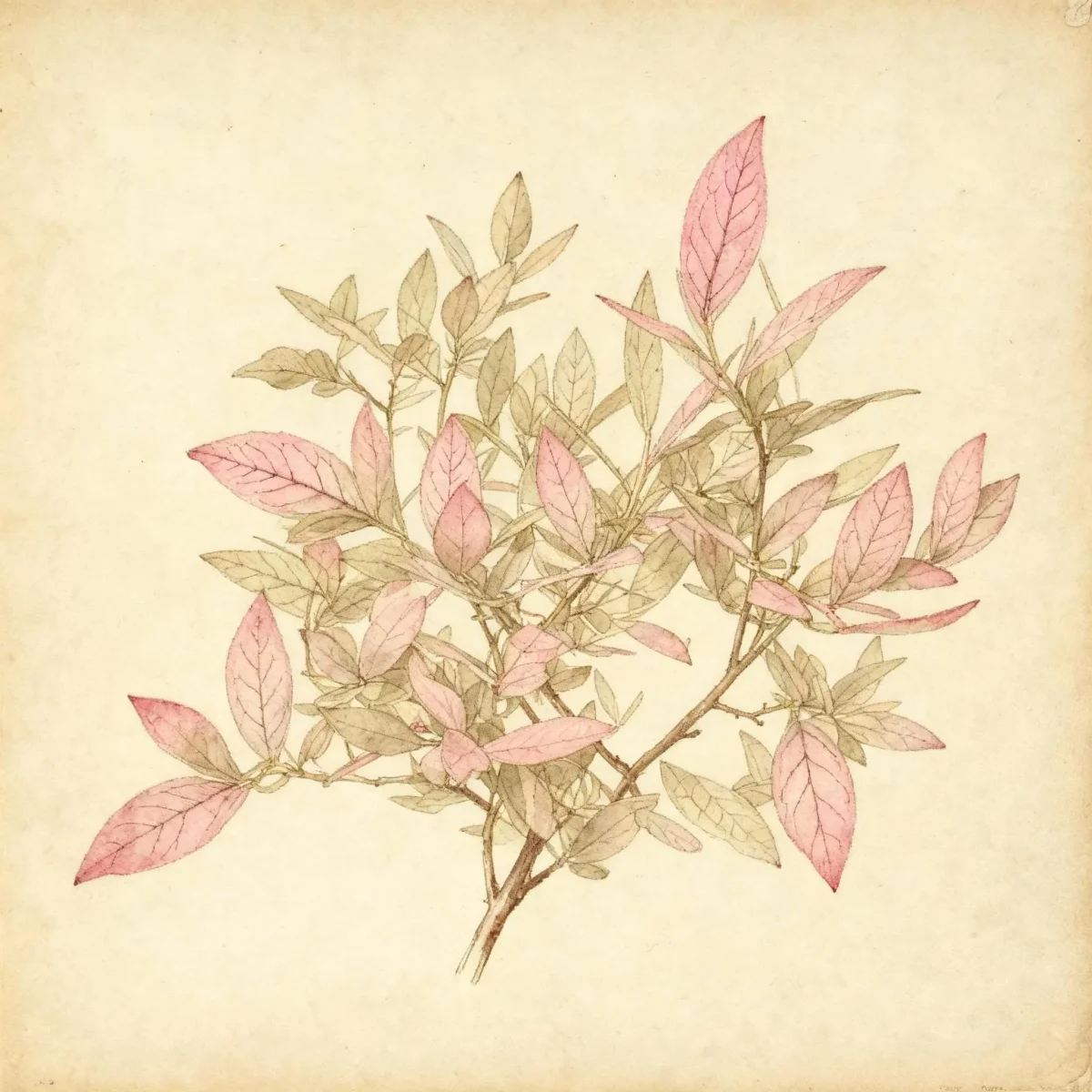
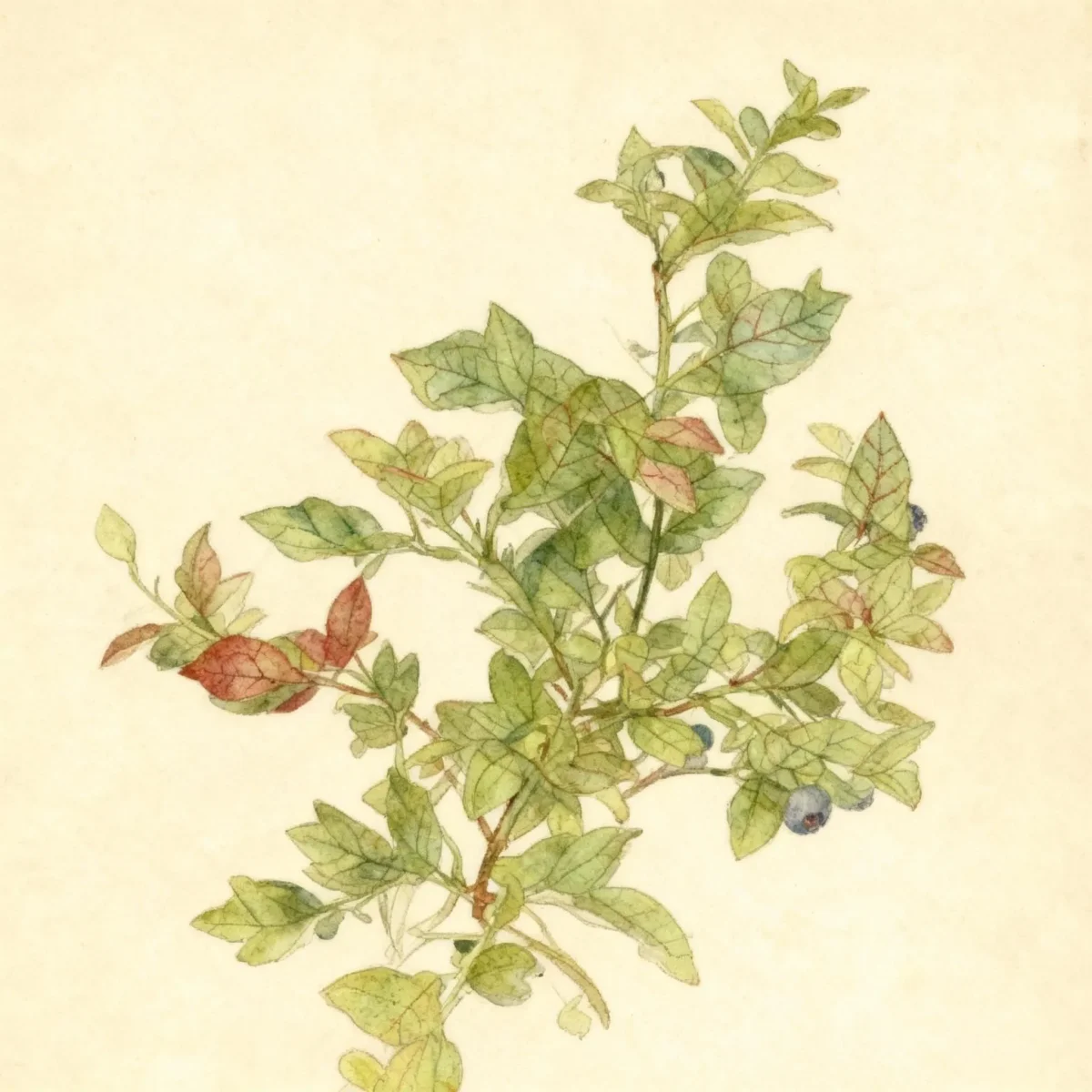
Vaccinium ‘Northcountry’ is a highly valued dwarf hybrid blueberry known for its excellent cold hardiness and compact stature, making it perfect for smaller gardens. This Highbush blueberry variety combines ornamental appeal, featuring lovely white flowers with a pink blush, with the reward of sweet, edible fruit. As a versatile shrub, the Vaccinium ‘Northcountry’ offers visual interest from spring blooms through to good fall color.
Growing this specific Highbush blueberry requires attention to soil acidity, mimicking its native environment for optimal health and fruit production. Its manageable size, reaching only 2 to 3 feet tall, allows for flexible placement in the landscape where many traditional blueberry types might become too large. Gardeners appreciate the productivity and relatively low risk of severe pest issues associated with this reliable cultivar.
For gardeners seeking reliable summer fruit combined with an attractive, low-maintenance shrub, Vaccinium ‘Northcountry’ is an outstanding choice. Proper site selection—ensuring acidic, moisture-retentive soil—is key to maximizing the yield and health of this dependable selection.
Fast Facts
- Plant Family: Ericaceae
- Plant Type: Fruit
- Hardiness Zones: USDA Zones 3-7
- Size at Maturity:
- Height: 2-3 ft
- Spread: 2-3 ft
- Bloom Time: May
- Bloom Description: White with pink blush
- Sun Exposure: Full sun to part shade
- Water Needs: Medium to wet
- Maintenance Level: Medium
How to Grow
Blueberries like Vaccinium ‘Northcountry’ perform best when planted in groups of two or more different cultivars to encourage cross-pollination, leading to superior yields. Ideal planting time is typically early spring, ensuring the plant is placed where it receives full sun to light part shade conditions. The non-negotiable requirement for success is acidic, organically rich, well-drained soil; aim for a pH between 4.0 and 5.2.
These Highbush blueberries have shallow, fibrous roots that demand consistent moisture but cannot tolerate standing water. Apply a generous layer of organic mulch annually to help regulate soil temperature, retain moisture, and slowly contribute organic matter. Water deeply and regularly, especially during fruit development and dry spells.
In the first two years after planting, it is crucial to remove all flowers to divert the plant’s energy into developing strong vegetative growth rather than setting fruit. Begin structural pruning in late winter starting in the third growing season. Pruning should aim to remove old, unproductive canes to encourage sunlight penetration and air circulation, which promotes robust new fruiting wood for this cold-hardy Vaccinium selection.
Landscape Uses
The compact nature of Vaccinium ‘Northcountry’ makes it exceptionally useful in areas where larger shrubs are impractical, such as mixed borders or foundation plantings. This Highbush blueberry variety is highly recommended for container gardening, allowing cultivation even in urban settings where native soil is too alkaline. When used as a hedge, the uniform 2-3 foot height provides a neat, low barrier that delivers spring flowers and mid-summer fruit.
Consider pairing Vaccinium ‘Northcountry’ with complementary acid-loving plants like rhododendrons, azaleas, or Japanese maples for a harmonious textural and color display. The plant’s summer foliage and excellent fall color ensure it remains attractive long after the harvest season concludes. This versatility confirms its value for both functional fruit production and aesthetic gardening design within its hardiness range.
Standout Features
Flower Qualities
- Showy
Fruit Qualities
- Showy
- Edible
Noteworthy Characteristics
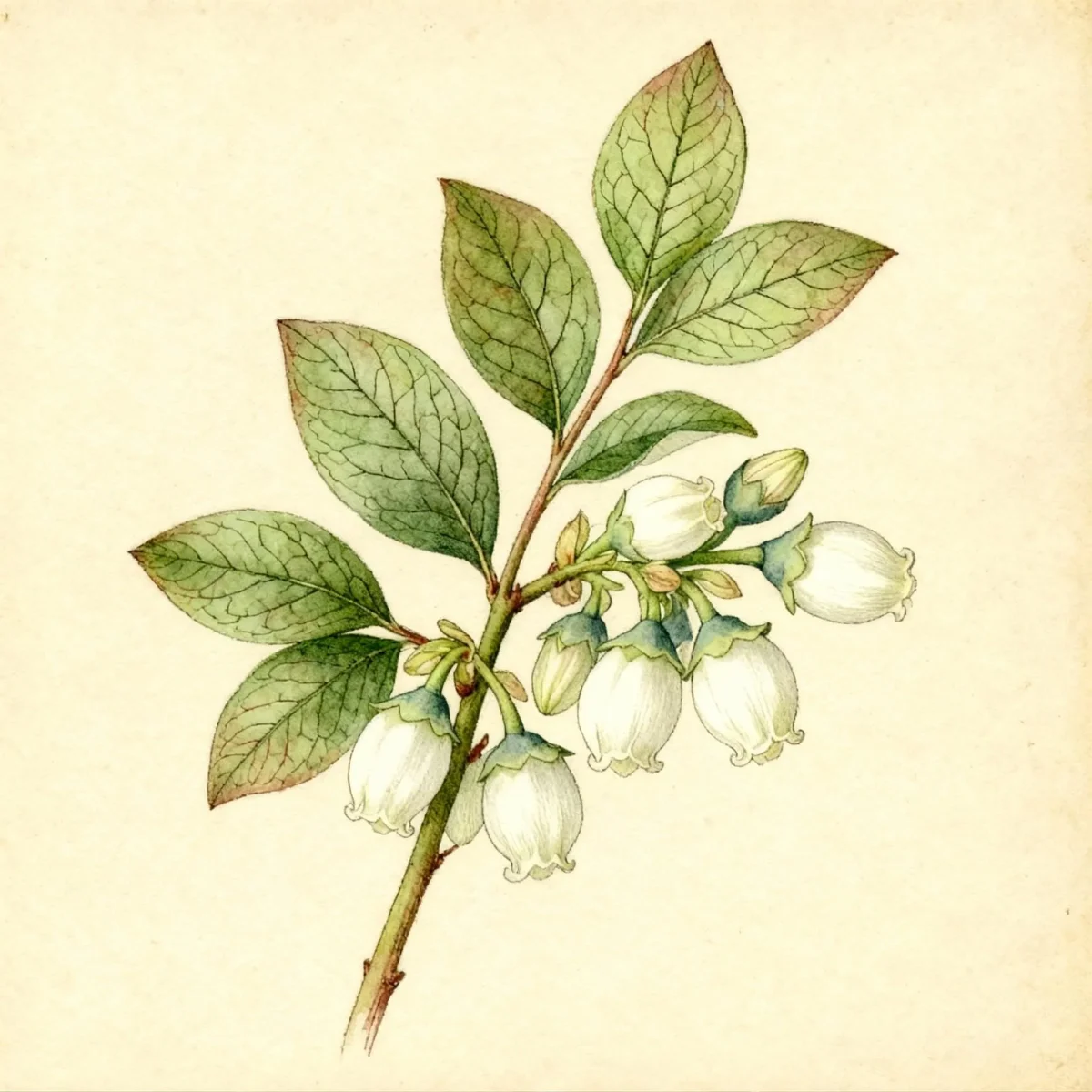
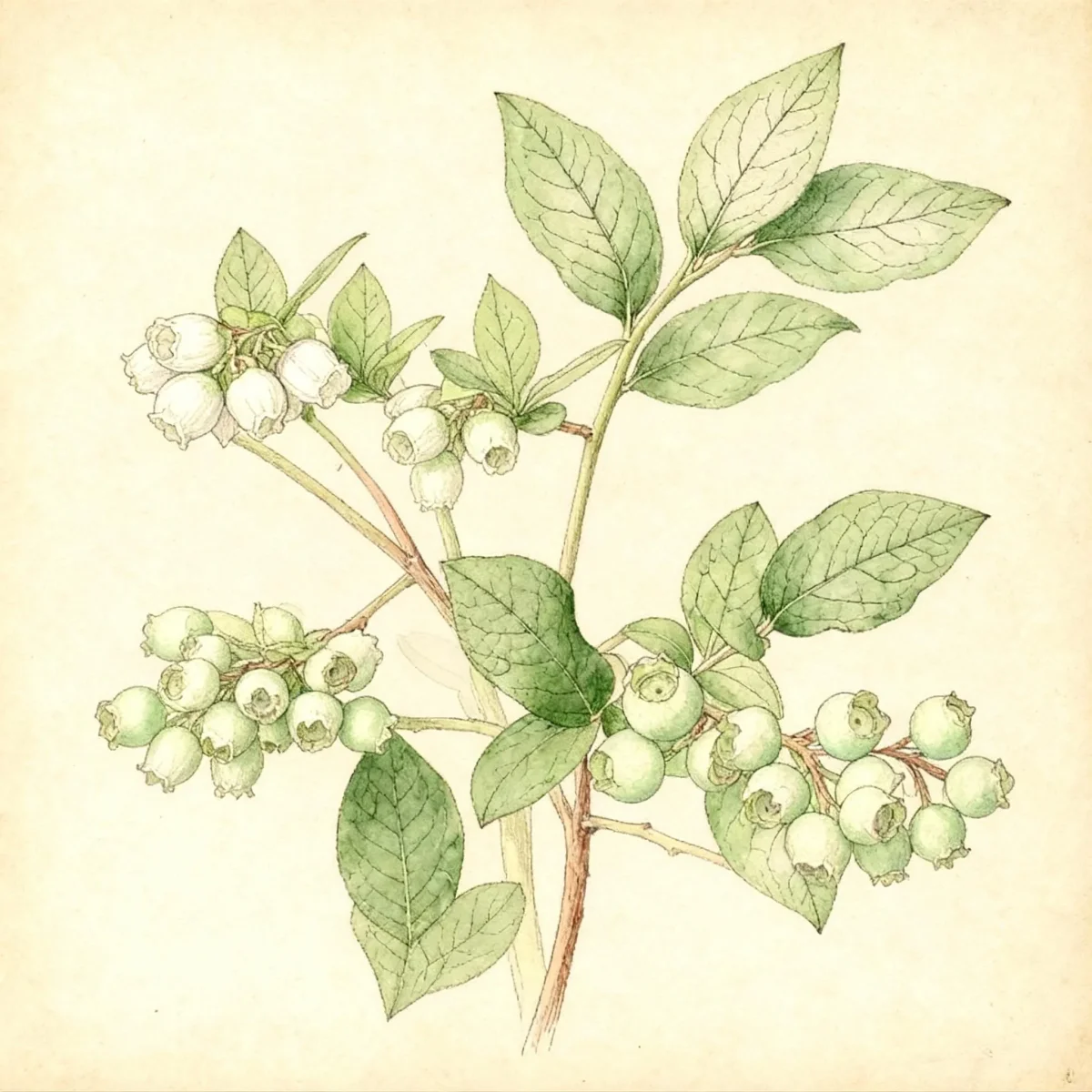
Vaccinium ‘Northcountry’ is a dwarf, hybrid blueberry resulting from a cross between Vaccinium corymbosum and V. Angustifolium. Mature plants maintain a compact, upright habit, reaching about 3 feet tall, and produce sweet, dark blue berries following small, pendulous, urn-shaped flowers that exhibit a pink blush. This cultivar is not self-fertile and requires a nearby pollinator, such as ‘Northblue’, to ensure good yields, while also providing attractive fall color.
Tolerances
Potential Problems
Serious insect or disease issues are generally uncommon for Vaccinium ‘Northcountry’ when grown correctly as a Highbush blueberry. The most persistent threat comes from birds, which readily consume the ripening fruit; netting the plants as berries begin to change color is often necessary to protect the crop. Soil alkalinity above the preferred range can lead to chlorosis, causing leaves to yellow due to nutrient lockout. Address this immediately by amending the soil with sulfur or peat moss to lower the pH. Infrequent disease issues include stem blight, root rot, and various cankers, which are best managed through proper pruning to maintain good air circulation.
Frequently Asked Questions
What hardiness zones is Highbush blueberry suitable for?
Vaccinium ‘Northcountry’ is reliably hardy across USDA Zones 3 through 7, making it a good choice for northern and mid-Atlantic regions.
How large does Vaccinium ‘Northcountry’ grow?
This dwarf hybrid typically matures to a height between 2 and 3 feet, with an equal spread of 2 to 3 feet.
When does Vaccinium ‘Northcountry’ bloom?
This Highbush blueberry variety usually blooms in May, producing attractive white flowers that often carry a delicate pink blush.
What sun exposure does Highbush blueberry need?
For best performance and fruit set, Vaccinium ‘Northcountry’ requires full sun, though it can tolerate light part shade.
Conclusion
The Vaccinium ‘Northcountry’ delivers exceptional value by pairing the reliable harvest of a Highbush blueberry with a compact, ornamental habit suitable for smaller spaces. Its noted cold hardiness across Zones 3-7 makes it versatile, but success hinges on providing the required acidic soil. Plan your planting this spring, ensuring you include a compatible pollinator variety nearby for the best berry yield from your new Vaccinium ‘Northcountry’.
Companion Planting for Acid Lovers
Blueberries thrive in consistently acidic soil environments alongside other ericaceous plants. Pairing Vaccinium ‘Northcountry’ with companion plants that share the same pH preference reduces overall site management complexity. Consider planting companion shrubs like Rhododendrons, Azaleas, or Kalmia (Mountain Laurel) along the border of your blueberry patch. These choices create a visually cohesive woodland garden aesthetic while ensuring all plants benefit from the acidic soil amendments you apply specifically for your Highbush blueberry.
Fertilizing and Soil Management
Since Vaccinium ‘Northcountry’ is a heavy feeder in terms of soil chemistry rather than bulk nutrients, fertilizer application must focus on supporting acidity. Avoid standard fertilizers, which can often raise the soil pH too high and induce damaging chlorosis. Instead, use fertilizers formulated specifically for acid-loving plants, or apply elemental sulfur in the fall according to soil test recommendations to gradually lower the pH over time. Always incorporate ample peat moss or aged compost into the planting area to boost organic content, which naturally retains moisture and slowly releases beneficial organic acids crucial for the health of this Highbush blueberry.