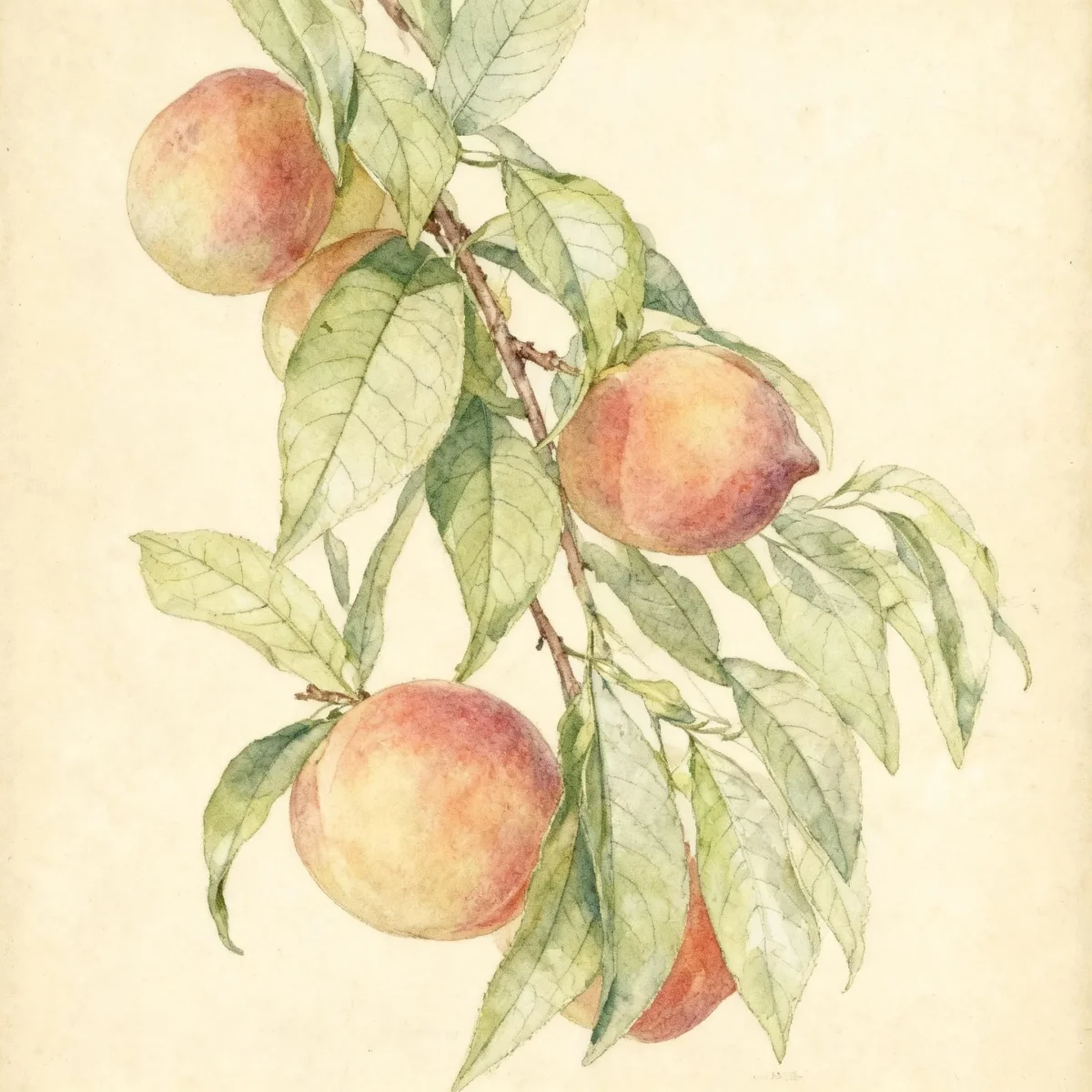
Peach (Prunus persica 'Redhaven')
The 'Redhaven' Peach (Prunus persica 'Redhaven') offers showy pink blooms and famously firm, sweet, freestone fruit. Thrives in Full Sun.
Scroll down to discover growing tips, care requirements, companion plants, and more
Complete Plant Information
Overview
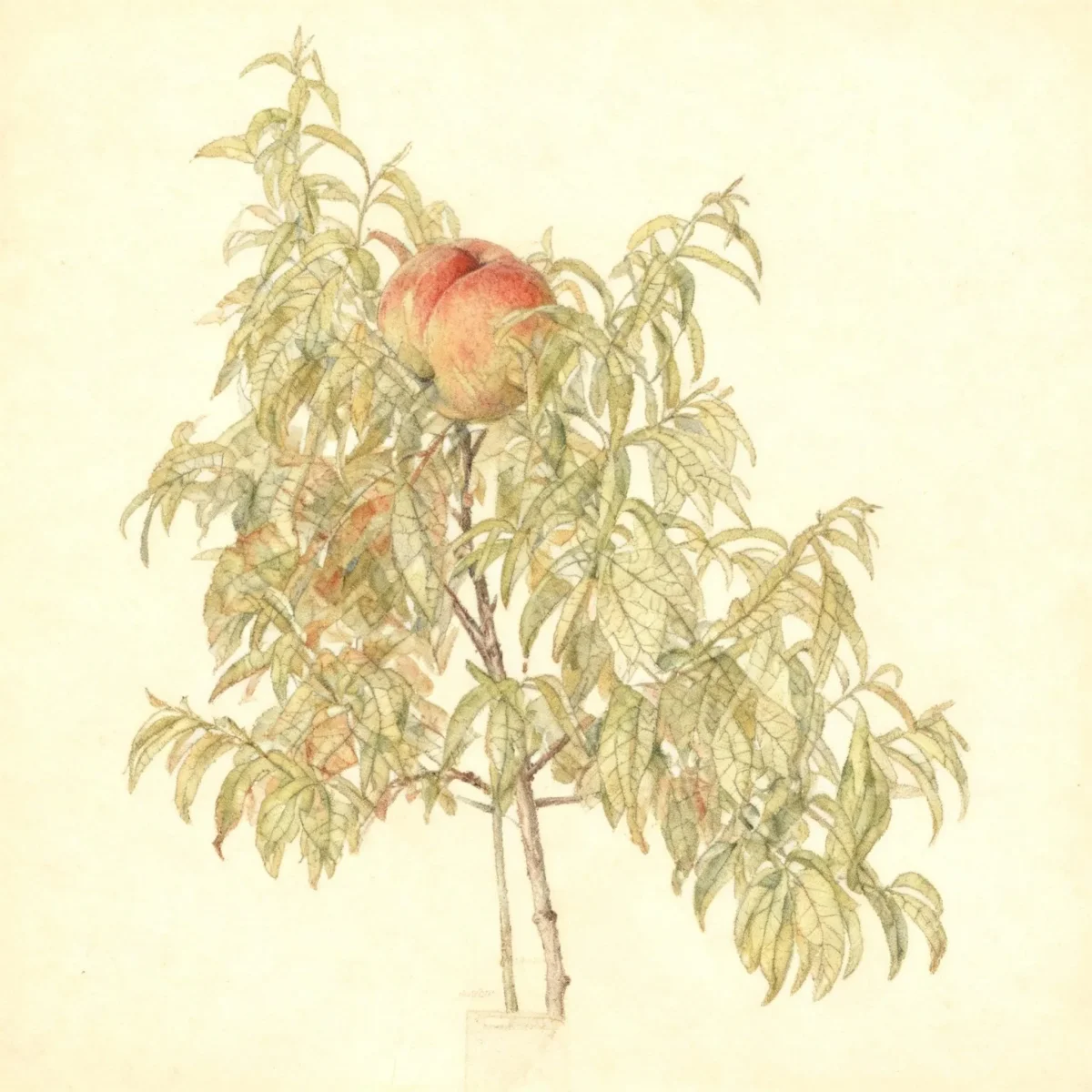
The Prunus persica ‘Redhaven’ is celebrated as one of the most reliable freestone peaches available for home cultivation. Known for its exceptional fruit quality—large, sweet, yellow flesh—this selection also provides significant ornamental value earlier in the season. Gardeners value the Prunus persica ‘Redhaven’ for reliably producing delicious harvests following its mid-spring floral display.
This variety of Peach (Prunus persica ‘Redhaven’) typically matures to a manageable size, especially when grafted onto appropriate rootstock, fitting well into smaller yards while still maximizing fruit production. While it commands a high maintenance level due to necessary protective spraying, the reward is often worth the intensive care required for healthy fruit development.
Beyond the fruit, the early spring bloom is a clear highlight. The tree offers masses of showy, fragrant pink flowers, signaling the beginning of the growing season. Successful cultivation of this beautiful and productive tree centers on providing full sun and diligent attention to pest control.
Fast Facts
- Plant Family: Rosaceae
- Plant Type: Fruit
- Hardiness Zones: USDA Zones 5-8
- Size at Maturity:
- Height: 12-15 ft
- Spread: 12-15 ft
- Bloom Time: April
- Bloom Description: Pink
- Sun Exposure: Full sun
- Water Needs: Medium
- Maintenance Level: High
How to Grow
Plant Prunus persica ‘Redhaven’ in locations that receive full, unimpeded sunlight throughout the day; this is crucial for both fruit ripening and disease prevention. Planting should occur in average, well-drained soil that does not retain excessive moisture. Remember that the tree’s rootstock can significantly influence its final size and specific cultural requirements, so verify this detail upon purchase.
Due to the high maintenance level, expect to implement a regular schedule for watering, fertilization, and pruning to ensure vigorous growth and substantial yields. Watering should be consistent, especially during fruit development. Regular feeding helps support the nutritional demands of heavy fruit production.
Pruning is essential for maintaining tree structure, air circulation, and light penetration, which are all vital for disease management in peaches. Furthermore, site selection is critical: avoid planting this Peach where other susceptible stone fruits have recently grown to minimize the persistence of soil-borne pathogens.
Although Prunus persica ‘Redhaven’ is self-fertile, overall vigor and yield can often be improved by planting it near another compatible peach cultivar to encourage better cross-pollination, despite its inherent fertility.
Landscape Uses
The Prunus persica ‘Redhaven’ serves dual roles in the landscape: a beautiful flowering tree in spring and a productive edible source through summer. Its size, manageable even at maturity, makes it suitable for planting as a specimen tree where its pink blooms can be fully appreciated against a contrasting backdrop. Consider its eventual spread when placing it near walkways or structures.
For gardeners prioritizing aesthetics alongside edibles, this Peach works well positioned near the edge of a sunny perennial border or as a focal point in an orchard setting. While the primary use is fruit production, the structure and early blossoms add necessary vertical interest. Careful placement is required, ensuring that seasonal chemical spray drift will not affect sensitive neighboring plants.
Standout Features
Flower Qualities
- Showy
- Fragrant
Fruit Qualities
- Showy
- Edible
Noteworthy Characteristics
Prunus persica, commonly called peach, is native to China and is primarily cultivated for its luscious fruit. The ‘Redhaven’ selection is particularly noted as a compact peach reaching 12-15’ tall, blooming in mid-spring to reduce frost impact on yield. Its resulting large fruits feature firm, sweet, flavorful yellow flesh that separates easily from the pit, classifying them as prime freestone quality.
Tolerances
Potential Problems
Peaches, including the popular Prunus persica ‘Redhaven’, are susceptible to numerous serious pests and diseases, necessitating a high maintenance level involving regular chemical spraying for successful harvesting. Potential fungal and bacterial issues include peach leaf curl, brown rot, bacterial leaf spot, and canker. Managing these requires preventative treatments applied at specific times determined by local conditions.
Insect pressures are significant and often include the peach tree borer, plum curculio responsible for wormy fruit, oriental fruit moth, mites, and aphids. Understanding the life cycles of these pests is key to timing effective insecticide applications, often starting early in the season.
Beyond biology, environmental stress poses a significant risk. Very cold winter temperatures can severely damage dormant buds, and late spring frosts frequently wipe out the tender flowers or small developing fruit, severely impacting the annual yield potential of this Peach variety.
Frequently Asked Questions
What hardiness zones is Peach (Prunus persica ‘Redhaven’) suitable for?
The Prunus persica ‘Redhaven’ is hardy and recommended for cultivation within USDA Zones 5 through 8.
How large does Peach (Prunus persica ‘Redhaven’) grow?
In standard form, the mature height and spread for this Peach selection are typically between 12 to 15 feet in both directions, though dwarf rootstocks will produce a smaller tree.
When does Peach (Prunus persica ‘Redhaven’) bloom?
This cultivar typically blooms in April, producing beautiful pink flowers that are generally less susceptible to frost damage than earlier blooming varieties.
What sun exposure does Peach (Prunus persica ‘Redhaven’) need?
The Prunus persica ‘Redhaven’ requires full sun exposure to optimize fruit quality and overall tree health.
Conclusion
The Prunus persica ‘Redhaven’ offers the home gardener an exceptional combination of ornamental spring beauty and highly desirable, sweet, freestone fruit. Successfully growing this particular Peach requires dedication to its “High” maintenance schedule, focusing on pruning and protective spraying. Before planting, confirm that your location falls comfortably within USDA Zones 5-8 and provides the necessary full sun exposure.
Companion Planting
Selecting appropriate neighbors can contribute to the overall health and functionality of your orchard space. Because the maintenance level for Prunus persica ‘Redhaven’ is high, avoid planting close to highly sensitive herbs or flowers that might be damaged by routine fungicide or insecticide applications aimed at protecting the peach crop.
Good companions are often those that benefit from the dappled shade provided in high summer, though the immediate area around the trunk should remain clear. Consider planting hardy, low-growing groundcovers like thyme or creeping sedum outside the critical root zone to help conserve moisture and suppress weeds without competing heavily for nutrients.
Seasonal Care Calendar
Early spring, before bud break, is critical for applying dormant oil or lime-sulfur sprays to manage scale insects and overwintering fungal spores, which helps protect the developing flowers. Once flowers fade in bloom time (April), focus shifts immediately to pest and disease monitoring for the fruit development cycle.
Summer care centers heavily on consistent moisture management—medium water needs must be met, especially as fruits size up—and performing necessary thinning of excess fruitlets to ensure remaining peaches develop their characteristic size and flavor. Late fall is the time to clean up fallen fruit and manage leaf litter, reducing overwintering sites for pests that plague the Peach the following year.