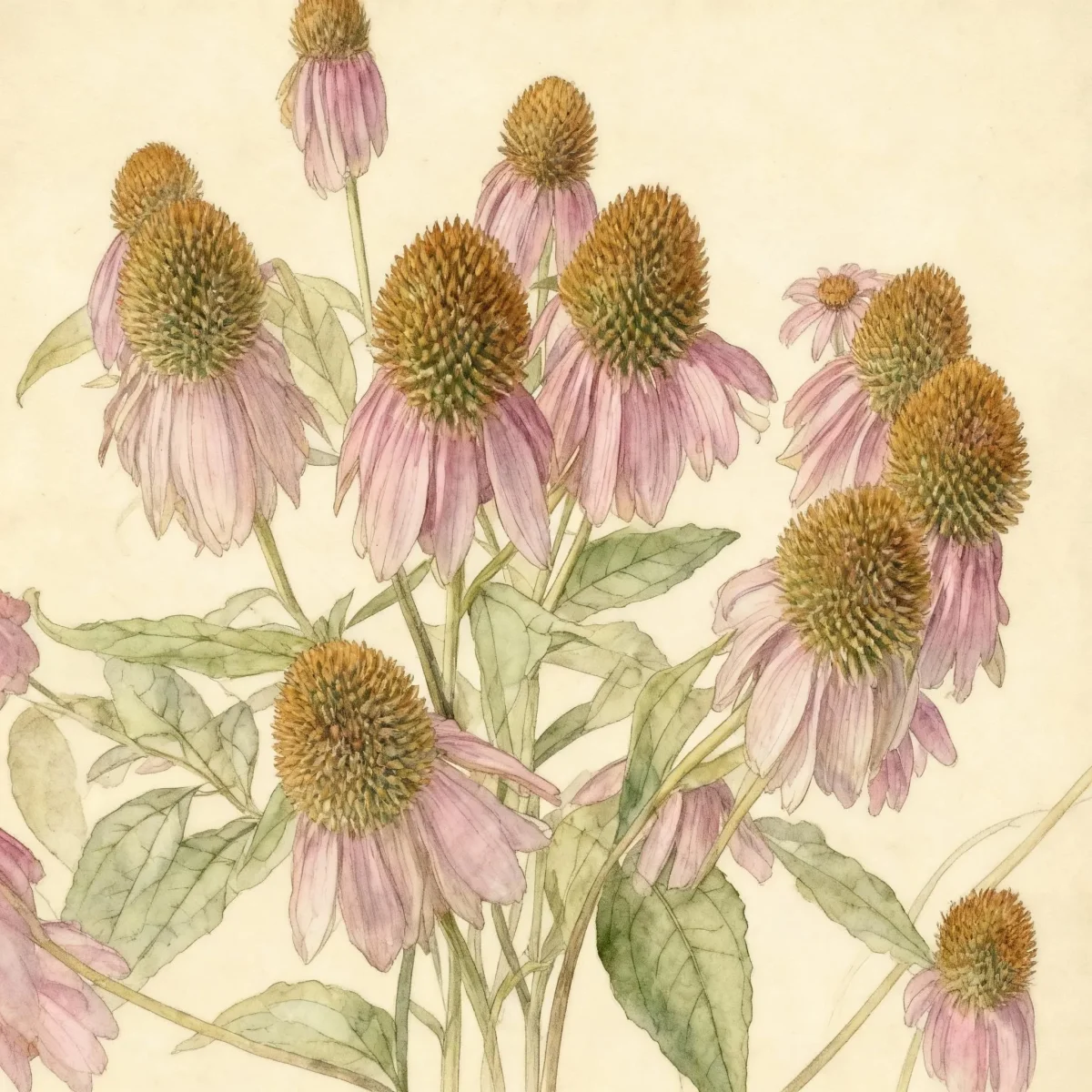
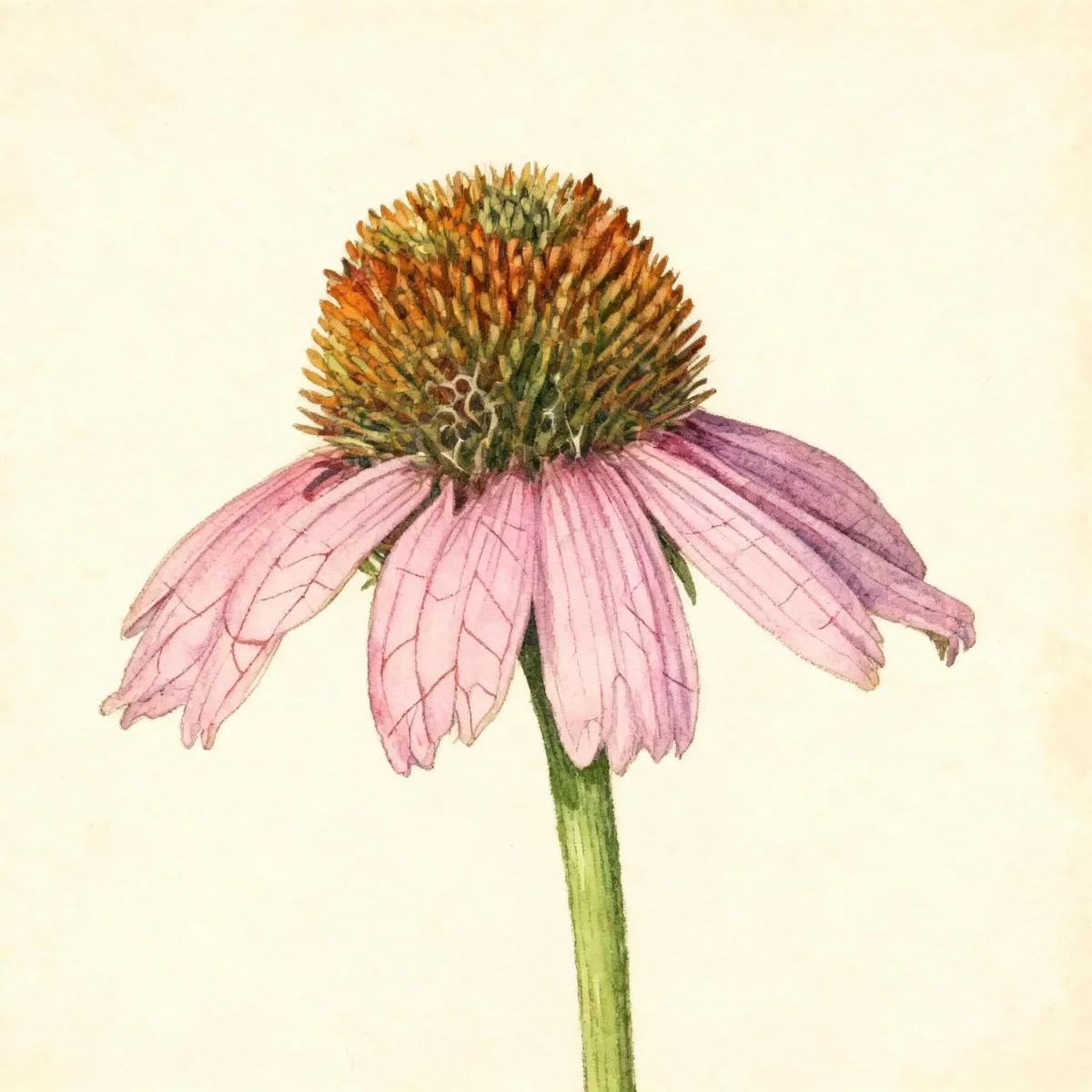
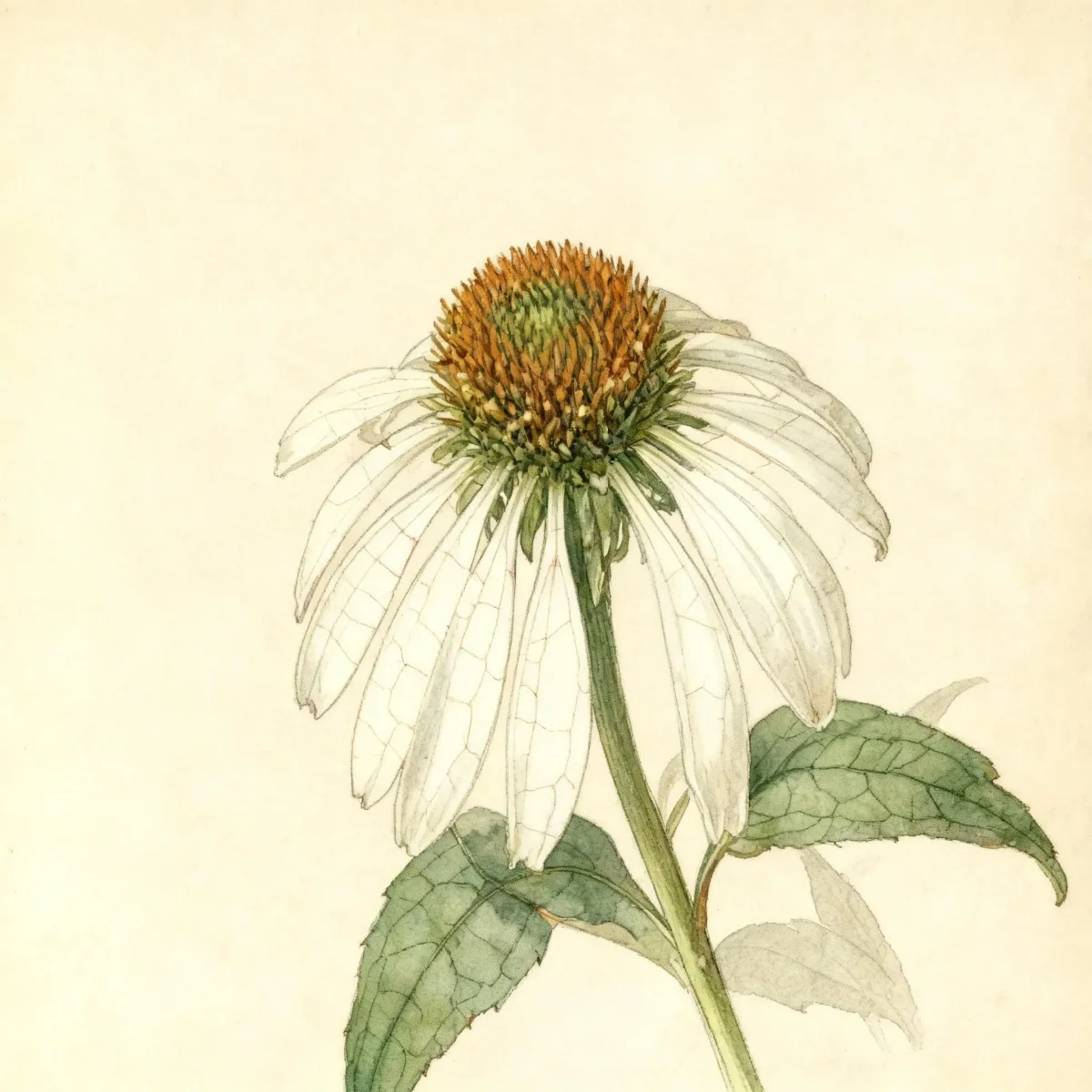
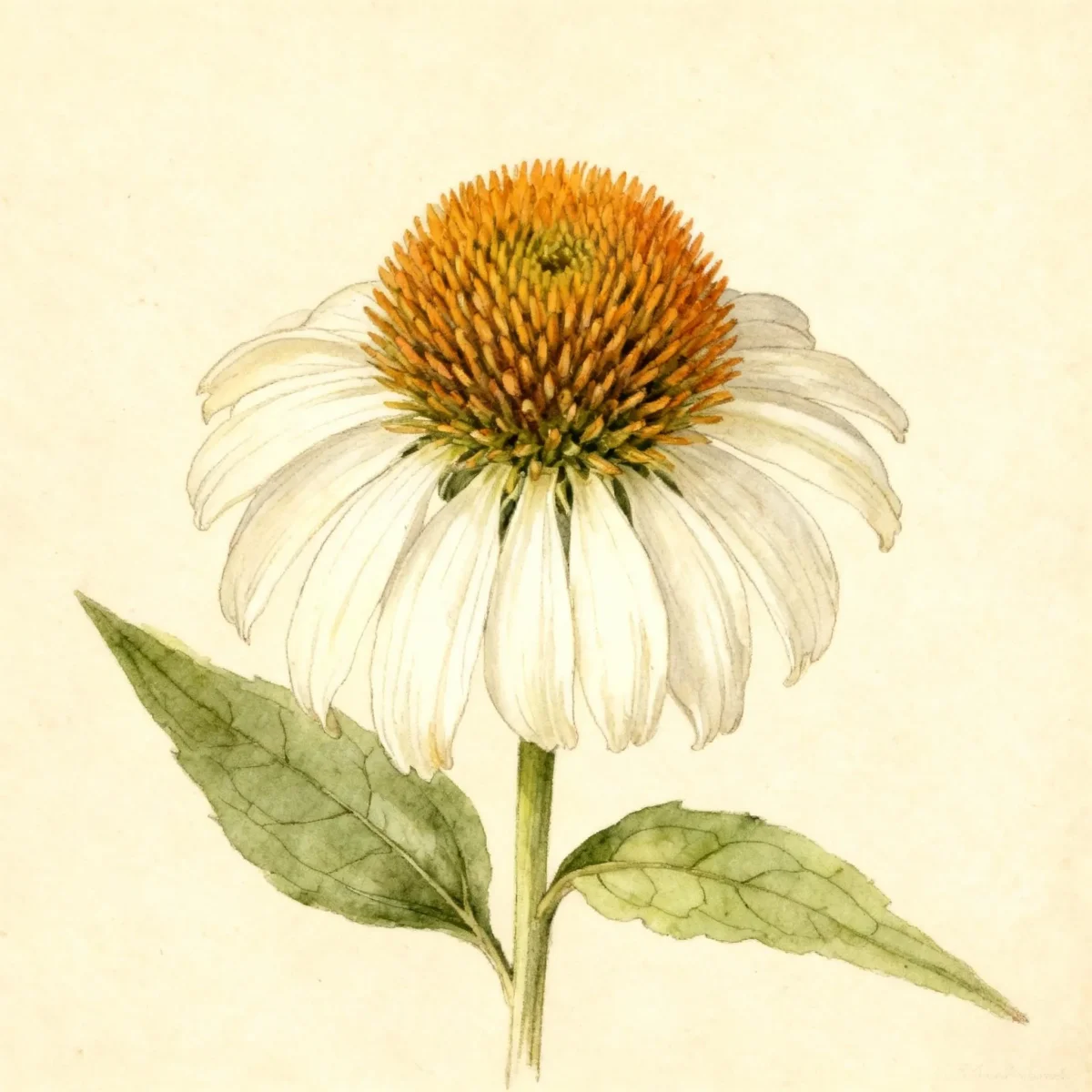
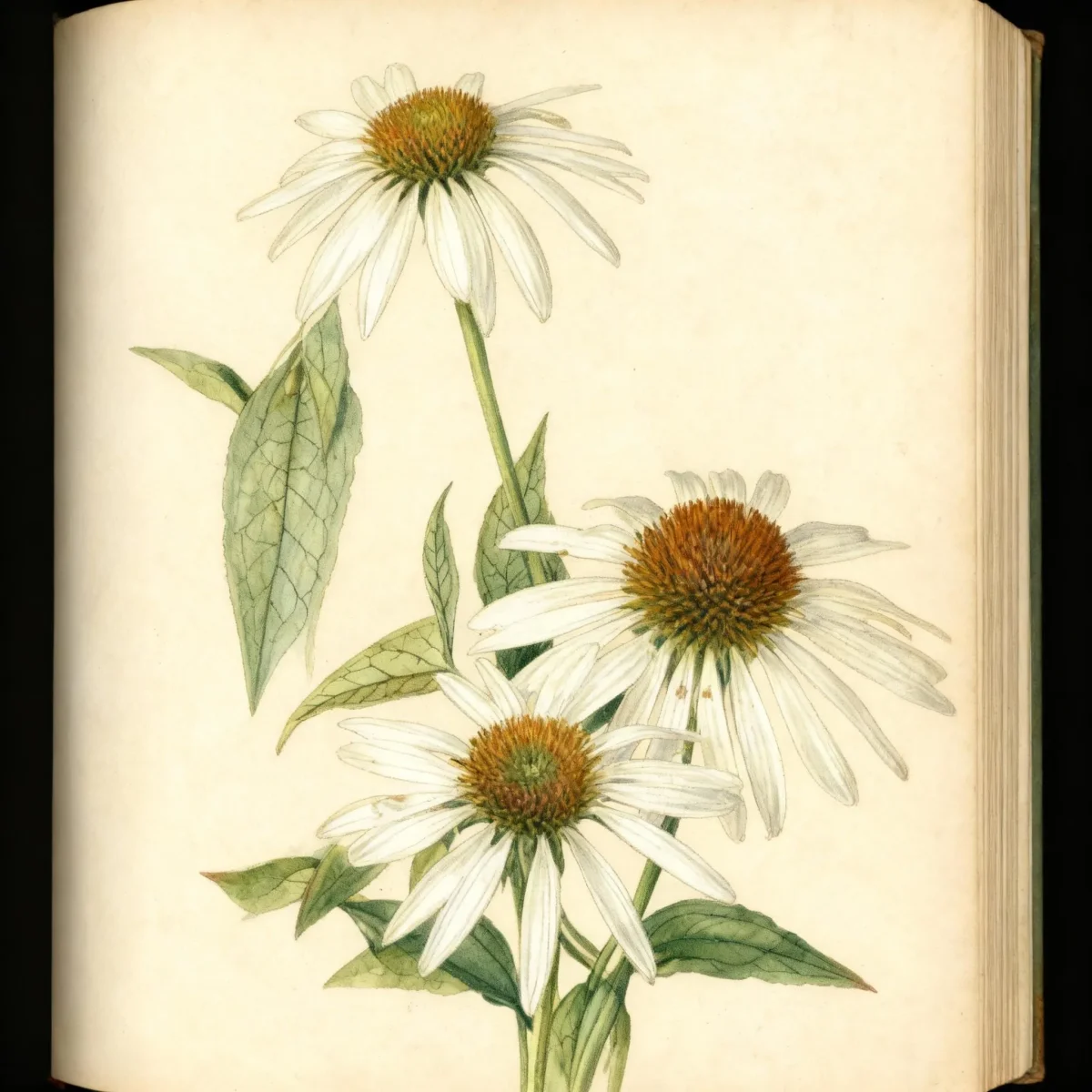
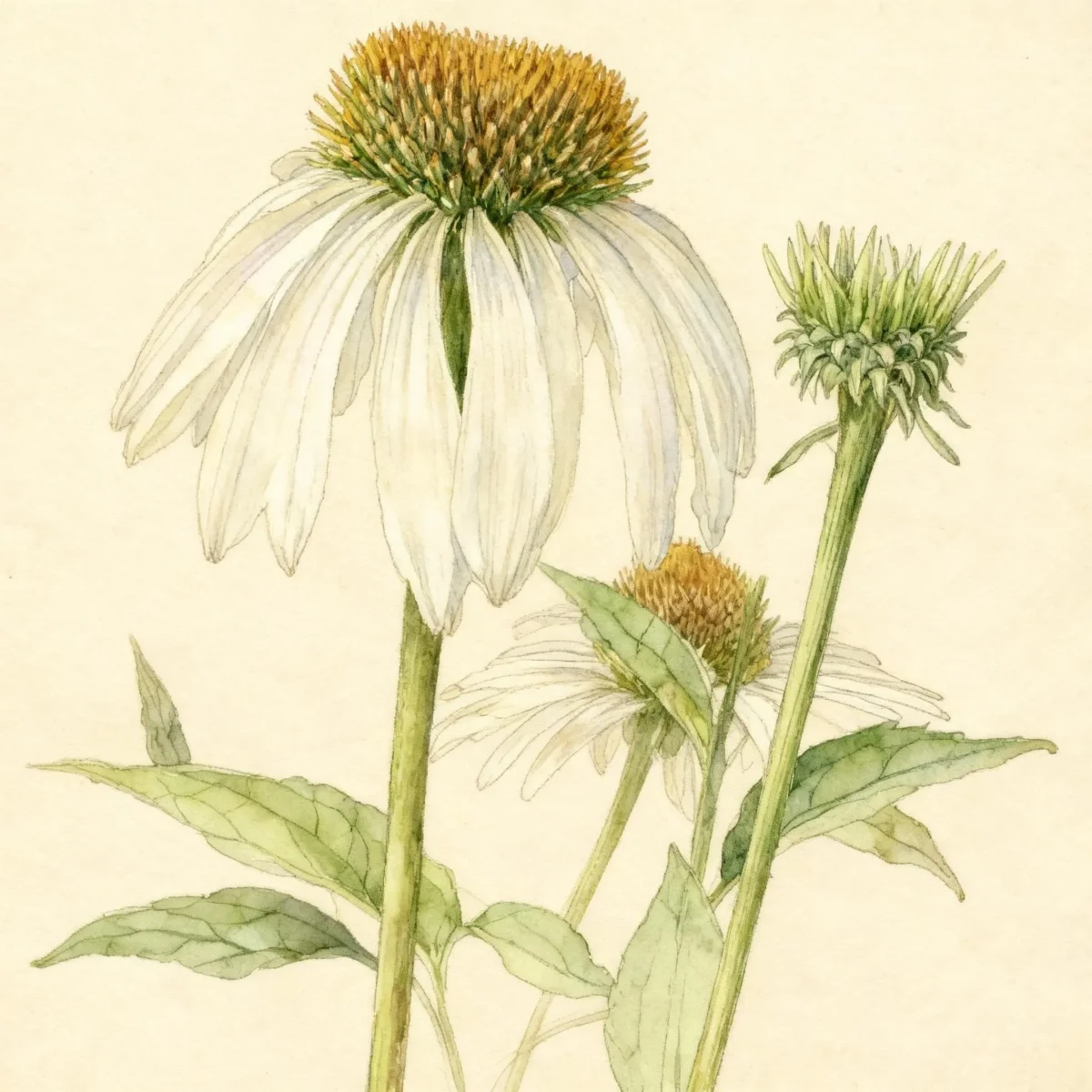
Purple coneflower (Echinacea purpurea 'Lilliput')
Echinacea purpurea 'Lilliput' is a compact Purple coneflower, boasting showy rose-pink blooms. Low maintenance and drought tolerant.
Scroll down to discover growing tips, care requirements, companion plants, and more
Complete Plant Information
Overview
Echinacea purpurea ‘Lilliput’ offers all the visual appeal of the classic Purple coneflower but in a wonderfully compact form ideal for smaller gardens or the front of a border. This reliable herbaceous perennial is prized for its intense summer color, making it a staple in mixed perennial beds across many regions. Its tough nature ensures long-term garden success with minimal intervention.
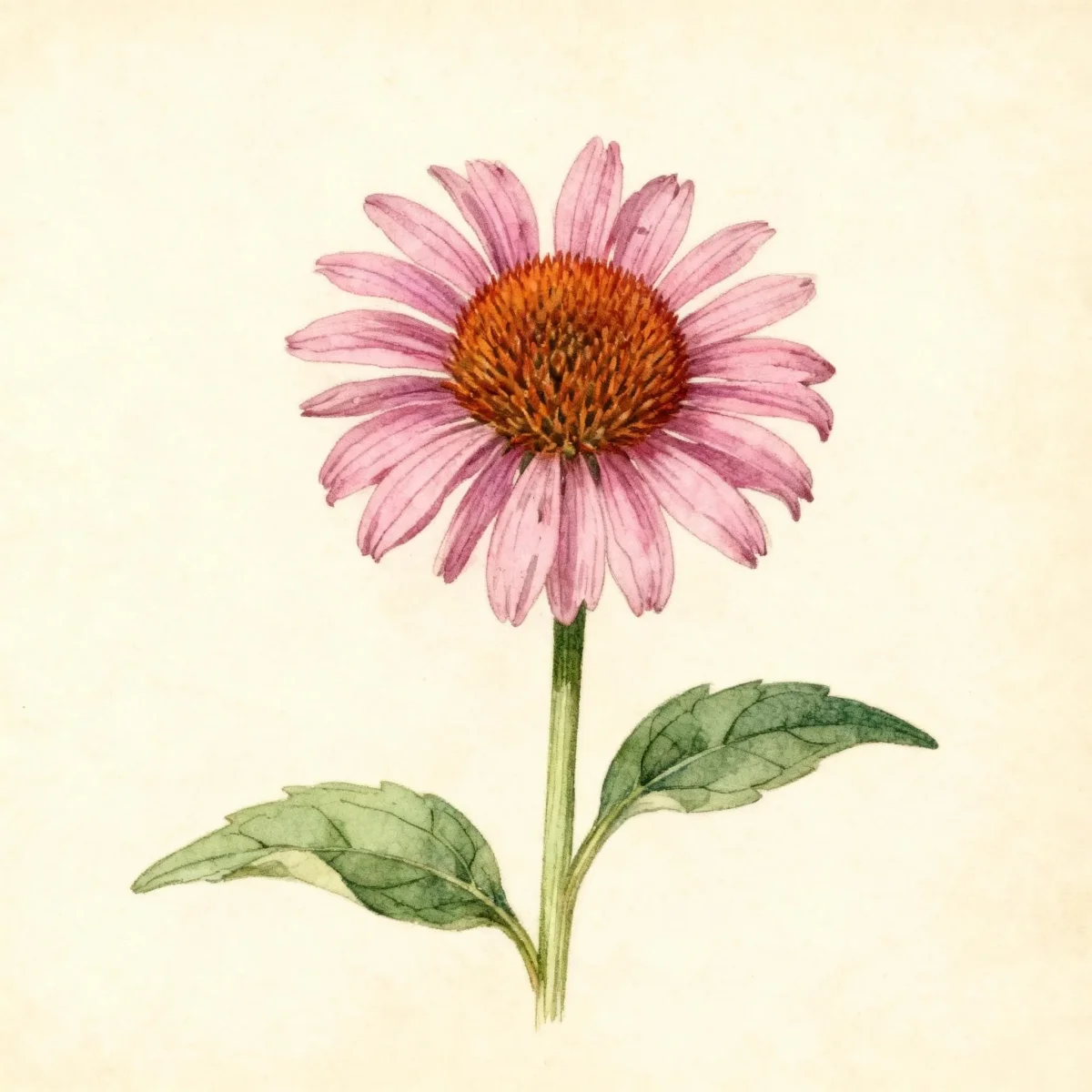
The ‘Lilliput’ cultivar typically reaches only 1 to 1.5 feet tall, featuring deep rose-pink ray flowers surrounding a prominent dark bronze-orange cone. This reduced stature makes it an excellent, easy-to-place variety of Purple coneflower, thriving in full sun where it provides continuous blooms from early summer into late August.
Beyond its aesthetic appeal, this variety supports local ecosystems by providing visual structure on stiff stems well into winter, which, if left standing, can offer seeds for winter birds. For gardeners seeking resilient, low-care flowering plants, Echinacea purpurea ‘Lilliput’ is a superb, adaptable choice.
Fast Facts
- Plant Family: Asteraceae
- Plant Type: Herbaceous perennial
- Hardiness Zones: USDA Zones 3-8
- Size at Maturity:
- Height: 1-1.5 ft
- Spread: 1-1.5 ft
- Bloom Time: June to August
- Bloom Description: Rose pink rays with orange-brown center cone
- Sun Exposure: Full sun to part shade
- Water Needs: Dry to medium
- Maintenance Level: Low
How to Grow
The best time to plant Echinacea purpurea ‘Lilliput’ is in the spring after the danger of frost has passed, or in early fall. Ensure you select a location that receives full sun for the best flower production, although it tolerates light afternoon shade. This plant requires average, dry to medium, well-drained soil; like many coneflowers, it dislikes sitting in soggy ground, even if it tolerates heavy clay soil.
Care for Echinacea purpurea ‘Lilliput’ is remarkably simple. Water new plantings regularly until established, but once mature, this tough perennial is highly tolerant of drought, heat, and humidity. Fertilizing is rarely needed; too much fertility can result in floppier stems. While plants often rebloom without intervention, prompt removal of spent flowers improves the overall appearance throughout the season.
Divide clumps of the Purple coneflower when they appear overcrowded, typically around every four years, to maintain vigor. If you wish to encourage winter interest or feed birds, allow some of the conspicuous seed heads to remain standing into the colder months, as this variety will freely self-seed if not deadheaded entirely.
Landscape Uses
The compact size of Echinacea purpurea ‘Lilliput’ makes it incredibly versatile for modern garden design. It excels when massed in drifts within traditional perennial borders, providing consistent mid-summer color alongside shorter front-of-border offerings. Its habit also makes it perfect for planting within a naturalized area or wildflower garden where its structure stands out against softer grasses.
Consider pairing this variety with complimentary plants that share similar dry-to-medium water needs. Companions like shorter Sedum varieties, ornamental grasses, or black-eyed Susans (Rudbeckia) create excellent textural and color contrast while maintaining a cohesive cultural requirement profile. The strong vertical element of coneflowers works well near the edges of woodland areas benefitting from partial shade.
For smaller yards or patios, Echinacea purpurea ‘Lilliput’ performs admirably in containers, providing years of reliable bloom. In any application, its resistance to deer browsing is an added design benefit, ensuring your blooms remain intact.
Standout Features
Flower Qualities
- Showy
- Good Cut
- Good Dried
Noteworthy Characteristics
Echinacea purpurea, commonly called purple coneflower, is a coarse, rough-hairy, herbaceous perennial native to moist prairies and open woods of the central to southeastern United States. The cultivar ‘Lilliput’ is an extremely compact coneflower featuring a profuse summer-to-fall bloom of medium-sized flowers with horizontal, deep rose pink rays and domed dark bronze-orange center cones. The genus name Echinacea draws from the Greek word for hedgehog, referencing the spiny center cone, a hallmark across the genus.
Tolerances
- Deer
- Drought
- Clay Soil
- Dry Soil
- Shallow-Rocky Soil
Potential Problems
Japanese beetle feeding and leaf spot disease are occasional issues gardeners may encounter with the Purple coneflower. Good air circulation, achieved by spacing plants appropriately and avoiding overly dense planting, helps mitigate fungal issues like leaf spot. In the event of pest or disease pressure, cultural adjustments are usually the primary defense. Be aware that Echinacea purpurea ‘Lilliput’ can occasionally be susceptible to aster yellows disease, which typically requires prompt removal of infected plants.
Frequently Asked Questions
What hardiness zones is Echinacea purpurea ‘Lilliput’ suitable for?
This vibrant Purple coneflower is hardy across a broad range, suitable for USDA Zones 3 through 8.
How large does Echinacea purpurea ‘Lilliput’ grow?
Echinacea purpurea ‘Lilliput’ maintains a compact stature, reaching heights between 1 and 1.5 feet, with a corresponding spread of 1 to 1.5 feet wide.
When does Purple coneflower bloom?
This variety provides reliable color from June through August, displaying its characteristic rose pink rays atop that distinctive orange-brown center cone.
What sun exposure does Echinacea purpurea ‘Lilliput’ need?
For optimal performance, plant Echinacea purpurea ‘Lilliput’ in full sun, though it will still establish and bloom adequately in locations receiving part shade.
Conclusion
Echinacea purpurea ‘Lilliput’ is an indispensable compact perennial, offering the drought tolerance and robust beauty of the native Purple coneflower in a size that fits almost any garden scheme. Its low maintenance profile, coupled with extended summer bloom, ensures high impact for little effort. Verify that your planting zone falls between 3 and 8, and enjoy incorporating this resilient plant into your borders this season.
Companion Planting Strategies
When selecting neighbors for your Echinacea purpurea ‘Lilliput’, focus on plants that thrive in full sun and prefer well-drained, somewhat drier soil conditions once established. Grouping it with other members of the native perennial family, such as various cultivars of Rudbeckia (Black-Eyed Susan), creates a classic prairie rhythm. Similarly, pairing it with Russian Sage (Perovskia atriplicifolia) or ornamental grasses like Little Bluestem provides differing textures that highlight the bold structure of the coneflower.
Avoid placing the Purple coneflower next to moisture-loving bog plants, as this cultural mismatch will lead to stress or root rot for the Echinacea. The key to a successful mixed border featuring Echinacea purpurea ‘Lilliput’ is ensuring that the soil profile and watering schedule align across all adjacent species for long-term health.
Wildlife Benefits
One of the greatest assets of the Purple coneflower family is its strong relationship with local wildlife, and Echinacea purpurea ‘Lilliput’ is no exception. The broad, accessible flowers are magnets for native bees, butterflies seeking nectar during the summer months, and various beneficial predatory insects. Allowing the central cones to mature is crucial for supporting avian populations.
Goldfinches, in particular, are frequent visitors to the blackened cones of spent Echinacea in late fall and winter, using the seeds as a critical food source when other provisions are scarce. By leaving seed heads intact over winter, you not only provide supplementary feeding stations but also offer appealing geometric structure to the dormant winter garden landscape.