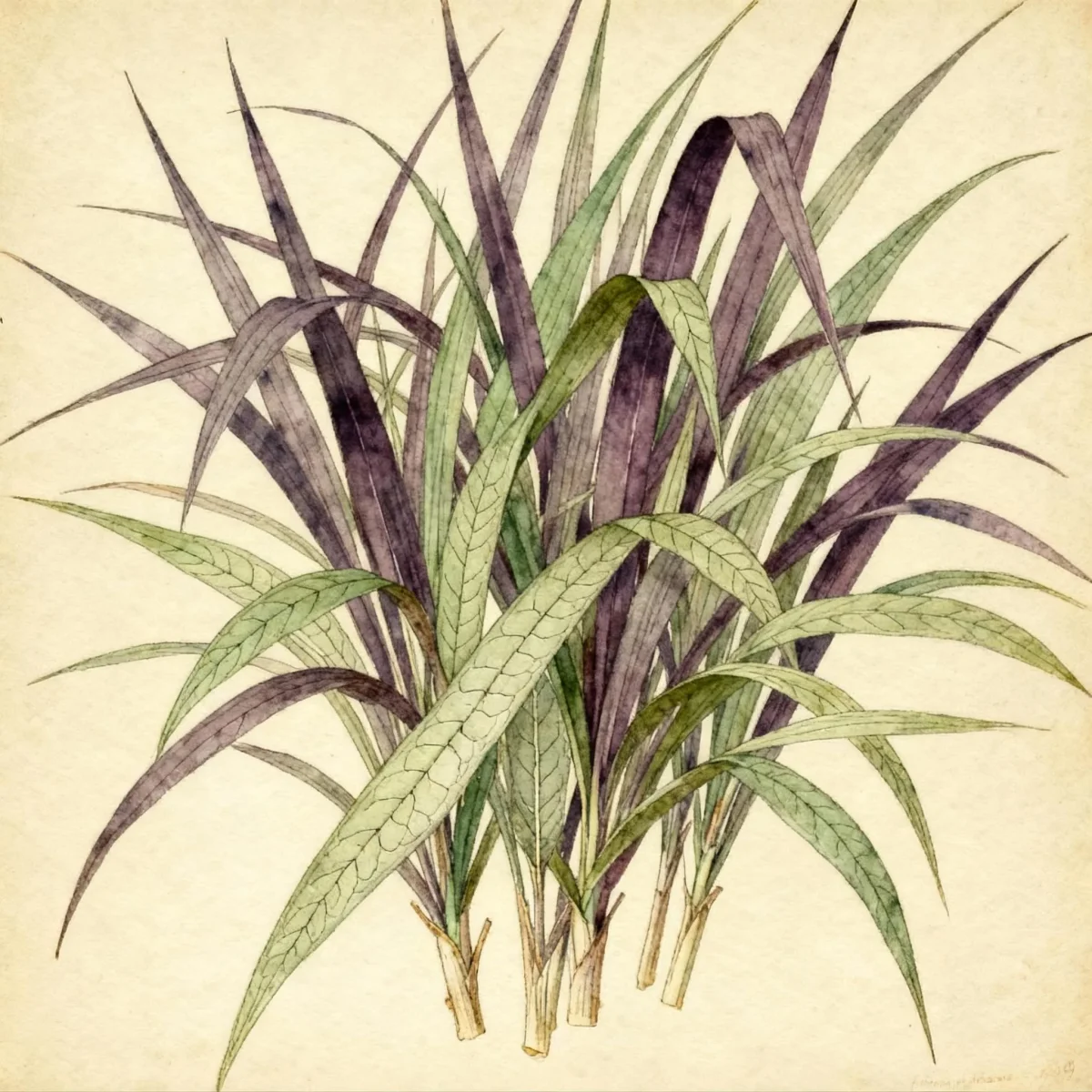
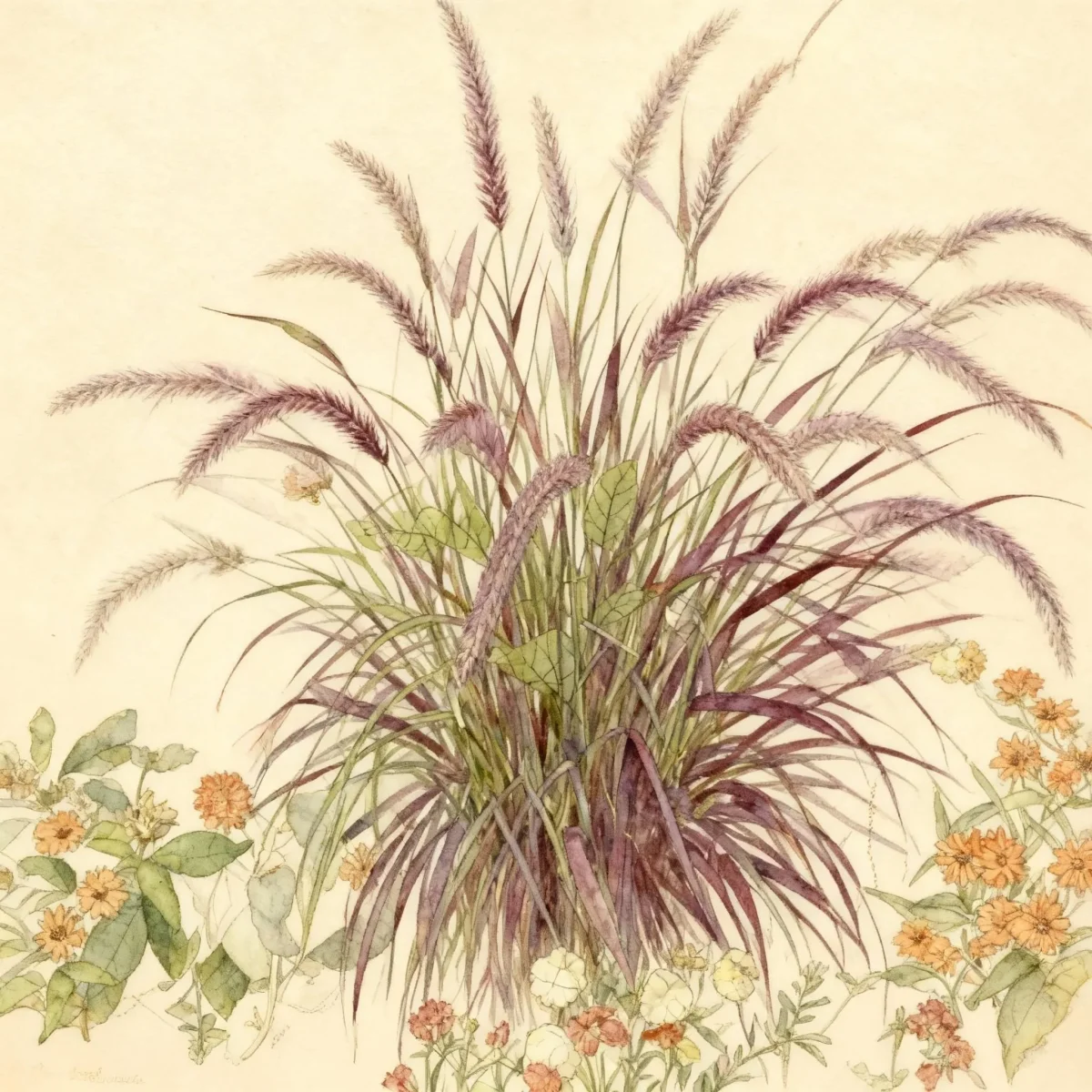
Ruby grass (Melinis nerviglumis 'Pink Crystals')
Experience the architectural beauty of Melinis nerviglumis 'Pink Crystals', Ruby grass, known for its striking pink plumes.
Scroll down to discover growing tips, care requirements, companion plants, and more
Complete Plant Information
Overview
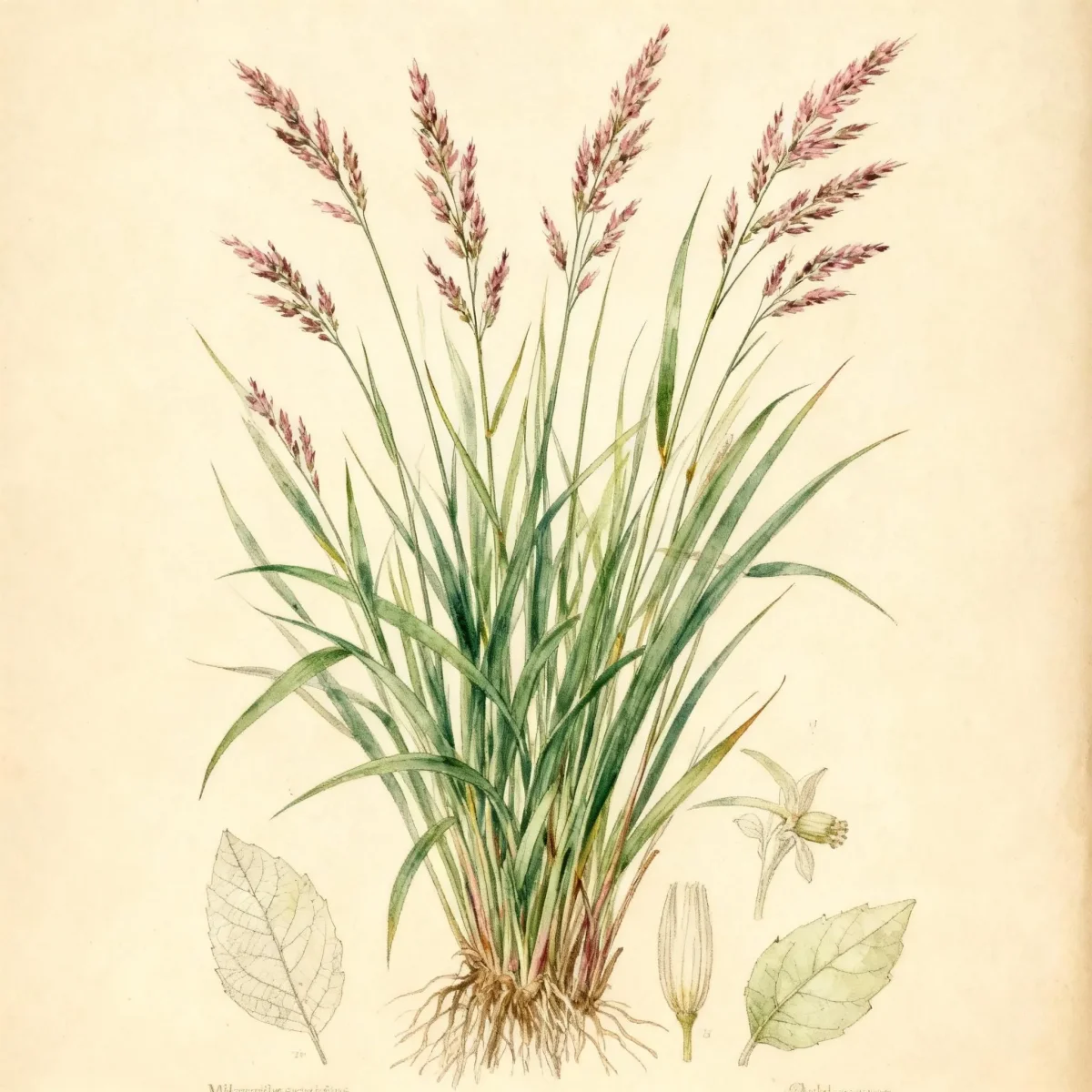
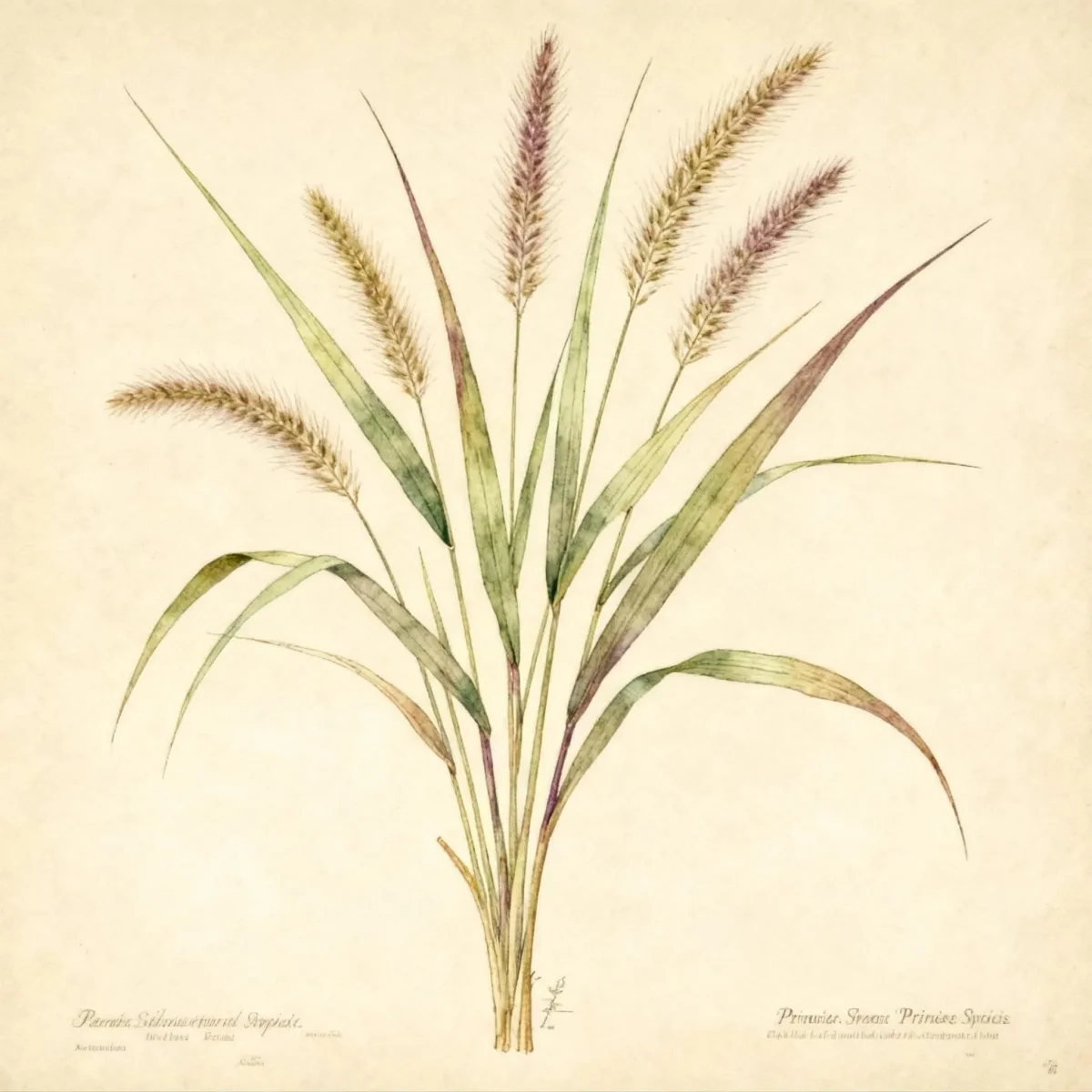
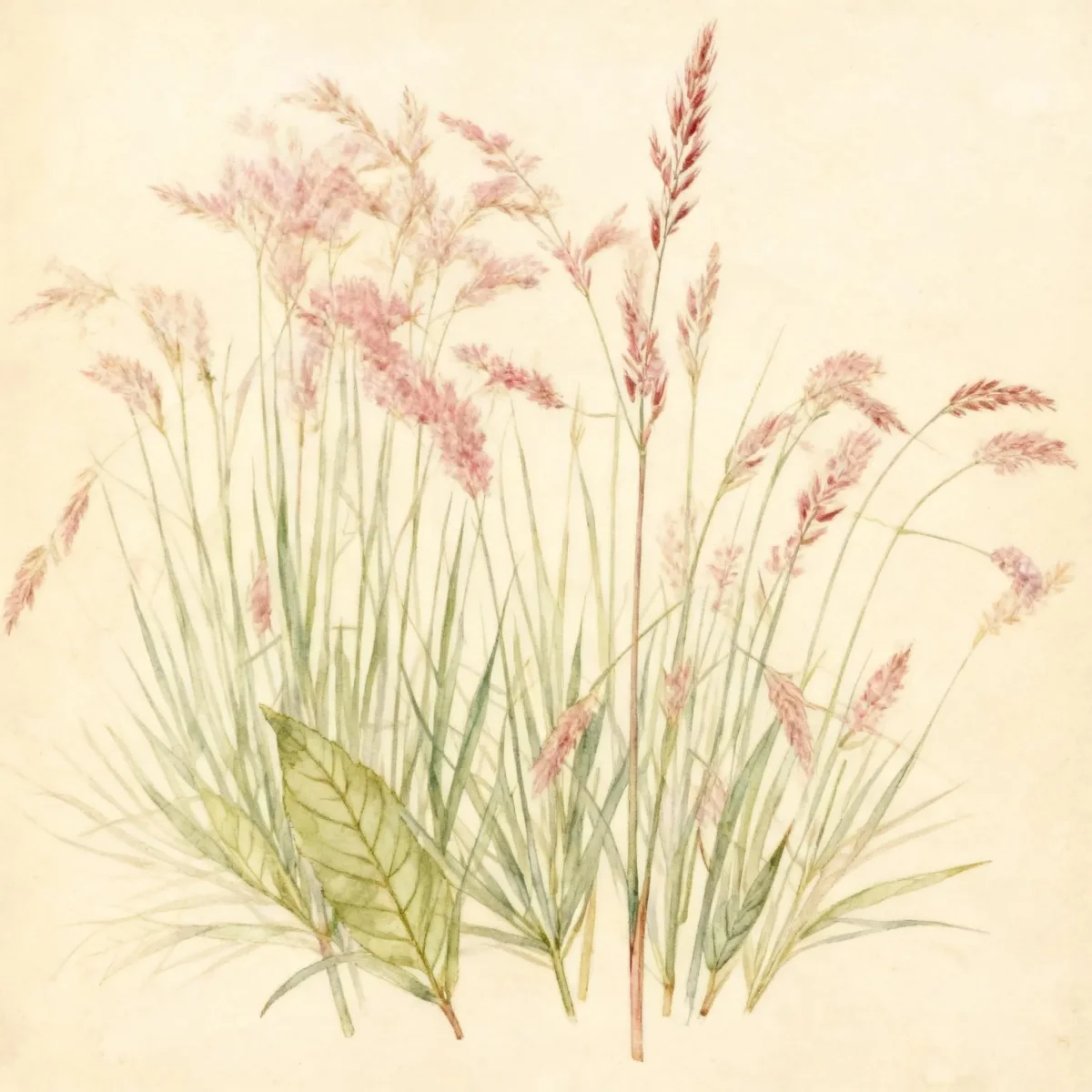
Melinis nerviglumis ‘Pink Crystals’, commonly known as Ruby grass, brings vibrant color and delicate texture to borders and containers. This tropical grass forms tidy tufts featuring elegant, long-lasting inflorescences whose color shifts beautifully from ruby pink to silvery white as the season progresses. Gardeners prize this selection for its reliability during summer heat and its generally low maintenance requirements.
The aesthetic impact of Ruby grass is significant, rooted in its combination of fine, blue-green foliage and airy, rose-hued flower plumes. While hardy in warmer climates (Zones 8-10), Melinis nerviglumis ‘Pink Crystals’ is often treated as a fast-growing annual accent plant in cooler regions, providing instant vertical interest. Its ability to thrive in full sun and adapt to slightly drier conditions makes it a versatile player in contemporary landscape designs.
The silky hairs covering the flower panicles catch the light, enhancing the overall effect of this wonderful grass. Whether used for mass plantings or as a focal point in container design, Melinis nerviglumis ‘Pink Crystals’ offers high visual reward for minimal input, making it an excellent choice for both novice and experienced gardeners seeking summer structure.
Fast Facts
- Plant Family: Poaceae
- Plant Type: Ornamental grass
- Hardiness Zones: USDA Zones 8-10
- Size at Maturity:
- Height: 1.5-2 ft
- Spread: 0.75-1.5 ft
- Bloom Time: July to August
- Bloom Description: Ruby pink maturing to white
- Sun Exposure: Full sun
- Water Needs: Medium
- Maintenance Level: Low
How to Grow
For the best display, plant Melinis nerviglumis ‘Pink Crystals’ where it receives full sun exposure throughout the day. This grass performs best in light, well-drained soils. While it needs consistent moisture, especially when establishing, it handles soils that lean slightly toward the dry side better than soggy conditions.
Sowing seed directly into the garden is easiest after all danger of spring frost has passed. If you desire earlier bloom, start the seed indoors approximately six to eight weeks before your last frost date, setting the young plants out once temperatures are reliably warm. In regions where it is grown as an annual, consider potting up any healthy clumps before the first fall frost if you wish to overwinter them indoors; ensure watering is reduced during this cool, dormant period.
This species is recognized for its low maintenance routine once established, requiring little supplemental feeding or intensive pruning. Since it is generally winter hardy only to Zone 8 and above, gardeners in colder areas should view it as a seasonal feature, collecting ripe seed in the fall for planting the following year to ensure its return.
Landscape Uses
Ruby grass excels when leveraged in mixed perennial borders where its fine texture contrasts beautifully with broad-leaved plants. Its moderate height allows it to serve as a mid-ground element or as an effective component in mass plantings, creating drifts of shimmering color that move gracefully in the slightest breeze.
Containers offer an excellent opportunity to showcase the architecture of Melinis nerviglumis ‘Pink Crystals’. Pair the pink plumes with contrasting foliage, perhaps deep purple-leaved succulents or bright chartreuse annuals, to maximize visual interest throughout the season. It also functions wonderfully as an element in informal flower arrangements, lending an airy, textural quality to cut flower displays.
Standout Features
Flower Qualities
- Showy
Noteworthy Characteristics
Melinis nerviglumis, commonly called ruby grass, pink bubble grass or bristle-leaved red top, is native to Africa. It is a tropical grass that grows in tufts to 24” tall and 15” wide and features erect blue-green leaves with panicles of ruby pink summer flowers that slowly fade to white. The genus name is derived from the Greek meline meaning millet, and ‘Pink Crystals’ specifically boasts exquisite rose-hued plumes.
Tolerances
- Black Walnut
- Air Pollution
Potential Problems
One significant benefit of growing this ornamental is its pest and disease resistance; there are no serious insect or disease problems commonly noted for Melinis nerviglumis ‘Pink Crystals’. Consistent monitoring is still advisable, ensuring proper soil drainage remains paramount to prevent root issues associated with overly saturated soil, especially during wet summers. Good air circulation, achieved through proper spacing, will help keep foliage healthy.
Frequently Asked Questions
What hardiness zones is Ruby grass suitable for?
Melinis nerviglumis ‘Pink Crystals’ is winter hardy in USDA Zones 8 through 10, though it is frequently grown as an annual elsewhere.
How large does Melinis nerviglumis ‘Pink Crystals’ grow?
This ornamental grass typically reaches a height between 1.5 and 2 feet tall, with a spread ranging from 0.75 to 1.5 feet wide at maturity.
What sun exposure does Ruby grass need?
For optimal performance and the best flower display, Melinis nerviglumis ‘Pink Crystals’ requires full sun exposure.
When does Ruby grass bloom?
This variety begins blooming in July and continues through August, displaying characteristic ruby pink plumes that gradually mature to white.
Conclusion
Melinis nerviglumis ‘Pink Crystals’ offers exceptional textural contrast and dependable summer color, making Ruby grass a stellar addition to almost any sunny garden space. Its manageable size and low maintenance profile ensure that you spend less time working and more time enjoying its rosy plumes. Before planting, confirm your local hardiness zone or plan to treat it as an annual accent, sowing seeds directly after your final spring frost.
Companion Planting
When designing a garden incorporating Ruby grass, select companions that complement its fine texture and need for full sun. Plants with bold, contrasting foliage, such as dark-leaved Caladiums or broad-leafed Hostas (if you can provide slightly more shade tolerance for the Hosta), create excellent visual tension next to the airy structure of Melinis nerviglumis ‘Pink Crystals’.
Consider pairing it with drought-tolerant, sun-loving perennials like Sedum or Coneflower (Echinacea). These companions share similar low-water needs once established, simplifying your maintenance routine. The upright habit of Ruby grass also works well when interspersed among lower-growing groundcovers, allowing the pink plumes to stand out beautifully above the edge planting.
Design Ideas
The fine, bluish foliage of Melinis nerviglumis ‘Pink Crystals’ makes it ideal for softening hardscape edges, such as stone pathways or the borders of patios. Its tendency to develop a purple-red tint in the fall adds lasting interest even as the growing season wanes, extending the decorative appeal beyond its main bloom time.
For formal designs, plant Ruby grass in uniform rows or geometric blocks to emphasize the vertical uniformity of its tufted growth habit. In more naturalized or cottage-style gardens, allow it to drift loosely among flowering perennials, mimicking the look of airy meadow grasses. Its inclusion in perennial groupings also provides an excellent screening element for less attractive base foliage.