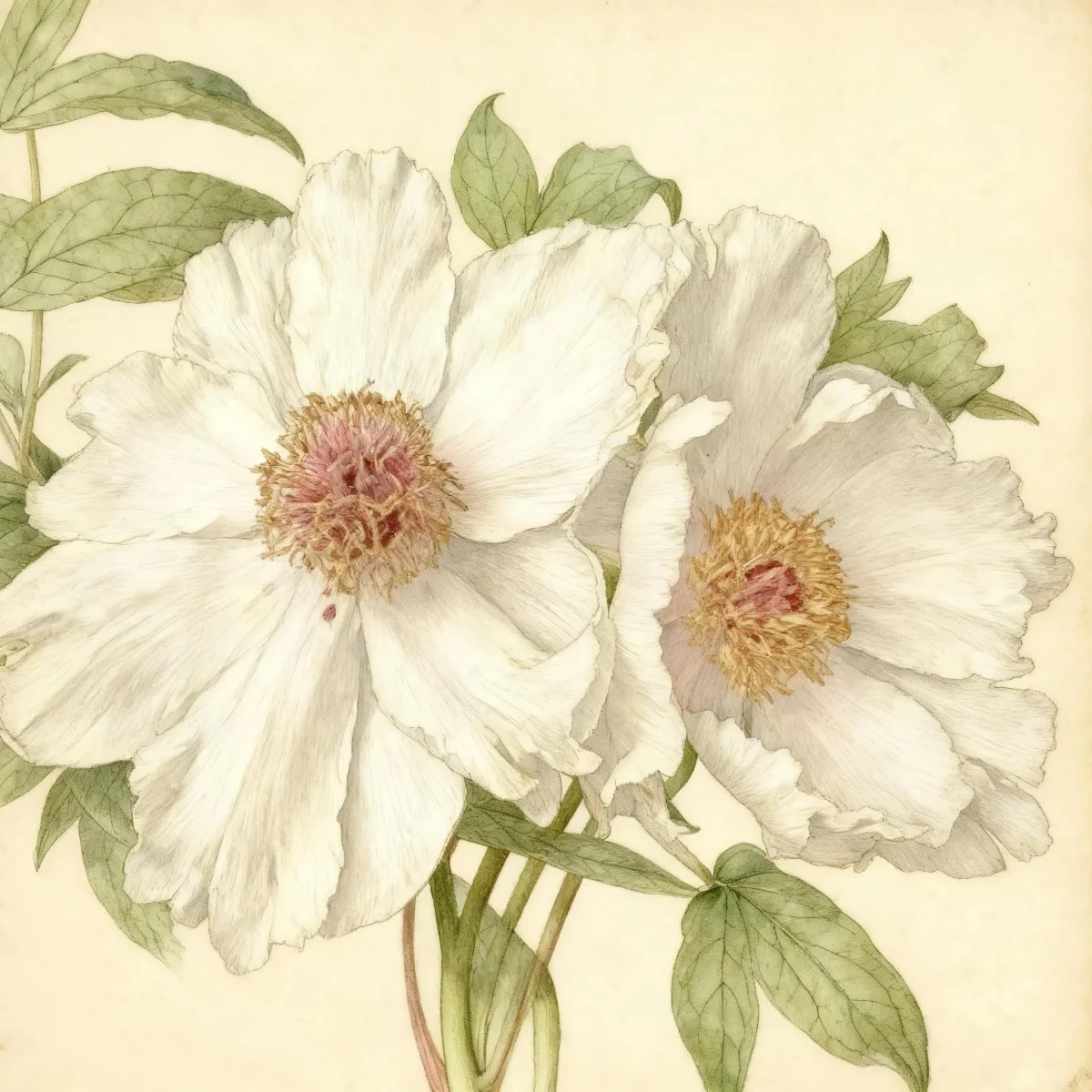
Tree peony (Paeonia ostii 'Feng Dan Bai' PHOENIX WHITE)
Paeonia ostii 'Feng Dan Bai' PHOENIX WHITE is a showy Tree peony producing fragrant white blooms. A hardy, medium-sized deciduous shrub.
Scroll down to discover growing tips, care requirements, companion plants, and more
Complete Plant Information
Overview
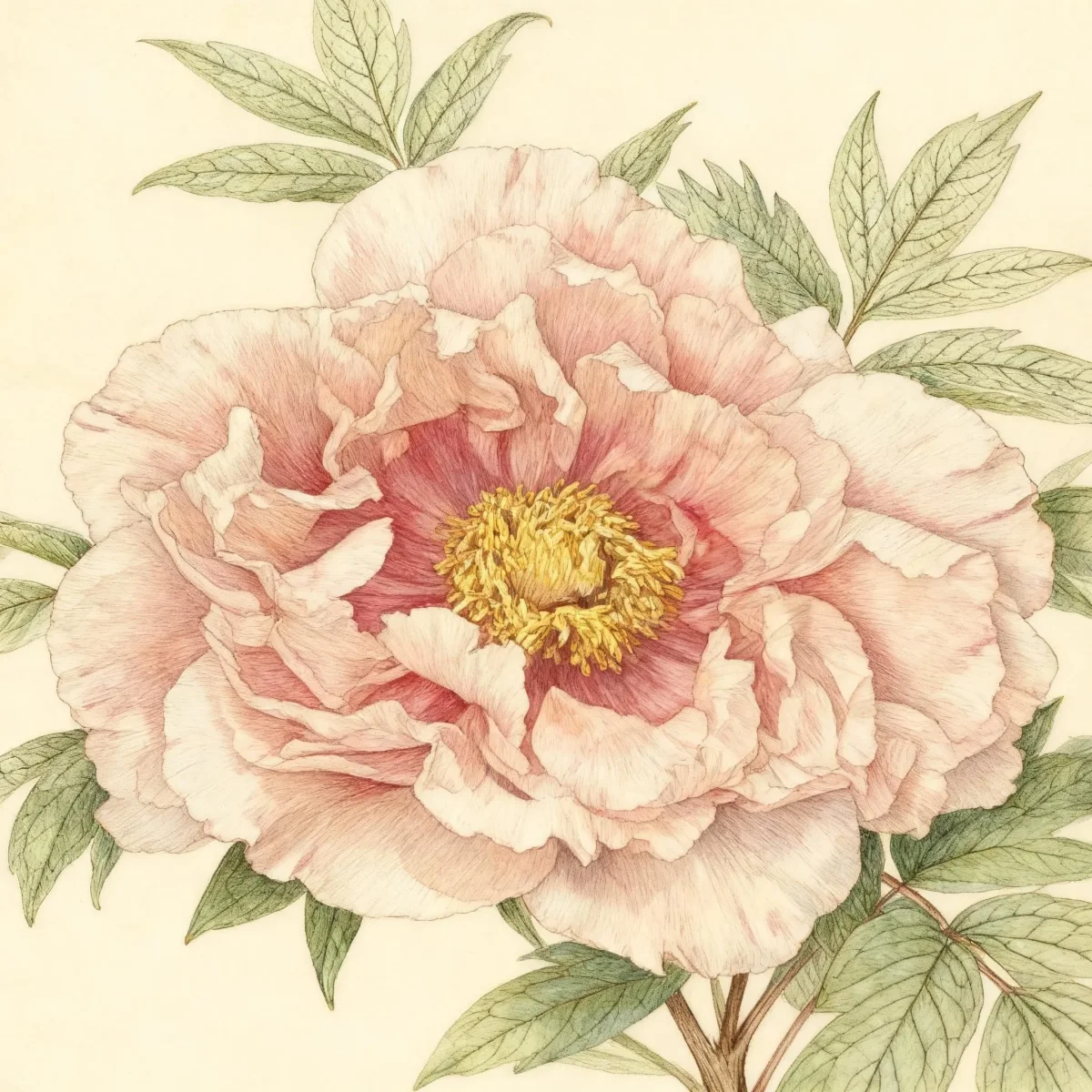
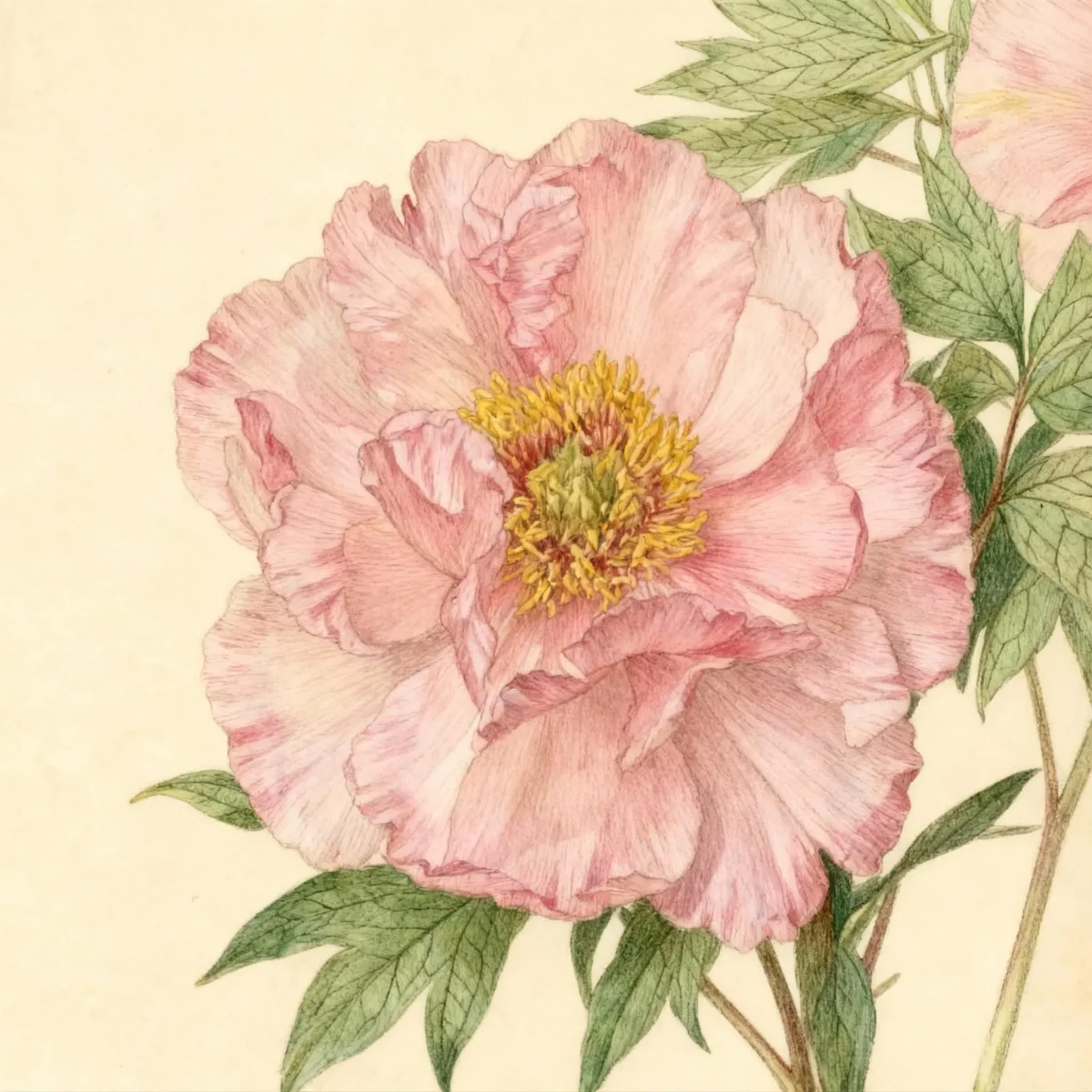
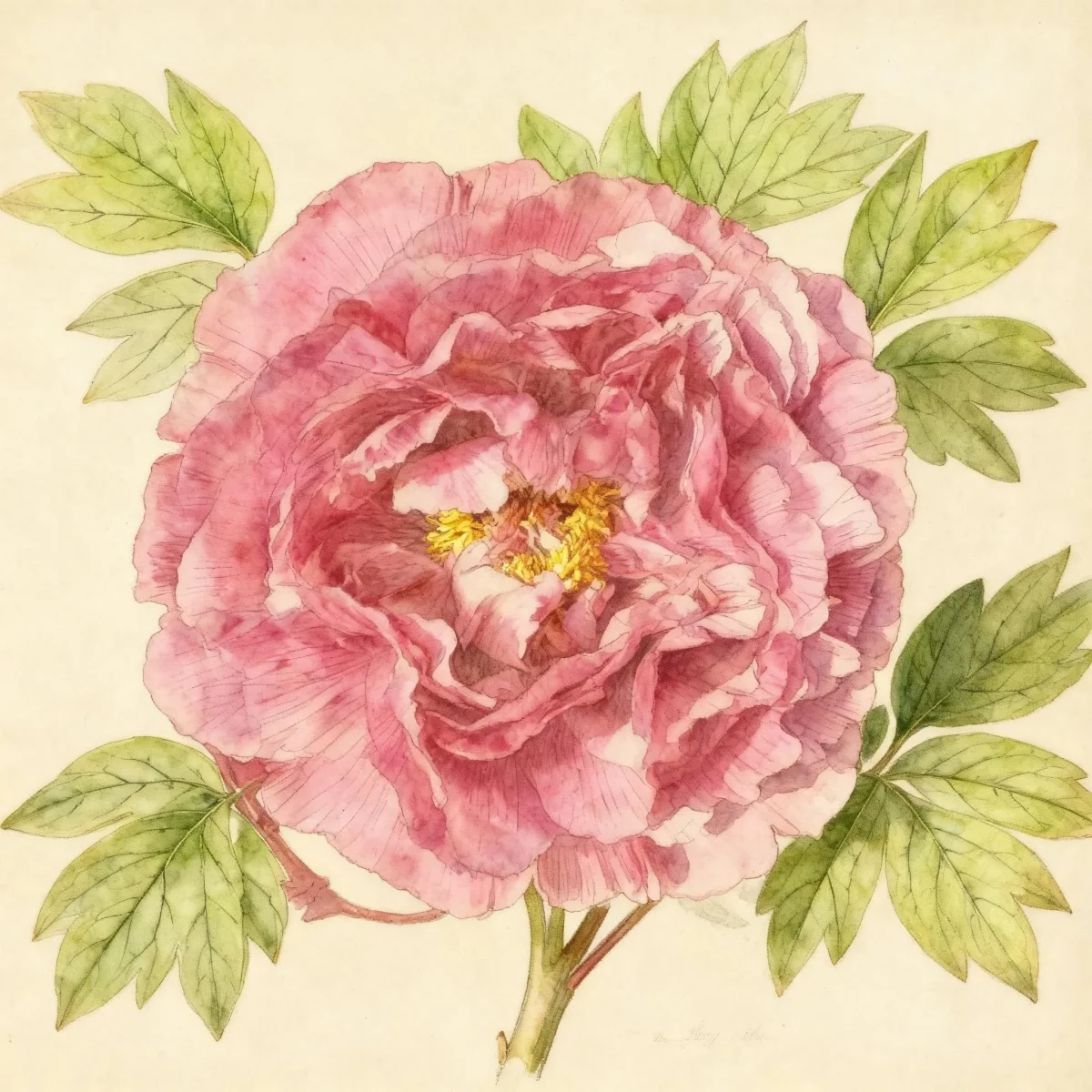
The Tree peony, specifically the cultivar Paeonia ostii ‘Feng Dan Bai’ PHOENIX WHITE, is a magnificent addition to any established landscape, prized for its spectacular spring flowering display. Unlike common herbaceous peonies, this selection is a woody shrub whose structure remains present year-round, offering architectural interest even through winter dormancy. Its massive, sweetly fragrant white flowers, often reaching 7 inches across, create an unforgettable focal point when they unfold in early spring.
Originating from the species Paeonia ostii, which is native to certain mountainous regions in China, this Tree peony thrives when provided with foundational care but demands patience, as it takes several years to fully establish its deep root system. Paeonia ostii ‘Feng Dan Bai’ PHOENIX WHITE offers substantial, attractive foliage that remains appealing throughout the growing season, framing its brilliant bloom period beautifully.
Gardeners value this spectacular specimen not just for its aesthetic quality but also for its relative longevity and impressive presence as a medium-sized shrub. While requiring medium maintenance, the reward is a highly showy, long-lived woody peony that provides decades of reliable, fragrant floral performance in appropriate climates.
Fast Facts
- Plant Family: Paeoniaceae
- Plant Type: Deciduous shrub
- Hardiness Zones: USDA Zones 4-8
- Size at Maturity:
- Height: 3-5 ft
- Spread: 4-5 ft
- Bloom Time: April
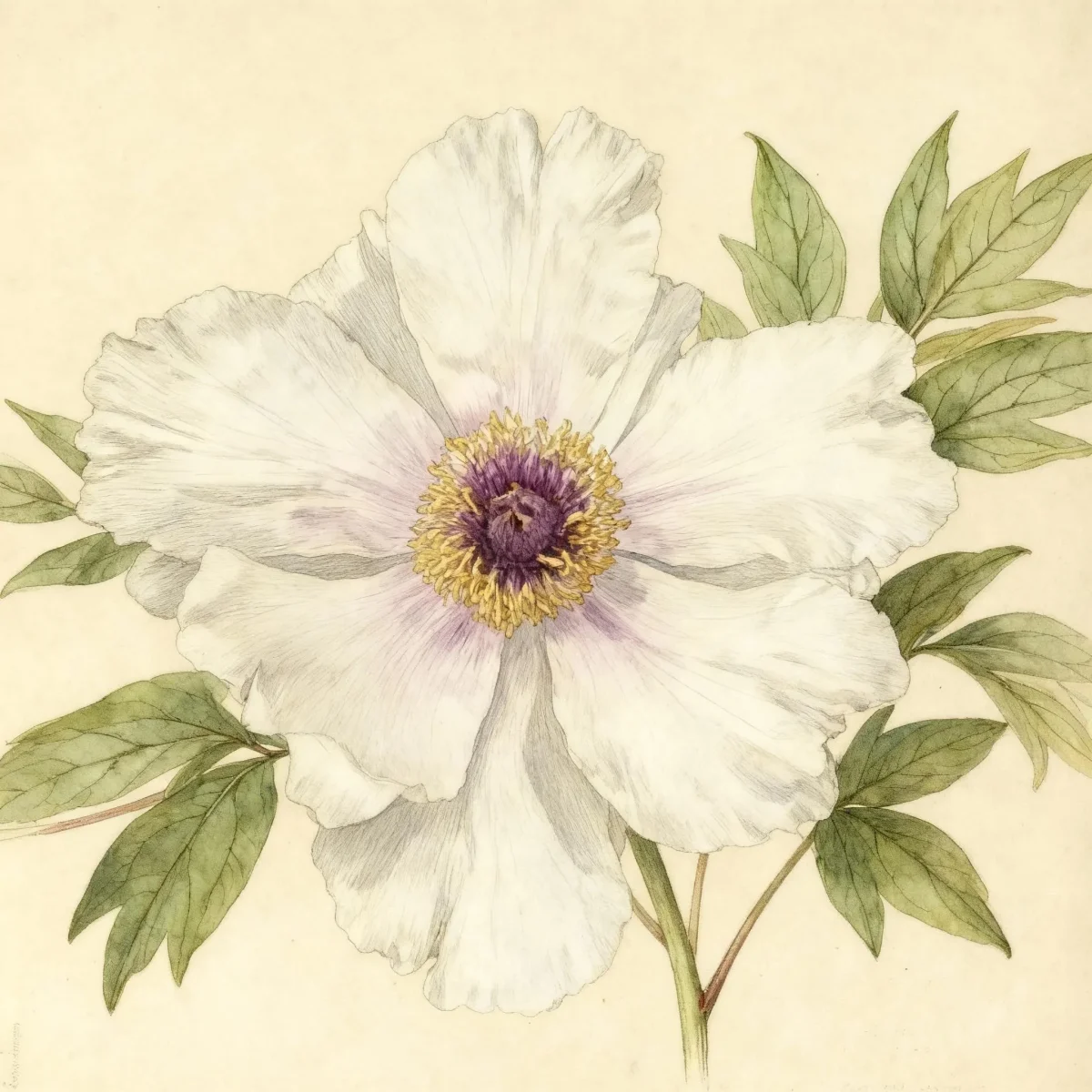
- Bloom Description: White with yellow center
- Sun Exposure: Full sun to part shade
- Water Needs: Medium
- Maintenance Level: Medium
How to Grow
Plant your Paeonia ostii ‘Feng Dan Bai’ PHOENIX WHITE in the early fall or early spring for the best establishment success. Location selection is crucial: they require deep, fertile, organically rich soils that are neutral to slightly alkaline, and must have excellent drainage. While capable of handling full sun, this Tree peony often performs optimally with some part shade protection, especially from intense afternoon summer heat. Incorporate compost generously before planting to ensure rich soil structure.
Water needs are medium, meaning consistent moisture is required, especially while establishing, but avoid waterlogged conditions which can lead to root suffocation or fungal issues given the species’ preference for well-drained sites. Due to their deep root systems, these are best left undisturbed once planted; transplanting is difficult and often unsuccessful. These long-lived plants need patience and reliable cold winter temperatures to set buds properly, making performance spotty south of Zone 8.
Pruning for this woody shrub is thankfully minimal. Unlike herbaceous peonies, you do not cut the stems down after frost; the woody stems must remain. The only required pruning involves removing any dead wood or any suckers emerging below the graft point in early spring. If shaping is desired due to legginess, a moderate pruning can be attempted in early fall to encourage lower branching. Remember to deadhead spent flowers promptly after blooming fades.
Landscape Uses
The incredible visual impact of the large, fragrant blooms makes the Tree peony an outstanding choice for placement where it can be fully appreciated annually. Paeonia ostii ‘Feng Dan Bai’ PHOENIX WHITE is ideally suited as a specimen plant, drawing the eye to a prominent location in the yard. When used as a hedge or a grouping, they create a stunning, cohesive wall of early spring fragrance and color.
Consider using this woody perennial as an accent plant near entryways or pathways where the fragrant flowers can be easily enjoyed up close. The structure and foliage of the Tree peony also make it an excellent backdrop for lower-growing spring ephemerals or summer perennials, providing a bold green frame that remains attractive long after the flowers fade. Ensure sufficient space is available, as the mature spread requires adequate room for this long-lived shrub to develop naturally.
Standout Features
Flower Qualities
- Showy
- Fragrant
Noteworthy Characteristics
Paeonia ostii, commonly known as Osti’s tree peony, is a deciduous, multi-stemmed, woody shrub. It is notable as an endangered species native to Henan province in China, though widely cultivated elsewhere. Its defining feature is the solitary, terminal, single, sweetly fragrant white flowers, which can reach six inches wide, featuring contrasting yellow anthers set against purple-red filaments. The specific cultivar ‘Feng Dan Bai’ (PHOENIX WHITE) is recognized for its particularly large, upward-facing fragrant white flowers with slightly ruffled petals, typically maturing 4-5 feet tall.
Tolerances
- Rabbit
- Deer
Potential Problems
Tree peonies are generally robust and considered relatively pest-free compared to some garden counterparts. The most common issues involve fungal or bacterial diseases that thrive in overly moist or humid conditions, such as canker, leaf blight, and stem wilt. Proper site selection—emphasizing excellent air circulation and well-drained soil—is the best preventative measure. Ants frequently congregate on the sticky peony buds as they open; these visitors are harmless and are often attracted to the nectar, disappearing once the bloom is fully set.
Frequently Asked Questions
What hardiness zones is Tree peony suitable for?
Paeonia ostii ‘Feng Dan Bai’ PHOENIX WHITE is suitable for USDA Hardiness Zones 4 through 8.
How large does Tree peony grow?
This deciduous shrub typically reaches a mature height of 3 to 5 feet and spreads between 4 and 5 feet wide.
What sun exposure does Tree peony need?
This plant prefers full sun to part shade conditions for optimal flowering and health.
When does Tree peony bloom?
The spectacular bloom time for this variety is April, typically featuring showy white flowers with a yellow center.
Conclusion
Paeonia ostii ‘Feng Dan Bai’ PHOENIX WHITE offers gardeners the dramatic, large blooms associated with Tree peonies on a sturdy, woody perennial structure. Its showy, fragrant spring flowers and long life expectancy make this Tree peony a treasured specimen plant demanding proper soil drainage. Confirm that your garden falls within USDA Zones 4-8, prepare deep, rich soil, and plan to plant this magnificent shrub in fall or early spring for the best results.
Companion Planting
When designing a space for your Paeonia ostii ‘PHOENIX WHITE’, consider plants that share similar cultural preferences for well-drained, fertile soil and part shade. Low-growing spring bulbs like grape hyacinth (Muscari) or daffodils offer early color beneath the woody structure before the Tree peony fully leafs out. Later in the season, companion it with shade-tolerant perennials such as Hostas or Astilbes, ensuring they do not aggressively compete with the Peony’s developing root system.
Seasonal Care Calendar
For excellent long-term health, focus your Paeonia ostii ‘Feng Dan Bai’ care around the seasons. In very early spring, correct any pruning needs by removing dead wood or checking for suckers. Throughout the growing season, maintain medium moisture levels and monitor for potential fungal issues, especially during humid periods. In early fall, before the ground freezes hard, apply a layer of compost around the base to enrich the soil for the following year’s growth, but be cautious not to pile mulch directly against the woody stems.