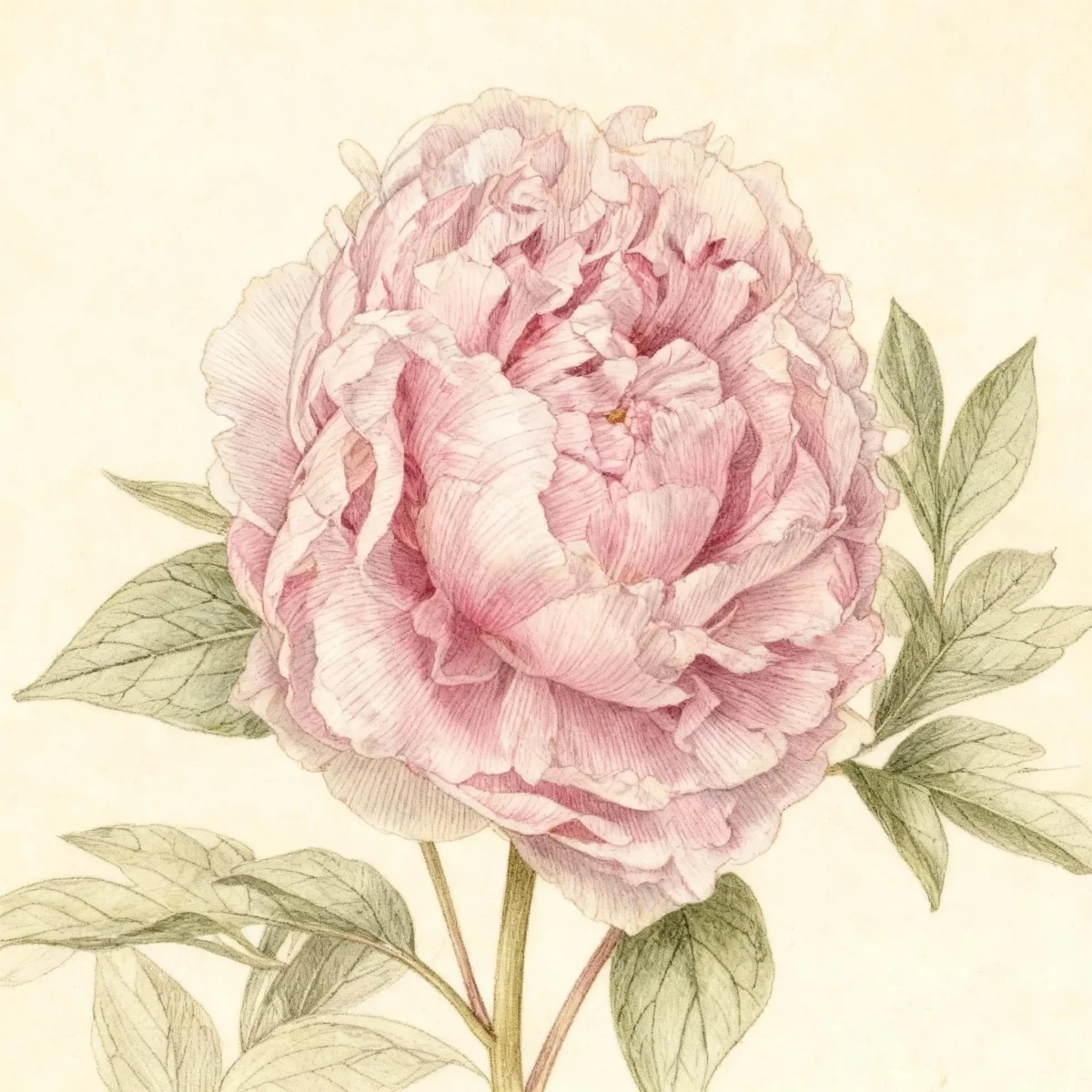
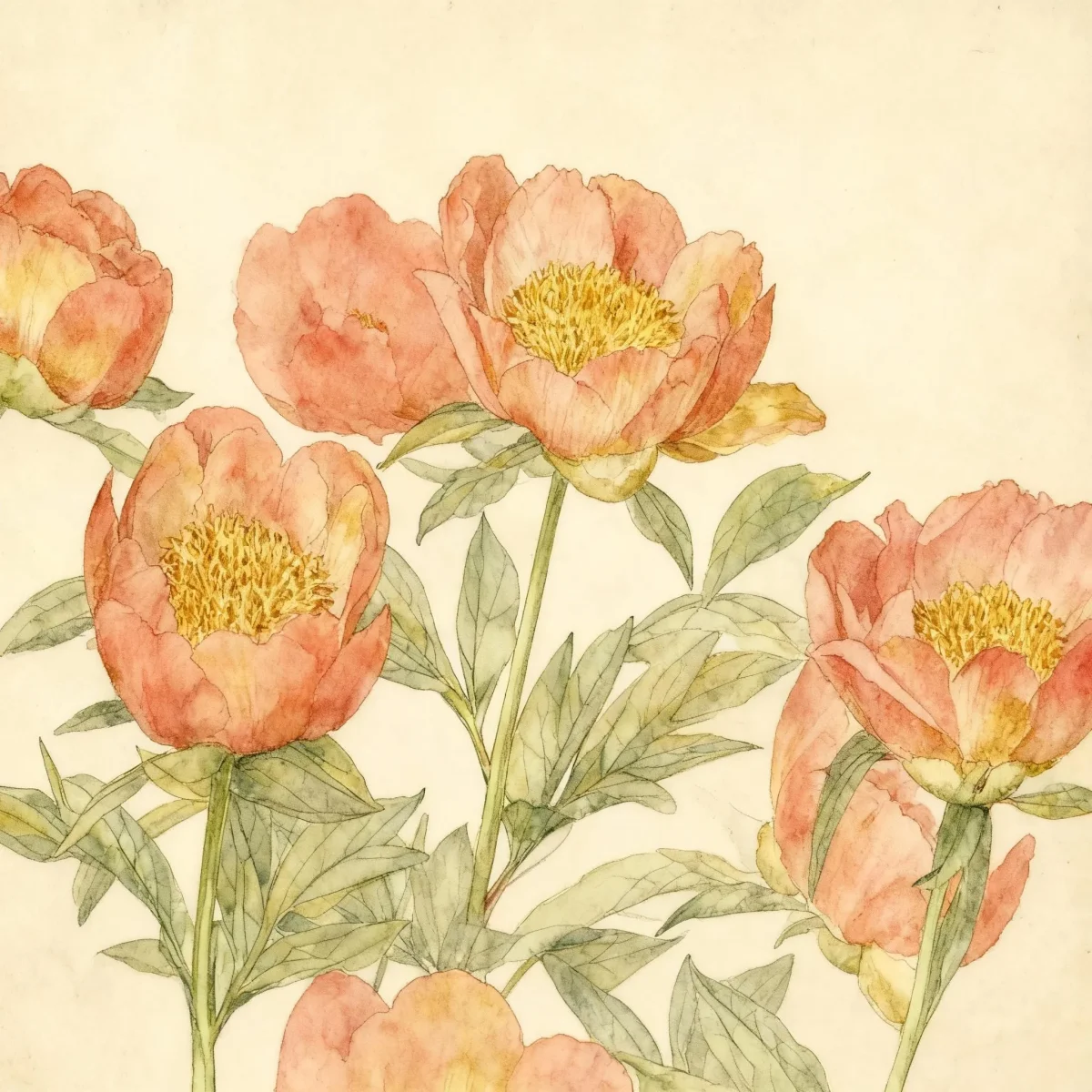
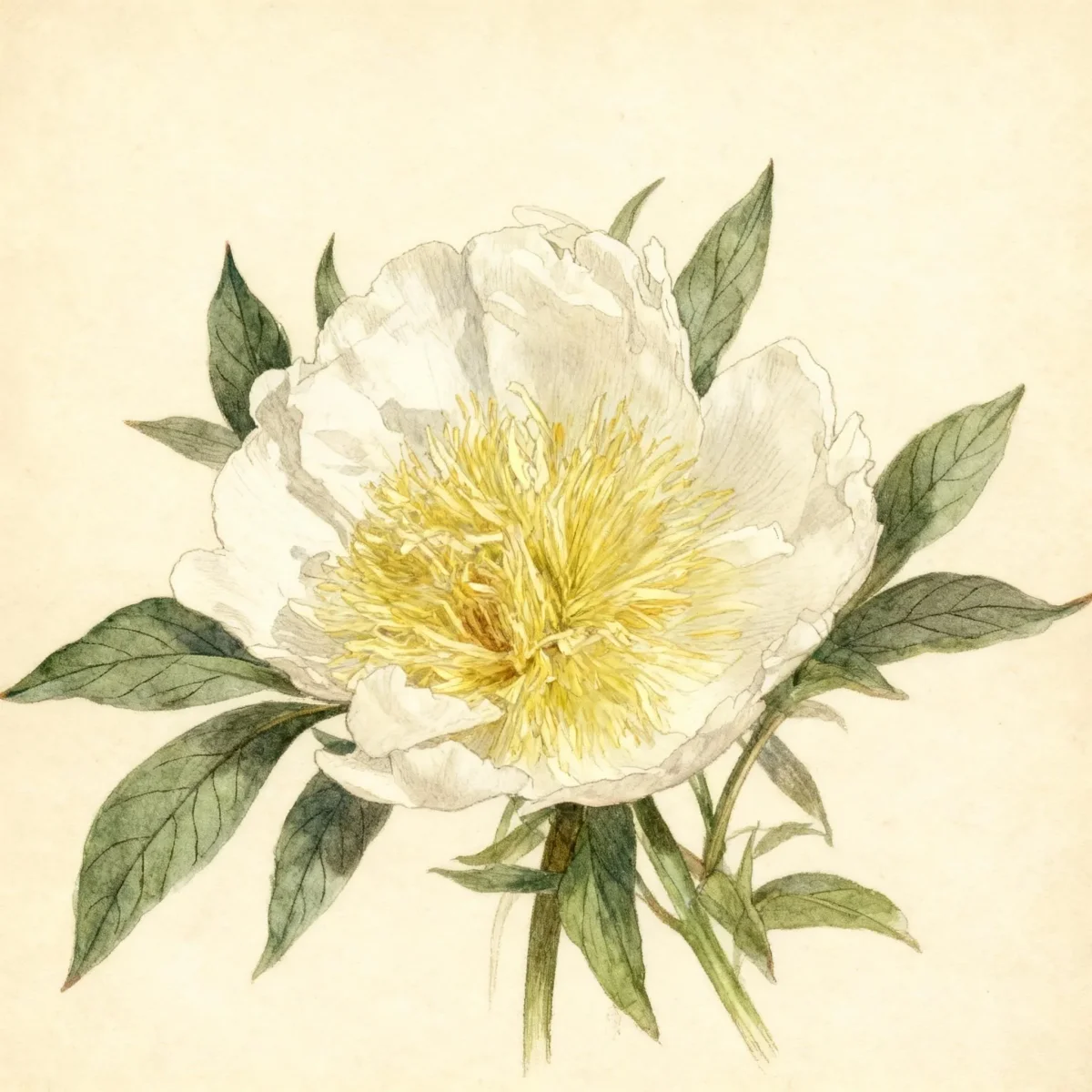
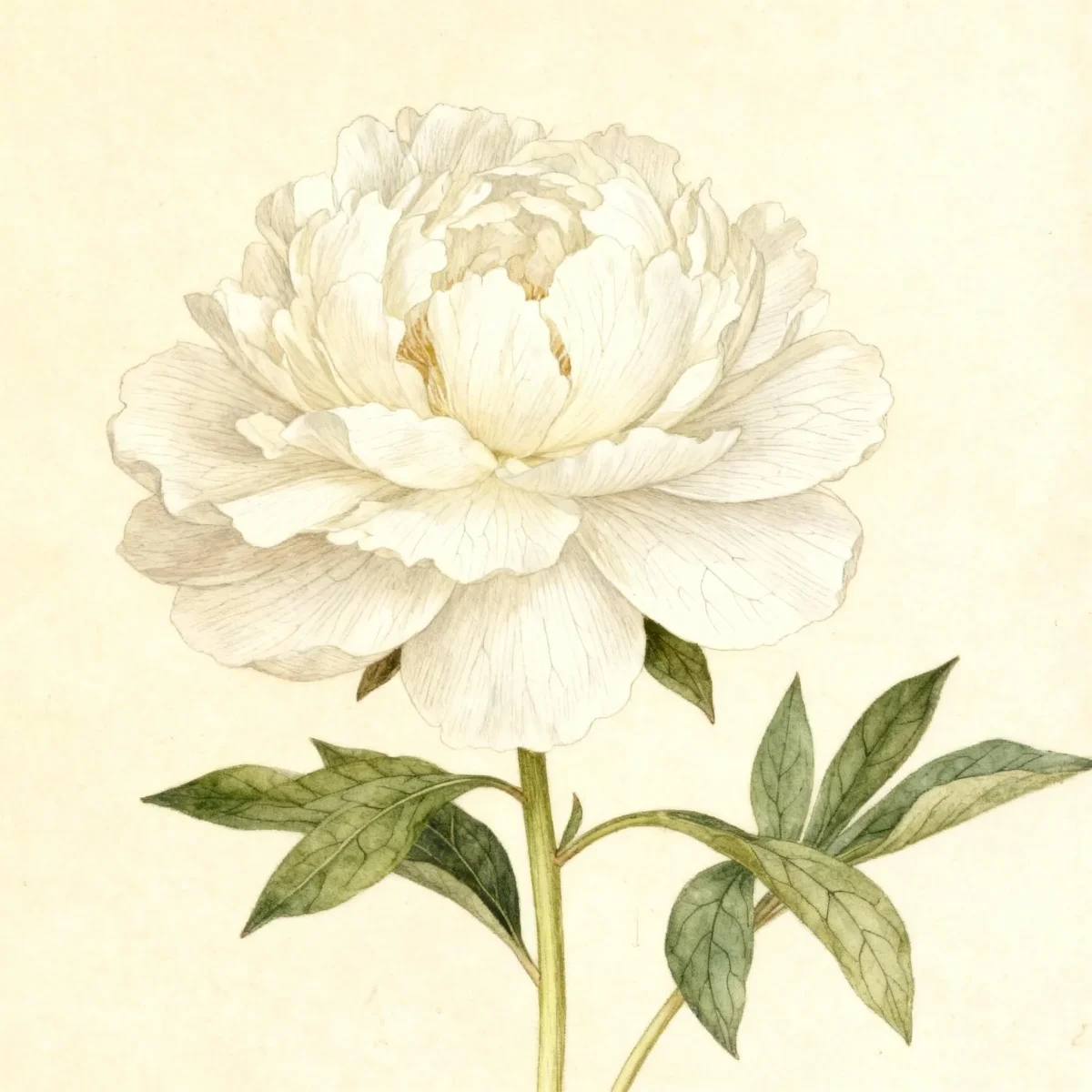
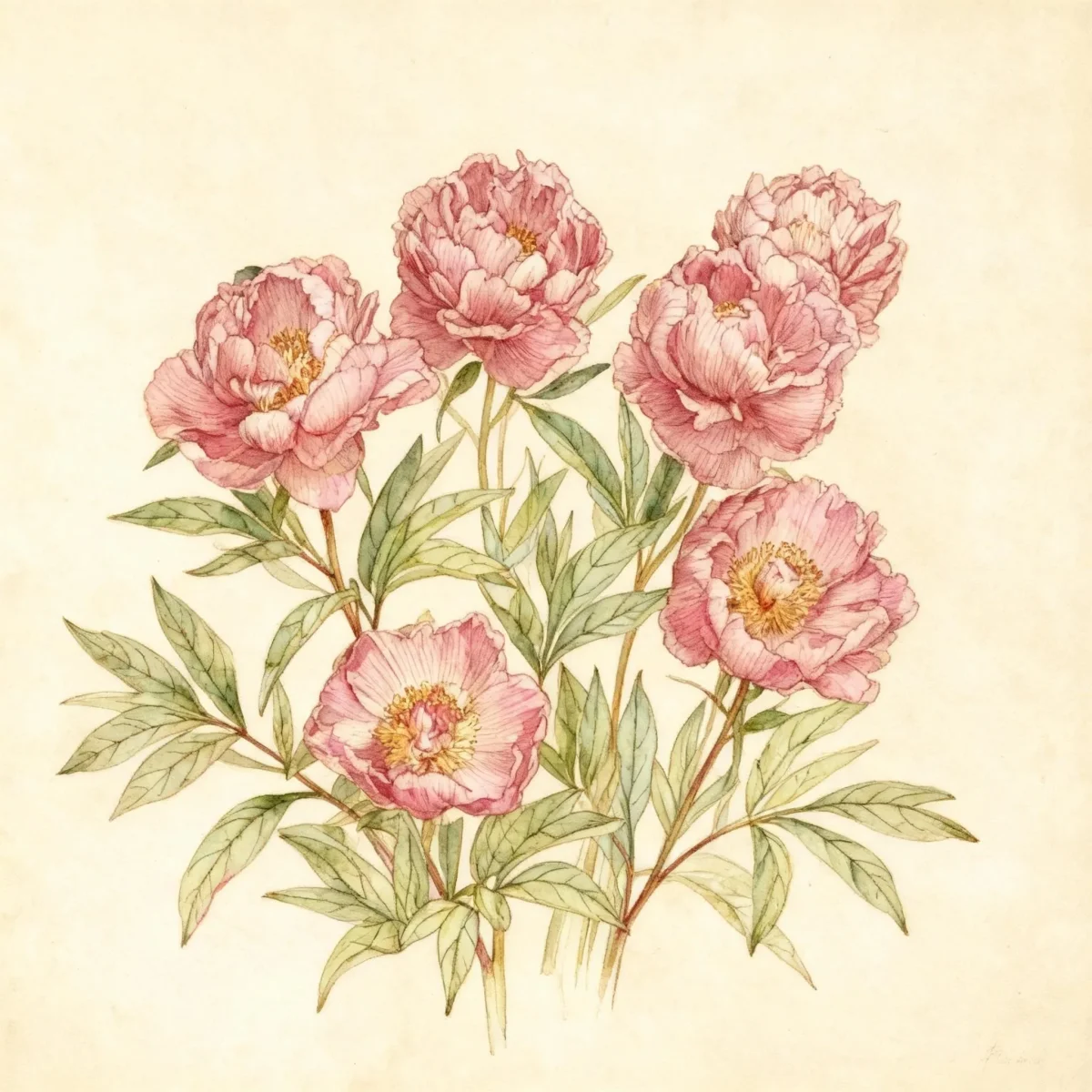
Fernleaf peony (Paeonia 'Itopa Shakuyaki')
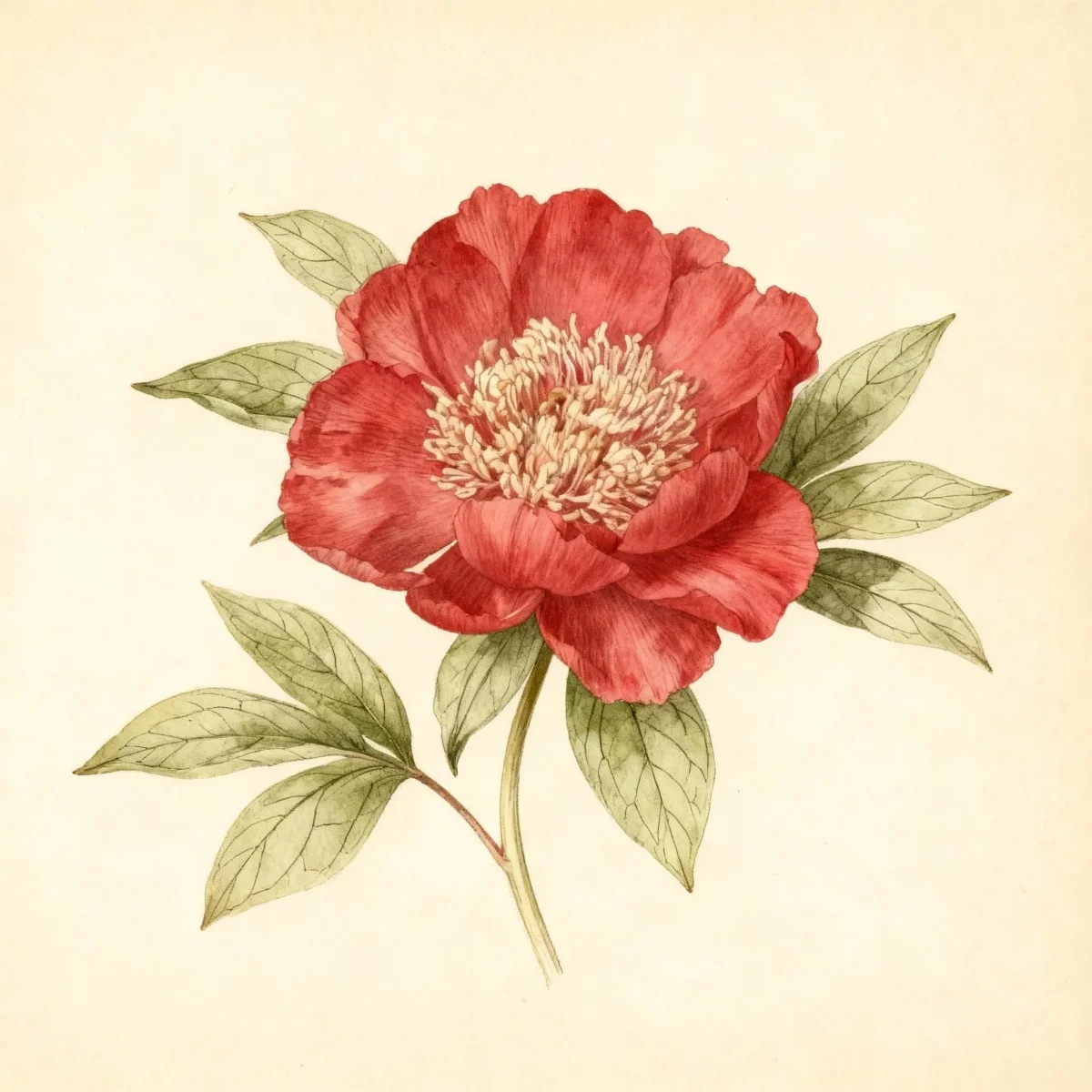
The exquisite Fernleaf peony, Paeonia 'Itopa Shakuyaki', offers deeply divided, ferny foliage and striking red Japanese-style flowers in mid-season.
Scroll down to discover growing tips, care requirements, companion plants, and more
Complete Plant Information
Overview
The Fernleaf peony, Paeonia ‘Itopa Shakuyaki’, is a cherished cultivar prized for its unique, finely textured foliage that resembles a fern—a distinct feature among traditional peonies. This herbaceous perennial brings substantial visual interest long after the spectacular blossoms have faded. It is a robust addition to the garden, offering bright red flowers with contrasting yellow stamens when it blooms reliably in mid-season.
Paeonia ‘Itopa Shakuyaki’ matures to a compact height of 1 to 2 feet, making it significantly smaller than many of its herbaceous cousins, which broadens its use in various landscape settings. Gardeners rely on this plant for its reliability, long life, and minimal requirements once established. It provides vibrant spring color combined with attractive summer greenery.
This specific variety is known for its Japanese-type flowers, which feature a single row of petals surrounding a stunning cluster of yellow stamens. If you seek traditional peony beauty packaged in a tidy, finely cut leaf habit, the Fernleaf peony is an excellent choice for perennial borders or specimen planting.
Fast Facts
- Plant Family: Paeoniaceae
- Plant Type: Herbaceous perennial
- Hardiness Zones: USDA Zones 3-8
- Size at Maturity:
- Height: 1-2 ft
- Spread: 1-2 ft
- Bloom Time: May
- Bloom Description: Red with yellow stamens
- Sun Exposure: Full sun to part shade
- Water Needs: Medium
- Maintenance Level: Medium
How to Grow
Establish the Fernleaf peony in a location receiving full sun to partial shade. The most critical aspect of plating is soil quality; these plants thrive best grown in rich, fertile, medium moisture, well-drained soil. Incorporate compost generously before planting to ensure the foundation for decades of growth.
Provide medium watering, especially during dry spells, ensuring the soil remains consistently moist but never waterlogged. Paeonia ‘Itopa Shakuyaki’ requires medium maintenance. After the primary bloom period (which lasts about 7-10 days), remove spent flowers promptly to maintain neatness. To extend the overall peony season in your garden, interplant with cultivars that bloom earlier or later.
A crucial yearly task involves cutting the foliage down to the ground in the fall after the first hard frost has occurred, removing the debris from the garden space. These peonies are long-lived and should not be divided unless absolutely necessary, often remaining happy undisturbed for many years. Avoid planting too deep or too shallow, as this is a common reason why newly established plants may refuse to flower in their first few seasons.
Landscape Uses
The compact size and highly ornamental, fern-like foliage make the Fernleaf peony incredibly versatile in landscape design. Its attractive green segments usually remain appealing throughout the growing season, providing texture even when not in bloom. This makes Paeonia ‘Itopa Shakuyaki’ superb when planted in thoughtful groups to create a textured mass effect or used as a standout specimen.
Consider using this perennial in traditional perennial borders where its moderate height won’t overwhelm shorter companions. Its structure also lends itself well to softer applications, such as creating a small, herbaceous hedge functioning as an accent along walkways, driveways, or anchoring the base of a fence or wall. The extremely showy flowers ensure visual impact when positioned where they can be easily admired.
Standout Features
Flower Qualities
- Showy
Noteworthy Characteristics
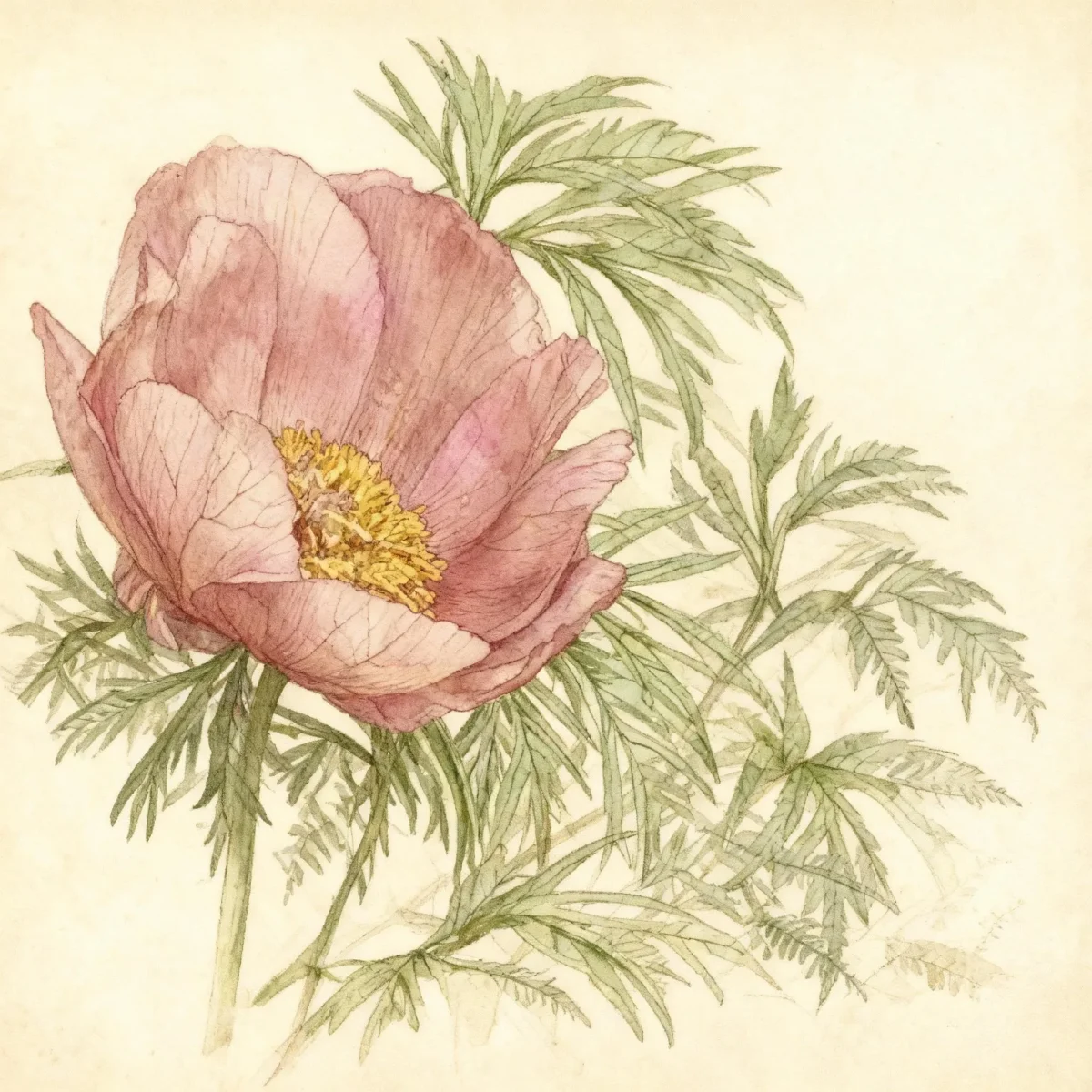
Genus name comes from the Greek name for Paeon, physician of the gods and reputed discoverer of the medicinal properties of plants in this genus. ‘Itopa Shakuyaki’ is a fernleaf peony. It is an herbaceous (soft-stemmed) plant which, each year, will typically grow to 1-2’ tall by mid-spring, produce flowers in mid-season (usually May in the St. Louis area), display attractive foliage throughout the summer and early fall, and then die to the ground after frost. Features bright red, Japanese-type (single row of petals), 3” diameter flowers with bushy center clumps of yellow stamens. Attractive green foliage is deeply divided and lobed into needle-like, ferny segments.
Tolerances
- Rabbit
- Deer
Potential Problems
Peonies, including the Fernleaf peony, are generally recognized as being quite pest-free; however, gardeners should watch for fungal issues like Botrytis blight or Phytophthora blight, particularly in overly damp, high-humidity conditions. A common sight is ants crawling on the developing buds; these are completely harmless and should generally be left alone as they sometimes aid in bud protection.
The most frequent issue reported by gardeners with Paeonia ‘Itopa Shakuyaki’ is a failure to bloom. If this occurs, check the planting depth—eyes should be no more than 1.5 to 2 inches below the soil surface. Other culprits include insufficient light (planting in too much shade), buds being damaged by a late spring frost, or the plant being too young or recently disturbed from transplanting or division.
Frequently Asked Questions
What hardiness zones is Fernleaf peony suitable for?
The Fernleaf peony, Paeonia ‘Itopa Shakuyaki’, thrives in USDA Hardiness Zones 3 through 8. Ensure your garden falls within this range for best results.
How large does Paeonia ‘Itopa Shakuyaki’ grow?
This variety exhibits moderate growth, typically reaching a height between 1 and 2 feet tall, with a spread ranging from 1 to 2 feet wide at maturity.
When does Fernleaf peony bloom?
This cultivar typically blooms in May, presenting striking red flowers distinguished by prominent yellow stamens in the center.
What sun exposure does Paeonia ‘Itopa Shakuyaki’ need?
For optimal flowering and overall health, this peony requires full sun or can tolerate light, part shade conditions, though heavy shade may reduce blooming potential.
Conclusion
The striking foliage texture and vibrant, early season color make the Fernleaf peony a standout specimen in any spring garden plan. Paeonia ‘Itopa Shakuyaki’ provides lasting visual interest and excellent garden performance with manageable cultural needs. Before purchasing, confirm your site offers rich, well-drained soil and adequate sunlight to ensure this beautiful plant thrives for many seasons to come.
Companion Planting
When designing a border around the Fernleaf peony, select companions that share similar sun and water needs but bloom either before or after May to maximize season-long interest. Consider early spring bulbs like Daffodils (Narcissus) which will finish their cycle before the peony reaches its full height.
For summer structure and color contrast to the deeply cut foliage, pair Paeonia ‘Itopa Shakuyaki’ with plants that offer broad leaves or upright spikes. Hostas, while preferring more shade, can work if placed strategically to the north side where they receive filtered afternoon light, or select sun-tolerant options like Siberian Iris, which complete their bloom cycle just as the peony begins to fade.
Seasonal Care Calendar
Spring preparation for your peony should focus on soil health. Gently work a light application of compost around the base of the emerging foliage, avoiding disturbance of the permanent root area. Keep the soil consistently medium moist as the flower buds develop.
Mid-season focus switches to post-bloom care. Immediately after the 7-10 day flowering window concludes, deadhead spent blooms. This prevents energy from going into seed formation and keeps the plant looking tidy through the summer while the unique ferny foliage performs its duty.
Fall signals the end of the above-ground growth cycle. Once the foliage yellows or after the first killing frost, cut all soft stems down to the ground level and remove the material from the garden area to minimize potential overwintering sites for fungal spores. Leave the plant undisturbed beneath the soil to fuel next year’s show.