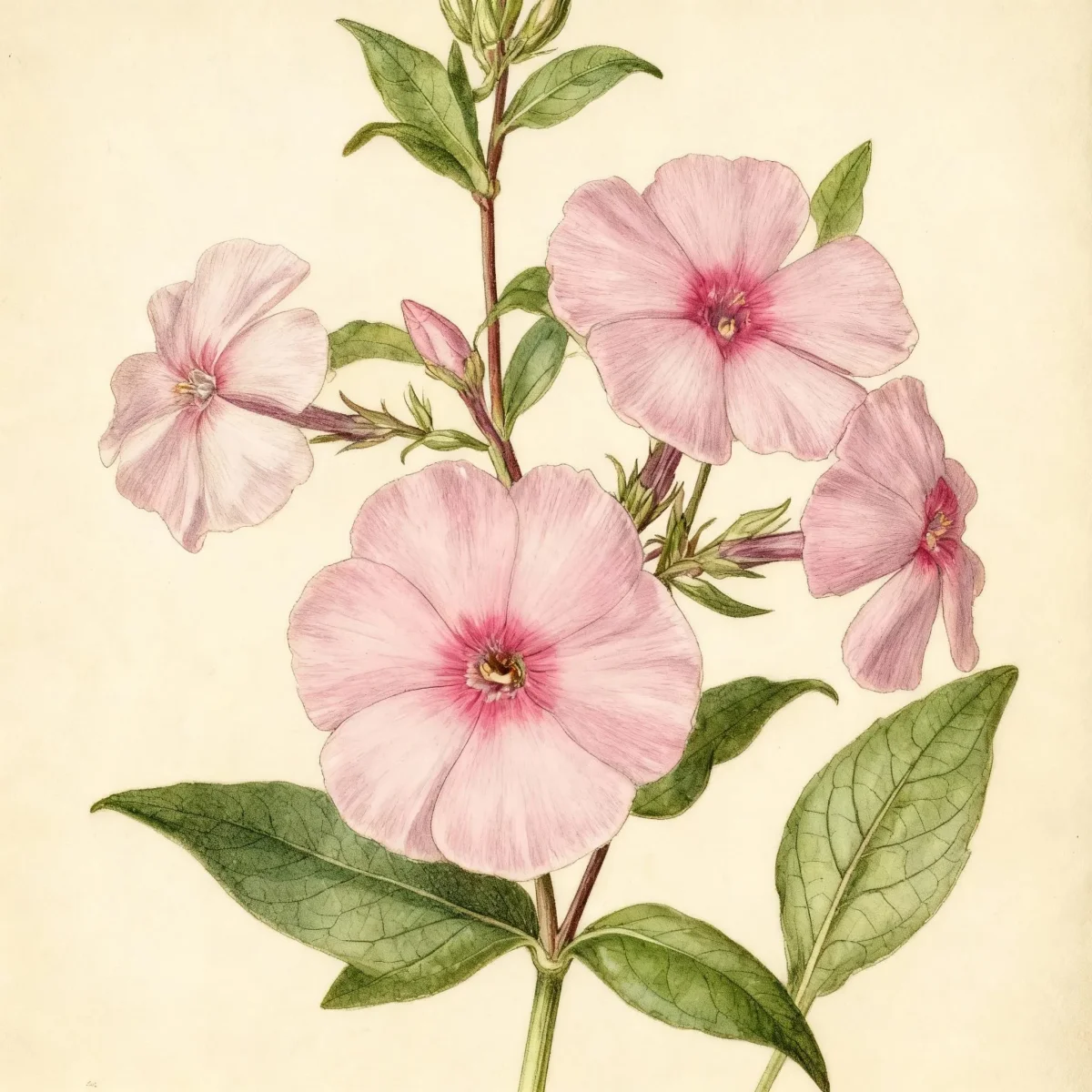
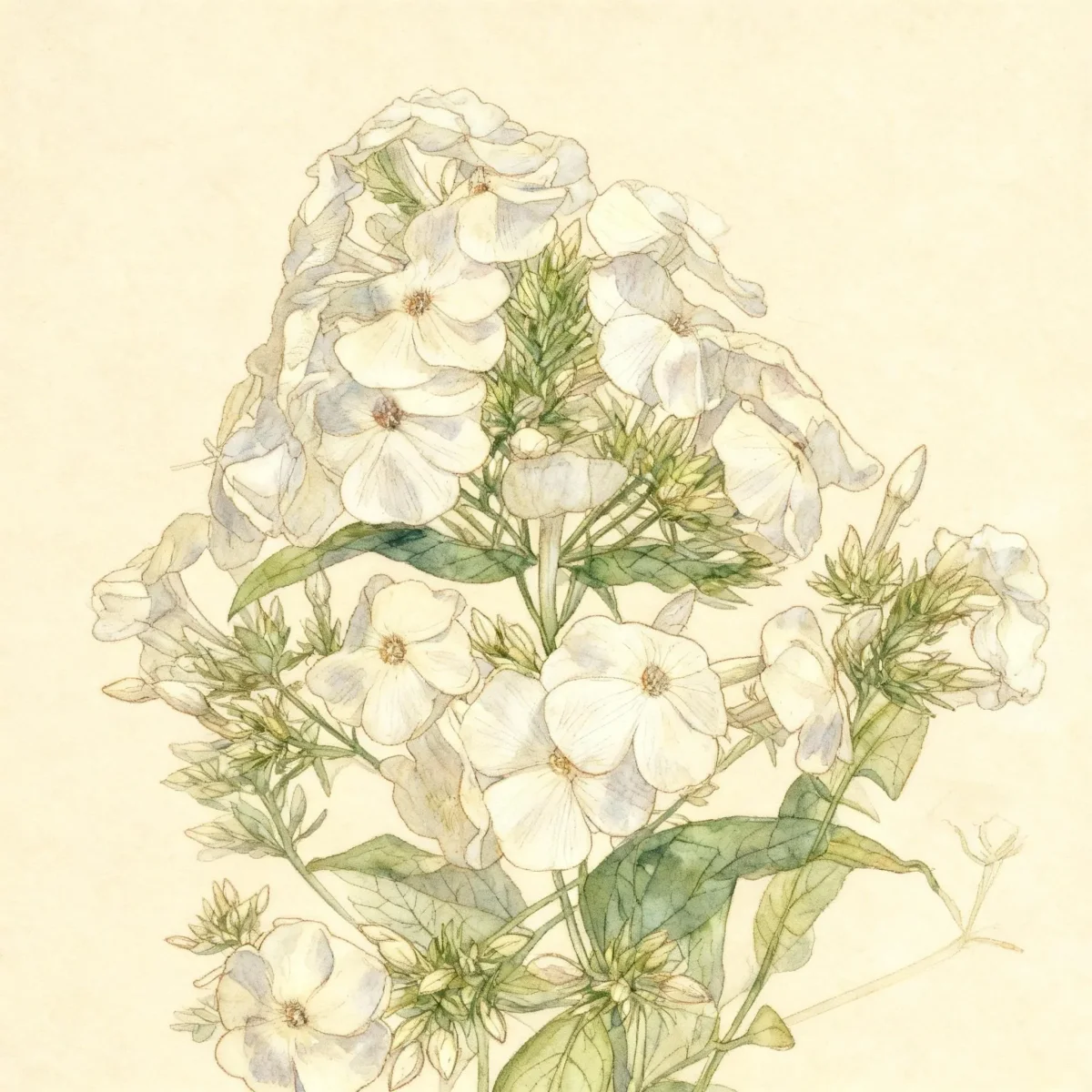
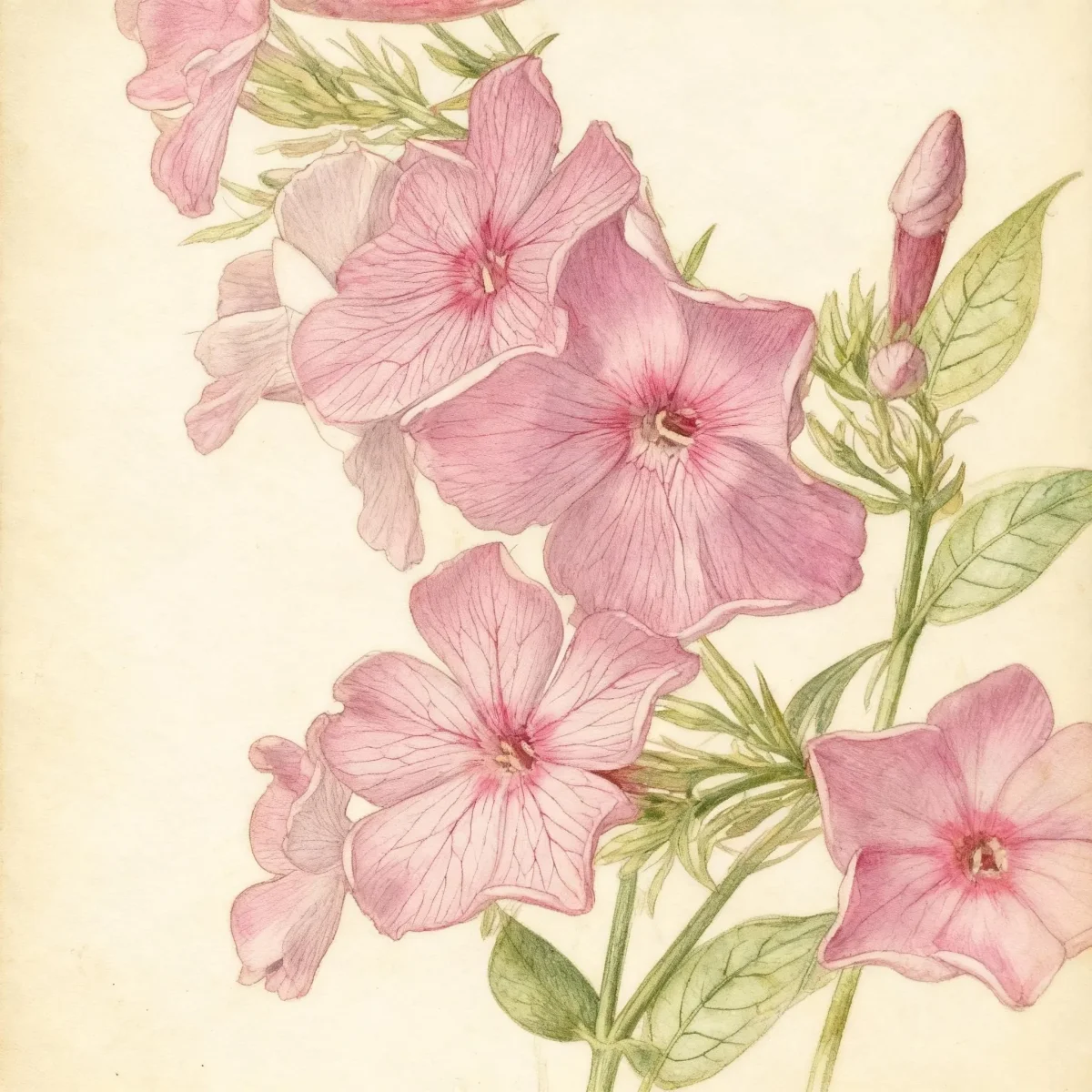
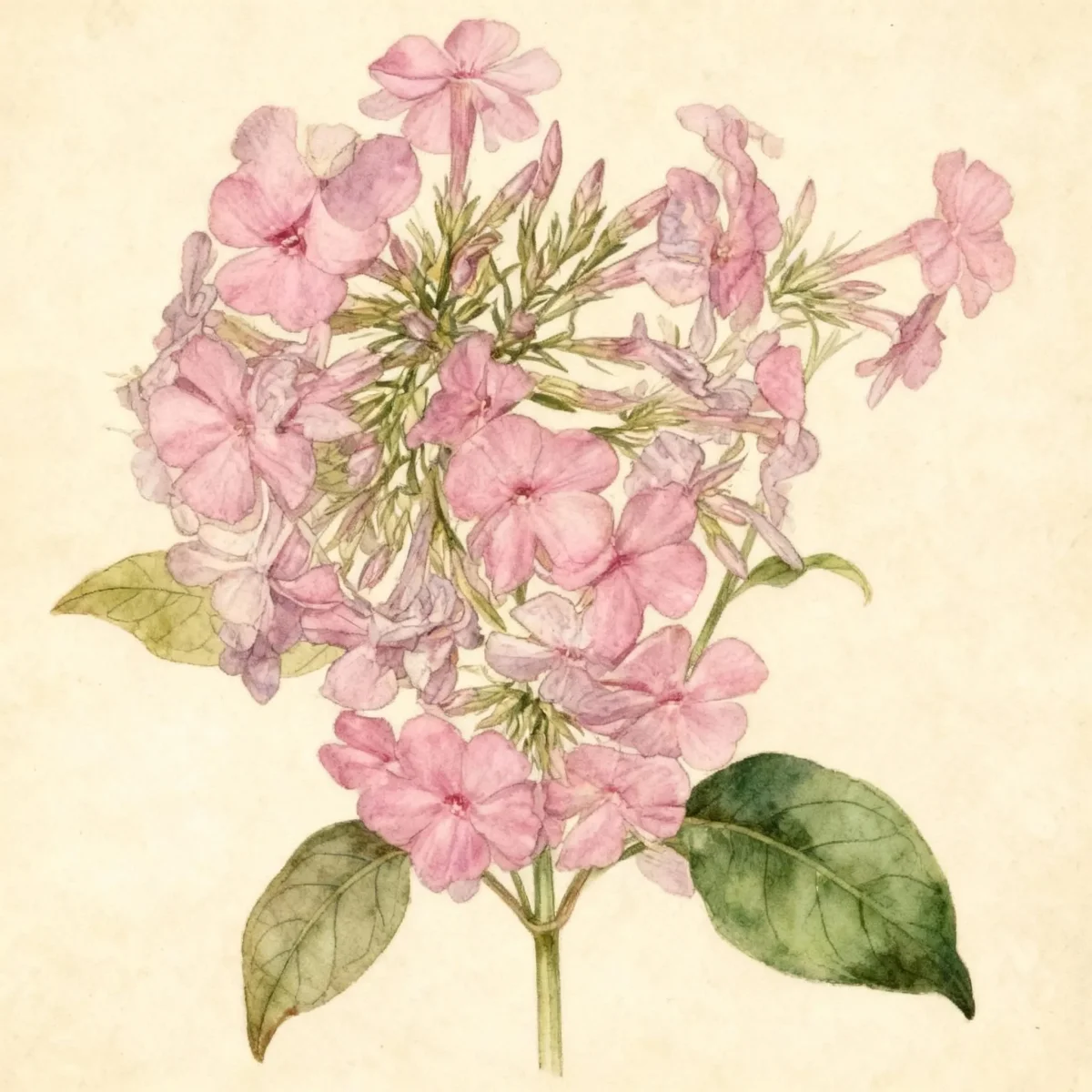
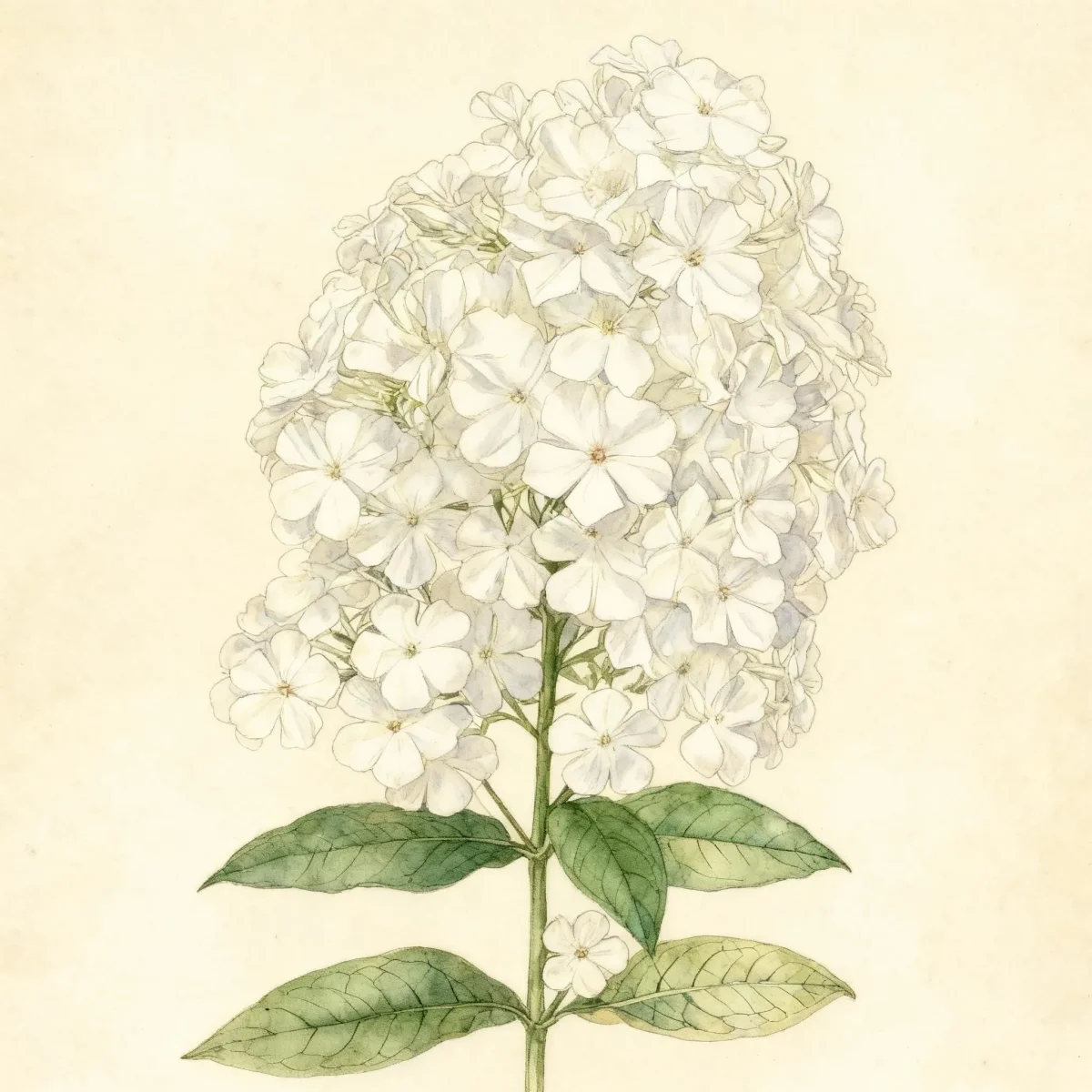
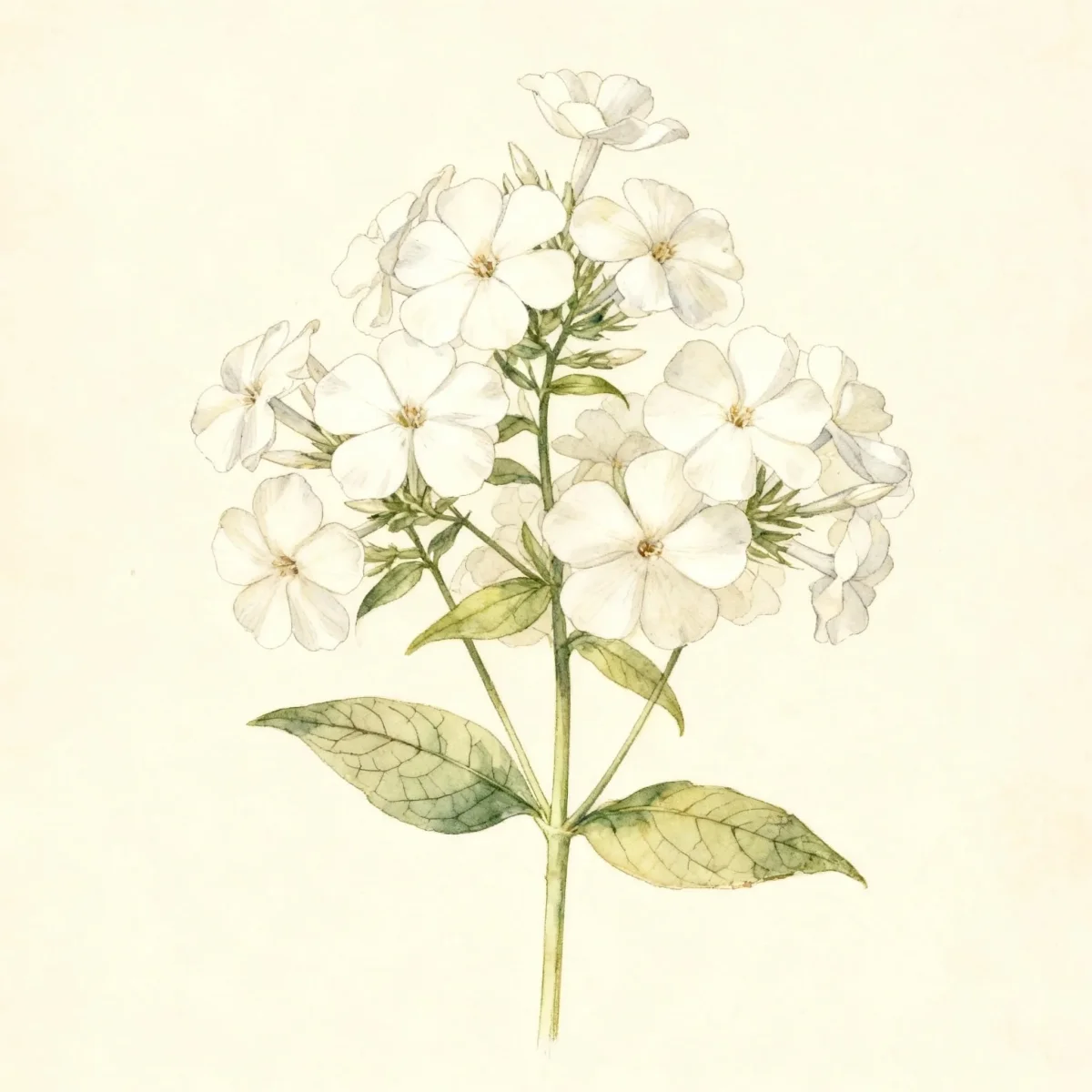
Garden phlox (Phlox paniculata 'David's Lavender')
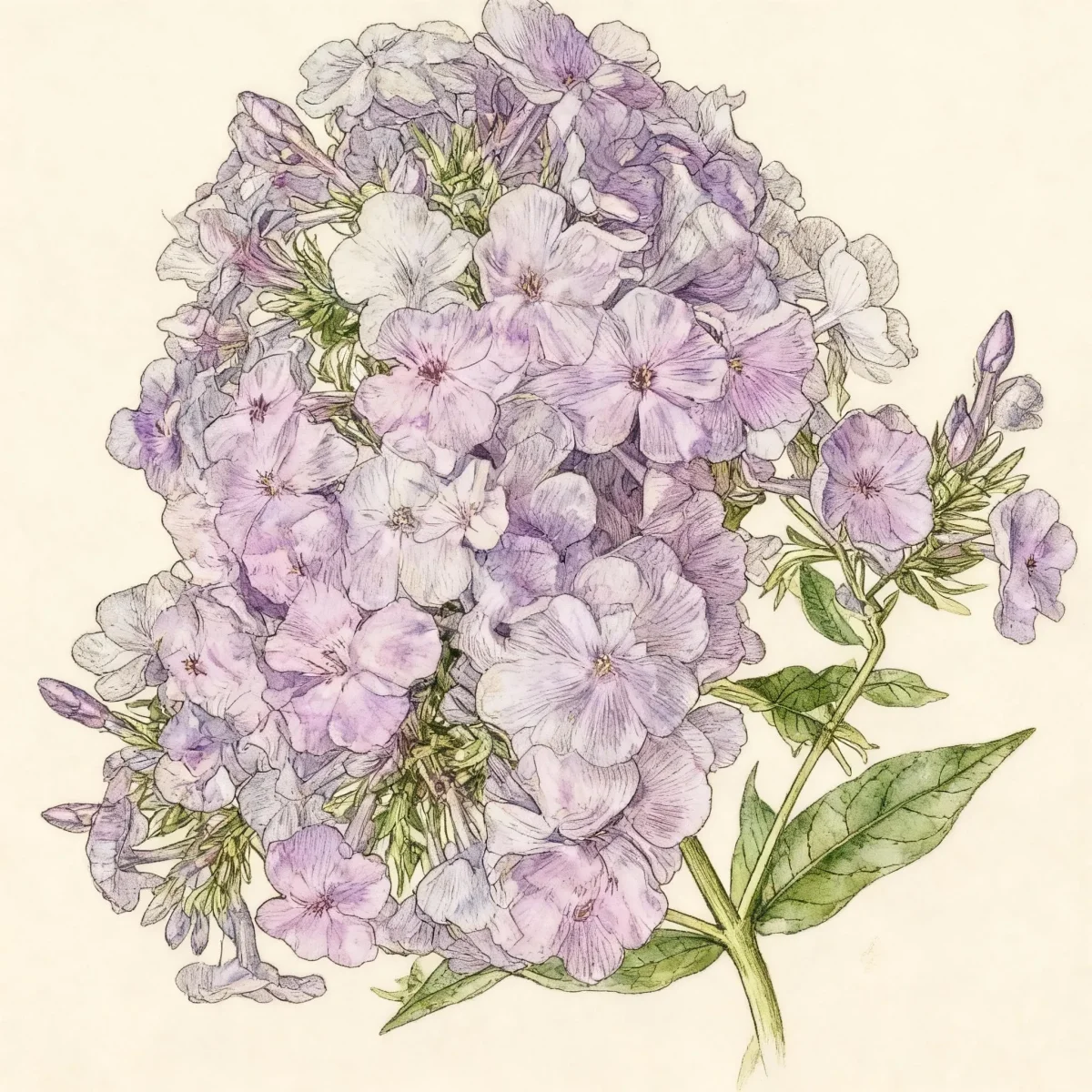
Phlox paniculata 'David's Lavender' offers fragrant, lavender blooms on upright stems, perfect for perennial borders. This Garden phlox resists mildew.
Scroll down to discover growing tips, care requirements, companion plants, and more
Complete Plant Information
Overview
Phlox paniculata ‘David’s Lavender’ is a prized variety of Garden phlox, lending vertical structure and delightful fragrance to summer gardens. Its appeal lies in its reliable stature, resistance to common ailments, and highly desirable lavender flower clusters. This upright perennial provides long-lasting color when many other spring bloomers have faded.
This cultivar, a sport of the popular ‘David’, maintains a strong, conical habit, typically reaching 3 to 4 feet tall without requiring staking. The deep green foliage provides an excellent backdrop for the showy, fragrant lavender florets that appear from mid-summer through early fall. Garden phlox is a fantastic pollinator attractant, bringing life to the perennial border.
For best performance of Phlox paniculata ‘David’s Lavender’, gardeners must provide consistent moisture and excellent air circulation to mitigate any potential powdery mildew issues. Providing ample sun exposure maximizes bloom potential while maintaining the plant’s vigor throughout the heat of summer.
Fast Facts
- Plant Family: Polemoniaceae
- Plant Type: Herbaceous perennial
- Hardiness Zones: USDA Zones 4-8
- Size at Maturity:
- Height: 3-4 ft
- Spread: 2-3 ft
- Bloom Time: July to September
- Bloom Description: Lavender
- Sun Exposure: Full sun to part shade
- Water Needs: Medium
- Maintenance Level: Medium
How to Grow
Plant Garden phlox in spring or fall in a location that receives at least six hours of direct sun for the best results, although part shade is tolerated. The soil should be moderately fertile, medium in moisture, and importantly, well-drained. Rich, organic soils are preferred by this species, so incorporating compost at planting time is highly beneficial.
Watering should be consistent; Phlox paniculata ‘David’s Lavender’ is intolerant of drought and requires regular irrigation during dry spells, but avoid overhead watering to prevent fungal issues. Applying a summer mulch helps keep the root zone cool and conserves soil moisture effectively. Stems should be spaced well apart, and thinning out weaker stems as needed enhances necessary air circulation.
For winter preparation, cut the spent stems of Phlox paniculata ‘David’s Lavender’ to the ground after the foliage dies back. Thoroughly clean up all plant debris from the area to minimize the chance of powdery mildew spores surviving the winter. Remove faded flower panicles throughout the season to encourage prolonged blooming.
Landscape Uses
Garden phlox is a fundamental component of the classic mixed perennial border, providing essential mid-to-late summer vertical accents. Its strong structure and vibrant color make Phlox paniculata ‘David’s Lavender’ an excellent backbone plant that pairs well with contrasting textures and bloom times, such as coneflowers or black-eyed Susans.
The fragrance emanating from the lavender blooms of Phlox paniculata ‘David’s Lavender’ also makes it suitable for planting near seating areas or pathways where its presence can be easily enjoyed. Regardless of the specific color, garden phlox is highly attractive to hummingbirds, making it a superb selection for inclusion in a wildlife or bird-friendly garden design.
Flower Qualities
- Showy
- Fragrant
Noteworthy Characteristics
Phlox paniculata, commonly known as garden phlox, is native from New York to Iowa south to Georgia, Mississippi and Arkansas. It has escaped gardens and naturalized into areas beyond its original native range. This is an upright perennial that grows in a clump to 2-4’ tall on stiff stems clad with conspicuously veined, opposite, pointed, elliptic, deep green leaves. Fragrant, tubular florets are densely packed in large, tiered, domed terminal clusters over a long July to September bloom period. ‘David’s Lavender’ is an upright, conical perennial that typically grows to 3-4’ tall on stiff stems clad with narrow, opposite, pointed, elliptic, deep green leaves. Fragrant tubular lavender flowers appear in densely packed large terminal clusters over a long July to September bloom period, and stems of this cultivar seldom need staking.
Tolerances
- Deer
- Clay Soil
- Black Walnut
Potential Problems
Phlox is not always an easy plant to grow well; common issues include phlox bugs, powdery mildew, and root rot, while spider mites can appear in very hot, dry periods. Taller stems in less resistant varieties may sometimes require staking. Fortunately, the specific cultivar ‘David’s Lavender’ is noted for having good resistance to powdery mildew problems, which is a major advantage over older garden phlox types. Good air circulation and avoiding overhead watering are the best preventive measures against any fungal outbreak.
Frequently Asked Questions
What hardiness zones is Garden phlox suitable for?
Phlox paniculata ‘David’s Lavender’ is hardy in USDA Zones 4 through 8, allowing it to thrive across a wide range of temperate climates.
How large does Garden phlox grow?
This cultivar typically reaches a mature height between 3 and 4 feet tall, with a spread of 2 to 3 feet wide.
What sun exposure does Phlox paniculata ‘David’s Lavender’ need?
It prefers full sun exposure for the most robust growth and best flowering, though it can tolerate light shade.
When does Garden phlox bloom?
Phlox paniculata ‘David’s Lavender’ offers abundant, fragrant lavender blooms throughout the summer, typically from July extending into September.
Conclusion
Phlox paniculata ‘David’s Lavender’ remains a must-have for reliable summer color, offering highly sought-after fragrance combined with noted mildew resistance. By ensuring proper spacing and consistent watering, you can enjoy the showy lavender clusters of this excellent Garden phlox all season long. Check your local USDA zone compatibility before planning your spring planting schedule.
Wildlife Benefits
Garden phlox, including cultivars like Phlox paniculata ‘David’s Lavender’, possesses long corolla tubes, making the nectar inside highly accessible to hummingbirds. These plants are known to attract beneficial insects throughout their long bloom period, supporting local ecosystems. Planting this perennial ensures a reliable nectar source is available during the mid-to-late summer slump.
Companion Planting
When selecting companions for Phlox paniculata ‘David’s Lavender’, prioritize plants with similar cultural needs, specifically medium water requirements and richness in their soil. Combine it with perennials that bloom earlier or later to create season-long interest, such as Siberian Iris (early summer) or Sedum ‘Autumn Joy’ (late fall). Good companions include catmint (Nepeta) for contrasting blue foliage or various ornamental grasses for texture.