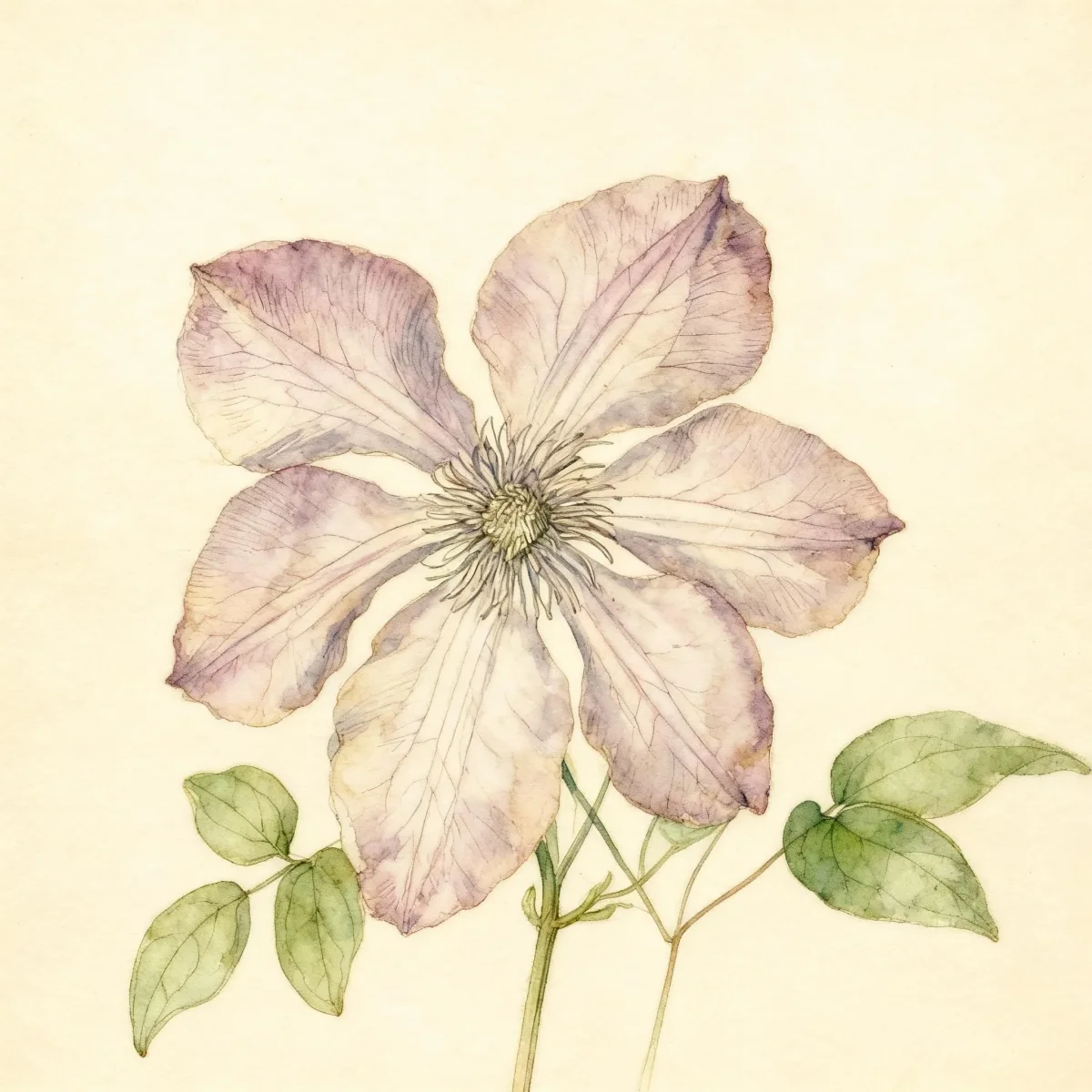
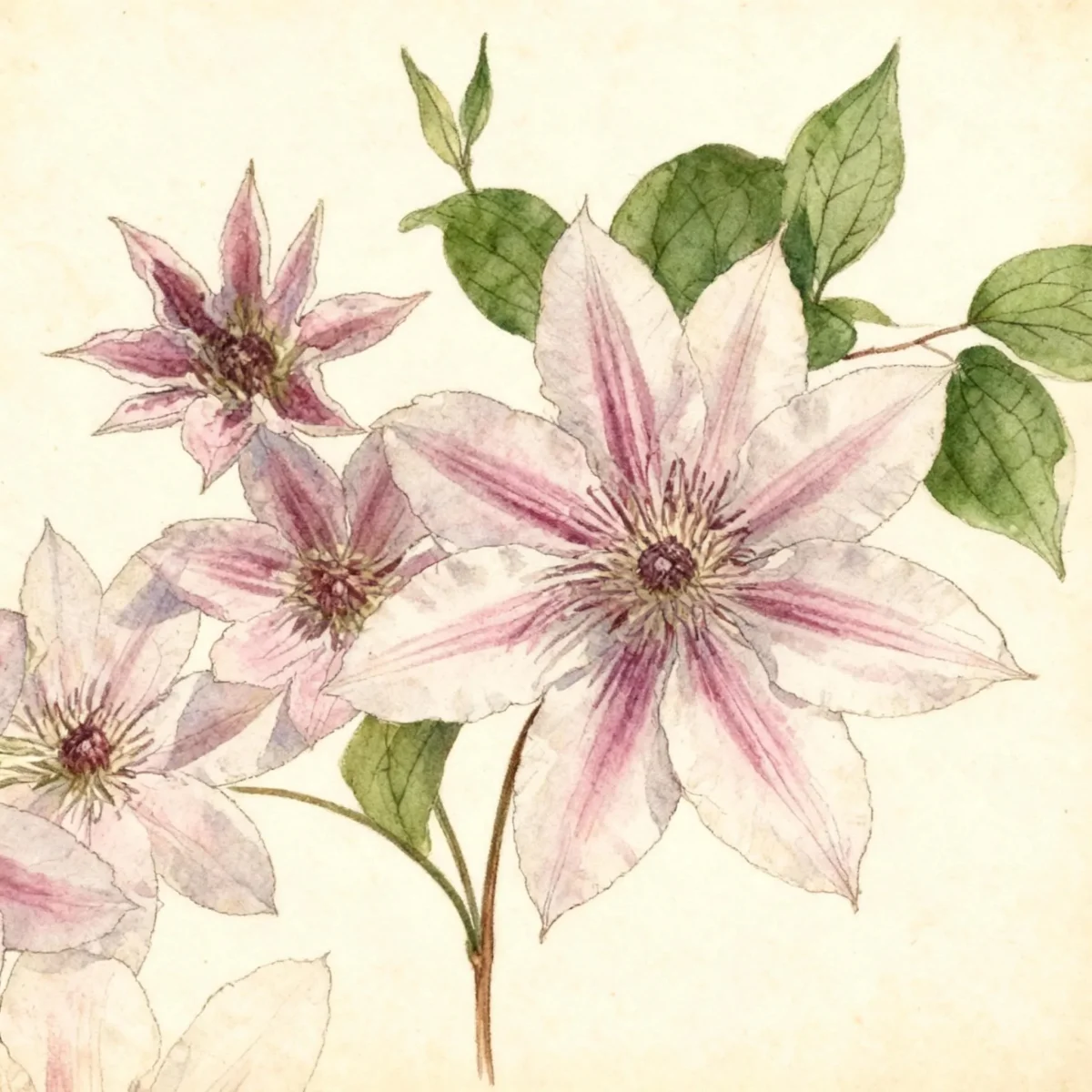
Clematis (Clematis 'Golden Cross')
Clematis 'Golden Cross' is a low-maintenance, semi-woody vine boasting showy yellow flowers from July to October.
Scroll down to discover growing tips, care requirements, companion plants, and more
Complete Plant Information
Overview
The Clematis ‘Golden Cross’ is a highly sought-after variety, distinguished by its late-season bloom of cheerful, cross-shaped yellow flowers. As a semi-woody, climbing vine, it offers significant vertical interest, making it invaluable for transforming bare walls or trellises. This particular Clematis hybrid thrives across a broad range of climates, providing reliable color when many other spring bloomers have faded.
This robust cultivar is generally low maintenance once established, requiring only consistent moisture and proper support structure. Gardeners appreciate the architectural height provided by the Clematis, which can reach up to 6 feet tall, all while adding brilliant late-summer and autumnal interest to the landscape. Ensure the roots of your Clematis ‘Golden Cross’ are shaded while the flowers receive ample light for optimal performance.
Clematis vines, including the popular ‘Golden Cross’, are versatile additions, capable of softening hard lines in garden design or creating dramatic focal points. From climbing fences to scrambling over shrubs, this plant delivers consistent beauty and structure through the growing season, provided its modest cultural needs, particularly regarding root cooling, are met.
Fast Facts
- Plant Family: Ranunculaceae
- Plant Type: Vine
- Hardiness Zones: USDA Zones 4-9
- Size at Maturity:
- Height: 5-6 ft
- Spread: 2-4 ft
- Bloom Time: July to October
- Bloom Description: Yellow
- Sun Exposure: Full sun to part shade
- Water Needs: Medium
- Maintenance Level: Low
How to Grow
Planting Clematis ‘Golden Cross’ is best achieved in fertile, well-drained soil. Locate the vine where its flowering parts receive full sun to partial shade, but critically, ensure the root zone remains shaded and cool. This protection shields the roots, which prefer uniform moisture, from the most intense heat, especially in warmer climates. Clematis vines absolutely require a trellis, arbor, or other sturdy support structure on which to twine and climb.
Watering needs are medium; avoid letting the soil dry out completely, as consistent moisture is key to preventing stress. A thick layer of root mulch is highly recommended, as this helps maintain soil coolness and moisture uniformity around the roots of your Clematis. Fertilization schedules should accommodate its later bloom period, focusing on appropriate feeding established by Group 3 pruning guidelines.
Pruning is a vital aspect of care for this variety; Clematis ‘Golden Cross’ is pruned according to Group 3 standards. This means you can cut the vine back hard to the ground in late fall or early spring before new growth begins, as it will flower exclusively on the new, current season’s growth. This hard pruning encourages vigorous new stems and abundant blooms later in the season.
Landscape Uses
Clematis, and specifically the bright coloration of Clematis ‘Golden Cross’, excels when trained onto vertical elements, adding instant architectural height to small gardens. Use it to soften the lines of stark fences, frame an entryway on an arbor, or provide vertical interest attached to a lamppost. Its relatively compact size (5-6 ft tall) makes it excellent for containers placed near patios where its late-season yellow display can be fully appreciated.
Beyond vertical training, this vine offers flexibility. It can be allowed to sprawl naturally over sturdy, low-growing companion shrubs or scramble decoratively over old stumps, creating a cottage-garden aesthetic. When planning companions, select low-growing perennials or annuals whose foliage will naturally shade the root area of the Clematis, fulfilling its critical cooling requirement while providing contrasting textures beneath the sun-exposed flowers.
Standout Features
Flower Qualities
- Showy
Noteworthy Characteristics
Clematis encompasses over 250 species, often presenting as woody or semi-woody deciduous vines that utilize twining leaf stalks for climbing. Cultivated varieties, like Clematis ‘Golden Cross’, are often categorized into three pruning groups based on where they flower on old vs. new wood. Specifically, ‘Golden Cross’ is recognized as a small-flowered, semi-woody climber, reportedly a hybrid of C. Serratifolia, blooming vividly yellow from late summer into autumn.
Tolerances
- Deer
- Black Walnut
Potential Problems
Clematis vines are susceptible to several issues, primarily wilt or stem rot, which can regrettably prove fatal if not caught early. For management and prevention, ensure excellent drainage and avoid soil compaction around the base. Foliar diseases such as powdery mildew, leaf spots, and rust can occur; improved air circulation, often achieved through correct pruning and spacing, is the best defense. Potential insect pests include common garden nuisances like aphids, slugs/snails, and spider mites; routine scouting, especially during active growth, allows for timely intervention before infestations become severe.
Frequently Asked Questions
What hardiness zones is Clematis ‘Golden Cross’ suitable for?
Clematis ‘Golden Cross’ is hardy and adaptable across USDA Zones 4 through 9.
How large does Clematis ‘Golden Cross’ grow?
This climbing vine typically reaches mature heights between 5 and 6 feet, with a spread generally ranging from 2 to 4 feet wide.
When does Clematis ‘Golden Cross’ bloom?
You can expect beautiful flowering from July straight through October, featuring distinctive yellow blossoms.
What sun exposure does Clematis need?
For the best performance, Clematis ‘Golden Cross’ should receive full sun to part shade exposure.
Conclusion
The Clematis ‘Golden Cross’ stands out as a low-maintenance vine offering brilliant yellow color late into the gardening season. Its Group 3 pruning makes yearly structure management straightforward, rewarding gardeners with vibrant blooms atop well-shaded roots. Before planting, confirm that your garden location offers both sun for the foliage and shade for the base to ensure a healthy, flourishing Clematis display.
Companion Planting
Selecting appropriate companions is crucial for the long-term health of your vigorously growing Clematis ‘Golden Cross’. Because this vine requires its roots to be kept cool, shaded, and uniformly moist, pair it with low-growing, dense perennials that will act as a living mulch. Suitable companions include hostas, which thrive in partial shade, or low-mounding ornamental grasses that will not aggressively compete for water resources. Avoid planting shallow-rooted annuals too closely, as they can dry out the critical root zone quickly.
For a striking color contrast against the yellow blooms of the Clematis, consider late-season flowering perennials such as deep purple asters or white anemones. These companions should share similar medium water needs but ideally have a shallower root profile than the Clematis to maintain the cool, moist environment near the vine’s base. This layered approach maximizes visual appeal while optimizing cultural conditions for the star of the show.
Design Ideas
Clematis ‘Golden Cross’ works exceptionally well in modern, structured designs where it can dramatically soften hardscaping elements. Install a narrow, dark-colored metal trellis against a light-colored garden shed or wall; the yellow flowers will pop vibrantly against both the structure and the background. Allow the foliage to grow densely around the lower sections of the support, creating a seamless transition from ground to sky.
This vine is also a fantastic addition when used to weave through existing, mature foundation shrubs that have lost their lower interest. Planting the base of the Clematis beside a darker evergreen shrub provides the perfect natural shade, allowing the vine to climb up through the shrub’s canopy and display its flowers above the darker backdrop. This technique adds necessary vertical rhythm to established borders without overwhelming the underlying structure.