Solitary clematis (Clematis integrifolia 'Caerulea')
Discover Solitary clematis (Clematis integrifolia 'Caerulea'), a non-climbing herbaceous perennial with nodding porcelain blue flowers through summer.
Scroll down to discover growing tips, care requirements, companion plants, and more
Complete Plant Information
Overview
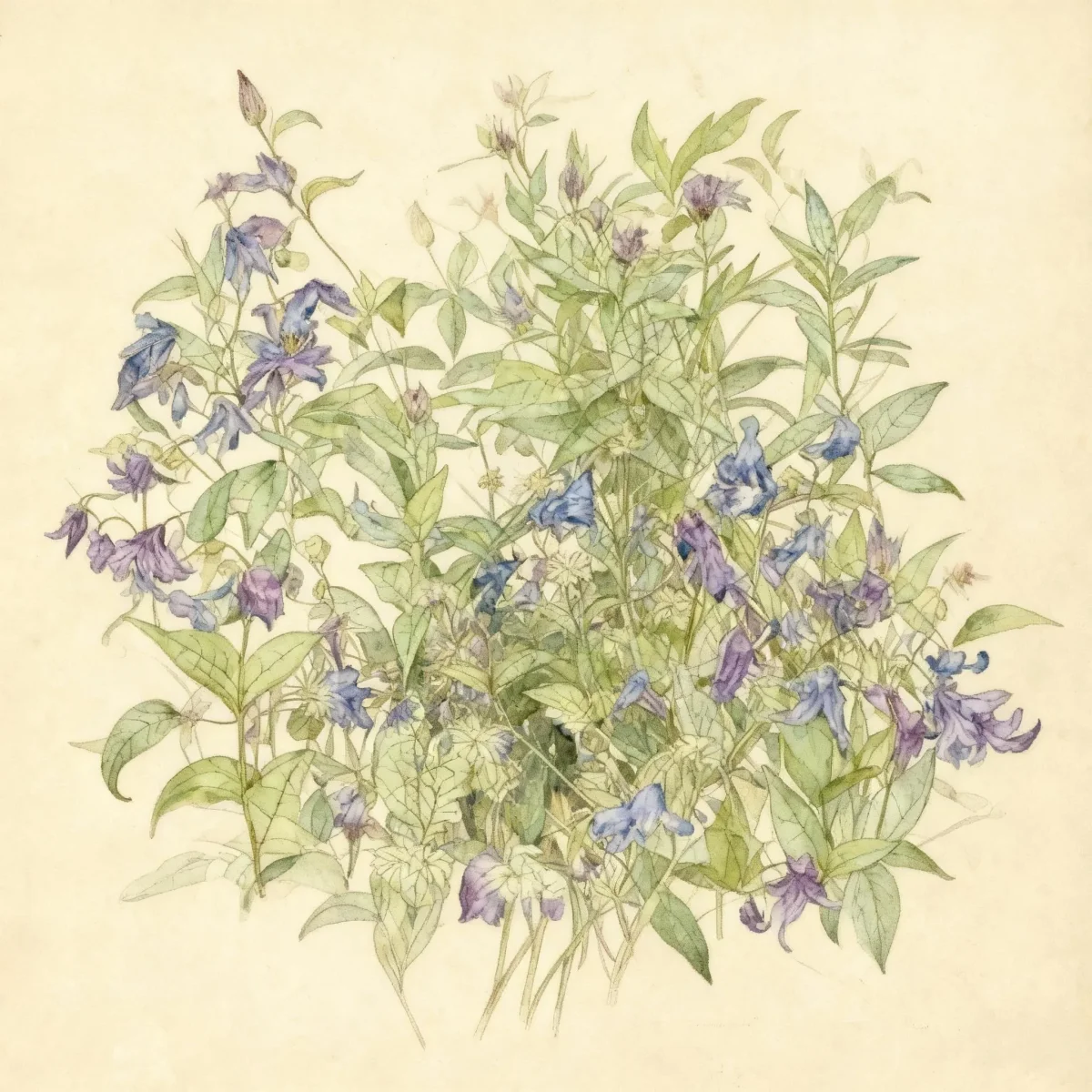
The Clematis integrifolia ‘Caerulea’ offers a unique alternative to traditional climbing vines, presenting itself as an attractive, self-supporting herbaceous perennial. Commonly known as Solitary clematis, this variety forms a dense, shrubby mound of foliage perfect for garden structure without aggressive vertical growth. Its primary appeal lies in its long blooming season, offering nodding, urn-shaped flowers of a stunning porcelain blue from early summer into September.
Valued for its mid-season color and manageable size, Clematis integrifolia ‘Caerulea’ excels where a compact, upright accent is needed rather than a climber. The individual flowers are striking, followed by attractive, plumose seed heads that extend its ornamental appeal well past the main bloom time. Gardeners appreciate this Clematis integrifolia ‘Caerulea’ for its reliable perennial nature and tolerance for a range of conditions, provided its root zone remains cool and moist.
This non-climbing Solitary clematis brings texture and color to the middle or front of borders. Plant it among shorter perennials or allow its stems to gently sprawl, supported by light staking, creating a rich tapestry of foliage and bloom that defines the mid-summer garden.
Fast Facts
- Plant Family: Ranunculaceae
- Plant Type: Herbaceous perennial
- Hardiness Zones: USDA Zones 3-7
- Size at Maturity:
- Height: 1-2 ft
- Spread: 1-2 ft
- Bloom Time: June to September
- Bloom Description: Porcelain blue
- Sun Exposure: Full sun to part shade
- Water Needs: Medium
- Maintenance Level: Medium
How to Grow
Planting should occur when the threat of hard frost has passed, ideally in fertile, well-drained soils rich in humus or peat. While Clematis integrifolia ‘Caerulea’ prefers full sun for the best flowering show, it tolerates part shade, though vigor may decrease. A crucial cultural note for success is maintaining moisture retentive soil—good drainage is essential, but the roots must never dry out completely.
Water mediumly, ensuring the soil stays uniformly moist, especially throughout the summer bloom period. To help maintain cool, shaded roots, consider mulching heavily or planting low-growing companion plants around the base. Because flowering occurs on current year’s growth, minimal pruning is required; simply cut the stems back to the woody base in the fall after frost has killed the foliage. Light staking with pea sticks may be necessary to manage any sprawling tendencies of the foliage.
As an herbaceous perennial, the above-ground stems of the Solitary clematis will fully die back to the ground each autumn. Ensure this dieback is completed before implementing cleanup, as the persistent root system carries the plant through winter robustly in zones 3 through 7.
Landscape Uses
The compact growth habit of Clematis integrifolia ‘Caerulea’ makes it exceptionally versatile for structured garden designs. It performs beautifully when massed in groups of three or five, creating a strong block of color against a contrasting backdrop. Use this non-climbing clematis along border fronts where its height won’t obscure shorter specimens, or integrate it into traditional cottage gardens for a textural lift.
It is an excellent choice for rock gardens where its need for cool roots can be met nicely between stones. Furthermore, planting the Solitary clematis in meadow-style plantings allows it to blend naturally with ornamental grasses, providing those signature porcelain-blue accents throughout the hottest months. It pairs well with plants that appreciate similar sun/moisture profiles, such as Salvia or native Geraniums.
Standout Features
Flower Qualities
- Showy
Noteworthy Characteristics
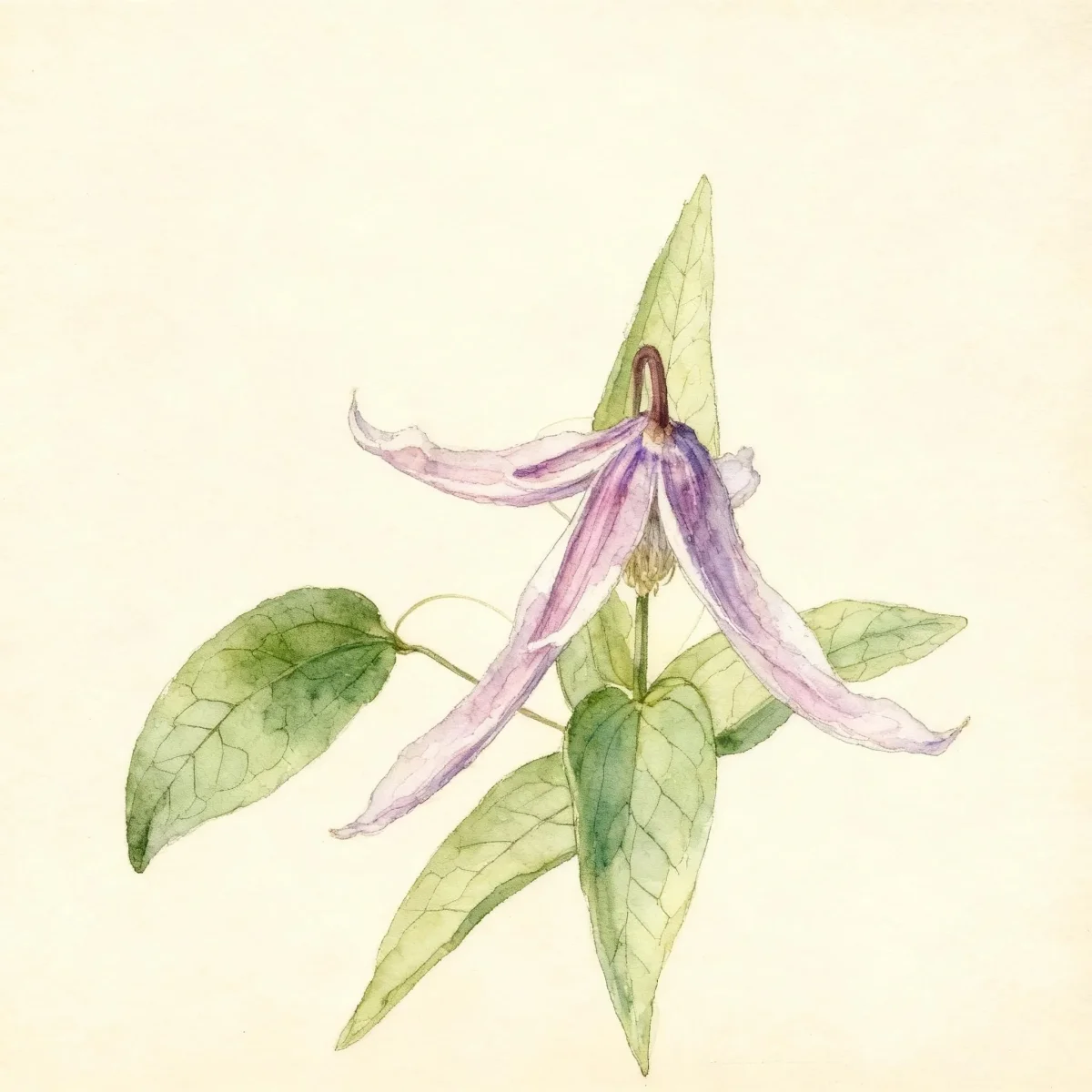
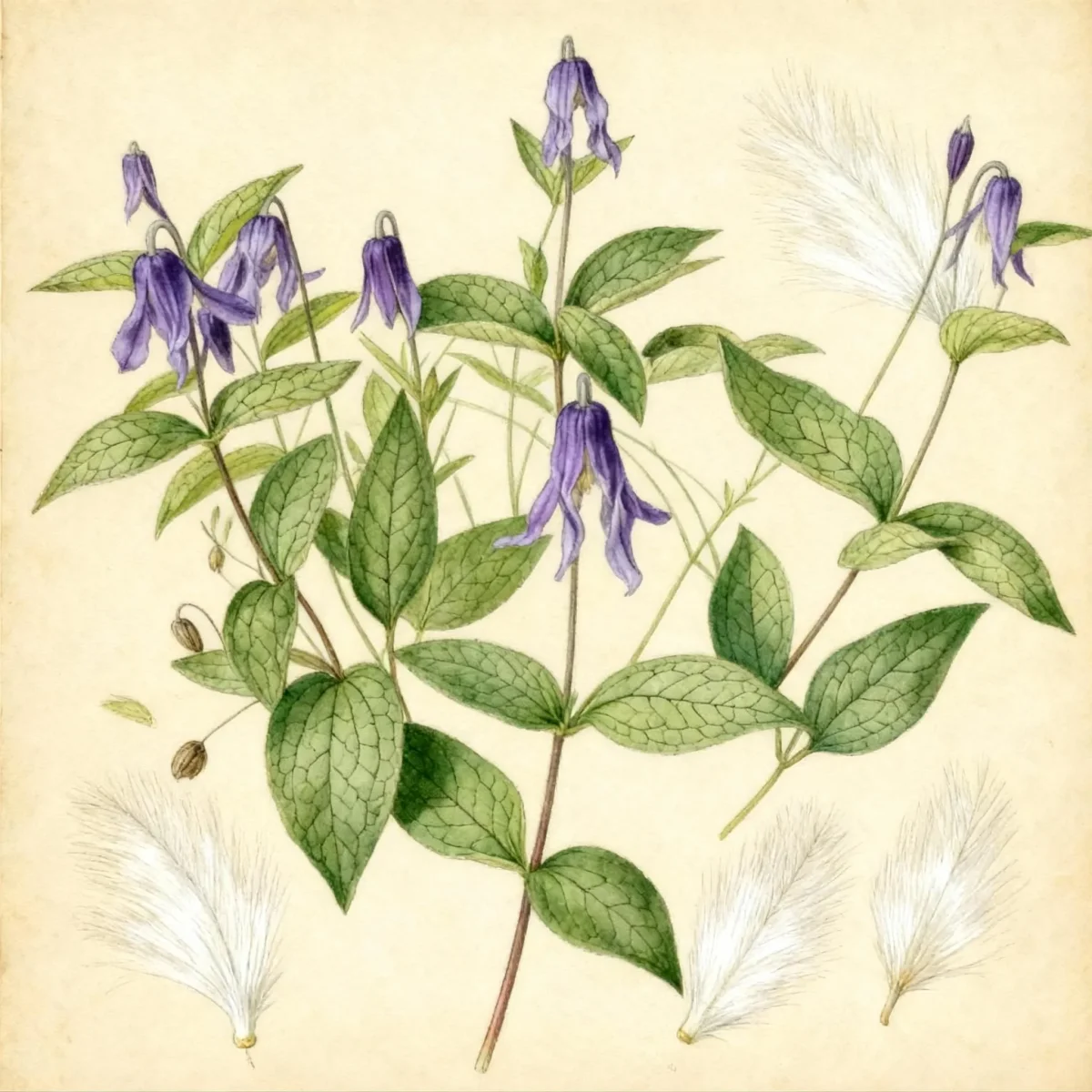
Clematis integrifolia, commonly known as solitary clematis, is a non-climbing, woody-based, herbaceous perennial that typically grows in a dense, upright to sprawling, shrubby mound of undivided leaves to 12-24” tall. Solitary, nodding, urn-shaped, blue flowers, each with four twisted sepals and creamy anthers, appear in a long summer bloom followed by an ornamentally-attractive, silvery-green seed head. ‘Caerulea’ is specifically noted for its porcelain blue flowers displayed over a long June-August blooming period.
Tolerances
- Deer
- Black Walnut
Potential Problems
Clematis integrifolia ‘Caerulea’ is generally less prone to severe issues like Clematis wilt, which disproportionately affects large-flowered hybrids. However, standard vineyard threats persist. Monitor for powdery mildew, rust, and various leaf spot diseases, especially if air circulation is poor. Good cultural practices, such as planting in full sun and ensuring adequate spacing, help prevent fungal outbreaks. Insect pests like aphids, slugs, snails, and spider mites may occasionally appear; treat minor infestations promptly with insecticidal soap or manual removal.
Frequently Asked Questions
What hardiness zones is Solitary clematis suitable for?
This plant is robustly hardy across USDA Zones 3 to 7.
How large does Clematis integrifolia ‘Caerulea’ grow?
It typically achieves a height between 1 and 2 feet, with an equal spread of 1 to 2 feet, forming a manageable mound.
When does Solitary clematis bloom?
You can expect the porcelain blue flowers of Clematis integrifolia ‘Caerulea’ to appear consistently from June right through September.
What sun exposure does Solitary clematis need?
For the most prolific display of blooms, aim to site your Solitary clematis where it receives full sun, though it tolerates light afternoon shade.
Conclusion
The Clematis integrifolia ‘Caerulea’ stands out as a durable, beautiful herbaceous perennial that adds unique form and delightful color to summer garden beds. Its long bloom time and manageable, self-supporting structure make the Solitary clematis a reliable favorite that requires only medium care. Before planting, confirm your site offers well-drained soil and sufficient moisture retention in your USDA zone.
Companion Planting
Selecting the right companions enhances both the form and root health of Clematis integrifolia ‘Caerulea’. Because this plant requires cool, shaded roots, interplanting with dense, low-growing perennials works perfectly. Consider silvery foliage plants like Lamb’s Ears (Stachys byzantina) or ornamental grasses whose fine texture contrasts nicely with the broad leaves of the clematis. Plants that prefer similar medium water needs and bloom later in the season, such as certain coneflowers (Echinacea) or hardy Geraniums, create layered interest around the mounds of porcelain blue flowers.
Design Ideas for Non-Climbing Clematis
Using the Solitary clematis as a structured filler, rather than a climber, opens creative possibilities. In formal gardens, use them as repeating structural elements along a pathway edge, where their defined 1-2 foot height provides excellent foreground material. In contemporary settings, plant drifts of Clematis integrifolia ‘Caerulea’ alongside low, mounding shrubs that provide winter interest. Their unique, nodding flower shape also makes them excellent candidates for cutting gardens, though their stems require careful handling due to their shorter stature compared to traditional cultivars.