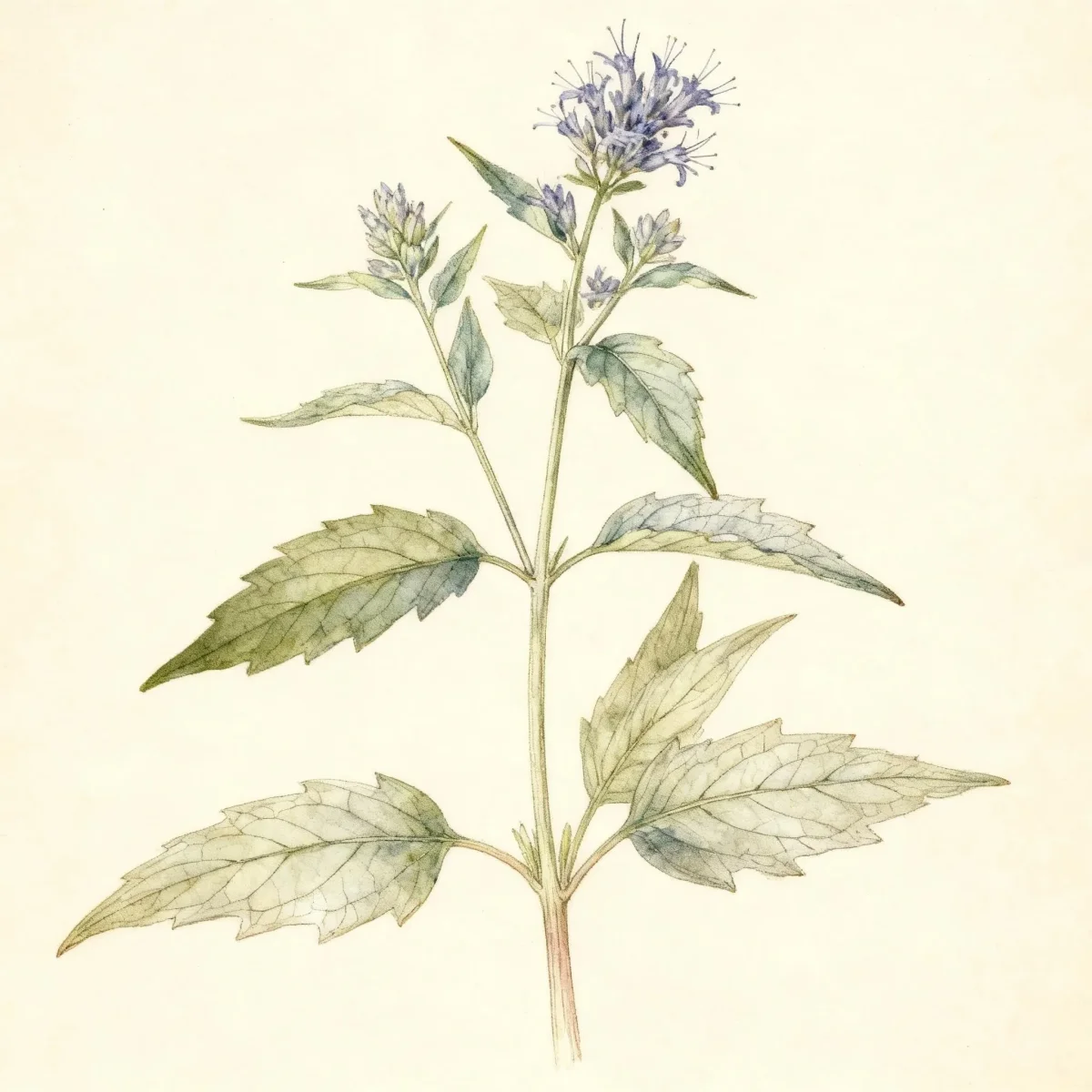
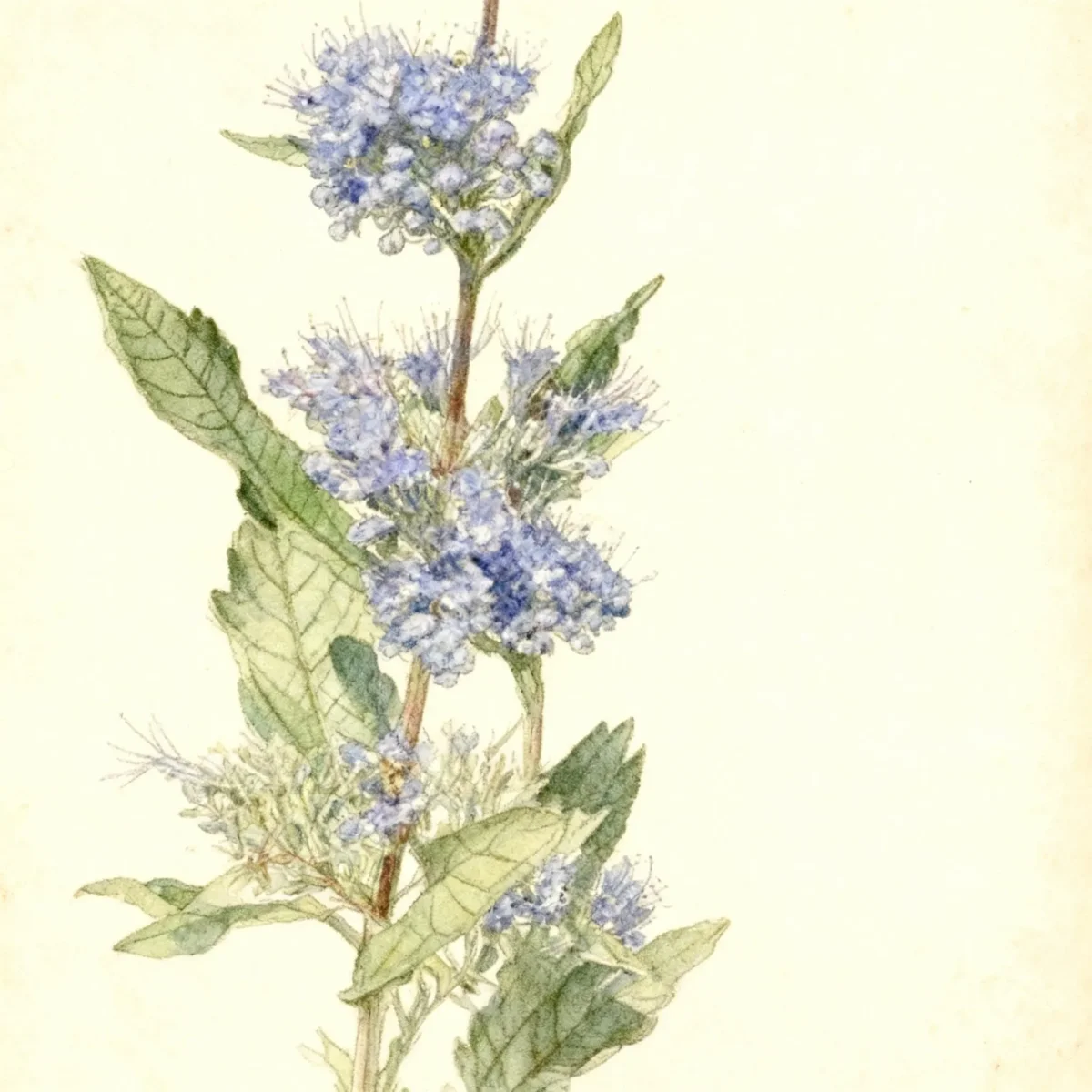
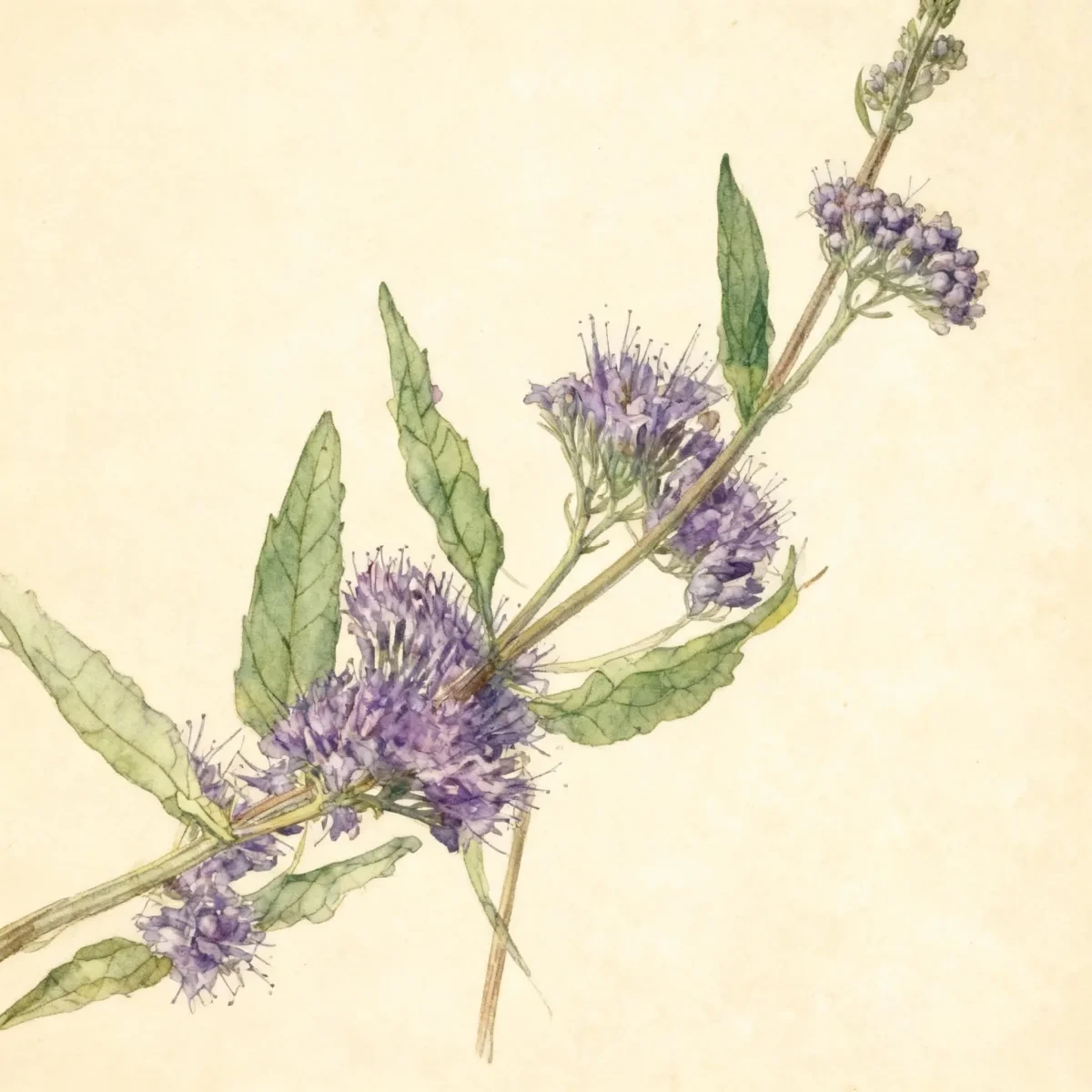
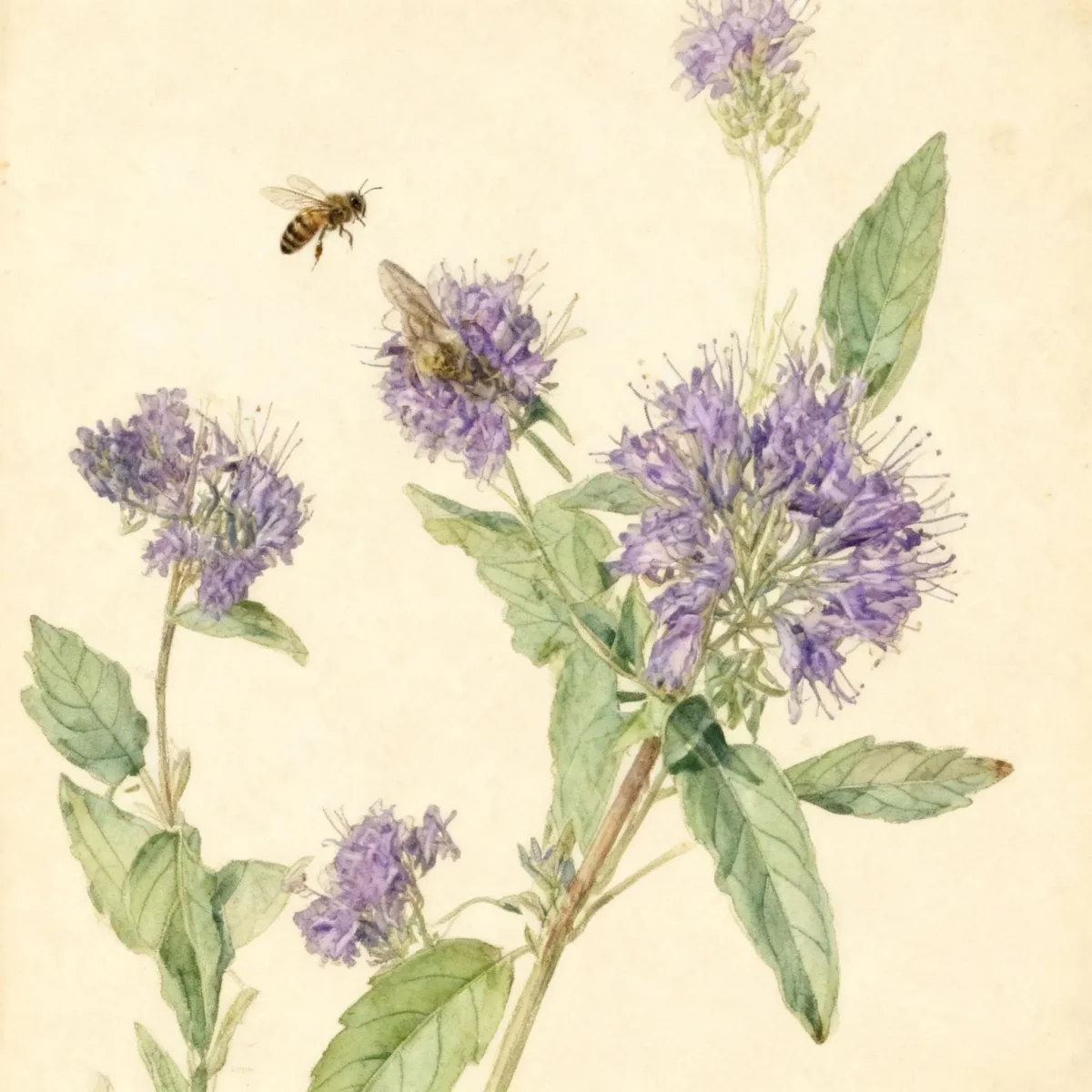
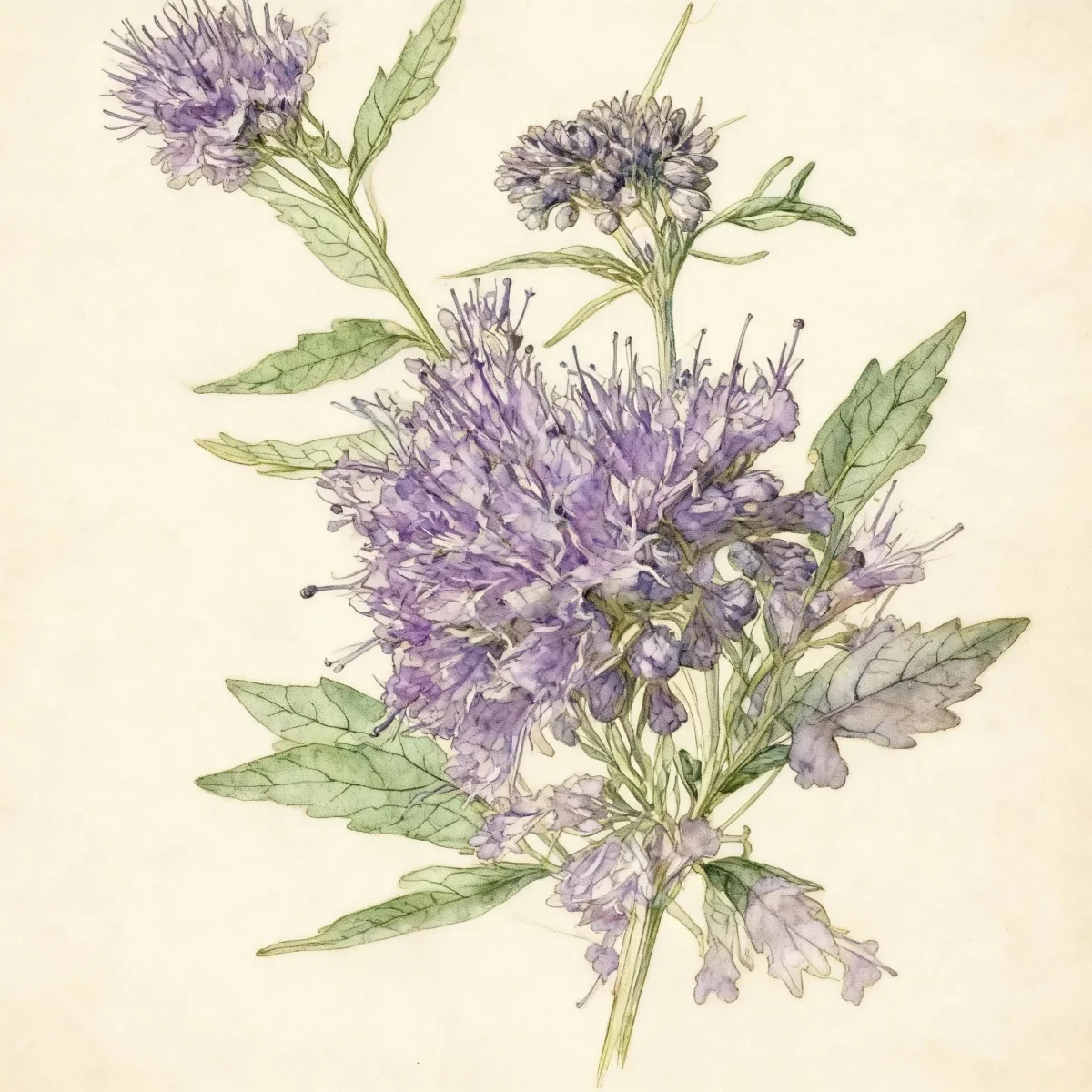
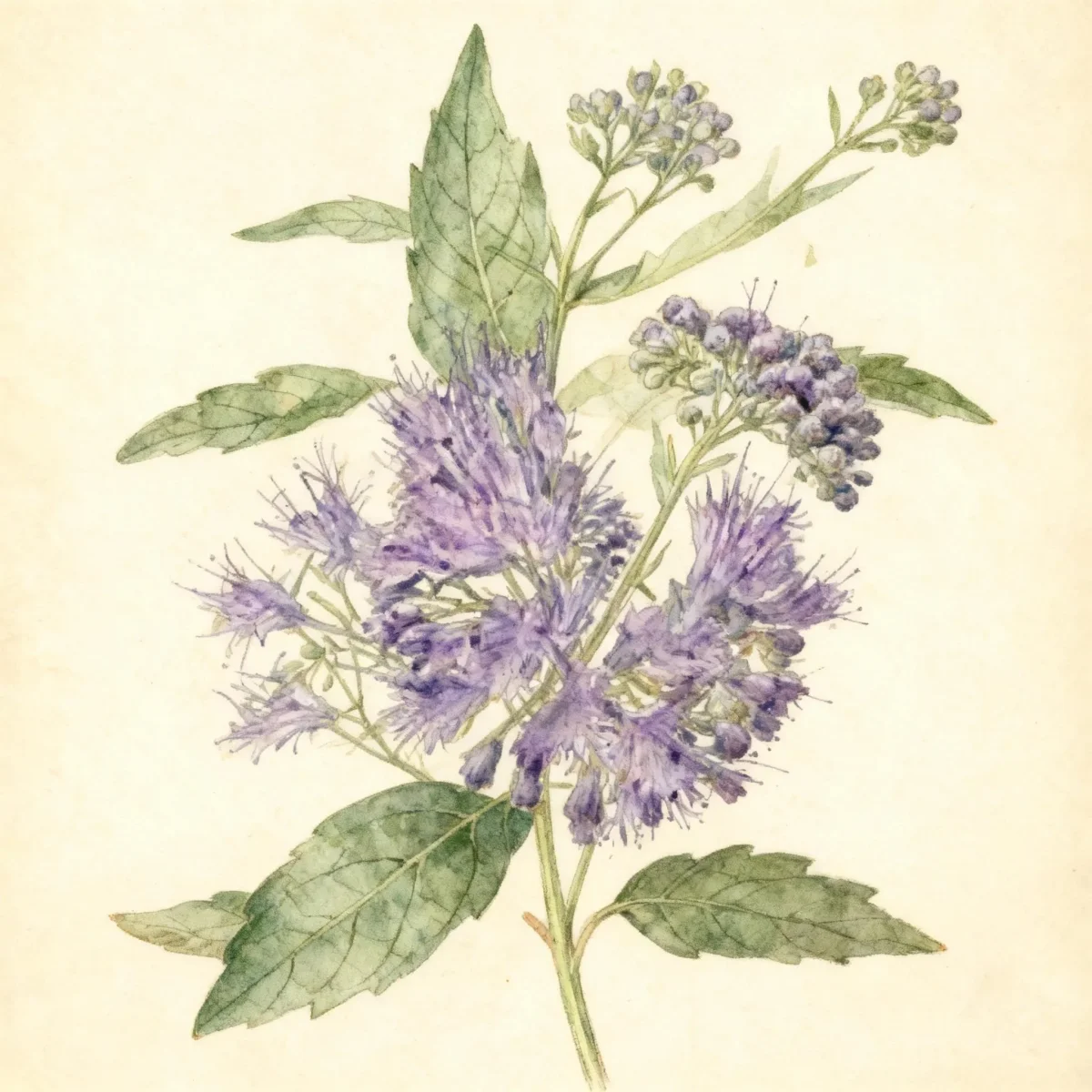
Bluebeard (Caryopteris incana 'Jason' SUNSHINE BLUE)
Caryopteris incana 'Jason' SUNSHINE BLUE offers fragrant, showy amethyst blooms in late summer. This low-maintenance Bluebeard thrives in full sun.
Scroll down to discover growing tips, care requirements, companion plants, and more
Complete Plant Information
Overview
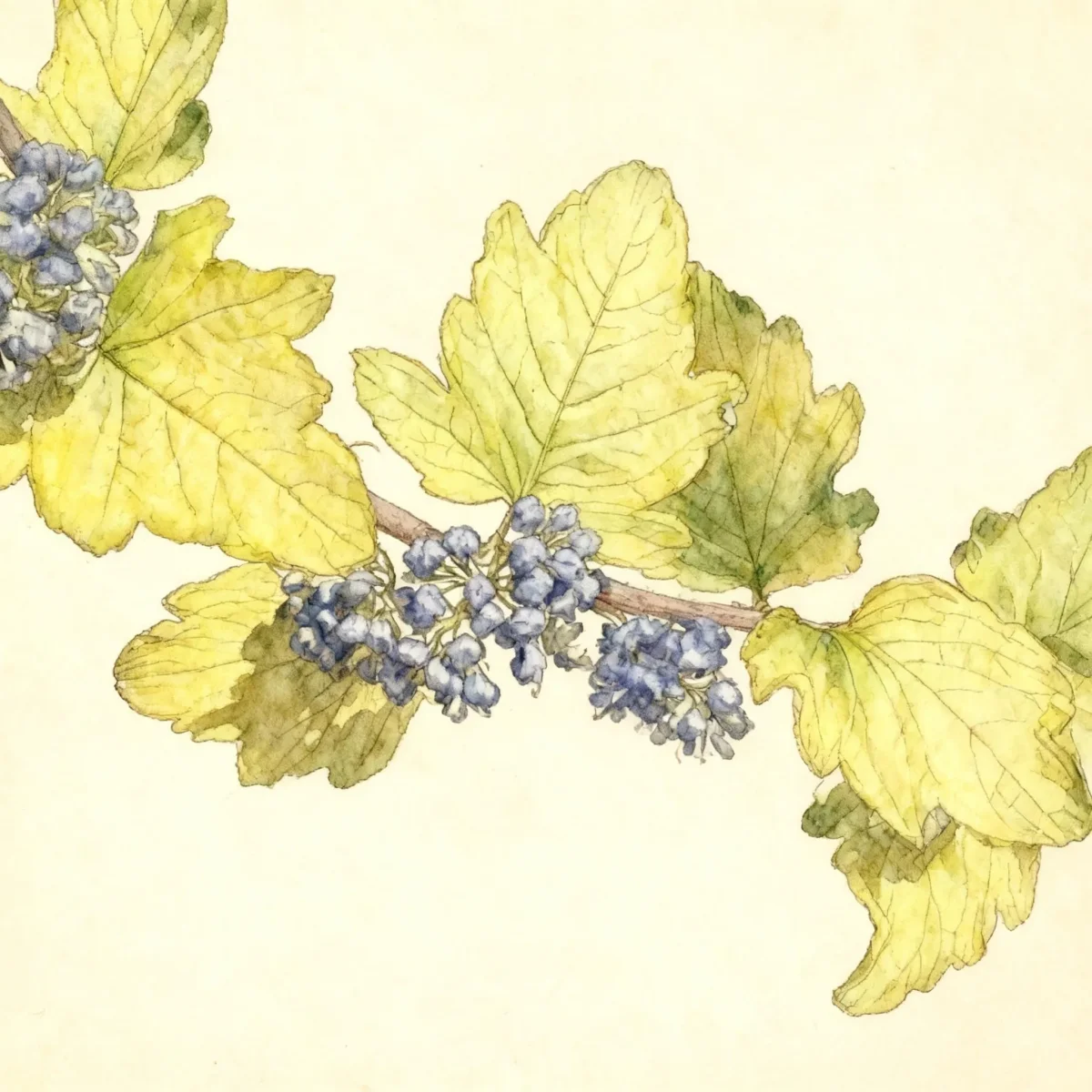
Caryopteris incana ‘Jason’ SUNSHINE BLUE, often known simply as Bluebeard, is a cherished late-season bloomer valued for its reliable burst of amethyst blue color when many other shrubs have finished flowering. This specific cultivar, frequently sold as SUNSHINE BLUE, stands out with its compact habit and foliage that maintains good golden color throughout the summer heat. Its fragrant flowers are instrumental in extending garden color and providing essential nectar for late-season pollinators.
As a deciduous shrub, the Caryopteris incana ‘Jason’ SUNSHINE BLUE offers easy upkeep and seasonal interest. It is most attractive in mass plantings or perennial borders where its late bloom provides a valuable contrast. Gardeners appreciate its relatively low maintenance requirements, provided it is situated in the correct conditions.
This shrub provides significant benefit to the ecosystem, being highly attractive to bees, butterflies, and other beneficial insects. The aromatic quality of its leaves and stems adds another layer of sensory appeal to the landscape, ensuring that Bluebeard remains a functional and beautiful addition to any sunny garden space.
Fast Facts
- Plant Family: Lamiaceae
- Plant Type: Deciduous shrub
- Hardiness Zones: USDA Zones 5-9
- Size at Maturity:
- Height: 2-2.5 ft
- Spread: 2-3 ft
- Bloom Time: July to September
- Bloom Description: Amethyst blue
- Sun Exposure: Full sun
- Water Needs: Medium
- Maintenance Level: Low
How to Grow
Plant Caryopteris incana ‘Jason’ SUNSHINE BLUE in the best location during spring or early summer in average, medium moisture, well-drained soil. Full sun exposure is critical for achieving abundant blooms and the best foliage color. While it prefers loose loams, ensure drainage is excellent, as this plant is intolerant of wet or poorly-drained conditions, which can lead to crown rot.
Water needs are medium; Bluebeard tolerates some drought once established but requires consistent moisture through the main growing season. Due to its variable winter hardiness, pruning demands frequent attention. In Zone 7 and warmer, stems usually survive, but hard pruning back in early spring is still common to promote vigorous new growth and maintain a tidy shape.
For gardeners in the colder range (Zones 5 and 6), the stems will likely die back to the ground each winter. In these areas, prune dead wood back hard in late winter or early spring, similar to pruning Buddlejas or Crepe Myrtles. Flowering occurs only on the new growth resulting from the spring pruning, so this practice will not negatively impact the display of amethyst blue flowers later in the season.
Landscape Uses
Caryopteris incana ‘SUNSHINE BLUE’ excels in positions where its compact form and late-season color can truly shine. It is highly recommended for perennial borders, acting as a mid-border anchor or replacement for early spring bloomers. Larger groups or mass plantings create a striking impact, particularly effective when contrasted against contrasting foliage colors.
This Bluebeard also serves wonderfully as a low, informal hedge, defining pathways or property edges without becoming overgrown. Its relatively small stature makes it an excellent choice for container gardening, offering reliable color on patios or decks through late summer and early autumn. Pair it with plants such as Ornamental Grasses, Sedum, or late-flowering Coneflowers that share its full sun requirements and need for well-drained soil.
Standout Features
Flower Qualities
- Showy
- Fragrant
Noteworthy Characteristics
Caryopteris incana, commonly known as common bluebeard or blue spiraea, is a deciduous shrub noted for its aromatic flowers, leaves, and stems that bloom from late summer into fall. The cultivar ‘Jason’, sold as SUNSHINE BLUE, offers compact growth and foliage that resists scorching, highlighted by fragrant amethyst blue flowers blooming late in the season. Flowers are particularly noted for being very attractive to butterflies, bees, and other beneficial insects, making this a vital component of a pollinator garden.
Tolerances
- Attracts butterflies
- Attracts bees
Potential Problems
Bluebeard generally faces no serious insect or disease problems under optimal conditions. The primary cultural caution relates to moisture; crowns are susceptible to rot if grown in wet, poorly-drained soils. Ensure planting sites allow water to move away freely from the base of the shrub to prevent these issues.
Frequently Asked Questions
What hardiness zones is Bluebeard suitable for?
Caryopteris incana ‘Jason’ SUNSHINE BLUE is reliably winter hardy in USDA Zones 7 through 9, although the roots can survive in Zone 5 if the tops die back seasonally.
How large does Caryopteris incana ‘Jason’ SUNSHINE BLUE grow?
This compact variety typically achieves a height between 2 and 2.5 feet and spreads quietly to 2 or 3 feet wide.
What sun exposure does Caryopteris incana ‘Jason’ SUNSHINE BLUE need?
For the most vibrant amethyst blue blooms and best golden foliage color, this Bluebeard requires full sun exposure throughout the day.
When does Bluebeard bloom?
This species provides excellent late-season color, with blooms typically appearing from July to September.
Conclusion
The Caryopteris incana ‘Jason’ SUNSHINE BLUE provides essential late-season fragrance and vibrant amethyst blue flowers, perfectly rounding out the summer garden display. Its low maintenance and pollinator-friendly nature make this Bluebeard a practical and ecological winner. Always ensure your site offers full sun and excellent drainage before planting this compact shrub.
Wildlife Benefits
The late bloom window of Caryopteris incana ‘Jason’ SUNSHINE BLUE is a key feature for supporting local ecology. As many summer bloomers fade, this shrub steps in to provide crucial late-season nectar when bees and butterflies are preparing for migration or winter.
Its flowers are highly attractive to numerous beneficial insects, including various bee species and butterflies. Planting Bluebeard near vegetable gardens or perennial patches helps ensure steady pollination activity until the first hard frosts arrive.
Due to its aromatic nature, it is rarely bothered by deer or rabbits, adding another practical benefit to its use as a low hedge or border plant in areas where browsing might be an issue for other shrubs.
Companion Planting
Pairing Caryopteris incana ‘Jason’ SUNSHINE BLUE with other sun-loving, drought-tolerant perennials creates stunning, low-effort mixed borders. Consider combining it with plants that peak earlier to ensure season-long interest before the Bluebeard takes center stage.
Good companions include low-growing Sedums, which offer textural contrast to the shrub’s fine leaves, and Rudbeckia (Black-Eyed Susan) varieties that complement the deep blue flowers with their yellow tones. Since Bluebeard is pruned hard in spring, select companions that benefit similarly from spring cutbacks or those with a late-season emergence pattern.
Because this plant demands well-drained soil, avoid placing it near moisture-loving plants like Astilbe or moisture-retentive groundcovers. Maintaining similar water needs across the planting scheme ensures all components of the border thrive together successfully, maximizing the display of Caryopteris incana ‘Jason’ SUNSHINE BLUE.